Top 7 Natural Monuments around Raffadali
Natural monuments around Raffadali, a town in Sicily's Agrigento Province, are characterized by a blend of geological formations and historical significance. The region features diverse landscapes, from ancient olive groves to unique mud volcanoes and rock-cut archaeological sites. These natural features often intertwine with human history, offering insights into the area's past. Visitors can explore a variety of natural attractions that showcase Sicily's rich natural heritage.
Best natural monuments around Raffadali
- The most popular natural monuments is Byzantine Rock-Cut Tombs…
Last updated: October 1, 2026
Ancient Olive Tree Near the Temple of Concordia
Highlight • Natural Monument
Translated by Google •
Tip by

Petra di Calathansuderj
Highlight • Historical Site
Translated by Google •
Tip by

Sign up now to discover places like this
Get recommendations on the best single tracks, peaks, & plenty of other exciting outdoor places.
Byzantine Rock-Cut Tombs
Highlight • Historical Site
Translated by Google •
Tip by

Giardino della Kolymbethra
Highlight • Natural Monument
Translated by Google •
Tip by
Macalube di Aragona Nature Reserve
Highlight • Natural Monument
Translated by Google •
Tip by

Sign up for free to discover even more natural monuments around Raffadali.
Already have an account?
Start today with a free account
Your next adventure awaits.
Tips from the Community

The Byzantine rock-cut tombs of Agrigento are among the most fascinating testimonies of the late ancient and early Christian phase of the Valley of the Temples. These burials, dating mainly from the period between the 4th and 6th centuries AD, show how the early Christians and Byzantines adapted the grandiose monumental structures of the Greek era for their funerary needs.
0
0

The entrance is further back and there are additional entry fees.
1
0

The site is still closed in 2025, but you can approach the fence where you can observe one of the most distant volcanoes. Furthermore, there seems to be a possibility of a "soon" reopening. The macalube (or maccalube) are small mud volcanoes formed by a rare geological phenomenon called sedimentary volcanism: methane gas pressure causes gas, water, and clayey sediments to escape from the subsurface, forming mud cones very similar to volcanoes. The term likely derives from the Arabic maqlùb, meaning "overturning" or "upside down," referring to the lifting and overturning of older materials brought to the surface during eruptive phases (from the web).
1
0

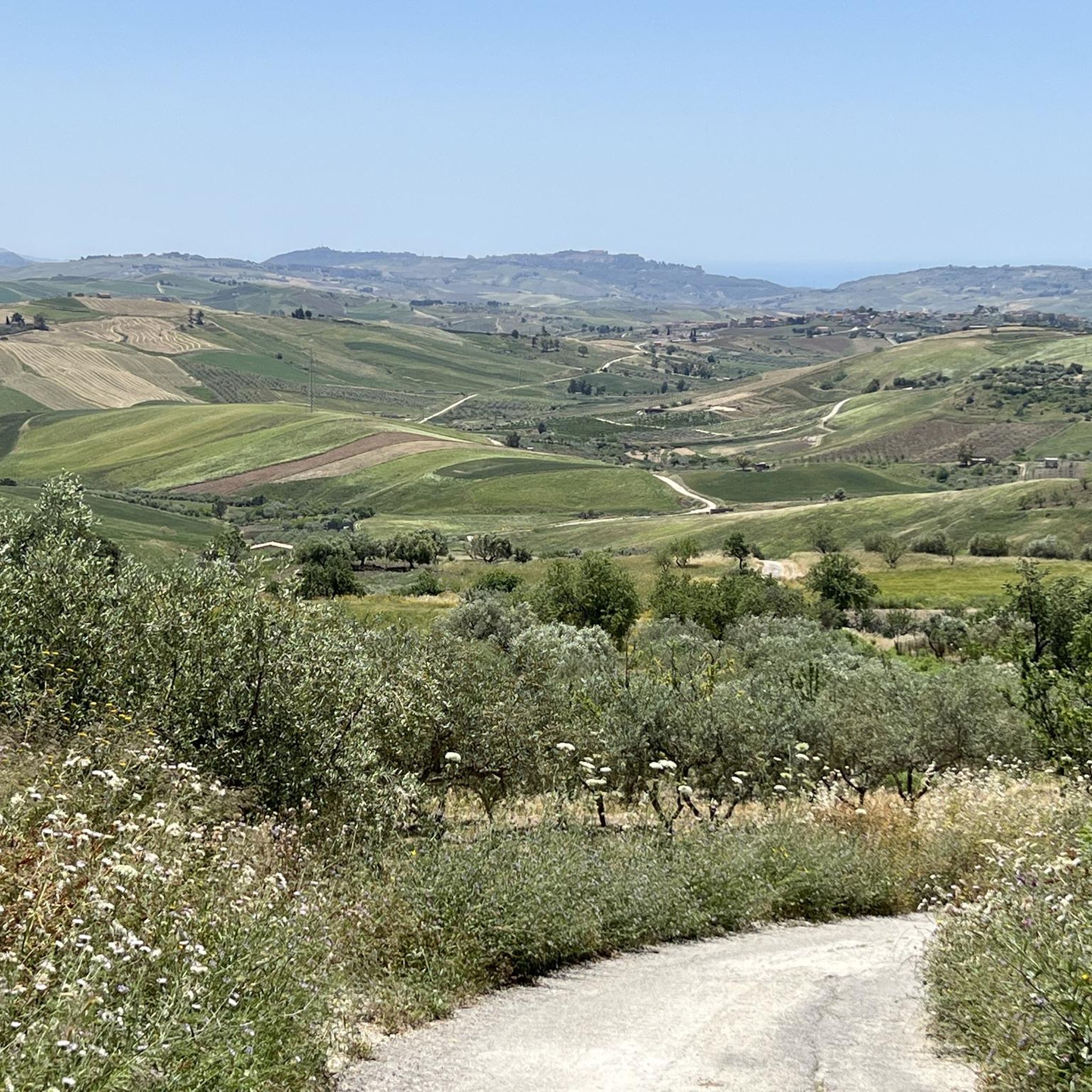
perhaps it is the only one I met during the walk that is historically close to the origins of the valley. the remaining olive groves are all young
3
0

The Kolymbetra Garden was a favorite among writers, artists and poets of antiquity
4
0
Could tell a lot
3
0

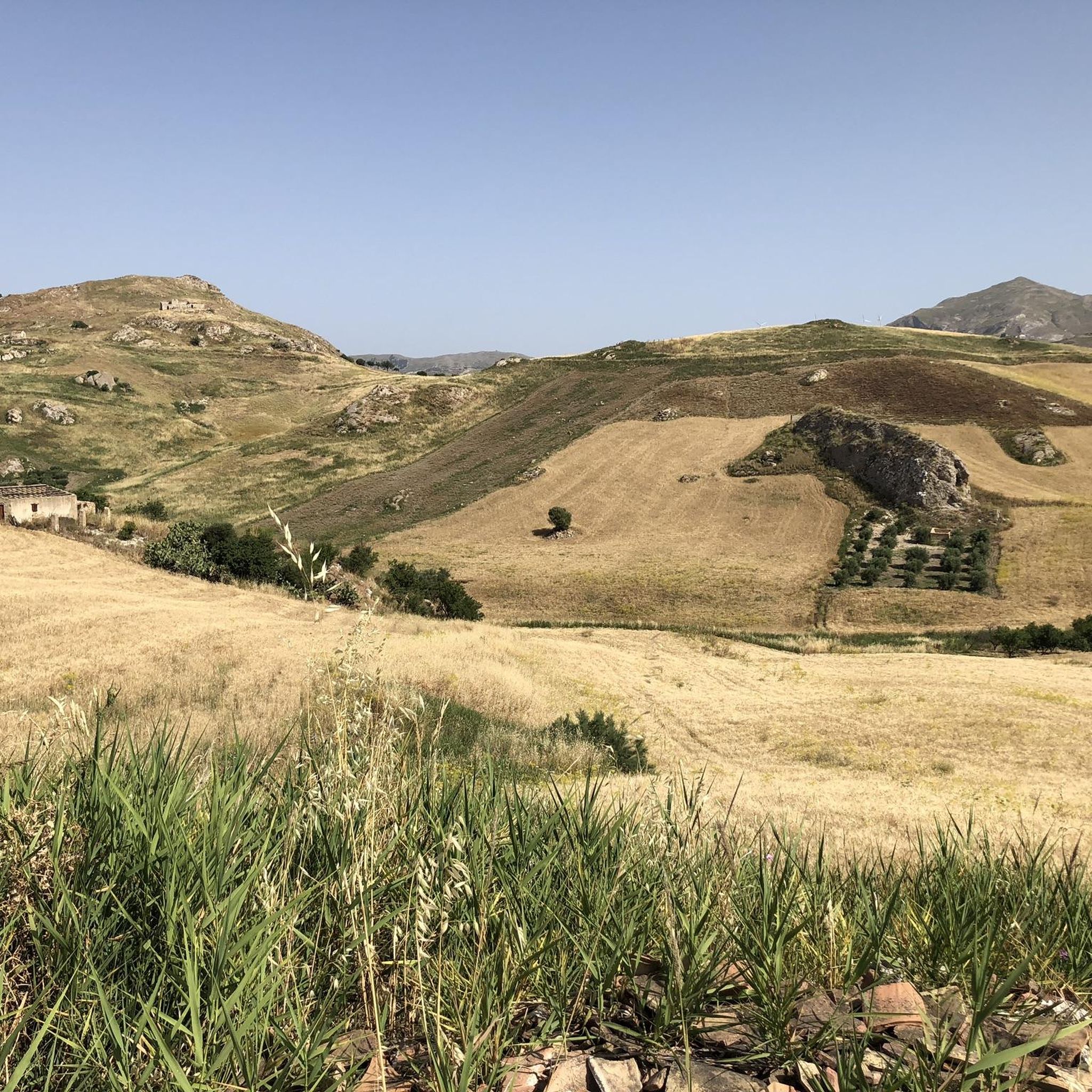
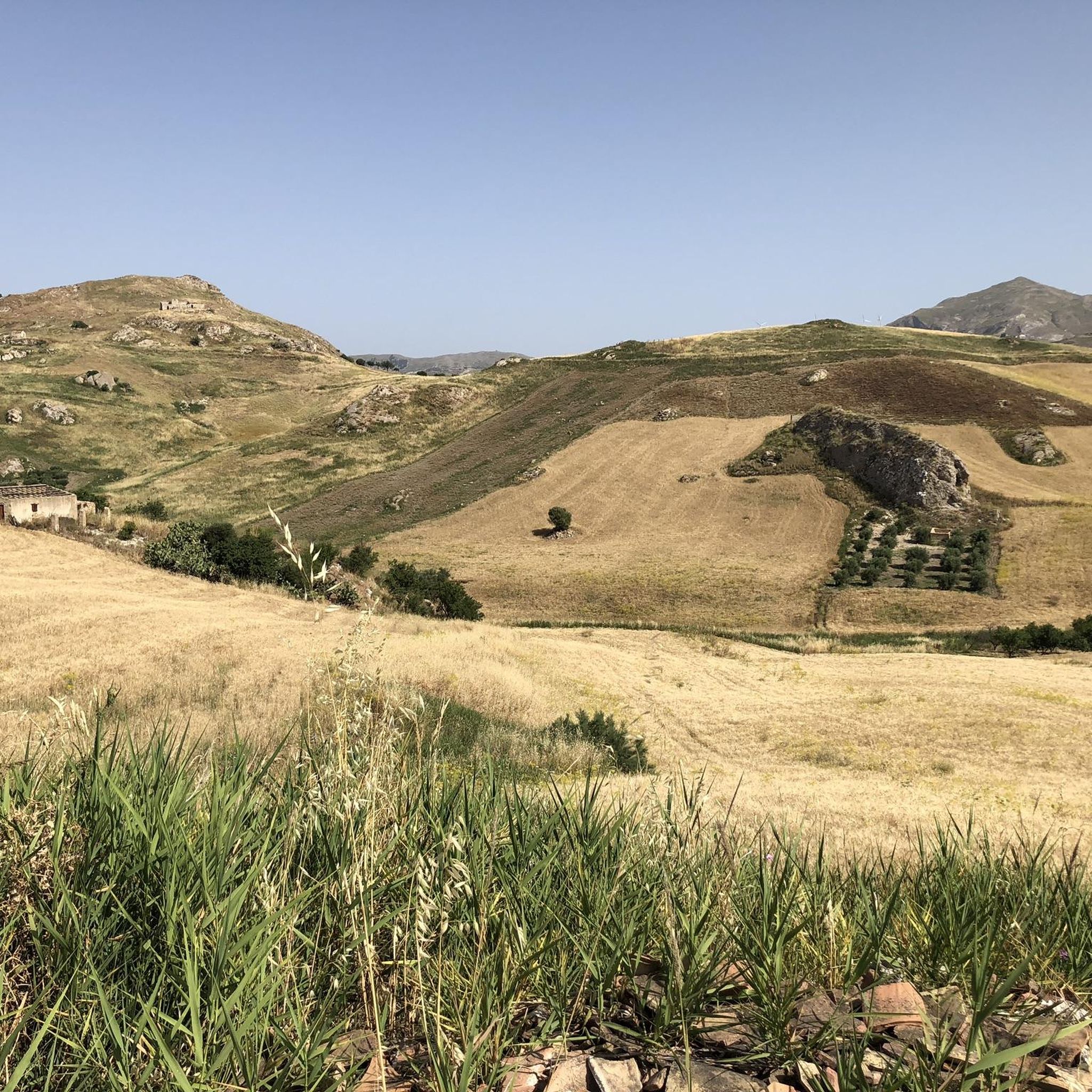
The archaeological area of Petra of Calathansuderj hides a unique stronghold, testimony to the Byzantine-Arab-Norman influence, with an imposing structure 30 meters high and 40 meters wide, full of tunnels dug for the defense and control of the roads communication. The discovery of numerous ceramic finds, dated between the 2nd and 14th centuries AD, reveals the strategic importance of this site through the centuries.
4
0
Frequently Asked Questions
What are some unique natural monuments to visit near Raffadali?
Beyond the well-known sites, you can explore the Petra di Calathansuderj, an archaeological area featuring a Byzantine-Arab-Norman stronghold with tunnels dug into the rock. Another fascinating spot is the Macalube di Aragona Nature Reserve, known for its unique 'cold mud volcanoes' that create a lunar-like landscape. While the fenced area is currently closed, you can still observe some of these geological formations from the perimeter.
Are there natural monuments near Raffadali that are family-friendly?
Yes, several natural monuments are suitable for families. The Ancient Olive Tree Near the Temple of Concordia is a historical and natural marvel that children might find interesting due to its age and size. The Giardino della Kolymbethra offers beautiful views and a pleasant environment for a family stroll. For a more adventurous outing, the Riserva Naturale Orientata Torre Salsa provides opportunities for gentle hikes and beach activities, though access can be challenging after rain.
What kind of geological features can I expect to see around Raffadali?
The region around Raffadali is rich in diverse geological formations. You can witness the unique 'cold mud volcanoes' at the Macalube di Aragona Nature Reserve. The Riserva Naturale Orientata Torre Salsa features dramatic cliffs, sand dunes, and 'evaporite' rocks dating back 6 million years. Additionally, ancient caves like those found in Mount Palombara offer glimpses of stalactites and calcified bones, showcasing the area's subterranean geology.
Are there any natural monuments with historical or archaeological significance?
Absolutely. Many natural monuments in the area are intertwined with history. The Byzantine Rock-Cut Tombs are graves carved directly into rock, visible within ancient city walls. The Petra di Calathansuderj is a natural rock formation that served as a Byzantine-Arab-Norman stronghold. Even the Ancient Olive Tree Near the Temple of Concordia stands as a living historical monument. The region also includes sites like Cozzo Pietrarossa with its ancient 'oven tombs' and the Caves of Sant'Angelo Muxaro, which combine natural formations with archaeological discoveries.
What outdoor activities can I do near these natural monuments?
The area around Raffadali offers various outdoor activities. You can find numerous cycling routes, including road cycling, mountain biking, and touring. For example, there are challenging MTB trails like the "Macalube di Aragona Nature Reserve Loop from Raffadali" and scenic touring routes such as the "Montallegro – Torre Salsa Nature Reserve loop from Raffadali." You can explore more options on the Road Cycling Routes around Raffadali, MTB Trails around Raffadali, and Cycling around Raffadali guide pages.
Are there hiking opportunities around the natural monuments?
Yes, hiking is a popular activity. The Riserva Naturale Orientata Torre Salsa offers trails for wildlife observation and exploring its diverse landscape of hills, dunes, and wetlands. While specific hiking trails for all natural monuments are not detailed, the general terrain around Raffadali, including areas like Mount Palombara, provides opportunities for exploration and walking, often combining natural beauty with historical sites.
What is the best time to visit the natural monuments near Raffadali?
The best time to visit is generally during the spring (April-May) and autumn (September-October) when the weather is milder and more pleasant for outdoor activities like hiking and exploring. Summers can be very hot, especially in July and August, which might make extensive outdoor exploration less comfortable. Winter months are generally mild but can bring rain, potentially making access to certain reserves like Torre Salsa more challenging.
Can I observe wildlife at the natural monuments?
The Riserva Naturale Orientata Torre Salsa is particularly notable for wildlife observation. It is a crucial nesting site for the endangered loggerhead sea turtle (Caretta caretta), and its wetlands are home to the endemic Sicilian pond turtle (Emys trinacris). The diverse habitats within the reserve also support various other animal and bird species, making it an excellent spot for nature enthusiasts.
Are there any viewpoints among the natural monuments?
Yes, the Giardino della Kolymbethra is a natural monument and historical site that offers excellent viewpoints, including vistas of a steep wall. Many of the natural rock formations and elevated historical sites, such as the Petra di Calathansuderj, also provide panoramic views of the surrounding landscape.
How accessible are the natural monuments, and what about parking?
Accessibility varies by site. Some locations, like the Ancient Olive Tree Near the Temple of Concordia and Giardino della Kolymbethra, are generally more accessible. However, access to the Riserva Naturale Orientata Torre Salsa can be challenging, especially after rain, and is best attempted with a high-clearance or 4WD vehicle. Parking availability also varies; it's advisable to check specific location details if driving. Public transport options directly to all remote natural monuments may be limited, so a car is often recommended for exploring the wider region.
What should I wear when visiting natural monuments in Sicily?
When visiting natural monuments in Sicily, especially those involving walking or hiking, it's recommended to wear comfortable walking shoes or hiking boots. Layered clothing is advisable as temperatures can change throughout the day, and a hat and sunscreen are essential during sunnier months. For visits to reserves like Torre Salsa, swimwear might be useful if you plan to enjoy the beaches.
Most popular attractions around Raffadali

Get inspired with the komoot mobile app


Explore more
Extend your search for the best caves by checking out these guides of the top ones around Raffadali:
