Top 6 Natural Monuments around Rombiolo
Natural monuments around Rombiolo are situated in the Vibo Valentia region of Calabria, Italy, an area characterized by its natural beauty and historical significance. The landscape includes ancient settlements carved into rock, diverse coastal formations, and notable geological features. This region provides insights into historical ways of life and unique natural scenery.
Best natural monuments around Rombiolo
- The most popular natural monuments is Sanctuary of Santa Maria dell'Isola, a religious building and natural monument located on a rock. This…
Last updated: June 28, 2026
Sanctuary of Santa Maria dell'Isola
Highlight • Religious Site
Translated by Google •
Tip by

Zungri Cave Settlement
Highlight • Cave
Translated by Google •
Tip by

Sign up now to discover places like this
Get recommendations on the best single tracks, peaks, & plenty of other exciting outdoor places.
Sign up for free
Palombaro Grotto
Highlight • Cave
Translated by Google •
Tip by
Cannone Beach
Highlight • Beach
Translated by Google •
Tip by
Riaci Bay
Highlight • Beach
Translated by Google •
Tip by

Sign up for free to discover even more natural monuments around Rombiolo.
Sign up for free
Already have an account?
Start today with a free account
Your next adventure awaits.
Login or Signup
Tips from the Community

Beautiful view and peaceful to stay for a small contribution. The garden is cozy to walk around in, although some cannot resist carving their names into the cacti.
0
0

Great sea cave. Wonderful place for sunbathing along the rocks with crystal clear water.
0
0
The sea cave can be walked through. No entrance fee. A small staircase leads there from the harbor. From the other side, you can get there via the beach.
0
0
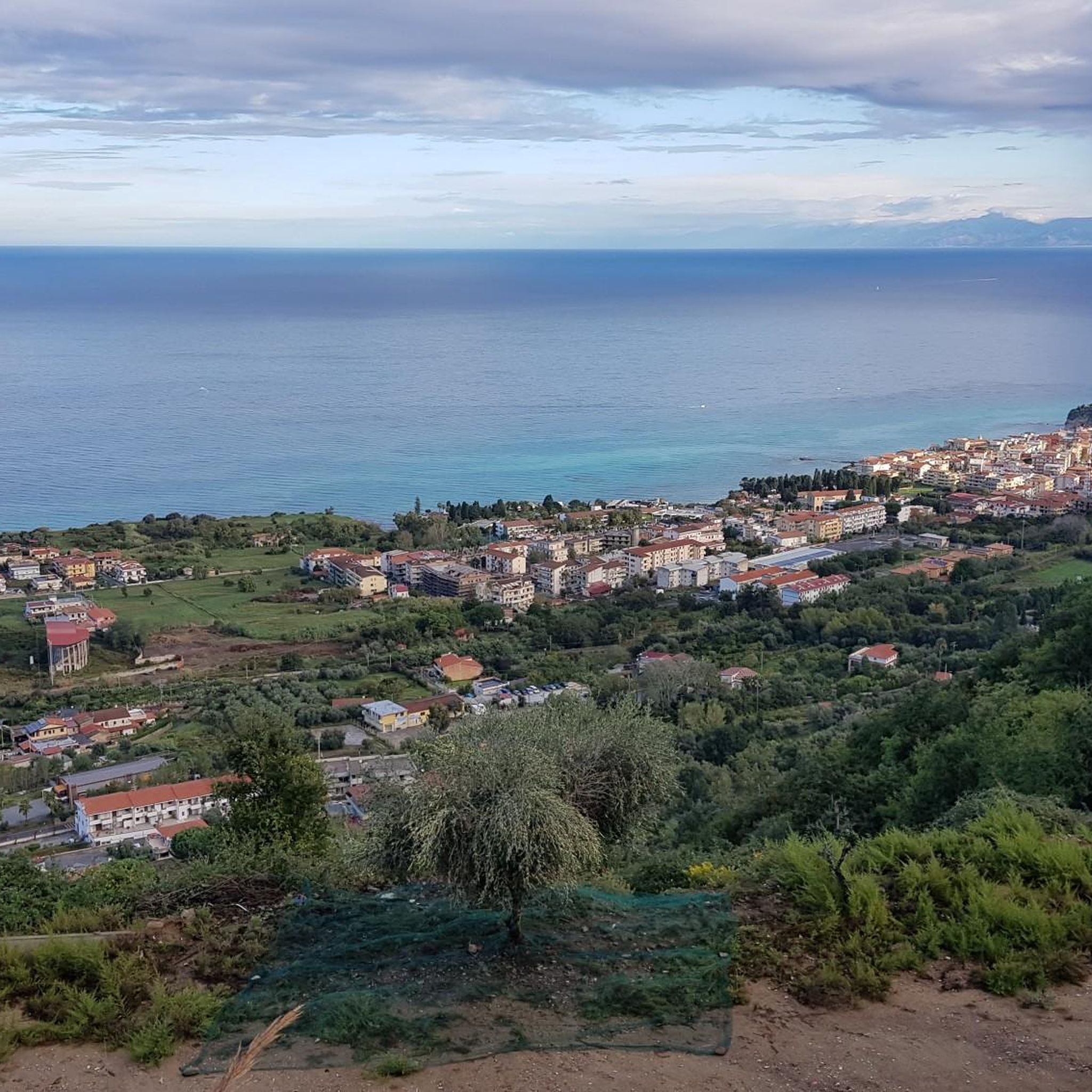
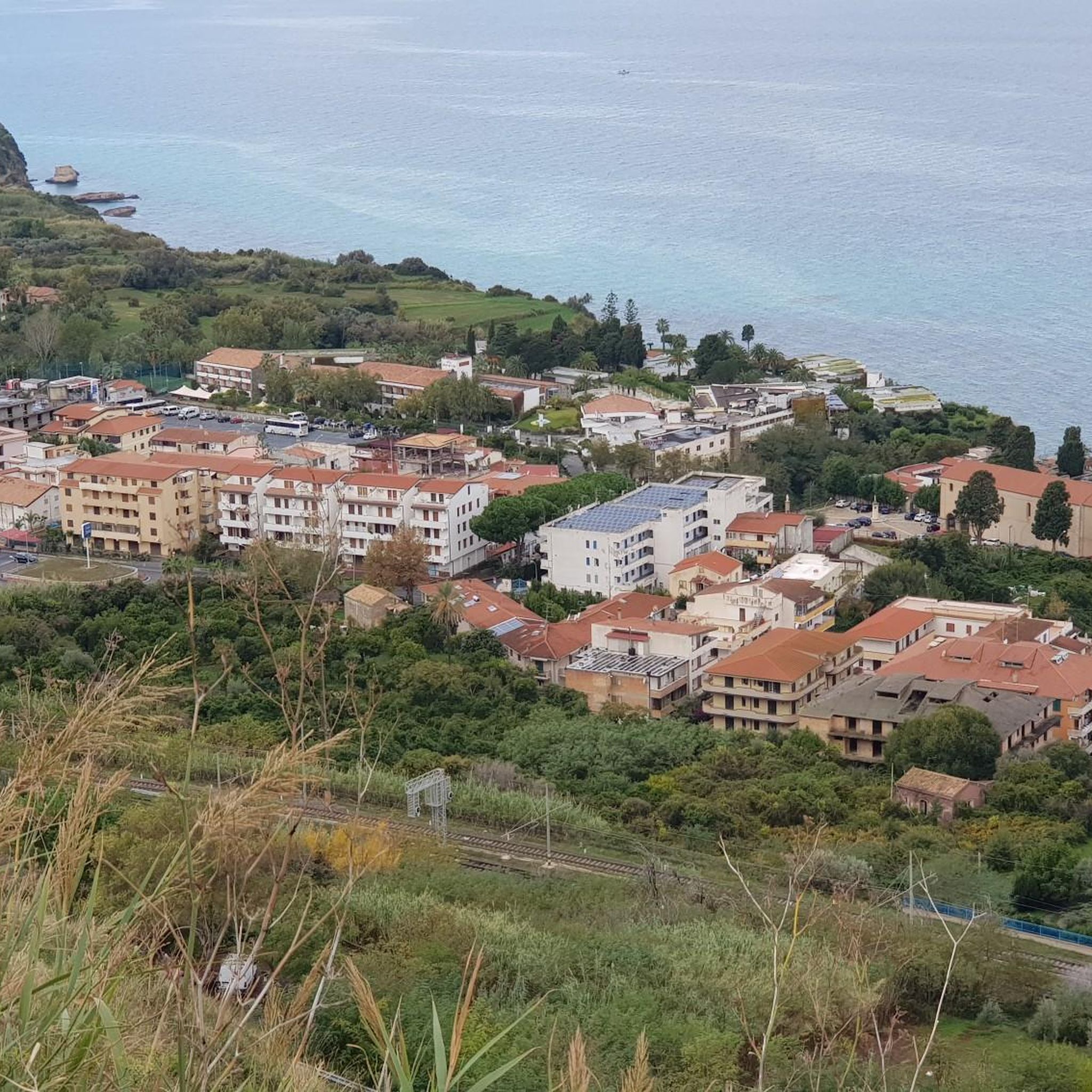
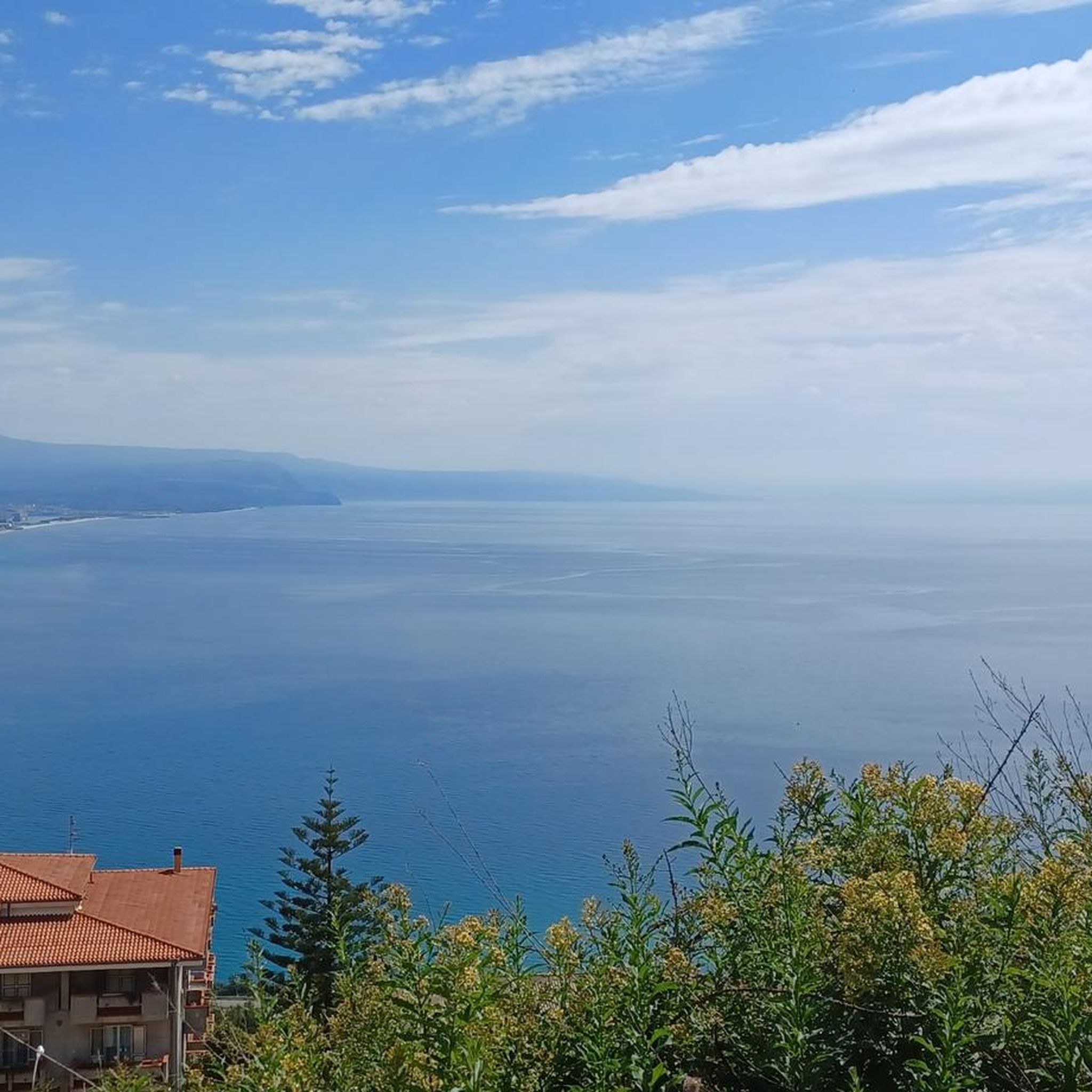
It is worth climbing the steps up to the church. From up there you have a magnificent view of the Tropea cityscape and the mountain landscape behind it. The basilica is surrounded by a garden with cacti and olive trees. The dreamlike view of the turquoise-blue sea and the beach "Spiaggia della Rotonda" below the old town of Tropea, in particular, makes a visit to the small park worthwhile. (Source KunstundReisen)
0
0


Located under the very famous Marina of the island of Tropea, a spectacular and immense cave with a very white beach can be reached from the sea
0
0
Famous for its crystal-clear waters, golden white sand, and a striking rock rising from the water, creating a unique landscape. The bay is ideal for snorkeling thanks to its seabed rich in marine life and numerous caves.
0
0

Frequently Asked Questions
What unique geological features can I explore near Rombiolo?
The region around Rombiolo, particularly within the broader Calabria area, is known for its distinctive geological formations. You can find impressive 'Pietre' (stones) shaped by natural elements, such as Pietra Cappa, which is considered one of Europe's largest monoliths. These are part of the Aspromonte GeoPark, recognized for its geological importance and unique appearance.
Are there any ancient settlements among the natural monuments?
Yes, the Zungri Cave Settlement is a remarkable natural monument. This ancient site features around one hundred caves dug into sandstone, which historically served as habitations or granaries. It offers a unique glimpse into a historical way of life, possibly dating back to the 6th or 7th century, and overlooks a deep valley with beautiful views of the 'Gods' coast.
What are some family-friendly natural monuments to visit?
The Zungri Cave Settlement is considered family-friendly, offering an engaging historical experience for all ages. Exploring the ancient caves and learning about past ways of life can be a fascinating outing for families.
What kind of coastal natural monuments can I find?
You can discover several beautiful coastal natural monuments. The Cannone Beach is a small, hidden, and quiet beach accessible via a stone staircase, offering both sun and shade. Another stunning spot is the Blue Grotto of Tropea, an enchanting cave accessible from the beach.
Are there any natural monuments with historical or religious significance?
Absolutely. The Sanctuary of Santa Maria dell'Isola is a prominent religious building and natural monument situated on a rock in Tropea. This former monastery is not only a significant landmark but also offers incredible views and a beautiful garden, making it a worthwhile visit for its historical and spiritual value.
What outdoor activities can I do near these natural monuments?
The area around Rombiolo offers various outdoor activities. You can find several hiking routes, such as the moderate 'Zungri Cave Settlement – Chiesa di Santa Maria, Zungri loop from Zungri' or the easy 'Cammino di Ulisse – Great view of Stromboli loop from Caria'. For more options, explore the hiking guide around Rombiolo.
Are there cycling routes available near the natural monuments?
Yes, there are numerous cycling opportunities. You can embark on challenging routes like the 'Castello di Nicotera – Riaci Beach loop from Limbadi' or the 'View of the sea in Pizzo – Historic center of Pizzo loop from Jonadi'. For a comprehensive list of routes, check out the cycling guide around Rombiolo.
What do visitors enjoy most about the natural monuments in this area?
Visitors frequently praise the unique blend of natural beauty and historical depth. The ancient cave settlements offer a 'truly magical place' to immerse oneself in another culture, while coastal features like hidden beaches and grottos provide serene and picturesque spots. The panoramic views from sites like the Sanctuary of Santa Maria dell'Isola are also highly appreciated.
What is the best time to visit the natural monuments around Rombiolo?
The region generally enjoys a Mediterranean climate. For exploring cave settlements and geological sites, spring and autumn offer pleasant temperatures. For coastal natural monuments like beaches and grottos, the warmer months from late spring to early autumn are ideal for swimming and enjoying the sea, though popular spots can be busier in August.
Are there any hidden gems or lesser-known natural monuments worth exploring?
While not entirely hidden, the Palombaro Grotto offers a challenging yet rewarding experience. It's located under a monastery and, while its main entrance might sometimes be closed, it can be accessed from the sea side. It provides a unique perspective and is less frequented than some of the more popular sites.
How long should I plan for a visit to the natural monuments?
The duration of your visit depends on the specific monument. For sites like the Zungri Cave Settlement or the Sanctuary of Santa Maria dell'Isola, you might spend 1-2 hours exploring. For beaches and grottos, you could easily spend half a day or more enjoying the surroundings. If you plan to combine multiple sites or include hiking, a full day or several days would be beneficial.
Most popular attractions around Rombiolo

Get inspired with the komoot mobile app


Explore more
Extend your search for the best caves by checking out these guides of the top ones around Rombiolo:
