Top 5 Natural Monuments around Sandrigo
Natural monuments around Sandrigo, situated in Italy's Vicenza Province, offer diverse natural landscapes within the broader Veneto region. The area features green valleys, woodlands, and significant geological formations, including ancient marine traces in nearby hills. Sandrigo provides access to various natural attractions, such as river trails and spring areas, making it suitable for outdoor exploration. These natural attractions close to Sandrigo Italy contribute to the region's rich natural heritage.
Best natural monuments around Sandrigo
- The most popular natural monuments is…
Last updated: October 1, 2026
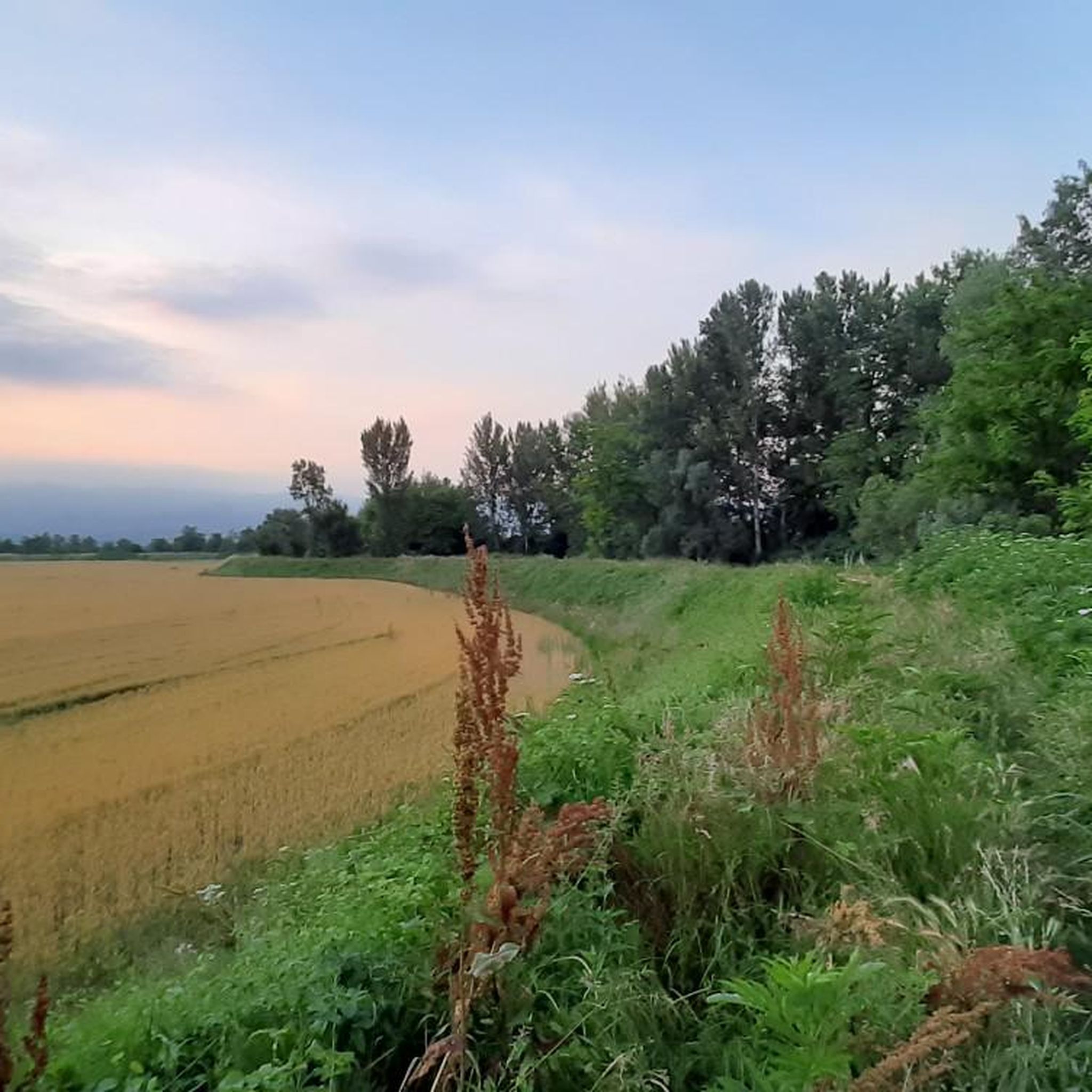
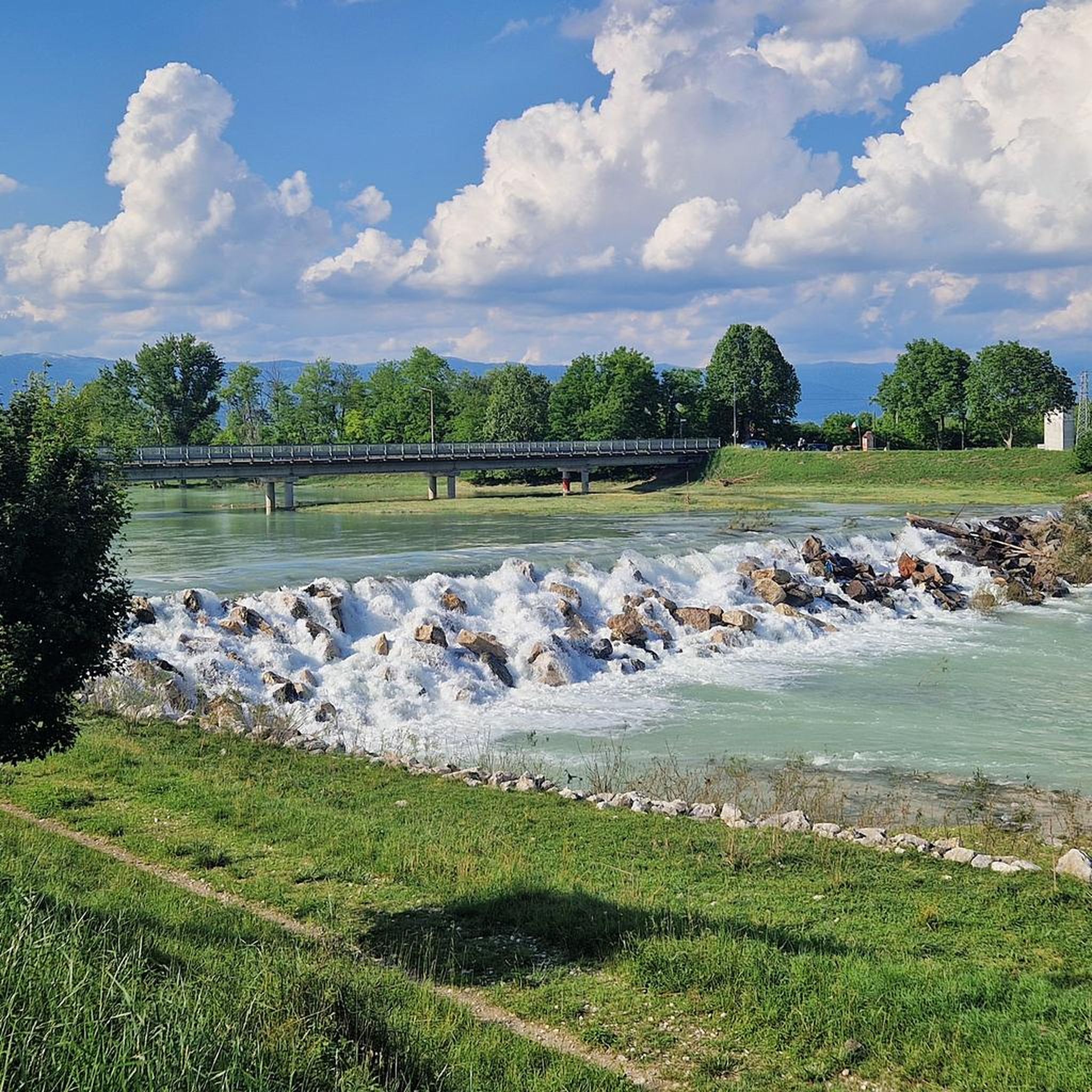
Bacchiglione Springs Nature Reserve
Highlight • Natural Monument
For the gravel it is a paradise!
DESCRIPTION:
A resurgence, or fountain, is a source of fresh water of natural origin, sometimes made to …
Translated by Google •
Tip by

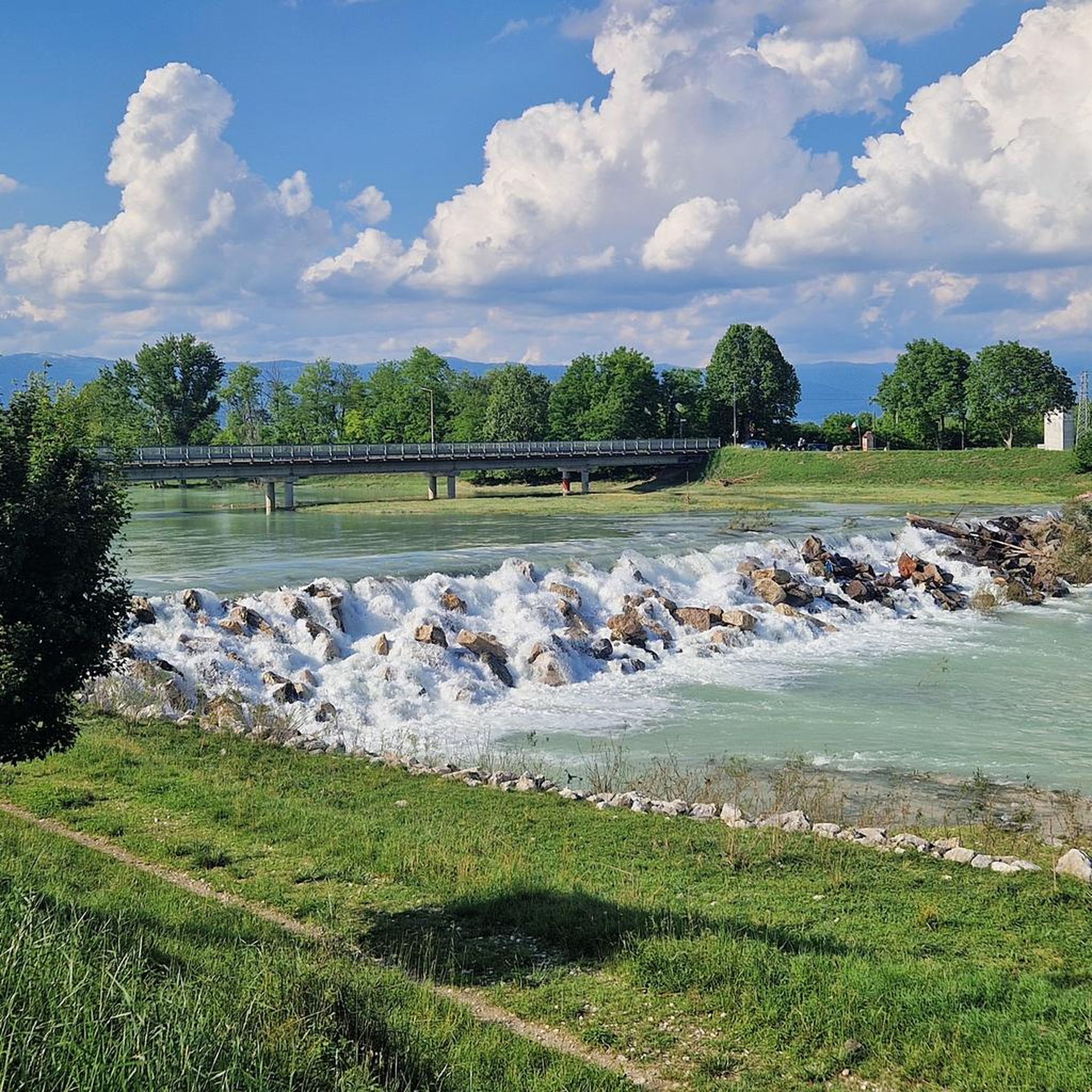
Le Basse del Brenta Nature Trail
Highlight (Segment) • Trail
Translated by Google •
Tip by

Sign up now to discover places like this
Get recommendations on the best single tracks, peaks, & plenty of other exciting outdoor places.
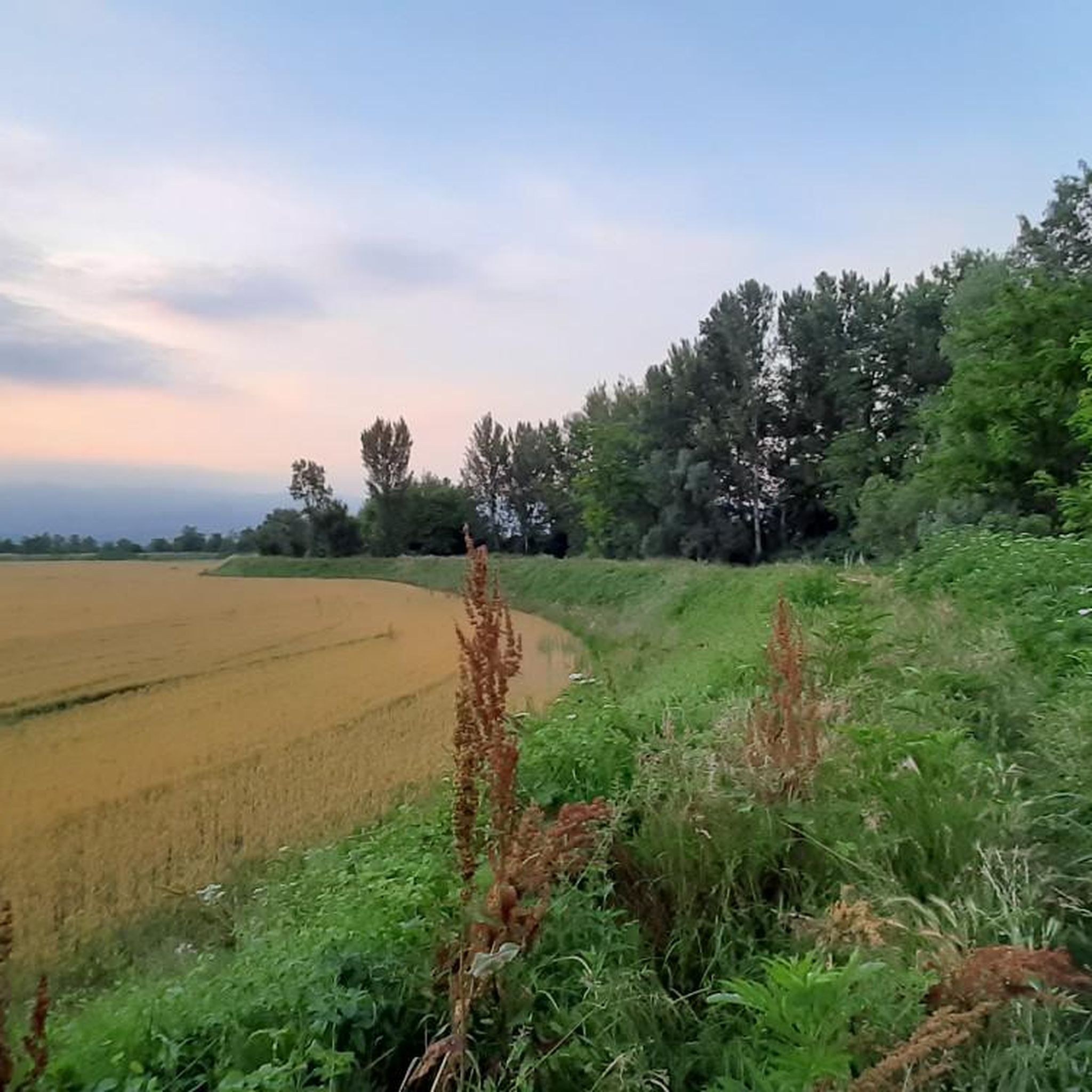
Colle del Pauso
Highlight • Viewpoint
Translated by Google •
Tip by

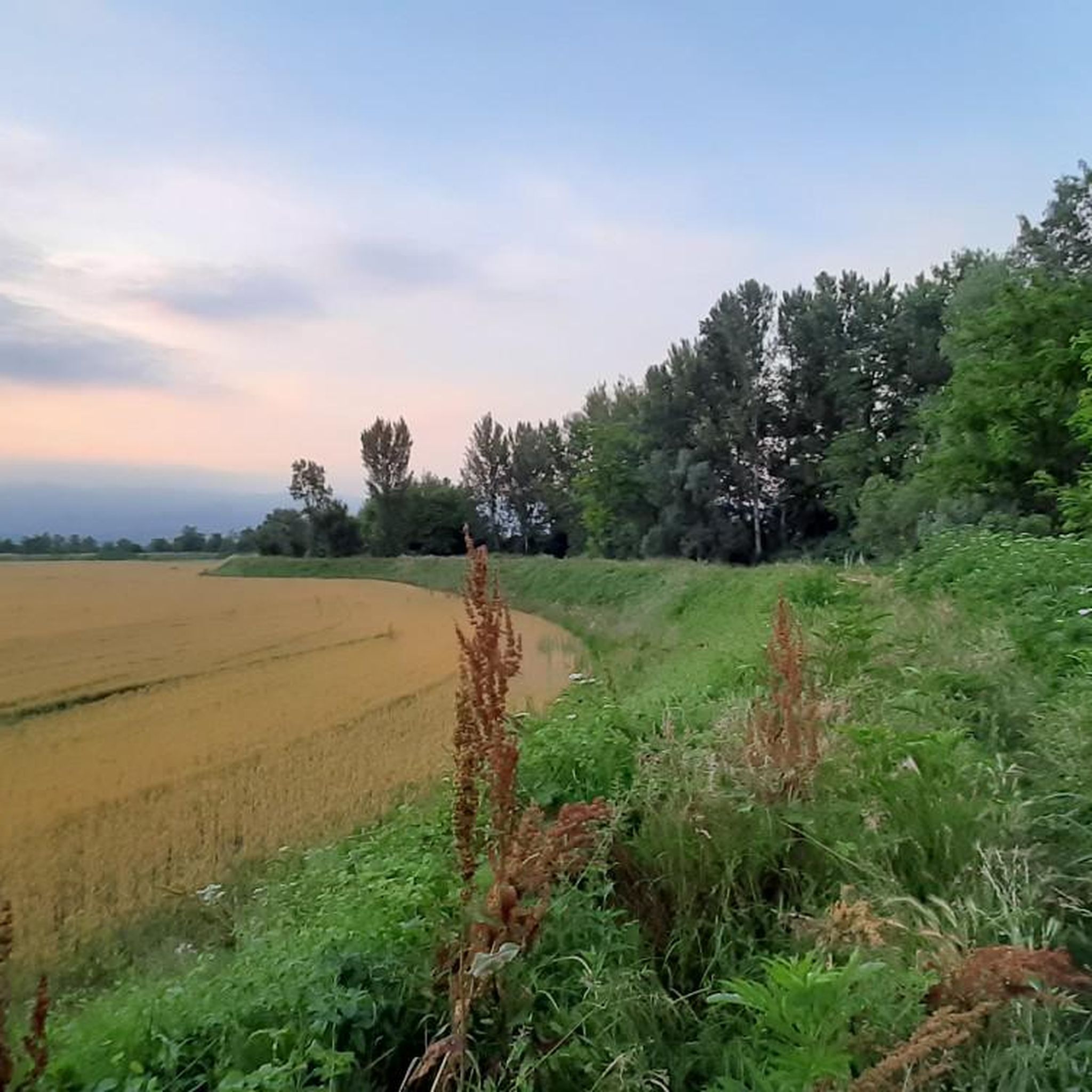
Sant'Andrea Valley of Grumolo
Highlight (Segment) • Gorge
Translated by Google •
Tip by

Start today with a free account
Your next adventure awaits.

Tips from the Community

it is worth visiting these places for the tranquility and the scenery
0
0

*Update February 2025: the main path has been cleared and widened, and the valley is no longer so difficult and adventurous; only the final part remains wild, with numerous fallen trees.
2
0
The Sant'Andrea Valley in Grumolo di Pedemonte is a wild, chaotic, intricate, humid, and gloomy environment. The adventurous trail is often interrupted by a stream that must be forded and large fallen trees that must be climbed over or circumnavigated; you'll need to be resourceful to continue. Furthermore, some sections and variants may be interrupted by a wall of brambles and nettles. Nature reigns supreme: the deep green moss contrasts with the black, shiny basalt—a sign of the Bregonze's volcanic origins—that emerges from the ground and characterizes the riverbed. The Valley is named after Sant'Andrea because in centuries past there stood a small rustic church dedicated to the saint, accessible by a path descending from the "Bosco del Prete" (Priest's Woods). A cross has been placed on the site of the former church, a small clearing surrounded by dense forest. https://www.altovicentinonline.it/rubriche/itinerari/da-grumolo-alla-valle-di-santandrea-e-al-rivon/
3
0

Easy and fun even for children. In summer almost always in the shade.
1
0

I suggest starting the route at the Angarano power plant, to be seen absolutely south of the Ponte Vecchio, and go down to Piazzola sul Brenta, you can do both right and left Brenta, with a bit of orientation and a spirit of adventure you can also find a well-trodden bottom.
1
0

Beautiful area for walking and cycling! For the gravel it is a paradise! DESCRIPTION: A resurgence, or fountain, is a source of fresh water of natural origin, sometimes made to emerge by man, typical of alluvial plain soils such as the Po-Venetian Plain. The Bacchiglione river originates at the foot of the Vicentine Prealps and runs through a large stretch of the Po Valley, crossing two large cities, Vicenza and Padua. Since ancient times it has represented a very important communication route and its waters have been exploited for many productive and commercial activities. The ancient name of this river was "Edrone", as mentioned for the first time in the writings of Pliny the Elder in the 1st century. A.D. while the current name "Bacchiglione" could derive from the dialect verb "bacajare" that is to rattle, chat continuously, perhaps because the gurgling produced by the water during floods is similar to human shouting. In the Venetian Plain, in the area around Dueville, the waters that flow deeply encounter increasingly consistent layers of impermeable clay, which hinder their underground flow and "force" them to spontaneously rise to the surface. In this way the suggestive spring springs are formed: small hollows in which the perennial gushing of the streams of water originates a stream called "resurgence". Some of these springs, marked on the map of the Risorgive del Bacchiglione, are also visible within the area! The spring water has several peculiarities: it is very clear and, thanks to its constant temperature (between 10 ° and 13 ° C), it creates a particular microclimate that is perfect for hosting animal and plant species that are not common in the neighboring areas.
3
0

Super funnny segment! highly recommended!
2
0

Roe deer, squirrels, hoof prints, the noise of birds in the early morning create a magical atmosphere.
1
0
Frequently Asked Questions
What kind of natural monuments can I explore around Sandrigo?
Around Sandrigo, you can discover diverse natural landscapes, including river trails, nature reserves, and areas with significant geological features. These range from resurgence springs creating unique microclimates to forested valleys and scenic viewpoints. The broader Vicenza Province also offers expansive green valleys and historical woodlands.
Are there any family-friendly natural areas near Sandrigo?
Yes, several natural monuments around Sandrigo are suitable for families. Both Bacchiglione Springs Nature Reserve and Le Basse del Brenta Nature Trail are categorized as family-friendly, offering pleasant environments for walking and cycling. Oasi di Crosara, with its restored ecosystem and new paths, is also a great option for families.
What are the most popular natural monuments around Sandrigo?
Among the most appreciated natural monuments are Le Basse del Brenta Nature Trail, which follows the Brenta River through a well-trodden grove, and Bacchiglione Springs Nature Reserve, known for its unique resurgence springs and diverse ecosystem. Visitors also enjoy Oasi di Crosara, a nature reserve along the Brenta River with native trees and flowery meadows.
What geological features can be found in the natural monuments near Sandrigo?
The Bacchiglione Springs Nature Reserve is a prime example, showcasing resurgence springs formed by water rising to the surface due to impermeable clay layers, a characteristic of the Po-Venetian Plain. Further afield, the Berici Hills to the south of Vicenza are notable for their ancient marine origin, preserving fossilized traces of molluscs, sea urchins, corals, and algae.
Are there opportunities for hiking or cycling near these natural monuments?
Yes, the natural monuments around Sandrigo offer excellent opportunities for outdoor activities. Le Basse del Brenta Nature Trail is ideal for both walking and cycling, featuring a well-trodden path through a grove. The Bacchiglione Springs Nature Reserve is also a beautiful area for walking and cycling. For more routes, you can explore various running, cycling, and road cycling guides in the Sandrigo area.
What makes the Bacchiglione Springs Nature Reserve unique?
The Bacchiglione Springs Nature Reserve is unique due to its resurgence springs, where fresh water naturally rises to the surface. The spring water is exceptionally clear and maintains a constant temperature between 10° and 13°C, creating a particular microclimate that supports diverse plant and animal species not commonly found in surrounding areas. It's also a great spot for walking and cycling.
Where can I find a good viewpoint to appreciate the natural scenery?
For panoramic views and a chance to immerse yourself in nature, consider visiting Colle del Pauso. This viewpoint is nestled within a forest, offering a magical atmosphere with the sounds of birds and potential sightings of wildlife like roe deer and squirrels.
What kind of wildlife can I expect to see in these natural areas?
In areas like Colle del Pauso, you might encounter roe deer, squirrels, and a variety of birds, especially in the early morning. The unique microclimate of the Bacchiglione Springs Nature Reserve also supports diverse plant and animal species that thrive in its constant-temperature waters.
Is there a natural area with a restored ecosystem near Sandrigo?
Yes, Oasi di Crosara is a nature reserve located along the Brenta River that focuses on ecological restoration. It features native trees such as willow, poplar, and ash, along with flowery meadows and new paths, all part of an effort to remove invasive species and restore the balance of the local ecosystem.
What is the Sant'Andrea Valley of Grumolo like for an adventurous visit?
The Sant'Andrea Valley of Grumolo offers a wild and adventurous experience. While the main path has been cleared, some sections remain challenging, with a stream to ford and fallen trees to navigate. Nature reigns supreme here, with deep green moss contrasting with black, shiny basalt, a sign of the Bregonze's volcanic origins. It's an environment for those who enjoy a more rugged exploration.
What are some popular activities along the Brenta River near Sandrigo?
The Brenta River offers several natural attractions and activities. You can explore Le Basse del Brenta Nature Trail, which is excellent for walking and cycling along the river. Additionally, Oasi di Crosara is a nature reserve situated along the Brenta, providing new paths to explore a restored ecosystem.
What is the best time to visit the natural monuments around Sandrigo?
The natural monuments around Sandrigo, with their river trails, forests, and springs, are generally pleasant to visit during spring and autumn when temperatures are mild and the scenery is vibrant. Summer offers warmer weather suitable for longer outdoor activities, while winter can provide a different, quieter perspective, though some trails might be less accessible depending on conditions.
Most popular routes around Sandrigo
Most popular attractions around Sandrigo

Get inspired with the komoot mobile app


Explore more
Extend your search for the best caves by checking out these guides of the top ones around Sandrigo:
