Top 20 Natural Monuments around Monte Di Malo
Best natural monuments around Monte Di Malo, located in Italy's Veneto region, offer a diverse landscape rich in geological formations and natural wonders. The area is characterized by its hilly terrain, subterranean marvels, and unique geological strata. Visitors can explore a variety of natural attractions, from extensive cave systems to significant geological sites.
Best natural monuments around Monte Di Malo
- The most popular natural monuments is Sass de la Poja Observation Post, a historical site and viewpoint that features…
Last updated: July 11, 2026
Buso della Rana Cave
Highlight • Cave
Translated by Google •
Tip by

Bocca Lorenza (cave)
Highlight • Cave
Translated by Google •
Tip by

Sign up now to discover places like this
Get recommendations on the best single tracks, peaks, & plenty of other exciting outdoor places.
Sign up for free
Val dei Molini
Highlight (Segment) • Gorge
Translated by Google •
Tip by
Turigi Viewpoint
Highlight • Viewpoint
Translated by Google •
Tip by
Sass de la Poja Observation Post
Highlight • Historical Site
Translated by Google •
Tip by

Sign up for free to discover even more natural monuments around Monte Di Malo.
Sign up for free
Already have an account?
Start today with a free account
Your next adventure awaits.
Login or Signup

Tips from the Community

The Buso della Rana is the largest cave in the Veneto region and one of the most extensive in Italy, with a network of caves stretching almost 30 km in total (40 km including the Pissatèla complex above, to which it is connected). Located beneath the Faedo-Casaròn Plateau, it is an intricate karst system that collects and channels the plateau's waters into the Rio Rana, which flows at the entrance. It was formed when rainwater seeps into the permeable limestone surface layer and, encountering the underlying impermeable basalt (volcanic rock), flows laterally, eroding the rock. Over millions of years, this has created a complex labyrinth of horizontal tunnels, chambers, chimneys, siphons, and small lakes traversed by underground streams. Because it drains the plateau's waters, the cave is subject to flash floods, making exploration treacherous. Inside, the temperature remains constant between 10 and 12°C year-round. It is freely accessible through the monumental entrance and by proceeding along the Main Branch for about fifty meters, until reaching the first flooded corridor or Siphon, a horizontal constriction that requires crawling. From there, it is the preserve of speleologists or exciting and adventurous guided tours organized by associations like Biosphera (see link). The internal branches are not marked, and one must know the way. The name of the cave has nothing to do with the amphibian, but is an Italianized term from the Cimbrian word "roan," meaning "rocky wall," referring to the cliff at the entrance. https://www.busodellarana.it https://esplora.biosphaera.it/luoghi/buso-della-rana/
0
0

panoramic point over the Agno valley and the Little Dolomites. One of the few spots as the trail always runs through bush.
0
0
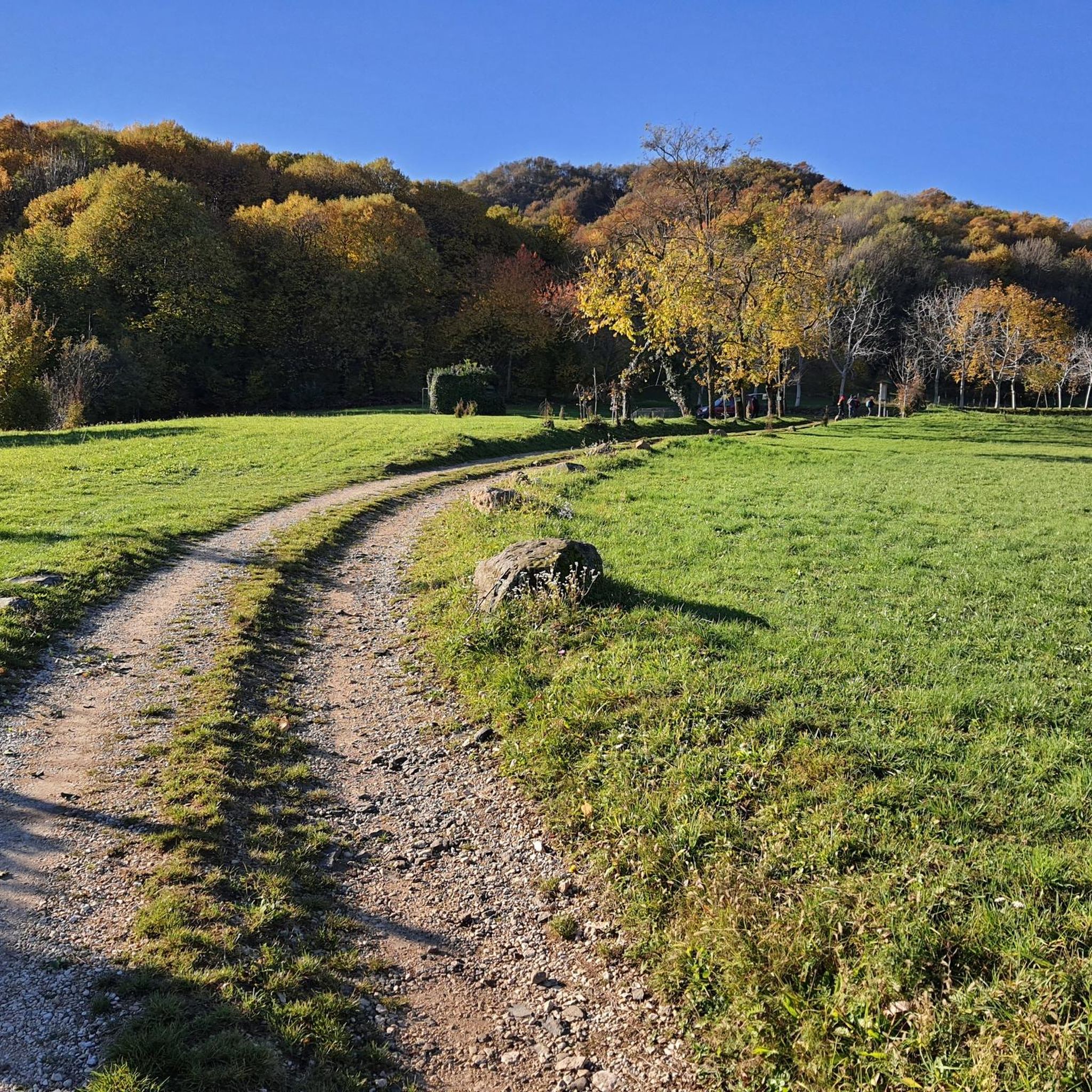
Beautiful panoramic point immediately below the Turigi peak (or Turiggi), along the suggestive path along the crest of the Castiglieri: the view ranges 360° from the Piccole Dolomiti to the Pianura. The terrace, which also has a stone 'compass' indicating the peaks and main locations, was built and cared for by a group of volunteers, like the entire Braggion Trail. N.B.: the summit of Monte Turigi (with the cross) is actually slightly higher, and can be reached via a nearby path; but it is a small clearing surrounded by trees that hide the view.
2
0

beautiful waterfall of the Rana stream
0
0
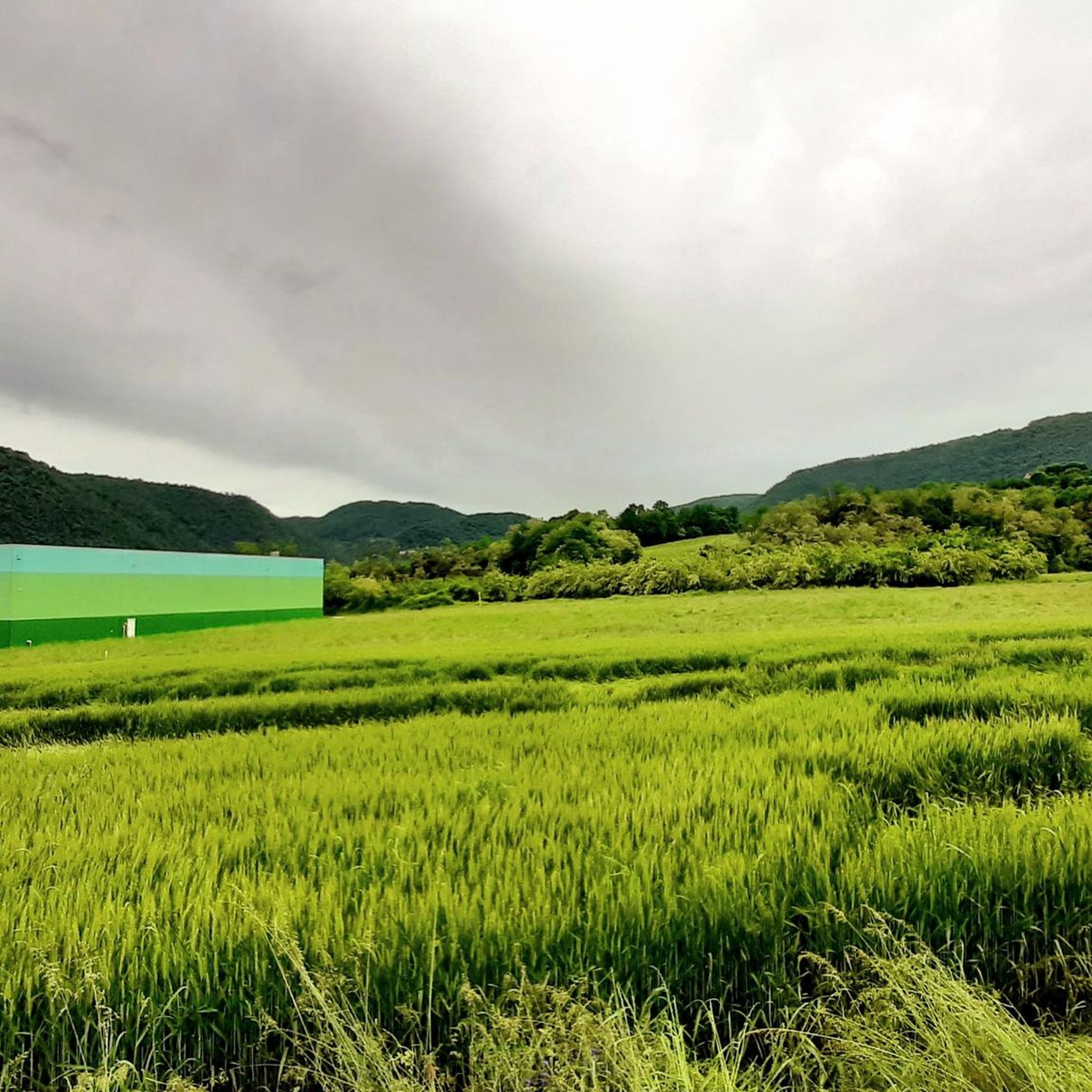
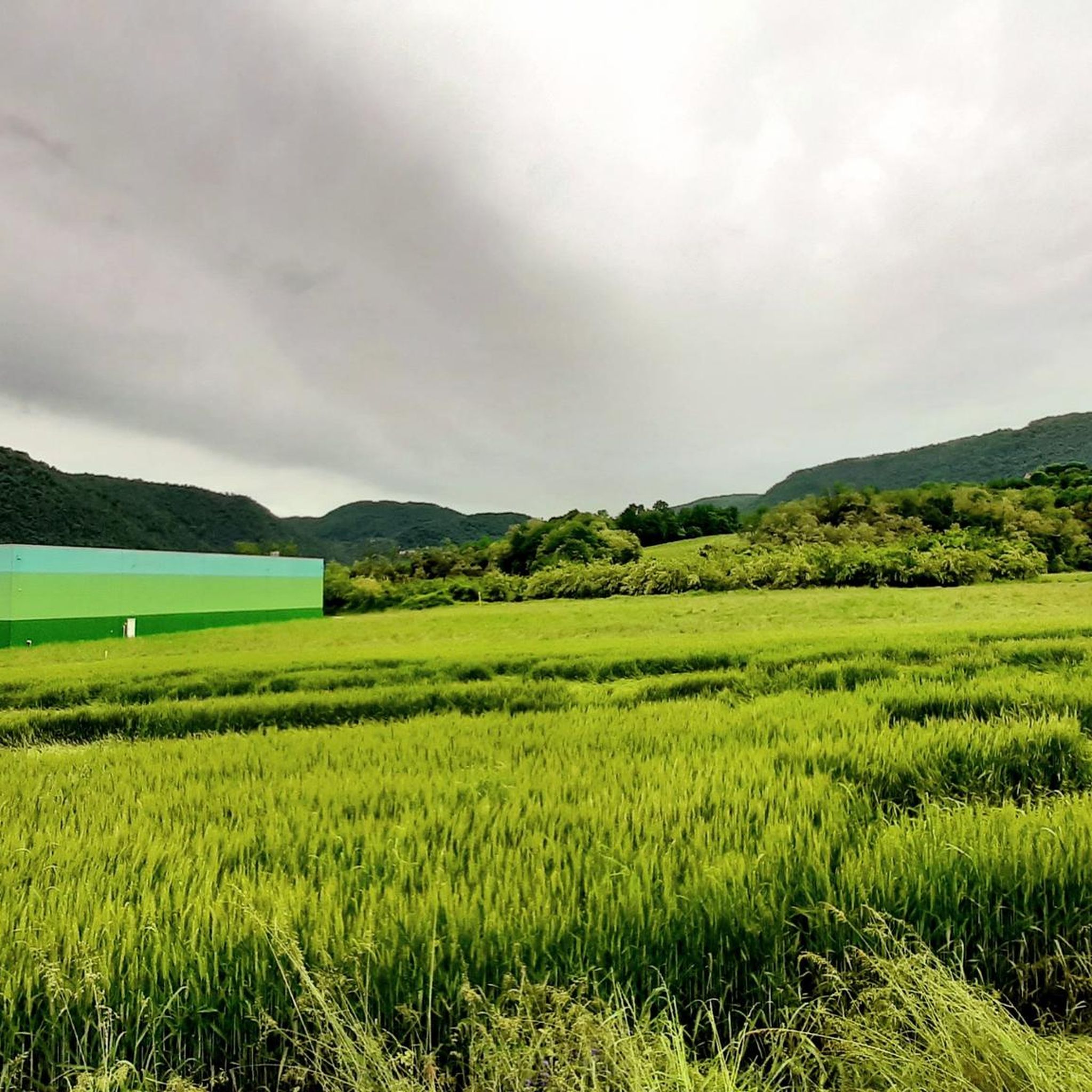
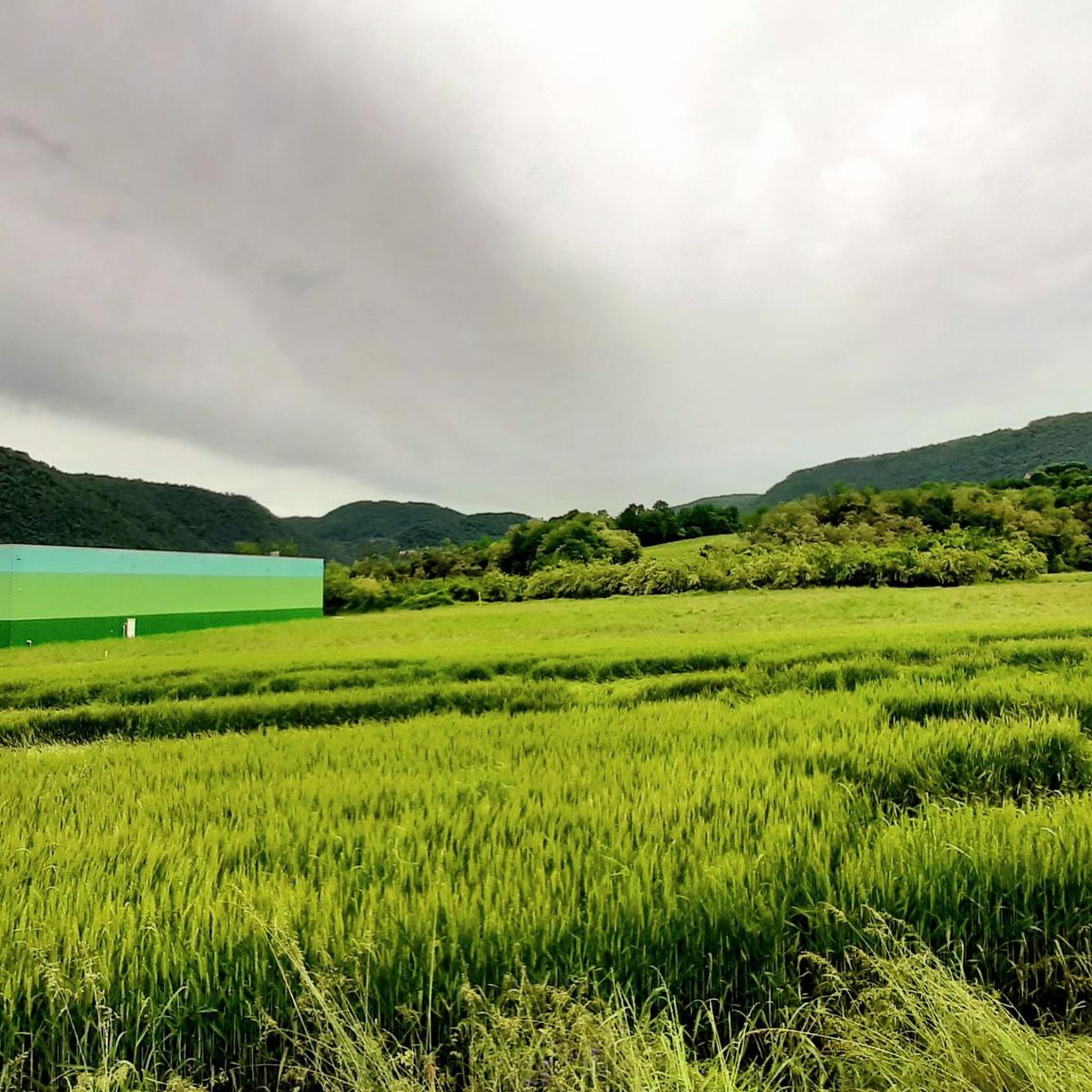
The Val dei Molini is a surprisingly unspoiled and wild environment, where you enter a mysterious and evocative forest: water dominates, forming lively waterfalls and deep ravines; everywhere, lush moss covers rocks and tree trunks. You cross a series of small valleys (Val Sesura, Valle Arlene, Val dell'Asino, Val del Gambero, Val Smiderle, Val Bisele) and ford several streams that eventually flow into the Refosco stream. The Val d'Asino is particularly evocative, where two streams join in an enchanting clearing, forming waterfalls and a deep, winding ravine. The name reflects how the stream was once exploited: the remains of man-made structures, such as stone masonry and building foundations, bear witness to this. Obviously, the valley is at its best after days of rain.
2
0

The Bocca Lorenza is nothing more than a cave (which if I'm not mistaken is also used for speleology) be careful not to go too far because you risk slipping
0
0
View from the Castilian cross that will leave you 😮
0
0
The Bocca Lorenza cave is a natural cavity that enters the bowels of the Summano and descends into a series of rooms located at increasing depths. Since the early years of the twentieth century, excavations have been carried out which have brought to light numerous finds dating back mainly to prehistoric times, which testify to its use as a domestic shelter, tomb and place of worship. The interior of the cave can be freely visited and equipped with cables (perpetually wet due to humidity), but experience and adequate equipment are still required: a headlamp and helmet are essential. For everyone else, it's best to stop at the lobby. The cave is very humid and dark, with a slippery bottom and a constant temperature of around 13 degrees. https://it.wikipedia.org/wiki/Bocca_Lorenza https://mostre.cab.unipd.it/schio/it/63/i-reperti-di-bocca-lorenza
0
0
Frequently Asked Questions
What unique geological features can I explore in Monte di Malo?
Monte di Malo is rich in geological wonders. You can explore the significant Buso della Rana Cave, one of Italy's most extensive cave systems. The area also features the unique Priabonian Stratotype in Priabona, a key site for geology and paleontology with rich fossil deposits. Additionally, look out for the intriguing 'Grotticelle Soffianti' (Blowing Caves) and the ancient 'maronàri' (chestnut trees) and dolines (sinkholes) that shape the hilly landscape.
Are there any significant cave systems to visit in Monte di Malo?
Yes, Monte di Malo is renowned for its caves. The most prominent is the Buso della Rana Cave, considered the largest single-entry grotto in Italy. Another notable cave is Bocca Lorenza, which has historical significance with archaeological finds. The recently explored Grotta della Pissatéla also offers a glimpse into emerging natural wonders.
Where can I find scenic viewpoints around Monte di Malo's natural monuments?
For breathtaking views, visit Turigi Viewpoint, which offers 360° panoramas from the Piccole Dolomiti to the Pianura. Another excellent spot is the Sass de la Poja Observation Post, a historical site with a rock pillar overlooking a First World War stronghold, providing impressive vistas.
What kind of hiking trails are available near Monte di Malo's natural monuments?
The area around Monte di Malo offers a variety of hiking trails that traverse its natural monuments. You can find routes that explore the lush forests and scenic hills surrounding the Buso della Rana Cave, or paths through areas characterized by ancient chestnut trees and dolines. For more detailed options, explore the Hiking around Monte Di Malo guide, which includes routes like the 'Buso della Rana Cave Loop' and the 'Gerolamo Ancient Chestnut Tree loop'.
Are there family-friendly natural monuments or trails in Monte di Malo?
While some cave explorations require guided tours and special equipment, many of Monte di Malo's natural monuments are accessible for families. The hiking trails circling the Buso della Rana Park offer various lengths suitable for different activity levels. Exploring the picturesque landscapes with ancient chestnut trees and dolines also provides tranquil walks for families. Always check specific trail difficulties and access requirements for caves.
What is the best time to visit Monte di Malo's natural monuments?
The natural monuments of Monte di Malo are enjoyable throughout much of the year. Spring and autumn offer pleasant temperatures for hiking and exploring the outdoor features like viewpoints and dolines. For cave explorations, the internal temperature remains constant between 10 and 12°C year-round, making them a good option even on hotter days. However, some caves are subject to flash floods, so it's advisable to check conditions, especially after heavy rains.
Can I explore the caves in Monte di Malo on my own?
Access to extensive cave systems like the Buso della Rana Cave typically requires guided tours due to their complexity and potential hazards like flash floods. While the entrance to Buso della Rana is freely accessible for about fifty meters, further exploration into its labyrinthine passages is best done with experienced speleologists or organized tours. For Bocca Lorenza, the interior can be visited with adequate equipment (headlamp, helmet) and experience, but it's very humid and slippery.
Are there opportunities for cycling near the natural monuments?
Yes, the Monte di Malo area offers excellent opportunities for cycling. You can find various routes for road cycling and gravel biking that pass through the scenic landscapes surrounding the natural monuments. Explore the Road Cycling Routes around Monte Di Malo guide or the Gravel biking around Monte Di Malo guide for detailed route information.
What do visitors enjoy most about Monte di Malo's natural monuments?
Visitors particularly appreciate the diverse appeal of Monte di Malo's natural monuments. The adventurous cave explorations, such as those in Buso della Rana Cave, are a major draw. The significant geological insights offered by sites like the Priabonian Stratotype also fascinate many. Additionally, the serene hikes through historical landscapes, the picturesque views from spots like Turigi Viewpoint, and the unique natural phenomena like the 'Blowing Caves' are highly valued.
Are there any natural areas with waterfalls or rivers to explore?
Yes, the Val dei Molini is a surprisingly unspoiled and wild environment where water dominates. Here, you can find lively waterfalls and deep ravines, especially after days of rain. The valley features several small valleys like Val d'Asino, where two streams join to form enchanting waterfalls and a deep, winding ravine.
Where can I find information about parking and public transport for Monte di Malo's natural monuments?
While specific parking details for each natural monument may vary, generally, hiking trails and attractions in Monte di Malo have designated parking areas nearby. For public transport, it's advisable to check local bus schedules to villages like Priabona or Monte di Malo itself, which may offer connections to trailheads. For more detailed logistical information, you might find resources on the local tourism website, such as visitmontedimalo.it.
Do I need permits to hike or visit natural monuments in Monte di Malo?
Generally, hiking on established trails and visiting most natural monuments in Monte di Malo does not require special permits. However, access to certain areas, particularly extensive cave systems like Buso della Rana Cave, may require booking a guided tour or obtaining specific authorization, especially for deeper exploration. Always check with local guides or visitor centers for the most current regulations regarding specific sites.
Most popular routes around Monte Di Malo
Most popular attractions around Monte Di Malo

Get inspired with the komoot mobile app


Explore more
Extend your search for the best caves by checking out these guides of the top ones around Monte Di Malo:
