Top 8 Natural Monuments around Tufo
Best natural monuments around Tufo are characterized by a landscape shaped by volcanic tuff rock. This region features ancient settlements built directly into the rock, creating unique geological and architectural formations. The area offers a blend of natural geology and historical human ingenuity, with sites reflecting Etruscan influence.
Best natural monuments around Tufo
- The most popular natural monuments is Stretto di Barba, a gorge that is considered one of the most evocative places in the Sabato valley. This site…
Last updated: July 11, 2026
Hermitage of San Silvestro
Highlight • Religious Site
Translated by Google •
Tip by

Stretto di Barba
Highlight • Gorge
Translated by Google •
Tip by

Sign up now to discover places like this
Get recommendations on the best single tracks, peaks, & plenty of other exciting outdoor places.
Sign up for free
Acqua delle Vene Fountain, WWF Oasis Pannarano
Highlight • Rest Area
Translated by Google •
Tip by

Fountain of the Duke of San Donato
Highlight • Monument
It is fully functional and the water is fresh
Translated by Google •
Tip by
The Sword in the Stone
Highlight • Monument
Translated by Google •
Tip by

Sign up for free to discover even more natural monuments around Tufo.
Sign up for free
Already have an account?
Start today with a free account
Your next adventure awaits.
Login or Signup

Tips from the Community

Peculiarity of the sword in the rock, slightly off the path but easily reachable in a few meters
1
0

As a patron saint, this hermitage has a name that is on everyone's lips, but probably only a few people will know the person behind it: the feast day of Saint Silvestro is on December 31st. He lived at the end of the third and beginning of the fourth century and was bishop of Rome when Emperor Constantine - later generations gave him the nickname "the Great" - recognized Christianity as a religion with the so-called "Edict of Tolerance" of Milan, and thus - at least temporarily - the period of bloody persecution of Christians ended.
0
0

An exceptional construction adjacent to a rock, which makes this hermitage unique.
2
0

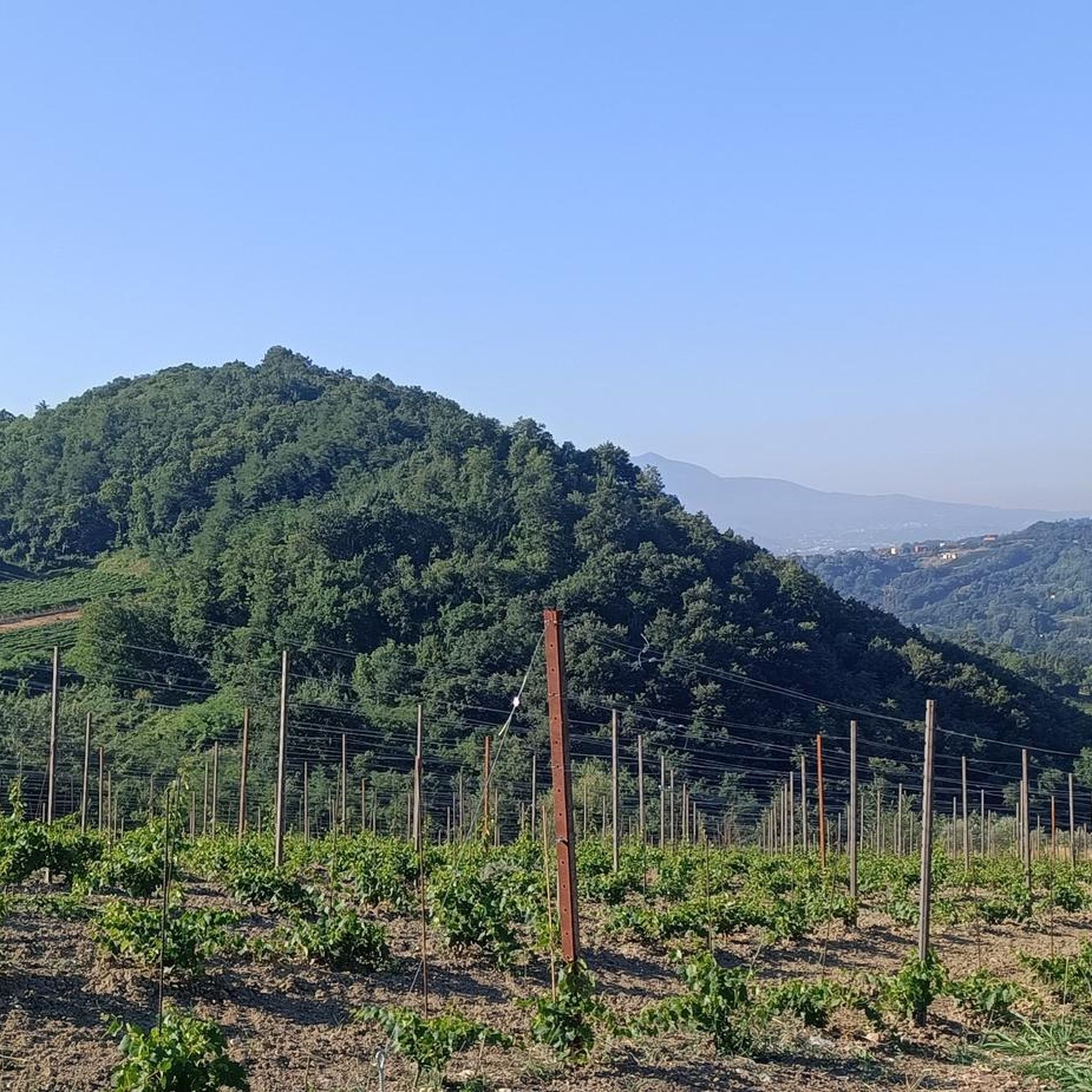
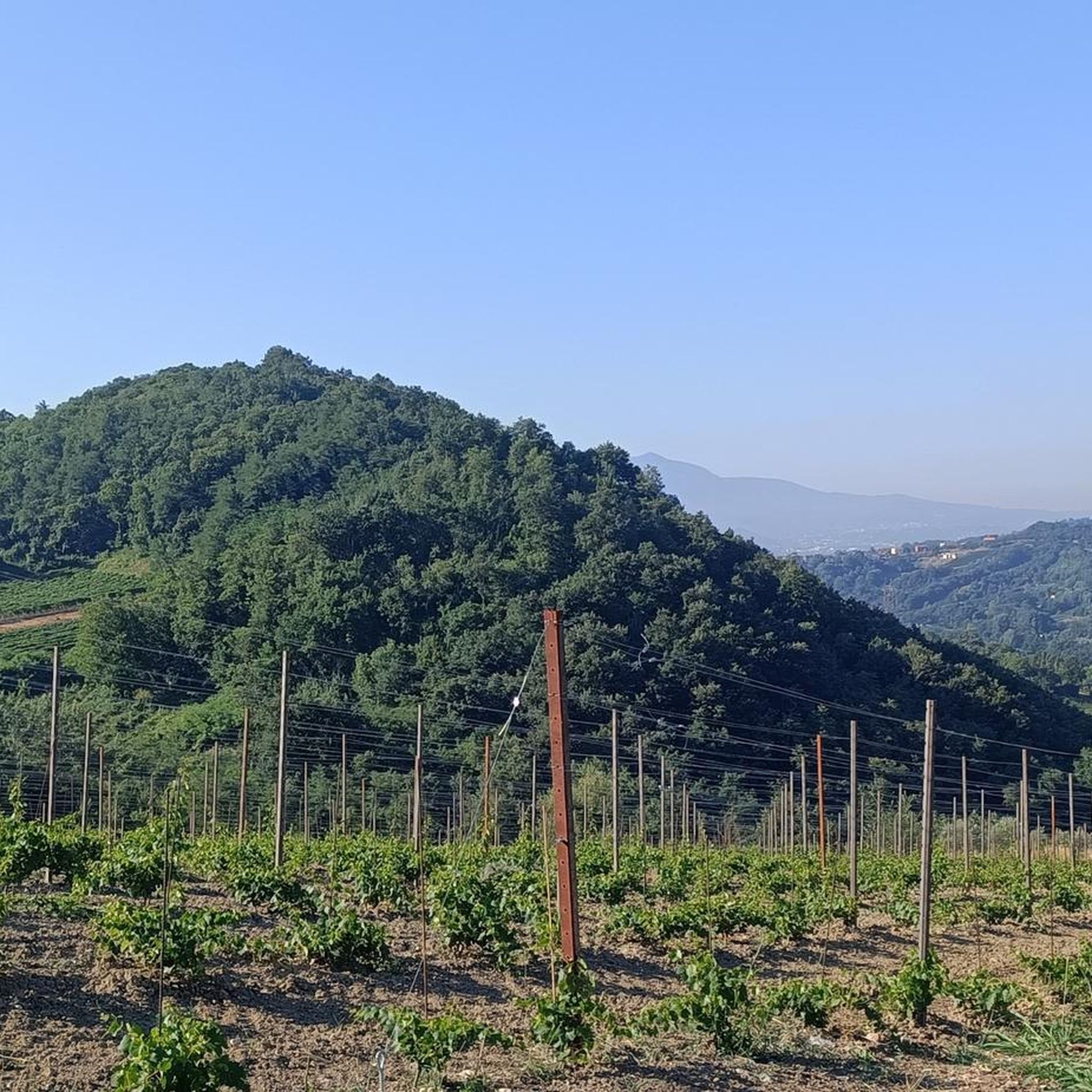
scenic route in the municipalities that produce Greco di Tufo
2
0

Fabulous destination inserted in the WWF oasis of Pannarano, a water refuge of the Vene where you can also safely stop for the night and for lunch.
7
0

Fountain dedicated to the Duke of San Donato built in 1891 by Cavalier Cecere. It is fully functional and the water is fresh
3
0
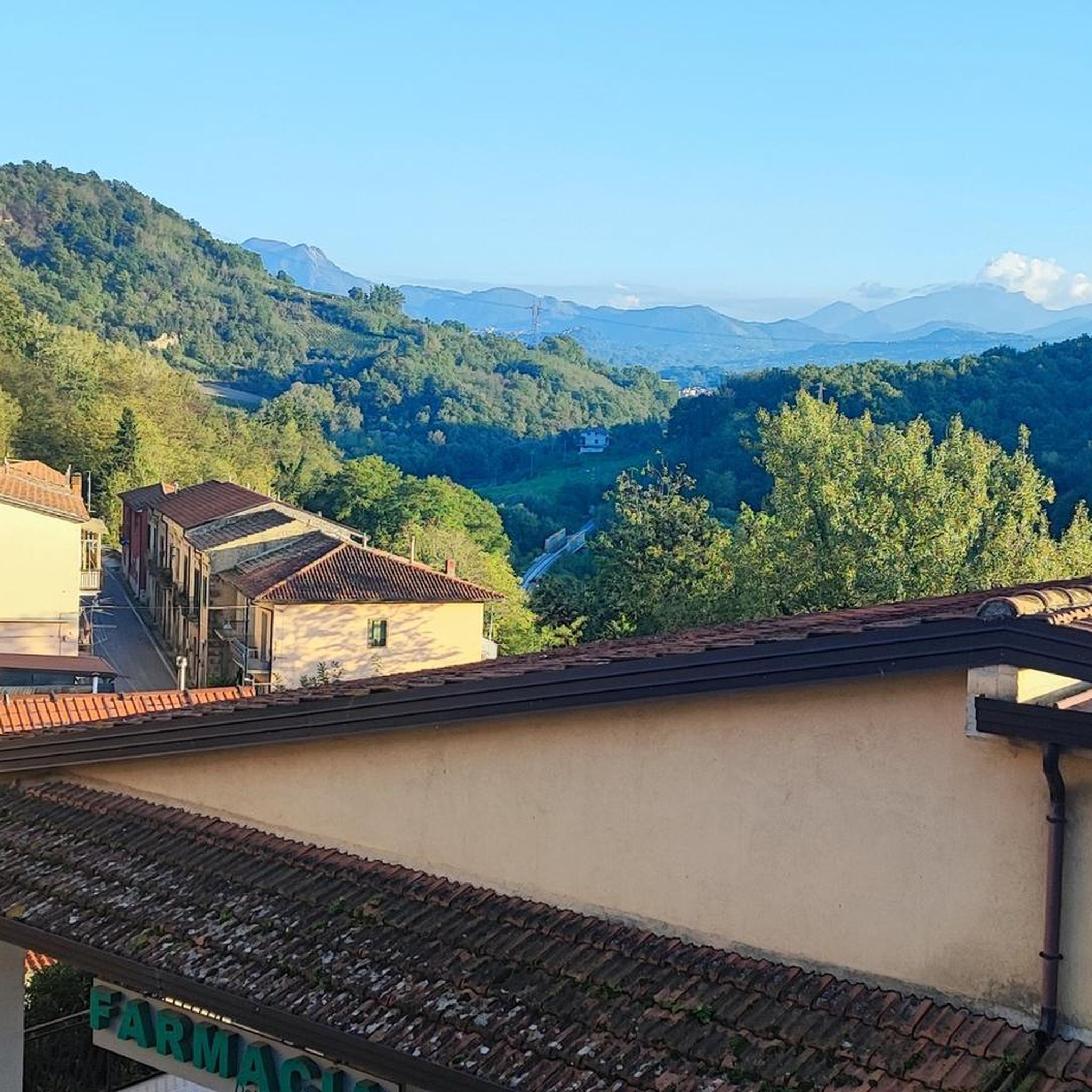
One of the most evocative places in the Sabato valley. The best time to enjoy it is winter-spring, when the river is at full capacity
6
0
Frequently Asked Questions
What are the most popular natural monuments around Tufo?
The Tufo region is known for its unique natural monuments shaped by volcanic tuff rock. Among the most appreciated by the komoot community are Stretto di Barba, a captivating gorge in the Sabato valley, and the Hermitage of San Silvestro, a religious building uniquely constructed adjacent to a rock face. Visitors also enjoy the Acqua delle Vene Fountain, WWF Oasis Pannarano, which serves as a water refuge within a forest.
What unique natural features define the Tufo region?
The Tufo region, often called 'Città del Tufo,' is characterized by its distinctive volcanic tuff rock. This geology has led to spectacular natural monuments like the dramatic tuff cliffs upon which towns such as Pitigliano, Sorano, and Sovana are perched. Another unique feature is the 'Vie Cave,' ancient, deep pathways carved by the Etruscans directly into the tuff hills, creating mysterious corridors with towering rock walls.
What historical significance do the natural monuments in Tufo hold?
The natural monuments in Tufo are deeply intertwined with Etruscan history. The 'Vie Cave' are ancient Etruscan sunken roads, and the region is home to significant Etruscan Necropolises, such as those in Sovana, where monumental rock tombs are carved directly into the tuff. These sites, like the Ildebranda Tomb, offer profound insights into Etruscan artistry and funerary practices, showcasing how ancient civilizations adapted to and shaped the natural landscape.
Are there family-friendly natural monuments around Tufo?
Yes, several natural monuments in Tufo are suitable for families. The Acqua delle Vene Fountain, WWF Oasis Pannarano, for example, is a destination within a forest that offers a pleasant environment for a family outing. Additionally, the Fountain of the Duke of San Donato is another family-friendly spot, featuring a functional fountain with fresh water.
What kind of terrain can I expect when visiting natural monuments in Tufo?
The terrain around Tufo is diverse, primarily shaped by volcanic tuff. You can expect dramatic cliffs, deep gorges like Stretto di Barba, and ancient sunken roads (Vie Cave) with high rock walls. Some areas involve walking through forests, while others feature open landscapes with panoramic views. The ancient settlements themselves are often perched on elevated tuff formations.
What outdoor activities can I do near the natural monuments in Tufo?
The Tufo region offers various outdoor activities. You can explore numerous running trails, such as the 'Sabato loop from Motta Valle,' or embark on road cycling adventures like the 'View of Tufo – Prata di Principato Ultra loop.' For mountain biking enthusiasts, there are challenging routes like the 'Great Crossing of the Partenio.' You can find more details on these activities in the Running Trails around Tufo, Road Cycling Routes around Tufo, and MTB Trails around Tufo guides.
Are there hiking trails near the natural monuments in Tufo?
Yes, the region offers opportunities for hiking and walking, particularly through the ancient 'Vie Cave' which provide a unique, immersive experience through corridors carved into the tuff. While specific hiking trails directly linked to the natural monuments are not detailed in the highlights, the nearby running and MTB routes often share paths suitable for walking. For more options, refer to the Running Trails around Tufo guide, which includes routes of varying difficulty.
When is the best time to visit the natural monuments around Tufo?
The best time to visit the natural monuments around Tufo generally depends on the specific site and your preferred activity. For places like Stretto di Barba, the winter-spring season is recommended when the river is at full capacity, offering a more evocative experience. Generally, spring and autumn provide pleasant weather for exploring the outdoor sites and ancient pathways without the intense heat of summer.
What do visitors particularly enjoy about the natural monuments in Tufo?
Visitors are often captivated by the unique blend of natural geology and ancient human ingenuity. They appreciate the dramatic landscapes, such as the towns perched on tuff cliffs, and the mysterious atmosphere of the 'Vie Cave.' The historical significance of the Etruscan sites, like the necropolises, also leaves a lasting impression. The Hermitage of San Silvestro is noted for its exceptional construction adjacent to a rock, making it a unique experience.
Are there any less-known natural monuments or features worth exploring in Tufo?
Beyond the more prominent sites, the Tufo region holds several intriguing features. The 'Vie Cave' themselves, while known, offer many less-traveled sections that provide a sense of discovery. Additionally, areas like the cave settlement of San Rocco in Sorano and Vitozza feature numerous spaces carved into the tuff, including ancient dwellings and tombs, offering a glimpse into how people lived and adapted to this unique environment. The Sword in the Stone is another peculiar, slightly off-path highlight.
Can I find accommodation or dining options near the natural monuments in Tufo?
The towns within the 'Città del Tufo' region, such as Pitigliano, Sovana, and Sorano, offer various accommodation options ranging from hotels to agriturismi, as well as restaurants and cafes serving local Tuscan cuisine. While specific facilities are not listed for each natural monument, these charming towns serve as excellent bases for exploring the surrounding natural and historical sites.
Most popular attractions around Tufo

Get inspired with the komoot mobile app


Explore more
Extend your search for the best caves by checking out these guides of the top ones around Tufo:
