Top 15 Natural Monuments around Rufina
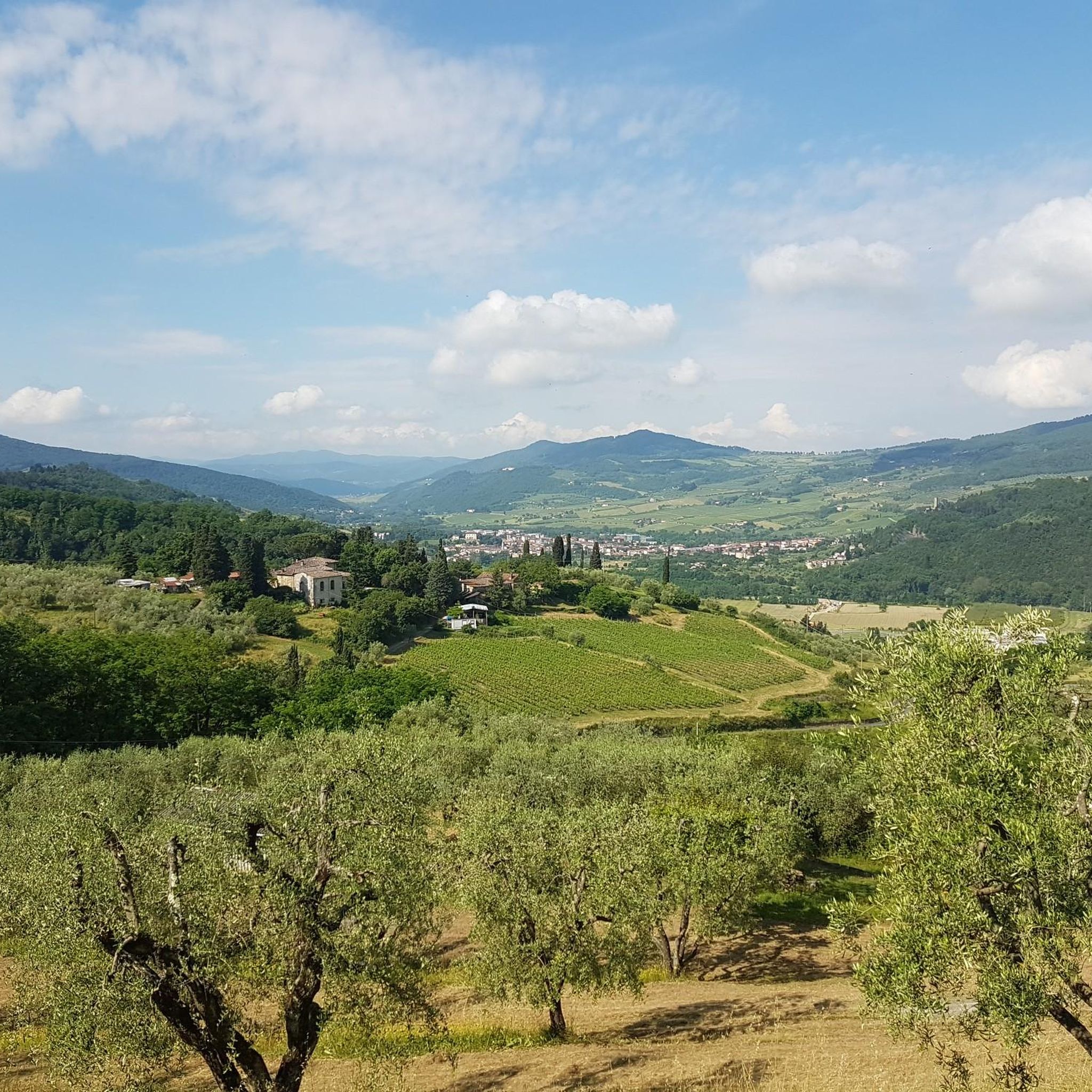
Best natural monuments around Rufina are found in the picturesque Tuscan countryside, characterized by its unique natural areas and ecological significance. This region, nestled in the Florentine Mountains, offers diverse landscapes from ancient forests to unique geological formations. Visitors can explore areas rich in biodiversity, historical value, and opportunities for outdoor activities. The natural monuments here provide a blend of natural beauty and cultural heritage.
Best natural monuments around Rufina
- The most popular natural monuments is The Giants of Italy…
Last updated: June 28, 2026
Faggio Santo (Sacred Beech Tree)
Highlight • Natural Monument
Translated by Google •
Tip by

Secchieta Hut
Highlight • Mountain Hut
Translated by Google •
Tip by

Sign up now to discover places like this
Get recommendations on the best single tracks, peaks, & plenty of other exciting outdoor places.
Sign up for free
Lake of the Idols
Highlight • Lake
Translated by Google •
Tip by

The Giants of Italy – Douglas Fir Giants of Vallombrosa
Highlight • Natural Monument
Translated by Google •
Tip by

Vallombrosa's majestic trees
Highlight • Forest
Translated by Google •
Tip by
Sign up for free to discover even more natural monuments around Rufina.
Sign up for free
Already have an account?
Start today with a free account
Your next adventure awaits.
Login or Signup

Tips from the Community

Splendid specimens of fir trees (some over 40 meters tall) and ancient beech trees. The trail is not always easy and in some sections not always immediately recognizable.
9
0
A chapel dedicated to Saint Gualbert, patron saint of foresters, stands next to the Holy Beech Tree, which, according to tradition/legend, sprouts leaves before the others and sheds them later. The current beech tree is a scion of the old tree, which, according to annals, dates back to the 8th/10th century and is said to have had a circumference of 3 meters and a height of 25 meters. The site is easily accessible with a short detour from the road leading up to Secchieta. It is located a short distance upstream from the Abbey.
10
0

Now part of the Collection https://www.komoot.com/de-de/collection/3600632/-naturdenkmaeler-besondere-baeume-und-weitere-schaetze-der-natur
1
0

Mount Secchieta lies between the municipalities of Reggello and Montemignaio. The peak, approximately 1,500 meters above sea level, is part of the Pratomagno ridge and separates the Casentino valley from the Upper Valdarno valley. There is a refuge there, which can also be reached by a paved road.
0
0
An ancient Etruscan archaeological site, where, following the chance discovery of a bronze statuette by a herdsman (around 1850), excavations were carried out several times, resulting in the discovery of over a thousand bronze archaeological finds (statuettes, fragments, and arrowheads), some of which were of exquisite workmanship and value, now scattered throughout major museums worldwide. The small lake, almost a puddle, was therefore a center of Etruscan rituals and worship. It is considered the most important archaeological site in Casentino.
9
0

Rifugio Secchieta, with its cyclist museum featuring many interesting jerseys. The sandwiches are excellent, and the view is beautiful.
0
0


Beautiful trees imported from the United States, they are called the Giants of Italy as they are the tallest in Italy
0
0
Frequently Asked Questions
What unique natural features can I explore among Rufina's natural monuments?
The natural monuments around Rufina offer a variety of unique features. You can marvel at The Giants of Italy – Douglas Fir Giants of Vallombrosa, which are the tallest trees in the Italian peninsula, with one reaching over 62 meters. The Vallombrosa Forest also hosts an Experimental Arboretum with over 3,000 specimens from around the world, including monumental California redwoods. Additionally, the Parco di Fontesanta features a unique phenomenon of coastal flora like gorse and scotch broom growing at 690 meters altitude, attributed to Atlantic air currents.
Are there any natural monuments around Rufina with historical or archaeological significance?
Yes, Lake of the Idols is a significant archaeological site. Hundreds of Etruscan remains, including statuettes, votive offerings, and weapons, have been discovered in and around its waters, suggesting it was a natural sanctuary where Etruscans venerated the lake's waters. The Parco di Fontesanta also features an ancient, pure water spring with historical significance, located along the old Roman road, Via Maremmana.
What kind of hiking trails can I find near the natural monuments around Rufina?
The natural monuments around Rufina are excellent for hiking. The Vallombrosa Forest and Biogenetic Nature Reserve offers countless hiking trails, while the Foresta di Sant'Antonio boasts 18 km of marked trails by the Italian Alpine Club, suitable for various levels. You can find a range of routes, from moderate to difficult, including options like the 'Ospitale di San Domenico – Delicatessen loop' or the 'Consuma Village – Ospitale di San Domenico loop'. For more details on hiking routes, visit the Hiking around Rufina guide.
Are there family-friendly natural monuments or activities around Rufina?
Yes, several natural monuments are suitable for families. The trails through The Giants of Italy – Douglas Fir Giants of Vallombrosa are generally considered family-friendly, offering a chance to walk among towering trees. The Vallombrosa Forest itself provides a serene experience with refreshing breaks under majestic trees. The Parco di Fontesanta, with its clean air and mild climate, also offers a peaceful retreat for all ages.
What is the best time of year to visit the natural monuments around Rufina?
The natural monuments around Rufina are enjoyable year-round, but spring and autumn are particularly pleasant for hiking and exploring the forests. The Vallombrosa Forest, with its diverse tree species, offers stunning foliage in autumn. The mild climate of Parco di Fontesanta makes it a pleasant destination throughout the year. During summer, guided tours are available at the Vallombrosa Experimental Arboretum, offering a unique botanical experience.
Where can I find scenic viewpoints among Rufina's natural monuments?
For breathtaking views, consider visiting Secchieta Hut, which is a known viewpoint. The Foresta di Sant'Antonio also offers expansive views of the Arno valley and the Chianti hills from its higher elevations. These locations provide excellent opportunities to appreciate the picturesque Tuscan countryside.
Are there opportunities for cycling near Rufina's natural monuments?
Absolutely! The region around Rufina offers excellent opportunities for both road cycling and gravel biking. You can find challenging road cycling routes like the 'Calla Pass – Tre Faggi Pass loop' or 'Lago di Londa – Consuma Pass loop'. For gravel biking, routes such as 'Vallombrosa Abbey – Secchieta Wind Turbines loop' are available. Explore more options in the Road Cycling Routes around Rufina guide and the Gravel biking around Rufina guide.
What makes the Vallombrosa Forest a significant natural monument?
The Vallombrosa Forest is significant for several reasons. It's a Biogenetic Nature Reserve spanning 1,279 hectares, home to some of Italy's tallest trees, including Douglas firs over 60 meters tall. It boasts a rich ecosystem with diverse tree species and fauna, including deer and wolves. Its history is intertwined with the Vallombrosa Abbey, adding a cultural layer to its natural beauty. The Experimental Arboretum within the forest is also one of Europe's most important botanical gardens.
Can I bring my dog to the natural monuments around Rufina?
While specific rules for each natural monument may vary, many outdoor areas in Tuscany are generally dog-friendly, especially on trails. However, it's always recommended to keep dogs on a leash to protect wildlife and ensure a pleasant experience for all visitors. Please check local signage for any specific restrictions within protected areas like the Biogenetic Nature Reserve.
What kind of wildlife can I expect to see in the natural monuments near Rufina?
The natural monuments around Rufina are rich in biodiversity. In the Vallombrosa Forest, you might spot deer, wild boar, squirrels, and even wolves. The Foresta di Sant'Antonio also supports a wide range of wildlife, including wolves and various bird species. These areas provide excellent opportunities for nature observation, especially for those interested in forest ecosystems.
Are there any unique trees to look out for in the region?
Yes, the region is home to several remarkable trees. Besides The Giants of Italy – Douglas Fir Giants of Vallombrosa, you can find Faggio Santo (Sacred Beech Tree) near Vallombrosa Abbey, a scion of an ancient tree with a local legend. The Foresta di Sant'Antonio features the 'faggione di Prato a Marcaccio,' a monumental beech tree considered one of the largest in Pratomagno. The Vallombrosa Experimental Arboretum also houses a prominent 'Twin Sequoia' over 50 meters tall.
What do visitors enjoy most about the natural monuments around Rufina?
Visitors frequently praise the serene atmosphere and the majestic beauty of the forests. Many appreciate the opportunity to walk through tall trees, enjoying the sound of rustling leaves. The historical and archaeological significance of sites like Lake of the Idols also captivates visitors. The unique natural features and the chance to connect with nature and history are highly valued.
Are there places to eat or stay near the natural monuments?
While specific accommodation options vary, the Secchieta Hut offers a refreshment point at the Giuntini Bar Restaurant, providing a welcome oasis for hikers. The Foresta di Sant'Antonio also has equipped rest areas and basic bivouacs for longer explorations. For more extensive options, the town of Rufina and nearby villages offer various cafes, pubs, and accommodations.
Most popular attractions around Rufina

Get inspired with the komoot mobile app


Explore more
Extend your search for the best caves by checking out these guides of the top ones around Rufina:
