Top 20 Natural Monuments around Dicomano
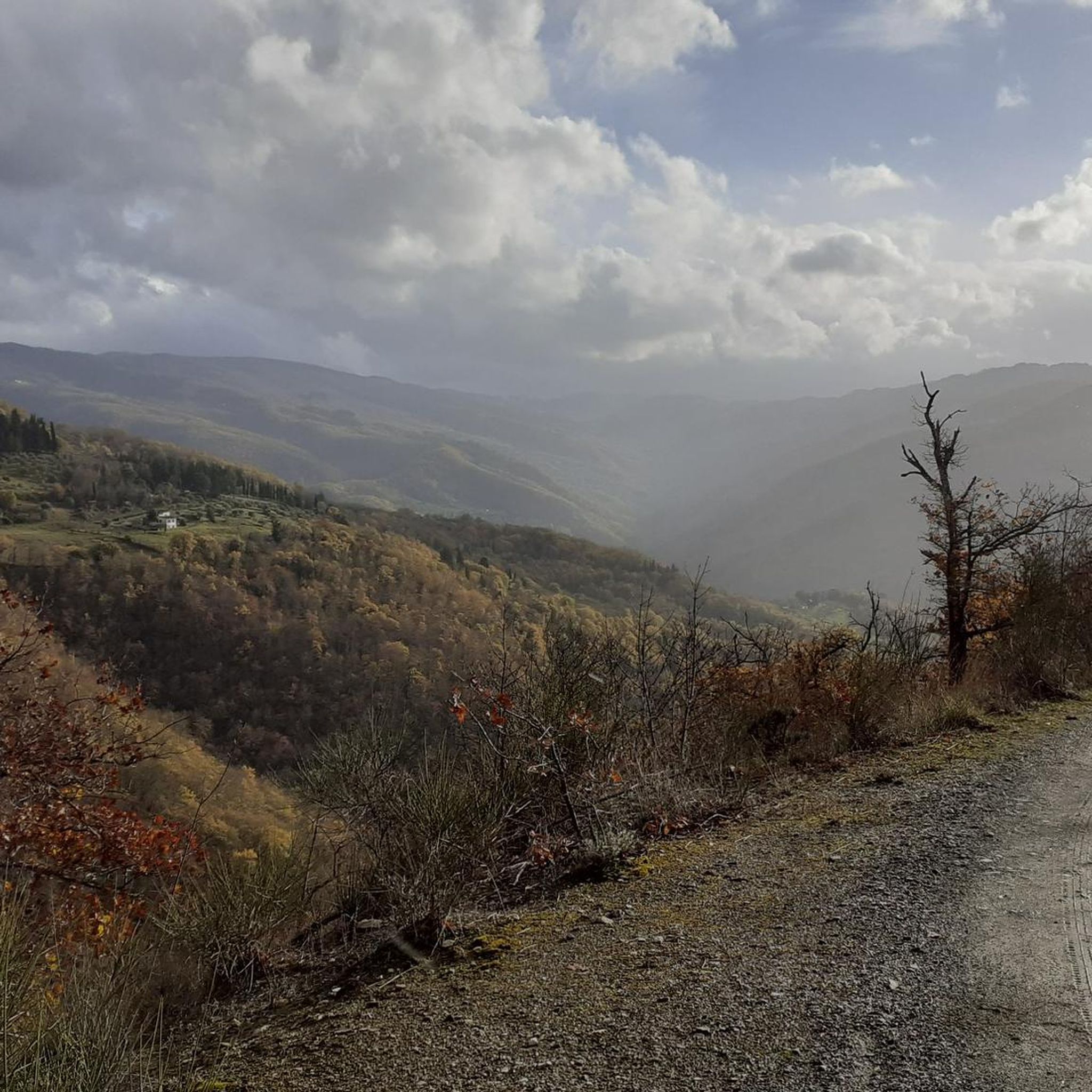
Best natural monuments around Dicomano are found in the picturesque Mugello Valley of Tuscany, part of the Northern Apennines. This region features a complex geological history, contributing to its diverse landscapes. Dicomano's natural environment is characterized by a mix of mountain and valley floor scenery, dense forests, and waterways. These features make it a notable area for exploring natural landmarks.
Best natural monuments around Dicomano
- The most popular natural monuments is View of Acquacheta Waterfall, a waterfall that plunges…
Last updated: June 28, 2026
View of Acquacheta Waterfall
Highlight • Waterfall
The evocative beauty of the …
Translated by Google •
Tip by

Mount Falco
Highlight • Summit
Translated by Google •
Tip by

Sign up now to discover places like this
Get recommendations on the best single tracks, peaks, & plenty of other exciting outdoor places.
Sign up for free
Monte Falterona
Highlight • Summit
Translated by Google •
Tip by

Burraia Meadows
Highlight • Viewpoint
Translated by Google •
Tip by

Arno Source (Capo d'Arno)
Highlight • River
Translated by Google •
Tip by

Sign up for free to discover even more natural monuments around Dicomano.
Sign up for free
Already have an account?
Start today with a free account
Your next adventure awaits.
Login or Signup
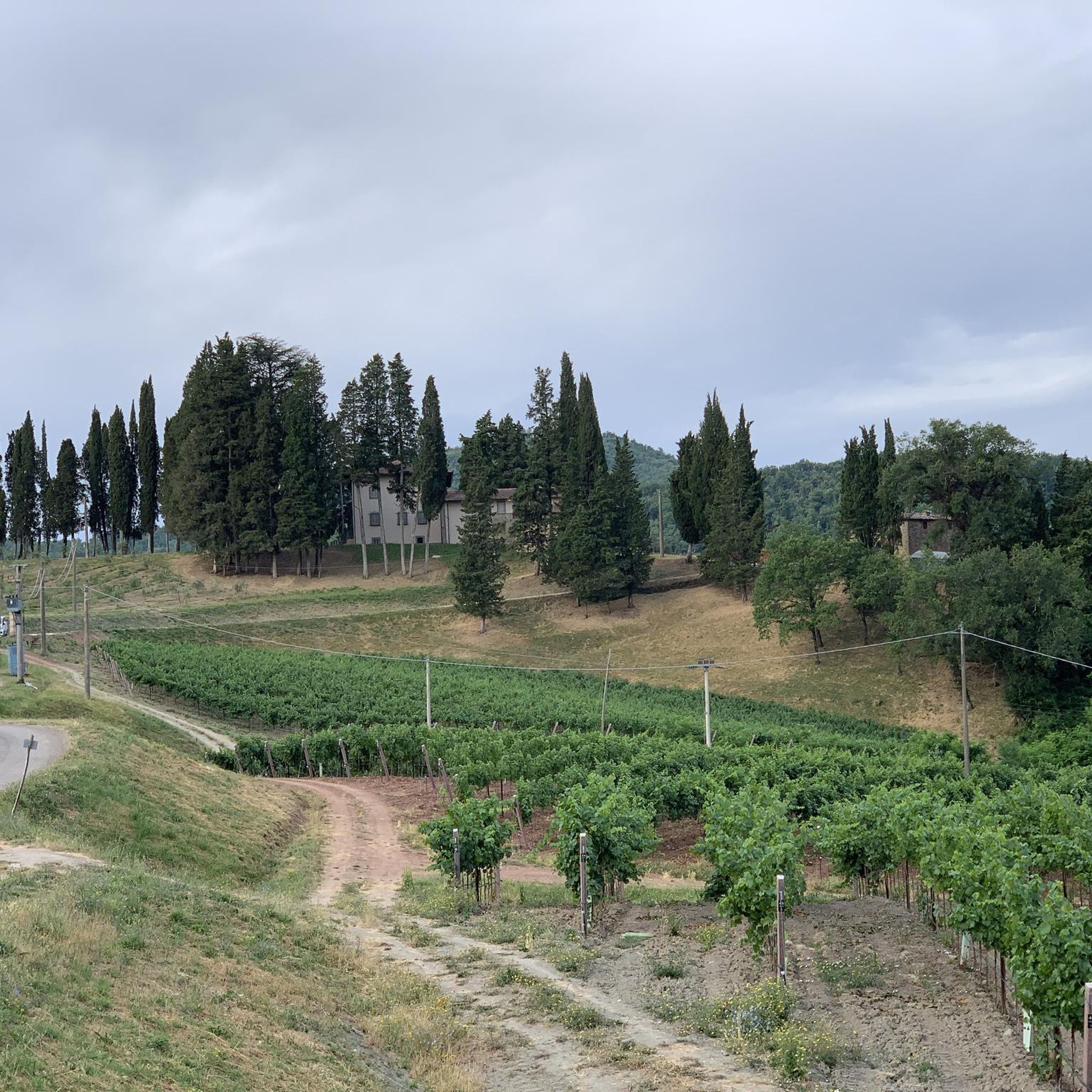
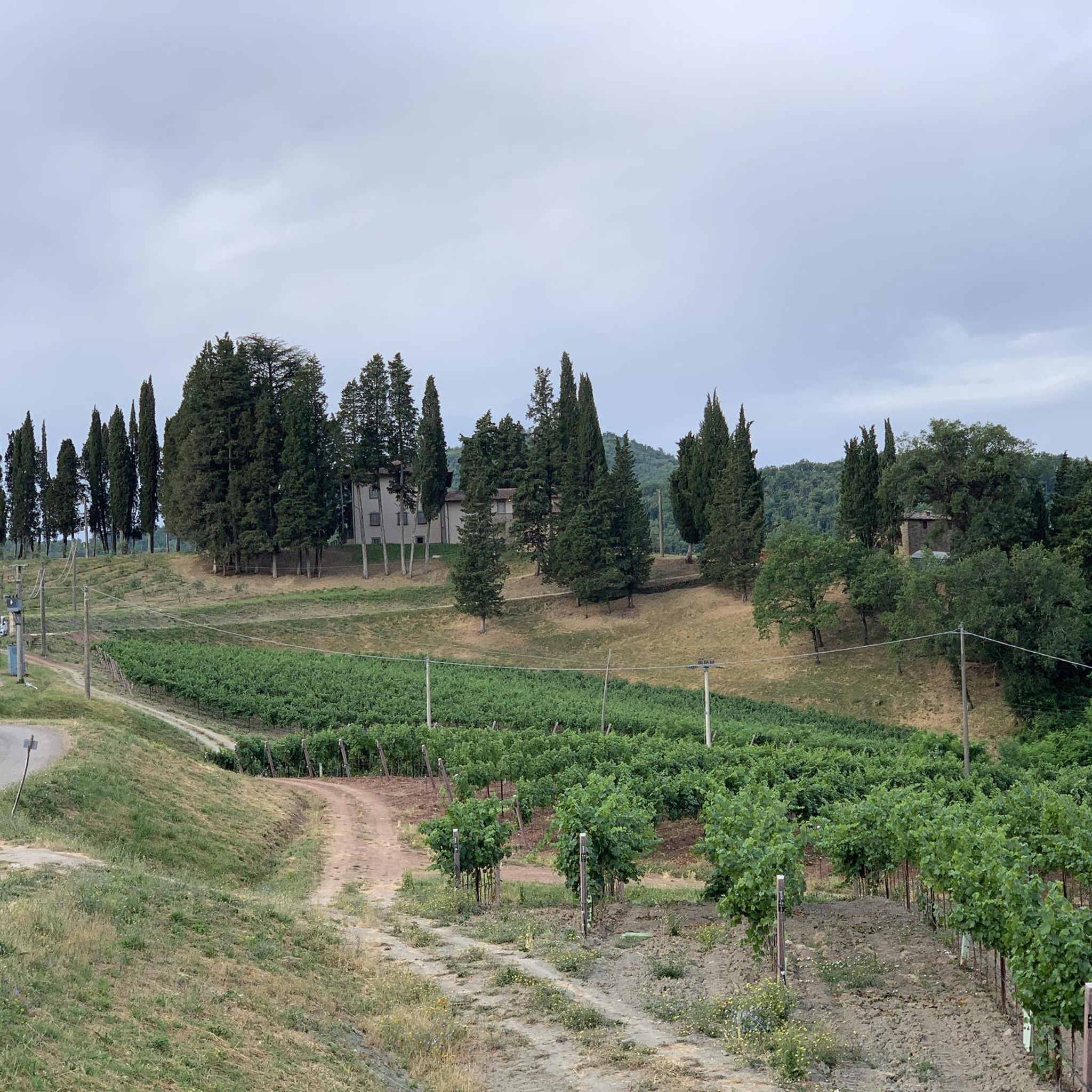
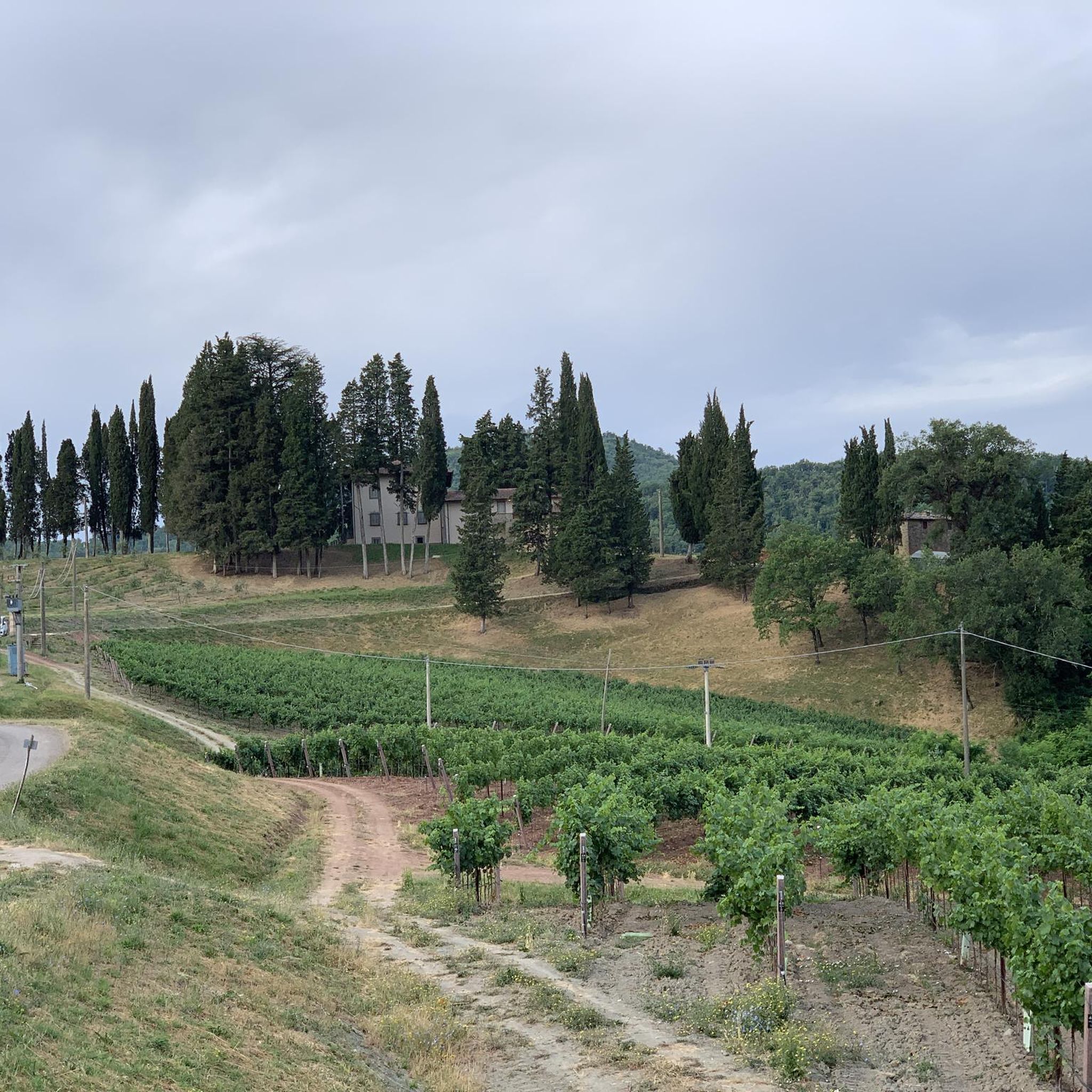
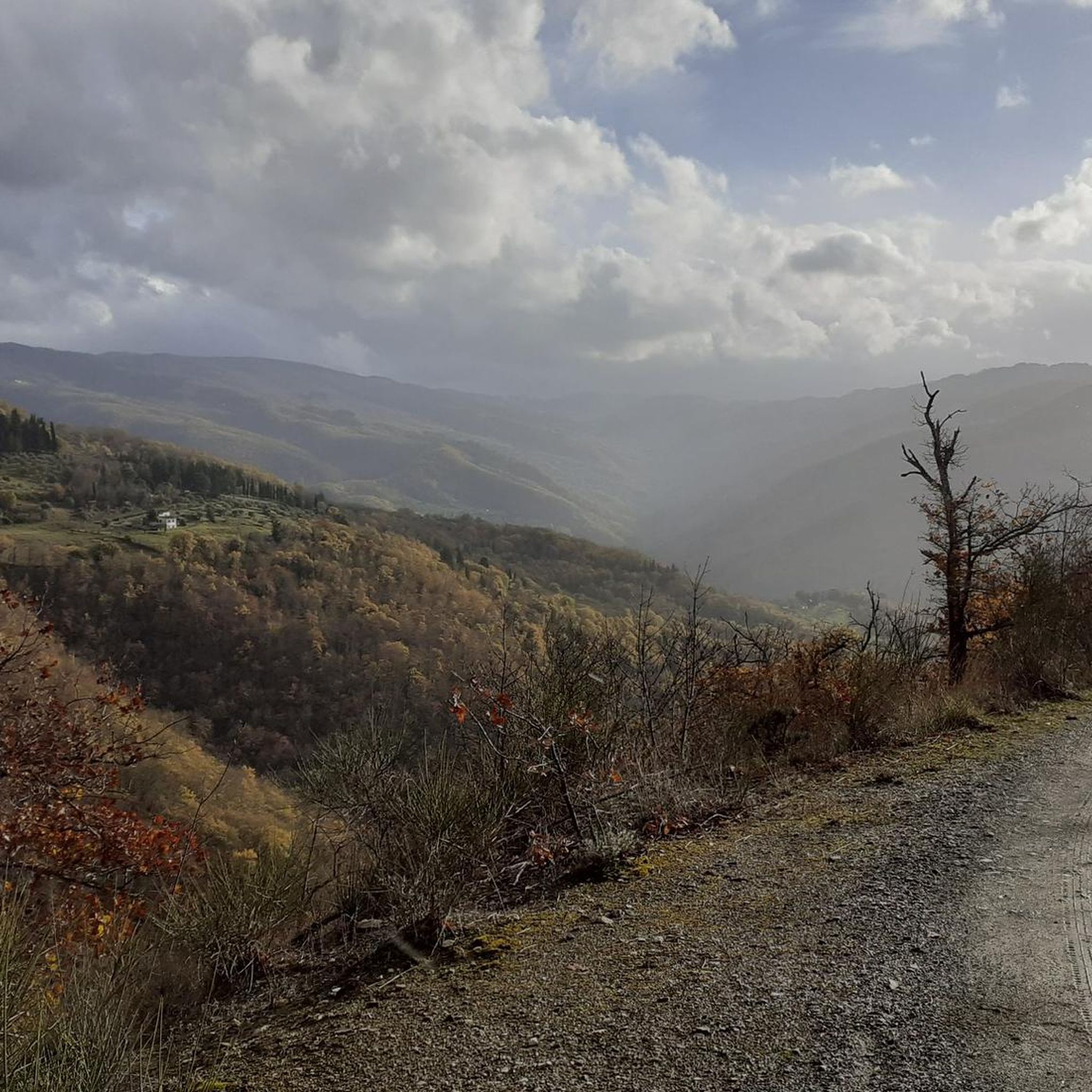

Tips from the Community

Among the sources of Italy's major rivers, I missed visiting the Po, the Arno, and the Tiber at the beginning of the year. Given that I've reached the source of the Po (Pian del Re at Monviso) and, now, the Arno, to complete the whole thing, all I need now is the Tiber. (Ticino: Novena Pass (CH); Adda: Alpisella Valley; Brembo: Diavolo di Tenda Pass; Serio: Monte Torena; Adige: Resia Pass; Dora Baltea: Ferret Valley; Dora Riparia: Monginevro Pass; Piave: Monte Peralba; Oglio: Ponte di Legno through the confluence of the Oglio Frigidolfo from Gavia Pass and the Oglio Narcanello from the Mandrone Glacier) God willing, and if my health continues to hold out, we'll see if we can reach that one too next year. A difficult sentence to give!
9
0
A peak a few meters lower than nearby Monte Falco, which is the highest point in the entire Casentino area. It's best known for its source, the Arno River, about 300 square meters below, on its southern slope. It offers a beautiful view of the surrounding valleys and mountains.
7
0

The spring itself is not spectacular, but the route here (from the south) is very varied.
1
0
A beautiful hiking trail from the source of the Arno to the summit: not too steep and through a beautiful, shady beech forest. From the summit, there are great views to the west.
1
0

A particularly beautiful destination in winter 🥰
1
0

April is a great time to see the crocuses in bloom.
0
0

Monte Falco at 1658 m above sea level, is the highest peak of the Tuscan-Romagnolo Apennines. Alongside its second (Monte Falterona for only 4 meters less) it marks the border between Tuscany and Emilia-Romagna. Near the Capo d'Arno source and various refuges and restaurants, it offers an excellent view of the valleys, lush forests and numerous routes suitable for everyone. Non-exposed paths. Be careful on the steepest and most rugged sections. Definitely recommended.
0
0

Mount Falco stands on the border between Arezzo and Florence and is also known as the "Roof of the Casentinesi Forests". With its 1,658 meters of altitude, it is the highest peak in the Tuscan-Romagnolo Apennines, exceeding the adjacent Mount Falterona by just four metres. To protect the alpine and subalpine vegetation present here, which is rare for these areas, an integral nature reserve has been established in this area.
3
0
Frequently Asked Questions
What unique natural features can I discover around Dicomano?
The Dicomano area, nestled in the Northern Apennines, offers a diverse landscape of mountains, valleys, dense forests, and waterways. You can find impressive waterfalls like the View of Acquacheta Waterfall, high summits such as Mount Falco and Monte Falterona, and serene spots like the Gorga Nera Pond. The region is also characterized by vast green forests of beech, oak, and chestnut trees, especially as the Apennine heights descend into the hills.
Are there other notable natural monuments beyond the most popular ones?
Absolutely. While the Acquacheta Waterfall and Mount Falco are well-known, you can also explore the Burraia Meadows, which offer breathtaking views and are an important open ridge area within the national park. Another captivating spot is the Lavane waterfall, located just 100 meters from Acquacheta, featuring water flowing into a deep, vibrant green pool, creating a natural swimming spot.
What kind of outdoor activities can I do near Dicomano's natural monuments?
The diverse natural environment around Dicomano is perfect for various outdoor activities. You can enjoy extensive hiking and trekking, mountain biking, and road cycling. For specific routes, you can explore options like the MTB Trails around Dicomano, Road Cycling Routes around Dicomano, and Running Trails around Dicomano.
Are there family-friendly natural monuments or trails in the area?
Yes, the Gorga Nera Pond is categorized as family-friendly, offering an interesting natural pool generated by spring water. The general area around Dicomano, with its mix of mountain and valley scenery, provides many opportunities for walking and enjoying nature with the family, though specific 'easy' trails for all ages should be checked individually.
What is the best time of year to visit the natural monuments around Dicomano?
Many natural monuments, like the View of Acquacheta Waterfall, are beautiful in every season, as the water flow varies. Monte Falterona is particularly recommended during the Fall Foliage period for its special colors. The Burraia Meadows are stunning in summer with clear views and breathtaking when snowy in winter. Generally, spring and autumn offer pleasant temperatures for hiking, while summer is ideal for enjoying natural pools.
What are the difficulty levels of hiking trails to these natural monuments?
The trails to natural monuments around Dicomano vary in difficulty. For instance, the routes to View of Acquacheta Waterfall, Mount Falco, Monte Falterona, Burraia Meadows, and Gorga Nera Pond are generally rated as intermediate. Some routes, especially those leading to higher summits like Mount Falco, can be challenging due to elevation gain and terrain.
Can I find viewpoints with panoramic scenery among Dicomano's natural monuments?
Yes, several natural monuments offer spectacular panoramic views. Monte Falterona provides beautiful vistas of the surrounding valleys and mountains. Mount Falco, known as the 'Roof of the Casentinesi Forests,' also offers expansive views. Additionally, the Burraia Meadows boast breathtaking views that can even extend to the sea on clear days.
What makes the Acquacheta Waterfall so special?
The View of Acquacheta Waterfall is renowned for its striking beauty, plunging over 70 meters. Its unique appeal comes from how the water branches out over a large, stratified rocky outcrop, creating a succession of smaller waterfalls and steep slides. This evocative setting makes it a favorite for nature lovers and photographers.
What is the significance of Monte Falterona?
Monte Falterona is significant for being the source of the Arno River, which originates on its southern slope. This geographical importance, combined with its beautiful views of the surrounding valleys and mountains, makes it a notable natural landmark in the region.
Are there any natural swimming spots near Dicomano?
Yes, the Lavane waterfall, located very close to the View of Acquacheta Waterfall, features water flowing down a smooth rock face into a deep, almost circular pool of vibrant green. This spot is framed by rocks, creating a spectacular natural swimming pool, ideal for enjoying a refreshing dip in nature.
What do visitors particularly enjoy about the natural monuments around Dicomano?
Visitors frequently praise the stunning natural beauty and tranquility of the area. They appreciate the spectacular drops of waterfalls like Acquacheta, the expansive panoramic views from summits like Mount Falco and Monte Falterona, and the serene atmosphere of places like Gorga Nera Pond. The changing beauty of the landscape through the seasons, from lush greenery to snowy vistas, is also a highlight for many.
Is there a national park nearby that I can explore?
Yes, the Dicomano area is close to the Parco Nazionale delle Foreste Casentinesi (Casentino Forests National Park). This large park encompasses vast areas of lush greenery and diverse ecosystems, offering extensive opportunities for hiking, cycling, and picnics amidst untouched nature. The region itself boasts green forests of beech, oak, and chestnut trees as the Apennine heights descend into the hills.
Most popular attractions around Dicomano

Get inspired with the komoot mobile app


Explore more
Extend your search for the best caves by checking out these guides of the top ones around Dicomano:
