Top 15 Natural Monuments around Seulu/Seulo
Best natural monuments around Seulu/Seulo are found in a region known for its exceptional natural beauty in southern Sardinia, Italy. This area is characterized by mountains, ancient forests, and a diverse natural landscape. Seulu/Seulo is part of Sardinia's "blue zone," reflecting an active outdoor lifestyle amidst its pristine environment. The territory offers a variety of geological formations, river landscapes, and hiking trails for exploration.
Best natural monuments around Seulu/Seulo
- The most popular natural monuments is Summit of Punta La Marmora…
Last updated: June 28, 2026
Summit of Punta La Marmora
Highlight • Summit
Translated by Google •
Tip by

Grotta Is Janas
Highlight • Cave
Opening times: Only with a guided tour, approx. 45 minutes - at the following times: 10:00 a.m., 11:00 a.m., 3:00 p.m., 4:00 p.m. and 5:00 p.m
escursionisadali.it
Translated by Google •
Tip by

Sign up now to discover places like this
Get recommendations on the best single tracks, peaks, & plenty of other exciting outdoor places.
Sign up for free
Su Stampu 'e Su Turrunu Waterfall
Highlight • Waterfall
Translated by Google •
Tip by

Piscina 'e Licona Waterfall
Highlight • Waterfall
Translated by Google •
Tip by
Pizzu Margiani Pubusa
Highlight • Summit
Translated by Google •
Tip by

Sign up for free to discover even more natural monuments around Seulu/Seulo.
Sign up for free
Already have an account?
Start today with a free account
Your next adventure awaits.
Login or Signup
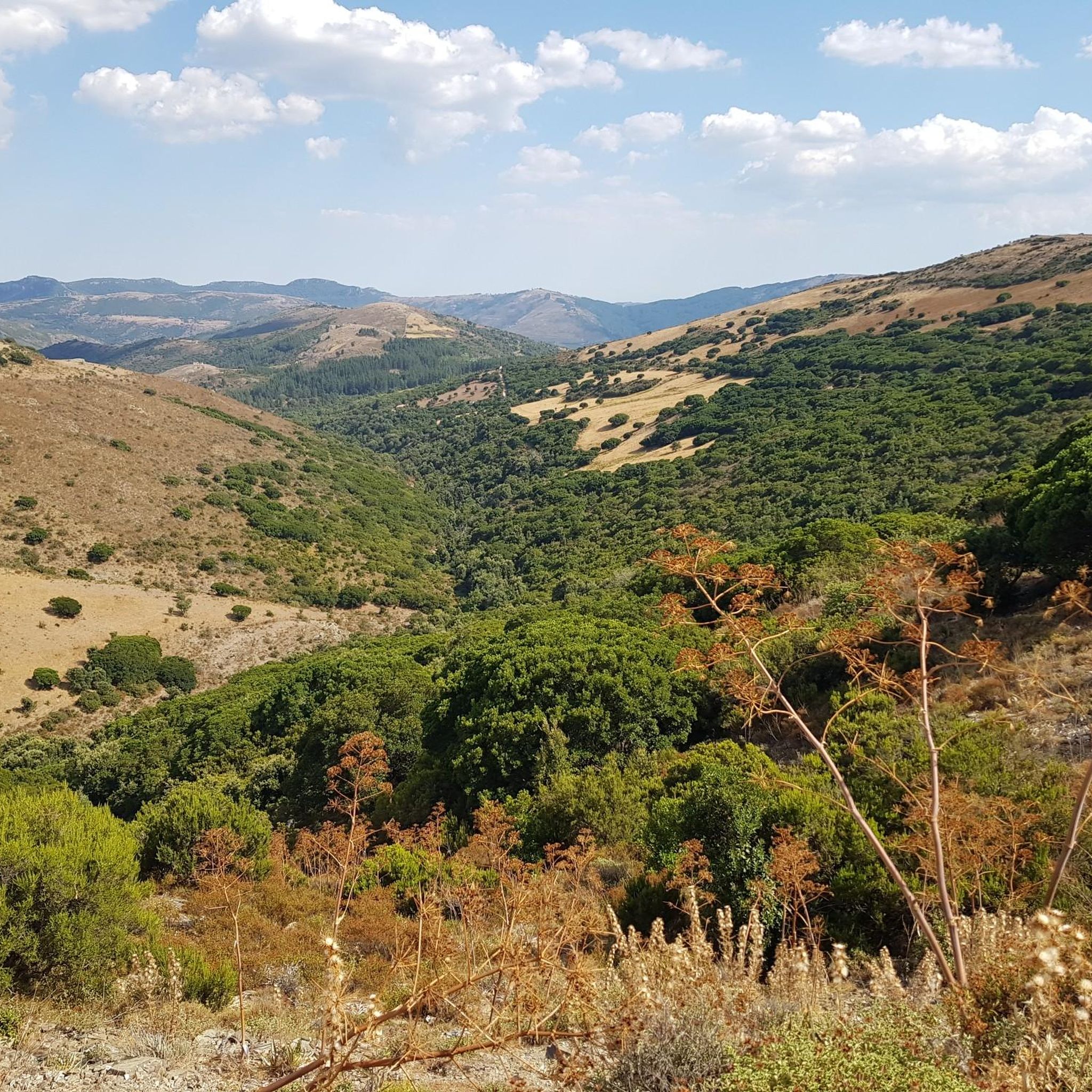
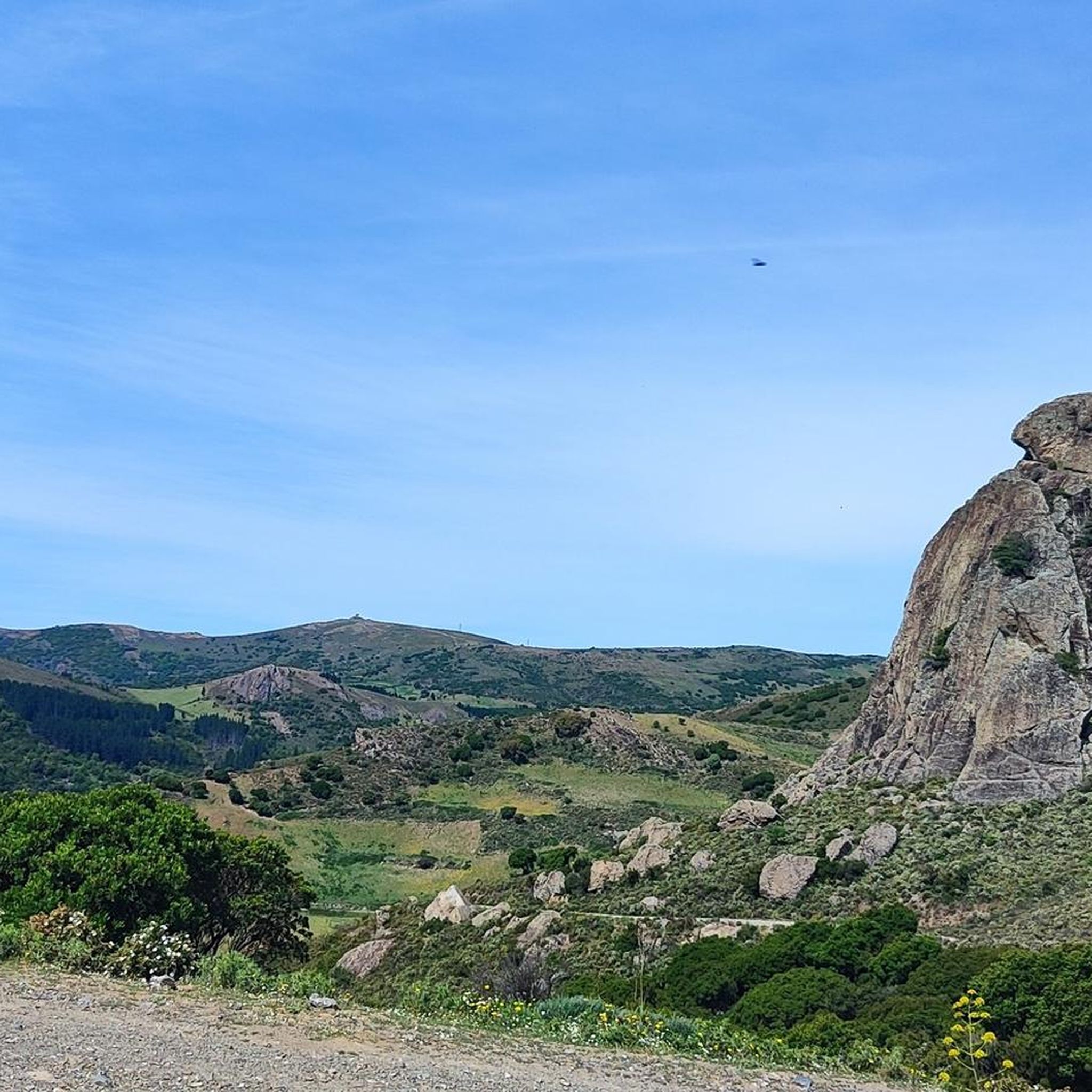
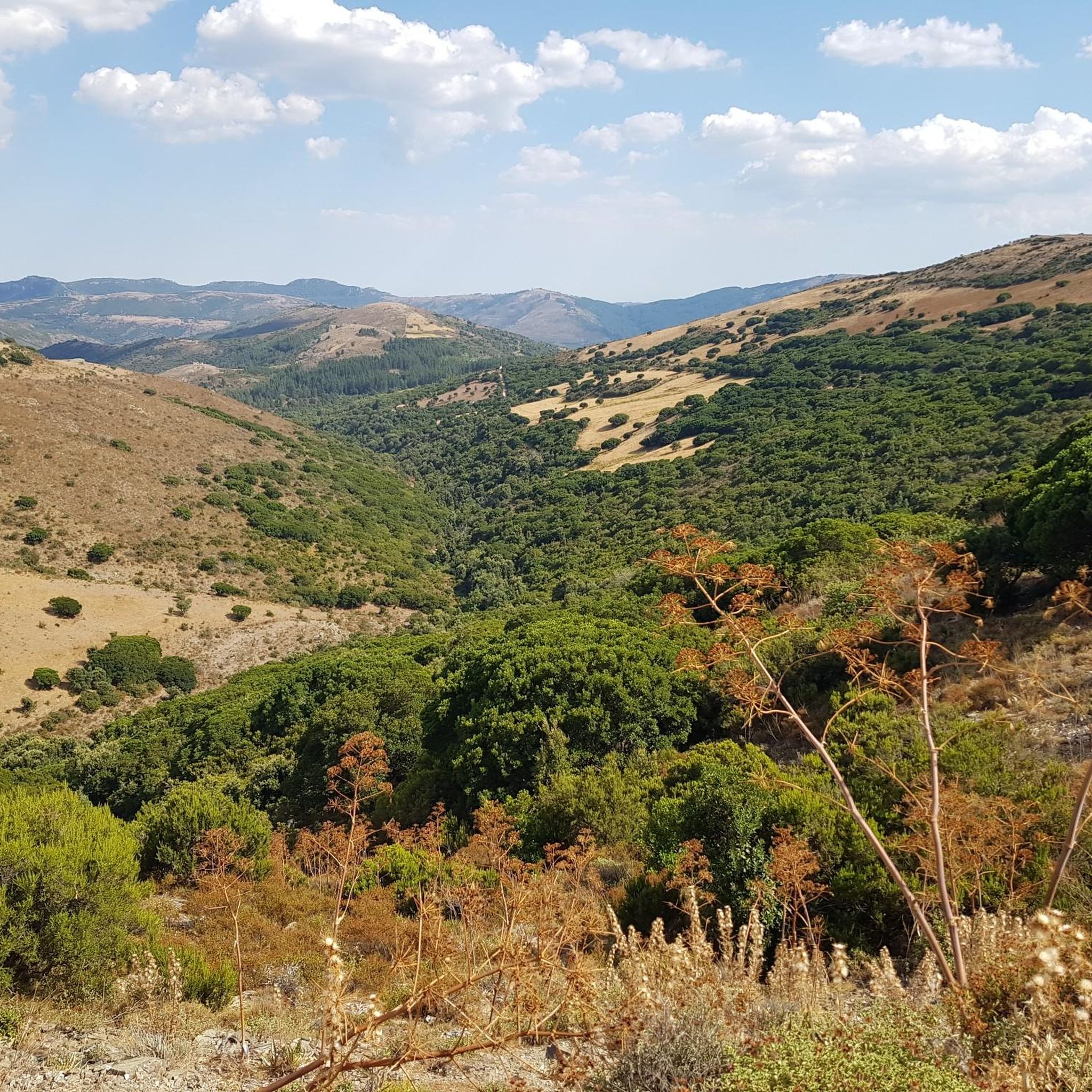
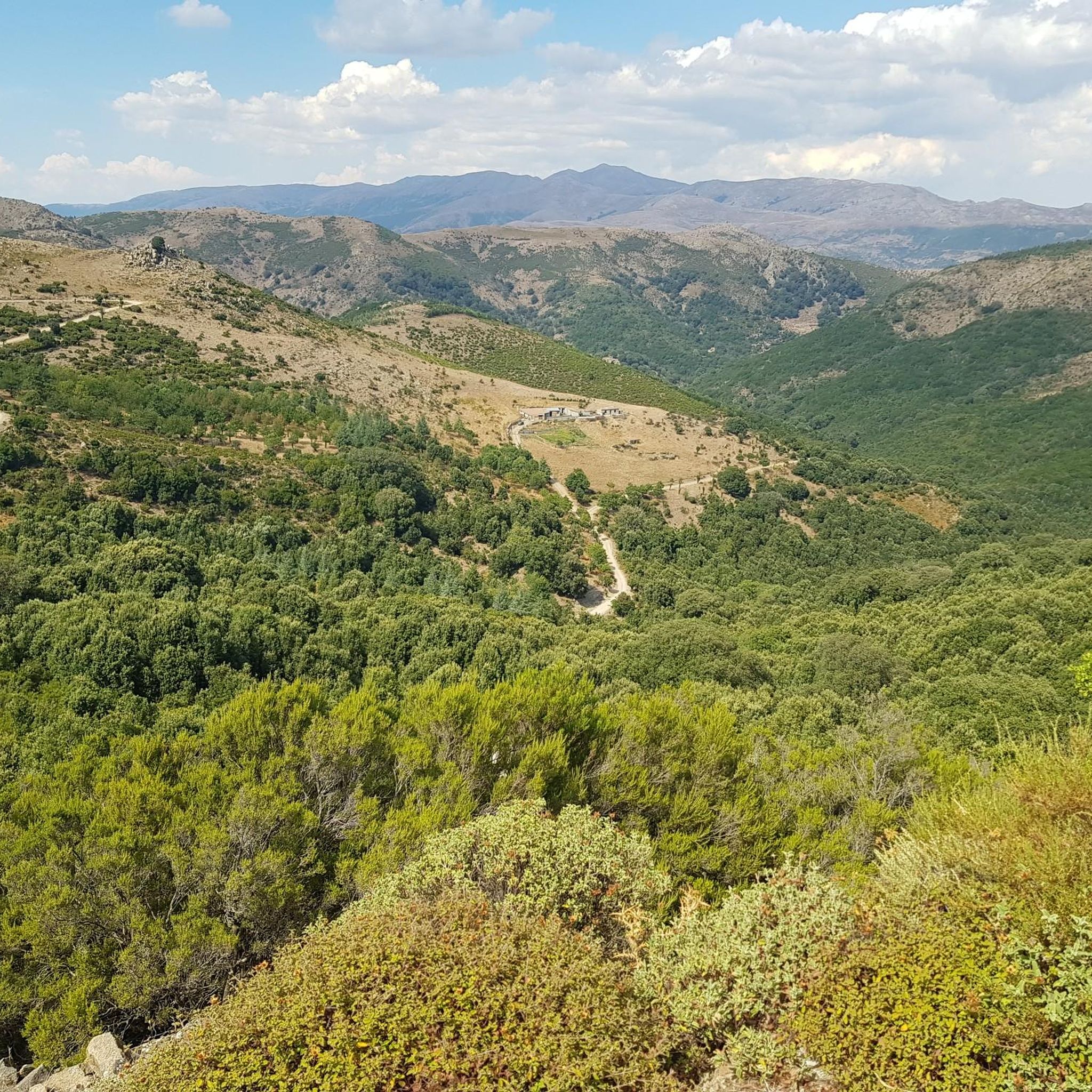
Tips from the Community


With an all-mountain mountain bike you can do almost everything on the bike, both uphill and downhill
1
0

6 euros entrance fee, which is really worth it. Opening times: Only with a guided tour, approx. 45 minutes - at the following times: 10:00 a.m., 11:00 a.m., 3:00 p.m., 4:00 p.m. and 5:00 p.m https://www.escursionisadali.it/ There are 5 rooms to visit. In contrast to the well-known grottos, the lighting is more temporary and the paths are more adventurous. The following legend surrounds the grotto: The cave is called “Is Janas”, which is a Sardinian name for “fairies”. According to a legend, three fairies lived in this cave. The fairies loved food and enjoyed cooking. This is also how you cook during Lent. A priest surprised the fairies while they were eating and was hanged by them (broken stalagtite in the first room). As punishment, God turned the fairies into three stalgmites (room 2). In the fourth room the skeleton of a "Prolagus Sardus" was discovered as well as ceramic shards from the Neolithic period (3000 BC) which can be viewed in the Museum of Caglari. Geological and historical information: The cave dates back 5 million years and was discovered in the 19th century. The cave is approx. 240 meters long and has a constant temperature of 12° and a humidity of 99 - 100%. The colors of the cave are: red (iron oxide and clay), gray (manganese) and black (guano - bat excrement).
5
1
By the way, the waterfall is called "Piscina 'e Licona" - it is a very mystical, idyllic place. You can jump into the pool for a little refreshment ;-)
1
0
In autumn there is only a thin waterfall so that you can take a shower ;-) I wouldn't stand under the pictures in spring. Exciting to see the waterfall falling through a hole
0
1

Imagine standing on the highest point in Sardinia, Punta La Marmora, and your gaze sweeps over the entire island. On a clear day you can even see the silhouettes of Corsica on the horizon. You can put this experience into practice by hiking to the summit of this 1,834 meter high elevation. Ideally, start your tour in the parking area at Rifugio Sa Crista or Rifugio S’Arena near Desulo. The route is not short at 15.5 kilometers, but it rewards you with an incredible variety of landscapes. Within a walking time of three and a half to four and a half hours, you will cross picturesque forests, pass flowering meadows and hike across impressive boulder and craggy terrain. Among other things, it goes over the summits of Bruncu Spina and Punta Paulinu. As you climb from Bruncu Spina towards Punta La Marmora, a huge summit cross might lead you astray. But don't be fooled, because the true summit is only reached when you reach the small rock pyramid that marks the top of La Marmora. The peak itself was named after the general and scientist Alberto Ferrero della Marmora, who described Sardinia in detail in his works. His love for the island will become clear to you at the summit when you enjoy the breathtaking view. You should be well prepared for this hike. This means: Sturdy hiking boots, enough water and sun protection should be in your luggage. If you need refreshment in between, you can stop off in the towns of Desulo or Fonni. The months from June to September are ideal for the tour. But Punta La Marmora is actually a year-round hiking destination for everyone who is looking for something special. Ready for this adventure? Then lace up your hiking boots and experience Sardinia at its best!
5
2

Climbing to Punta La Marmora from Bruncu Spina you first reach the pre-summit, which is misleading with its enormous summit cross. To reach the highest peak in Sardinia, you need to continue further south until you reach a small rock pyramid. This marks La Marmora's peak share of 1,833.
3
2

Punta La Marmora, which rises 1,834 meters above sea level, is the highest peak in Sardinia. It is located in the Gennargentu massif. A cross crowns the top of this magnificent place. Running up here isn't difficult, except for some occasionally steep sections. It's not very technical; you just have to be fit. The breathtaking views make it truly extraordinary. You can see up to the lake of the upper Flumendosa, Perda Liana and Arbatax, if the fog allows it, and on the other side you can range up to Oristano. It's incredible.
1
0
Frequently Asked Questions
What are some unique geological features to explore around Seulu/Seulo?
The region boasts several unique geological formations. You can visit Su Stampu 'e Su Turrunu Waterfall, a natural tunnel carved by water erosion featuring a 16-meter waterfall that falls from a hole in karst rock into a natural pool. Another fascinating site is S'Arcu 'e Su Cuaddu, a natural dolmen formed by wind and water, which also has an ancient Sardinian tomb (Domu de Janas) excavated beneath it.
Are there any impressive waterfalls to visit near Seulu/Seulo?
Yes, the area is home to beautiful waterfalls. Besides Su Stampu 'e Su Turrunu Waterfall, you can also discover Sa Stiddiosa Waterfall, known for its continuous drip of water falling from an overlying karst spring along a rock face. Another option is Piscina 'e Licona Waterfall, a mystical and idyllic spot where you can even jump into the pool for a refreshing dip.
Can I explore caves in the Seulu/Seulo area?
Absolutely. The Flumendosa river has carved numerous karstic caves over millennia. One notable cave is Grotta Is Janas, which features five rooms to visit, known for its geological formations and ancient legends. It offers adventurous paths and a constant temperature of 12°C. Other caves like Sa Ruta 'e i Bitulleris and Sa Omu 'e Janas also offer glimpses into ancient geological formations and prehistoric human activity.
What historical or ancient sites are integrated with the natural monuments?
The region offers a fascinating blend of nature and history. At S'Arcu 'e Su Cuaddu, a natural dolmen, you'll find a Domu de Janas (an ancient Sardinian tomb) excavated beneath it, showcasing how early inhabitants utilized natural formations. Additionally, some of the karstic caves, such as Sa Omu 'e Janas and Grotta Is Janas, have been inhabited since prehistoric times, with findings from the Neolithic period discovered within them.
Are there family-friendly natural attractions around Seulu/Seulo?
While many natural monuments involve some hiking, sites like Su Stampu 'e Su Turrunu Waterfall offer an unforgettable walk along a path exploring springs, natural pools, and waterfalls, which can be enjoyable for families. Exploring the less challenging sections of the Flumendosa River's course can also be a pleasant family activity, allowing appreciation of the diverse natural landscape.
What is the best season to visit the natural monuments around Seulu/Seulo?
The months from June to September are generally ideal for exploring the natural monuments, especially for hikes to summits like Punta La Marmora. However, the region is considered a year-round hiking destination for those seeking special experiences. For waterfalls, autumn might offer a thinner flow, allowing for unique experiences like standing under Su Stampu 'e Su Turrunu Waterfall.
What kind of outdoor activities can I do near these natural monuments?
The area around Seulu/Seulo is perfect for various outdoor activities. You can enjoy extensive hiking, with trails leading to summits, waterfalls, and through ancient forests. There are also numerous cycling routes, including challenging ones around the Flumendosa river. For mountain biking enthusiasts, there are dedicated MTB trails that explore the diverse terrain.
Are there specific hiking trails to explore the natural monuments?
Yes, there are many hiking opportunities. For instance, the ascent to Summit of Punta La Marmora offers a 15.5-kilometer route through forests, meadows, and boulder terrain. You can also find trails that lead to waterfalls like Piscina 'e Licona Waterfall or explore the Flumendosa River and its gorges. For more options, check out the hiking guide for Seulu/Seulo.
What should I pack for a trip to the natural monuments around Seulu/Seulo?
For exploring the natural monuments, especially if you plan on hiking, it's essential to pack sturdy hiking boots, enough water, and sun protection. Depending on the season, layers of clothing are advisable, as temperatures can vary. If you plan to visit caves like Grotta Is Janas, a light jacket might be useful due to the constant cool temperatures inside.
What makes the Flumendosa River area significant?
The Flumendosa River is a vital natural feature, flowing through deep gorges and valleys covered by holly oaks and Mediterranean shrubs. Its course features limestone cliffs, springs, small lakes, and rapids. The river's action has also been instrumental in carving the numerous karstic caves in the Addolì Forest over millennia. Following its course allows visitors to experience a diverse and unspoiled natural landscape, rich in biodiversity.
What do visitors enjoy most about the natural monuments in this region?
Visitors frequently praise the breathtaking views from summits like Punta La Marmora and Pizzu Margiani Pubusa. The unique geological formations, such as Su Stampu 'e Su Turrunu Waterfall, are often described as magical and tranquil. The adventurous paths within caves like Grotta Is Janas and the idyllic setting of waterfalls like Piscina 'e Licona Waterfall are also highly appreciated.
Are there any challenging natural monuments for experienced hikers?
Yes, experienced hikers will find several challenging options. The ascent to Summit of Punta La Marmora is a demanding 1,834-meter climb offering incredible variety. Pizzu Margiani Pubusa also offers a challenging hike with rewarding panoramic views. Some waterfalls, like Piscina 'e Licona Waterfall, can be a bit difficult to get to, requiring good shoes and a challenging approach.
Most popular attractions around Seulu/Seulo

Get inspired with the komoot mobile app


Explore more
Extend your search for the best caves by checking out these guides of the top ones around Seulu/Seulo:
