Top 15 Natural Monuments around U Pàize/Carloforte
Natural monuments around U Pàize/Carloforte, located on the volcanic Isola di San Pietro, showcase a diverse landscape of unique geological formations and vital natural habitats. The island features transparent waters, dramatic cliffs, and picturesque coves, shaped by its volcanic origins and coastal erosion. These attractions offer opportunities for exploring rugged coastlines, observing diverse wildlife, and experiencing the island's serene environment. With 8 natural monuments, the area provides a range of outdoor experiences for visitors.
Best natural monuments around U Pàize/Carloforte
…Last updated: June 28, 2026
Capo Sandalo Lighthouse
Highlight • Monument
Translated by Google •
Tip by

Cala Fico
Highlight • Beach
Translated by Google •
Tip by

Sign up now to discover places like this
Get recommendations on the best single tracks, peaks, & plenty of other exciting outdoor places.
Sign up for free
Cape Altano
Highlight • Viewpoint
Translated by Google •
Tip by

Cliffs on Strada Mercureddu
Highlight • Natural Monument
Translated by Google •
Tip by
View of the Cliffs of Sant'Antioco
Highlight • Viewpoint
Translated by Google •
Tip by

Sign up for free to discover even more natural monuments around U Pàize/Carloforte.
Sign up for free
Already have an account?
Start today with a free account
Your next adventure awaits.
Login or Signup
Popular around U Pàize/Carloforte

Tips from the Community

The original stone tower was built in 1864. It is an active aid to navigation at sea and in aviation. The focal plane is 134 metres (433 ft) high, perched on a cliff, and emits four white flashes in a 20-second period, visible to a distance of 24 nautical miles (44 km). The tower itself is 30 metres (98 ft) high, with lantern and gallery, attached to the front of a two-story stone keeper's house. To this day, the lighthouse remains a beautiful structure of unpainted stone with a grey metallic lantern dome. The lighthouse is now automated, and a lighthouse keeper lived on the site until recently. Chart references: ARLHS SAR-018; Admiralty E1090; NGA 8432. French Charts 7332. The lighthouse is connected to the main town of Carloforte on the island of San Pietro by a well-paved road.
2
0
The Capo Sandalo Lighthouse (Italian: Faro di Capo Sandalo) is a prominent lighthouse on the westernmost point of the island of San Pietro, marking the southwestern corner of Sardinia, Italy.
2
0

Watch where you put your feet!
1
0
The island has been inhabited since the 5th millennium BC, as evidenced by remains of the Ozieri culture. Domus de Janas and menhirs also bear witness to Neolithic settlement. Nuraghes, such as the Su Niu de Su Crobu (Crow's Nest), date back to the Bronze Age.
1
0

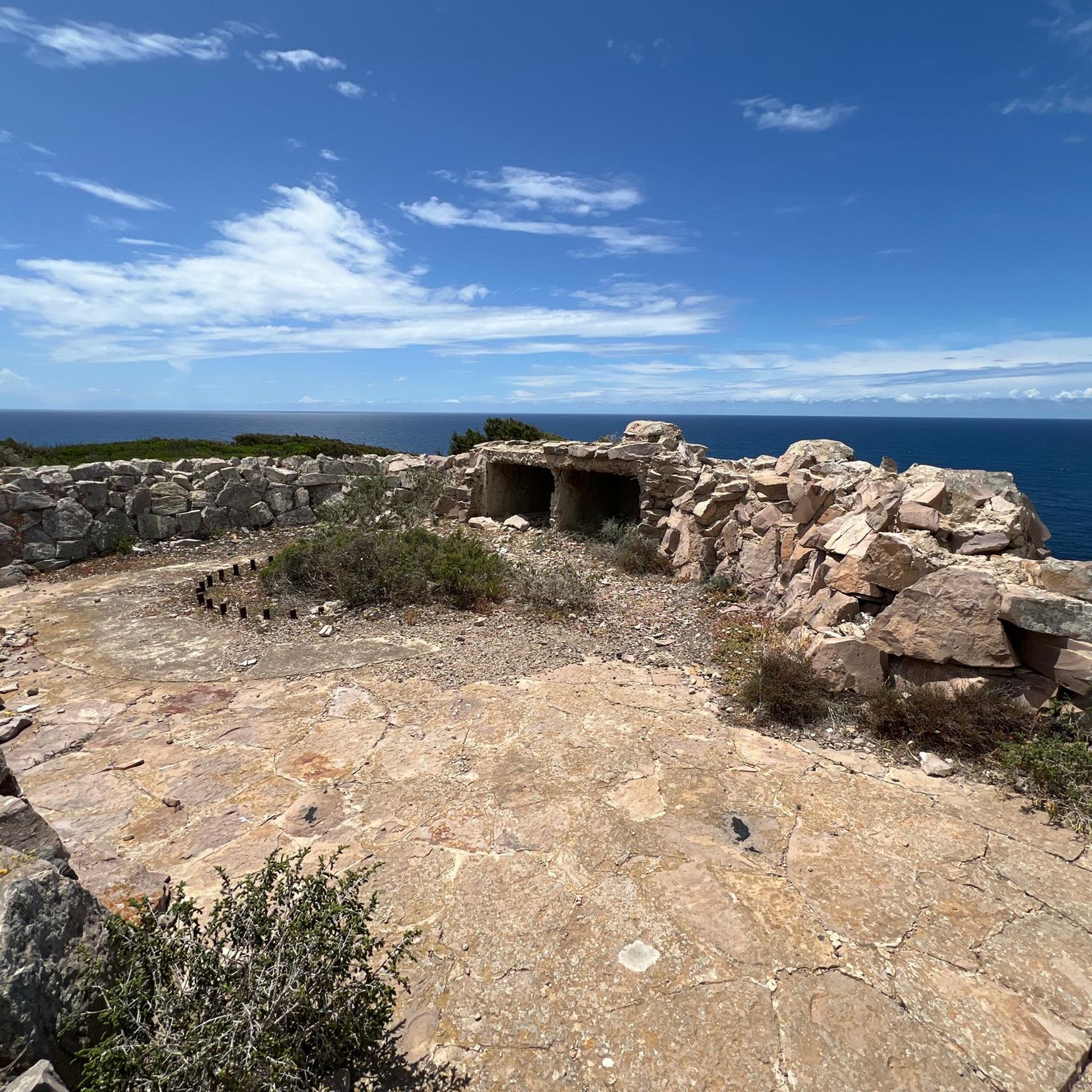
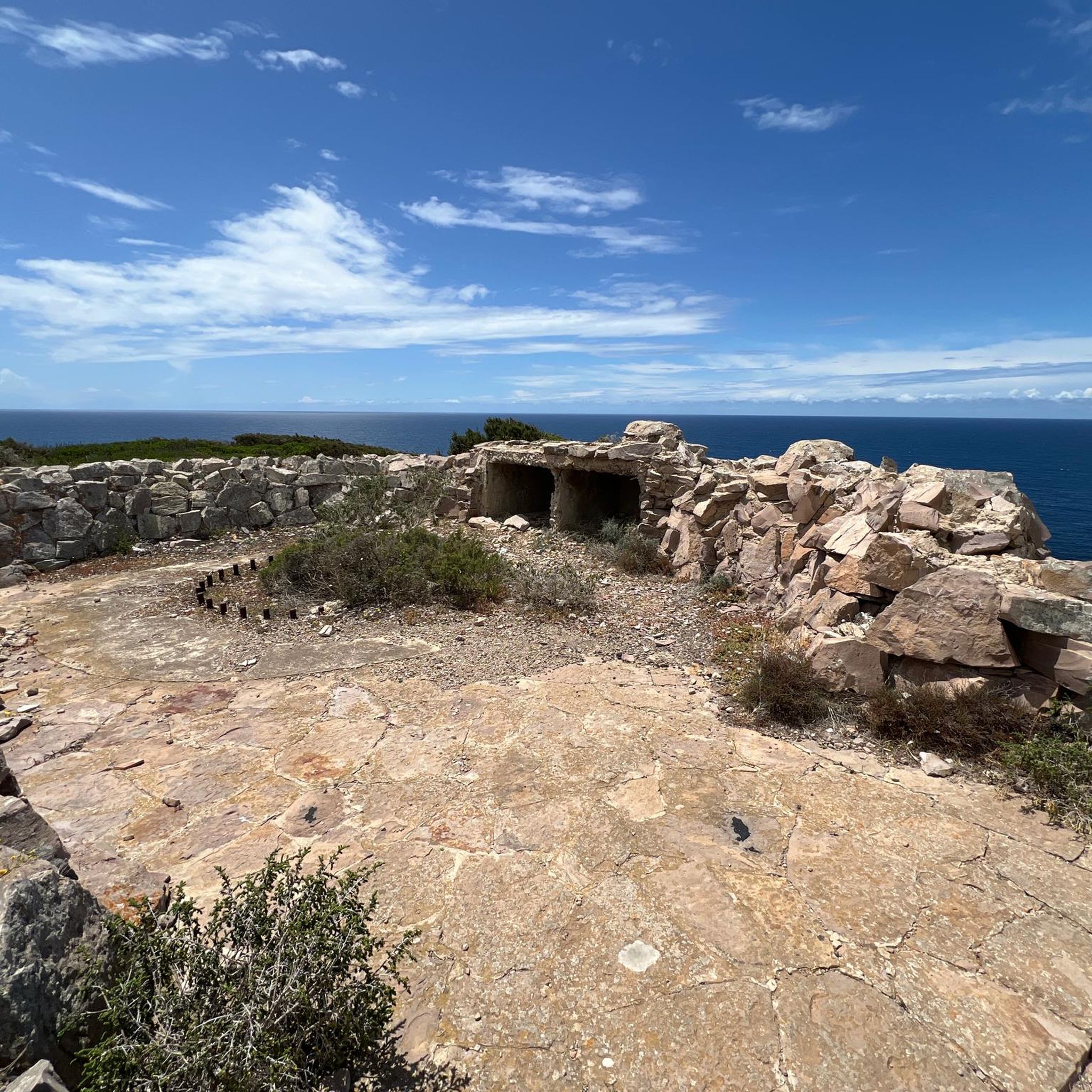
Capo Altano is a little gem. You can reach the promontory from the car park via the paved cycle path, and there are also many winding paths that pass over cliffs and through pine forests. In addition to the old bunkers, there is a brick arch which offers a great photo opportunity with the sea. The view is absolutely gorgeous, especially at sunset.
2
0

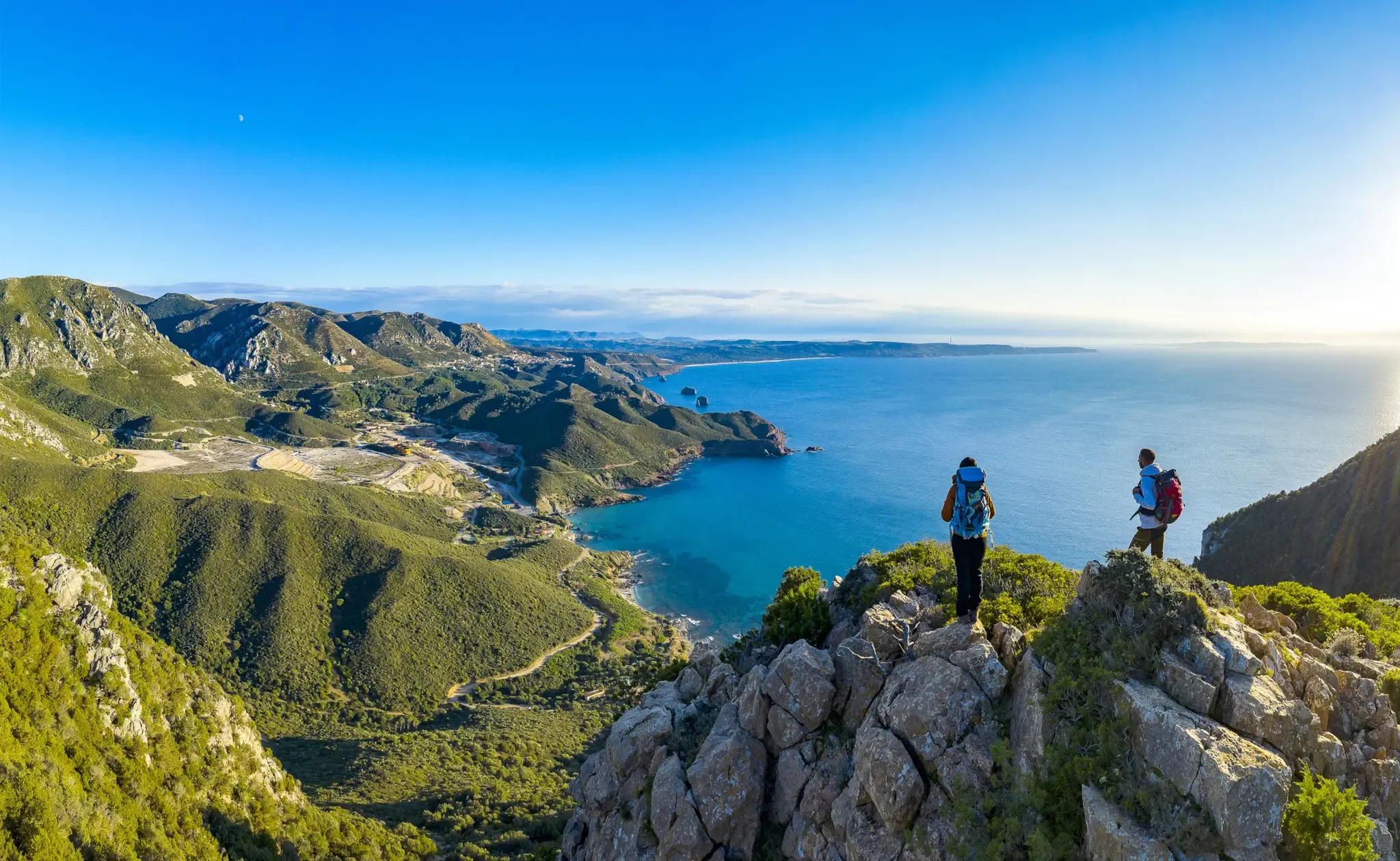
beautiful view of Cala Fico beach. We are in a Lipu oasis where birds of prey reign supreme
0
0

The highly recommended Sentiero verde hiking trail begins at Capo Sandalo. The local guides are happy to provide information about this as well as about the Eleonora's falcons that nest here.
0
0
Frequently Asked Questions
What are the most popular natural monuments around U Pàize/Carloforte?
Visitors frequently enjoy the panoramic views from Cape Altano, especially at sunset, which also features old bunkers and a brick arch for unique photo opportunities. Another favorite is Cala Fico, a beautiful rocky bay and nature reserve known for its vibrant blue waters and as a crucial habitat for avifauna like Eleonora's falcons.
Are there family-friendly natural monuments to visit in U Pàize/Carloforte?
Yes, Cape Altano is considered family-friendly. It's easily accessible via a paved cycle path from the car park, offering stunning views and a pleasant environment for all ages to enjoy the coastal scenery.
What unique geological features can I observe among the natural monuments?
U Pàize/Carloforte, located on the volcanic Isola di San Pietro, boasts several unique geological formations. The iconic Le Colonne are two striking sea stacks of rhyolitic ignimbrite, rising 16 meters above sea level, formed by unique rock fissuring and erosion. You can also find natural pools like the Piscine Naturali di Nasca, carved into volcanic rock by wind and sea, which fill with seawater.
What outdoor activities can I do near these natural monuments?
The area around U Pàize/Carloforte offers diverse outdoor activities. You can explore the island's natural beauty through cycling, with routes like the 'Tour of San Pietro Island and Carloforte - loop tour' available. Mountain biking is also popular, with trails such as 'La Bobba Beach – Half-Moon Basin loop'. For those who prefer running, there are scenic routes like the 'Stagno dei Muggini loop'. You can find more details on these activities in the cycling guide, MTB guide, and running guide for the region.
Where can I go birdwatching near the natural monuments?
The old Salt Pans (Saline di Carloforte), though no longer functioning, have transformed into a vital natural habitat and are a prime spot for birdwatching. You can observe various species, including elegant flamingos and rare Corsican seagulls. Additionally, the LIPU Reserve at Cala Fico is crucial for the protection of avifauna, particularly Eleonora's falcons, which can be observed from July to October.
Are there any historical or cultural sites near the natural monuments?
While primarily focused on natural beauty, the area around Cape Altano features old bunkers, adding a historical element to the stunning coastal views. The island itself has a rich history, with evidence of habitation dating back to the 5th millennium BC, including Nuraghes from the Bronze Age, such as the Su Niu de Su Crobu (Crow's Nest).
What is the best time to visit the natural monuments in U Pàize/Carloforte?
The island offers a pleasant experience for nature lovers throughout much of the year. For birdwatching, Eleonora's falcons are best observed at Cala Fico from July to October. Sunset views from spots like Cape Altano and Capo Sandalo Lighthouse are particularly breathtaking, making late afternoon visits ideal for these locations.
Can I access secluded coves and caves among the natural monuments?
Yes, several secluded coves and caves are part of the natural monuments. Punta delle Oche and Nasca Caves, including the Grotta delle Oche, are primarily accessible by boat, offering access to scenic and hidden spots. These caves are known for their stunning colors, marine life, and are popular for diving and snorkeling. Cala Vinagra is another small, romantic inlet protected by sheer cliffs, offering clear waters and a serene environment.
What do visitors enjoy most about the natural monuments in U Pàize/Carloforte?
Visitors particularly appreciate the transparent waters, dramatic cliffs, and picturesque coves that characterize the island. The blend of wild landscapes, diverse wildlife, and the serene environment makes these natural monuments appealing. Many areas offer opportunities for snorkeling, exploring hidden coves, and enjoying breathtaking sunsets, creating a captivating experience for nature lovers.
Is it possible to visit the iconic Le Colonne?
Yes, Le Colonne, the two striking sea stacks at Punta delle Colonne, are an iconic symbol of the island and were designated a Natural Monument in 1993. They are easily accessible by car from Carloforte via road 103, or you can enjoy a pleasant walk to them from La Bobba beach, offering a dramatic coastal vista.
Are there any natural monuments that offer impressive viewpoints?
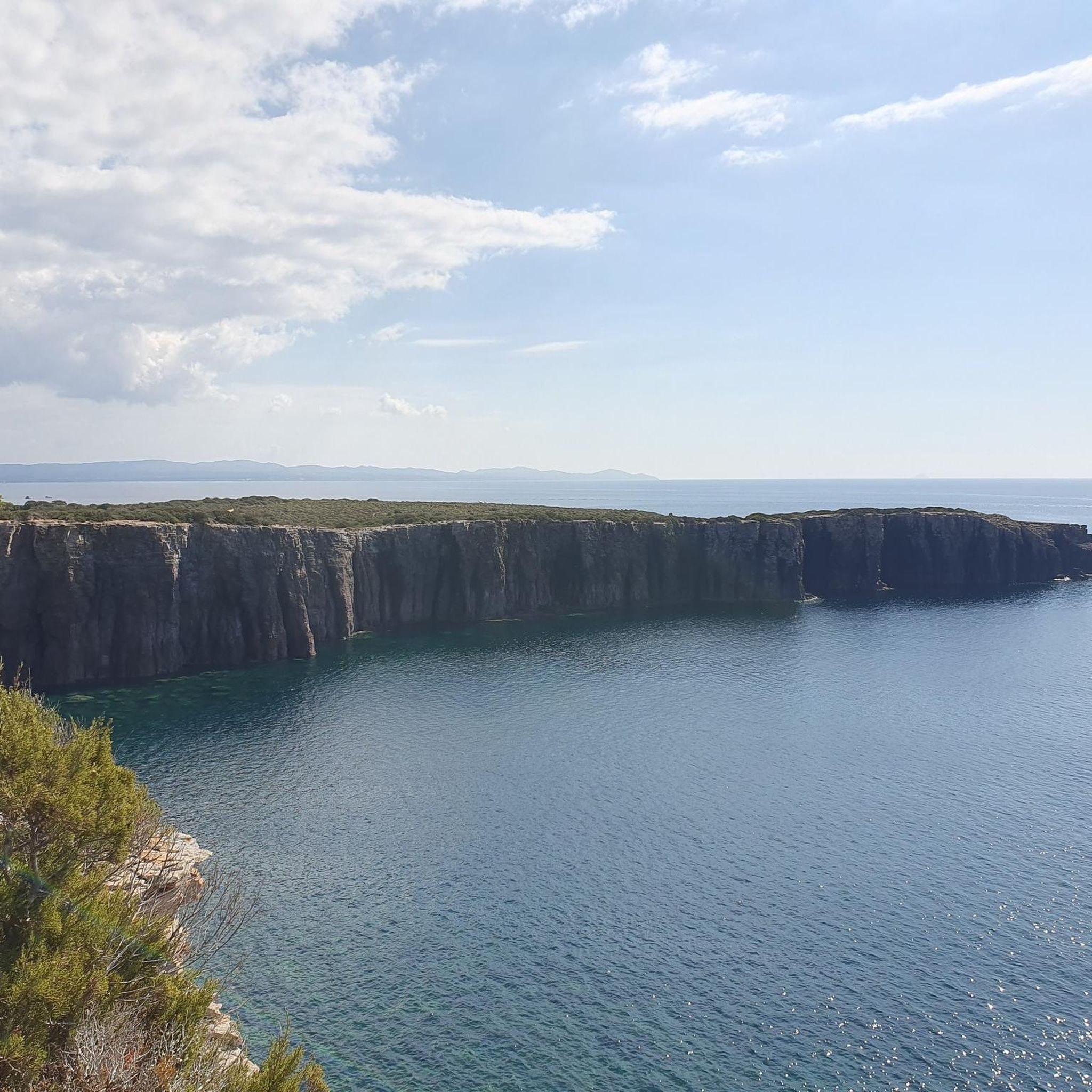
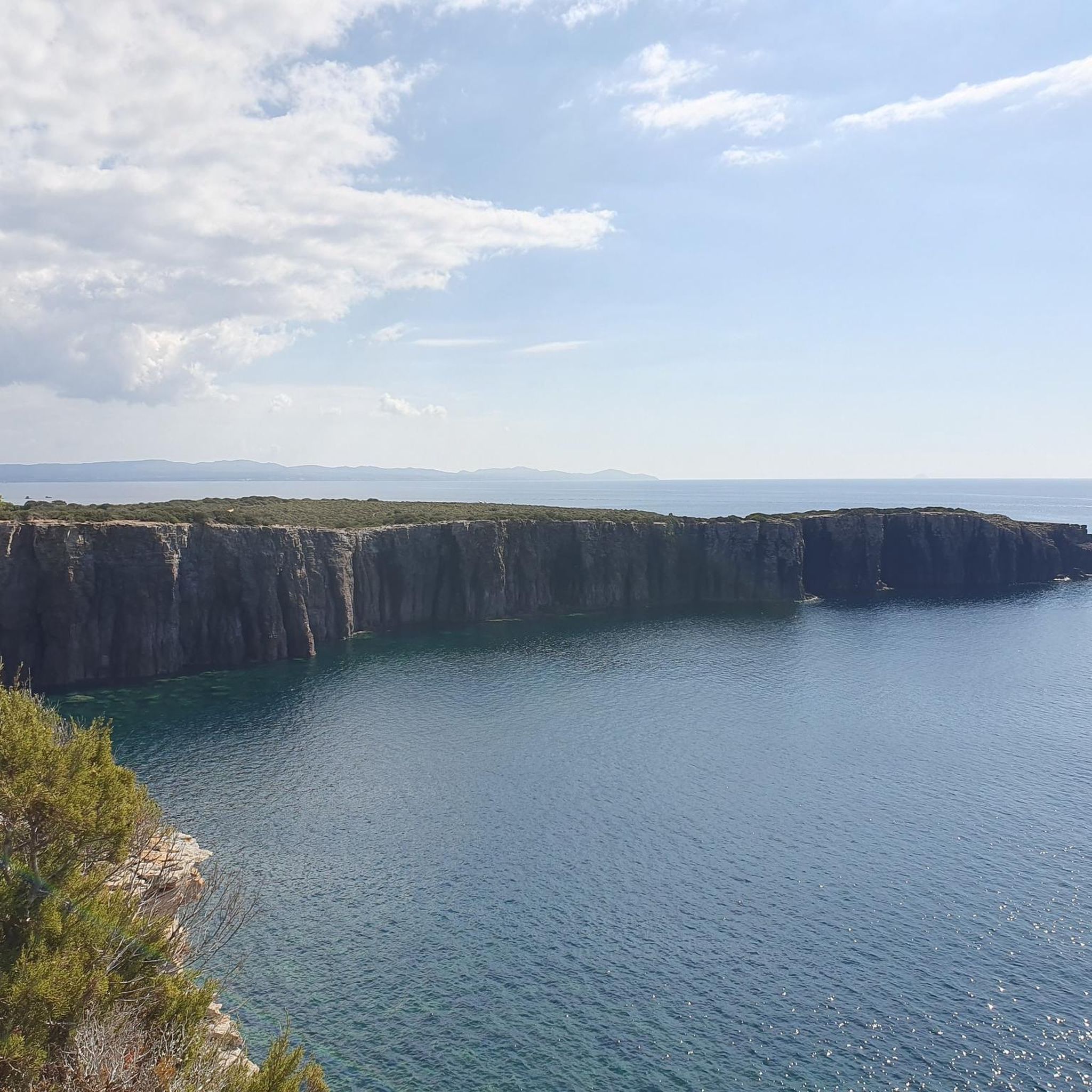
Absolutely. Cape Altano is a popular viewpoint offering panoramic views, especially at sunset. The Capo Sandalo Lighthouse, situated on the westernmost point of the island, is surrounded by spectacular natural scenery and provides expansive views of the rugged cliffs and the Mediterranean Sea. Additionally, the Cliffs on Strada Mercureddu offer beautiful glimpses of the horizon with Carloforte in the distance.
What kind of marine life can be found near the natural monuments?
The clear, deep waters around the natural monuments are home to diverse marine life. The Grotta delle Oche, a semi-submerged cave, is particularly known as a haven for marine life, making it a popular spot for diving and snorkeling. The vibrant blue waters of areas like Cala Fico also suggest a rich underwater ecosystem.
Most popular routes around U Pàize/Carloforte
Most popular attractions around U Pàize/Carloforte

Get inspired with the komoot mobile app


Explore more
Extend your search for the best caves by checking out these guides of the top ones around U Pàize/Carloforte:
