Top 6 Natural Monuments around Trisobbio
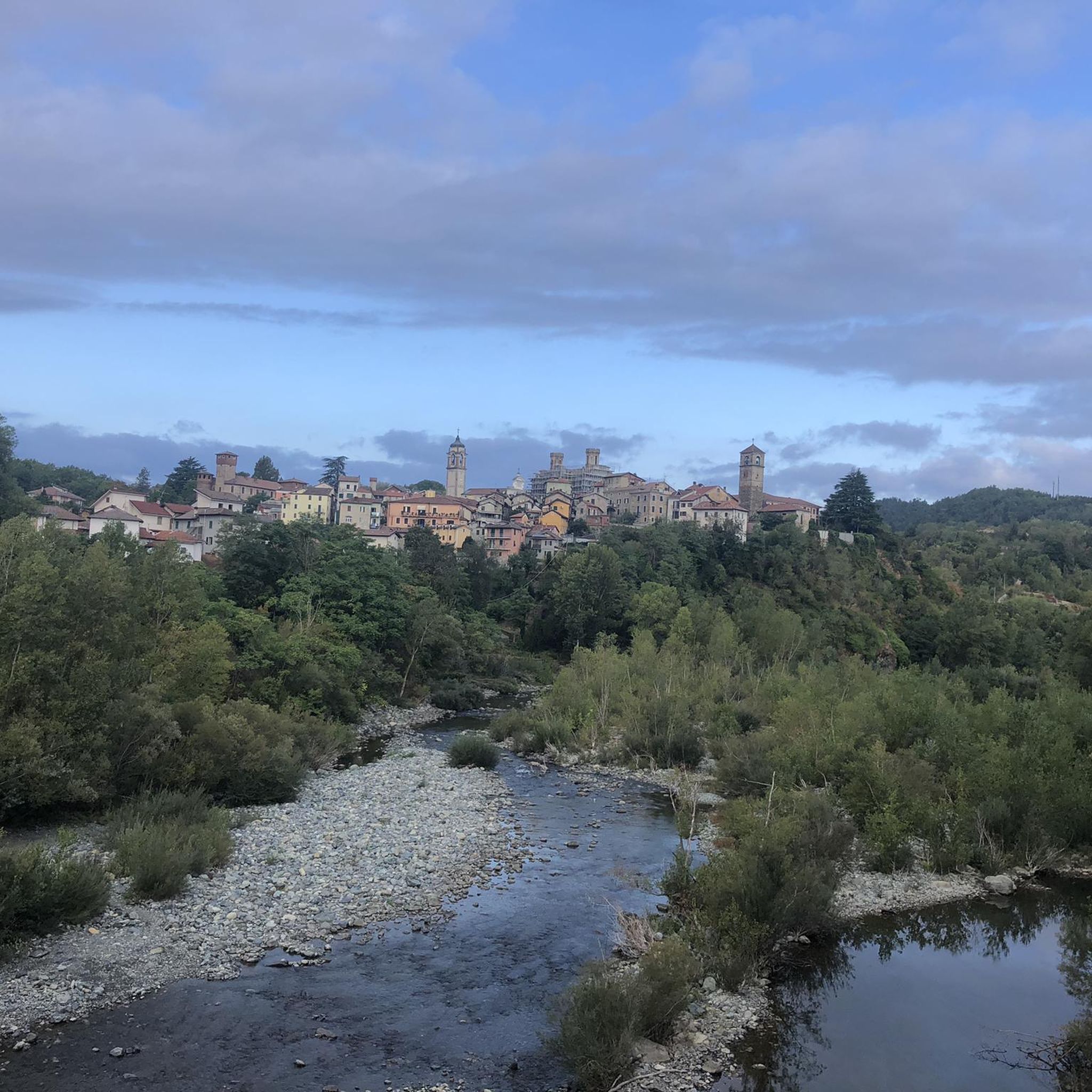
Best natural monuments around Trisobbio are found within a region characterized by diverse natural landscapes. Trisobbio is situated in Piedmont, an area known for its varied terrain, including hills, valleys, and proximity to larger natural parks. The local environment offers opportunities to explore geological features, panoramic viewpoints, and unique natural formations. This setting provides a backdrop for outdoor activities and appreciating the region's natural heritage.
Best natural monuments around Trisobbio
- The most popular natural monuments is La Bollente Hot Spring…
Last updated: June 28, 2026
La Bollente Hot Spring Fountain
Highlight • Natural Monument
Translated by Google •
Tip by

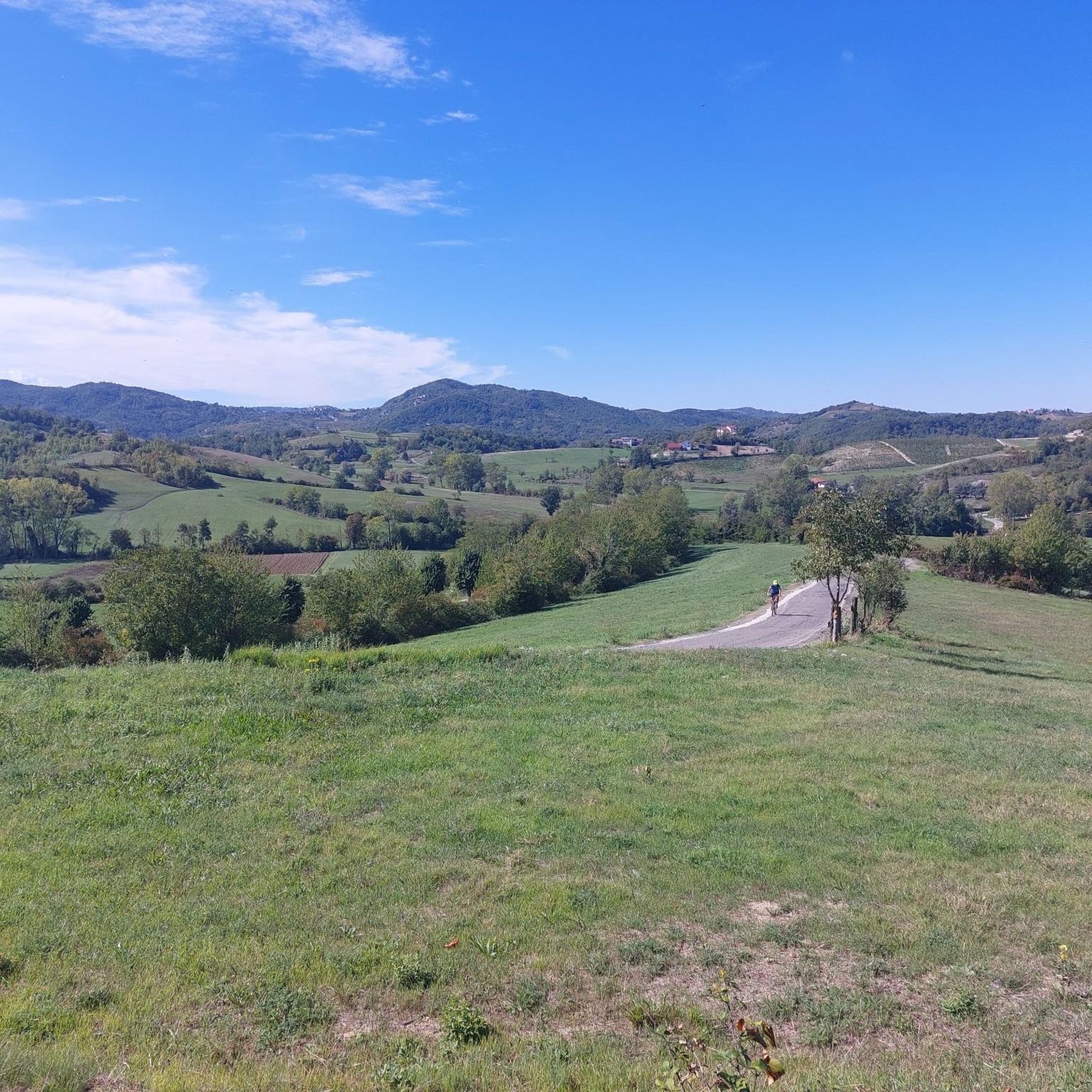
Monte Marino Summit
Highlight • Summit
Translated by Google •
Tip by

Sign up now to discover places like this
Get recommendations on the best single tracks, peaks, & plenty of other exciting outdoor places.
Sign up for free
Fausto Coppi Fountain
Highlight • Monument
Translated by Google •
Tip by

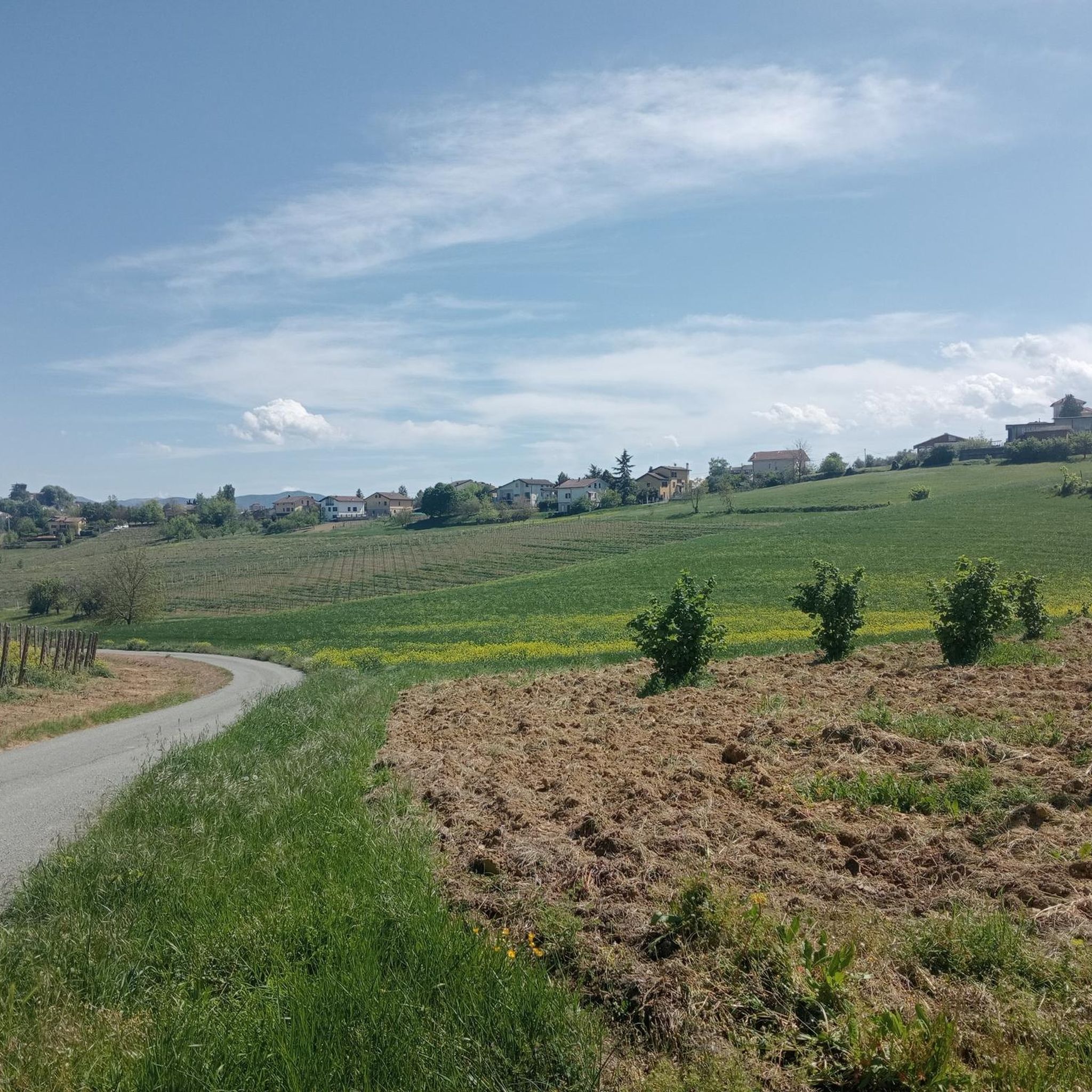
Viewpoint of Riccaldone Vineyards
Highlight • Viewpoint
Translated by Google •
Tip by
Walnut of Saint John
Highlight • Natural Monument
Translated by Google •
Tip by

Sign up for free to discover even more natural monuments around Trisobbio.
Sign up for free
Already have an account?
Start today with a free account
Your next adventure awaits.
Login or Signup

Tips from the Community

Thermal spring in the city center
0
0

a great excuse to take a break before the climb
0
0

Thermal water fountain located in the center of an elegant square that well represents the nature of the city's waters
1
0

on-site drinking fountain and water rack
3
0

In the middle of downtown Acqui Terme, Piazza Bollente is probably the main attraction of the beautiful city. Here stands the small Greek fountain temple, Fontana della Bollente, built in 1879, from which 74.5 degree hot, sulphurous water gushes. In addition to sulphur, it also contains iodine, salt and bromine and is healing for the respiratory tract and bloodstream.
2
0

La Bollente is an elegant octagonal-shaped shrine-temple inaugurated in 1879 in the square of the same name. This structure of eclectic language highlights a thermal spring from which sulphurous-salty-bromine-iodine water flows at a temperature of 74.5°. A local legend reports the custom of the city of Acqui of immersing newborn children for a few moments in the Bollente spring: whoever survives, according to the popular tale, is named "sgaiento", that is, scalded. Known and used since Roman times, the Bollente spring is mainly used in Acqui's health facilities. Next to the Bollente you can also see the Civic Tower built in 1763 on the foundations of a gate of the ancient city wall dating back to the era of the Municipalities.
0
0

The Turchino road has excellent asphalt. It is possible to find some traffic but it is not dangerous.
20
0
Frequently Asked Questions
What are some notable natural monuments to visit around Trisobbio?
The area around Trisobbio features several interesting natural monuments. You can explore La Bollente Hot Spring Fountain in Acqui Terme, known for its therapeutic waters. Another highlight is the Viewpoint of Riccaldone Vineyards, offering expansive panoramas over the hills. For those seeking elevated vistas, Monte Marino Summit provides a prominent viewpoint south of Acqui Terme.
Are there family-friendly natural monuments around Trisobbio?
Yes, several natural monuments in the area are suitable for families. La Bollente Hot Spring Fountain is easily accessible in Acqui Terme. The Viewpoint of Riccaldone Vineyards also offers a well-built terrace perfect for admiring the landscape with children. Additionally, the Walnut of Saint John is a unique natural feature with an intriguing local legend that might capture a family's imagination.
What kind of outdoor activities can I do near these natural monuments?
The region around Trisobbio is excellent for various outdoor activities. You can find numerous routes for mountain biking, road cycling, and gravel biking. For example, there are challenging MTB trails like the 'La Colma and Puvie Loop from Ovada' or moderate road cycling routes such as the 'View of the Ligurian Apennines – Piazza Italia Acqui Terme loop from Prasco Cremolino'. You can explore more options on the dedicated guides for MTB Trails around Trisobbio, Road Cycling Routes around Trisobbio, and Gravel biking around Trisobbio.
What geological features can be observed in the natural monuments near Trisobbio?
The area is characterized by diverse geological features. La Bollente Hot Spring Fountain is a prime example, featuring sulphurous-salty-bromine-iodine water gushing at 74.5 °C, indicative of significant geothermal activity. The surrounding Piedmontese landscape also includes hills and valleys, offering insights into the region's varied terrain.
Are there any unique or 'hidden gem' natural monuments worth discovering?
Beyond the more popular spots, the Walnut of Saint John stands out as a unique natural monument. This ancient tree is steeped in local folklore, said to bloom on June 24th and associated with medieval witch gatherings. It offers a glimpse into the region's natural history intertwined with local legends.
What do visitors enjoy most about the natural monuments around Trisobbio?
Visitors frequently appreciate the stunning panoramic views, especially from spots like the Viewpoint of Riccaldone Vineyards, which is praised for its well-built balcony and terrace. The unique thermal properties of La Bollente Hot Spring Fountain also draw considerable interest, with many noting its historical significance and the therapeutic qualities of its waters. The overall natural beauty and opportunities for outdoor exploration are highly valued.
What is the best time to visit the natural monuments around Trisobbio?
The region's natural monuments are best enjoyed during seasons that allow for comfortable outdoor activities and clear views. Spring and autumn generally offer pleasant temperatures for hiking, cycling, and exploring viewpoints like the Val Gargassa or the Giant Blue Bench. These seasons also showcase the vibrant colors of the vineyards and natural landscapes.
Are there any natural monuments that offer expansive views of the surrounding region?
Absolutely. The Viewpoint of Riccaldone Vineyards provides a gorgeous panorama over the hills. Additionally, the area around Trisobbio offers stunning views of Val Gargassa from various hiking trails. The Giant Blue Bench Cascina del Termo, though not a highlight in this guide, is a popular panoramic point offering incredible views over the territories of the Beigua Regional Natural Park and Val d'Orba.
Can I find natural monuments that are also historically significant?
Yes, some natural monuments in the area carry historical significance. La Bollente Hot Spring Fountain, for instance, is housed within an 1879 temple, making it both a natural wonder and a historical landmark. The Walnut of Saint John is another example, with its ancient folklore connecting it to medieval traditions.
What is the significance of the hot springs found near Trisobbio?
The hot springs, particularly La Bollente Hot Spring Fountain in Acqui Terme, are highly significant. The water, gushing at 74.5 °C, is sulphurous-salty-bromine-iodine and is traditionally known for its healing properties, especially for the respiratory tract and bloodstream. This makes it a notable natural and therapeutic attraction in the region.
Are there any natural monuments that are also considered summits?
Yes, Monte Marino Summit is a natural monument that is also a prominent summit. Located south of Acqui Terme, it features a summit cross, marking its highest point and offering elevated views of the surrounding landscape.
What is the Fausto Coppi Fountain and why is it considered a natural monument?
The Fausto Coppi Fountain is a unique spot, considered a natural monument due to its connection with the natural environment and its historical significance for cyclists. It's known as a place where the legendary cyclist Fausto Coppi used to drink, making it a popular stop for those exploring the Turchino road. While man-made, its association with the natural route and its role as a refreshing stop in nature gives it a special status.
Most popular routes around Trisobbio
Most popular attractions around Trisobbio

Get inspired with the komoot mobile app


Explore more
Extend your search for the best caves by checking out these guides of the top ones around Trisobbio:
