Top 6 Natural Monuments around Palazzolo Vercellese
Natural monuments around Palazzolo Vercellese showcase a diverse landscape shaped by the Po River and ancient geological processes. This agricultural region features unique riverine ecosystems, extensive lowland forests, and distinctive erosional formations. Visitors can explore protected areas rich in biodiversity and observe geological features. The area provides opportunities for walking, cycling, and appreciating natural environments.
Best natural monuments around Palazzolo Vercellese
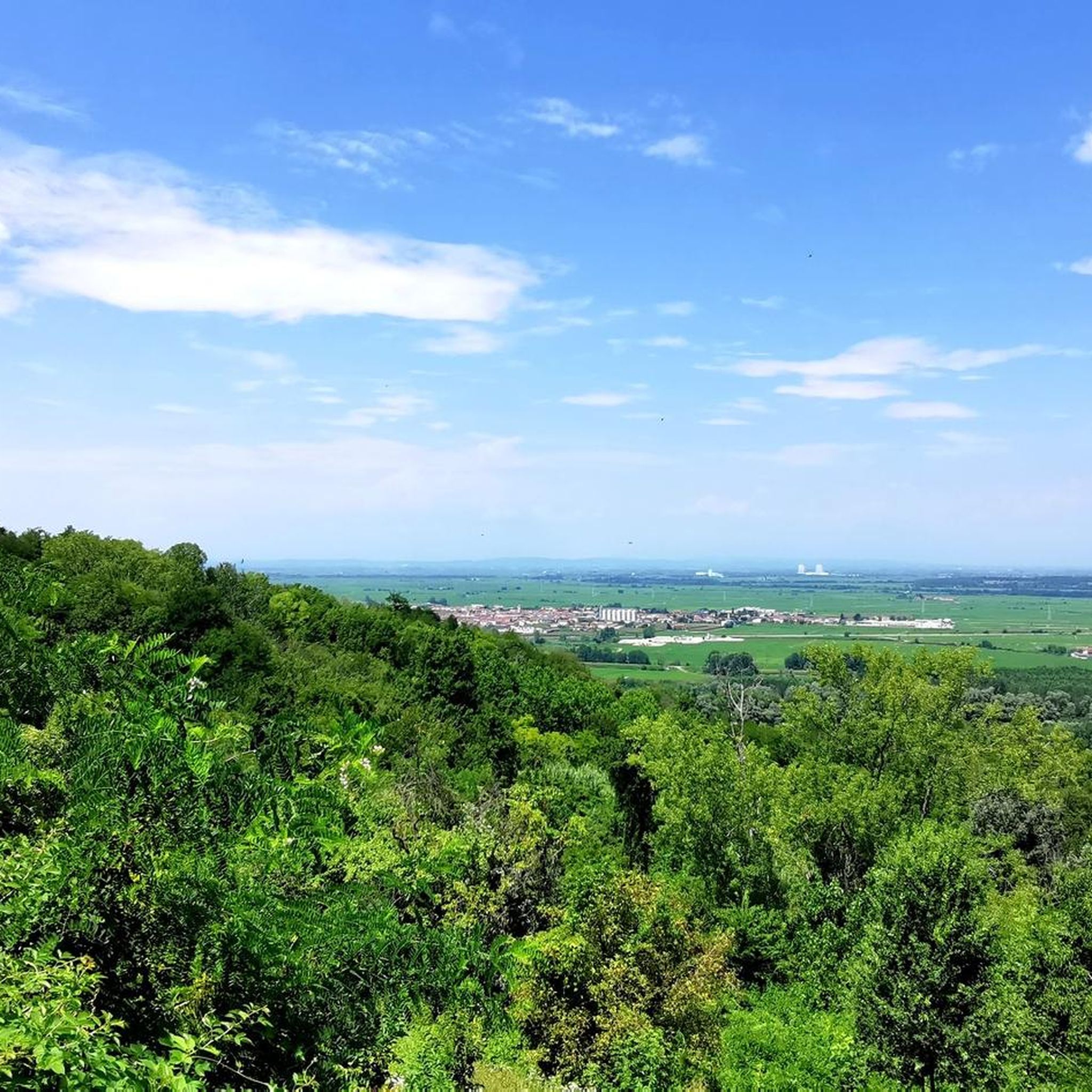
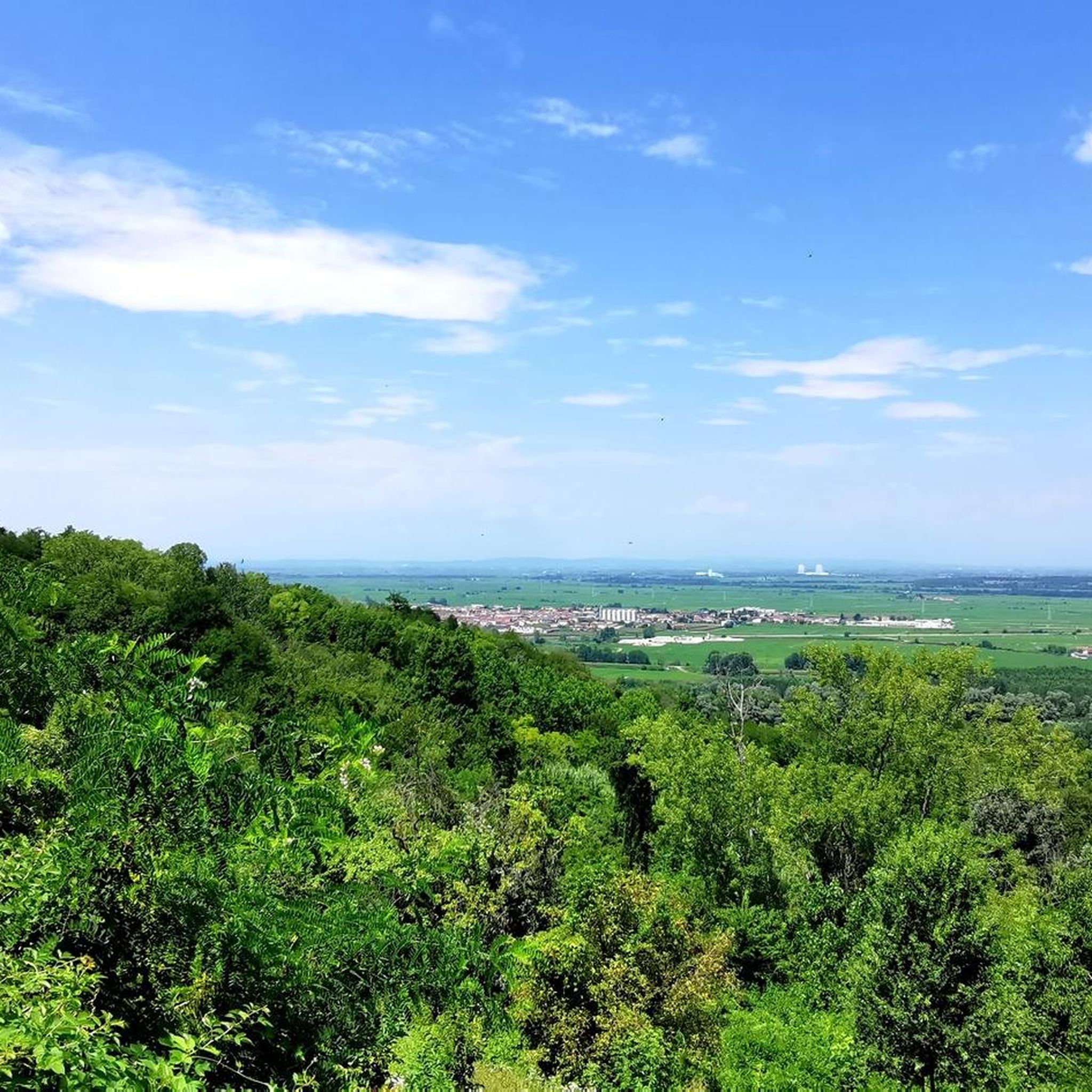
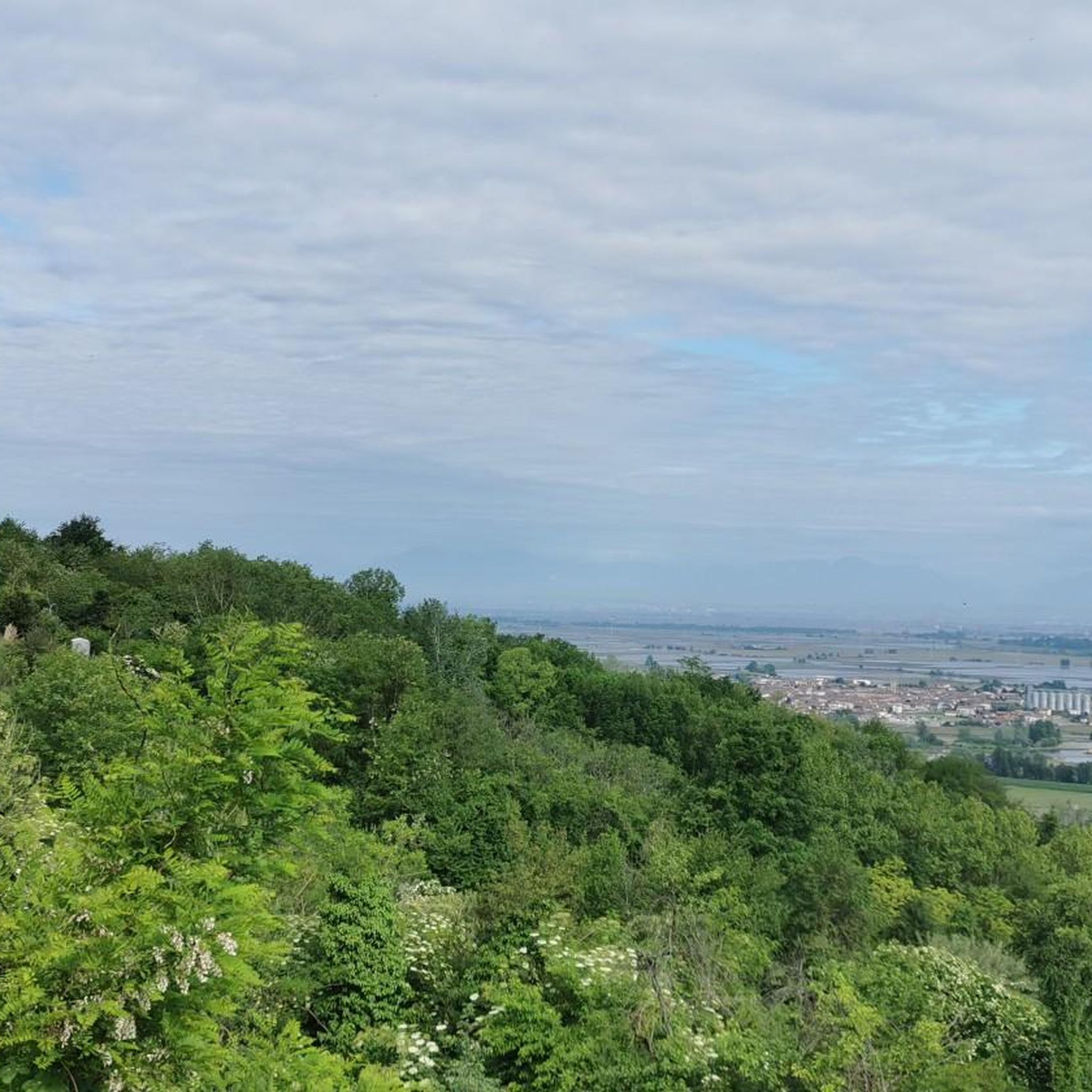
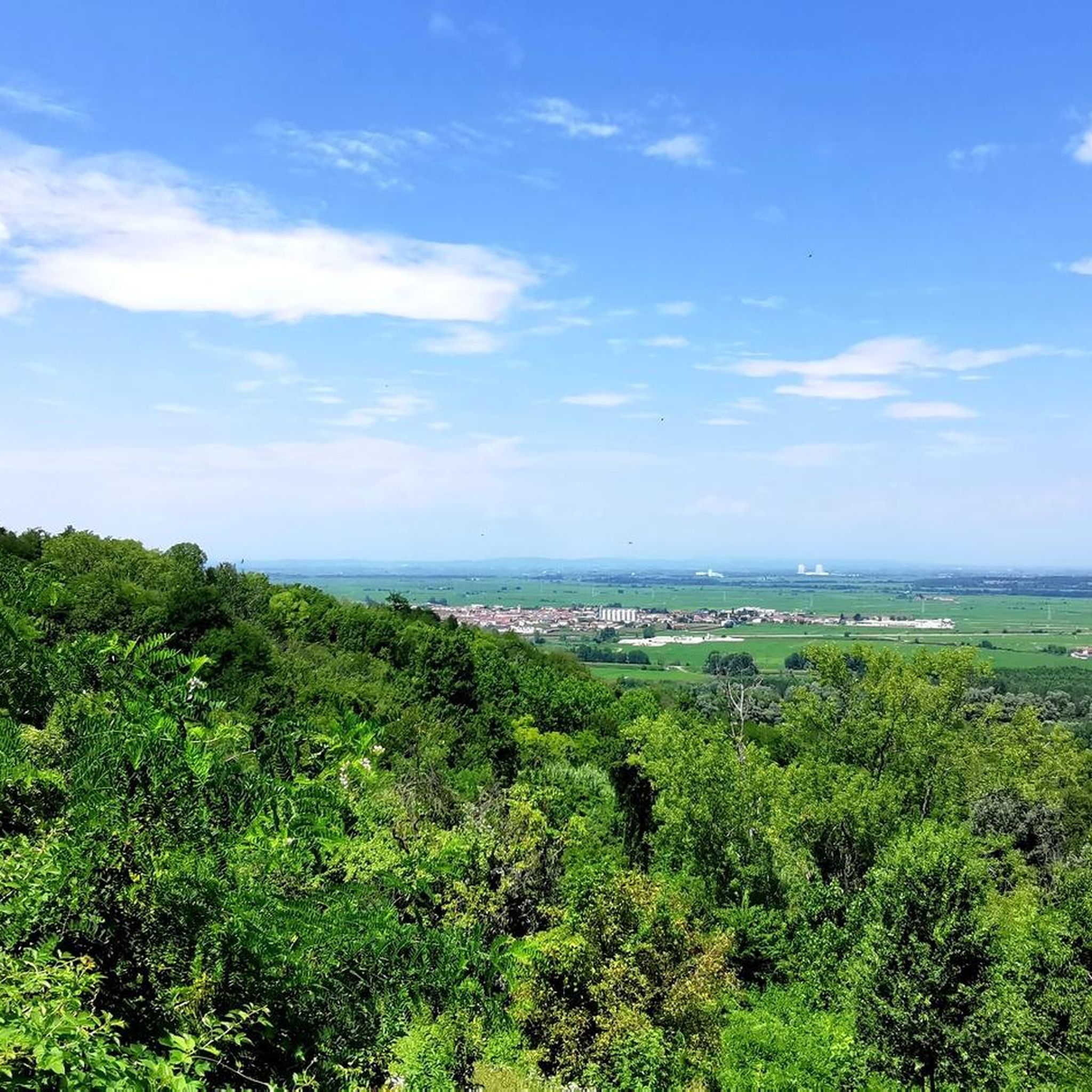
- The most popular natural monuments is Sanctuary of the Madonna di Crea, a religious building located on a…
Last updated: July 12, 2026
Sanctuary of the Madonna di Crea
Highlight • Religious Site
Translated by Google •
Tip by

Vineyard Landscapes of Langhe, Monferrato and Roero
Highlight (Segment) • Viewpoint
Translated by Google •
Tip by

Sign up now to discover places like this
Get recommendations on the best single tracks, peaks, & plenty of other exciting outdoor places.
Sign up for free
Ancient Oak 'Rolassa'
Highlight • Natural Monument
Translated by Google •
Tip by

San Genuario Marsh
Highlight • Natural
Translated by Google •
Tip by

La Rul Verda (Quercus Crenata)
Highlight • Natural Monument
Translated by Google •
Tip by

Sign up for free to discover even more natural monuments around Palazzolo Vercellese.
Sign up for free
Already have an account?
Start today with a free account
Your next adventure awaits.
Login or Signup

Tips from the Community

A 150-year-old tree. It was there when we were born. Maybe it will be there when we die...
0
0

The German-language television series "Treasures of the World - Heritage of Humanity" - which I highly recommend - is dedicated to short film clips featuring UNESCO World Heritage sites from all continents and eras. This includes the "Sacri Monti" in northern Italy (there are eight of these "Sacred Mountains" in Piedmont, and a ninth in Lombardy), which are presented to culture-loving viewers in a 15-minute segment. This can be accessed in the ARD Media Library at the following link =>> https://www.ardmediathek.de/video/schaetze-der-welt/heilige-berge-in-piemont-italien-folge-396/3sat/Y3JpZDovL3N3ci5kZS84ODgxMzc2
2
0

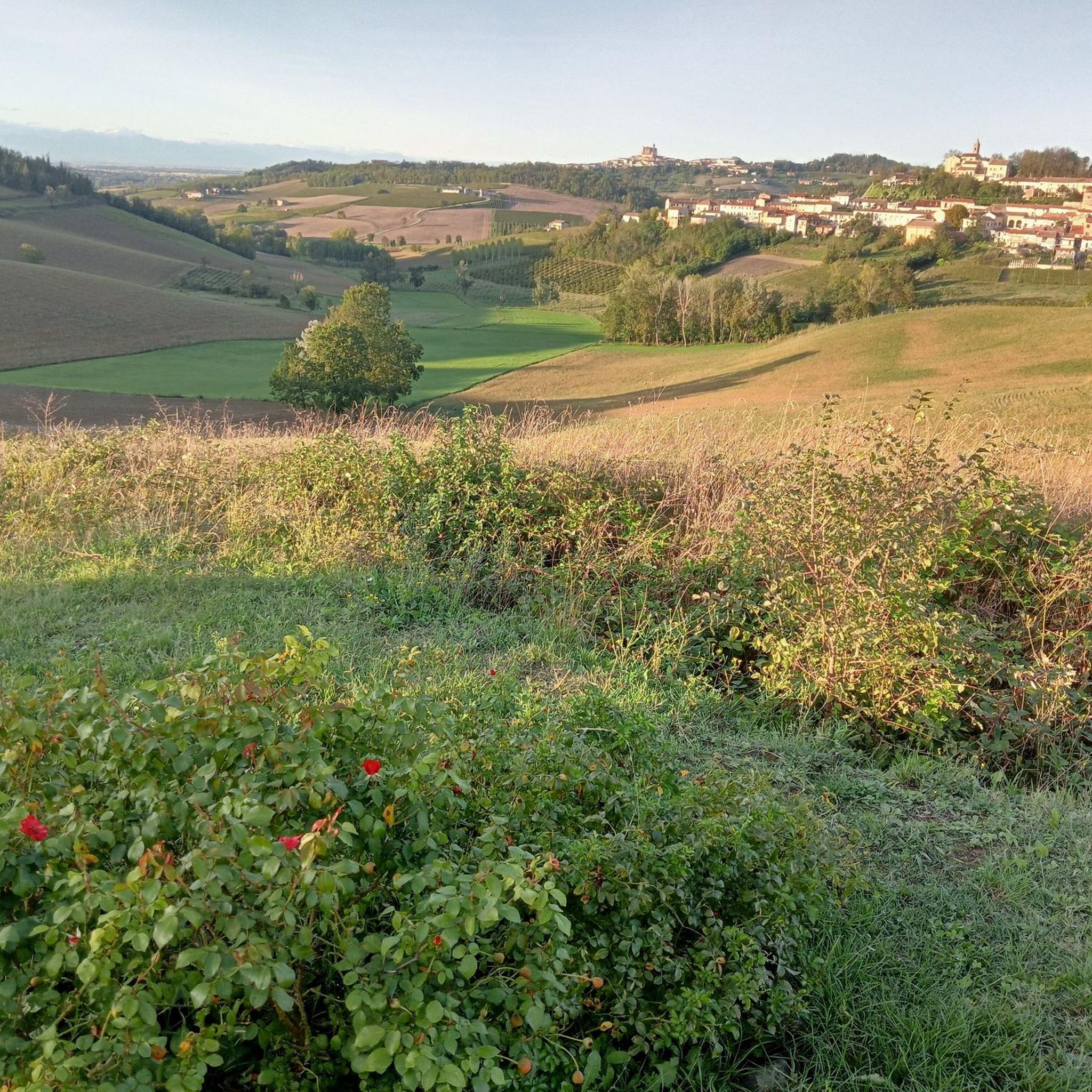
On the top of a hill immersed in a splendid landscape of vineyards, stands the Sacro Monte di Crea, founded in 1589. Inspired by the Sacro Monte di Varallo, it was born as a pilgrimage destination and today it is an enchanting place, perfect for walking among the greenery of the protected nature reserve. Along the route you will encounter 23 chapels and 5 hermitages, among which the evocative chapel of Paradise, dedicated to the Coronation of Mary, stands out. From here, your gaze is lost in a breathtaking panorama that embraces the Alpine chain and the surrounding rolling hills.
5
1

In the heart of Monferrato, on the top of a hill surrounded by a wonderful wine-growing landscape, stands the Sacro Monte di Crea, founded in 1589 on the initiative of Costantino Massino, Lateran prior of the Sanctuary of the Madonna Assunta. Costantino Massino proposed building a religious itinerary inspired by the Sacro Monte di Varallo, to encourage prayer and meditation and to renew the Marian devotion linked to the Sanctuary, a pilgrimage destination of considerable importance since the 11th century. The strong bond between the sanctuary and the ruling dynasty in Monferrato made the duke, the nobility, the high clergy and the local communities participate in the enterprise. In the first phase of the history of the Sacro Monte, which ended around 1657, important artists also active in the Sacri Monti of Orta, Varallo and Varese worked there, including Moncalvo, the Prestinari and the de Wespin, authors of the spectacular sculptural complex of the Chapel of Paradise (c. 23), created in the years between 1604 and 1612. During the 18th century, the Sacro Monte gradually fell into a state of abandonment and, between 1796 and 1801, the incursions of the French revolutionary troops contributed to the ruin of many structures, statues and frescoes. For several decades, the Sacro Monte was abandoned and only in 1820 a community of Franciscan friars, who had become responsible for the Sanctuary, began to restore some buildings. In 1885, a systematic restoration campaign began, supported by the bishop of Milan Nazari di Calabiana and destined to last until the 1920s. During this phase, in which some buildings were built from scratch, the famous symbolist sculptor Leonardo Bistolfi intervened in chapel 16, modeling the statues of the Ascent to Calvary. (c) https://www.sacrimonti.org/it/sacro-monte-di-crea
3
0

The UNESCO site of the wine-growing landscapes of Langhe, Monferrato and Roero is made up of six areas in the provinces of Alessandria, Asti and Cuneo and twenty-nine municipalities. The areas represent the exceptional quality of the Piedmontese wine-growing landscape and its profound and lively wine culture. The site is characterized by a rich and diversified system of farmhouses, wineries, wine industries, cooperative wineries, public and private wine shops, which in some cases constitute symbolic places for the history and development of national and international viticulture and enology.
1
0

The interior of the Sanctuary/basilica is stupendous and this altar confirms it. Inside there are also some relics.
0
0

At the crossroads of several roads, we find a green space and a stone table where we can take a break
0
0

The origin of the place is probably due to Sant'Eusebio: according to tradition, it was Arduino, the King of Italy, who at the beginning of the 11th century wanted a church, probably built on a fairly small scale, supplemented by a monastery where the Augustinian canons of Vezzolano (Asti) settled. They were succeeded in 1483, after a brief intermezzo of the Servites, by the monks of the Lateran. It is to the presence of these men of great cultural and artistic sensitivity, as well as a solid religious education, that we owe the development of Crea, also favoured by the Lords of Monferrato, the Paleologi. After the Palaeologus dynasty had disappeared, Monferrato passed to the Gonzagas in 1536 and the most radical restructuring was carried out that gave the monumental complex its definitive Baroque architectural stamp. The "Holy Mount", sought by Costantino Massimo in 1589, it was built near the sanctuary. Originally it must have had forty-three chapels and seventeen hermitages: the whole was reduced to twenty-three chapels and five hermitages, decorated with frescoes and works by artists of the time, including Moncalvo. The chapel dedicated to the Coronation of the Virgin Mary, or of Paradise, has a round shape and stands on the top of the mountain, on the site of a fourteenth-century castle called "Castrum Cretae", from which the name Crea. After being plundered during military raids, in 1801 the sanctuary was destroyed, in 1809 the church and the monastery were auctioned. In 1820 the sanctuary was entrusted to the Franciscan Friars Minor who guarded it for 170 years, gradually restoring it to its original splendor. Since 1992 it has been entrusted to the priests of the diocese of Casale Monferrato. More info at https://archeocarta.org/serralunga-di-crea-al-santuario-madonna-di-crea/
2
0
Frequently Asked Questions
What unique natural features can I explore around Palazzolo Vercellese?
The region offers a diverse range of natural features. You can discover the distinctive geological formations known as Calanchi, which are spectacular steep walls carved by rainwater. The area also features the riverine ecosystems of the Piedmont Po Nature Park and the ancient lowland forest of the Bosco delle Sorti della Partecipanza di Trino.
Are there any significant ancient trees or forests to visit near Palazzolo Vercellese?
Yes, you can visit the Bosco delle Sorti della Partecipanza di Trino, one of the most extensive remaining lowland forests in the Po Valley, known for its ancient trees and rich biodiversity. Additionally, you can find the Ancient Oak 'Rolassa', a natural monument with the remains of a large centuries-old oak, and La Rul Verda (Quercus Crenata), a magnificent 130-year-old oak tree.
What kind of wildlife can I expect to see in the natural monuments around Palazzolo Vercellese?
The Piedmont Po Nature Park is particularly renowned among birdwatchers, offering opportunities to observe numerous colonies of resident birds. The Bosco delle Sorti della Partecipanza di Trino provides refuge for various animal species that thrive in its diverse flora. The San Genuario Marsh, a special conservation area, hosts significant biodiversity, especially among avifauna.
Are there any natural viewpoints offering scenic panoramas?
Absolutely. The Sanctuary of the Madonna di Crea, located on a hill amidst vineyards, offers panoramic views of the Alpine chain and surrounding hills. The Vineyard Landscapes of Langhe, Monferrato and Roero, a UNESCO site, provides breathtaking views of the Monferrato hills and the Po Valley. Both the Ancient Oak 'Rolassa' and La Rul Verda also offer peaceful spots with views.
What outdoor activities can I do near these natural monuments?
The natural areas around Palazzolo Vercellese are ideal for various outdoor activities. You can enjoy hiking, running, and cycling on numerous trails. For detailed routes, explore the guides for Hiking around Palazzolo Vercellese, Running Trails around Palazzolo Vercellese, and Cycling around Palazzolo Vercellese.
Are there family-friendly natural monuments or trails?
Yes, several natural monuments are suitable for families. The Bosco delle Sorti della Partecipanza di Trino features well-marked trails and equipped picnic areas. The Ancient Oak 'Rolassa' offers a quiet, equipped area for a break. The San Genuario Marsh is also considered family-friendly, providing an interesting environment to explore.
What is the best time of year to visit the natural monuments around Palazzolo Vercellese?
The best seasons to visit are spring and autumn. In spring, you can enjoy the blooming undergrowth and renewed vegetation, especially in the Bosco delle Sorti della Partecipanza di Trino. Autumn offers spectacular foliage colors. Both seasons provide pleasant temperatures for outdoor activities like walking and cycling.
Are there any specific hiking trails recommended for exploring the natural monuments?
Yes, there are various trails. For example, you can find routes like the 'Three Churches Trail through Monferrato Hills' or the 'Po Valley rice fields trail' which allow you to experience the diverse landscapes. Many trails are suitable for exploring the Piedmont Po Nature Park and the Bosco delle Sorti della Partecipanza di Trino. You can find more options in the Hiking around Palazzolo Vercellese guide.
Can I bring my dog to the natural areas and trails?
Generally, many natural areas and trails in Italy are dog-friendly, especially if your dog is on a leash. However, specific rules might apply in protected areas like the Piedmont Po Nature Park or the Bosco delle Sorti della Partecipanza di Trino. It's always advisable to check local regulations or signage at the entrance of specific sites to ensure a pleasant visit for everyone.
How can I best discover the Calanchi formations?
Exploring the surroundings of Palazzolo Vercellese, particularly by bike, is recommended as the best way to discover the Calanchi. Their unique and rugged appearance provides a striking contrast to the flat plains, making them a visually interesting natural feature to observe while cycling through the landscape.
Are there any picnic areas available at the natural monuments?
Yes, within the municipality of Palazzolo Vercellese, there is a picnic area located in the Isola Colonia, part of the Piedmont Po Nature Park. The Bosco delle Sorti della Partecipanza di Trino also features equipped picnic areas, making it convenient for visitors to enjoy a meal amidst nature.
What is the historical significance of the Bosco delle Sorti della Partecipanza di Trino?
The Bosco delle Sorti della Partecipanza di Trino is not only an ecological treasure but also holds significant historical value. Its preservation is attributed to a strict system of timber cutting regulations respected since 1275, when the area was granted as common property to the citizens of Trino. This unique communal management history, spanning over 750 years, makes it a living testament to the vast forests that once covered the Po Plain.
Most popular routes around Palazzolo Vercellese
Most popular attractions around Palazzolo Vercellese

Get inspired with the komoot mobile app


Explore more
Extend your search for the best caves by checking out these guides of the top ones around Palazzolo Vercellese:
