Top 15 Natural Monuments around Mazzè
Best natural monuments around Mazzè are primarily characterized by the glacial landscape of the lower Canavese area. This region features morainic hills formed by the ancient Balteo glacier, which also shaped the area's lakes. The Natural Park of Lake Candia stands out as a significant wetland, recognized for its ecological value and biodiversity. These natural features offer opportunities for observing diverse ecosystems and geological formations.
Best natural monuments around Mazzè
- The most popular natural monument is Lake Candia, a…
Last updated: June 28, 2026
Lake Candia
Highlight • Lake
Translated by Google •
Tip by

Pera Cunca Sacrificial Stone
Highlight • Natural Monument
Translated by Google •
Tip by

Sign up now to discover places like this
Get recommendations on the best single tracks, peaks, & plenty of other exciting outdoor places.
Sign up for free
Glacial Erratic Boulders of Vialfrè
Highlight • Natural Monument
Translated by Google •
Tip by

Erratic Boulders Trail - Boulder No. 1
Highlight • Natural Monument
Translated by Google •
Tip by

Pietra del Vals
Highlight • Natural Monument
Translated by Google •
Tip by
Sign up for free to discover even more natural monuments around Mazzè.
Sign up for free
Already have an account?
Start today with a free account
Your next adventure awaits.
Login or Signup

Tips from the Community


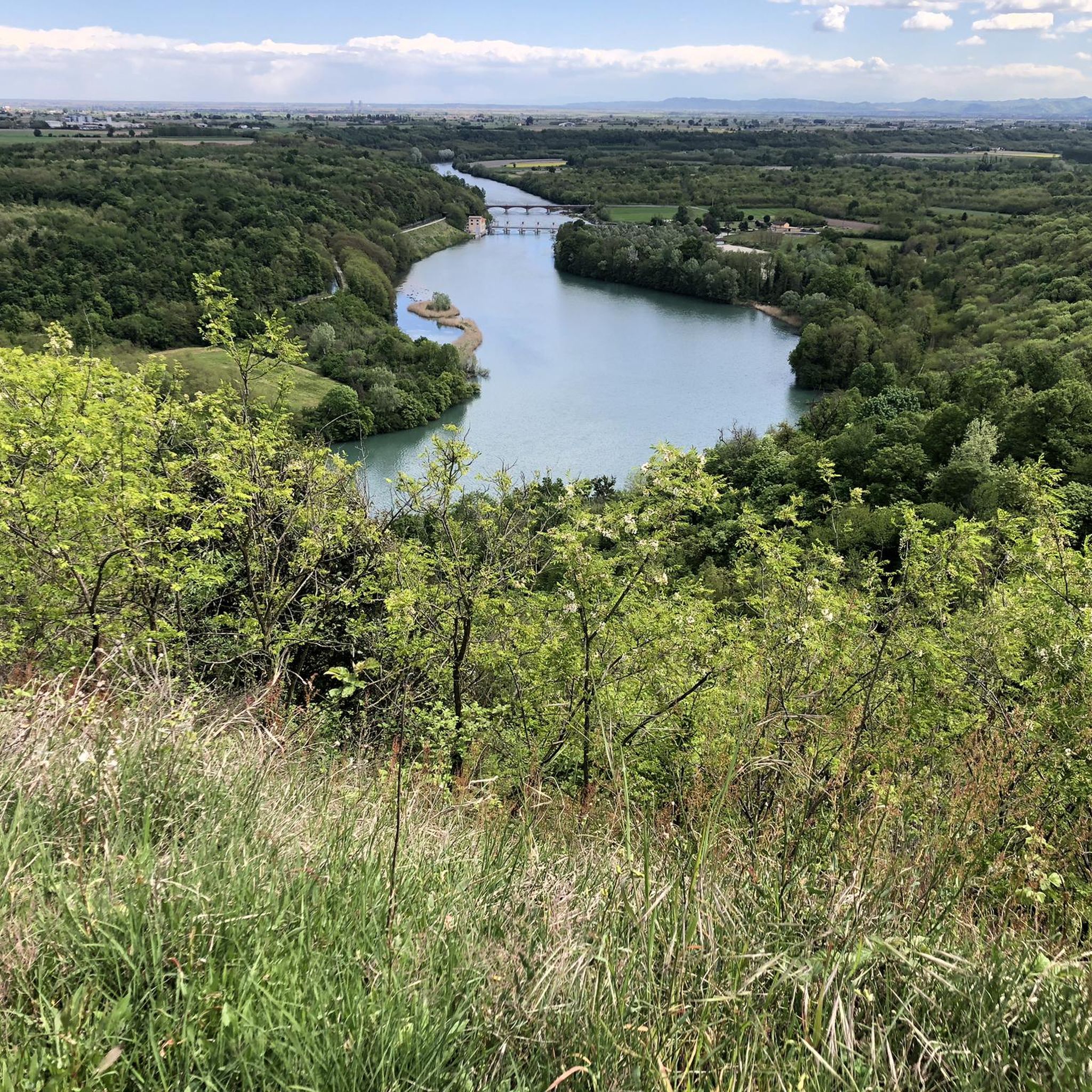
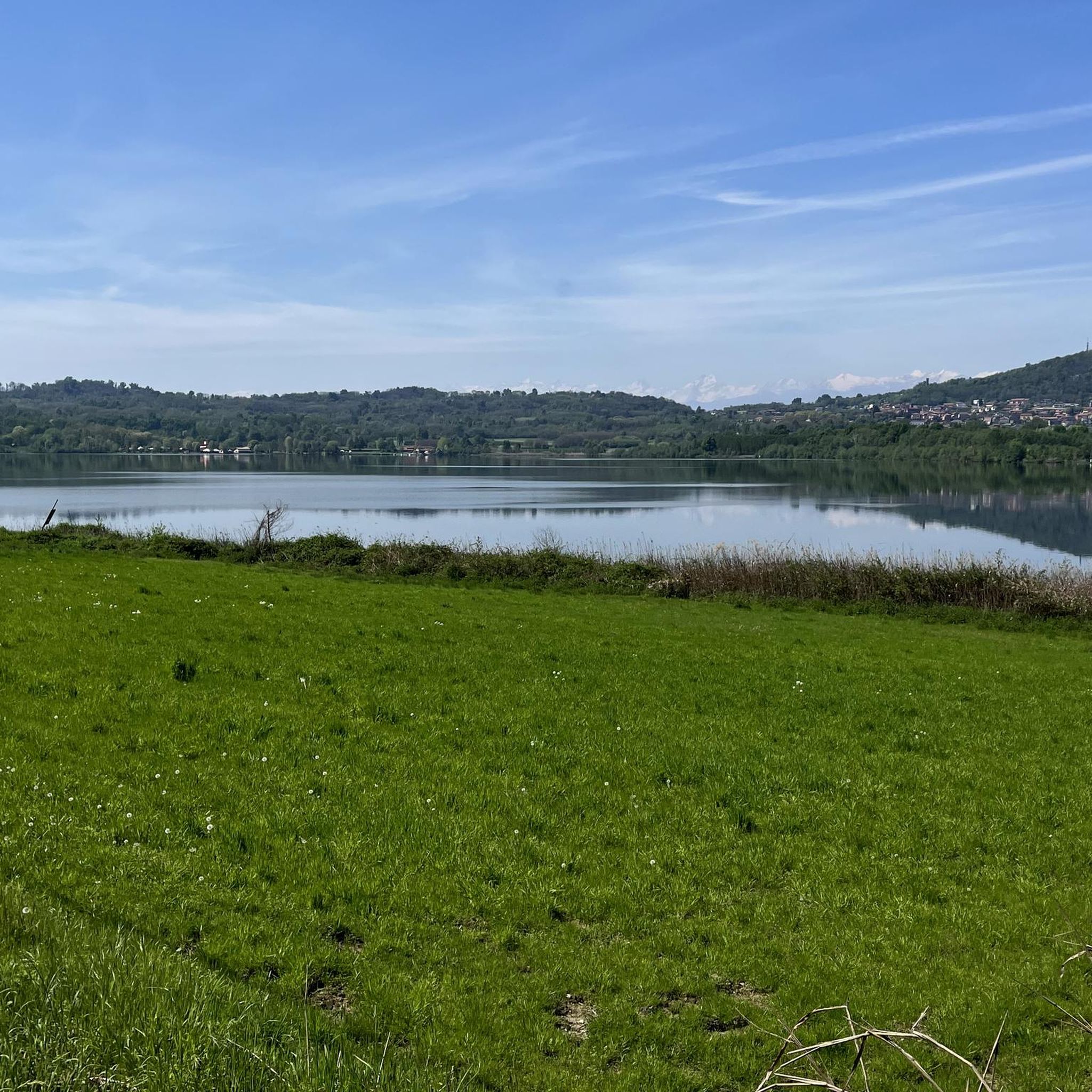
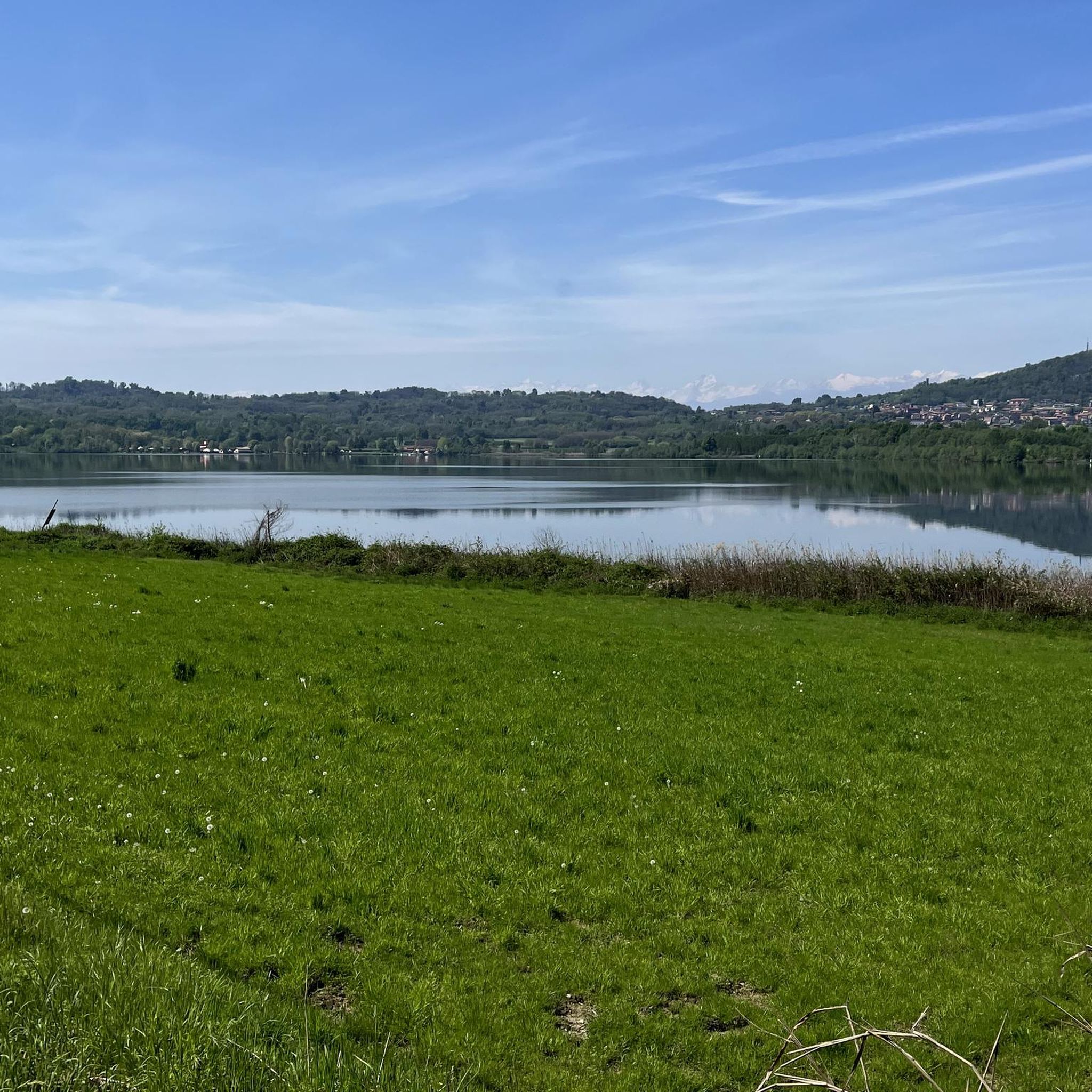
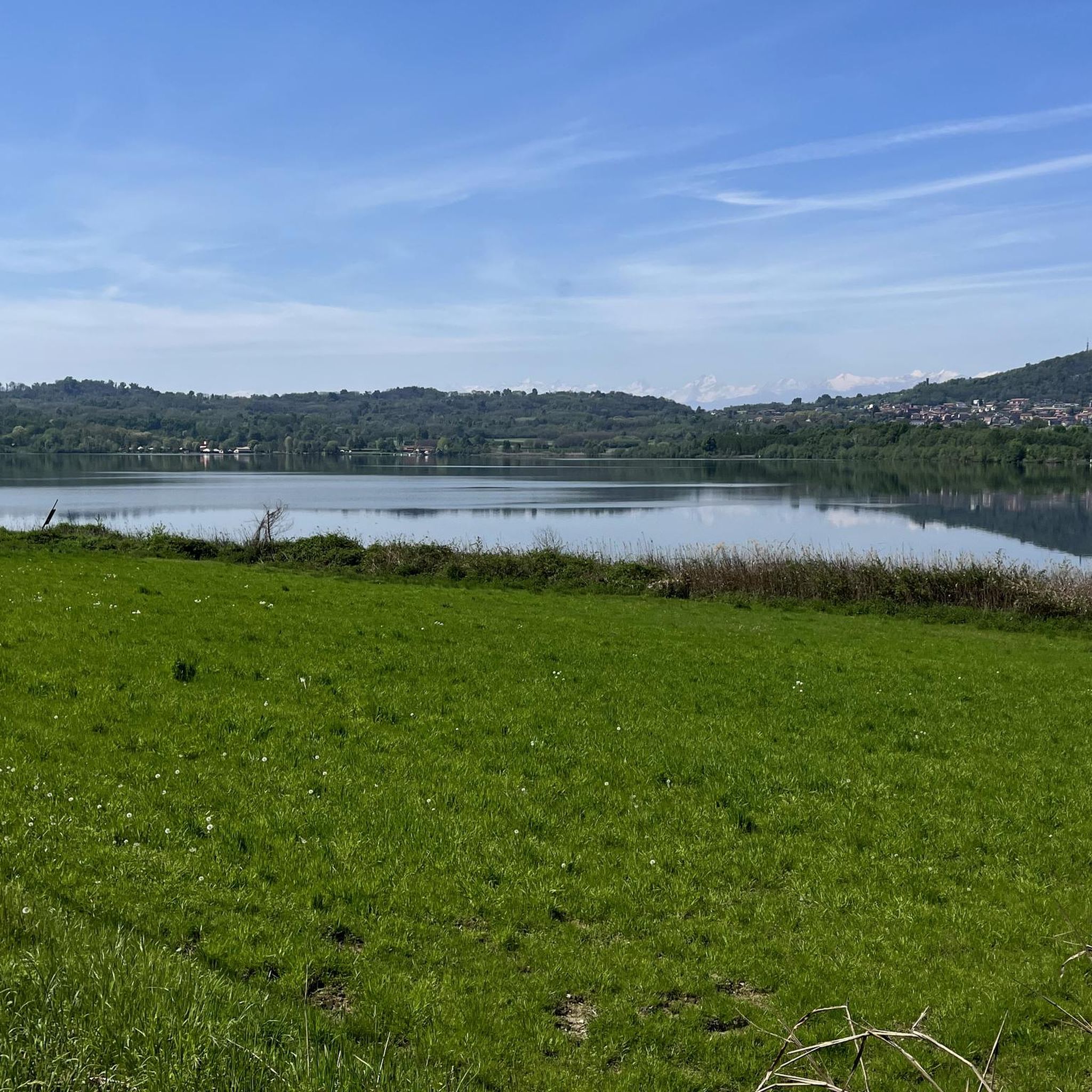
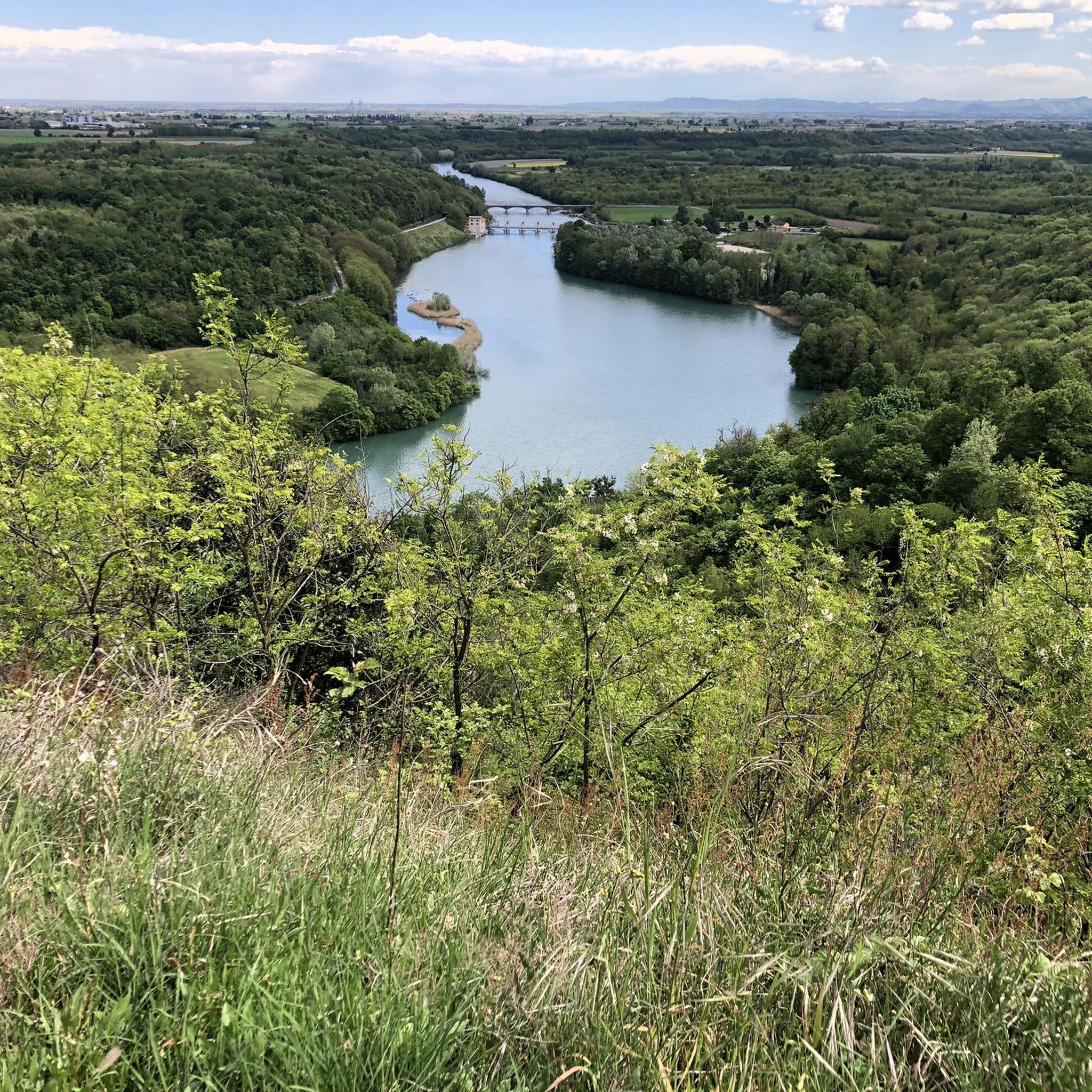
Lake Candia (in Piedmontese lagh ëd Candia), located in the municipality of Candia, in the Canavese area, about thirty kilometers from Turin, is the last highly natural lake basin in the Piedmontese Po Valley, before the mountain barrier represented by the Western Alps.
0
0

The area depicted in these images is located a short distance from the parking lot where it's best to leave your car and explore (on foot or by bike) the countless trails that surround the lake. This is one of the few truly accessible areas along the entire perimeter because, perhaps to protect the lake's fragile ecosystem, the trail that circles it is kept at a constant distance. In any case, aside from the lake, the entire surrounding rural area is worth a visit, still pleasantly unspoiled. A trip in autumn is highly recommended for the myriad colors of the vegetation. Both cyclists and walkers should be careful, as I didn't notice any distinction between trails reserved for mountain bikes and those reserved for pedestrians; many secondary paths have dead ends!
0
0

A photo on the park's pier is a must. Stunning view...
0
0
After crossing Vialfrè along via Roma and via Borghetto, after a trail that runs alongside a fence you find yourself... in a meadow! Luckily, a providential sign guides you, to the left, to the start of the erratic boulders trail, other signs, to follow, show the right path first along an asphalt road, finally, with another left turn at a hairpin bend, back on the right path. Here begins a nice flowing stretch, never difficult (S2 max), but not at all trivial, because the ground, almost always pebbly, requires constant attention when driving. The trail is not critical, in the sense that, even "skipping" some deviations, you still find yourself on other paths almost parallel to the one I took. In the end, all the paths converge almost in the same point... in front of the highway to Aosta: following the trail, other nice paths lead to Villate.
0
0

The erratic boulders represent one of the most curious and typical aspects of glacial morphologies and are an interesting feature of the Morainic Amphitheater of Ivrea. Due to their imposing size, they have always aroused the interest of man, who in the past often used them as sacrificial altars. The erratic boulders originate from the Balteo glacier in the Pleistocene period: its erosive action gave rise to large debris, which was transported even for great distances with the advance of the ice. At the end of the glaciation, during the retreat phase of the glacier, the boulders were deposited on the ground, sometimes remaining resting on the surface, There are many erratic boulders in this stretch of moraine hill, but only 9, the largest and most beautiful, have been reported. This is the first, from which a ring starts that takes you to see them all and returns to the starting point. However, be aware that between boulder 3 and boulder 6 there are steps and you need to bring your bike.
0
0
Here, during the Ice Age, the Balteo Glacier transported enormous boulders to its surface, which were then released when rising temperatures melted the ice.
0
0

Frequently Asked Questions
What types of natural monuments can I explore around Mazzè?
The natural monuments around Mazzè are primarily characterized by glacial formations. You can explore significant wetlands like the Natural Park of Lake Candia, glacial lakes, and numerous erratic boulders, which are large rocks transported by ancient glaciers. These offer a variety of landscapes from water-based environments to ancient geological formations.
Are there family-friendly natural monuments around Mazzè?
Yes, Lake Candia is particularly popular with families, especially during summer. It's possible to walk or cycle around the lake within the Natural Park of Lake Candia, offering a pleasant outdoor experience for all ages. The park also features eco-friendly tourism facilities and an adventure park, Antharesworld, on its shores.
What outdoor activities can I do near the natural monuments around Mazzè?
Beyond exploring the natural monuments themselves, the area around Mazzè offers various outdoor activities. You can enjoy gravel biking, mountain biking, and general cycling. For example, there are routes like the 'Naviglio di Ivrea – Lake Candia loop' for gravel biking, or the 'Lake Candia – Molino Roccat MTB Trailhead loop' for mountain biking. You can find more details on these activities in the Gravel biking around Mazzè, MTB Trails around Mazzè, and Cycling around Mazzè guides.
Can I observe wildlife at the natural monuments around Mazzè?
Absolutely. The Lago di Candia Nature Park is a significant biodiversity hotspot, especially for birdwatching. Over 200 bird species have been recorded, including great egrets, red herons, and various ducks. It serves as a crucial resting and wintering ground for migratory birds. The park's marshlands and lake environment also support a rich array of aquatic flora and fish species.
What is the significance of the erratic boulders found near Mazzè?
The erratic boulders, such as the Pera Cunca Sacrificial Stone and the Glacial Erratic Boulders of Vialfrè, are fascinating geological features. They were transported by the ancient Balteo glacier during the Pleistocene epoch and deposited when the ice melted. Some, like Pera Cunca, have historical significance, believed to have been used as altars for pagan rites due to their unique cavities and channels.
When is the best time to visit the Natural Park of Lake Candia?
The Natural Park of Lake Candia offers beauty throughout the year, with its vibrant colors changing with the seasons. However, for birdwatching, spring and autumn are ideal due to migratory patterns. Note that from April to July, passage through two short internal crossings within the marsh area is forbidden to protect nesting birds.
Are there any historical or cultural aspects associated with the natural monuments?
Yes, the erratic boulders, particularly the Pera Cunca Sacrificial Stone, hold historical and cultural interest. These boulders, deposited by glaciers, were traditionally known and sometimes used by ancient inhabitants for rituals. The Pera Cunca, with its central cavity and channels, is considered one of the best-known altar-blocks in the Canavese area, hinting at its use in ancient sacrificial rites.
What are the terrain types and difficulty levels for exploring the natural monuments?
The terrain around the natural monuments varies. For instance, walking around Lake Candia is generally accessible. However, trails leading to or around erratic boulders, such as the Erratic Boulders Trail, can range from intermediate difficulty, sometimes involving steps. Always check specific route details for the most accurate information on difficulty and terrain.
Can I find viewpoints to appreciate the landscape around Mazzè?
Yes, many of the natural monuments themselves offer scenic viewpoints. Lake Candia provides picturesque views, especially with the morainic hills in the background. The Glacial Erratic Boulders of Vialfrè are also situated in areas that can offer good perspectives of the surrounding landscape.
Is the Natural Park of Lake Candia important for conservation?
Yes, the Natural Park of Lake Candia is highly significant for conservation. It is recognized as one of the most valuable wetlands in Piedmont and Italy due to its nearly pristine condition. It is designated as a Site of Community Interest (SIC) and a Special Protection Area (ZPS) within the "Natura 2000" network, underscoring its ecological importance for flora and fauna.
Are there any specific trails dedicated to exploring the erratic boulders?
Yes, there is an Erratic Boulders Trail that allows you to explore several of these impressive geological formations. This trail often forms a loop, guiding you to the largest and most beautiful boulders in the morainic hill area. Be aware that some sections may include steps.
What makes Lake Candia unique among the natural monuments?
Lake Candia is unique as a glacial lake fed by underground springs, lacking surface inlets. It's the centerpiece of a natural park that is a vital wetland, supporting an exceptional diversity of aquatic plants and serving as a critical habitat for numerous bird species. Its pristine condition and ecological significance set it apart.
Most popular attractions around Mazzè

Get inspired with the komoot mobile app


Explore more
Extend your search for the best caves by checking out these guides of the top ones around Mazzè:
