Top 14 Natural Monuments around La Cassa
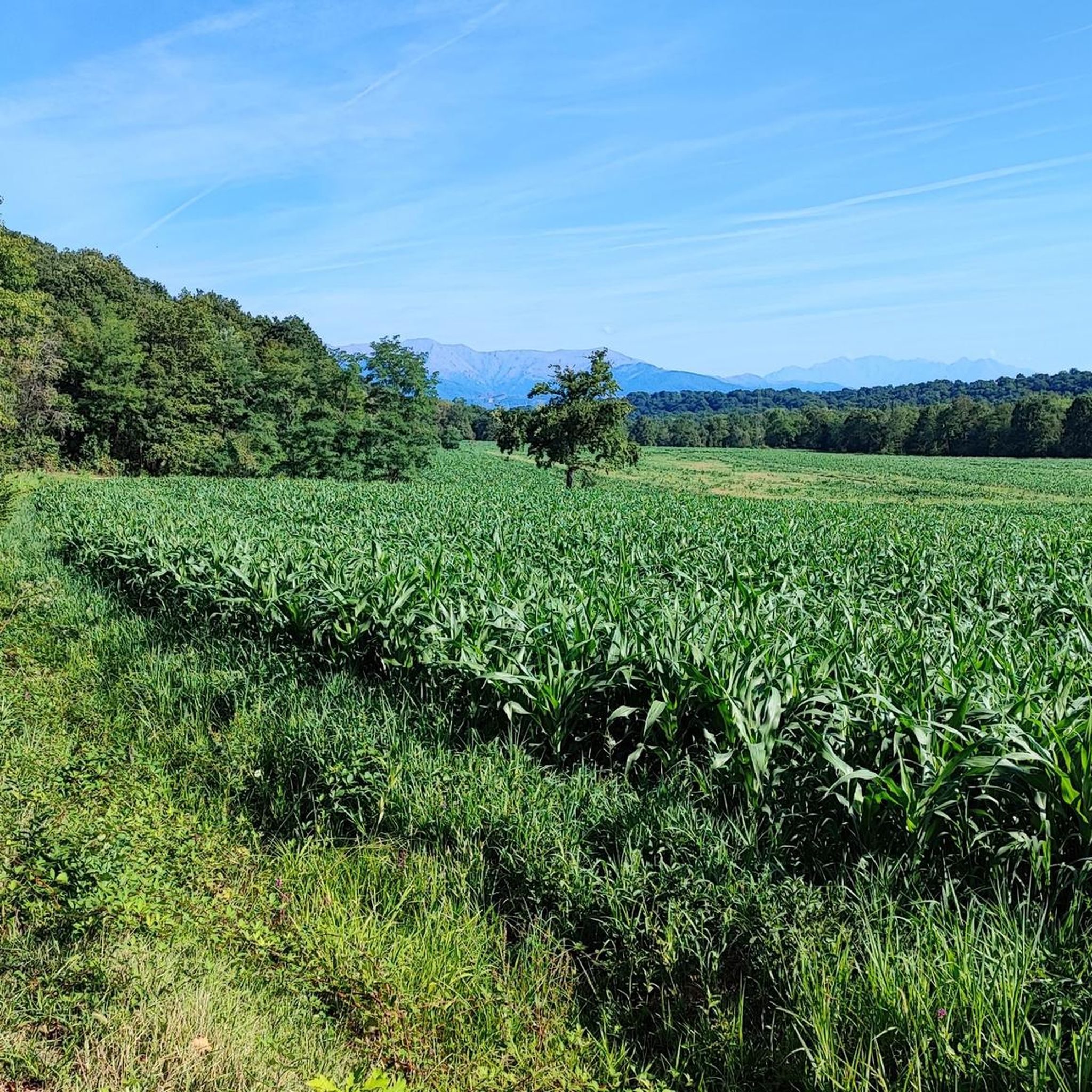
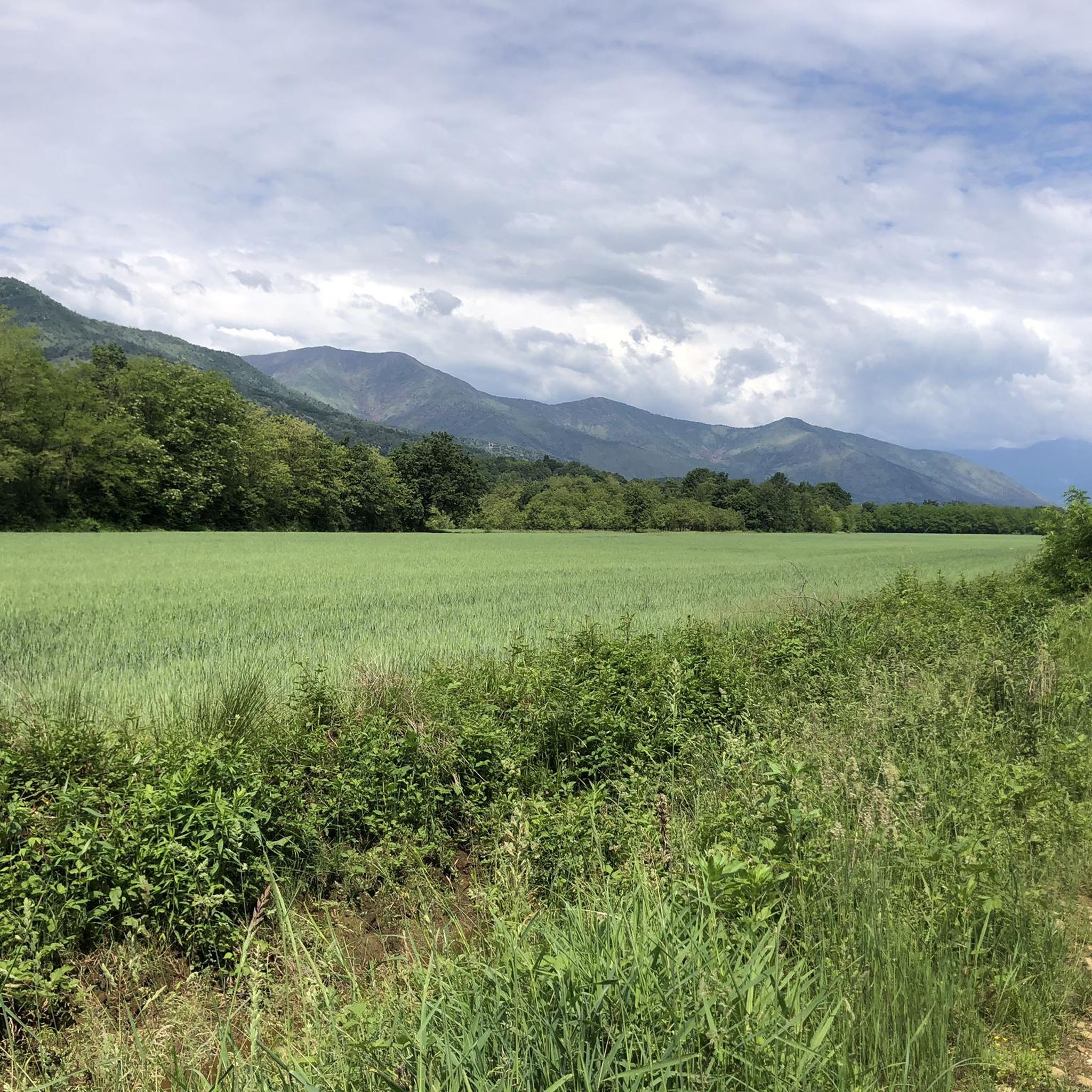
Best natural monuments around La Cassa offer a diverse landscape for exploration. This region features a mix of river valleys, forested areas, and unique geological formations. The terrain provides opportunities to discover natural bridges, waterfalls, and historical quarries. Visitors can experience the natural beauty of the area through various outdoor activities.
Best natural monuments around La Cassa
- The most popular natural monuments is Devil's Bridge (Ponte del Diavolo), Lanzo Torinese, a bridge built in antiquity to connect Lanzo with the valleys. This characteristic and suggestive crossing over the Stura river is a notable historical and natural feature.
- Another must-see spot is Goja del Pis Waterfall, a waterfall located between Rubiana and Almese along the Messa river. Visitors can enjoy the scenic views and even swim in its waters during summer.
- Visitors also love Forest of the Three Saints, a picturesque passage along the Corona Verde cycle path. This forest features a wooden aedicule with icons by artist Debora Malis, dedicated to three saints.
- La Cassa is known for its waterfalls, forests, and unique geological formations like bridges and quarries. The area offers a variety of natural monuments to see and explore, catering to different interests.
- The natural monuments around La Cassa are appreciated by the komoot community, with over 280 upvotes and more than 230 photos shared by visitors.
Last updated: June 28, 2026
Devil's Bridge (Ponte del Diavolo), Lanzo Torinese
Highlight • Bridge
Translated by Google •
Tip by

Goja del Pis Waterfall
Highlight • Waterfall
Translated by Google •
Tip by

Sign up now to discover places like this
Get recommendations on the best single tracks, peaks, & plenty of other exciting outdoor places.
Sign up for free
Monte Musinè Magnesite Quarries
Highlight • Structure
The area of the Magnesite Quarries within the ZSC, located on the north-eastern slopes of Monte Musinè and near Moncalvo, had historical importance in the industrial sector. The extraction of magnesite, a crystalline mineral obtained by the modification of ultramafic rocks by water, took on the characteristics of an industrial activity from the mid-19th century. In more ancient times, the mineral was used for the construction of the floors of the Villa Rustica (Roman Villa) of the Pian.
In 1875, two entrepreneurs from Pinerolo intervened and started a stable work activity in the quarries, which gave them a sufficient income. The excavation area was expanded in 1880 to make the most of the increased demand for minerals.
In particular, magnesite was used in the production of common porcelain and as a refractory material in furnace linings.
The activity remained profitable until the outbreak of the Second World War, which led to the abandonment of the mine.
Currently, the area is important from a hiking point of view. In fact, it offers a route of scenic and historical interest and is visited by geologists and hikers.
Translated by Google •
Tip by

Forest of the Three Saints
Highlight • Forest
Translated by Google •
Tip by

The Wet Meadow of Monte Musinè
Highlight • Natural Monument
This wet meadow, located in a xerothermic area, i.e. a dry microclimate, is of great ecological and biological importance: a small jewel to be protected.
Important for Lepidoptera (butterflies), for birds, including the characteristic nightjar, a nocturnal insectivore, and for mammals. But it is of particular value for the numerous ponds present in it, a perfect example of non-anthropic wetlands in Piedmont. The ponds are used for the reproduction of 8 species of amphibians, 3 of which are covered by the Habitats Directive. Remarkable and rare is the simultaneous presence of the three Piedmontese newt species, the fascinating great crested newt, the lesser spotted newt and the colourful alpine water newt.
The reproductive presence of the Dalmatian frog and the tree frog is also important.
The aim of the Natura Invisibile association is to protect this biotope of great naturalistic value and increase its potential through the creation of numerous ponds and pools, transforming the meadow into one of the most important wetlands in the region. We invite users to also enjoy the extraordinary landscape power of the place, a perfect example of the fusion of Mediterranean and Alpine micro-habitats.
Translated by Google •
Tip by
Sign up for free to discover even more natural monuments around La Cassa.
Sign up for free
Already have an account?
Start today with a free account
Your next adventure awaits.
Login or Signup

Tips from the Community

Very characteristic and suggestive crossing on the Stura. A must if you are in the area
1
0


A very beautiful work can be seen along the Corona Verde path in the Ceretta di Ciriè area.
0
0

Fantastic gravel track in the Saints' forest
0
0

The Magnesite Quarries The area of the Magnesite Quarries within the ZSC, located on the north-eastern slopes of Monte Musinè and near Moncalvo, had historical importance in the industrial sector. The extraction of magnesite, a crystalline mineral obtained by the modification of ultramafic rocks by water, took on the characteristics of an industrial activity from the mid-19th century. In more ancient times, the mineral was used for the construction of the floors of the Villa Rustica (Roman Villa) of the Pian. In 1875, two entrepreneurs from Pinerolo intervened and started a stable work activity in the quarries, which gave them a sufficient income. The excavation area was expanded in 1880 to make the most of the increased demand for minerals. In particular, magnesite was used in the production of common porcelain and as a refractory material in furnace linings. The activity remained profitable until the outbreak of the Second World War, which led to the abandonment of the mine. Currently, the area is important from a hiking point of view. In fact, it offers a route of scenic and historical interest and is visited by geologists and hikers.
0
0
The wet meadow This wet meadow, located in a xerothermic area, i.e. a dry microclimate, is of great ecological and biological importance: a small jewel to be protected. Important for Lepidoptera (butterflies), for birds, including the characteristic nightjar, a nocturnal insectivore, and for mammals. But it is of particular value for the numerous ponds present in it, a perfect example of non-anthropic wetlands in Piedmont. The ponds are used for the reproduction of 8 species of amphibians, 3 of which are covered by the Habitats Directive. Remarkable and rare is the simultaneous presence of the three Piedmontese newt species, the fascinating great crested newt, the lesser spotted newt and the colourful alpine water newt. The reproductive presence of the Dalmatian frog and the tree frog is also important. The aim of the Natura Invisibile association is to protect this biotope of great naturalistic value and increase its potential through the creation of numerous ponds and pools, transforming the meadow into one of the most important wetlands in the region. We invite users to also enjoy the extraordinary landscape power of the place, a perfect example of the fusion of Mediterranean and Alpine micro-habitats.
1
0
Very suggestive place, you can also get there with a MTB taking into account a bit of portage on the last stretch.
0
0

Beautiful work that can be found along the Corona Verde route after Robassomero, but on the other bank of the Stura river
0
0
Frequently Asked Questions
What are some of the unique natural features to explore around La Cassa?
La Cassa offers a diverse range of natural features. You can discover unique geological formations like the historic Devil's Bridge (Ponte del Diavolo), Lanzo Torinese, which is an ancient crossing over the Stura river. There are also beautiful waterfalls such as Goja del Pis Waterfall, where you can even swim in summer. Additionally, you can explore the serene Lake Fontaneij, formed over 400,000 years ago.
Are there any historical natural monuments in the La Cassa area?
Yes, the region has natural monuments with significant historical context. The Devil's Bridge (Ponte del Diavolo), Lanzo Torinese is an ancient bridge built to connect Lanzo with the valleys. You can also visit the Monte Musinè Magnesite Quarries, which were historically important for industrial magnesite extraction from the mid-19th century and now offer a scenic and historical hiking route.
What kind of outdoor activities can I do near the natural monuments in La Cassa?
The area around La Cassa is excellent for various outdoor activities. You can find numerous hiking trails, including easy and moderate options. For cyclists, there are MTB and gravel biking routes. For example, you can explore the hiking trails around La Cassa, or try MTB trails and gravel biking routes that pass by many natural attractions.
Are there family-friendly natural monuments or trails around La Cassa?
Yes, several natural monuments in the La Cassa area are suitable for families. The Forest of the Three Saints offers a picturesque passage along the Corona Verde cycle path, which is generally family-friendly. Lake Fontaneij is also considered family-friendly and features an equipped area and playground nearby.
What is the best time of year to visit the natural monuments around La Cassa?
While specific seasonal tips vary, many natural monuments, like the Goja del Pis Waterfall, are particularly enjoyable in summer when you can swim in its waters. Generally, spring and autumn offer pleasant temperatures for hiking and exploring the diverse landscapes, while winter hikes are also possible for those prepared for colder conditions.
What kind of terrain can I expect on hiking trails near La Cassa's natural monuments?
The hiking terrain around La Cassa varies, offering a mix of river valleys, forested areas, and paths leading to geological formations. Trails can range from easy, like the 'The Fund – Communal Oven loop from La Cassa,' to moderate and difficult, such as the 'Monte Bernard – loop tour.' You'll encounter gravel paths, forest trails, and routes with historical interest, like those around the Monte Musinè Magnesite Quarries.
How long should I plan for a visit to the natural monuments in La Cassa?
The duration of your visit depends on which natural monuments you choose to explore and what activities you plan. A quick stop at a viewpoint like the Devil's Bridge might take an hour, while a hike to the Goja del Pis Waterfall or through the Forest of the Three Saints could take a few hours. For a more comprehensive experience, consider dedicating a full day or even a weekend to explore multiple sites and enjoy the hiking or biking routes.
Are there any hidden natural gems or less-known spots worth discovering near La Cassa?
While the Devil's Bridge and Goja del Pis Waterfall are popular, the Monte Musinè Magnesite Quarries offer a unique blend of natural beauty and industrial history that might be considered a hidden gem for those interested in both geology and local heritage. The Forest of the Three Saints also provides a serene and picturesque passage that feels off the beaten path.
What do visitors enjoy most about the natural monuments around La Cassa?
Visitors frequently appreciate the scenic beauty and unique character of the natural monuments. The Devil's Bridge is often described as very characteristic and suggestive. The Goja del Pis Waterfall is considered a 'corner of paradise,' especially for swimming in summer. The historical significance of sites like the Monte Musinè Magnesite Quarries also draws interest from hikers and geologists.
What should I wear for hiking near the natural monuments in La Cassa?
Given the varied terrain and potential for different weather conditions, it's advisable to wear comfortable hiking shoes with good grip. Layered clothing is recommended so you can adjust to temperature changes. Depending on the season, consider bringing rain gear, sun protection, and plenty of water, especially if you plan to spend several hours exploring trails.
Are there any natural monuments around La Cassa that are suitable for beginners or easy hikes?
Yes, there are options for beginners and those seeking easier hikes. The Forest of the Three Saints, located along the Corona Verde cycle path, offers a relatively easy and picturesque passage. Additionally, the 'The Fund – Communal Oven loop from La Cassa' is an easy hiking route that allows you to enjoy the natural surroundings without significant difficulty.
Most popular routes around La Cassa
Most popular attractions around La Cassa

Get inspired with the komoot mobile app


Explore more
Extend your search for the best caves by checking out these guides of the top ones around La Cassa:
