Top 11 Natural Monuments around Monticiano
Natural monuments around Monticiano offer diverse landscapes and features for exploration. This region, nestled in the Sienese hills, is home to 11 natural monuments. Visitors can explore riverine nature reserves, ancient thermal springs, and intriguing cave systems. The area provides opportunities to appreciate varied ecosystems and historical landscapes.
Best natural monuments around Monticiano
- The most popular natural monuments is Canaloni Waterfall and Natural Pools, a waterfall that features natural pools. It is a location for walking and swimming.
- Another…
Last updated: July 12, 2026
Roccatederighi
Highlight • Settlement
Translated by Google •
Tip by

Petriolo Thermal Baths
Highlight • Natural Monument
Translated by Google •
Tip by

Sign up now to discover places like this
Get recommendations on the best single tracks, peaks, & plenty of other exciting outdoor places.
Sign up for free
Bagni di Petriolo Hot Springs
Highlight • Natural Monument
Translated by Google •
Tip by

La Buca delle Fate
Highlight • Cave
Translated by Google •
Tip by

Canaloni Waterfall and Natural Pools
Highlight • Waterfall
Translated by Google •
Tip by

Sign up for free to discover even more natural monuments around Monticiano.
Sign up for free
Already have an account?
Start today with a free account
Your next adventure awaits.
Login or Signup

Other adventures around Monticiano

Tips from the Community

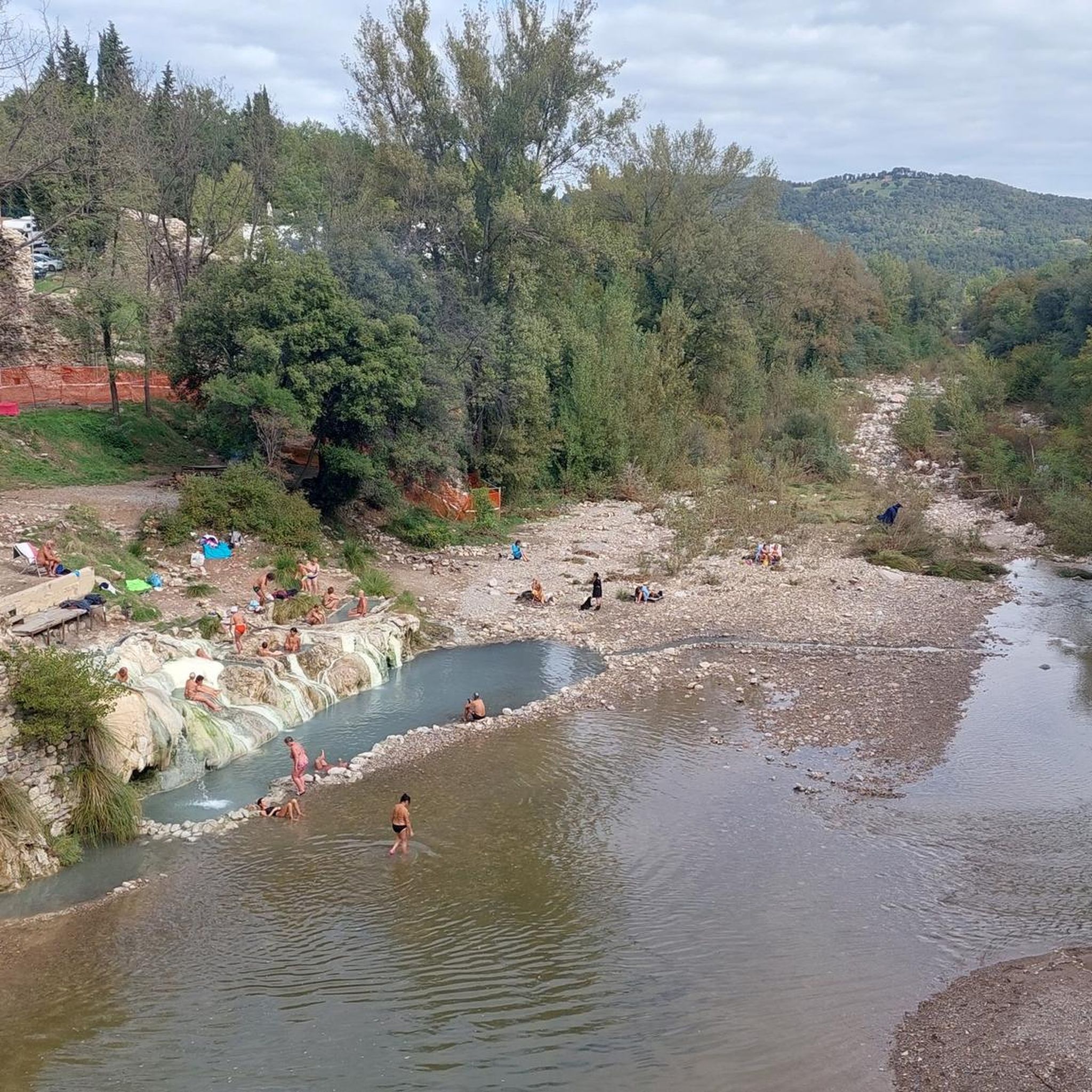
The thermal water springs from the ground at 40° and creates several pools, forming a real little thermal bath.
0
0


Every August 14th the Palio dei Ciuchi takes place, a very heartfelt folkloristic event where the five districts (Corso, Ventosa, Torre, Tramonto and Nobili) compete for a banner painted by local artists. During the same month, "Medioevo nel Borgo" is also organized, a suggestive medieval festival known throughout Tuscany with jugglers, musicians, acrobats and stalls with artisanal products, for a leap into the past.
1
0
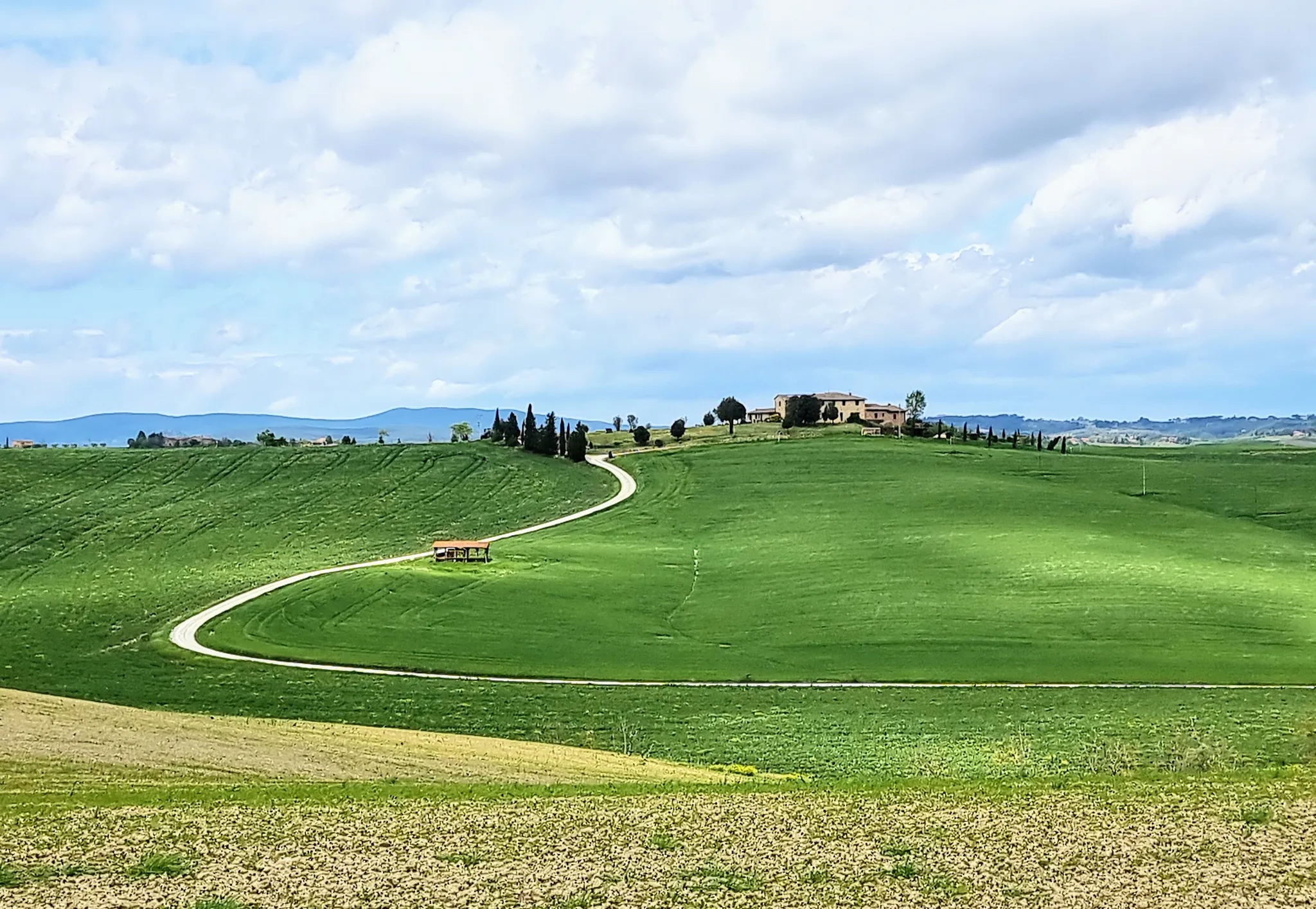
Roccatederighi stands on a spur of Mount Sassoforte, from which you can enjoy a wide and splendid panorama of the Maremma. The town still retains its medieval charm intact, in addition to the suggestive arched entrance gate and some tower houses. But the peculiarity of this village is given by the close link it has with the rock on which it rests, trachyte, a volcanic rock that has been exploited to build houses and other buildings, dig alleys and squares, and of which boulders and outcrops can be seen in various parts of the center. you can also find the remains of the ancient fortress and some sections of the original walls, dating back to the fourteenth century. In the upper part stands the tower, rebuilt in 1910 with a large clock that marks the time of this corner of Tuscany.
1
0

Mandatory pit stop at the Petriolo spa, the water has a temperature of 42°. There is a food truck where you can eat very well.
0
0

Beautiful🤩 and not many people there. We were alone
1
0

the path is not marked but it is a little rough but it is worth reaching
0
0

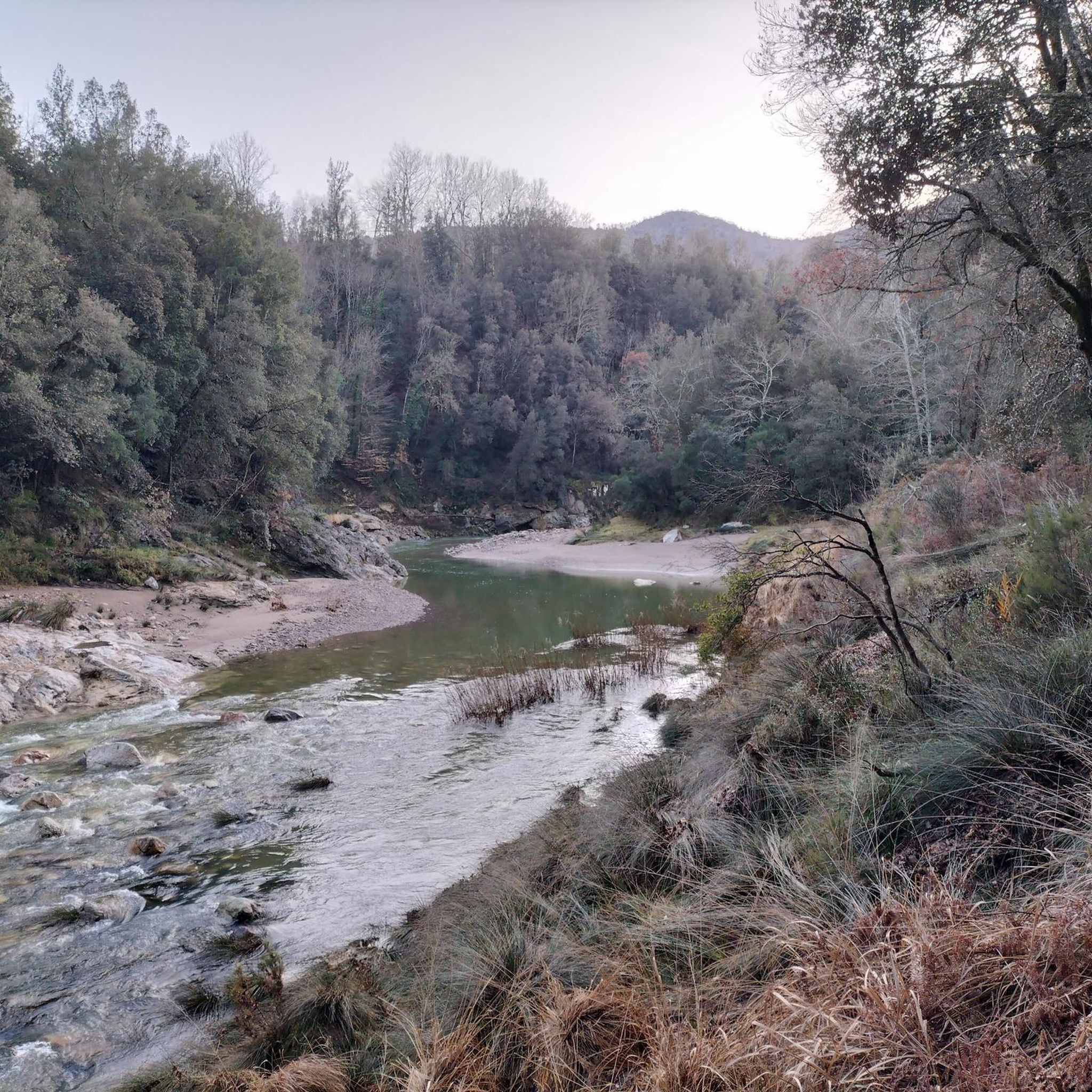
The Buca delle Fate, a natural ravine between the rocks on the slopes of Poggio di Montieri, is a medieval tunnel opened in the Jaspers (red siliceous rock) in correspondence with a fracture with a N20° direction which would have facilitated its excavation. The tunnel has a significant slope (25°) and is very short, about 14 metres; in its terminal part there is a 2x1.5m well currently closed by debris. In the deepest part of the tunnel, in the vault of the well, modest traces of newly formed minerals were found consisting of crystalline concretions of calcite (calcium carbonate), spangolite (hydrated chlorine sulphate of copper and aluminum), nantokite (copper chloride) and brushite (hydrated calcium phosphate). At the top of the well you can observe quadrangular recesses and indentations dug into the rock which were used to anchor the support beams of the winch. Since the tunnel is very narrow (50cm on average) it has two exchange niches along its path, useful for allowing the transit of two miners. Other small rooms used to place lamps are also visible. The absence of evidence of mineralization and an external mining dump makes it implausible that this is a mining tunnel. It is reasonable to hypothesize that this work was functional to the vast underlying excavations, identified in the Santa Maria dei Castagni tunnel between the 19th and 20th centuries. and therefore used as a secondary access route to mining works or as a ventilation duct.
0
0
Frequently Asked Questions
What unique natural features can I explore around Monticiano?
Monticiano offers a diverse range of natural features. You can discover impressive geological formations like the cave system of La Buca delle Fate, known for its stalactites and stalagmites. The region is also rich in riverine landscapes, such as the Torrente Farma Nature Reserve and the Upper Merse Nature Reserve, which feature valleys, hills, and forests. Additionally, ancient thermal springs like Bagni di Petriolo Hot Springs provide a unique natural experience.
Are there opportunities for wild swimming near Monticiano's natural monuments?
Yes, the region provides excellent spots for wild swimming. The Canaloni Waterfall and Natural Pools is a popular location where you can enjoy natural pools. The Torrente Farma Nature Reserve, with the Farma river at its heart, also offers opportunities for swimming amidst its rich biodiversity.
What is the best time of year to visit the natural monuments in Monticiano?
The natural monuments around Monticiano can be enjoyed throughout much of the year. Spring and autumn offer pleasant temperatures for hiking and exploring the reserves. Summer is ideal for swimming in the natural pools and rivers, and for enjoying the thermal springs. Even winter can be suitable for quiet exploration, though some activities might be weather-dependent.
Are there family-friendly natural monuments around Monticiano?
Absolutely. The Bagni di Petriolo Hot Springs are considered family-friendly, offering both equipped establishments and free access areas for bathing. The Petriolo Thermal Baths are also a great option for families. Exploring the river areas of the Torrente Farma and Upper Merse Nature Reserves can also be a fun family activity, with opportunities for gentle walks and picnics.
Are there any historical or cultural sites integrated with the natural monuments?
Yes, the region beautifully blends natural beauty with historical elements. The Torrente Farma Nature Reserve contains remnants of medieval mills and iron mines, showcasing the historical use of the river's energy. The Bagni di Petriolo Hot Springs are historically significant, mentioned by Cicero, and feature remnants of an ancient castle that once protected these valuable springs. The village of Roccatederighi, while a settlement, is built on volcanic rock and retains its medieval charm with ancient fortress remains.
What outdoor activities can I do near the natural monuments in Monticiano?
The area around Monticiano's natural monuments is perfect for various outdoor activities. You can find numerous running trails, including easy loops like 'Poggio Boscogrosso loop' or moderate ones like 'Historic Center of Monticiano loop'. For more adventurous options, there are many mountain biking and gravel biking routes, such as the 'Farmavia Loop Trail' or the 'Monticiano Town Center – Alto Merse Nature Reserve loop'. You can explore these and more on the Running Trails around Monticiano, MTB Trails around Monticiano, and Gravel biking around Monticiano guide pages.
Are there specific hiking trails recommended around Monticiano's natural monuments?
Yes, the natural reserves like Torrente Farma and Upper Merse offer excellent hiking opportunities. While specific named trails within the FAQ are not provided, the general area is well-suited for exploration on foot. For detailed routes, you can check the Running Trails around Monticiano guide, which includes various walking and running paths of different difficulties.
What do visitors enjoy the most about Monticiano's natural monuments?
Visitors particularly appreciate the unique combination of natural beauty and relaxation. The Bagni di Petriolo Hot Springs are highly praised for their therapeutic waters and the pleasant experience of bathing in natural pools. The Canaloni Waterfall and Natural Pools are loved for their beauty and the opportunity for wild swimming in a serene setting. The medieval charm and panoramic views from places like Roccatederighi also receive positive feedback.
Are there any cave systems to explore in the Monticiano area?
Yes, for those interested in geological formations and underground exploration, the 'Buca dei Falchi' is a significant cave featuring impressive stalactites and stalagmites. Another notable cave is La Buca delle Fate, which offers a fascinating glimpse into the region's subterranean world.
Where can I experience thermal springs in Monticiano?
The most prominent thermal springs in the area are the Bagni di Petriolo Hot Springs. These ancient springs have been recognized for their therapeutic properties since Roman times, with water emerging at 43 degrees Celsius (109° Fahrenheit). You can find both equipped establishments and free access areas to enjoy the beneficial waters.
Are the natural monuments around Monticiano accessible by public transport?
While some areas might be reachable by local bus services, many natural monuments in Monticiano, especially the more secluded reserves and specific natural features, are best accessed by car. Public transport options might be limited, so planning your journey in advance is recommended. For detailed information on local transport, it's advisable to check regional public transport schedules.
Can I find places to eat or stay near the natural monuments?
Monticiano and its surrounding villages offer various options for accommodation and dining. While specific cafes or pubs might not be directly adjacent to every natural monument, you will find choices within a short driving distance in the nearby towns. The region is known for its Tuscan hospitality, with agriturismos, restaurants, and cafes available to cater to visitors.
Most popular routes around Monticiano
Most popular attractions around Monticiano

Get inspired with the komoot mobile app


Explore more
Extend your search for the best caves by checking out these guides of the top ones around Monticiano:
