Top 10 Natural Monuments around Castelnuovo Di Val Di Cecina
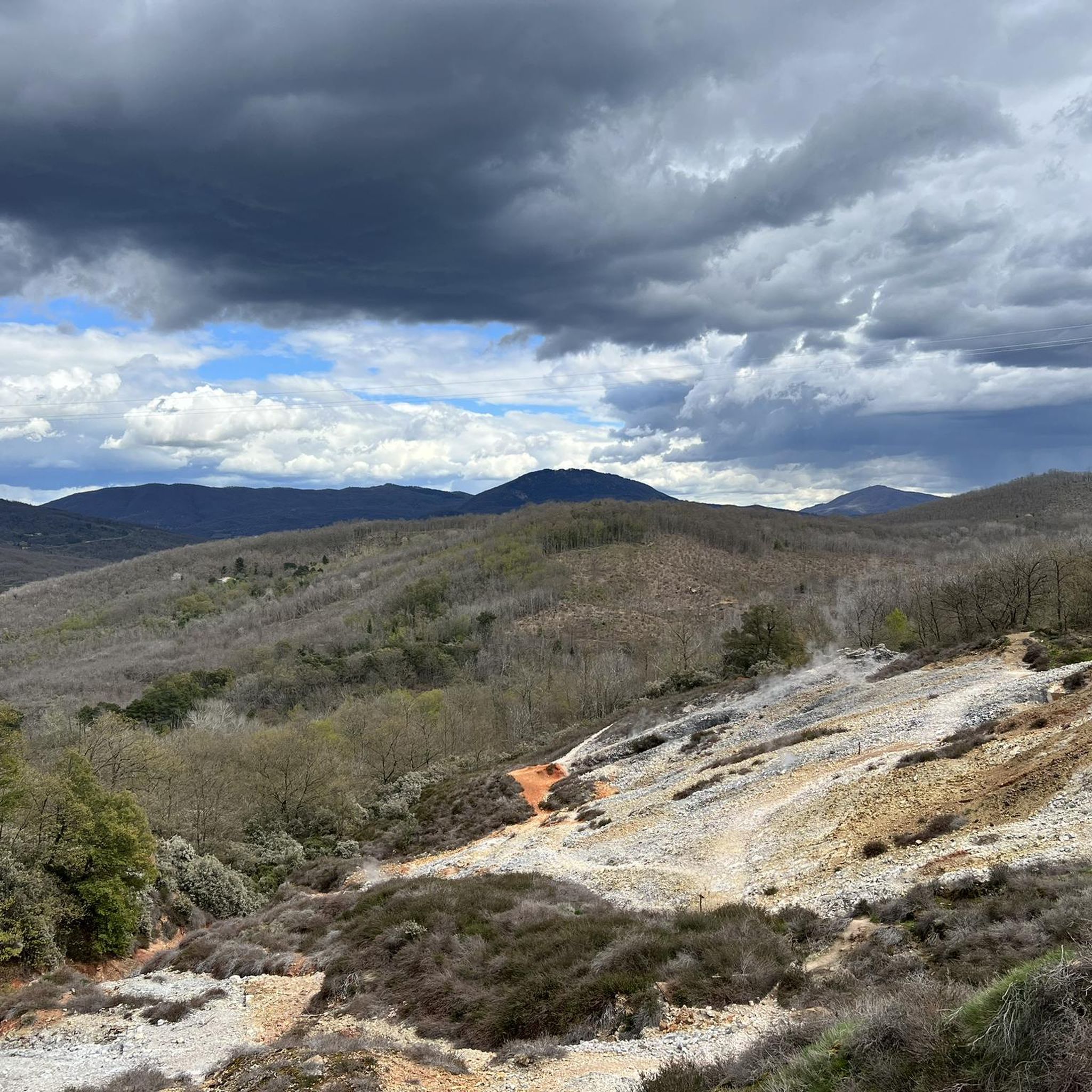
Best natural monuments around Castelnuovo Di Val Di Cecina are largely shaped by significant geothermal activity within the Tuscan countryside. This region offers a blend of natural wonders, allowing visitors to observe active geological processes. The diverse landscape includes extensive chestnut woods, Mediterranean scrub, and varied terrain, providing opportunities for exploration.
Best natural monuments around Castelnuovo Di Val Di Cecina
- The most popular natural monuments is Biancane Nature Park, a natural monument where geothermal energy has characterized the landscape.…
Last updated: May 16, 2026
Biancane Nature Park
Highlight • Natural Monument
Translated by Google •
Tip by

Le Biancane Geothermal Park
Highlight (Segment) • Natural Monument
Translated by Google •
Tip by

Sign up now to discover places like this
Get recommendations on the best single tracks, peaks, & plenty of other exciting outdoor places.
Sign up for free
Fumaroles in Valle del Diavolo
Highlight • Natural Monument
Translated by Google •
Tip by
Trail to the Le Cornate summit
Highlight • Trail
Absolute peace. Surefootedness required.
Translated by Google •
Tip by

La Buca delle Fate
Highlight • Cave
Translated by Google •
Tip by

Sign up for free to discover even more natural monuments around Castelnuovo Di Val Di Cecina.
Sign up for free
Already have an account?
Start today with a free account
Your next adventure awaits.
Login or Signup
Popular around Castelnuovo Di Val Di Cecina

Tips from the Community

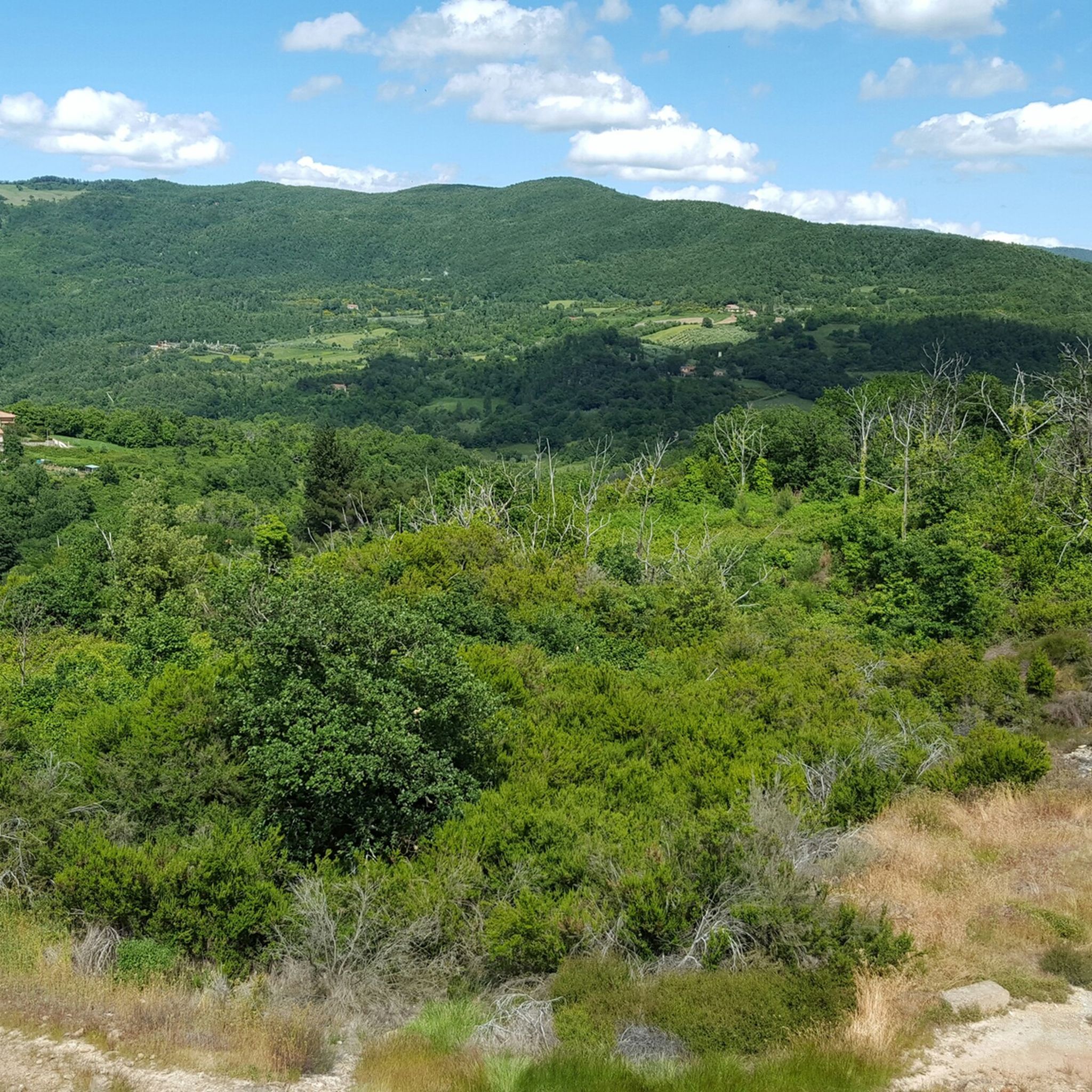
Le Cornate di Gerfalco (1060-1081 m a.s.l.) represent the highest peak of the Metalliferous Hills in Tuscany, located between the provinces of Grosseto and Siena. They are part of the Cornate and Fosini Nature Reserve and offer a panorama that ranges from the Tuscan Archipelago to Corsica and the Apennines.
0
0

the path is not marked but it is a little rough but it is worth reaching
0
0

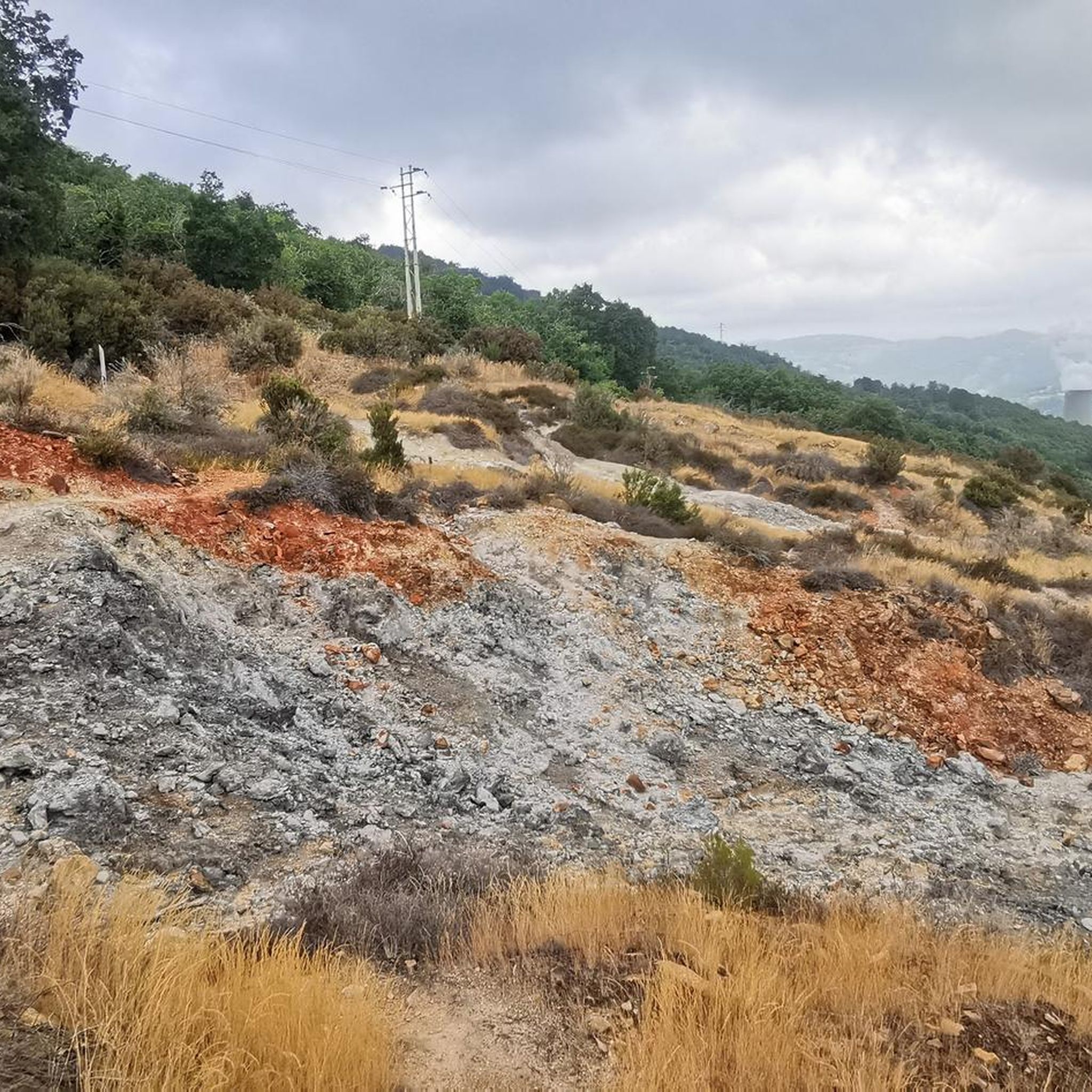
The Buca delle Fate, a natural ravine between the rocks on the slopes of Poggio di Montieri, is a medieval tunnel opened in the Jaspers (red siliceous rock) in correspondence with a fracture with a N20° direction which would have facilitated its excavation. The tunnel has a significant slope (25°) and is very short, about 14 metres; in its terminal part there is a 2x1.5m well currently closed by debris. In the deepest part of the tunnel, in the vault of the well, modest traces of newly formed minerals were found consisting of crystalline concretions of calcite (calcium carbonate), spangolite (hydrated chlorine sulphate of copper and aluminum), nantokite (copper chloride) and brushite (hydrated calcium phosphate). At the top of the well you can observe quadrangular recesses and indentations dug into the rock which were used to anchor the support beams of the winch. Since the tunnel is very narrow (50cm on average) it has two exchange niches along its path, useful for allowing the transit of two miners. Other small rooms used to place lamps are also visible. The absence of evidence of mineralization and an external mining dump makes it implausible that this is a mining tunnel. It is reasonable to hypothesize that this work was functional to the vast underlying excavations, identified in the Santa Maria dei Castagni tunnel between the 19th and 20th centuries. and therefore used as a secondary access route to mining works or as a ventilation duct.
0
0

Dante's True Inferno
1
0

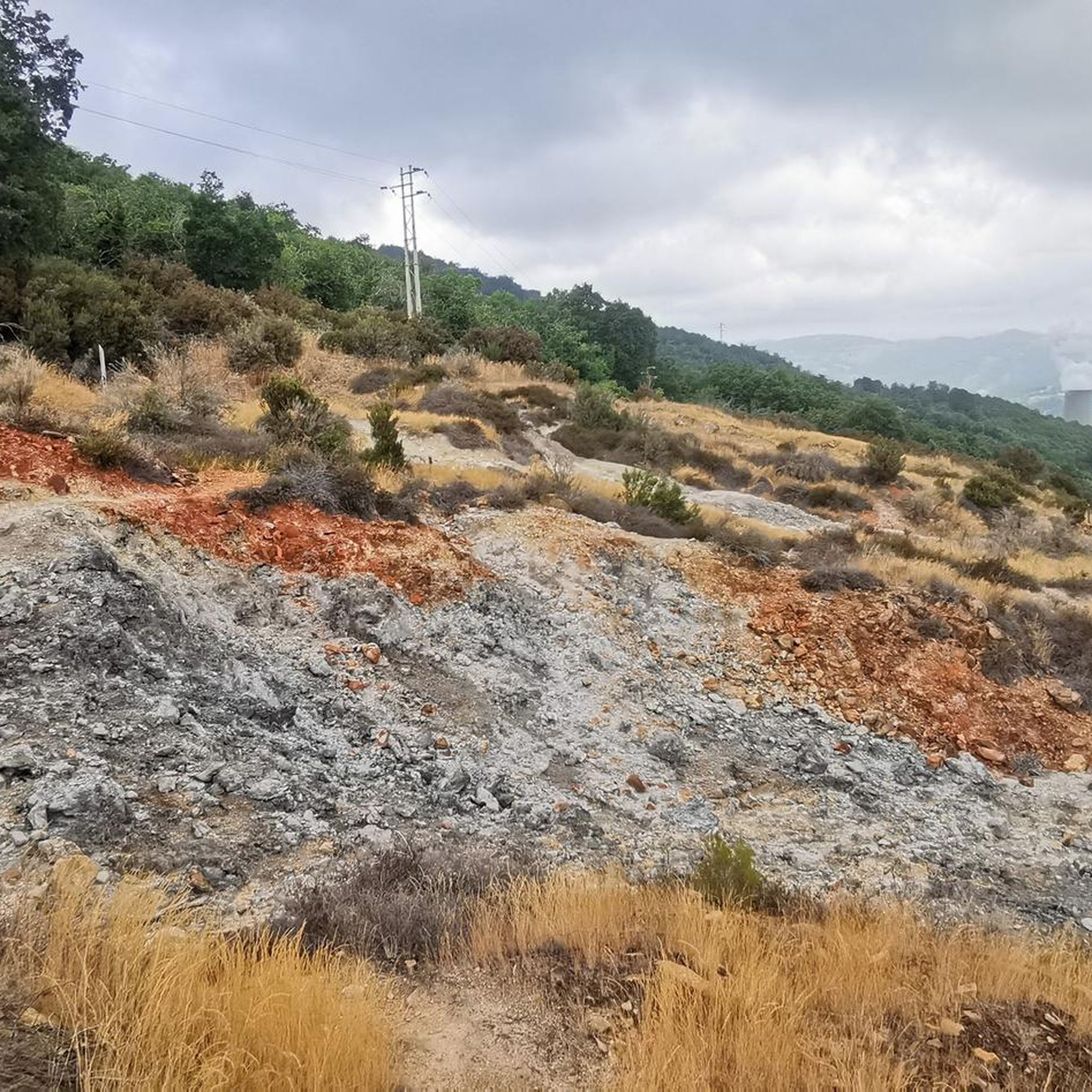
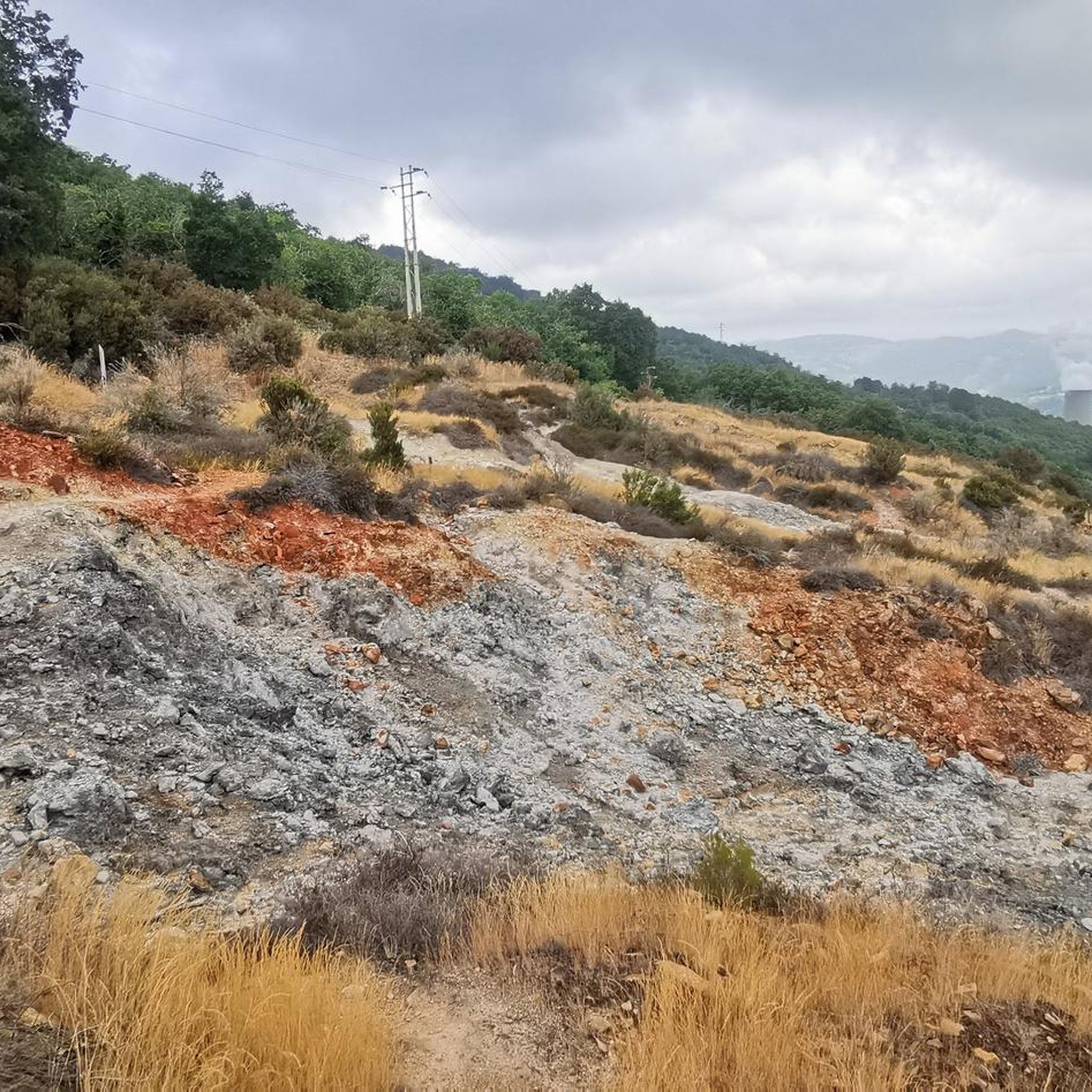
The Biancane Natural Park where geothermal energy releases its vapors from the subsoil is a fascinating place to visit both on foot and by MTB, offering various routes for all levels.
0
0


The route is worthwhile if done in a loop from Monterotondo to Sasso Pisano and back. Suggestive smokers and small gaisers. Also suitable for children. The path is never dangerous.
1
0

The Biancane nature park is a natural area near the center of Monterotondo Marittimo where the characteristic "biancane" are located, which represent one of the many sites where geothermal energy strongly characterizes the landscape on the border between the provinces of Pisa and Grosseto . Source: https://it.wikipedia.org/wiki/Parco_naturalistico_delle_Biancane
0
0
Frequently Asked Questions
What unique natural phenomena can I observe in Castelnuovo di Val di Cecina?
The region is renowned for its significant geothermal activity. You can witness natural vents releasing vapors, known as "putizze" and "fumaroles," particularly in Sasso Pisano. These create an otherworldly atmosphere, sometimes referred to as the "Devil's Valley," with steam columns, bubbling mud lagoons, and sulfur-rich emanations. Key sites include Biancane Nature Park and Fumaroles in Valle del Diavolo.
Are there any family-friendly natural monuments to visit?
Yes, Le Biancane Geothermal Park is considered family-friendly. Its paths are suitable for children, offering a safe way to explore the unique landscape with white rock outcrops and mineral colors influenced by geothermal fluids. The Biolago, a naturally fed pond near Sasso Pisano, also offers a relaxing environment for families.
What kind of geological features characterize the natural monuments here?
The area is dominated by geothermal features. You'll encounter active geological processes like steam vents, mud pools, and sulfurous emissions. The landscape is also characterized by unique rock formations, such as the white rock outcrops at the Biancane parks, which are whitened by geothermal fluids. The region's diverse topography includes mountainous terrain, Mediterranean scrub, and extensive chestnut woods.
When is the best time to visit the natural monuments around Castelnuovo di Val di Cecina?
Visiting during spring or autumn is generally ideal. The weather is milder, making it comfortable for exploring the outdoor sites and trails. These seasons also offer beautiful natural colors, from blooming flora to autumn foliage in the chestnut woods, enhancing the scenic experience.
Are there historical or cultural sites near the natural monuments?
Yes, the region blends natural beauty with historical significance. The thermal baths of Bagnone, though a natural monument due to their thermal waters, are structurally a Hellenistic site dating back to the 3rd century BCE. Additionally, trails along the Pavone stream may lead to historical sites like a Roman bridge, offering a glimpse into the area's past.
What outdoor activities can I do near these natural monuments?
The diverse landscape offers various outdoor activities. You can explore extensive chestnut woods and Mediterranean scrub via nature trails, providing panoramic views. For more structured activities, there are numerous routes for road cycling, running, and general cycling. For example, you can find running trails like 'The Smoking Lands between Sasso Pisano and Monterotondo Trail' or various cycling loops. You can find more details on these activities in the Road Cycling Routes, Running Trails, and Cycling guides around Castelnuovo Di Val Di Cecina.
What should I wear when visiting the natural monuments?
Given the outdoor nature and varied terrain, it's advisable to wear comfortable trekking shoes, especially if you plan to explore trails or areas with uneven ground. Layered clothing is also recommended to adapt to changing temperatures, particularly when visiting geothermal sites where steam can create localized humidity.
Are there any less-known natural monuments worth visiting?
Beyond the prominent geothermal parks, consider visiting La Buca delle Fate, a natural ravine and medieval tunnel. While challenging to reach, it offers a unique blend of natural rock formations and historical excavation. Another serene spot is the Pavone stream, with paths descending into its gentle, green valley.
What do visitors enjoy most about the natural monuments in this area?
Visitors frequently appreciate the unique opportunity to observe active geological processes and the otherworldly landscapes created by geothermal energy. The diverse scenery, from the 'biancane' (white rock outcrops) to the extensive chestnut woods and panoramic views, also receives high praise. Many enjoy the blend of natural beauty with the chance to connect with nature through various trails.
Is parking available near the natural monuments?
For sites like Le Biancane Geothermal Park, there are typically car parks available, sometimes at different elevations to suit varying preferences for walking distances. It's generally recommended to check specific locations for parking information, especially in smaller hamlets like Sasso Pisano.
How long does it take to visit the natural monuments?
The duration of your visit can vary. Exploring a specific geothermal park like Biancane Nature Park or Le Biancane Geothermal Park might take a couple of hours, especially if you follow a guided tour or a loop trail. If you plan to hike along the Pavone stream or visit multiple sites, you could easily spend half a day or more immersing yourself in the natural surroundings.
Are there waterfalls to see in the region?
Yes, the area features natural water formations. The Caselli Waterfalls on the Sterza river are a notable natural monument and are well worth the visit for their scenic beauty and the surrounding forest environment.
Most popular routes around Castelnuovo Di Val Di Cecina
Most popular attractions around Castelnuovo Di Val Di Cecina

Get inspired with the komoot mobile app


Explore more
Extend your search for the best caves by checking out these guides of the top ones around Castelnuovo Di Val Di Cecina:
