Top 5 Natural Monuments around Pàdria/Padria
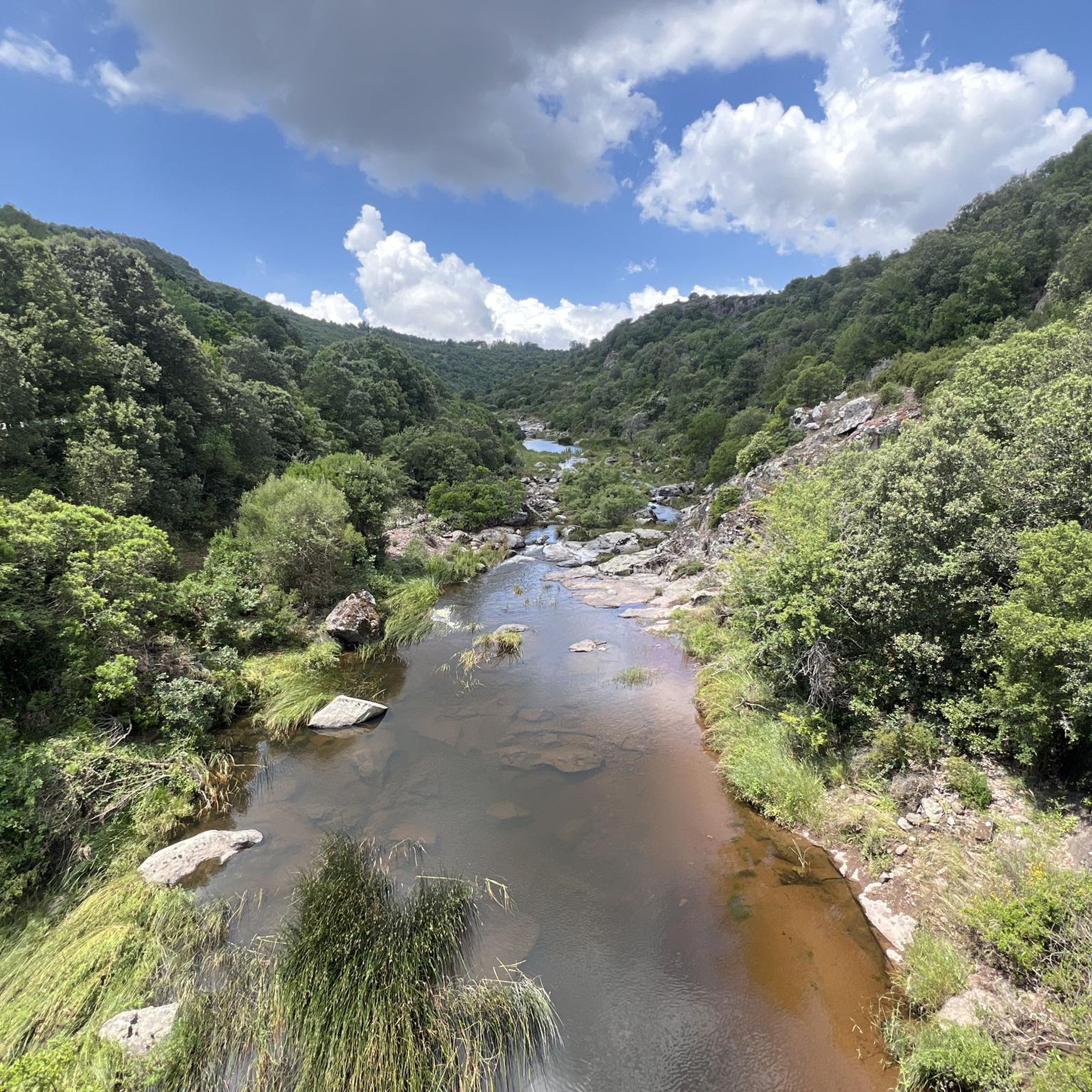
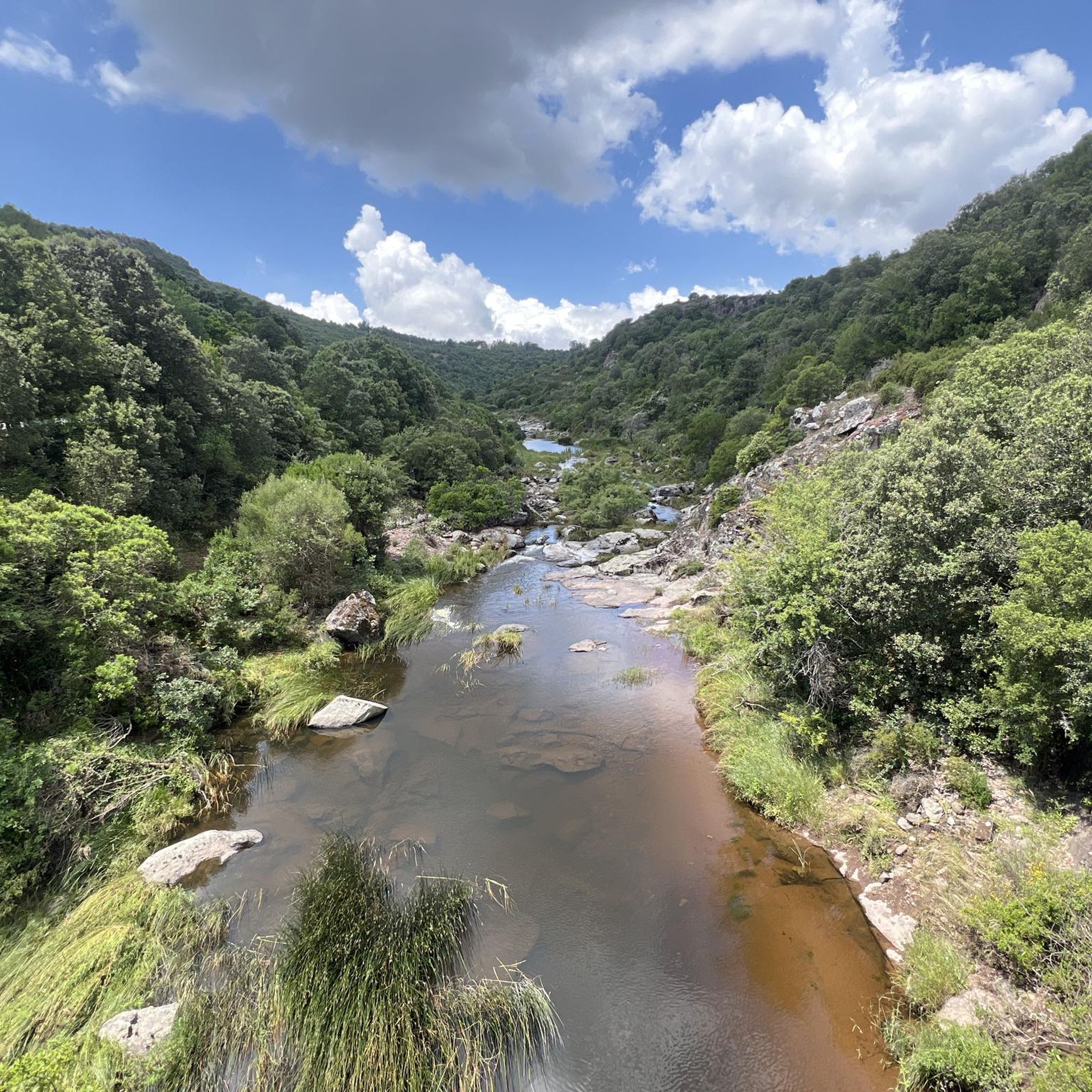
Natural monuments around Pàdria/Padria showcase a landscape characterized by dramatic geological formations and rich natural beauty. The region, located in Sardinia, Italy, features deep canyons carved through volcanic rock, such as the Rio Su Entale, which forms impressive waterfalls. These areas offer compelling reasons for nature enthusiasts to explore the unique environment and inspiring scenery. The diverse terrain includes plains, rock formations, and ancient sites.
Best natural monuments around Pàdria/Padria
- The most popular natural monuments is Rock Formations and Caves…
Last updated: July 12, 2026
Rock Formations and Caves of the Sardinian Highlands
Highlight (Segment) • Cave
Translated by Google •
Tip by

Puttu Codinu Necropolis
Highlight • Historical Site
Translated by Google •
Tip by

Sign up now to discover places like this
Get recommendations on the best single tracks, peaks, & plenty of other exciting outdoor places.
Sign up for free
Su Mudeju Mineral Springs
Highlight • Natural Monument
Translated by Google •
Tip by

Mount Traessu
Highlight • Summit
Translated by Google •
Tip by

Sa Ucca de su Tintirriolu Cave
Highlight • Cave
Translated by Google •
Tip by
Start today with a free account
Your next adventure awaits.
Login or Signup
Tips from the Community

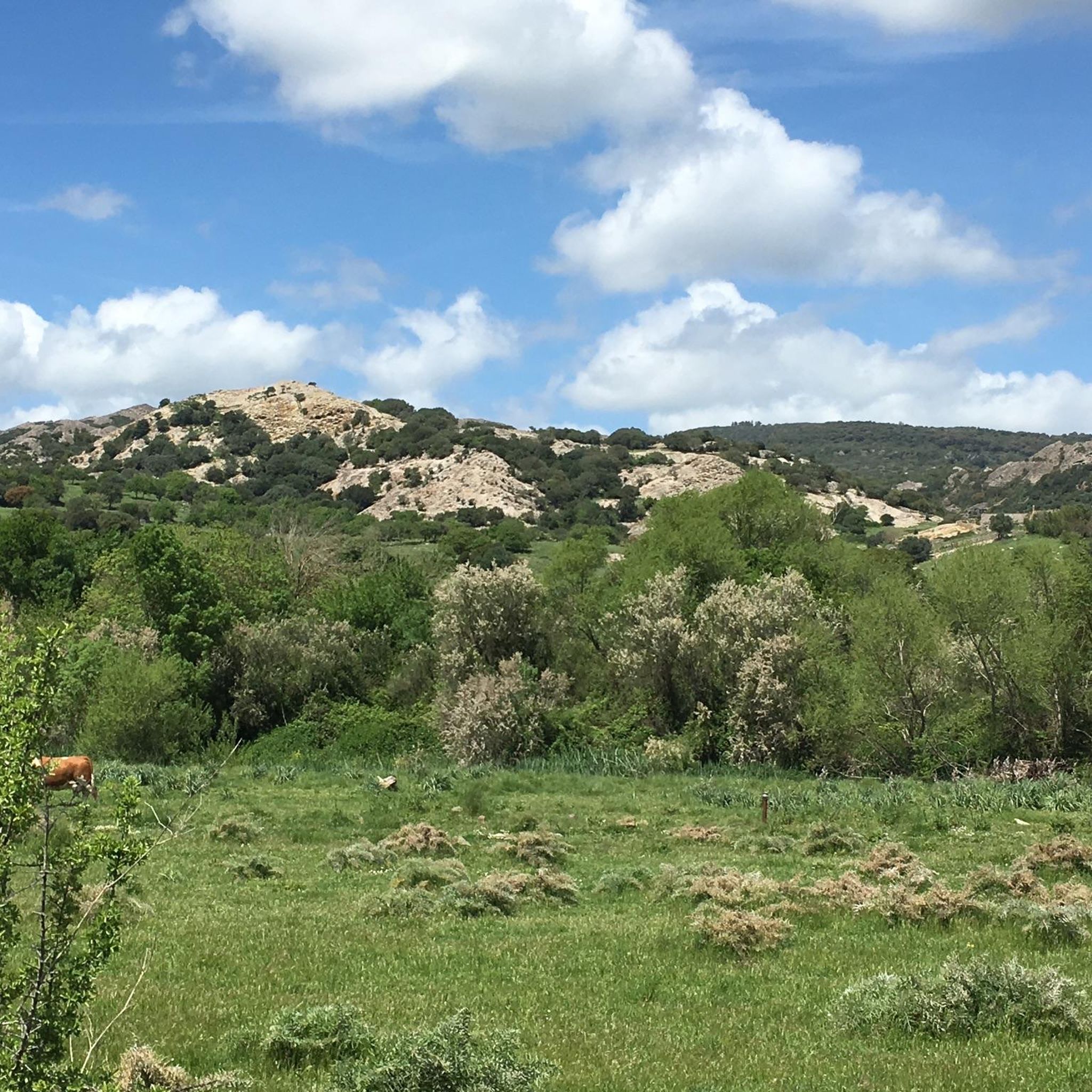
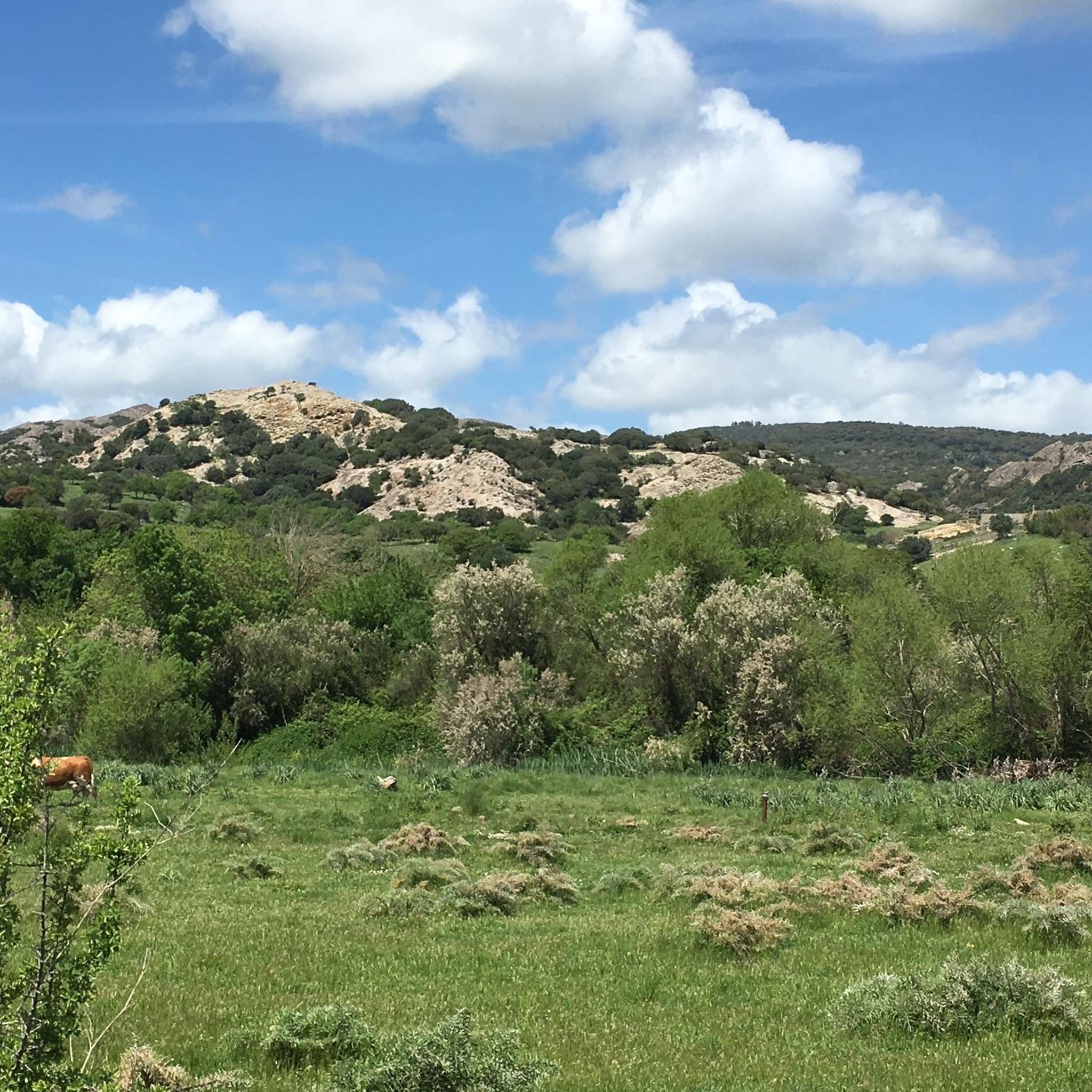
Plains with a primordial appearance, large green spaces bordered by imposing rock formations, isolated or in rows, with caves dug by nature and inhabited by man over the millennia
0
0

The necropolis of Puttu Codinu ("rock well") is an archaeological site located in the municipality of Villanova Monteleone, province of Sassari, near the state road 292 that leads to Monteleone Rocca Doria. A necropolis with nine hypogeal tombs was found on the site, in an area with rocks emerging from the surrounding land. The tombs were found by chance during recent excavation work. It is believed that the site began to be used in the recent Neolithic (3500 BC). Source: Wikipedia https://it.wikipedia.org/wiki/Necropoli_di_Puttu_Codinu
0
0

These are mineral water sources naturally endowed with a light carbonation. You can reach it by temporarily deviating from the 292. The lay-by offers three taps, two directly in front of the road which offer moderately fizzy water, and one 50 meters further down with slightly more fizzy water and with more dissolved salts.
1
0

The archaeological finds in this cave were fundamental in giving the name to the pre-Nuragic culture of Bonu Ighinu (the name of this area), which developed in Sardinia during the 4th millennium BC. (4000-3400 BC). It is considered the first culture in Sardinia to have used natural cavities as sepulchres, which then formed small necropolises.
0
0
It is a basaltic massif located in the territory of the municipalities of Cossoine, Giave and Mara, in north-western Sardinia. Rich in gorges, cliffs and caves, the relief reaches a height of 717 meters and dominates a vast stretch of territory in the province of Sassari.
0
1
Frequently Asked Questions
What types of natural monuments can I explore around Pàdria/Padria?
The Pàdria/Padria region offers a diverse range of natural monuments, including dramatic canyons, impressive waterfalls, ancient caves, unique rock formations, and mineral springs. You can discover geological wonders and sites with significant historical and archaeological importance integrated into the natural landscape.
Are there any notable canyons or waterfalls in the Pàdria/Padria area?
Yes, the **Rio Su Entale canyon and its waterfalls** are a major natural highlight near Pàdria/Padria. This impressive canyon, carved through volcanic rock, features spectacular cascades like "S'istrampu nieddu" and "Su poggiu 'e caddu muzzu." It's a popular spot for trekking enthusiasts seeking evocative natural beauty.
What are some unique geological features to see?
You can explore the Rock Formations and Caves of the Sardinian Highlands, which feature plains with a primordial appearance, large green spaces, and imposing rock formations. These areas also contain caves naturally formed and inhabited by humans over millennia, offering a glimpse into the region's ancient geological and human history.
Are there any historical or archaeological natural monuments in the region?
Absolutely. The Puttu Codinu Necropolis is an archaeological site featuring nine hypogeal tombs found in an area with emerging rocks, believed to have been used since the recent Neolithic period. Another significant site is the Sa Ucca de su Tintirriolu Cave, where archaeological finds were crucial in naming the pre-Nuragic culture of Bonu Ighinu, known for using natural cavities as sepulchres.
Can I find natural mineral springs in Pàdria/Padria?
Yes, the Su Mudeju Mineral Springs offer natural mineral water with light carbonation. You can find taps providing moderately fizzy water, with one offering a slightly more carbonated option with more dissolved salts.
What outdoor activities can I do near the natural monuments?
The area around Pàdria/Padria is excellent for various outdoor activities. You can find numerous routes for hiking, cycling, and mountain biking. For example, there are several hiking trails around Pàdria/Padria, including moderate loops like the "Bosa Old Town – Bosa's Ponte Vecchio loop." You can explore more options in the Hiking around Pàdria/Padria guide.
Are there hiking trails suitable for different difficulty levels?
Yes, the hiking trails around Pàdria/Padria cater to various skill levels. You can find easy routes, as well as moderate and difficult options. For instance, the Rio Su Entale canyon is frequently visited by trekking enthusiasts, offering paths through its narrow fluvial gorge. For more detailed information on routes and their difficulty, refer to the Hiking around Pàdria/Padria guide.
What is the best time to visit the natural monuments in Pàdria/Padria?
The Pàdria/Padria region, like much of Sardinia, is generally pleasant for outdoor activities during spring (April-June) and autumn (September-October) when temperatures are milder. These seasons are ideal for exploring canyons, caves, and hiking trails without the intense heat of summer.
Are there any viewpoints to appreciate the landscape?
Yes, for panoramic views, you can reach a viewpoint overlooking the Rio Su Entale canyon from the Sos Aspros plateau. Additionally, Mount Traessu, a basaltic massif reaching 717 meters, offers commanding views over a vast stretch of the Sassari province.
What do visitors enjoy most about the natural monuments in Pàdria/Padria?
Visitors particularly appreciate the 'magic of nature' and the inspiring scenery, especially at sites like the Rio Su Entale canyon with its suggestive cascades carved into volcanic rock. The unique blend of geological formations, ancient historical sites, and opportunities for outdoor exploration makes the region a compelling destination for nature enthusiasts.
Is it possible to go mountain biking near these natural monuments?
Yes, there are mountain biking opportunities in the vicinity. For example, you can find routes like the "Mount Traessu – Santuario di Bonu Ighinu loop" which is a moderate mountain bike trail. More options are available in the MTB Trails around Pàdria/Padria guide.
Most popular attractions around Pàdria/Padria

Get inspired with the komoot mobile app


Explore more
Extend your search for the best caves by checking out these guides of the top ones around Pàdria/Padria:
