Top 11 Natural Monuments around Tissi
Best natural monuments around Tissi are found within the wider Province of Sassari, Sardinia, offering diverse landscapes. This region features ancient forests, coastal cliffs, unique geological formations, and pristine beaches. The area is characterized by a rich geological history, with varied rock types and landscapes shaped by natural processes. Exploring these natural features provides insight into Sardinia's environment.
Best natural monuments around Tissi
- The most popular natural monuments is Rock Formations and Caves of the Sardinian Highlands, a cave…
Last updated: July 12, 2026
The tomb of Molafà (Sardinia, Italy)
Highlight • Historical Site
Translated by Google •
Tip by

The fascinating surroundings of Sassari
Highlight • Viewpoint
Tours in the Sassari area develop mainly in five directions: east towards Osilo and Nulvi, north east towards Sorso and Sennori, north west towards Porto Torres …
Tip by

Sign up now to discover places like this
Get recommendations on the best single tracks, peaks, & plenty of other exciting outdoor places.
Sign up for free
Domus de Janas di S’Ena de Cannuja
Highlight • Cave
Translated by Google •
Tip by

Rock Formations and Caves of the Sardinian Highlands
Highlight (Segment) • Cave
Translated by Google •
Tip by
Rosello Fountain
Highlight • Monument
Translated by Google •
Tip by

Sign up for free to discover even more natural monuments around Tissi.
Sign up for free
Already have an account?
Start today with a free account
Your next adventure awaits.
Login or Signup

Tips from the Community

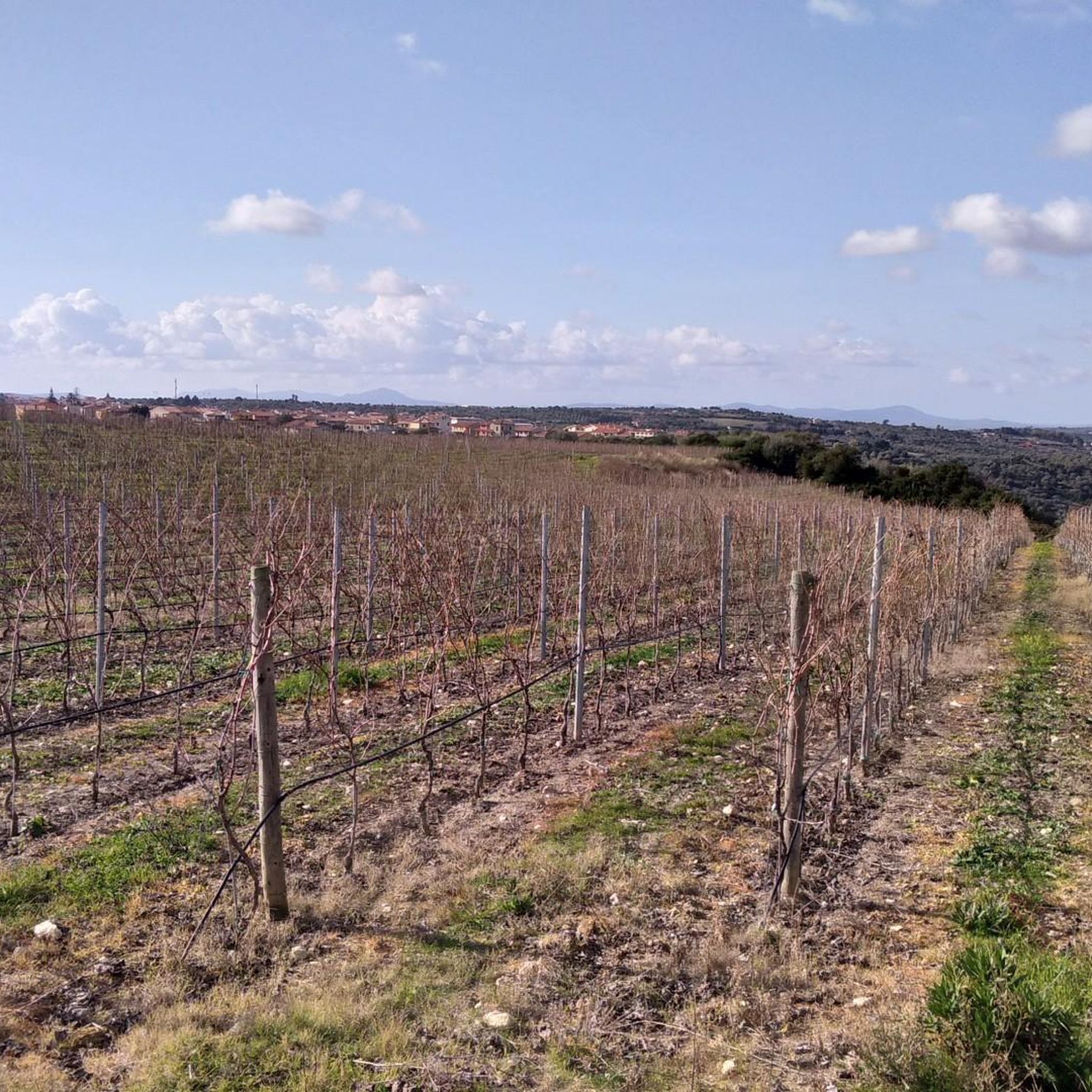
An adventurous approach, barking dogs, thorny undergrowth. The dolmens were great, but unfortunately the hiking trail was not well maintained, so we turned back with our son.
0
0

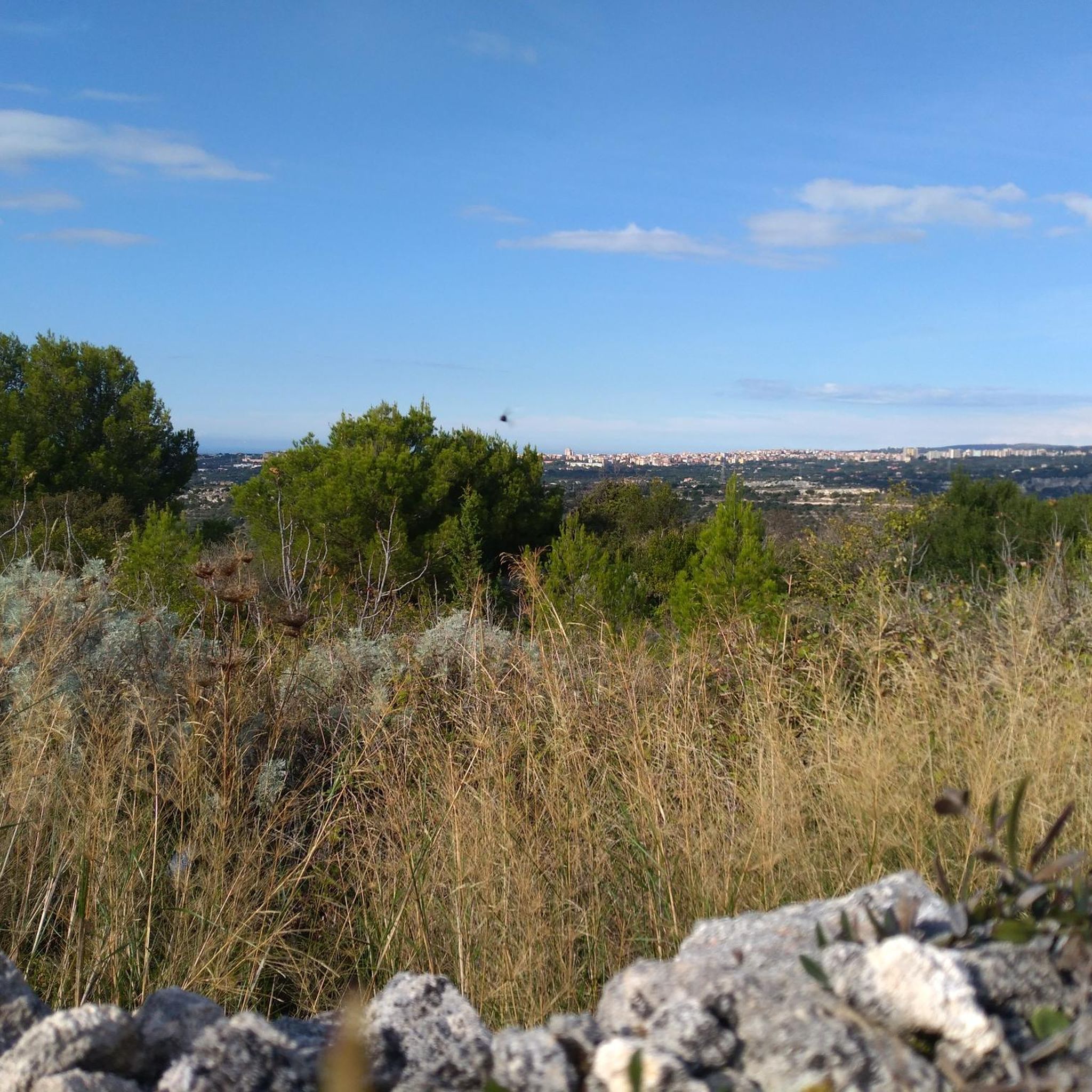
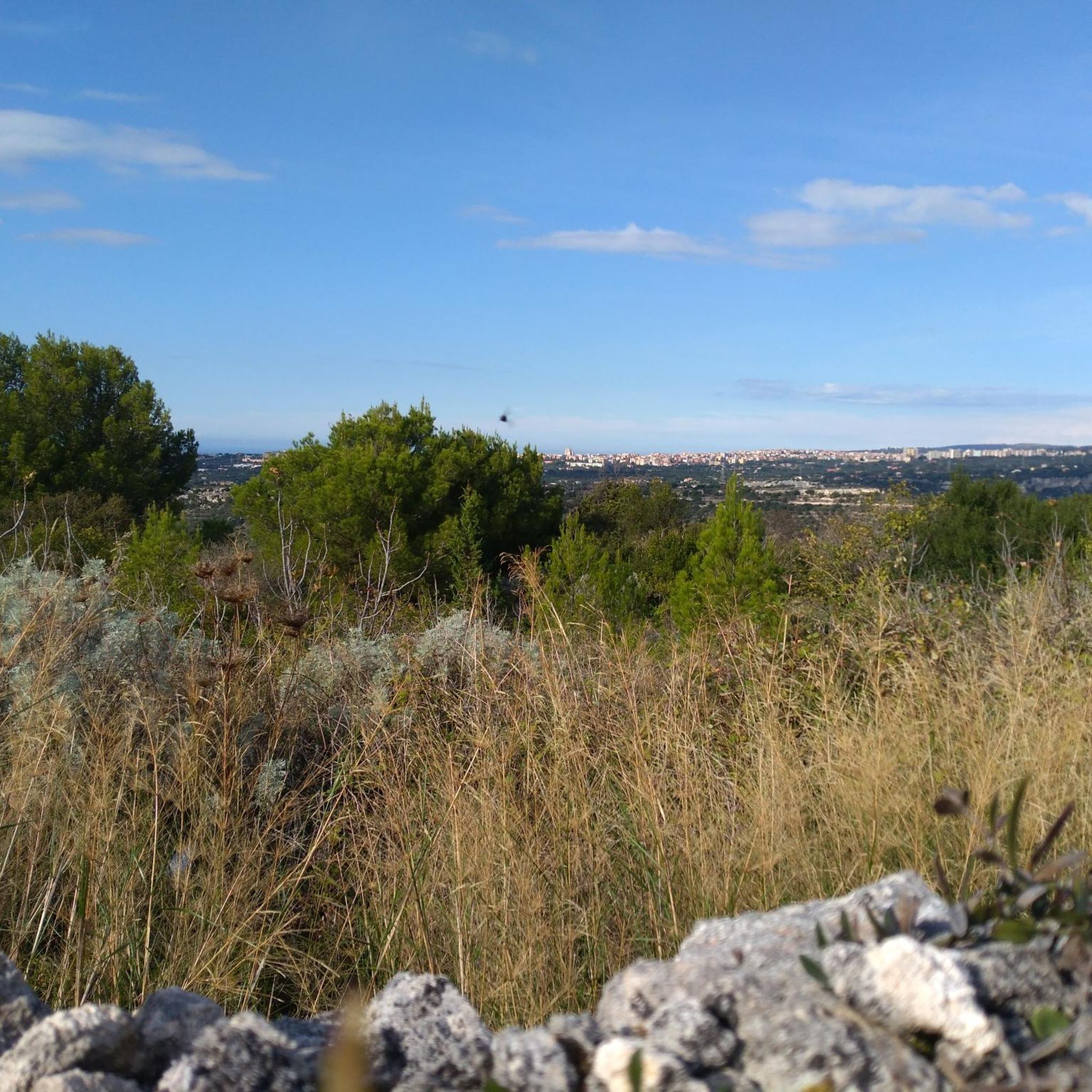
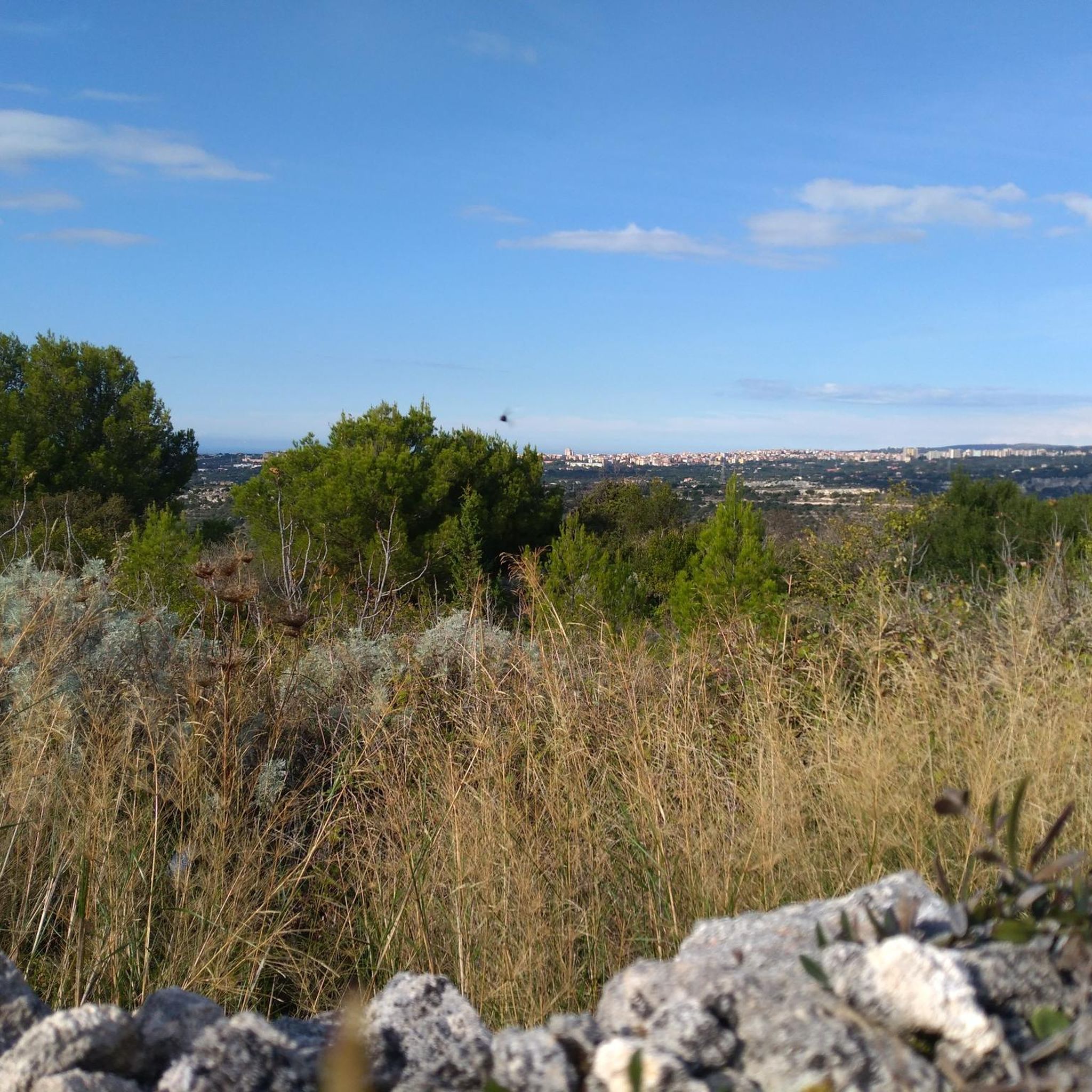
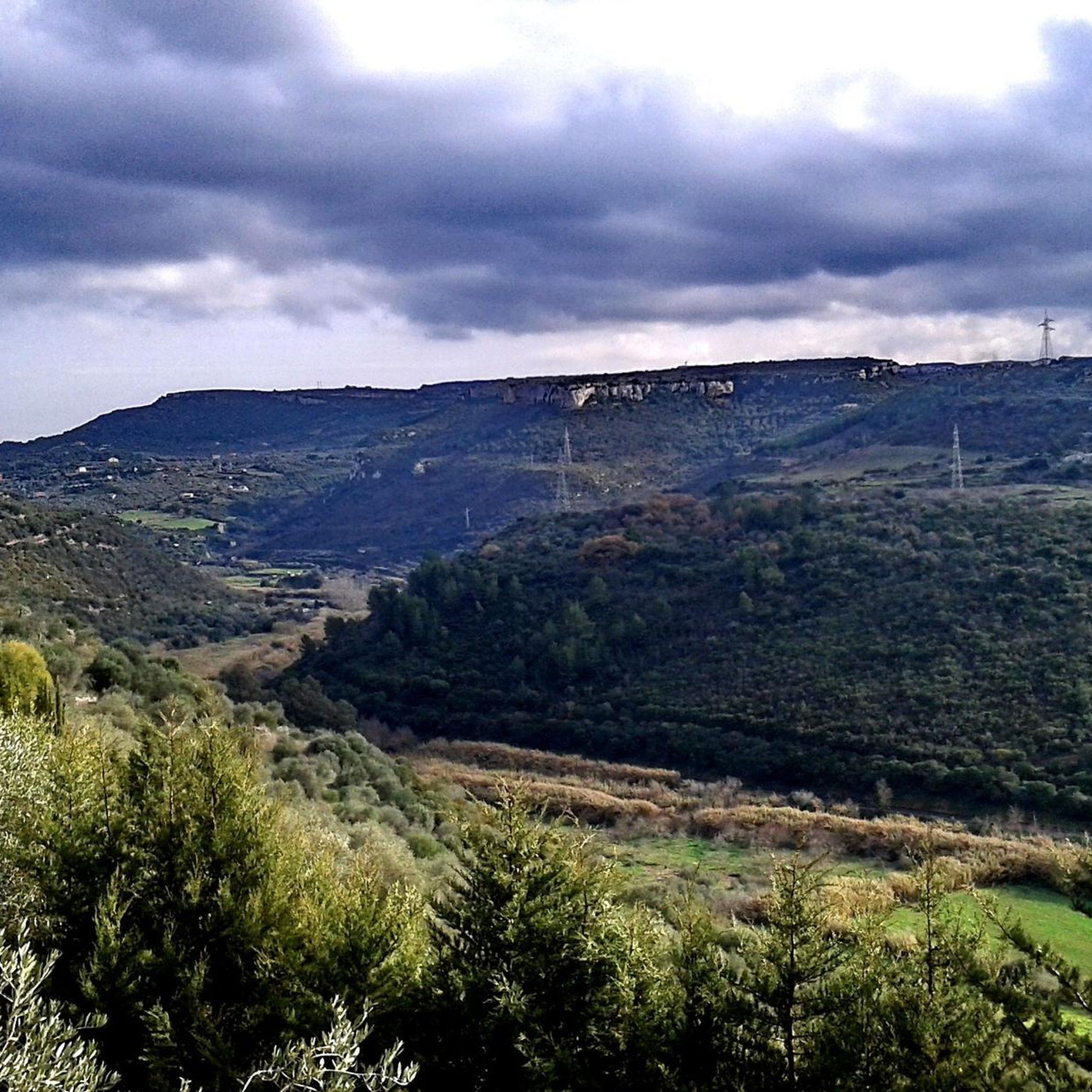
Plains with a primordial appearance, large green spaces bordered by imposing rock formations, isolated or in rows, with caves dug by nature and inhabited by man over the millennia
0
0

The caves are accessible from the road across a meadow. However, there are no paths, despite other claims to the contrary. We didn't find one, and the thistles and thorns make hiking less enjoyable. The area and the view are, of course, wonderful.
0
0

The path passes through the Domus de Janas of S'Ena de Cannuja, ancient pre-Nuragic tombs carved into the rock, dating back to the 3rd millennium BC. This necropolis includes six tombs dug into a trachytic ridge. The tombs were presumably reached using carvings dug into the rock face similar to those still preserved in the Domus de Janas Sos Furrighesos necropolis in Anela.
1
0

Congratulations for the always splendid photos!
0
0
The town of Baddimanna is located on the northern outskirts of Sassari, adjacent to the Monte Rosello district and stretches eastwards over a hilly area, connecting to the hills of Filigheddu and Monti Bianchinu through a network of local roads. In the heart of Baddimanna there is the Park of the same name, which constitutes one of the largest green areas in the city: it extends for around ten hectares and is home to a pine forest, in which there are also other species such as mastic and various spontaneous flowers. Created about seventy years ago following a devastating fire, the Park has undergone progressive degradation which has made it less usable for the population; but in the 1920s the area was redeveloped, suitably equipped and made usable for citizens. The park named after Baden-Powell, founder of Scouting, is equipped with various picnic facilities with wooden tables and benches, waste collection baskets, children's games, a dog area and a cycle-pedestrian path; there is a kiosk bar and a restaurant. Furthermore, inside the park there is a monument dedicated to the soldiers of the Sassari Brigade. It is located in via Prati and the entrance time varies from 9am - 5pm to 9am - 9pm depending on the seasons.
5
0

Marble fountain house, built during the Renaissance. The water bubbles from eight lion and four dolphin heads.
3
0

The Rosello fountain is one of the symbols of the city of Sassari. It was built in 1295 and renovated in 1605 in the late Renaissance style.
1
0
Frequently Asked Questions
What unique geological formations can I explore around Tissi?
The region boasts a rich geological history, offering diverse formations. You can visit the Rock Formations and Caves of the Sardinian Highlands, featuring primordial plains bordered by imposing rock formations and ancient caves. Another distinctive sight is the Roccia dell'Elefante (Elephant Rock), a natural landmark sculpted by erosion, resembling an elephant. Sardinia's geology spans over 500 million years, with varied sedimentary, magmatic, and metamorphic rocks contributing to these unique landscapes.
Are there any natural viewpoints offering panoramic views near Tissi?
Yes, The fascinating surroundings of Sassari offers a viewpoint with varied landscapes, including Mediterranean vegetation, plateaus carved by ravines, and coastal areas. You'll experience continuous ups and downs in terrain, providing views of canyons and diverse natural features. The Porto Conte Complex also provides breathtaking coastal views from its cliffs, such as those at Punta Giglio.
What historical natural monuments can be found in the area?
The area is rich in historical natural monuments. You can explore the Domus de Janas di S’Ena de Cannuja, ancient pre-Nuragic tombs carved into a trachytic ridge, dating back to the 3rd millennium BC. Another significant site is The tomb of Molafà, a prehistoric archaeological site near Sassari, which is a rock-cut tomb from the Nuragic era, reproducing elements of the Tombs of the Giants.
Are there family-friendly natural attractions around Tissi?
Many natural sites in the wider Sassari Province are suitable for families. The State Forests, such as Forest'Anela or Monte Pisanu, offer serene settings for easy walks and picnics amidst ancient trees. While not a natural monument, the Park in Baddimanna, near Sassari, is equipped with picnic facilities, children's games, and a cycle-pedestrian path, making it a great family spot. For beach lovers, La Pelosa Beach near Stintino is renowned for its clear waters and soft sand, ideal for a family day out.
What kind of outdoor activities can I do near these natural monuments?
The region around Tissi offers various outdoor activities. You can find numerous routes for hiking, cycling, and mountain biking. For instance, there are easy hiking loops like 'University of Sassari – Castle Square' and more challenging cycling tours such as 'From Tissi-Usini to the Mesu 'e Montes Necropolis'. The State Forests also provide excellent opportunities for nature walks.
Are there any unique natural water features or lakes in the area?
Yes, Lake Baratz stands out as the only natural freshwater lake in Sardinia. Its unique ecological significance makes it a notable natural feature on an island predominantly surrounded by marine environments. Additionally, the coastal areas, like those around the Porto Conte Complex, offer stunning marine vistas and access to the sea.
What is the best time of year to visit the natural monuments around Tissi?
The best time to visit is generally during spring (April-May) and autumn (September-October) when the weather is mild and pleasant for outdoor activities. Summer can be very hot, especially for hiking, though coastal areas and beaches like La Pelosa are popular then. In summer, evening outdoor activities are preferable when temperatures are lower. Winter offers a different perspective, with cooler temperatures, but some sites might have limited accessibility or shorter operating hours.
Can I visit any caves or grottoes in the region?
Absolutely. The Rock Formations and Caves of the Sardinian Highlands feature numerous caves naturally formed and inhabited by humans over millennia. Further afield, Neptune's Grotto is a well-known natural sea cave, famous for its impressive stalactite and stalagmite formations, offering a unique underground experience. The Grotta dei Vasi Rotti is also part of the Porto Conte Complex.
Are there any natural parks or protected areas nearby?
Yes, the Asinara National Park is a true paradise of nature, renowned for its delicate landscape and unique wildlife, including the famous white donkeys. Access to Asinara Island is often managed by authorized operators to protect its fragile environment. The Regional Natural Park of Porto Conte, near Alghero, is another significant protected area, known for its dramatic cliffs and marine vistas.
What do visitors enjoy most about the natural monuments around Tissi?
Visitors frequently appreciate the diverse and often primordial landscapes, from the ancient rock formations and caves to the stunning coastal views and unique geological features. The blend of natural beauty with historical elements, such as the ancient rock-cut tombs, also captivates many. The serene atmosphere of the forests and the crystal-clear waters of the beaches are also highly praised.
Are there options for dog-friendly trails or natural monuments?
While specific dog-friendly designations for each natural monument are not always explicit, many of the State Forests and general hiking trails around Tissi and the wider Sassari area are suitable for walks with dogs, provided they are kept on a leash and owners adhere to local regulations. For example, the Park in Baddimanna, near Sassari, includes a dedicated dog area.
How long should I plan for a visit to these natural monuments?
The duration of your visit depends on the specific site. For historical rock formations like the Domus de Janas di S’Ena de Cannuja or The tomb of Molafà, a few hours might suffice. Larger areas like the State Forests or the Porto Conte Complex could easily fill half a day or more, especially if you plan to hike or picnic. For a comprehensive experience of Asinara National Park, a full day trip is recommended.
Most popular attractions around Tissi

Get inspired with the komoot mobile app


Explore more
Extend your search for the best caves by checking out these guides of the top ones around Tissi:
