Top 8 Natural Monuments around Sìligo/Siligo
Best natural monuments around Sìligo/Siligo are characterized by the region's volcanic origins and unique geological formations in Sardinia, Italy. The landscape features extinct volcanoes, rocky terraces, and craters, shaped over hundreds of thousands of years. This area offers a blend of natural beauty and significant archaeological sites, including ancient necropolises carved into the rock. It provides opportunities to explore geological wonders and historical intrigue within a distinctive Sardinian setting.
Best natural monuments around Sìligo/Siligo
- The most popular natural monuments is…
Last updated: July 12, 2026
Domus de Janas di S’Ena de Cannuja
Highlight • Cave
Translated by Google •
Tip by

Rock Formations and Caves of the Sardinian Highlands
Highlight (Segment) • Cave
Translated by Google •
Tip by

Sign up now to discover places like this
Get recommendations on the best single tracks, peaks, & plenty of other exciting outdoor places.
Sign up for free
Noeddale Necropolis, Ossi
Highlight • Historical Site
Tip by
Necropolis of Mesu ‘e Montes
Highlight • Historical Site
Left Ossi in the direction of Florinas, after …
Tip by
Nuraghe Torru
Highlight • Historical Site
Translated by Google •
Tip by
Sign up for free to discover even more natural monuments around Sìligo/Siligo.
Sign up for free
Already have an account?
Start today with a free account
Your next adventure awaits.
Login or Signup

Other adventures around Sìligo/Siligo

Tips from the Community

An adventurous approach, barking dogs, thorny undergrowth. The dolmens were great, but unfortunately the hiking trail was not well maintained, so we turned back with our son.
0
0

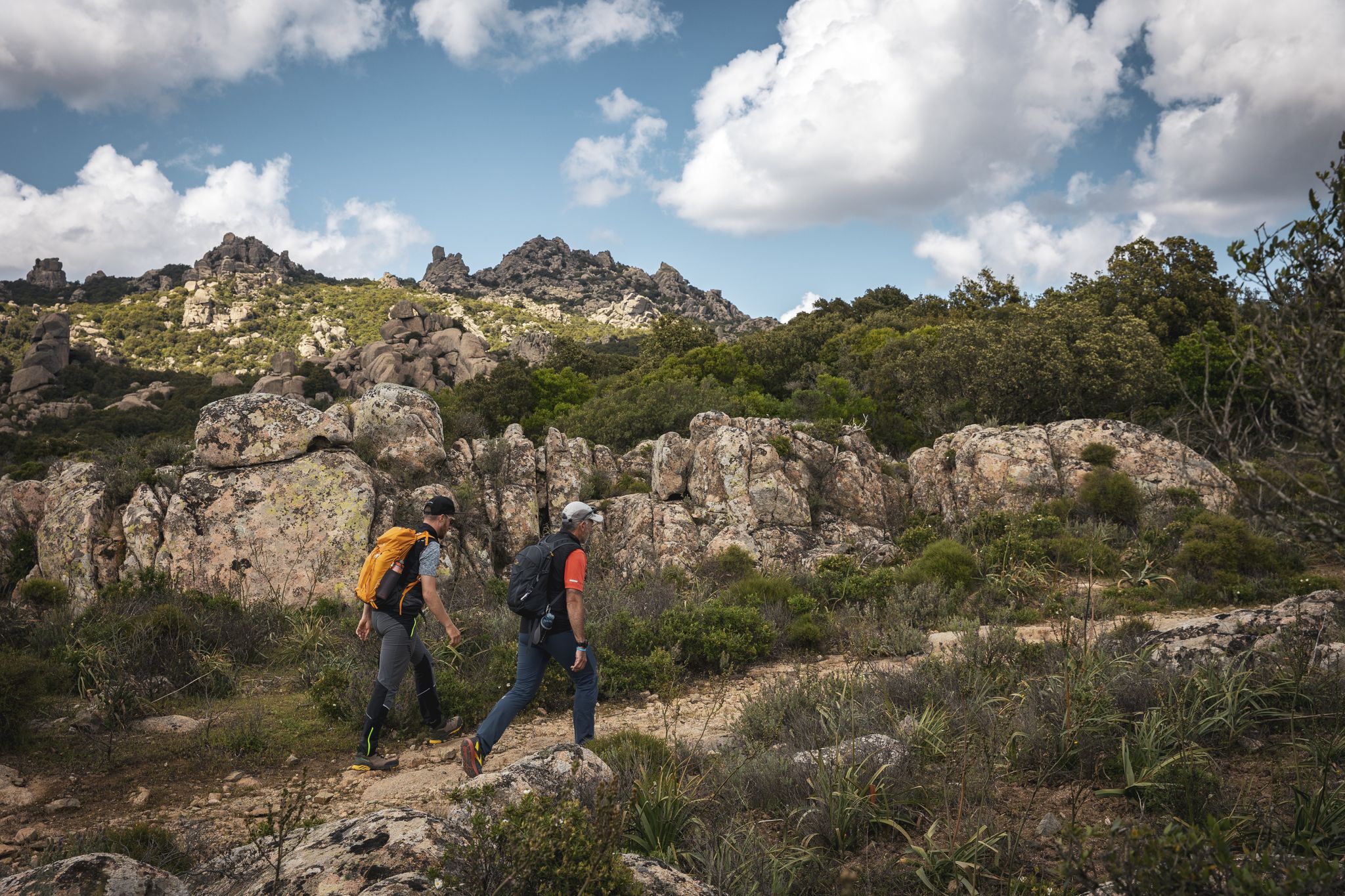
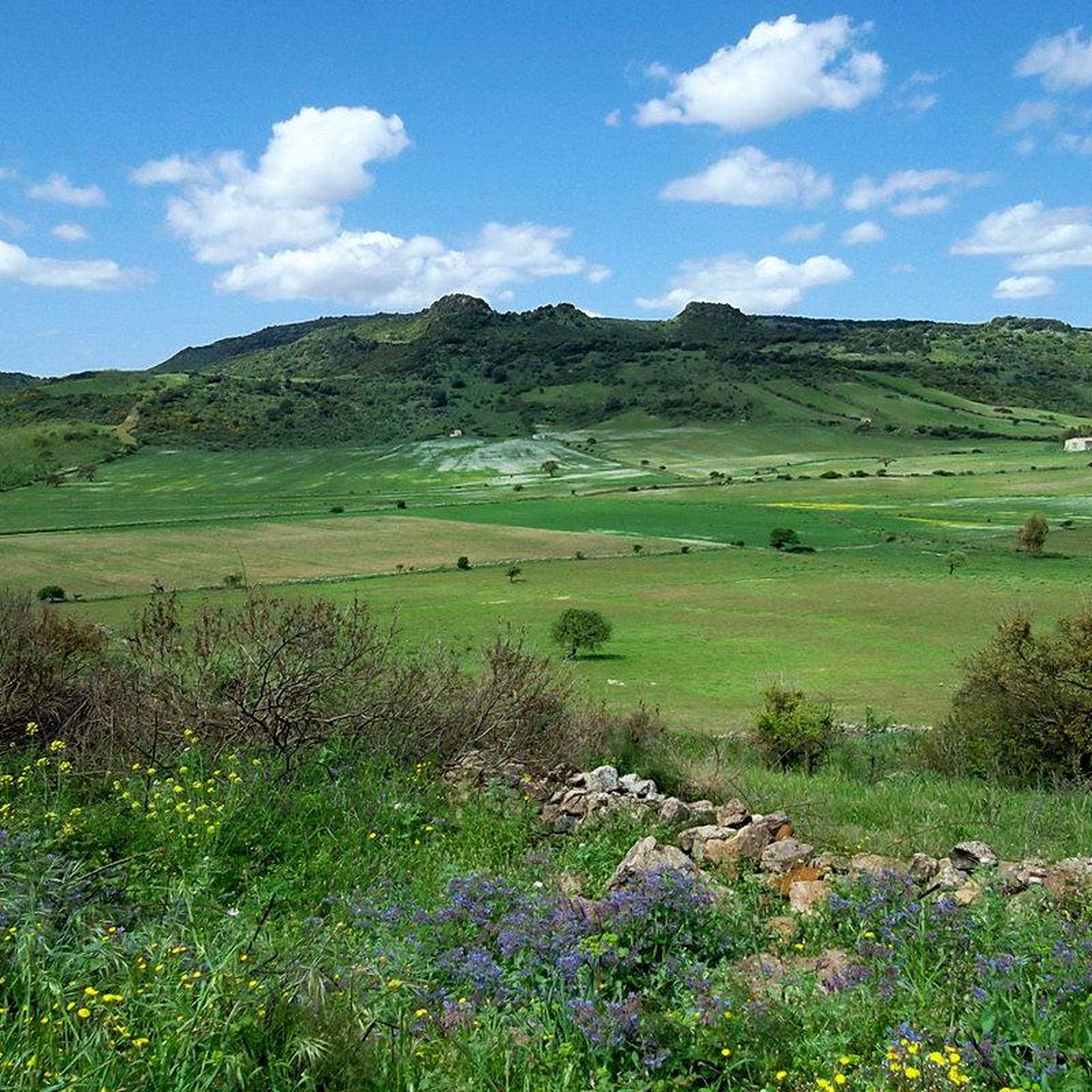
Plains with a primordial appearance, large green spaces bordered by imposing rock formations, isolated or in rows, with caves dug by nature and inhabited by man over the millennia
0
0

The caves are accessible from the road across a meadow. However, there are no paths, despite other claims to the contrary. We didn't find one, and the thistles and thorns make hiking less enjoyable. The area and the view are, of course, wonderful.
0
0

The path passes through the Domus de Janas of S'Ena de Cannuja, ancient pre-Nuragic tombs carved into the rock, dating back to the 3rd millennium BC. This necropolis includes six tombs dug into a trachytic ridge. The tombs were presumably reached using carvings dug into the rock face similar to those still preserved in the Domus de Janas Sos Furrighesos necropolis in Anela.
1
0
At the top of Mount Torru there is a vast amphitheater which houses the majestic Torru nuraghe, dominating the entire peak. The nuraghe, a typical megalithic building of ancient Sardinia, was developed during the Nuragic age between 1900 and 730 BC. This structure, built with blocks of soft trachyte, rests directly on the rock which acts as a natural bastion. The view from here is wide and breathtaking.
1
0

The necropolis of Noeddale is an archaeological site located in the territory of Ossi (in the province of Sassari in north-western Sardinia). It is an area rich in evidence of the island's hypogean architecture (4th-3rd millennium BC). The necropolis consists of six hypogea, three of which are preceded by dromoi (access corridors also carved out of the rock). The most interesting are those called the "tomb of the house" (made up of 11 rooms) which reproduces the architectural structure and the ceiling of the pre-nuragic houses, and the "tomb of the spirals" enriched by numerous relief decorations: spirals, taurine protomes, frames ... The area is open and has free entry; it is accessed from the last houses of Ossi towards Florinas
2
0
In the territory south of Ossi there is an imposing necropolis on a limestone ridge of the southern slopes of Mount Mamas. Left Ossi in the direction of Florinas, after 10 km on the SP 3, on the left you see a dirt road that leads quickly to a large open space, where you can leave your bike under a big oak tree. Here a path, well delimited by low dry stone walls, climbs (for 400 m.) to the funeral complex. The necropolis consists of 18 domus de janas, all multicellular (in two of them there are up to 12 rooms), richly adorned with pilasters, panels, false doors, taurine protomes, spiral or wolf teeth motifs. Some tombs reproduce the structure of the pre-nuragic houses with great realism: horizontal, or single or double sloping roofs, central beams and lateral joists, support pillars, zigzag and sawtooth motifs, fireplaces… everything carved in the rock. Remember to bring a torch. The place is free to access and is clearly indicated by a sign at the beginning of the dirt road.
1
0
Frequently Asked Questions
What are the most distinctive natural features to explore in Siligo?
Siligo is renowned for its volcanic origins, featuring unique geological formations like the extinct volcanoes Monte Santu and Monte Ruju. You can also explore the volcanic craters of the Meilogu region and landscapes sculpted by erosion, such as Montiju Tundu, Badde Ortolu, and Sas Baddes, which offer terraced valleys and dramatic rock formations.
Are there any significant archaeological sites among the natural monuments in Siligo?
Yes, the natural landscape of Siligo is deeply intertwined with ancient history. You can visit sites like Domus de Janas di S’Ena de Cannuja, an ancient necropolis with pre-Nuragic tombs carved into rock. Another notable site is Noeddale Necropolis, Ossi, which features hypogean architecture including the unique 'tomb of the house' and 'tomb of the spirals'.
What kind of rock formations and caves can I expect to see?
The region offers impressive rock formations and caves, notably the Rock Formations and Caves of the Sardinian Highlands. This area features plains with a primordial appearance, large green spaces, and imposing rock formations that include caves naturally carved out and inhabited by humans over millennia.
What outdoor activities can I do near Siligo's natural monuments?
The varied terrain around Siligo is ideal for outdoor activities. You can find numerous routes for cycling, mountain biking, and road cycling. For example, explore the 'Lake Bidighinzu Loop' for mountain biking or the 'From Mores to Ardara' route for touring bicycles. You can find more details on these activities in the Cycling around Sìligo/Siligo, MTB Trails around Sìligo/Siligo, and Road Cycling Routes around Sìligo/Siligo guides.
Are there hiking opportunities to experience the natural monuments?
Yes, the volcanic reliefs and erosion-shaped landscapes provide excellent trekking and hiking opportunities. While specific hiking trails for Monte Santu or Monte Pelau are not detailed here, the geological significance and scenic beauty of these areas make them perfect for exploration on foot. Many archaeological sites like the necropolises also involve walking trails.
What is the best time of year to visit the natural monuments in Siligo?
Sardinia generally enjoys a Mediterranean climate. Spring (April-May) and autumn (September-October) are often considered the best times to visit for outdoor activities like hiking and exploring, as the weather is mild and pleasant, avoiding the intense heat of summer and the cooler, wetter winter months.
Are there any family-friendly natural monuments or activities in the area?
While specific 'family-friendly' designations are not provided for all sites, exploring the ancient necropolises like Domus de Janas di S’Ena de Cannuja can be an engaging historical adventure for families. The scenic drives and shorter walks around the volcanic reliefs also offer accessible ways to enjoy the natural beauty together.
What do visitors appreciate most about the natural monuments around Siligo?
Visitors frequently appreciate the unique blend of natural beauty and profound historical significance. The dramatic volcanic landscapes, ancient rock-cut tombs, and the opportunity to immerse oneself in both geological wonders and archaeological intrigue are highly valued. The Rock Formations and Caves of the Sardinian Highlands, for instance, are praised for their primordial appearance and the ancient human history embedded within them.
Can I find viewpoints offering panoramic vistas of the region?
Absolutely. The volcanic reliefs, such as Monte Santu and Monte Ruju, naturally provide elevated positions for breathtaking panoramas. Additionally, the Nuraghe Torru, located on Mount Torru, offers a wide and spectacular view of the surrounding landscape.
Is there another significant necropolis besides Domus de Janas di S’Ena de Cannuja and Noeddale Necropolis?
Yes, the Necropolis of Mesu ‘e Montes is another imposing site. Located on a limestone ridge south of Ossi, it consists of 18 multicellular 'domus de janas' richly adorned with pilasters, false doors, and intricate motifs, reproducing the structure of pre-Nuragic houses carved into the rock.
Are there any specific tips for visiting the ancient necropolises?
When visiting necropolises like Necropolis of Mesu ‘e Montes, it's advisable to bring a torch to explore the inner chambers. Access to many of these sites is free, and they are often well-indicated. Be aware that some paths might not be well-maintained, as noted by visitors to Domus de Janas di S’Ena de Cannuja, so appropriate footwear is recommended.
Most popular attractions around Sìligo/Siligo

Get inspired with the komoot mobile app


Explore more
Extend your search for the best caves by checking out these guides of the top ones around Sìligo/Siligo:
