Top 10 Natural Monuments around Saint-Oyen
Best natural monuments around Saint-Oyen are found in the Aosta Valley, situated near the Great St. Bernard Pass. This region is characterized by its high mountain landscapes, diverse pastures, and alpine environments. From various elevated points, visitors can observe the Grand Combin mountain and surrounding glaciers. The area provides numerous natural features for outdoor activities and scenic appreciation.
Best natural monuments around Saint-Oyen
- The most popular natural monuments is Gaula Stream, a river known for its distinct water color.…
Last updated: October 1, 2026
Bastillon Pass
Highlight • Mountain Pass
Tip by

Col de Champillon
Highlight • Mountain Pass
Translated by Google •
Tip by

Sign up now to discover places like this
Get recommendations on the best single tracks, peaks, & plenty of other exciting outdoor places.
Lac de Grand Saint Bernard
Highlight • Lake
Translated by Google •
Tip by

Gaula Stream
Highlight • River
Translated by Google •
Tip by

Lago Leysser
Highlight • Lake
Translated by Google •
Tip by

Sign up for free to discover even more natural monuments around Saint-Oyen.
Already have an account?
Start today with a free account
Your next adventure awaits.

Tips from the Community

The highest road pass in the Aosta Valley and a place that has always fascinated the writer for its thousand-year history, the austere Mauritian hospice and the profound beauty of the landscape.
0
0

Very panoramic hill, reachable only with bike on your shoulder
0
0

A wonderful sight after a long climb - in early summer, when the lake is just waking up from hibernation, you can sometimes see very beautiful pictures of melting ice, snow marbled with Sahara dust and blue water.
2
0

Drive past and enjoy, definitely too cold for swimming
0
0

Still one of the emblematic and popular passes of the region. This particular pass is often covered in snow in early summer, so use caution and make sure you are diligent in your planning. However, this pass provides an excellent and challenging climb, forming part of a very natural loop when included with two other passes in the area. As you pass over the pass, you'll experience brilliant panoramic views and a secluded mountain ambiance.
0
0

It has enough parking space to park the car and go for a hike or bike ride. Very nice area, with good restaurants.
2
1
A mountain lake in the Valais Alps, southwest of the Great St. Bernard Pass. It is divided between Switzerland and Italy, forming a privileged crossroads between these two countries. Elevation: 2447 m. Maximum length: 350 m.
3
0

The Col de Champillon, located at an altitude of 2,709 meters, offers a breathtaking panoramic view. From the top of the pass it is possible to admire many legendary peaks, such as Mont Blanc, the southern face of the Grand Combin and, to the south, the Gran Paradiso massif. The terrain gets steep in some sections on both sides, but the trail is easy and non-technical, so you can definitely sprint on the way down.
4
0
Frequently Asked Questions
What kind of natural features can I explore around Saint-Oyen?
The region around Saint-Oyen, situated in the Aosta Valley near the Great St. Bernard Pass, is rich in diverse natural beauty. You can expect to find stunning high mountain landscapes, expansive pastures, and alpine environments. From elevated points, visitors can enjoy magnificent views of the Grand Combin mountain and numerous surrounding glaciers and rocky peaks. The area features various natural monuments such as mountain passes, alpine lakes, and scenic viewpoints.
Are there any challenging mountain passes for experienced hikers?
Yes, for experienced hikers seeking a challenge, the Bastillon Pass is a notable natural monument. Located at an altitude of 2,754 meters, it offers breathtaking views. Be aware that the eastern side is very steep, and if there's snow on the north side, the passage can be challenging and potentially dangerous.
What are some family-friendly natural spots near Saint-Oyen?
For families, the Lac de Grand Saint Bernard is a great option. This mountain lake, located at 2,447 meters above sea level, is considered family-friendly and offers beautiful views. It sits right in the heart of the Alps, marking the natural border between Italy and Switzerland.
Where can I find panoramic viewpoints of the surrounding mountains?
The area offers several excellent viewpoints. One such spot is Col de Champillon, a mountain pass at 2,709 meters. From here, you can admire legendary peaks like Mont Blanc, the southern face of the Grand Combin, and the Gran Paradiso massif. The trail to the pass is generally easy and non-technical, despite some steep sections.
Are there any unique water features or lakes to visit?
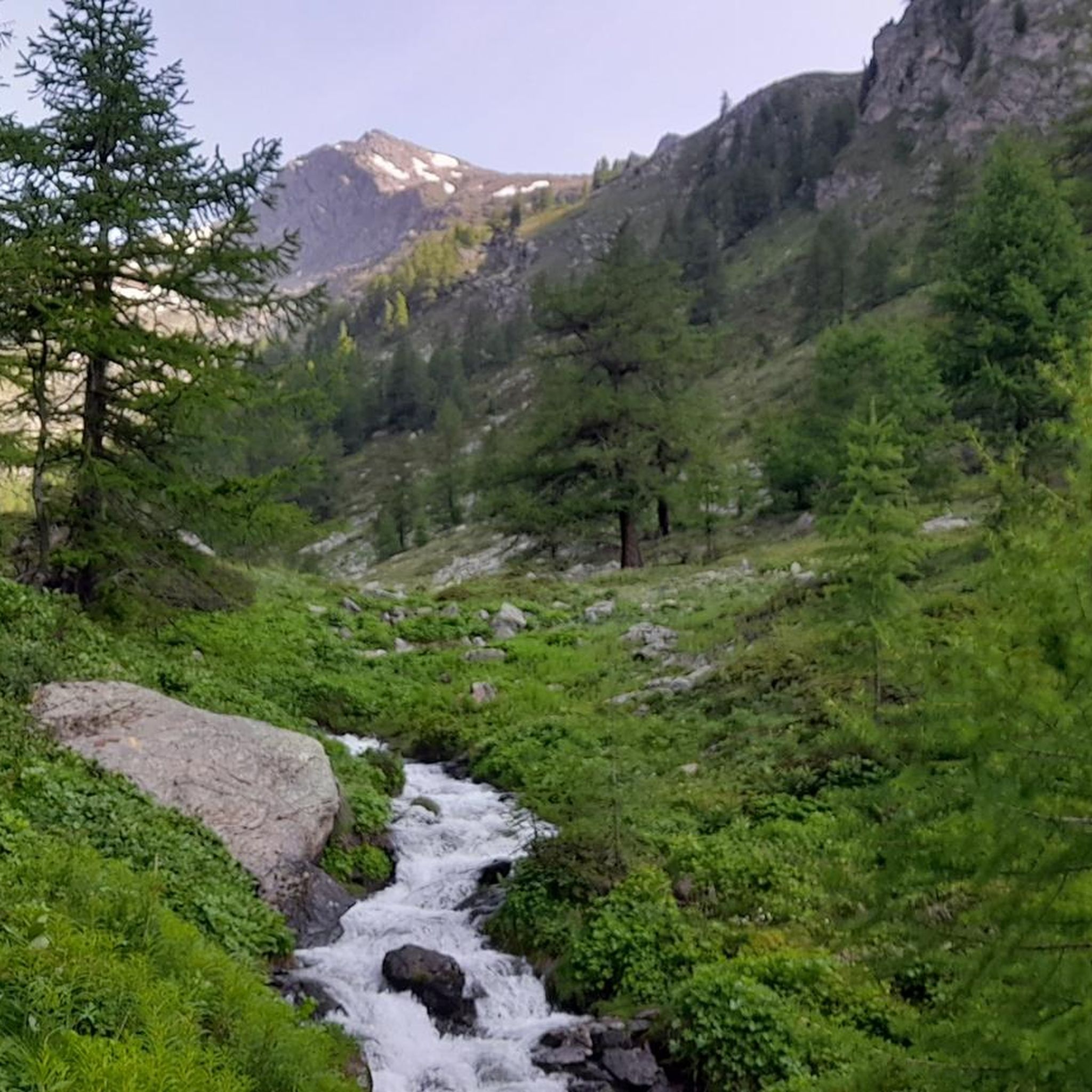
Absolutely. The Fenetre Lakes are a collection of alpine lakes known for their stunning scenery, including a heart-shaped lake and imposing views of the Mont Blanc massif. Another unique water feature is the Gaula Stream, which is notable for its distinct water color, attributed to meltwater from the 'White Waters' basin upstream, especially vibrant in spring and early summer.
What outdoor activities can I do near these natural monuments?
The varied natural terrain around Saint-Oyen is ideal for outdoor activities. You can find numerous opportunities for hiking, mountain biking, and running. For specific routes, you can explore MTB Trails around Saint-Oyen, Running Trails around Saint-Oyen, and Gravel biking around Saint-Oyen, which offer routes of varying difficulty.
What is the best time of year to visit the natural monuments around Saint-Oyen?
The warmer seasons are generally the best time to visit, particularly for hiking and mountain biking, as the pastures and mountain routes are most accessible. During spring and early summer, meltwater contributes to the vibrant color of features like the Gaula Stream. Winter offers opportunities for snow-based activities, but access to some high mountain passes and lakes may be limited by snow.
Are there dog-friendly trails or natural monuments in the area?
While specific dog-friendly designations for each natural monument are not always available, the general alpine environment and numerous hiking trails around Saint-Oyen are often suitable for dogs, provided they are kept on a leash and owners follow local regulations. Always ensure your dog is capable of handling the terrain and altitude.
How long should I plan for a visit to the natural monuments?
The duration of your visit depends on the specific natural monument and activity. Some viewpoints or lake visits can be enjoyed in a few hours, while exploring mountain passes or undertaking longer hiking and biking routes could take a full day or even multiple days. Plan according to the difficulty and distance of your chosen activity.
What are the typical difficulty levels for trails leading to these natural monuments?
The trails leading to the natural monuments around Saint-Oyen vary in difficulty. You can find intermediate trails suitable for most hikers, such as those leading to Fenetre Lakes or Lac de Grand Saint Bernard. More challenging routes exist, like those ascending to Bastillon Pass, which can be very steep. Always check the specific trail details before heading out.
Is public transport available to reach the natural monuments?
Public transport options directly to high-altitude natural monuments can be limited. It's often more practical to reach Saint-Oyen or nearby villages by public transport and then proceed to trailheads by car, local shuttle services (if available seasonally), or by starting your hike directly from the village. Planning ahead for transport is recommended.
What should I wear when visiting the natural monuments?
Given the alpine environment, layering is key. Even in summer, mountain weather can change quickly. We recommend sturdy hiking boots, waterproof and windproof outer layers, and appropriate clothing for varying temperatures. Sun protection (hat, sunglasses, sunscreen) is also essential due to the high altitude.
Most popular routes around Saint-Oyen
Most popular attractions around Saint-Oyen

Get inspired with the komoot mobile app


Explore more
Extend your search for the best caves by checking out these guides of the top ones around Saint-Oyen:
