Top 20 Natural Monuments around Montella
Best natural monuments around Montella are found within the Picentini Mountains Regional Park, an area characterized by abundant water sources and diverse landscapes. This region features numerous springs, rivers, and waterfalls, contributing to its lush greenery and natural beauty. Montella's location provides access to significant mountain peaks and unique geological formations. The area offers a variety of natural attractions for outdoor exploration.
Best natural monuments around Montella
- The most popular natural monuments is Monte Mai Summit, a summit that…
Last updated: June 28, 2026
Casone De Fazio and Acqua Carpegna Spring
Highlight • Rest Area
Translated by Google •
Tip by

Monte Mai Summit
Highlight • Summit
Translated by Google •
Tip by

Sign up now to discover places like this
Get recommendations on the best single tracks, peaks, & plenty of other exciting outdoor places.
Sign up for free
Sanctuary of the Most Holy Savior of Serino
Highlight • Religious Site
Translated by Google •
Tip by
Monte Cervialto
Highlight • Summit
Translated by Google •
Tip by

Dragon Plain
Highlight • Natural Monument
Translated by Google •
Tip by

Sign up for free to discover even more natural monuments around Montella.
Sign up for free
Already have an account?
Start today with a free account
Your next adventure awaits.
Login or Signup
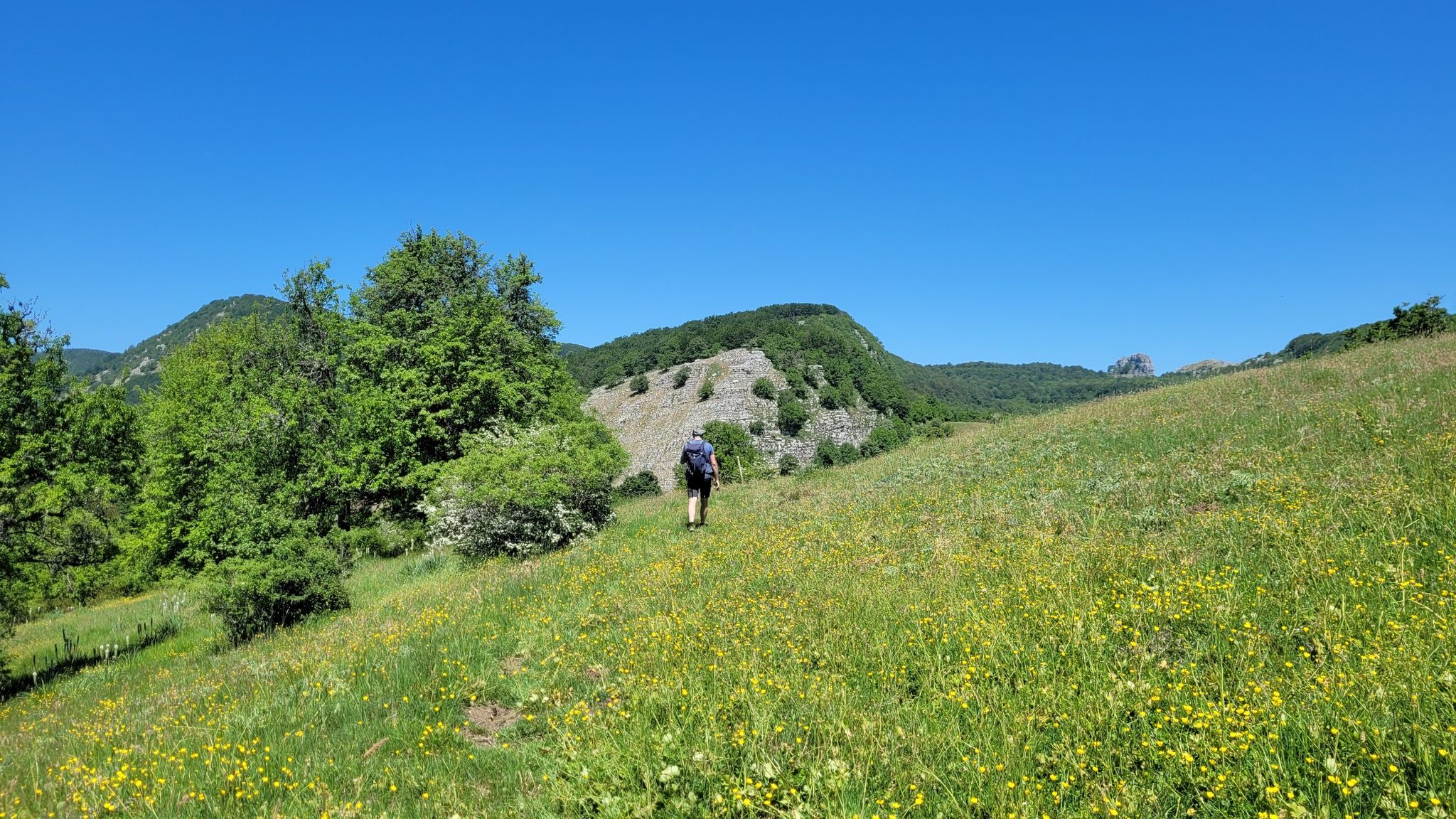
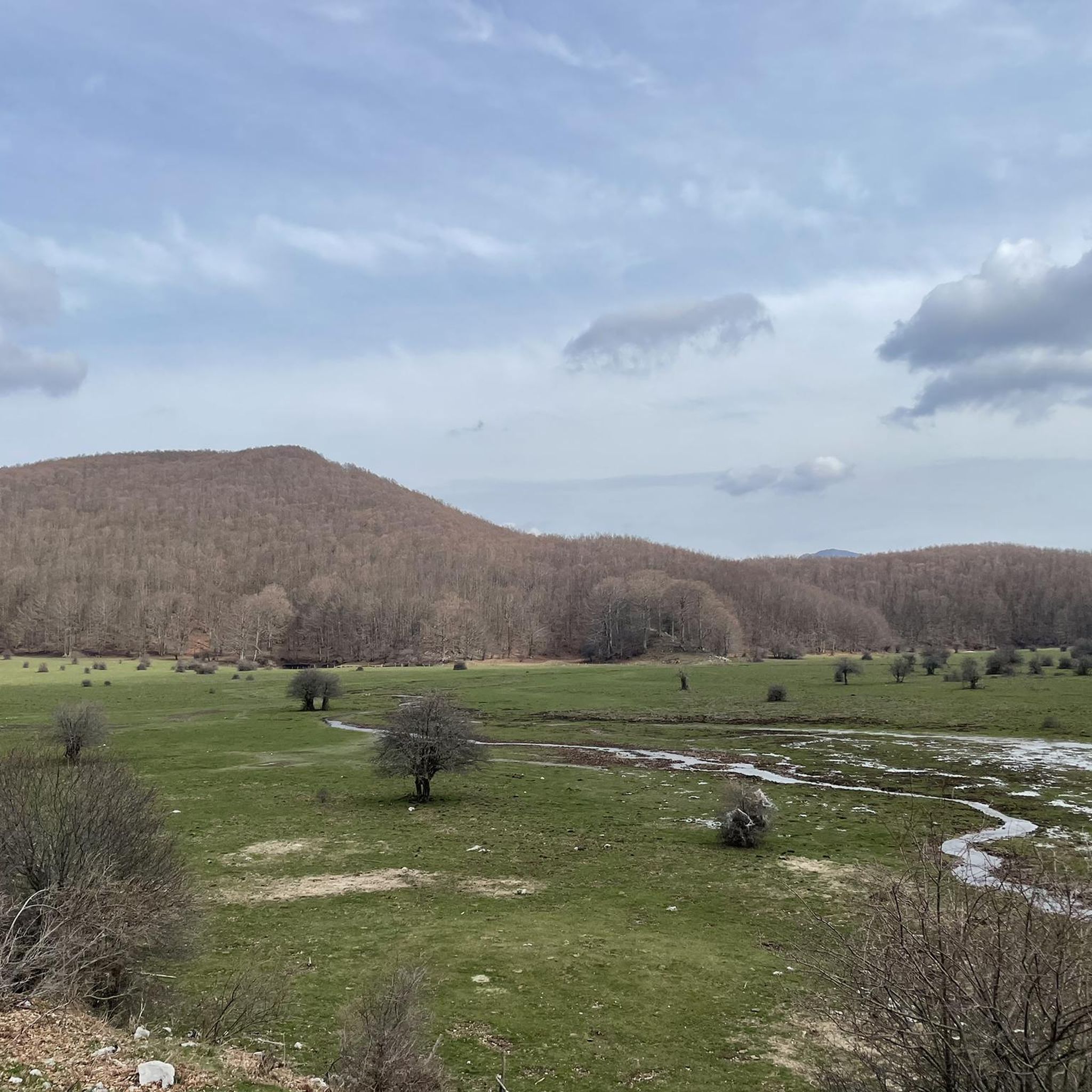
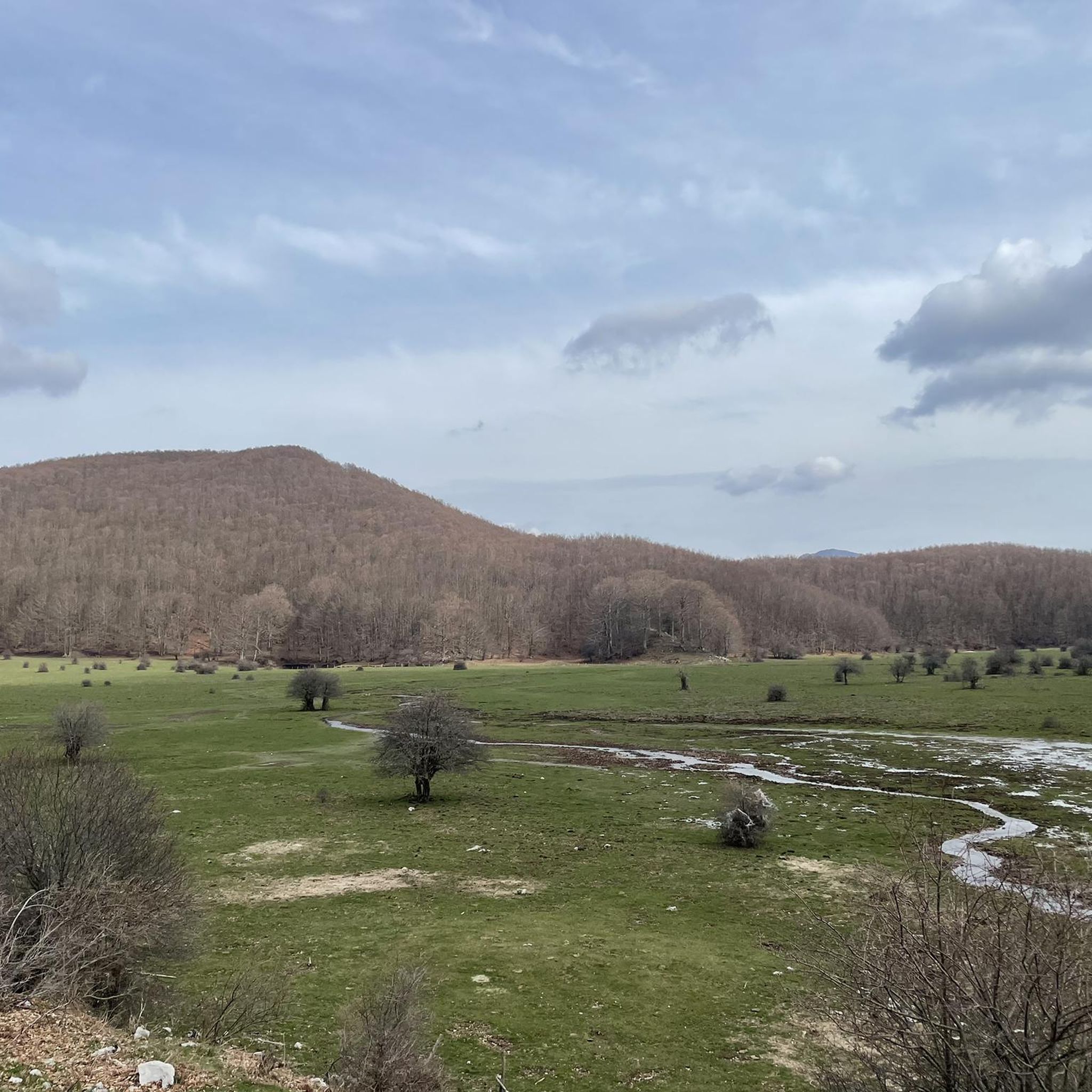
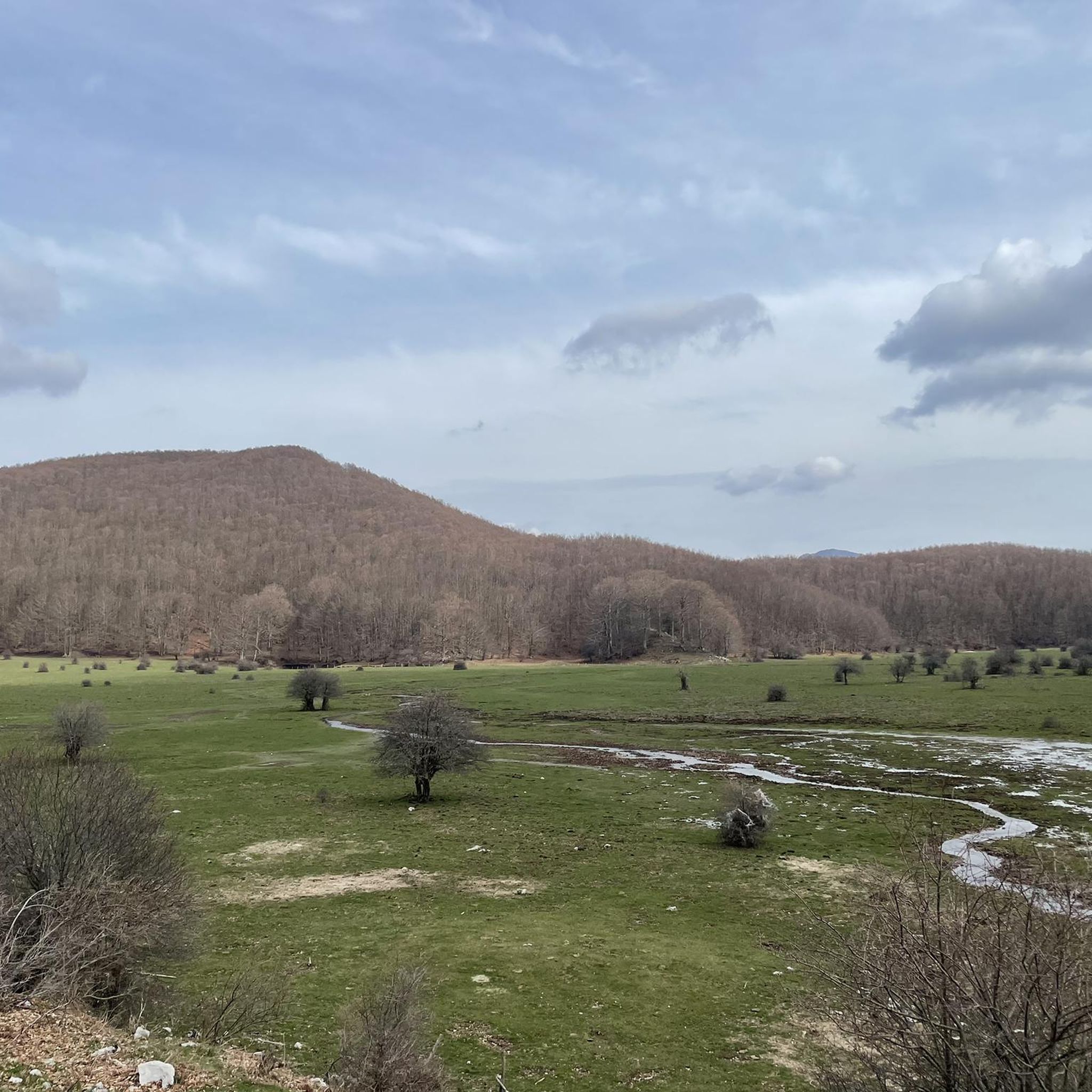
Other adventures around Montella

Tips from the Community

Cervialto represents the highest peak of the Picentini mountains and is the fourth highest peak in Campania after La Gallinola in Matese (1923 meters), Cervati (1899 meters) and Mutria (1823 meters), as well as the largest in the province of Avellino. The mountain extends between the municipalities of Calabritto and Bagnoli Irpino. The summit is the border point between the two municipalities. The characteristic summit sinkhole between the summit and the sub-peak falls within the municipality of Bagnoli Irpino (IGM 1:25,000). Cervialto is known above all thanks to its proximity to the Laceno plateau (Laceno lake), a well-known tourist destination, from which it is 3.6 km away. Cervialto is surrounded by Mount Rajamagra (1,667 m) where there are ski lifts, by Mount Cervarolo, by Mount Piscacca or Magnone, by Montagnone di Nusco, by Cervarulo, by Calvello and, on the Salernitano side, by the Polveracchio massif. The Colle del Leone, the Ripe del Moggio, the Montagna Grande and the Colle del Sagrestano form the backdrop to the series of "high mountains". On one of the peaks, there is the radio station of the Firefighters of the Lioni section. ... https://it.wikipedia.org/wiki/Monte_Cervialto
1
0

Classic car landing for hikers who don't feel like walking too much :)
0
0

Spring water fountain, here you can stock up before heading towards the Sanctuary of San Michela
0
0

Monte Cervialto with its 1809 m above sea level is the highest peak in the Picentini area. From the summit you can enjoy a spectacular panorama from the Tyrrhenian Sea to the peaks of the Lattari Mountains, from the Amalfi Coast to the Alburni Mountains, from the top of Monte Cervati in Cilento to the other peaks of the Picentini.
5
0

From here, take the CAI 115 path to reach Pizzo San Michele. There is a fairly bumpy paved road that allows you to reach the place, with an open space for parking
0
0
https://it.wikipedia.org/wiki/Monte_Mai from https://www.ulyxes.it/monte-mai-ee: The name of the Monti Mai certainly derives from the Latin word "maior", large. Some ancient papers and the same reports of Giustino Fortunato, illustrious explorer of the Picentini, also report the diction Maj. Main ridge of the homonymous mountain group, elongated in the ESE-WNW direction, the peak is located at the convergence of three ridges, impervious and interrupted by gaps, rocky crags and secondary peaks. The Monti Mai belong to the westernmost subgroup of the Monti Picentini, one of the largest mountain groups in southern Italy and part of the homonymous regional park. They are characterized by Mesozoic carbonate platform rocks and to a lesser extent by Triassic dolomites and marls. The vegetation that covers the Monti Mai is mainly represented by beech trees that cover the upper part, over 800 m, and chestnut trees on the slopes. The fauna, very rich, like that of all the Picentini Mountains, consists of large mammals, such as the wolf, the fox, the badger, the wild boar; birds of prey such as the peregrine falcon, the buzzard, the sparrowhawk, the goshawk; the black woodpecker, long-eared owl, dipper, kingfisher; amphibians such as the Apennine frog, the European green toad, the spectacled salamander, the fire salamander.
3
0

Summit of Monte Mai, where you can admire a breathtaking view that ranges from the Gulf of Salerno to Vesuvius, with an overview of the highest peaks of the Picentini Mountains.
3
0
Pizzo San Michele, on the Salerno side, can be reached by starting from Calvanico village or by reaching the locality of "Acqua Carpegna" near Casone De Fazio by car. Here there is ample space to park cars.
7
0
Frequently Asked Questions
What are some of the most popular natural monuments to visit around Montella?
Among the most popular natural monuments, visitors frequently explore Monte Mai Summit, which offers breathtaking panoramic views. Another highly regarded spot is Casone De Fazio and Acqua Carpegna Spring, known for its fresh spring water and as a starting point for trails. The Sanctuary of the Most Holy Savior of Serino, a unique cave sanctuary, also attracts many visitors.
Are there any natural monuments suitable for families with children?
Yes, Casone De Fazio and Acqua Carpegna Spring is considered family-friendly. This area provides access to fresh spring water and has ample space for parking, making it a convenient starting point for easier explorations. The Biopark and Montella Falls area is also described as ideal for nature lovers seeking a tranquil experience with beautiful water features and an organized picnic area.
What kind of natural features can I expect to see in Montella's natural monuments?
Montella, situated within the Picentini Mountains Regional Park, is rich in diverse natural features. You can expect to see numerous springs and rivers, picturesque waterfalls like the Cascata della Madonnella, and significant mountain peaks such as Monte Mai Summit. The region also features unique geological formations like the karst sinkhole at Dragon Plain and various caves, including the challenging Grotta dei Candraloni.
Are there any historical or cultural sites integrated into the natural monuments?
Yes, the Sanctuary of the Most Holy Savior of Serino is a notable example. This ancient sanctuary is entirely dug into the rock on the slopes of Mount Terminio, offering a unique blend of natural setting and historical significance. Near Casone De Fazio, you can also find remnants of an ancient *calcara* (lime kiln), providing a glimpse into past local industries.
What are the best viewpoints to experience the natural beauty of Montella?
For expansive natural vistas, Monte Mai Summit is highly recommended. From its 1,607-meter altitude, you can see the Gulf of Salerno, Mount Vesuvius, and other Picentini peaks. Pizzo San Michele Summit also offers spectacular views of Campania, particularly at sunset.
What outdoor activities can I do near Montella's natural monuments?
The area around Montella offers various outdoor activities. You can explore numerous hiking trails, including challenging routes that lead to summits and caves. There are also dedicated routes for running and cycling. For more information on specific routes, you can check the Running Trails around Montella, Cycling around Montella, and Road Cycling Routes around Montella guides.
Are there challenging trails for experienced hikers among the natural monuments?
Yes, several natural monuments offer challenging trails. The path to the Sanctuary of the Most Holy Savior of Serino is described as very scenic and challenging due to its slopes and terrain. Similarly, exploring the Grotta dei Candraloni requires suitable equipment and good knowledge of the area, making it suitable for experienced adventurers.
What is the best time to visit the natural monuments around Montella?
Montella's natural areas, characterized by lush greenery and abundant water sources, are generally pleasant to visit during spring and autumn when the weather is mild. Summer offers warmer temperatures suitable for water-related activities, while the panoramic views from summits like Monte Mai Summit can be enjoyed on clear days year-round.
Is there parking available near the natural monuments?
Yes, for some natural monuments, parking is available. For instance, near Casone De Fazio and Acqua Carpegna Spring, there is ample space to park cars, making it a convenient access point for trails leading to Pizzo San Michele.
What unique geological formations can be found in Montella's natural monuments?
The region is known for its karst topography. A prime example is the Dragon Plain, which features a significant karst sinkhole known as the "Bocca del Dragone." Additionally, the numerous caves, such as the Grotta dei Candraloni, showcase intricate karst channels, stalactites, and stalagmites.
Can I find waterfalls among the natural monuments in Montella?
Yes, Montella is renowned for its picturesque waterfalls. The Biopark and Montella Falls area is a beautiful naturalistic spot featuring stunning waterfalls. The Cascata della Madonnella is another significant and highly recommended waterfall in the region.
What makes the Montella region unique in terms of its natural environment?
Montella is often described as a "land of green, chestnuts, and water." Its location within the Picentini Mountains Regional Park means it benefits from rich water sources, making it one of Italy's largest water reserves. This abundance of water has shaped a landscape characterized by lush greenery, numerous springs, rivers, and waterfalls, contributing to its exceptional natural beauty.
Most popular attractions around Montella

Get inspired with the komoot mobile app


Explore more
Extend your search for the best caves by checking out these guides of the top ones around Montella:
