Top 4 Natural Monuments around Rocca Grimalda
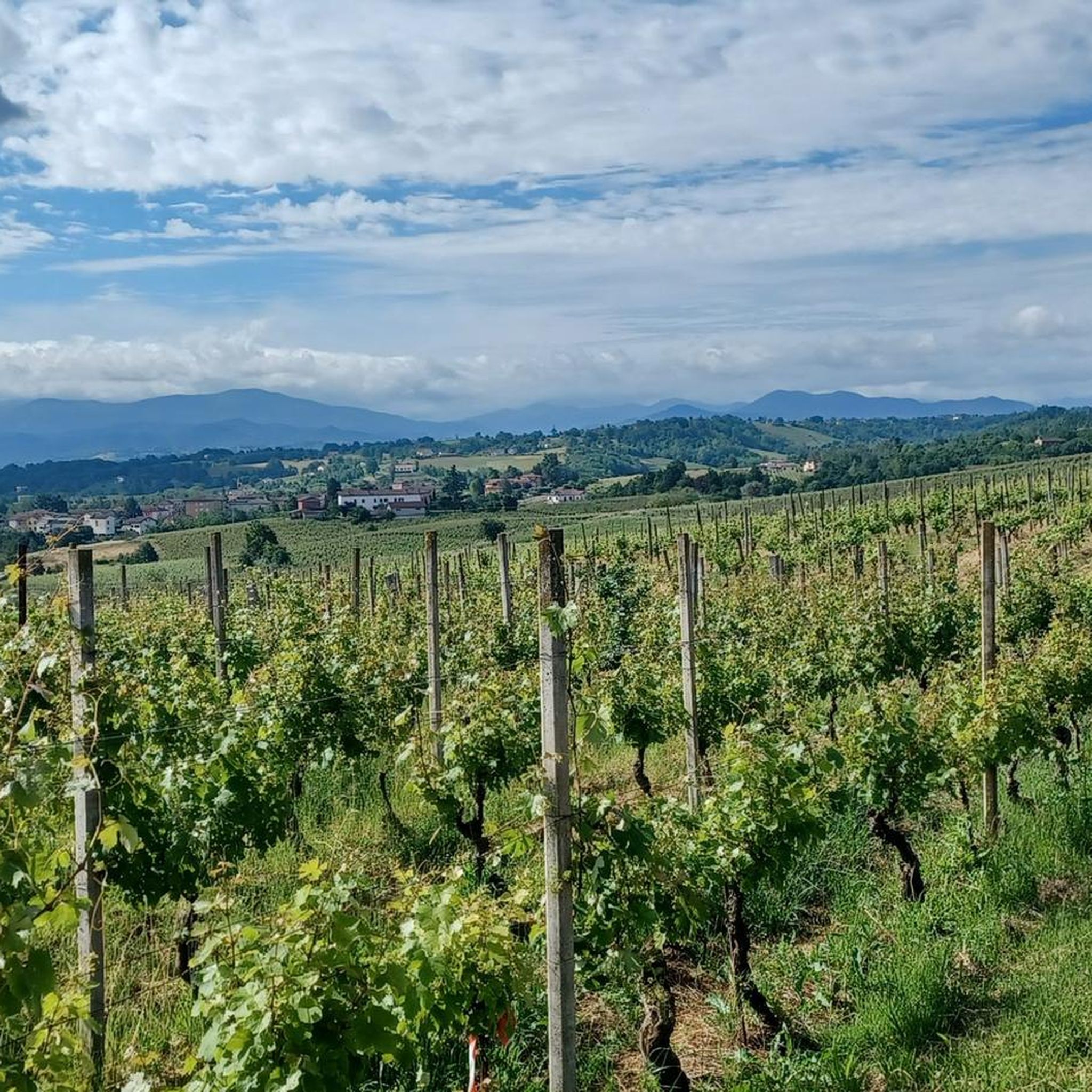
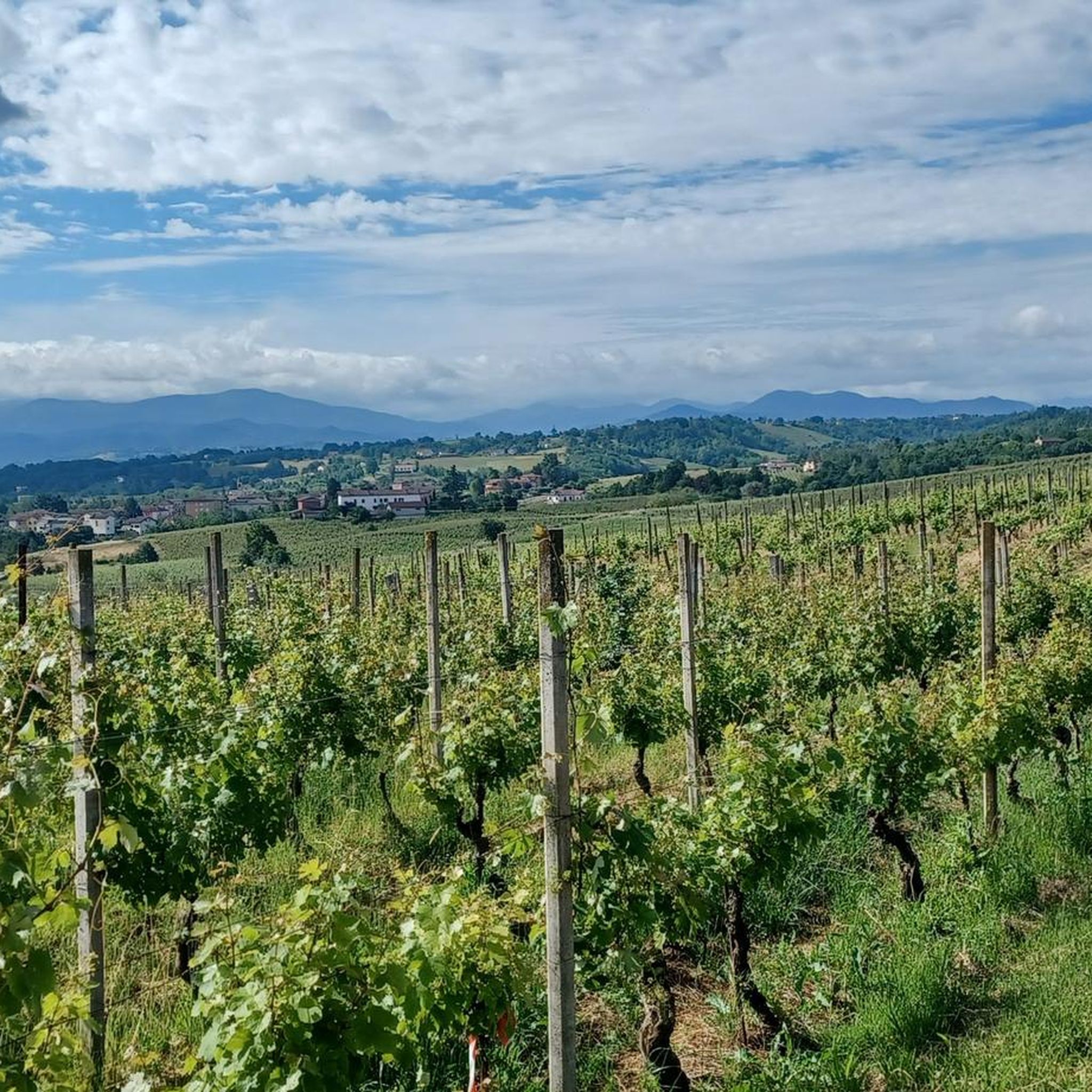
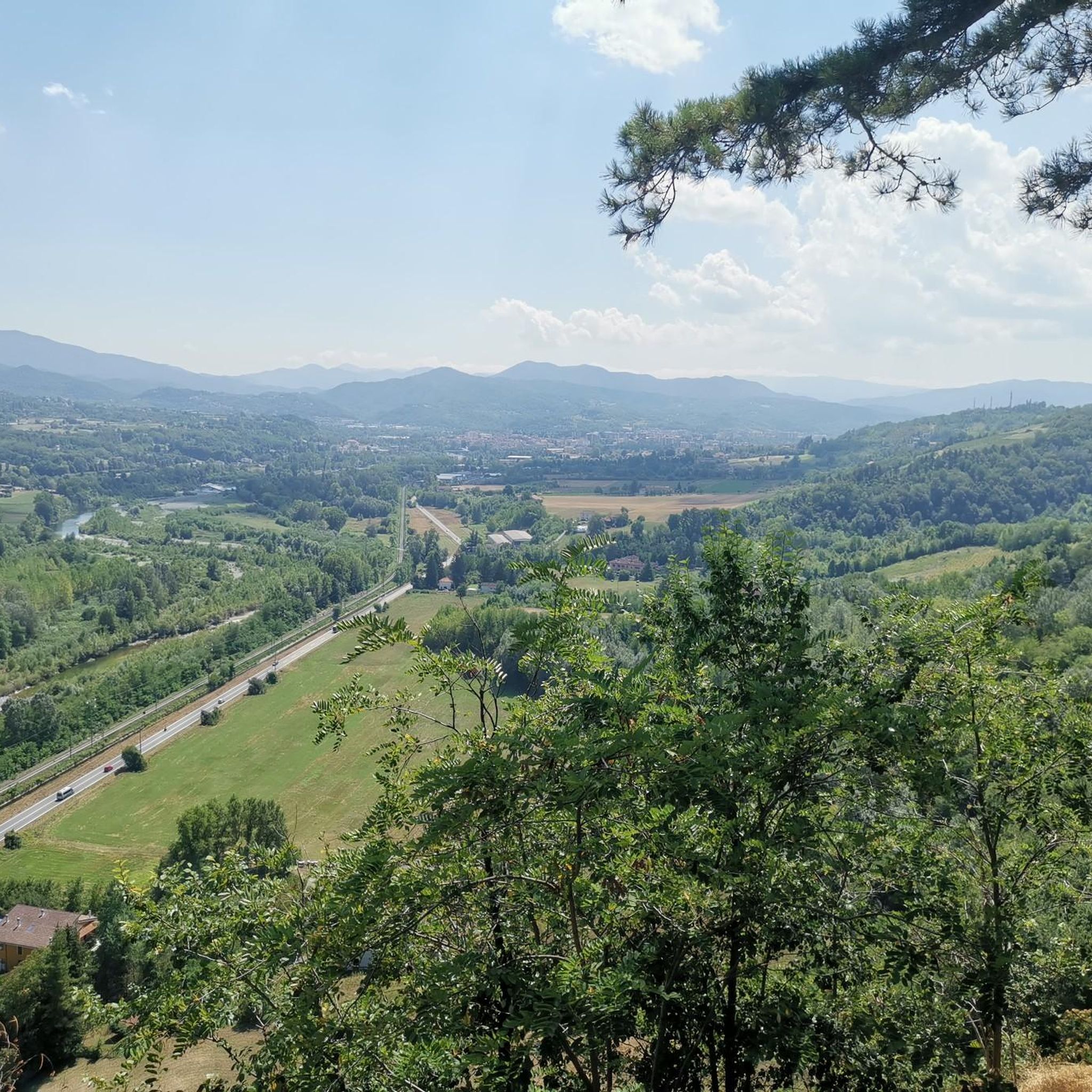
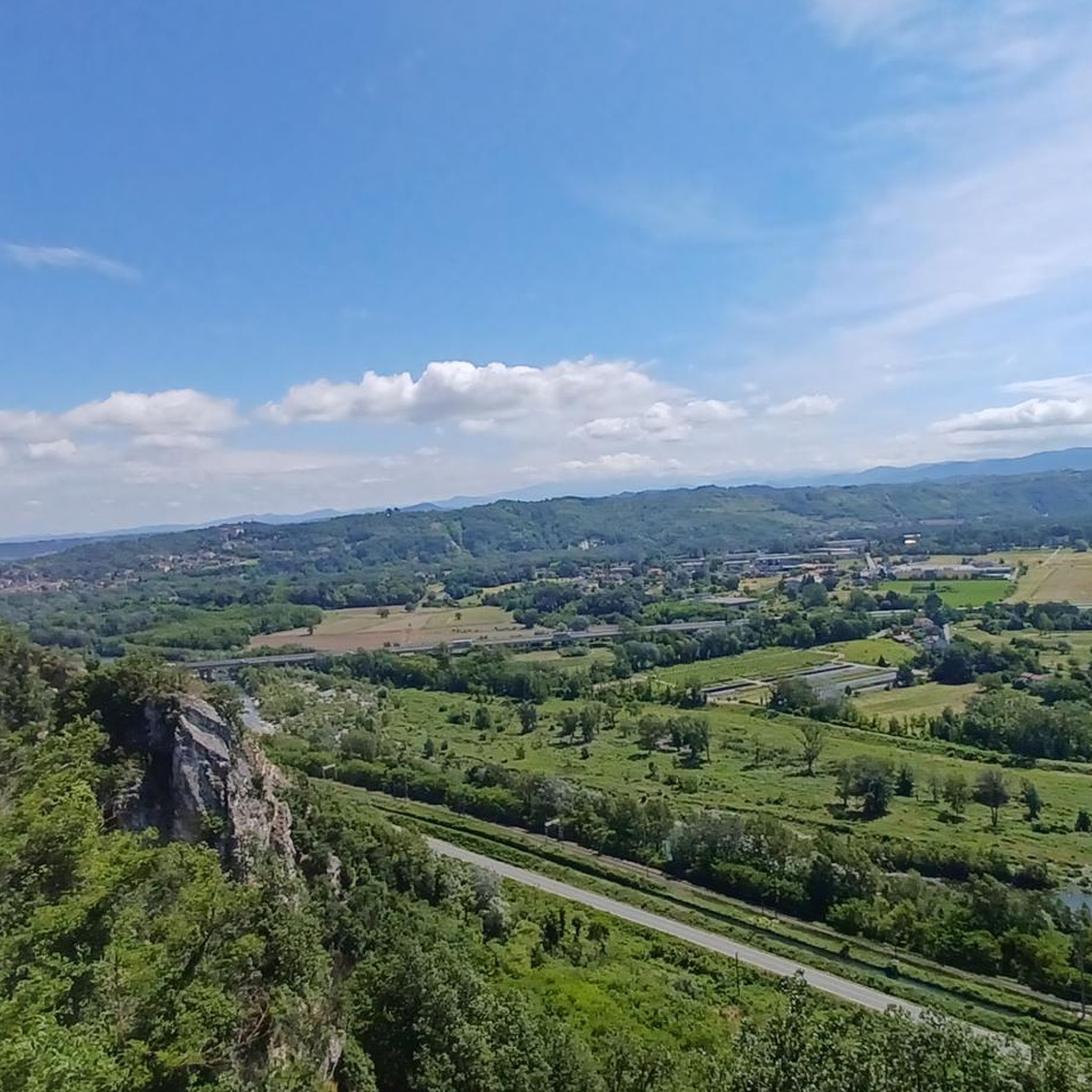
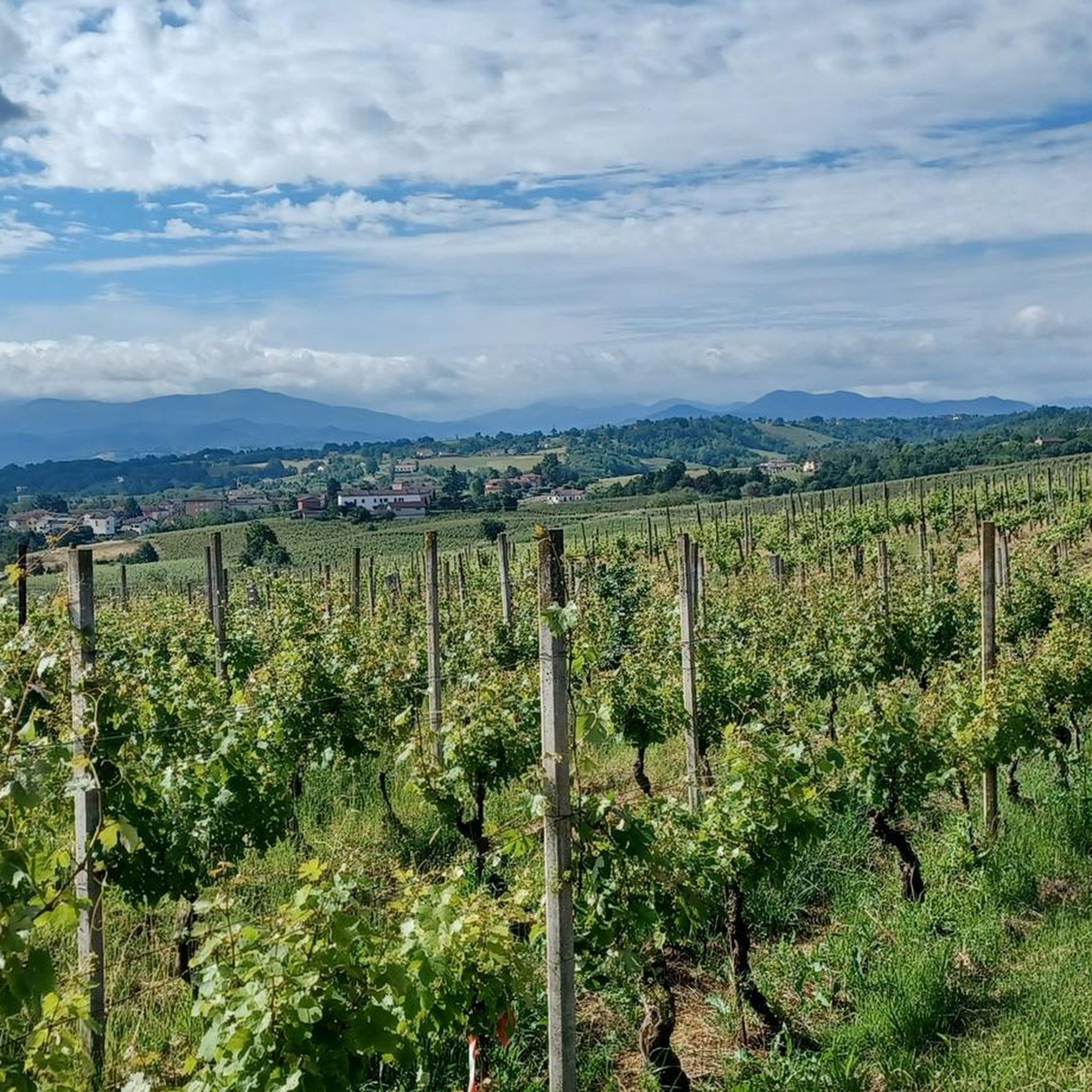
Best natural monuments around Rocca Grimalda are primarily found within its scenic landscape, characterized by the Orba Valley and surrounding vineyard-covered hills in the Alto Monferrato region of Piedmont, Italy. The village itself, perched on a rocky spur, offers expansive views of this cultivated natural environment. While specific geological formations are less common, the area features significant natural beauty and unique natural elements. Visitors can explore various natural monuments, including ancient trees and mineral springs, that contribute to the region's…
Last updated: July 12, 2026
Fausto Coppi Fountain
Highlight • Monument
Translated by Google •
Tip by

Walnut of Saint John
Highlight • Natural Monument
Translated by Google •
Tip by

Sign up now to discover places like this
Get recommendations on the best single tracks, peaks, & plenty of other exciting outdoor places.
Sign up for free
Fonte Feja
Highlight • Natural Monument
Translated by Google •
Tip by
S. Rocco Spring 1 (Sulphur)
Highlight • Natural Monument
Translated by Google •
Tip by
The Monumental Green Oak
Highlight • Natural Monument

Start today with a free account
Your next adventure awaits.
Login or Signup

Tips from the Community

a great excuse to take a break before the climb
0
0


Sulfur source: one of the oldest mineral springs in Castelletto, the jet is currently modest and discontinuous, with barely visible sulphurous characteristics.
1
0

The Turchino road has excellent asphalt. It is possible to find some traffic but it is not dangerous.
20
0
Frequently Asked Questions
What are some unique natural monuments to visit around Rocca Grimalda?
The area around Rocca Grimalda offers several interesting natural monuments. You can visit the ancient Walnut of Saint John, known for its historical folklore. Another notable site is The Monumental Green Oak, an impressive ancient tree. For those interested in natural springs, Fonte Feja offers excellent mineral water, and the S. Rocco Spring 1 (Sulphur) provides a unique sulphurous experience.
Are there family-friendly natural attractions in the Rocca Grimalda area?
Yes, several natural monuments are suitable for families. The Walnut of Saint John and The Monumental Green Oak are both considered family-friendly, offering easy access and interesting natural sights. The Fausto Coppi Fountain is also a pleasant stop for all ages.
Can I find any natural springs or water sources near Rocca Grimalda?
Absolutely. The region is home to natural springs. You can visit Fonte Feja, which was reopened in July 2023 and is known for its excellent mineral water. Additionally, the S. Rocco Spring 1 (Sulphur) offers a unique sulphurous water source, one of the oldest in Castelletto d'Orba.
What kind of trees or forests can I explore as natural monuments?
The most prominent arboreal natural monument is The Monumental Green Oak, located in Tassarolo. This ancient tree stands as a significant natural landmark. Beyond individual trees, the broader Alto Monferrato region features extensive vineyard-covered hills and pockets of forest, offering picturesque natural settings for exploration.
Are there opportunities for cycling or gravel biking near these natural monuments?
Yes, the area around Rocca Grimalda is excellent for cycling. You can find numerous routes for gravel biking and traffic-free bike rides. For gravel biking adventures, explore options in the Gravel biking around Rocca Grimalda guide. If you prefer traffic-free routes, check out the Traffic-free bike rides around Rocca Grimalda guide for road cycling or the Traffic-free bike rides around Rocca Grimalda guide for touring bicycles.
What is the best time of year to visit the natural monuments around Rocca Grimalda?
The Alto Monferrato region, including Rocca Grimalda, is beautiful throughout the year, with each season offering a different charm. Spring and autumn are particularly pleasant for exploring natural sites, as the weather is mild and the landscapes are vibrant with blooming flowers or rich autumnal colors. Summer can be warm but is ideal for enjoying the lush greenery, while winter offers a serene, often misty, atmosphere.
Are the natural monuments around Rocca Grimalda generally accessible?
Many of the natural monuments, such as the Walnut of Saint John and The Monumental Green Oak, are generally accessible, often located near roads or with short, easy paths. However, accessibility can vary, especially for natural springs like S. Rocco Spring 1, which might require navigating slightly more rugged terrain. It's always advisable to check specific location details if you have particular accessibility needs.
Can I bring my dog to the natural monuments and trails in the area?
Generally, the natural outdoor spaces and trails around Rocca Grimalda are dog-friendly, allowing you to enjoy them with your canine companion. However, it's always best to keep dogs on a leash, especially near agricultural areas or other visitors, and to clean up after them. Specific rules might apply in designated nature reserves or private properties, so look out for signage.
What makes the Walnut of Saint John a special natural monument?
The Walnut of Saint John is special not only for its age but also for the local folklore surrounding it. It is said to have bloomed precisely on June 24th, the feast day of Saint John, for centuries. Legend also has it that witches met under its branches for their sabbaths in the Middle Ages, adding a mystical aura to this ancient tree.
Where can I find panoramic views of the region's natural landscape?
Rocca Grimalda itself, perched on a rocky spur, offers expansive views of the Orba Valley and the surrounding vineyard-covered hills. For a particularly popular vantage point, consider visiting the Giant Blue Bench Cascina del Termo, located at 537 meters above sea level. It provides incredible panoramic views over the territories of the Beigua Regional Natural Park, rewarding visitors with breathtaking scenery.
Are there any historical or cultural elements associated with the natural sites?
Yes, the region beautifully intertwines natural beauty with history and culture. The Fausto Coppi Fountain, for instance, is a natural water source with a connection to the legendary cyclist Fausto Coppi, who reportedly drank there. The Walnut of Saint John is steeped in local legends of witches and ancient traditions, making it a site of both natural and cultural interest.
What should I bring when visiting the natural monuments around Rocca Grimalda?
When exploring the natural monuments, it's advisable to wear comfortable walking shoes, especially if you plan to venture off paved paths. Depending on the season, bring layers of clothing, sun protection (hat, sunscreen), and plenty of water. A camera is highly recommended to capture the scenic views, and if you're visiting springs, a reusable bottle to fill up on fresh water might be useful.
Most popular routes around Rocca Grimalda
Most popular attractions around Rocca Grimalda

Get inspired with the komoot mobile app


Explore more
Extend your search for the best caves by checking out these guides of the top ones around Rocca Grimalda:
