Top 20 Natural Monuments around Tiglieto
Best natural monuments around Tiglieto are found within the Ligurian Apennines, primarily within the Beigua Regional Natural Park. This area is characterized by dense forests, diverse landscapes, and significant geological features, offering a "rocky balcony overlooking the sea." The region provides an authentic nature experience through numerous trails that lead to various natural attractions.
Best natural monuments around Tiglieto
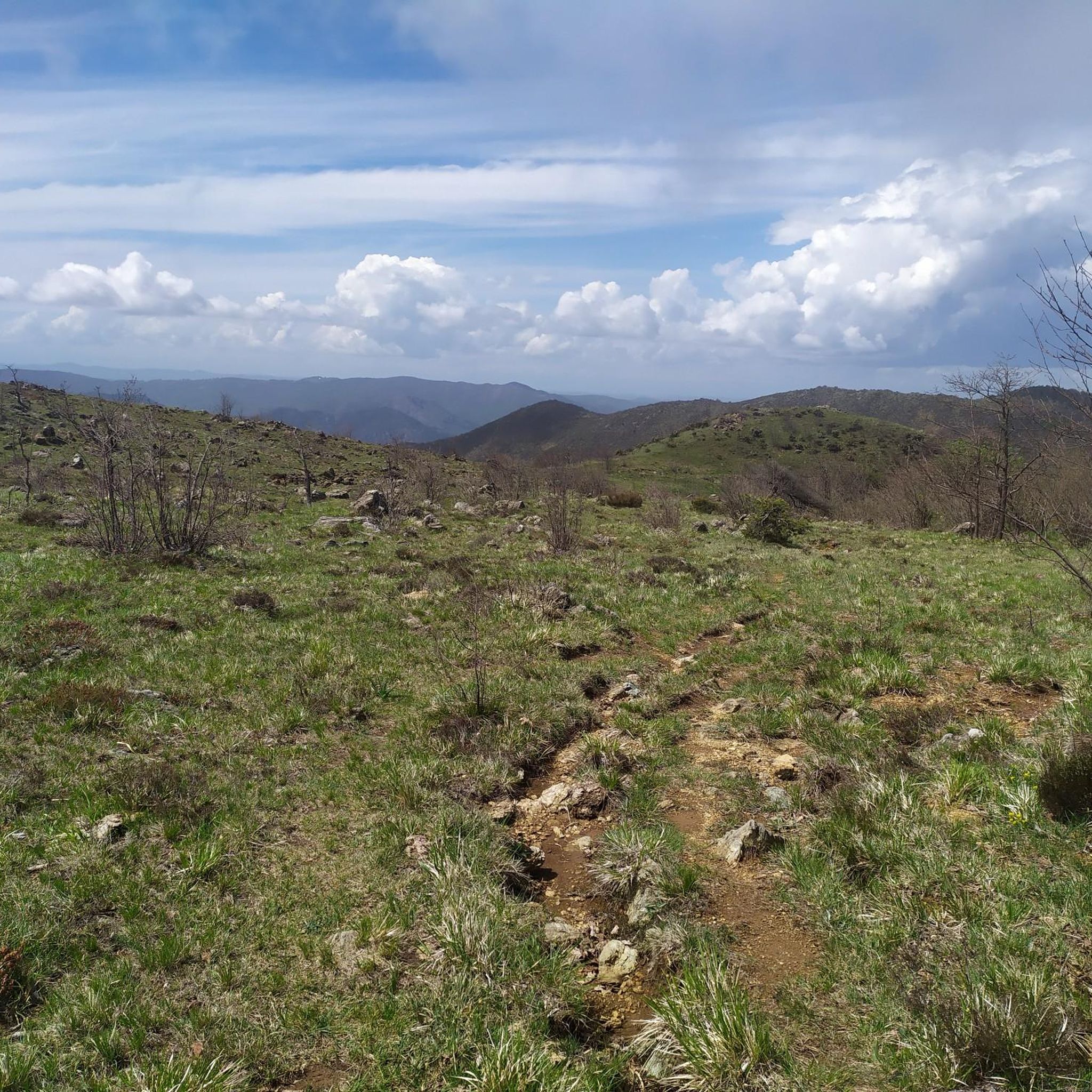
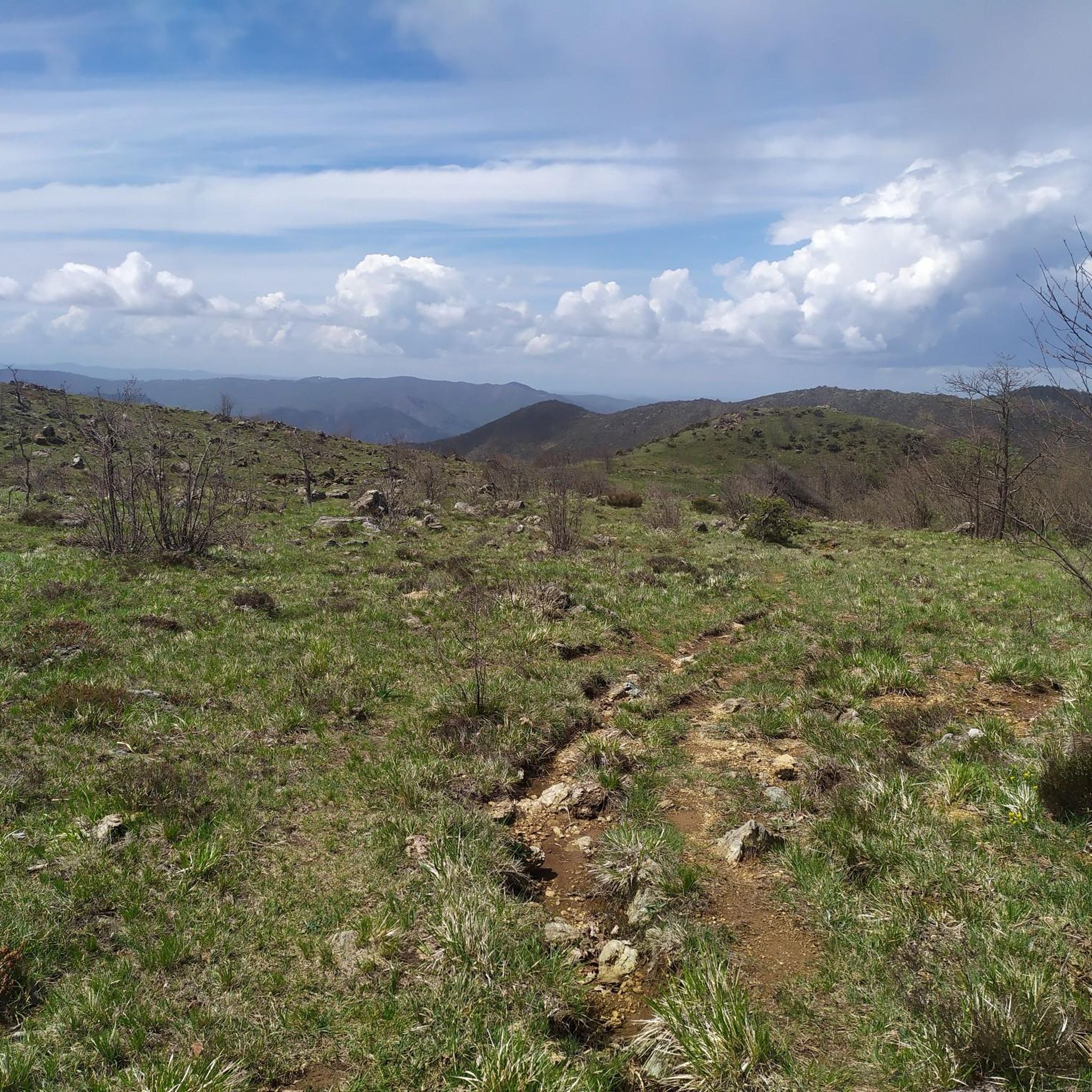
- The most popular natural monuments is Monte Reixa, a summit that is covered with meadows and flowers. It offers a…
Last updated: July 12, 2026
Monte Reixa
Highlight • Summit
Due to the characteristics of the …
Translated by Google •
Tip by

Rocca Vaccaria
Highlight • Summit
Translated by Google •
Tip by

Sign up now to discover places like this
Get recommendations on the best single tracks, peaks, & plenty of other exciting outdoor places.
Sign up for free
Monte Beigua
Highlight • Summit
Translated by Google •
Tip by

Medieval Bridge and Monumental Oak Tree, Tiglieto
Highlight • Bridge
Translated by Google •
Tip by

Negrone Bridge
Highlight • Bridge
Translated by Google •
Tip by
Sign up for free to discover even more natural monuments around Tiglieto.
Sign up for free
Already have an account?
Start today with a free account
Your next adventure awaits.
Login or Signup
Tips from the Community

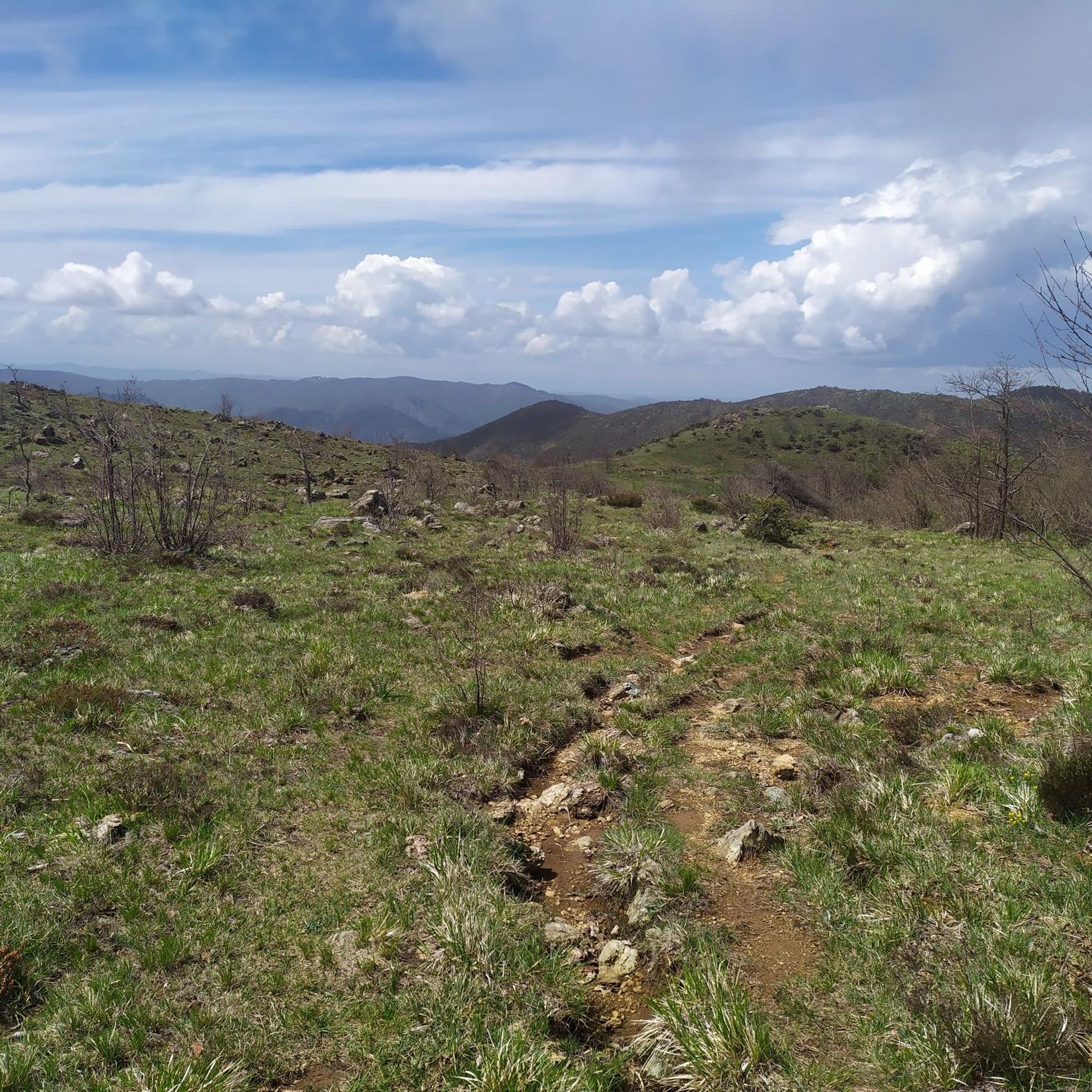
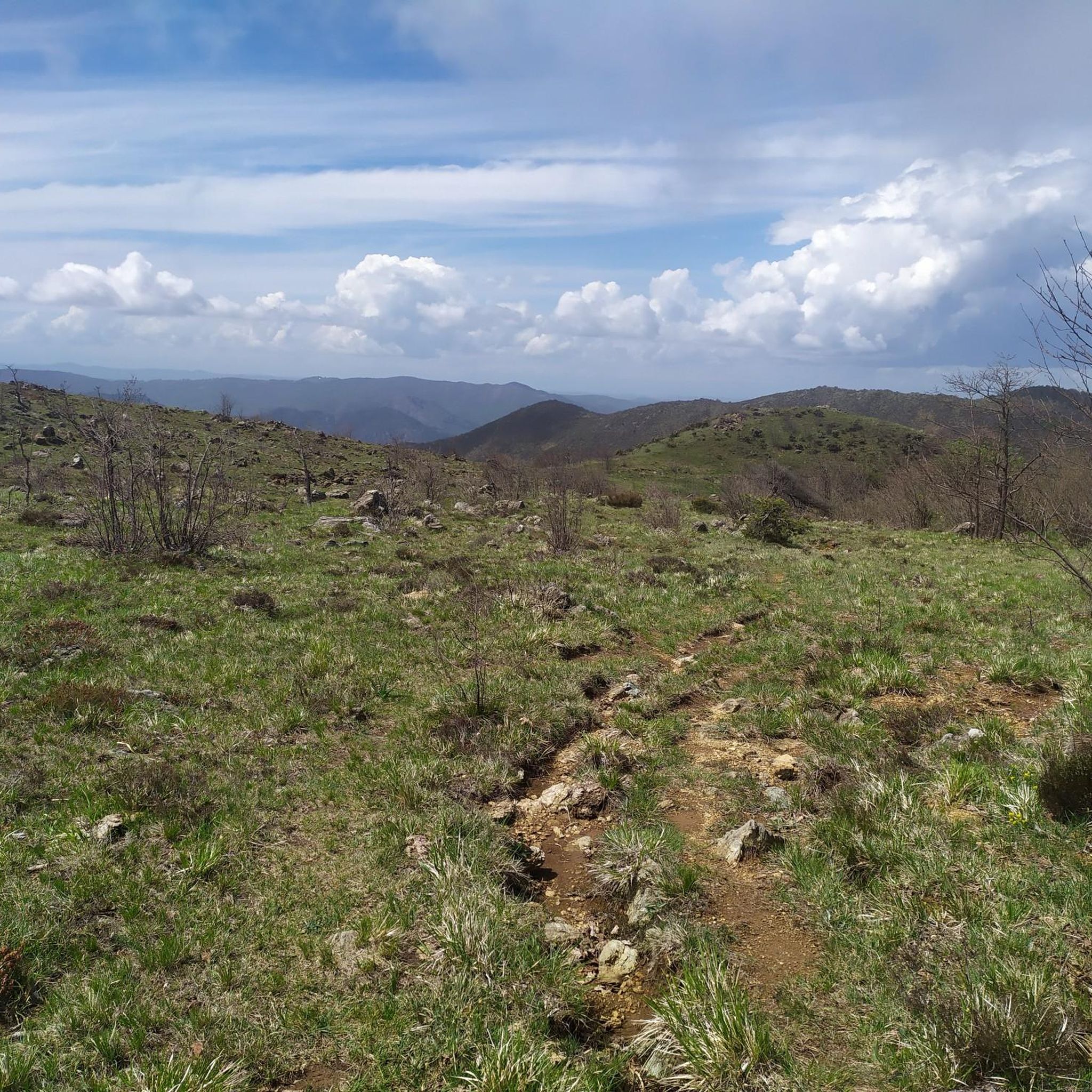
Mount Beigua is a mountain range in the Ligurian Apennines, 1,287 meters above sea level, located on the Ligurian-Po watershed. It is the highest peak of the so-called "Beigua group," which includes nearby Mount Grosso, Mount Ermetta, and Bric Veciri.
11
0

The weather is not the best but the place is very beautiful
0
0
Despite the bad weather the place had a special charm
0
0


Popular legends linked to its origin and age gather around the Rovere di Tiglieto. In fact, it was said that it had been planted by Napoleon's troops during the Italian Campaign. Other sources report that a horseshoe bearing the symbol "N", the imperial monogram, was nailed to the trunk of the plant. It is said that a Dragoon of the French army, passing through the area and forced to change his horse's shoes, wanted to leave a sign of his passage. Some old people in the town say that as children they saw iron sticking out of the trunk. Today, on the surface of the trunk, there is no longer any trace of it, perhaps completely incorporated into the bark.
0
0
Mount Beigua (Munte Beigua or Mount Beigoa in Ligurian) is a mountainous relief in the Ligurian Apennines, 1287 m high above sea level, which rises on the Ligurian-Po Valley watershed. It is the highest peak of the so-called "Beigua group", which includes the nearby Monte Grosso (1265 m), Monte Ermetta (1267 m), Bric Veciri (1264 m), Monte Avzè (1022 m).
1
0

Fantastic view and satisfaction of getting there
1
0

Hi Emiliano but where do you get there?? From Rifugio Argentea to Cogoleto or Arenzano what is the best route for bikes?? The one marked black 4 that starts from the refuge is decidedly portage and not at all smooth. Can you let me know something Thanks!
0
0
Frequently Asked Questions
What are some notable natural monuments around Tiglieto?
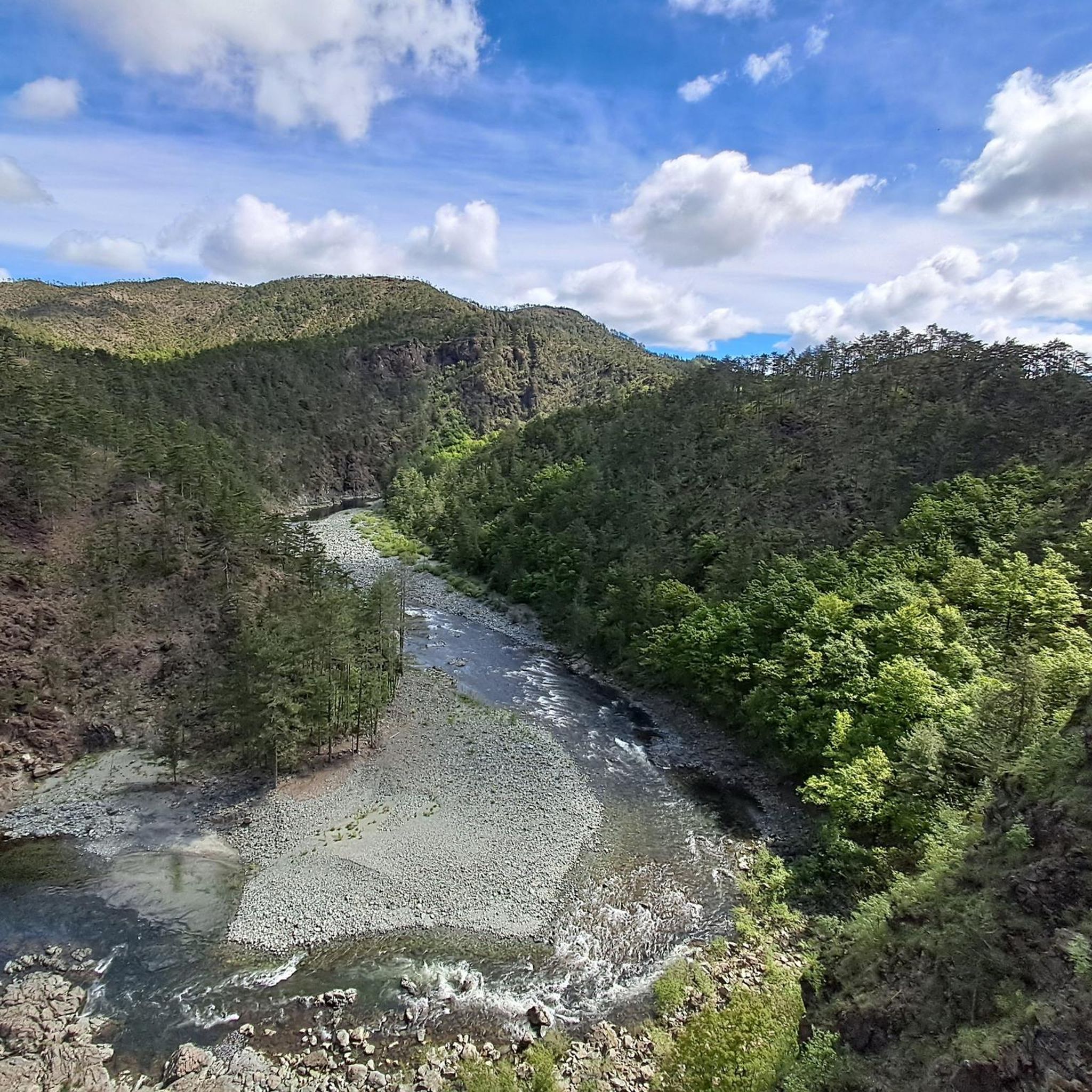
The region around Tiglieto, particularly within the Beigua Regional Natural Park, is rich in natural monuments. Highlights include the summit of Monte Reixa, known for its panoramic views, and the historic Medieval Bridge and Monumental Oak Tree, which has local legends tied to Napoleon. Another significant site is the Negrone Bridge, an ancient structure crossing a deep rocky gorge.
Which natural monuments offer the best panoramic views?
For breathtaking vistas, Monte Reixa is highly recommended. Its summit, covered with meadows and flowers, offers expansive views of the Sassello area and the sea. Similarly, Monte Beigua provides a beautiful outlook over the Ligurian Gulf, the Apennines, and on clear days, even the Piedmontese Alps and Corsica.
Are there family-friendly natural monuments or trails in the Tiglieto area?
Yes, the area offers options suitable for families. The Medieval Bridge and Monumental Oak Tree, Tiglieto is considered family-friendly and offers a suggestive itinerary between woods and the Orba stream. While some summits like Monte Beigua can be challenging, there are often easier access routes or shorter walks available within the Beigua Regional Natural Park that are suitable for families.
What kind of natural features can I expect to see around Tiglieto?
The Tiglieto region, largely within the UNESCO Global Geopark of Beigua, boasts diverse natural features. You'll find dense forests with various tree species like chestnut, oak, and maple, significant geological formations, and river gorges. The area is also known for its summits, offering a 'rocky balcony overlooking the sea,' and refreshing river swimming spots along the Orba River.
What outdoor activities can I do near these natural monuments?
The natural monuments around Tiglieto are excellent starting points for various outdoor activities. You can explore numerous hiking trails, including those that lead to summits like Monte Reixa or through ancient Cistercian monastery trails. For cycling enthusiasts, there are several road cycling routes, such as the 'Orba River view – Mulino di Olbicella loop,' and gravel biking options. Running trails are also available, including the 'Monte Argentea and Cima del Pozzo Loop.' You can find more details on these activities in the Road Cycling Routes around Tiglieto, Running Trails around Tiglieto, and Gravel biking around Tiglieto guides.
Are there historical or cultural sites associated with the natural monuments?
Yes, several natural monuments in the area have historical significance. The Medieval Bridge and Monumental Oak Tree, Tiglieto is steeped in local legends, with some claiming Napoleon Bonaparte passed by and left a mark on the oak. The Negrone Bridge is an ancient structure built on two floors, with the lower level originally designed to convey water, similar to Roman aqueducts, highlighting its historical engineering. The Beigua Regional Natural Park itself also contains ancient Cistercian monastery trails.
When is the best time to visit the natural monuments around Tiglieto?
The Ligurian Apennines offer a rich natural experience throughout much of the year. Spring and autumn are generally ideal for hiking and exploring, with pleasant temperatures and vibrant foliage or blooming flowers. Warmer months are perfect for enjoying the refreshing river swimming spots along the Orba River. Even in less-than-ideal weather conditions, places like Monte Reixa are noted for their beauty, suggesting year-round appeal for those prepared for varying conditions.
What do visitors enjoy most about the natural monuments in Tiglieto?
Visitors frequently praise the stunning panoramic views from summits like Monte Reixa and Monte Beigua, often mentioning the breathtaking vistas of the sea and mountains. The blend of natural grandeur and historical folklore, particularly around the Medieval Bridge and Monumental Oak Tree, is also a significant draw. The diverse landscapes, from dense forests to rocky gorges, provide an authentic nature experience that is highly appreciated.
How can I reach the natural monuments around Tiglieto?
Access to many natural monuments, especially within the Beigua Regional Natural Park, often involves driving to trailheads. For example, Monte Reixa can be accessed with a short walk from the Faiallo pass. While some areas are rugged and roads can be challenging, driving is generally the most flexible option. Public transport options may be limited for direct access to all natural monuments, so planning is advised.
Are there any hidden natural gems in the Tiglieto region?
Beyond the well-known spots, the Beigua Regional Natural Park is full of diverse ecosystems and geological formations that can feel like hidden gems. Exploring the numerous trails can lead you to picturesque gorges of the Orba River, ancient Cistercian monastery trails, and various viewpoints that offer unique perspectives away from the main routes. The park's status as a UNESCO Global Geopark underscores its rich, often less-explored, natural wonders.
What is the significance of the Beigua Regional Natural Park?
The Beigua Regional Natural Park, which encompasses much of the Tiglieto area, is the largest protected area in Liguria and has been recognized as a UNESCO Global Geopark since 2015. This designation highlights its exceptional geological importance, rich biodiversity, and stunning landscapes. It's often described as a 'rocky balcony overlooking the sea,' offering a unique blend of mountain and coastal environments, diverse flora and fauna, and numerous trails for exploration.
Most popular attractions around Tiglieto

Get inspired with the komoot mobile app


Explore more
Extend your search for the best caves by checking out these guides of the top ones around Tiglieto:
