Top 19 Natural Monuments around Capri
Best natural monuments around Capri are geological features sculpted by natural processes, attracting visitors to this island in Italy's Bay of Naples. The island's rugged coastline and diverse terrain offer numerous natural landmarks. These formations provide scenic viewpoints and opportunities for exploration. Capri's natural landscape is characterized by sea caves, rock formations, and elevated summits.
Best natural monuments around Capri
- The most popular natural monuments is Natural Arch of Capri, a natural monument that is a rock formation of…
Last updated: April 30, 2026
Monte Solaro summit
Highlight • Summit
Translated by Google •
Tip by

Ieranto Bay
Highlight • Beach
Translated by Google •
Tip by

Sign up now to discover places like this
Get recommendations on the best single tracks, peaks, & plenty of other exciting outdoor places.
Sign up for free
Mount San Costanzo
Highlight • Summit
On I due Golfi
That of Salerno and Naples
A breathtaking sight
Translated by Google •
Tip by

Blue Grotto (Grotta Azzurra), Capri
Highlight • Cave
Translated by Google •
Tip by

Natural Arch of Capri
Highlight • Natural Monument
Tip by

Sign up for free to discover even more natural monuments around Capri.
Sign up for free
Already have an account?
Start today with a free account
Your next adventure awaits.
Login or Signup
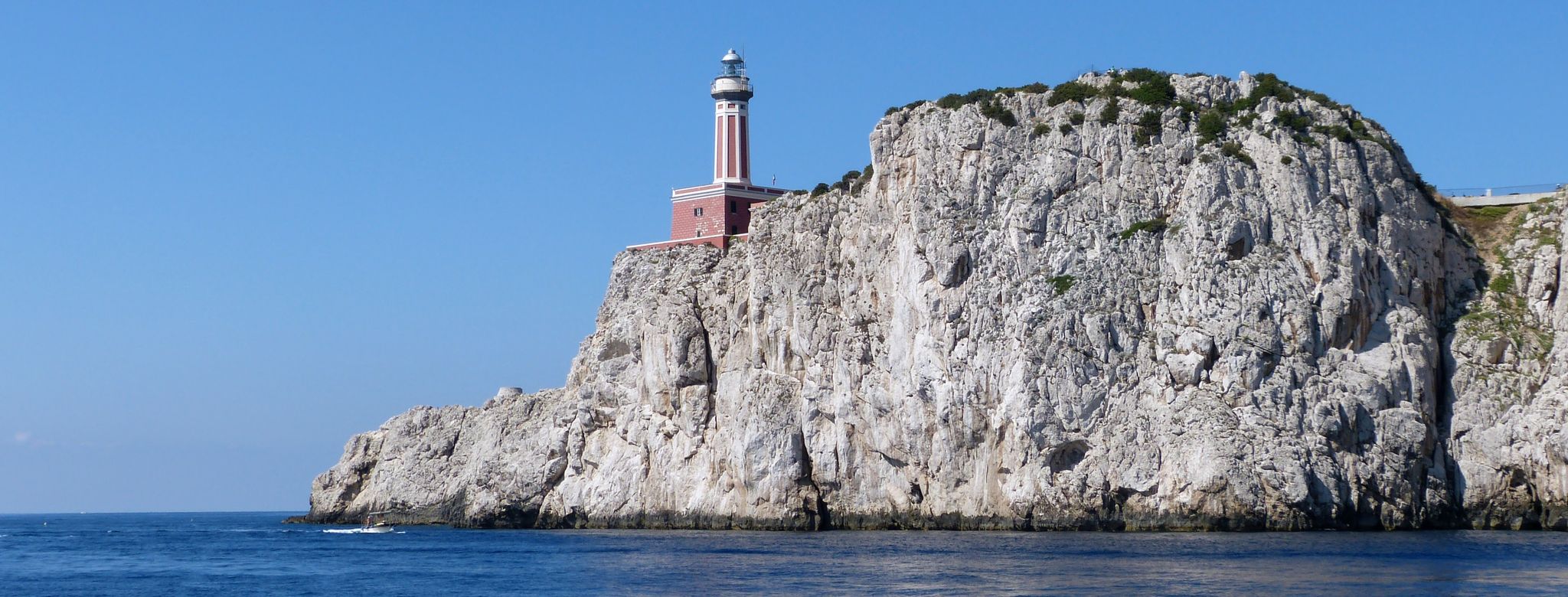
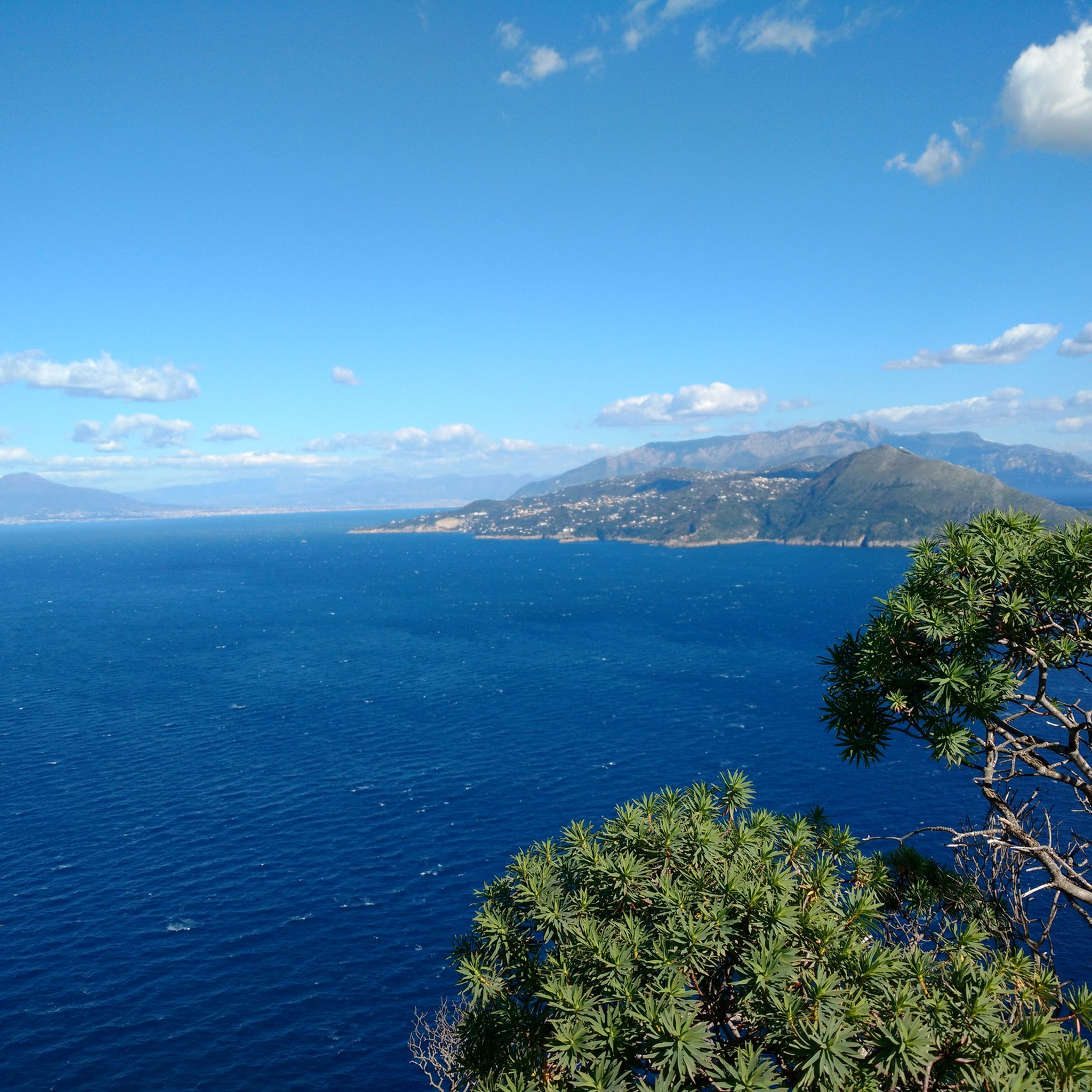
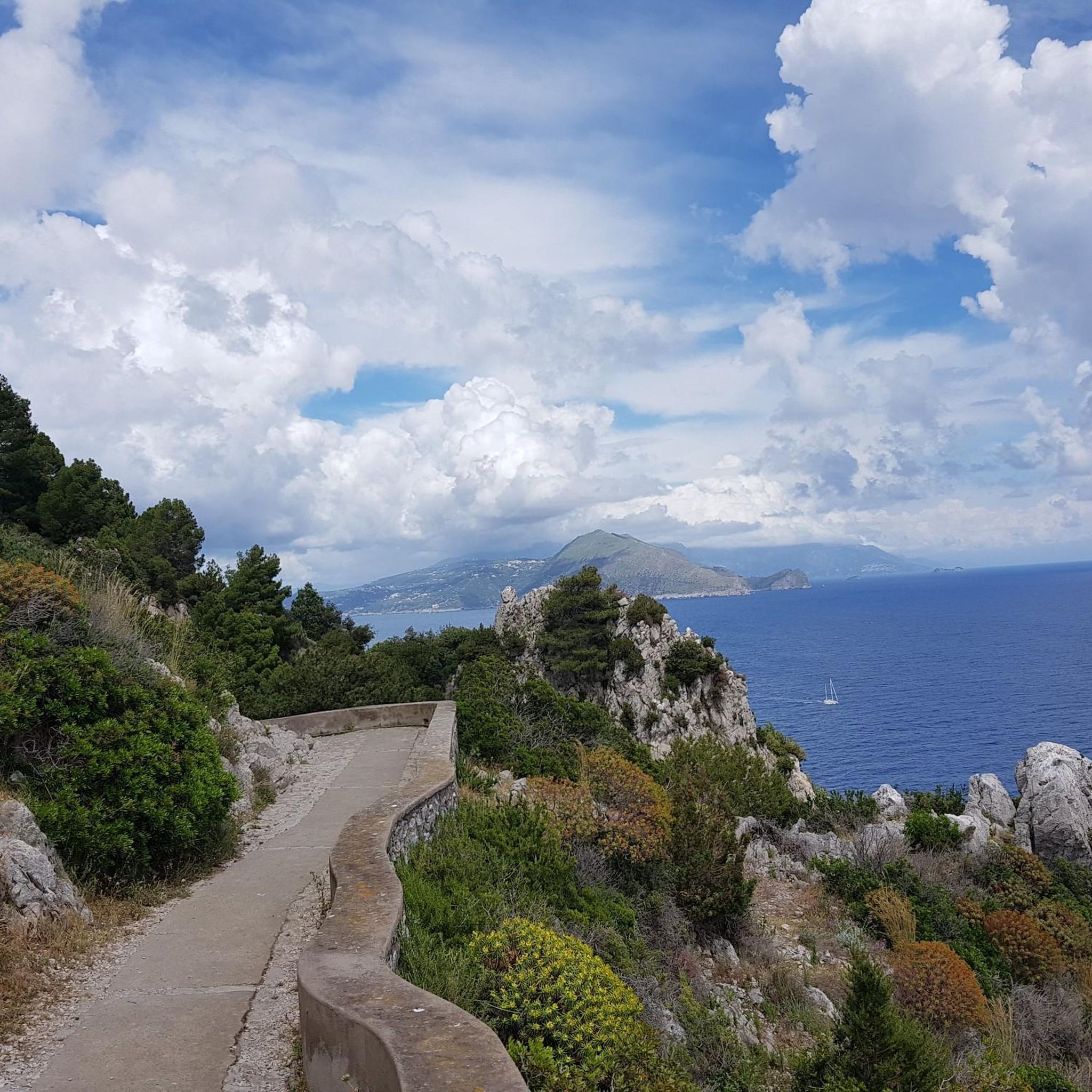
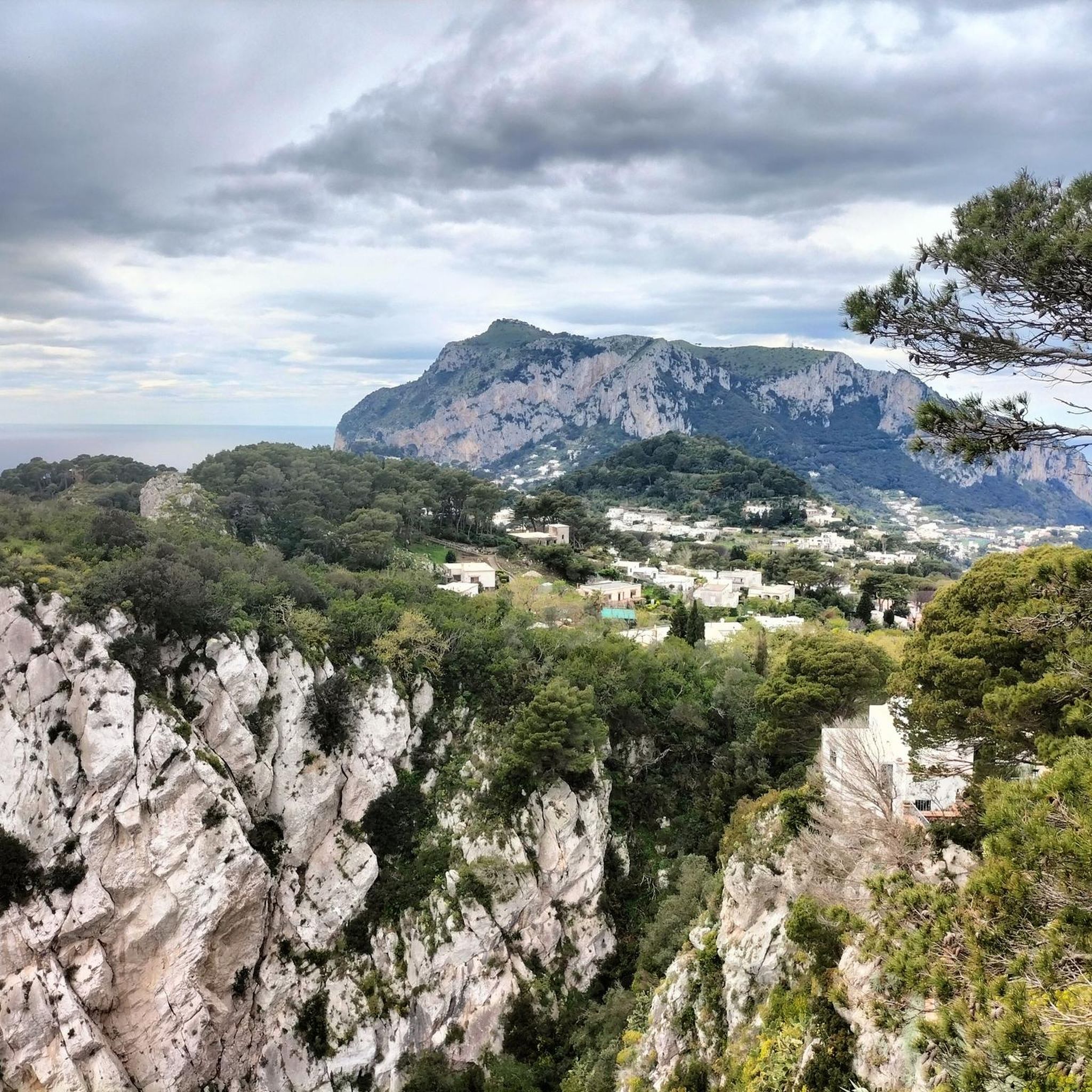
Other adventures around Capri

Tips from the Community

Beautiful views from the panoramic point of Monte San Costanzo.
1
0

You should be lucky with the clouds, otherwise there will be poor visibility
0
0

Splendid quite a few steps but worth it
0
0

Access via Via Grotta Azzurra and then only possible by boat.
1
0
I have took a hiking trip to Bay of Ieranto. You have be early in the morning to get there to avoid the heat of the sun. Got to be in shape to do the trail. There two ways to go there the easy trail on your left and hard steep down to the right. Look in YouTube for a YouTuber name WRHaE he video the trail going to the Bay and going back. All around review it’s a nice place to visit but you have to work for it. ;)
1
0

A wonderful way. Very steep in parts. To go to the bathing bay, go down to the right or left. Better go left through the olive grove. On the right it is very difficult because rubble and broken steps have to be overcome. I wouldn't use the trail in full sun. We went in October and it was cloudy.
1
1

The Blue Grotto is a cave whose entrance is a 1.5 meter high rock hole in the sea. The cave is about 52 meters long and 30 meters wide, the water inside is about 15 meters deep. Since daylight enters the grotto mainly below sea level reflected in the sea water, the water inside the cave shimmers in a peculiar blue hue. Max, 4 people have to lie in the boat to get into the cave. The gondolier has to watch for the right wave and then he pulls himself into the cave on a chain. The same also happens when exiting the cave. You have to lie on top of each other and the boatman pulls himself out with the chain. If the waves are too high then the cave will be closed.
1
2

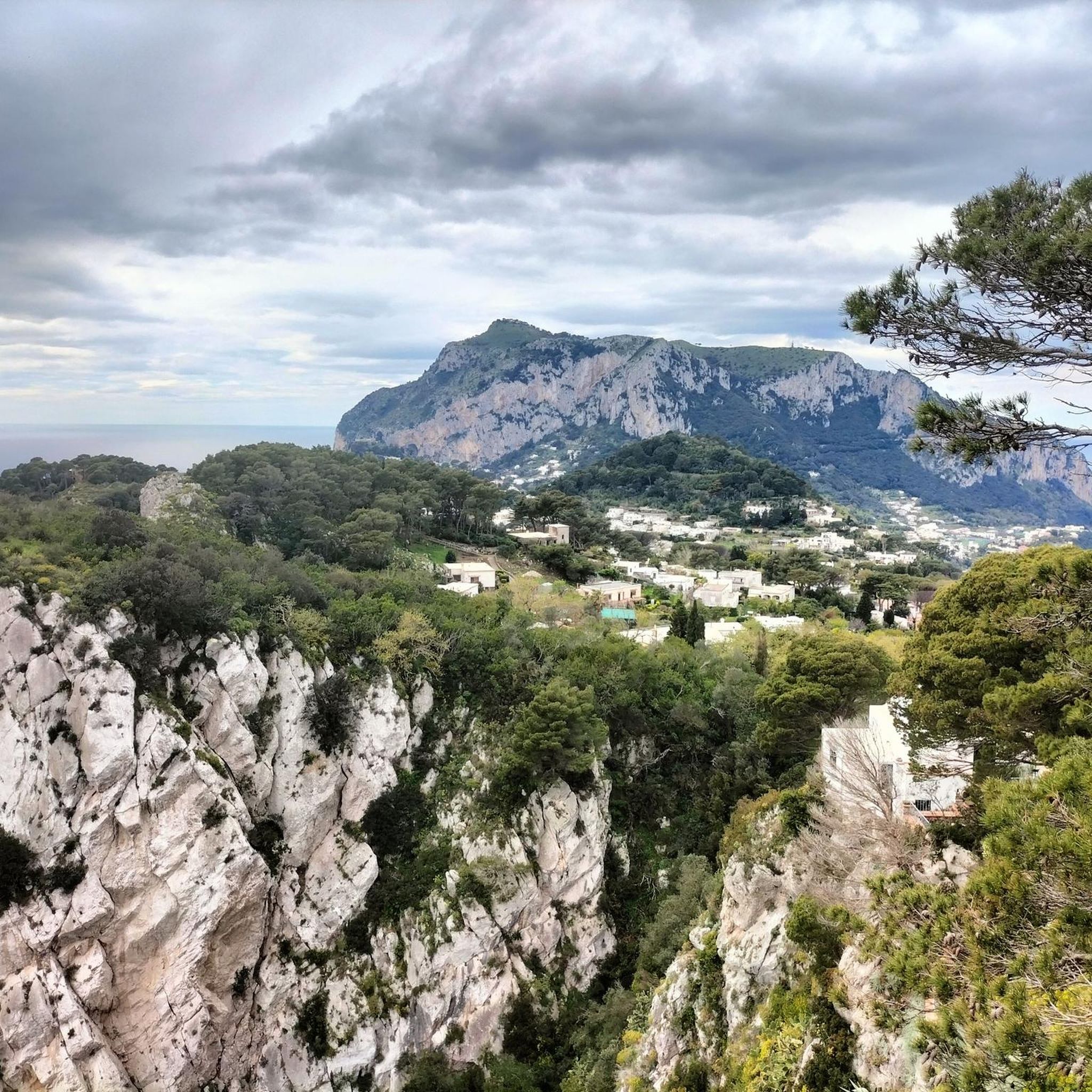
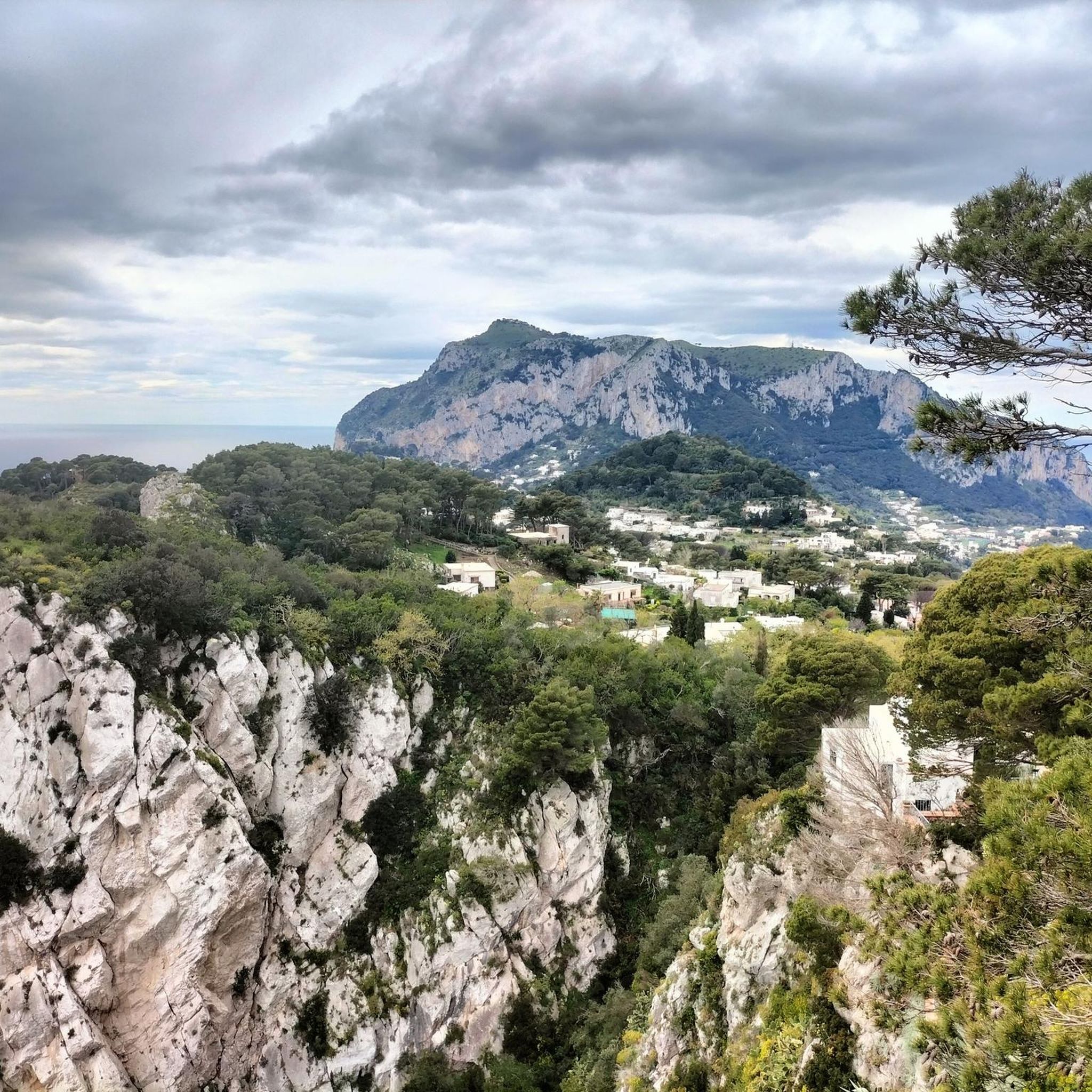
This small mountain has two peacks, on the left the one with the characteristic little white church dedicated to San Costanzo and on the right the other peack with a radio station used for air traffic control. Between the two peaks, a small pine forest offers a nice shaded area and the possibility of parking for those who have come to this point by car or motorbike.
4
0
Frequently Asked Questions
What are some of the most unique natural monuments to visit in Capri?
Capri boasts several unique natural monuments. The Blue Grotto (Grotta Azzurra) is famous for its ethereal blue waters, created by sunlight filtering through an underwater opening. The iconic Faraglioni Rocks are three limestone sea stacks, one with a natural arch you can sail through. The Natural Arch of Capri is a dramatic remnant of an ancient cave system, offering stunning coastal views. For panoramic vistas, visit Monte Solaro summit, the highest point on the island.
What geological features are prominent among Capri's natural monuments?
Capri's natural monuments are primarily characterized by impressive geological formations sculpted by millennia of wind and sea erosion. These include mesmerizing sea caves like the Blue Grotto and Green Grotto, dramatic rock formations such as the Faraglioni sea stacks and the Natural Arch, and elevated summits like Monte Solaro and Mount San Costanzo, which offer expansive views of the Bay of Naples.
What is the best time of year to visit Capri's natural monuments?
The best time to visit Capri's natural monuments is generally during the spring (April-May) and early autumn (September-October) when the weather is pleasant, and the crowds are smaller. For specific attractions like the Blue Grotto, visiting between 12 PM and 2 PM is recommended for the best light reflection, though this depends on sea conditions and can vary by season.
Are there family-friendly natural monuments or activities in Capri?
Many of Capri's natural monuments can be enjoyed by families. Boat tours around the island, which often include visits to the Blue Grotto, Green Grotto, and sailing through the Faraglioni arch, are popular. The chairlift ride to Monte Solaro summit offers an easy way to enjoy panoramic views. Gentle walks to viewpoints overlooking the Faraglioni, such as from the Gardens of Augustus, are also suitable for families.
How can I reach the famous Faraglioni rocks?
The iconic Faraglioni rocks can be admired in several ways. You can take a boat tour around the island, which often includes sailing through the arch of Faraglione di Mezzo. Alternatively, you can enjoy scenic viewpoints from land, such as the Gardens of Augustus, or hike along trails like the Via Tragara, which offers stunning perspectives of these sea stacks.
What makes the Blue Grotto (Grotta Azzurra) so special?
The Blue Grotto is special due to its ethereal, vibrant blue waters. This unique optical effect is created by sunlight filtering through an underwater opening, illuminating the cavern from below. Visitors enter in small rowboats, often having to lie down to pass through the narrow entrance, making for a memorable and almost magical experience. It was even a private swimming hole for Emperor Tiberius in ancient Roman times.
Are there hiking trails to explore Capri's natural monuments?
Yes, Capri offers several hiking opportunities to explore its natural monuments. For example, the walk to the Natural Arch of Capri from Capri town is a rewarding experience, often combined with the Pizzolungo trail for views of the Faraglioni. You can also hike to Monte Solaro summit or explore the challenging trails around Ieranto Bay. For more detailed routes, you can find various hiking guides around Capri.
What kind of outdoor activities can I do near Capri's natural monuments?
Beyond visiting the monuments themselves, you can engage in various outdoor activities. Hiking is popular, with trails leading to viewpoints and natural formations. You can also find MTB trails and road cycling routes around Capri. Many visitors also enjoy boat tours, swimming, and snorkeling in the clear waters around the island's grottoes and bays.
What can I expect when visiting the Natural Arch of Capri?
When visiting the Natural Arch of Capri, you'll encounter an impressive limestone arch, 18 meters high and 12 meters wide, which is the remnant of an ancient cave system. The walk to the arch from Capri town is part of the experience, featuring winding lanes and stone stairways with panoramic views. It offers a quieter, more contemplative side of the island and can be combined with the Pizzolungo trail for additional coastal vistas.
Is the Green Grotto (Grotta Verde) worth visiting, and how does it compare to the Blue Grotto?
Yes, the Green Grotto is definitely worth visiting for its vivid emerald green waters, a unique optical effect caused by sunlight filtering through underwater crevices. It offers a more peaceful and serene experience compared to the more famous Blue Grotto, often allowing for swimming or snorkeling due to its larger entrance. It's best accessed by boat tours, which frequently include visits to other grottoes around the island.
Are there any natural monuments that offer 360-degree views of the region?
Yes, Mount San Costanzo offers breathtaking 360-degree views, allowing you to see both the Gulf of Naples and the Gulf of Salerno. Similarly, Monte Solaro summit provides panoramic vistas of the Faraglioni, Punta Campanella, Vesuvius, and Ischia, making both excellent choices for expansive scenic outlooks.
Most popular routes around Capri
Most popular attractions around Capri

Get inspired with the komoot mobile app


Explore more
Extend your search for the best caves by checking out these guides of the top ones around Capri:
