Top 12 Natural Monuments around Mestrino
Natural monuments around Mestrino are primarily defined by the town's proximity to the Euganean Hills Regional Park, a protected area of volcanic peaks rising from the Po River plain. This region, encompassing approximately 19,000 hectares, features a unique geological history that contributes to diverse ecosystems and thermal springs. The park offers an extensive network of trails for exploring its natural beauty. Mestrino's natural surroundings are characterized by these distinctive volcanic formations and rich biodiversity.
Best natural monuments around Mestrino
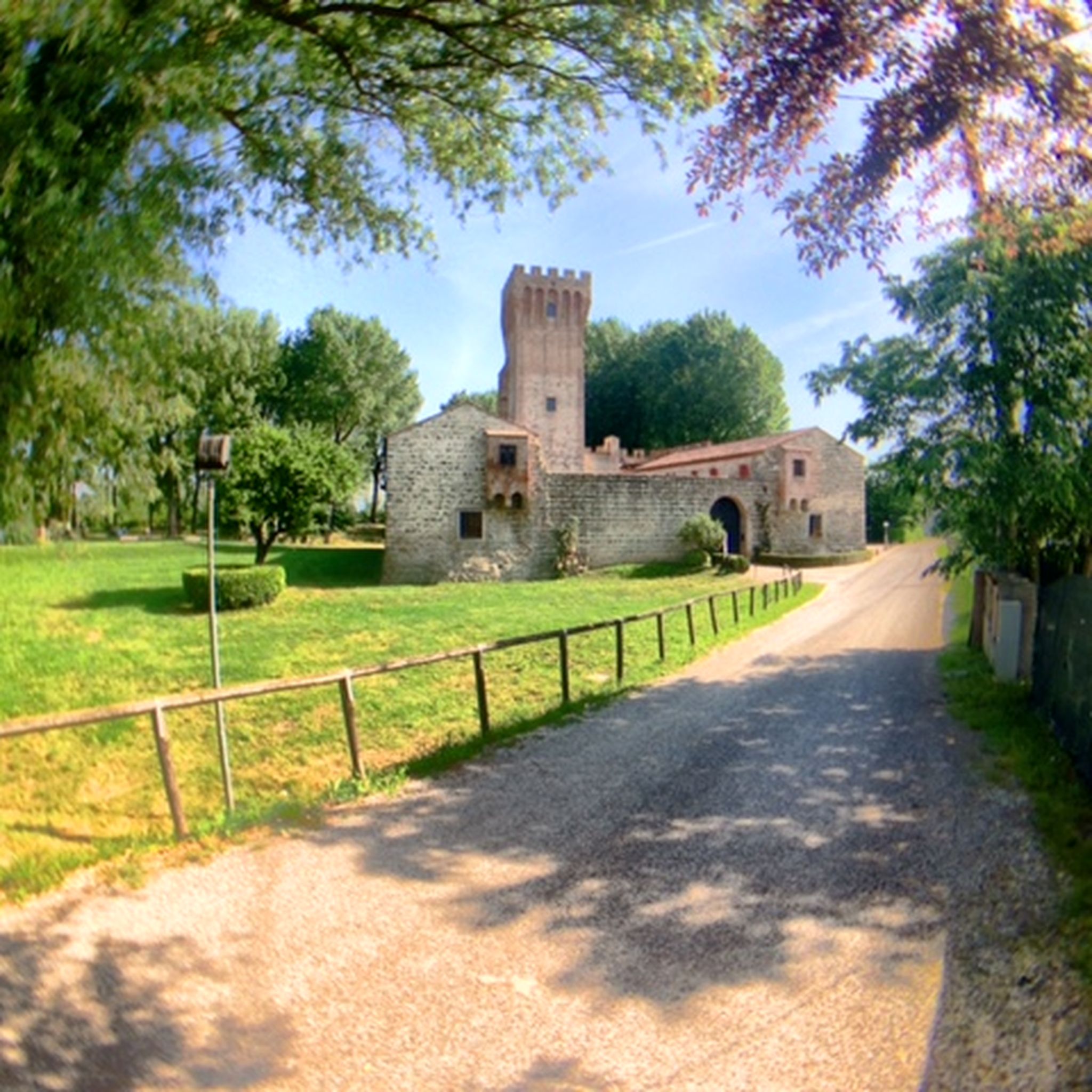
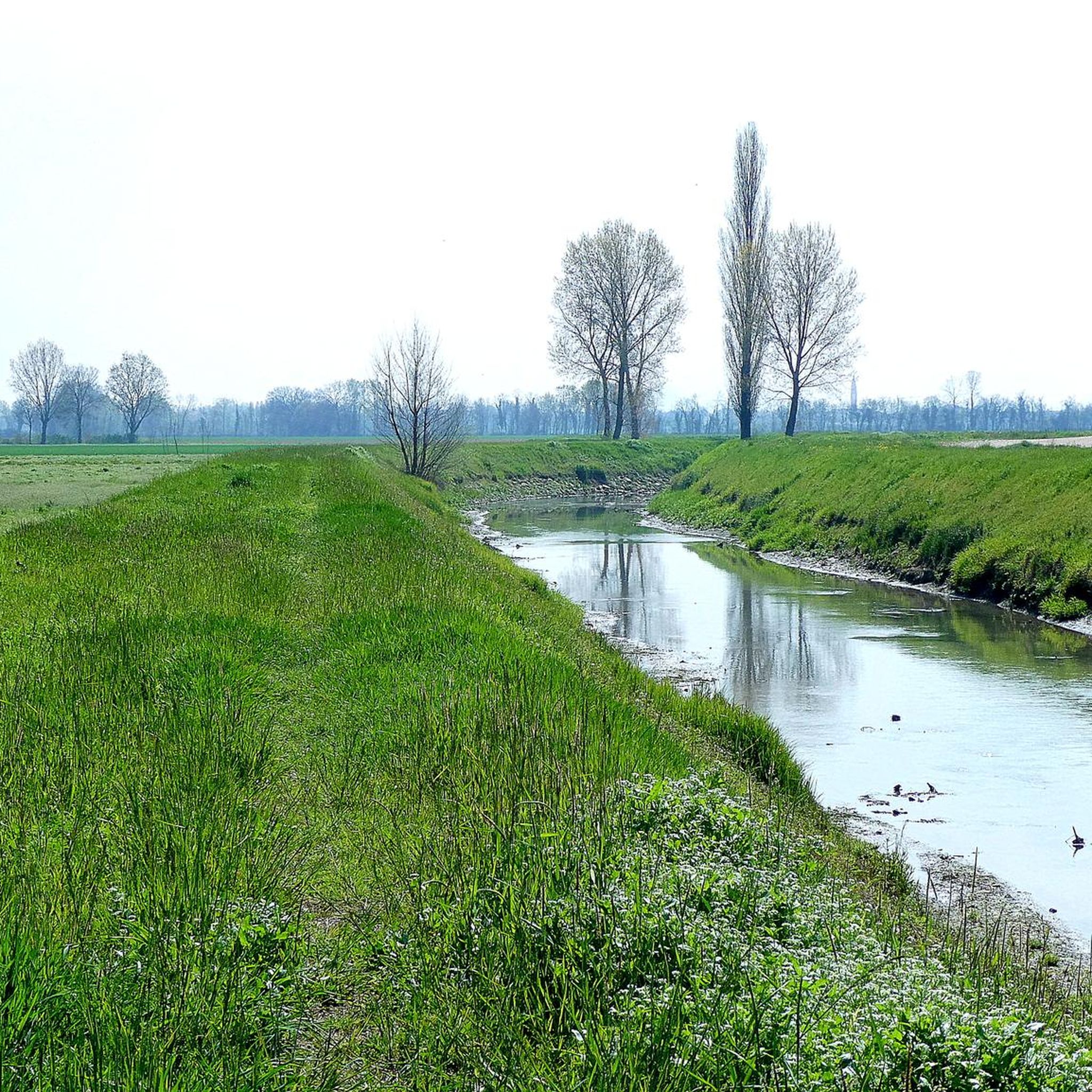
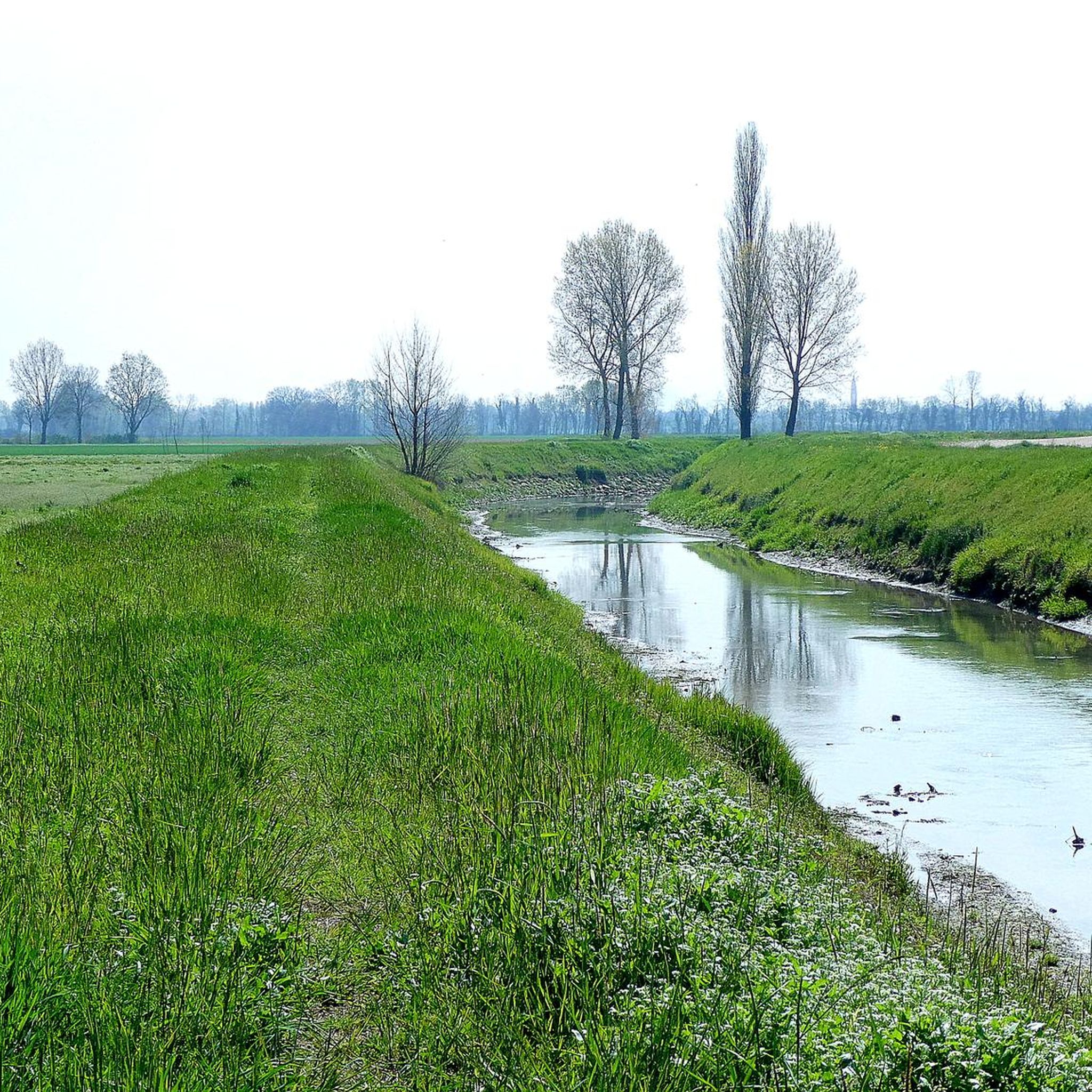
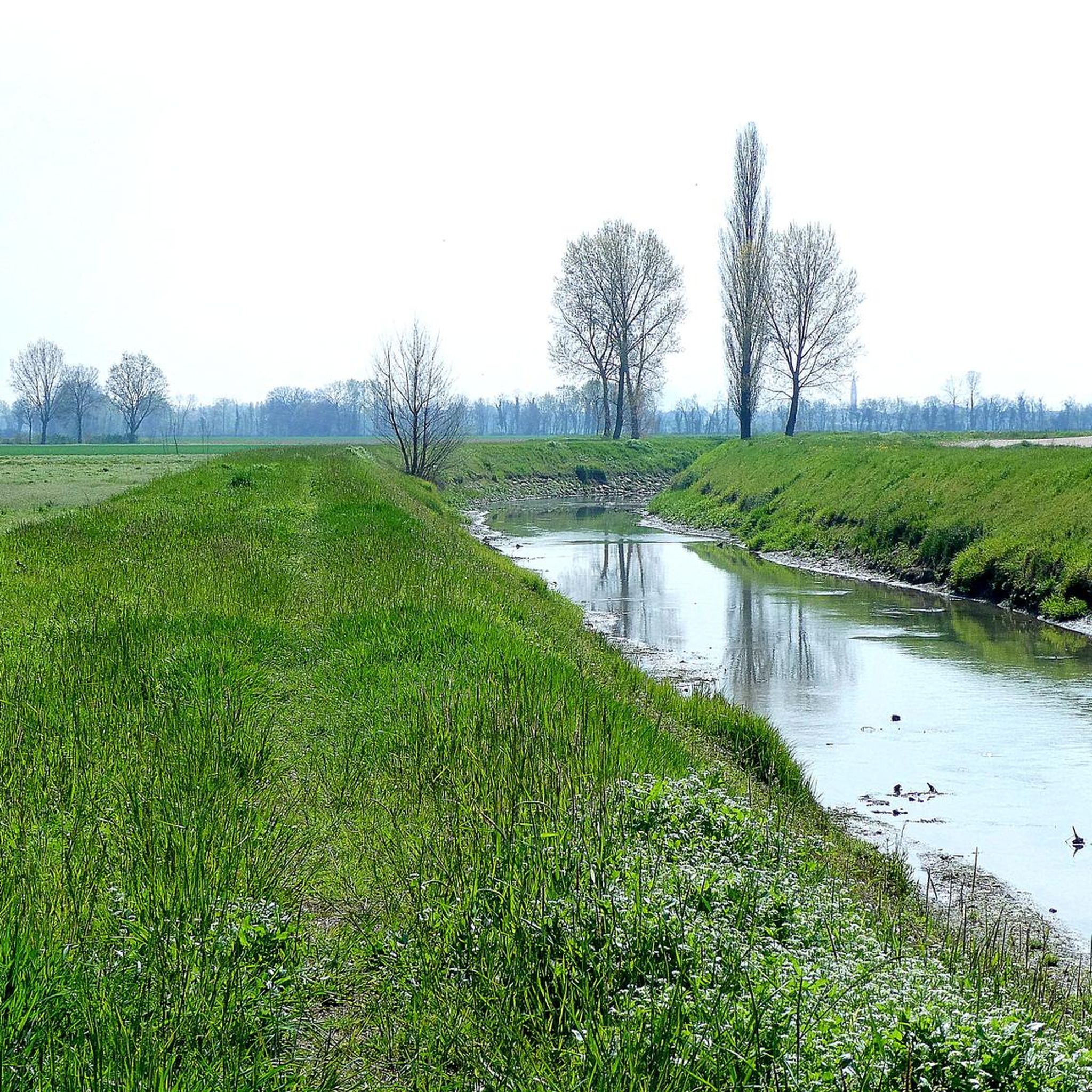
- The most popular natural monuments is Weir on the Brenta River, a man-made structure classified as a natural monument. These mobile dams regulate the river level, ensuring safety for nearby territories during floods. It is a characteristic point located near Limena.
- Another must-see spot is Botanical Garden of Padua, a natural monument and historical site. This is the world's oldest botanical garden of a university, founded in 1545, housing over 7000 different botanical species. It was added to the UNESCO World Heritage List in 1997.
- Visitors also love Montirone Park, Abano — The Ancient Thermal Springs, a historical site and natural monument. This park features steaming thermal water flowing among greenery, situated on a hill where the temple of the god Aponus once stood. The water flows again in five stone pools at approximately 70°C.
- Mestrino is known for its volcanic landscapes, thermal springs, and river features. The area offers a variety of natural monuments, from geological formations to historical botanical gardens and engineered river structures.
- The natural monuments around Mestrino are appreciated by the komoot community, with more than 230 upvotes and 39 photos shared.
Last updated: July 12, 2026
Weir on the Brenta River
Highlight • Structure
Translated by Google •
Tip by

Botanical Garden of Padua
Highlight • Natural Monument
Translated by Google •
Tip by

Sign up now to discover places like this
Get recommendations on the best single tracks, peaks, & plenty of other exciting outdoor places.
Sign up for free
Montirone Park, Abano — The Ancient Thermal Springs
Highlight • Historical Site
In the heart of Abano, at the end of the pedestrian zone, a tall colonnade leads us into this small park where steaming thermal water flows among the greenery of plants and trees.
A tall colonnade leads us into this small park, situated on a green hill where the temple of the god Aponus once stood near Abano's ancient thermal spring. Today, the thermal water flows once again in the stone thermal pools.
The cradle of Abano's thermal baths: More than two thousand years ago, in the time of the ancient Romans, a sacred temple dedicated to the god Aponus and a small shop selling pottery stood on this small hill. Many came here to be treated with the precious thermal water, which flowed freely at a temperature of approximately 80°C.
... Soon, villas and thermal palaces sprang up around the small hill, and the Abano thermal baths became famous among patricians and soldiers, as well as emperors, for their "magical" qualities: Tiberius himself wanted to stop at the Temple of Aponus to consult the oracle of Geryon. After receiving a positive result, he threw his golden dice into the fountain before departing for Illyria.
Today, the ancient pools, which held steaming thermal water until the second half of the 20th century, have been restored to their former glory: The water flows again in the five stone pools—two large and three small—at a temperature of about 70°C. A high colonnade in the Corinthian order leads to the park with the Montirone springs. At the entrance stands the Doric column surmounted by a chalice coiled in the shape of a snake, designed in 1825 by the Venetian architect Giuseppe Jappelli to house the passage of Emperor Franz I of Austria.
Text / Source: Blog Abano.it / It Portale delle Terme
blog.abano.it/it/il-colle-del-montirone-e-le-sue-antiche-sorgenti-termali
Translated by Google •
Tip by

Padua Botanical Garden
Highlight • Natural Monument
The oldest university botanical garden in the world
Founded in 1545 to facilitate the study and practical recognition of medicinal plants for university students, it has been a UNESCO World Heritage Site since 1997. The Botanical Garden of the University of Padua is the origin of all botanical gardens worldwide and has significantly contributed to the advancement of numerous modern scientific disciplines, particularly botany, medicine, chemistry, ecology, and pharmacy.
Covering an area of 3.5 hectares, it is home to a Renaissance gem, the Garden of the Simple. It boasts 3,500 plant species from around the world and is today a center for research and conservation of plant species.
Text / Source: Orto Botanico, 1545, 35123 Padova PD
ortobotanico1545.it
Translated by Google •
Tip by
Underwood Trail and Carved Face
Highlight (Segment) • Trail
Translated by Google •
Tip by

Sign up for free to discover even more natural monuments around Mestrino.
Sign up for free
Already have an account?
Start today with a free account
Your next adventure awaits.
Login or Signup


Tips from the Community


University of Padua Botanical Garden The oldest university botanical garden in the world Founded in 1545 to facilitate the study and practical recognition of medicinal plants for university students, it has been a UNESCO World Heritage Site since 1997. The Botanical Garden of the University of Padua is the origin of all botanical gardens worldwide and has significantly contributed to the advancement of numerous modern scientific disciplines, particularly botany, medicine, chemistry, ecology, and pharmacy. Covering an area of 3.5 hectares, it is home to a Renaissance gem, the Garden of the Simple. It boasts 3,500 plant species from around the world and is today a center for research and conservation of plant species. Text / Source: Orto Botanico, 1545, 35123 Padova PD https://ortobotanico1545.it/
14
0
The Colle del Montirone The monumental entrance designed by Jappelli testifies to the importance of this small hill, which was once rich in natural thermal springs that bubbled forth at a temperature of 80°C. Today, the stone pools can still be seen here, a symbol of the millennia-old thermal tradition of the town of Abano. The Doric column, topped with a chalice entwined by a serpent, was also designed by Giuseppe Jappelli in 1825, on the occasion of Emperor Franz I of Austria's visit. Text / Source: Abano.it / La città di Abano Terme https://www.abano.it/de/Abano-Terme/
14
0
Parco Montirone, Abano / The Ancient Thermal Springs In the heart of Abano, at the end of the pedestrian zone, a tall colonnade leads us into this small park where steaming thermal water flows among the greenery of plants and trees. A tall colonnade leads us into this small park, situated on a green hill where the temple of the god Aponus once stood near Abano's ancient thermal spring. Today, the thermal water flows once again in the stone thermal pools. The cradle of Abano's thermal baths: More than two thousand years ago, in the time of the ancient Romans, a sacred temple dedicated to the god Aponus and a small shop selling pottery stood on this small hill. Many came here to be treated with the precious thermal water, which flowed freely at a temperature of approximately 80°C. ... Soon, villas and thermal palaces sprang up around the small hill, and the Abano thermal baths became famous among patricians and soldiers, as well as emperors, for their "magical" qualities: Tiberius himself wanted to stop at the Temple of Aponus to consult the oracle of Geryon. After receiving a positive result, he threw his golden dice into the fountain before departing for Illyria. Today, the ancient pools, which held steaming thermal water until the second half of the 20th century, have been restored to their former glory: The water flows again in the five stone pools—two large and three small—at a temperature of about 70°C. A high colonnade in the Corinthian order leads to the park with the Montirone springs. At the entrance stands the Doric column surmounted by a chalice coiled in the shape of a snake, designed in 1825 by the Venetian architect Giuseppe Jappelli to house the passage of Emperor Franz I of Austria. Text / Source: Blog Abano.it / It Portale delle Terme https://blog.abano.it/it/il-colle-del-montirone-e-le-sue-antiche-sorgenti-termali/
14
0

The grounds are still charming. The greenery and water offer peace and relaxation. Right next door is the fantastic new biodiversity greenhouse. Included in the price. For me, that's the real attraction of the garden.
1
0
The world's oldest botanical garden is marketed to tourists like many other historical sites. But 1545 is long gone, and other botanical collections around the world, especially Kew Gardens in London, have long since surpassed it. What truly stands out in Padua and makes a visit very worthwhile is the biodiversity greenhouse, only 10 years old. Huge, fantastic. Included in the admission.
2
0

The dam allows you to cross the river AT YOUR OWN RISK. When the water level is below the edge, crossing is possible, whereas it would otherwise not be permitted.
1
0

This garden is the oldest garden (from 1545) in Europe that is connected to a university. Originally, medicinal plants were grown there. The oldest part still exists in its original form and was added to the UNESCO World Heritage List in 1997. Now the garden has 3500 plants and a modern building. Closing day on Monday.
6
0
Frequently Asked Questions
What are some unique natural monuments to visit near Mestrino?
Mestrino's natural monuments are largely defined by the nearby Euganean Hills Regional Park, known for its volcanic origins. Beyond the park, you can visit the Weir on the Brenta River, a unique man-made structure that regulates river levels. Another distinctive site is the Botanical Garden of Padua, the world's oldest university botanical garden, recognized by UNESCO. For a blend of nature and history, explore Montirone Park, Abano — The Ancient Thermal Springs, where steaming thermal waters flow in historic stone pools.
What geological features can I explore in the natural monuments around Mestrino?
The region around Mestrino is characterized by the unique volcanic landscape of the Euganean Hills. These hills feature distinctive conical peaks formed by ancient volcanic activity. You can also experience thermal springs, such as those at Montirone Park, where water emerges at approximately 70°C. The Dente di Attila is another notable rocky outcrop offering geological interest and panoramic views.
Are there any historical or cultural natural monuments in the Mestrino area?
Yes, several natural monuments near Mestrino have significant historical and cultural value. The Botanical Garden of Padua, founded in 1545, is a UNESCO World Heritage site and the oldest university botanical garden globally. Montirone Park in Abano Terme is built on a hill where the temple of the god Aponus once stood, with thermal springs used since Roman times. The Euganean Hills themselves are dotted with medieval castles and archaeological sites, blending natural beauty with rich human history.
What kind of outdoor activities can I do near the natural monuments around Mestrino?
The area around Mestrino, particularly the Euganean Hills Regional Park, offers a wide range of outdoor activities. You can enjoy extensive networks of trails for hiking, mountain biking, and road cycling. For example, you can find various road cycling routes, MTB trails, and gravel biking paths that allow you to explore the diverse landscapes, from volcanic hills to river plains.
Are there family-friendly natural monuments or trails suitable for children near Mestrino?
Yes, several natural monuments and areas are suitable for families. The Weir on the Brenta River is an interesting spot for all ages. The Botanical Garden of Padua is also family-friendly, offering an educational and visually engaging experience with its diverse plant species. Within the Euganean Hills Regional Park, many trails are designed for easy walks, and some areas like Parco delle Ginestre offer open spaces for children to enjoy.
Can I bring my dog to the natural monuments and trails around Mestrino?
Generally, dogs are welcome on many trails and in natural areas around Mestrino, especially within the Euganean Hills Regional Park. However, it's always advisable to keep them on a leash, especially in protected areas or where wildlife is present. Specific rules may apply to certain attractions like the Botanical Garden, so it's best to check individual site regulations beforehand.
What are some challenging trails for experienced hikers in the Euganean Hills?
For experienced hikers seeking a challenge, the Euganean Hills offer trails with significant elevation changes and rugged terrain. The Underwood Trail and Carved Face is known for its steep climbs and rocky passages. Other challenging routes can be found on peaks like Monte Venda, the highest point in the park, which often feature demanding ascents and descents. Always check trail conditions and difficulty ratings before embarking on a hike.
When is the best time of year to visit the natural monuments around Mestrino?
The best time to visit the natural monuments around Mestrino and the Euganean Hills is typically during spring (April-May) and autumn (September-October). During these seasons, the weather is mild and pleasant for outdoor activities like hiking and cycling, and the landscapes are particularly vibrant with blooming flowers or rich autumn colors. Summer can be hot, while winter offers a quieter experience, though some trails might be muddy or less accessible.
Are there viewpoints or scenic spots to enjoy panoramic views in the Mestrino area?
Yes, the volcanic peaks of the Euganean Hills offer numerous panoramic viewpoints. The Dente di Attila provides an exposed vantage point with beautiful views of the surrounding plain and villages. The Anfiteatro del Venda, on the slopes of Monte Venda, is another notable scenic spot offering expansive vistas. Many trails throughout the Euganean Hills lead to elevated positions with stunning views of the diverse landscape.
What are the parking and public transport options for accessing natural monuments near Mestrino?
For the Euganean Hills Regional Park, parking is generally available at various trailheads and visitor centers within the park municipalities. Public transport options to the park's edges exist, often involving bus services from Padua. For specific highlights like the Botanical Garden of Padua, public transport within Padua is readily available, and parking garages are nearby. For the Weir on the Brenta River, local parking might be found in Limena or nearby areas.
What kind of wildlife can I expect to see in the natural monuments around Mestrino?
The diverse ecosystems of the Euganean Hills Regional Park support a rich variety of flora and fauna. You might spot various bird species, including raptors, as well as small mammals like foxes and badgers. The unique microclimates also foster a wide array of plant life, from Mediterranean scrub to chestnut and oak woods, making it a great spot for nature observation.
Where can I find cafes or accommodation near the natural monuments around Mestrino?
The towns and villages surrounding the Euganean Hills Regional Park, such as Abano Terme, Teolo, and Este, offer a range of cafes, restaurants, and accommodation options, from hotels to agriturismi. Abano Terme, in particular, is known for its thermal resorts and dining. Within Mestrino itself, you'll find local amenities. Many trailheads in the Euganean Hills are also close to small villages with refreshment points.
Most popular routes around Mestrino
Most popular attractions around Mestrino

Get inspired with the komoot mobile app


Explore more
Extend your search for the best caves by checking out these guides of the top ones around Mestrino:
