Top 4 Natural Monuments around Quarto D'Altino
Best natural monuments around Quarto D'Altino are characterized by the River Sile and diverse ecosystems within the Venetian Lagoon. The area features a variety of natural habitats, including green forests, meadows, and wetlands. These natural settings provide opportunities for outdoor activities and wildlife observation. Unique "fontanassi" springs and small lakes, formed from former quarries, add to the scenic and ecological interest of the landscape.
Best natural monuments around Quarto D'Altino
- The most popular natural monuments is Burci Boat Cemetery,…
Last updated: October 29, 2026
Burci Boat Cemetery
Highlight • Historical Site
Translated by Google •
Tip by

Old River Port of Noventa di Piave
Highlight • Historical Site
The origin of the river port …
Translated by Google •
Tip by

Sign up now to discover places like this
Get recommendations on the best single tracks, peaks, & plenty of other exciting outdoor places.
The Quaderno di Zaher Memorial, Mestre Woods
Highlight • Monument
Gardener, open the garden door;
I'm not a flower thief,
I myself turned pink,
I don't go looking
of any flower
These verses were found on a page …
Translated by Google •
Tip by

View of the Venetian Lagoon
Highlight • Viewpoint
Translated by Google •
Tip by
Tree with Nest on Via Millepertiche
Highlight • Natural Monument
Translated by Google •
Tip by
Start today with a free account
Your next adventure awaits.

Tips from the Community

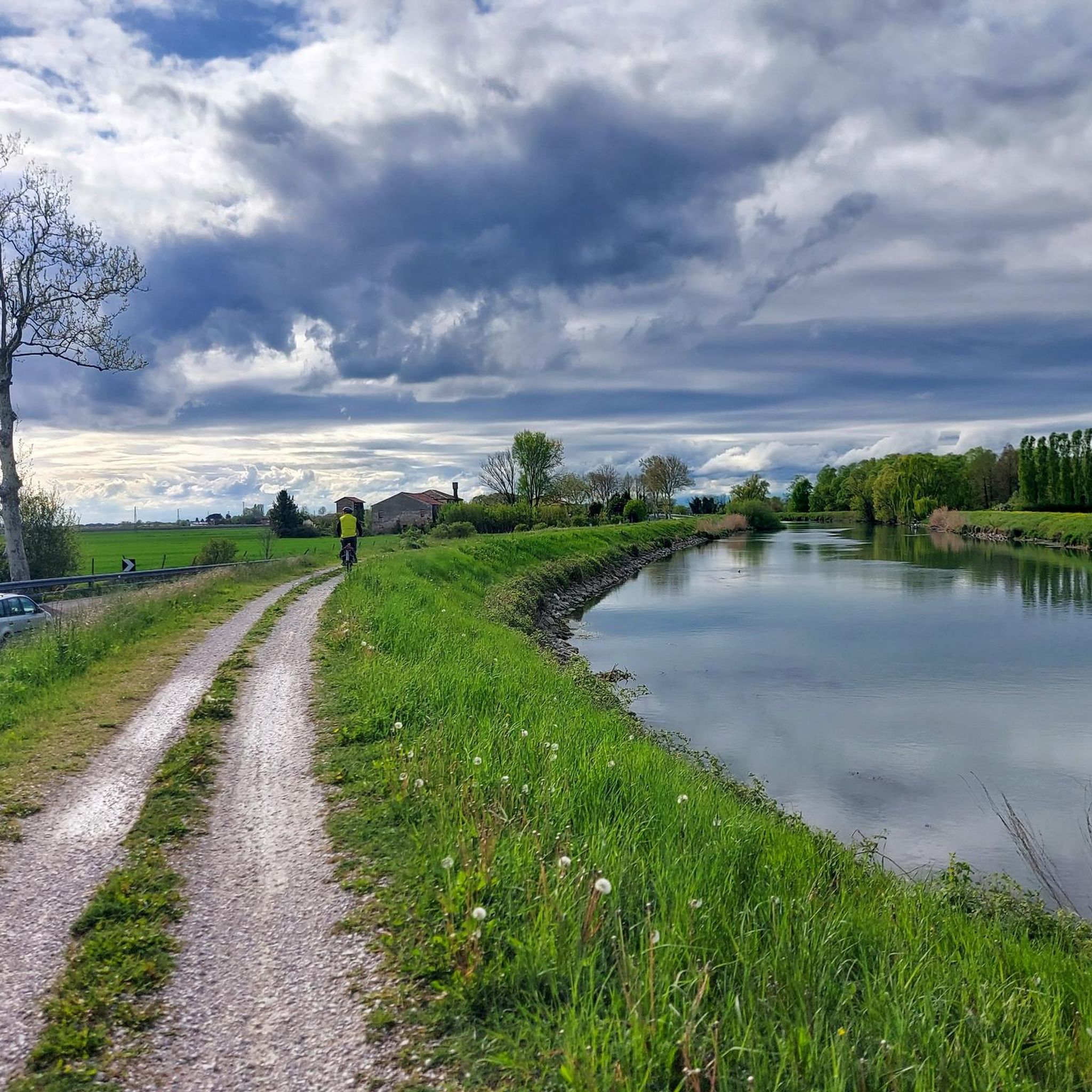
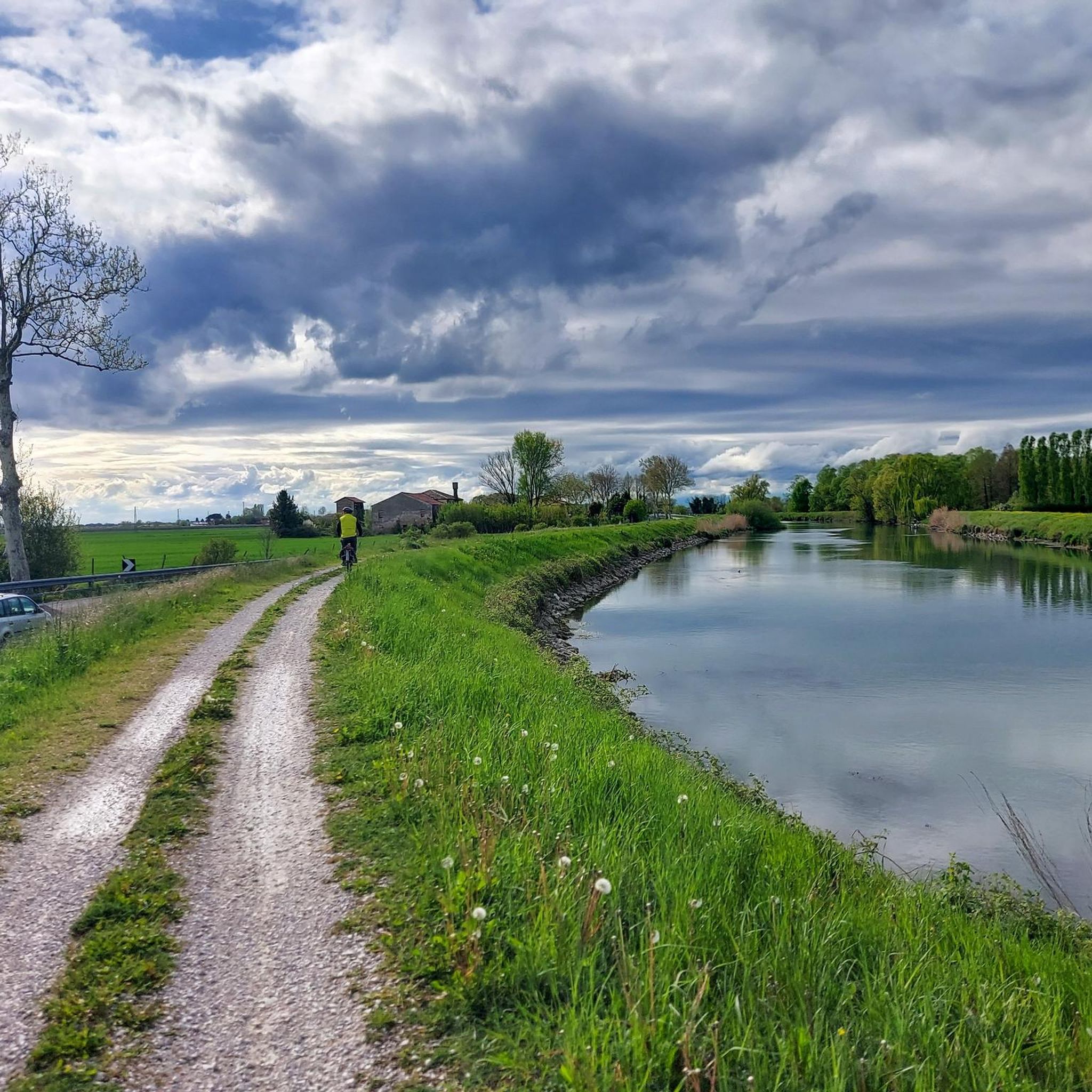
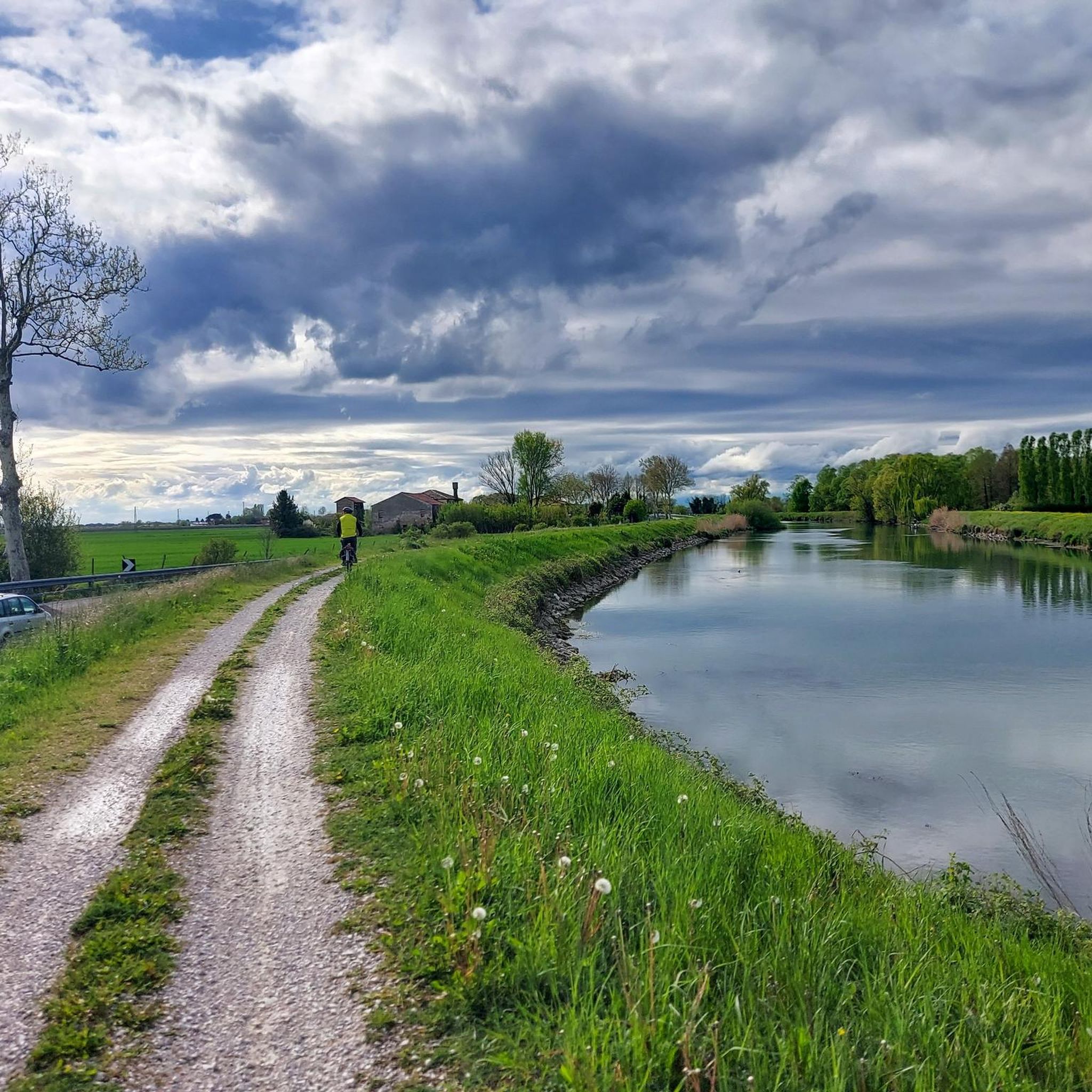
A small tree with black clouds behind it in Via Milleperiche, in the hamlet of Musile di Piave (VE).
4
0

A former port site, lovingly transformed into a park, with historical images. A must-see, and not just for historians.
2
0
A single tree located along via Millepertiche, which leads to the hamlet of the same name.
22
0

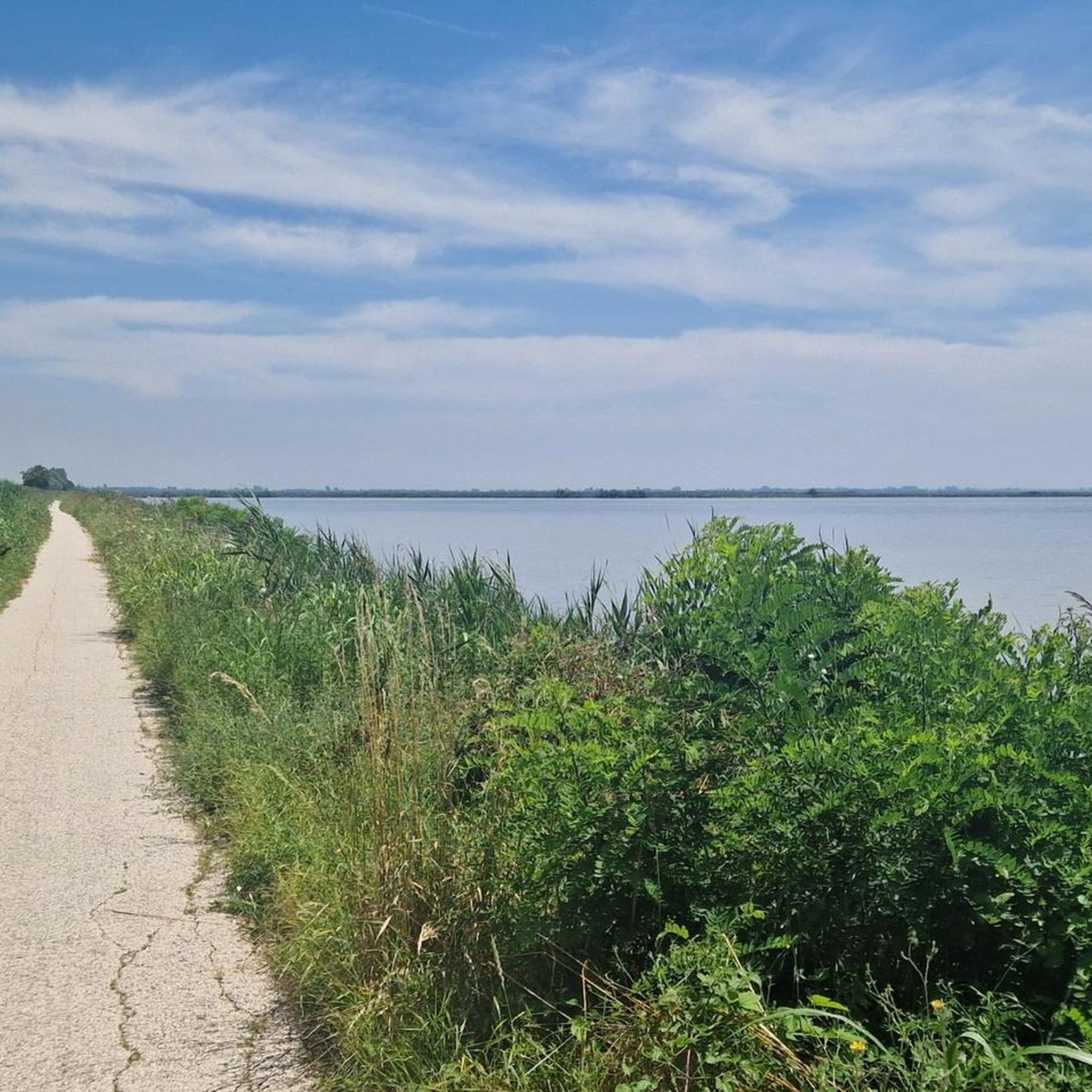
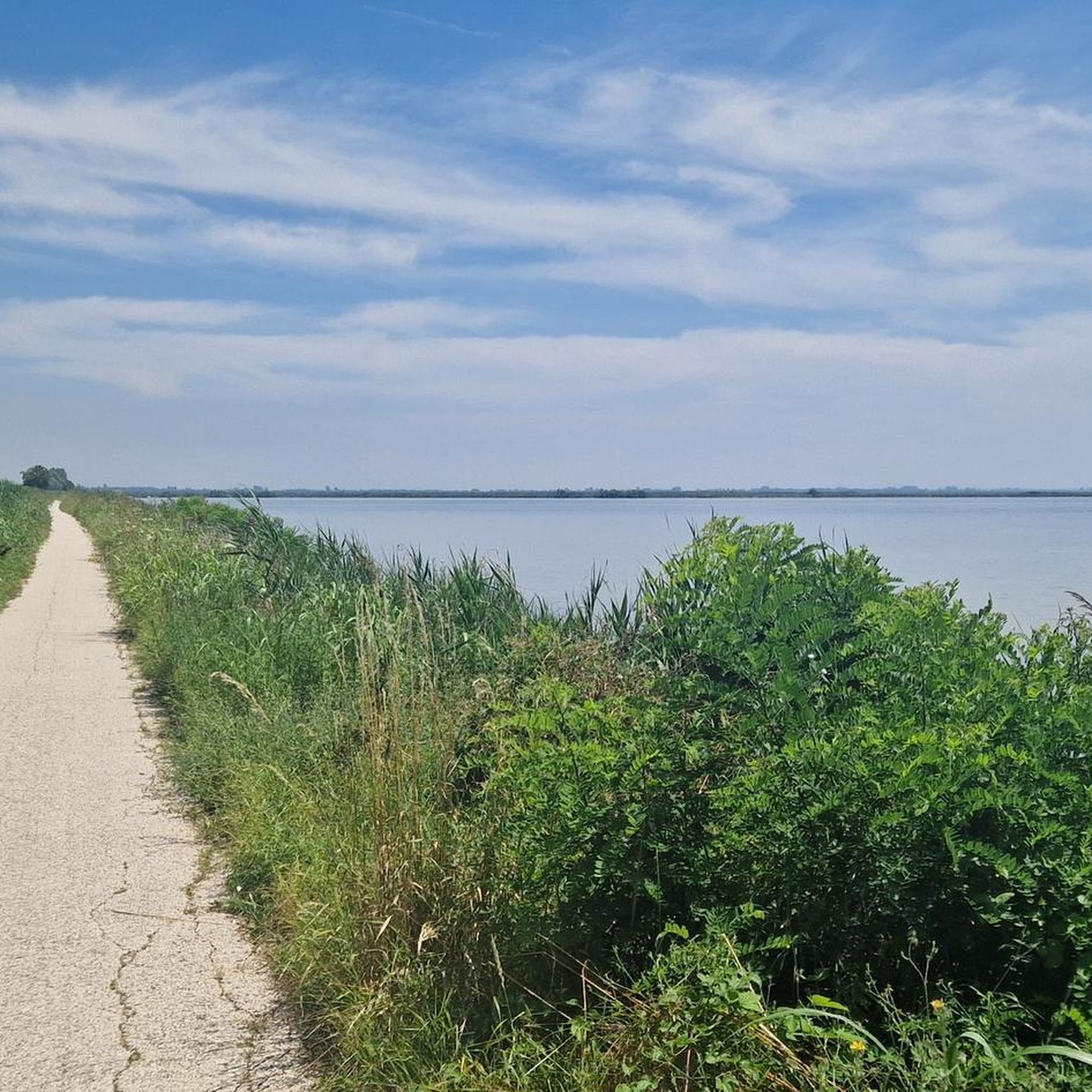
View of the beautiful lagoon.
1
0
Beautiful view of the lagoon, at sunset it is a true spectacle of nature with magnificent colors.
23
0
The park that stands at the ancient river port of Noventa di Piave can be reached from the city center through the embankment tunnel. The origin of the river port of Noventa dates back to the 10th century and is due to the will of Pietro Orseolo II (991-1009) Doge of the Serenissima. Thanks to his diplomatic skills, the doge managed to obtain a series of concessions on the Venetian mainland from the German emperor Otto III (980-1002). Among these in 996, the year in which the emperor went down to Italy to be crowned by the pope, he obtained the power to build a port and a market on the Piave, where Noventa now stands. The choice fell on this area because it was the terminal point of navigation on the Piave and was crossed by a road, the Calnova, which followed the path of an ancient Roman road linking the city of Altino and the territory of Opitergino (Oderzo). .
15
0

Between 1911 and the 1920s the area was used as a quarry, known locally as the Barina quarry[1], of which a pile of gravel still remains visible. Between the two world wars the area hosted a squero[2]. From the archaeological research carried out between 2014 and 2015[3], it emerged that between the years 1974-75, 13 burci, traditional transport boats, were abandoned on the site, of which three were with certainty (having archaeologists found the documents) of property of the shipowner Dante Bernardi. By comparing aerial photos of the time and photos from private collections, archaeologists have documented that before 1974-75 at least 8 wrecks were already present on the site. Between the late 1970s and mid-1980s, 4 shipwrecks disappeared from the site entirely. Research is continuing to determine further data on the wrecks present and the history of the site which takes its name from the burci, a class of flat-bottomed river transport boats, typical of the P
7
0
At the current state of archaeological research, nineteen wrecks of traditional transport boats have been recorded[4]. Among these, different types of traditional Venetian boats have been identified: 3 gabarres 5 burci 2 comacine 2 modified burci with mirror bow for excavation 3 batei 1 mouse 1 small boat 2 boats of unknown type Out of nineteen wrecks surveyed, the original documents of three boats were recovered, the oldest of which dates back to 1937. The documents found provided relevant data on the life of these boats and information on their owners. Only further archival investigations and technical/archaeological analyzes will be able to provide useful elements for dating the other wrecks present on the site.
5
0
Frequently Asked Questions
What unique natural monuments can I explore around Quarto D'Altino?
The region offers several distinctive natural monuments. One notable site is the Burci Boat Cemetery, where you can see the fascinating remains of ancient wooden boats half-submerged in the Sile River, accessible via wooden walkways. Another significant natural feature is the Sile River itself, a long spring river that forms part of a regional natural park, offering diverse ecosystems.
Are there any natural areas suitable for wildlife observation near Quarto D'Altino?
Yes, the Trepalade Natural Oasis is an excellent spot for wildlife observation. This serene Veneto nature reserve is known for its rich biodiversity, supporting numerous bird species and lush landscapes. You can take morning tours to observe the wildlife, explore extensive reed beds, and wander through peaceful poplar groves, making it ideal for birdwatching.
What kind of outdoor activities can I do near the natural monuments?
The area around Quarto D'Altino is perfect for various outdoor activities, especially cycling and walking. The River Sile and its elevated banks, known as "Restere," offer generally flat and well-maintained paths. You can find routes like the "Il GiraSile E4 Cycle Route" or explore the "Burci Boat Cemetery – Along the Sile loop." For more ideas, check out the Traffic-free bike rides around Quarto D'Altino guide.
Are there family-friendly natural monuments in the Quarto D'Altino area?
Absolutely. Many natural monuments in the region are suitable for families. The Burci Boat Cemetery is considered family-friendly, offering an interesting historical and natural experience. The Sile River area, with its flat paths, is also great for family walks and bike rides. Additionally, the Old River Port of Noventa di Piave, now a park, is a family-friendly historical site.
What historical natural monuments can I visit?
The region blends natural beauty with rich history. The Burci Boat Cemetery is a unique historical site where old cargo boats have become part of the natural landscape. Another interesting spot is the Old River Port of Noventa di Piave, a former river port transformed into a park with historical images, dating back to the 10th century.
Are there any easy walking or hiking trails near the natural monuments?
Yes, the paths along the Sile River, particularly on its elevated banks known as "Restere," are generally flat and well-maintained, making them ideal for easy walks and hiking within the Regional Natural Park. Many cycling routes in the area, such as the "Il GiraSile E4 Cycle Route," can also be enjoyed on foot for a leisurely experience.
What is the best time of year to visit the natural monuments around Quarto D'Altino?
The diverse ecosystems, including green forests, meadows, and wetlands, make the area appealing throughout the warmer months. Spring and autumn are particularly pleasant for exploring, with mild temperatures ideal for walking and cycling. Spring also offers excellent opportunities for birdwatching in areas like the Trepalade Natural Oasis.
Can I find any hidden natural gems or unique features in the region?
Beyond the well-known spots, the area is characterized by unique "fontanassi" springs and former quarries that have been transformed into small lakes. These features add to the scenic beauty and ecological interest of the landscape, offering tranquil spots to discover off the main paths.
What are the main natural features that define the landscape of Quarto D'Altino?
The landscape of Quarto D'Altino is primarily shaped by the River Sile, one of Europe's longest spring rivers. This river, along with diverse ecosystems including green forests, meadows, wetlands, and unique "fontanassi" springs and small lakes, creates a rich and varied natural environment.
Are there cycling routes that pass by the natural monuments?
Yes, the region is very popular for cycling, with numerous routes passing by or near natural monuments. For example, the "Along the Sile – Burci Boat Cemetery loop from Quarto d'Altino" is a popular option. You can find a range of routes, from easy to difficult, in guides like Traffic-free bike rides around Quarto D'Altino.
What do visitors enjoy most about the natural monuments in this area?
Visitors frequently appreciate the unique blend of nature and history, particularly at sites like the Burci Boat Cemetery, which is described as "sensational" and a "strange and yet interesting place." The tranquil environment and abundant wildlife, especially for birdwatching, are also highly valued, as is the opportunity for peaceful walks and bike rides along the Sile River.
Most popular routes around Quarto D'Altino
Most popular attractions around Quarto D'Altino

Get inspired with the komoot mobile app


Explore more
Extend your search for the best caves by checking out these guides of the top ones around Quarto D'Altino:
