Top 5 Natural Monuments around Musile Di Piave
Best natural monuments around Musile Di Piave are characterized by the Sile River, one of Europe's longest spring-fed rivers, and its surrounding protected areas. The region features a blend of natural landscapes, including river ecosystems, forests, and natural oases. These areas offer diverse flora and fauna, alongside historical elements like ancient watermills and aristocratic villas. The natural environment provides opportunities for exploring riverbanks and observing local wildlife.
Best natural monuments around Musile Di Piave
- The most popular natural monuments is…
Last updated: May 16, 2026
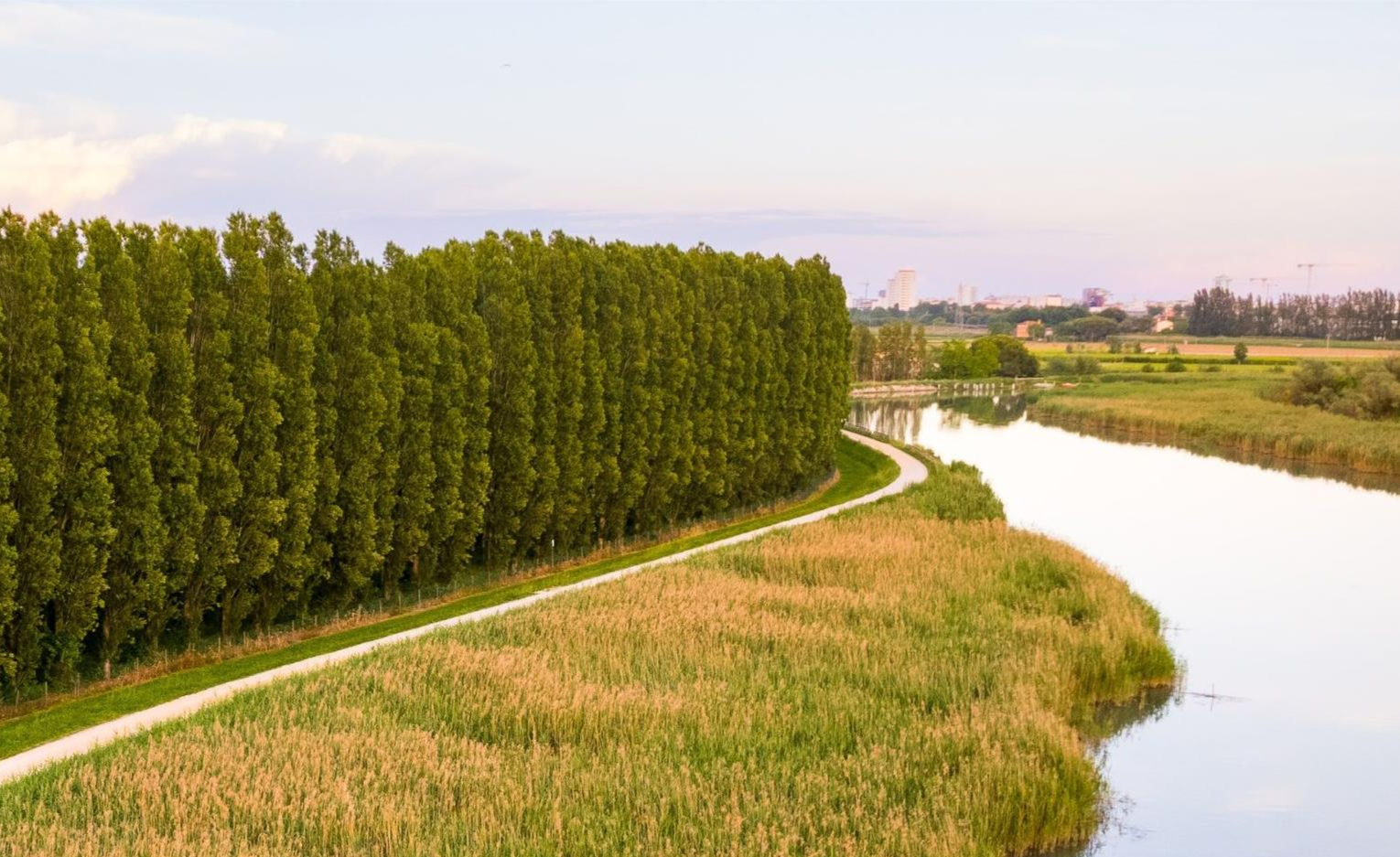
Sile River mouth
Highlight • River
Translated by Google •
Tip by

Old River Port of Noventa di Piave
Highlight • Historical Site
The origin of the river port …
Translated by Google •
Tip by
Sign up now to discover places like this
Get recommendations on the best single tracks, peaks, & plenty of other exciting outdoor places.
Sign up for free
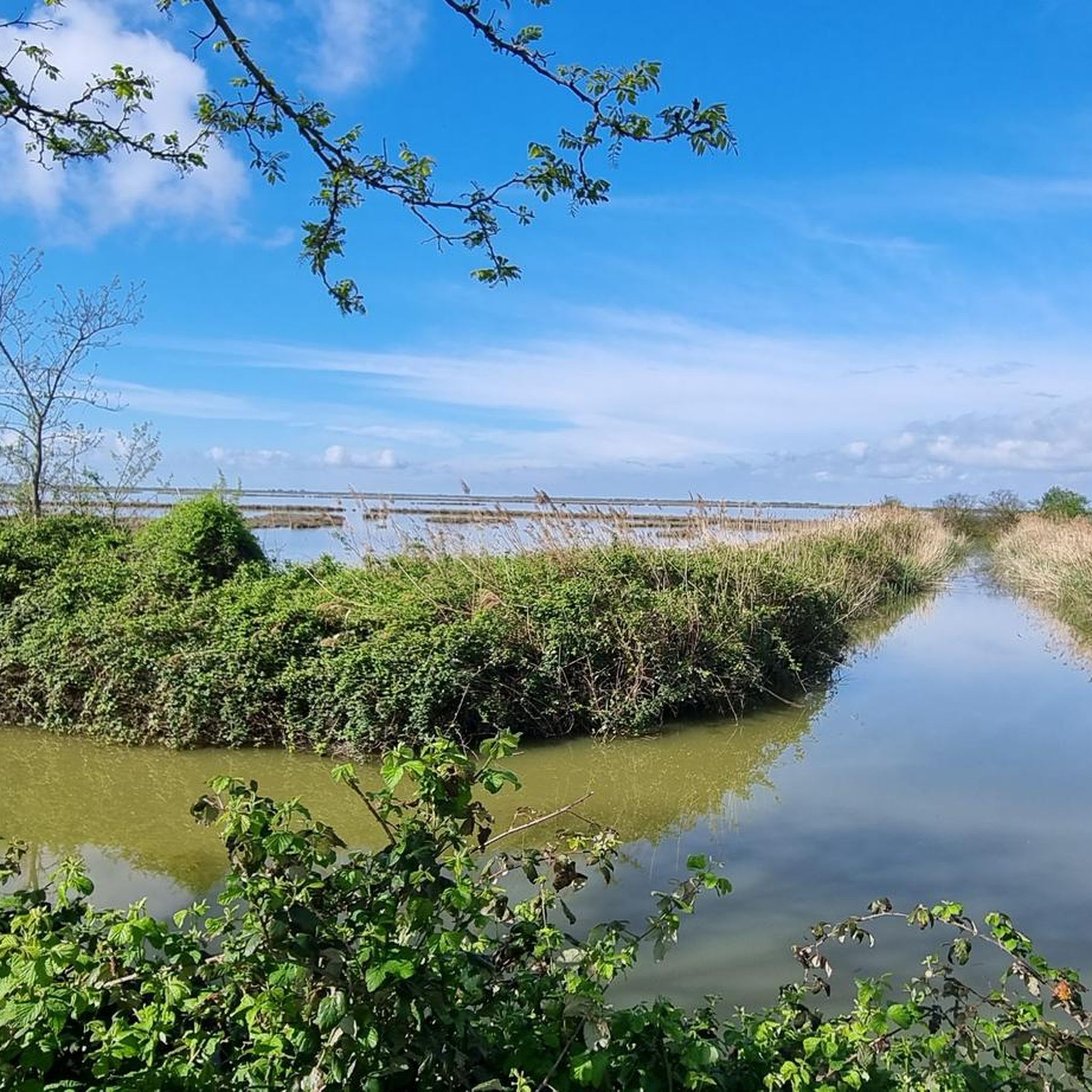
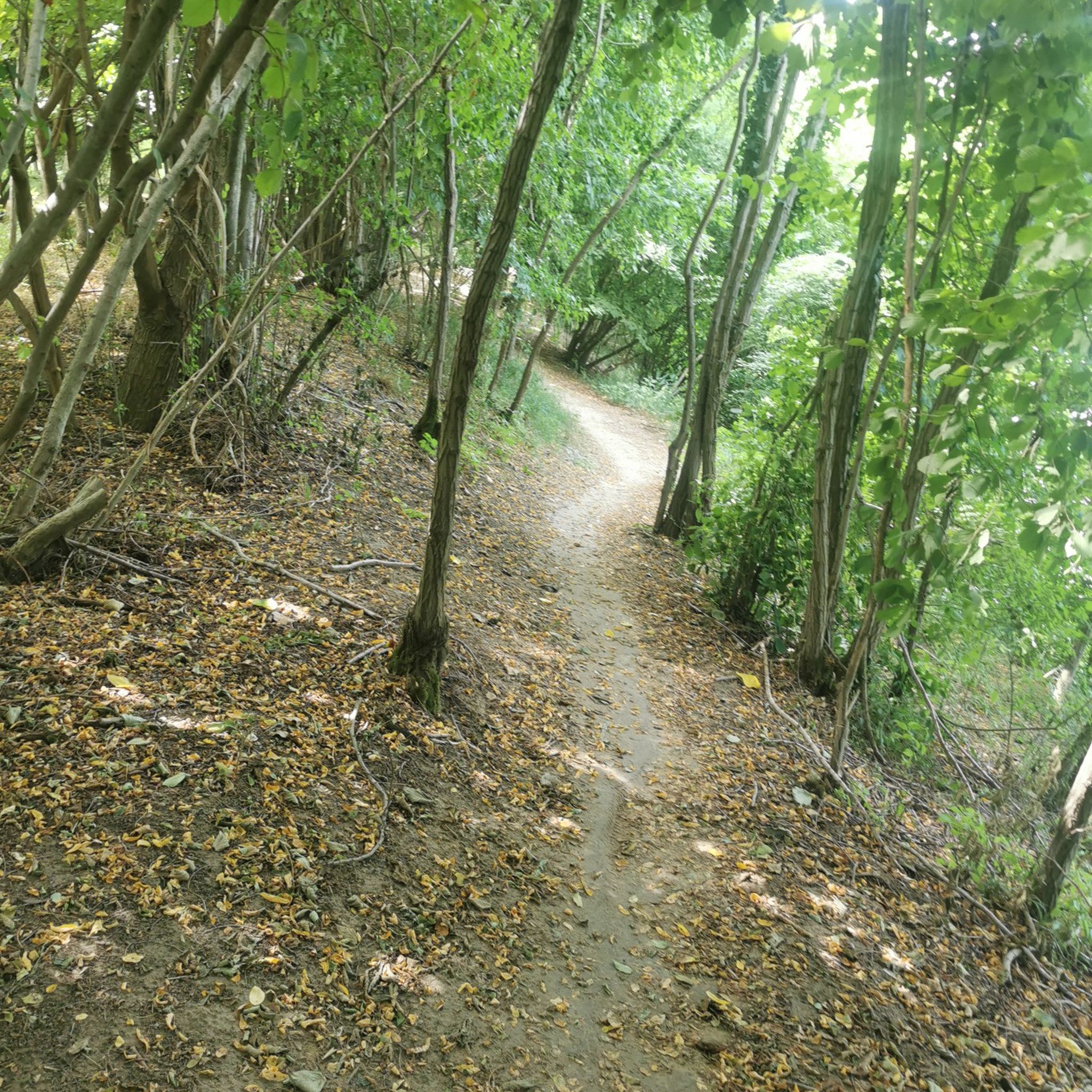
Bosco Olmè
Highlight • Forest
Translated by Google •
Tip by

Lone Tree of Via Barbaranella
Highlight • Natural Monument
Translated by Google •
Tip by
Tree with Nest on Via Millepertiche
Highlight • Natural Monument
Translated by Google •
Tip by
Start today with a free account
Your next adventure awaits.
Login or Signup

Other adventures around Musile Di Piave

Tips from the Community

A small tree with black clouds behind it in Via Milleperiche, in the hamlet of Musile di Piave (VE).
3
0

A former port site, lovingly transformed into a park, with historical images. A must-see, and not just for historians.
2
0
A single tree located along via Millepertiche, which leads to the hamlet of the same name.
21
0
Via Barbaranella is an ideal road for cyclists because it has little traffic and connects Zenson di Piave and San Pietro Novello, a small hamlet in the municipality of Monastier.
19
0
Small and isolated tree along via Barbaranella, an ideal road for cyclists with little traffic, which connects Zenson di Piave and San Pietro Novello, a small hamlet in the municipality of Monastier in the province of Treviso.
18
0
The park that stands at the ancient river port of Noventa di Piave can be reached from the city center through the embankment tunnel. The origin of the river port of Noventa dates back to the 10th century and is due to the will of Pietro Orseolo II (991-1009) Doge of the Serenissima. Thanks to his diplomatic skills, the doge managed to obtain a series of concessions on the Venetian mainland from the German emperor Otto III (980-1002). Among these in 996, the year in which the emperor went down to Italy to be crowned by the pope, he obtained the power to build a port and a market on the Piave, where Noventa now stands. The choice fell on this area because it was the terminal point of navigation on the Piave and was crossed by a road, the Calnova, which followed the path of an ancient Roman road linking the city of Altino and the territory of Opitergino (Oderzo). .
15
0

All roads are very well developed for cyclists. The paths are perfectly marked.
6
0
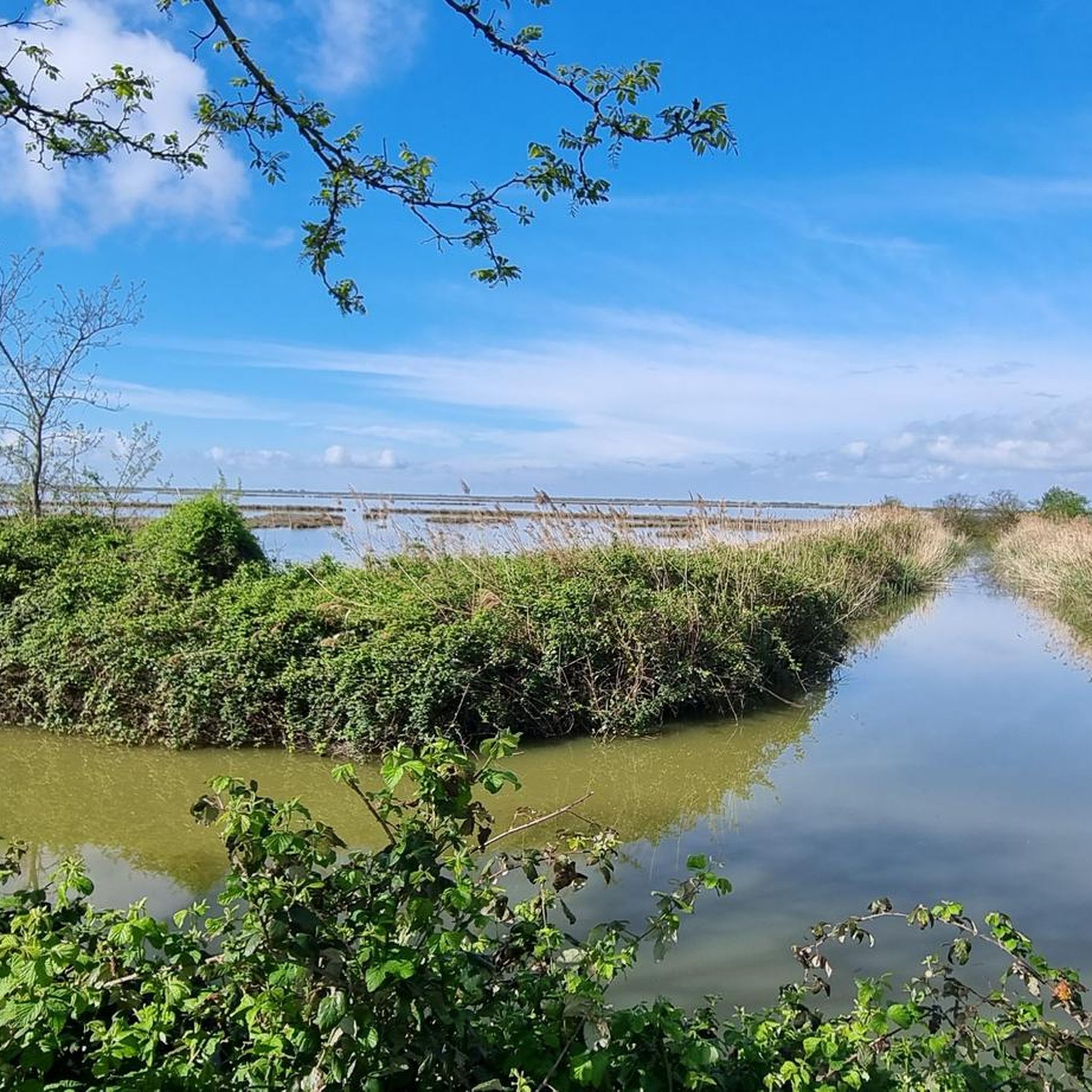
Once it flowed into Portegrandi di Quarto d'Altino, but in 1683 the Serenissima diverted its course via the Taglio del Sile canal, which transferred its waters to the old bed of the Piave, which was in turn diverted further east (for which the last stretch is also called Piave Vecchia). Finally, it flows into the Adriatic, dividing Lido di Jesolo from the Cavallino coast (Port of Piave Vecchia).
16
0
Frequently Asked Questions
What are some popular natural monuments to visit around Musile Di Piave?
The region around Musile Di Piave offers several notable natural monuments. Visitors often enjoy the Old River Port of Noventa di Piave, a historical site now a park with a landing place and barbecue area. Another popular spot is the Sile River mouth, where the Sile flows into the Adriatic Sea, marking a historical diversion point. You can also explore Bosco Olmè, a significant natural wood known for its diverse flora and fauna.
What kind of natural features can I expect to see around Musile Di Piave?
The natural monuments in this area are largely defined by the Sile River, one of Europe's longest spring-fed rivers. You'll encounter abundant resurgences (springs), lush woodlands, and diverse river ecosystems. The Regional Natural Park of the River Sile and the Oasi di Trepalade are prime examples, featuring aquatic plants, reeds, poplar groves, and a rich variety of trees like white willow, hornbeam, and oak.
Are there family-friendly natural monuments around Musile Di Piave?
Yes, several natural monuments are suitable for families. The Old River Port of Noventa di Piave is a park with amenities like a barbecue area, making it great for a family outing. The Sile River mouth is also considered family-friendly, offering scenic views and well-developed paths for cycling. Additionally, the Lone Tree of Via Barbaranella is located along a quiet road ideal for family bike rides.
What outdoor activities can I do near these natural monuments?
The region offers a variety of outdoor activities, especially cycling and running. You can find numerous routes for gravel biking, such as the 'Along the Sile – Burci Boat Cemetery loop'. For running, there are routes like the 'Embankment loop from Fossalta di Piave'. Road cycling is also popular, with routes like the 'Piave River – Santa Maria Della Vittoria loop'. Many of these paths run along the Sile and Piave rivers, offering scenic views of the natural monuments.
Are there historical elements within the natural monuments of Musile Di Piave?
Yes, the natural landscapes often intertwine with rich history. The Old River Port of Noventa di Piave dates back to the 10th century and reflects the area's past as a significant river trade hub. The Sile River mouth is notable for its historical diversion by the Serenissima Republic in 1683. The Regional Natural Park of the River Sile also contains aristocratic villas, ancient watermills, and traces of older pile-dwelling cultures, showcasing centuries of human interaction with the river.
What is the best time to visit the natural monuments in this region?
The natural monuments around Musile Di Piave, particularly the Sile River Park and Oasi di Trepalade, are enjoyable throughout much of the year. Spring and autumn offer pleasant temperatures for walking and cycling, with vibrant flora in spring and beautiful foliage in autumn. Summer is also popular, especially for activities along the river, though it can be warmer. Winter provides a quieter, often misty atmosphere, ideal for birdwatching.
Are there opportunities for birdwatching or wildlife observation?
Absolutely. The Regional Natural Park of the River Sile is a haven for wildlife, including ducks, geese, and numerous other bird species, making it an excellent spot for birdwatching. The Oasi di Trepalade, a protected habitat, also provides refuge for small mammals, reptiles, amphibians, and various rare bird species, allowing them to live and reproduce undisturbed.
Are there cycling paths or routes near these natural monuments?
Yes, the area is very cyclist-friendly. The Sile River Park features well-maintained cycle-pedestrian paths, and the Oasi di Trepalade is accessible via the Girasile bike path. The Lone Tree of Via Barbaranella is located on a quiet road favored by cyclists. You can explore various gravel biking and road cycling routes that pass through or near these natural areas.
What do visitors enjoy most about the natural monuments in Musile Di Piave?
Visitors appreciate the blend of natural beauty and historical significance. The well-developed paths for cyclists and walkers are often highlighted, especially along the Sile River. The tranquility of places like Bosco Olmè and the unique ecosystem of the Oasi di Trepalade are also highly valued. The historical context of sites like the Old River Port of Noventa di Piave adds another layer of interest.
Can I find ancient watermills or other historical structures along the Sile River?
Yes, the Regional Natural Park of the River Sile is known for its historical elements. Along the Sile River, you can find ancient watermills, locally known as 'mulinelli'. Some of these have been restored and are open to visitors, offering insights into the traditional use of water for milling cereals and the hydraulic works of the Venetian Republic from centuries past.
Are there any easy walking routes or trails suitable for beginners?
Yes, the natural areas around Musile Di Piave offer many accessible paths. The Sile River Park features well-maintained cycle-pedestrian paths that are generally flat and easy for walking. The Girasile bike path, which leads to the Oasi di Trepalade, is also suitable for leisurely walks. Many of the routes mentioned for running are also excellent for walking, such as the 'Embankment loop from Fossalta di Piave'.
Most popular routes around Musile Di Piave
Most popular attractions around Musile Di Piave

Get inspired with the komoot mobile app


Explore more
Extend your search for the best caves by checking out these guides of the top ones around Musile Di Piave:
