Top 7 Natural Monuments around Silea
Best natural monuments around Silea are primarily centered around the Regional Natural Park of the Sile River, a significant natural area covering more than 4000 hectares. This region is characterized by the Sile River, one of Europe's longest resurgence rivers, known for its clear waters and unique "fontanassi" springs. The landscape offers diverse natural features, including river ecosystems, marshlands, and ancient woodlands. Visitors can explore these areas through extensive walking and cycling paths.
Best natural monuments around Silea
- The most…
Last updated: October 1, 2026
Burci Boat Cemetery
Highlight • Historical Site
Translated by Google •
Tip by

Botteniga River
Highlight • River
Translated by Google •
Tip by

Sign up now to discover places like this
Get recommendations on the best single tracks, peaks, & plenty of other exciting outdoor places.
Source of the Meolo River
Highlight • River
Translated by Google •
Tip by

Majestic Black Poplar
Highlight • Natural Monument
Translated by Google •
Tip by

The Tree of Breda di Piave
Highlight • Natural Monument
Translated by Google •
Tip by
Sign up for free to discover even more natural monuments around Silea.
Already have an account?
Start today with a free account
Your next adventure awaits.


Tips from the Community

Much water flows around the historic old town of Treviso
0
0

May '26: the old champion is still standing and the foliage is getting thicker
0
0
Visited today: it looks bald, but we'll wait for the warm season to judge it. In the meantime, take a look at the branches that they cut
0
0

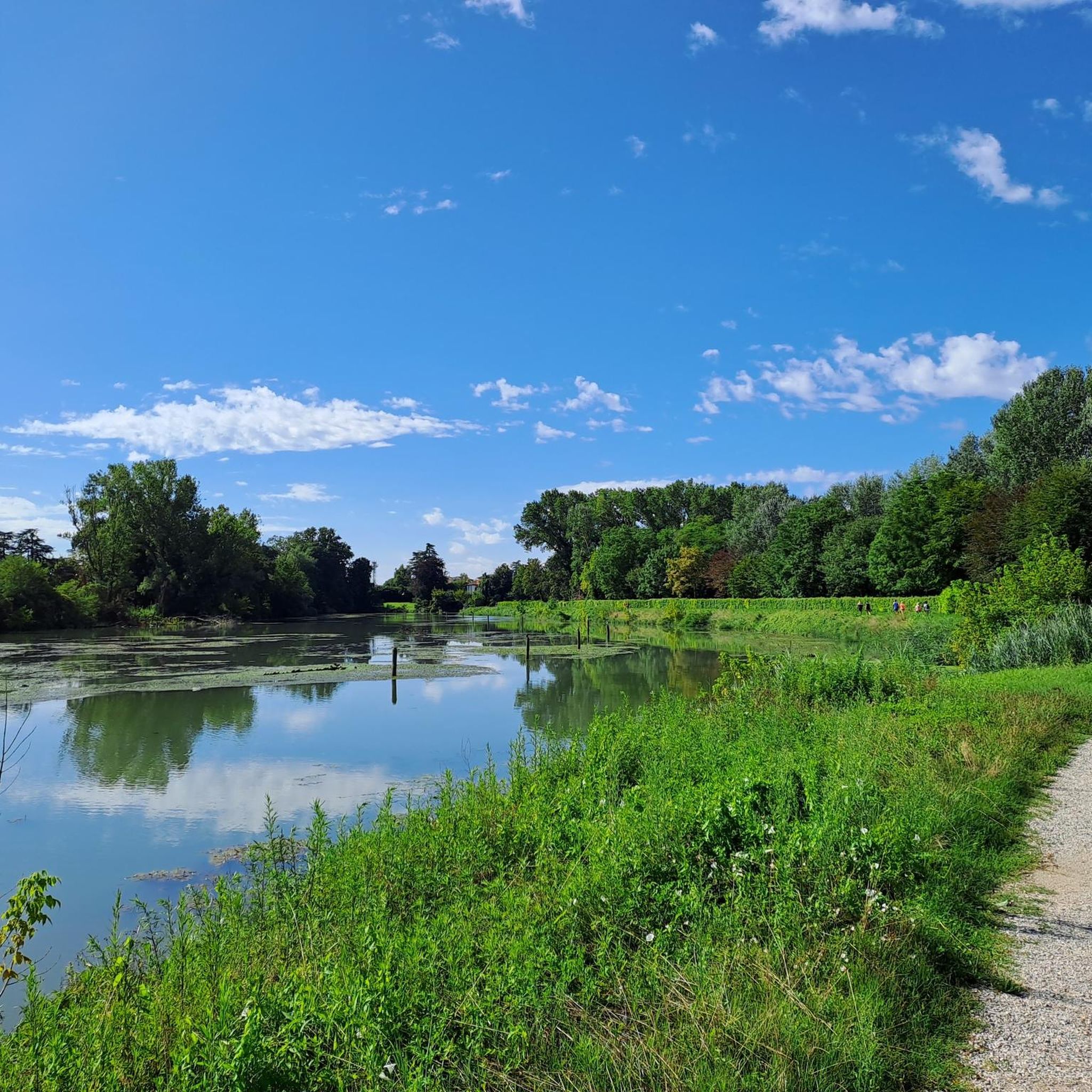
The Botteniga is a resurgence river in the Veneto-Friuli plain. It rises a few kilometers north of the city of Treviso (San Pelaio); shortly after it receives the waters of the La Cerca canal, the Pegorile and the Piavesella di Nervesa and then divides into several branches at the gates of the walls of Treviso, near the Ponte de Pria: • The Cagnan Grande or della Pescheria; • The Cagnan Medio or canale dei Buranelli (0.743 km); • The Cagnan della Roggia or Siletto (1.117 km); • The Convertite or Santa Sofia canal (0.882 km, mostly buried); • the canal that laps the outside of the walls on the eastern side (the western one has been buried). This system is actually part of a notable work of hydraulic engineering designed in the sixteenth century by Giovanni Giocondo for the defense of the walls. All the branches finally flow into the hydrographic left of the Sile river. The waters of the Botteniga also feed the spring from which the Cantarane canal flows (0.447 km, now mostly filled in).
0
0

Tree located in Breda di Piave.
6
0
He's still majestic, but it hurts a little to see him injured: maybe lightning?
1
0
The old name of the Meolo river is Pero. This is why, in these parts, river and place names blend together
0
0
Frequently Asked Questions
What unique natural features can I explore in the Silea area?
The Silea area is primarily defined by the Regional Natural Park of the Sile River, which features the Sile River itself, one of Europe's longest resurgence rivers. You can witness the unique 'fontanassi' springs where water emerges from the ground, creating serene landscapes of small lakes, marshes, and peat plains. The park also boasts diverse river ecosystems and ancient woodlands.
Are there any historical natural monuments around Silea?
Yes, the area offers a blend of natural beauty and history. A notable site is the Burci Boat Cemetery, where you can see the skeletal remains of traditional wooden boats once used for commercial transport along the river. Wooden walkways allow for close exploration of this evocative historical landmark.
What kind of wildlife can I expect to see in the natural areas near Silea?
The natural areas around Silea are rich in biodiversity. The Cervara Mill Naturalistic Oasis is home to various marsh plants, birds, and freshwater reptiles. Additionally, the Centro Cicogne Silea is dedicated to reintroducing white storks, offering a chance to observe these elegant birds and other local wildlife, alongside diverse flora that attracts butterflies.
Are there family-friendly natural monuments suitable for children around Silea?
Many natural monuments in the Silea area are family-friendly. The Botteniga River offers a peaceful setting, and the Source of the Meolo River provides an interesting natural phenomenon. Exploring the extensive network of paths along the Sile River is also a great activity for families.
What outdoor activities are available near Silea's natural monuments?
The area is ideal for 'slow' tourism. You can enjoy extensive walking and cycling along the 'GiraSile' paths, which often follow old towpaths along the river. For specific routes, consider exploring the hiking trails around Silea or the road cycling routes, which include options like the 'Cimitero dei Burci — ring tour' for hikers and various riverside loops for cyclists.
What is the best time of year to visit the natural monuments around Silea?
The Sile River maintains a consistent flow year-round due to its resurgence nature, making it accessible in most seasons. Spring and autumn are particularly pleasant for exploring the paths and observing wildlife, with milder temperatures and vibrant natural colors. Summer offers opportunities for leisurely boat trips, while winter can provide a unique, tranquil atmosphere.
Are there any notable trees or unique natural formations to see?
Beyond the river itself, you can find impressive individual trees that stand out in the landscape. For instance, the Majestic Black Poplar is a prominent natural feature in the agricultural countryside, and The Tree of Breda di Piave also offers a striking sight.
What do visitors enjoy most about the natural monuments in Silea?
Visitors often appreciate the tranquility and unique blend of nature and history. The Burci Boat Cemetery is frequently highlighted for its suggestive and fascinating sight, offering insight into the river's past. The clear waters of the Sile and the peaceful atmosphere of its banks are also highly valued.
Are there opportunities for running or jogging near the natural monuments?
Yes, the extensive network of paths along the Sile River is excellent for running. You can find various routes, such as the 'Sile River Cycle Path' or the 'Sile Riverside Path – Mulino Mandelli loop from Silea'. For more options, check out the running trails around Silea.
Is there public transport or parking available for visiting these natural sites?
While specific details for each site vary, the Silea area is generally accessible. The Regional Natural Park of the Sile River spans several municipalities, and many points of interest are reachable by car with parking available nearby. Public transport options may connect to larger towns within the park, from which you can access paths and sites.
How long does it typically take to explore the natural monuments around Silea?
The time required depends on your chosen activity. A visit to a specific highlight like the Burci Boat Cemetery might take an hour or two. For more extensive exploration, such as cycling the 'GiraSile' paths or hiking longer routes, you could easily spend half a day or a full day immersing yourself in the natural beauty of the Sile River Park.
Are the natural trails around Silea suitable for dogs?
Many of the natural paths and trails along the Sile River are suitable for dogs, especially if kept on a leash. The extensive network of walking and cycling paths provides ample space for you and your canine companion to enjoy the tranquil natural landscapes. Always ensure to follow local regulations regarding pets in natural areas.
Most popular attractions around Silea

Get inspired with the komoot mobile app


Explore more
Extend your search for the best caves by checking out these guides of the top ones around Silea:
