Top 12 Natural Monuments around Spresiano
Best natural monuments around Spresiano are found in a municipality within the province of Treviso, Italy, characterized by its natural areas and proximity to the Piave River. The region offers diverse landscapes, including riverine environments, meadows, and historical embankments. These features provide opportunities for outdoor activities and appreciation of the local flora and geology. The area is known for its combination of natural parks, historical sites, and riverine environments.
Best natural monuments around Spresiano
- The most popular natural monuments is…
Last updated: June 28, 2026
Botteniga River
Highlight • River
Translated by Google •
Tip by

Monument to General Giuseppe Pennella and Valley of the Dead
Highlight • Monument
Translated by Google •
Tip by

Sign up now to discover places like this
Get recommendations on the best single tracks, peaks, & plenty of other exciting outdoor places.
Sign up for free
Le Volpere Nature Trail
Highlight • Trail
Translated by Google •
Tip by

Source of the Meolo River
Highlight • River
Translated by Google •
Tip by
Tavaran Grando Cave
Highlight • Cave
Translated by Google •
Tip by

Sign up for free to discover even more natural monuments around Spresiano.
Sign up for free
Already have an account?
Start today with a free account
Your next adventure awaits.
Login or Signup


Other adventures around Spresiano

Tips from the Community

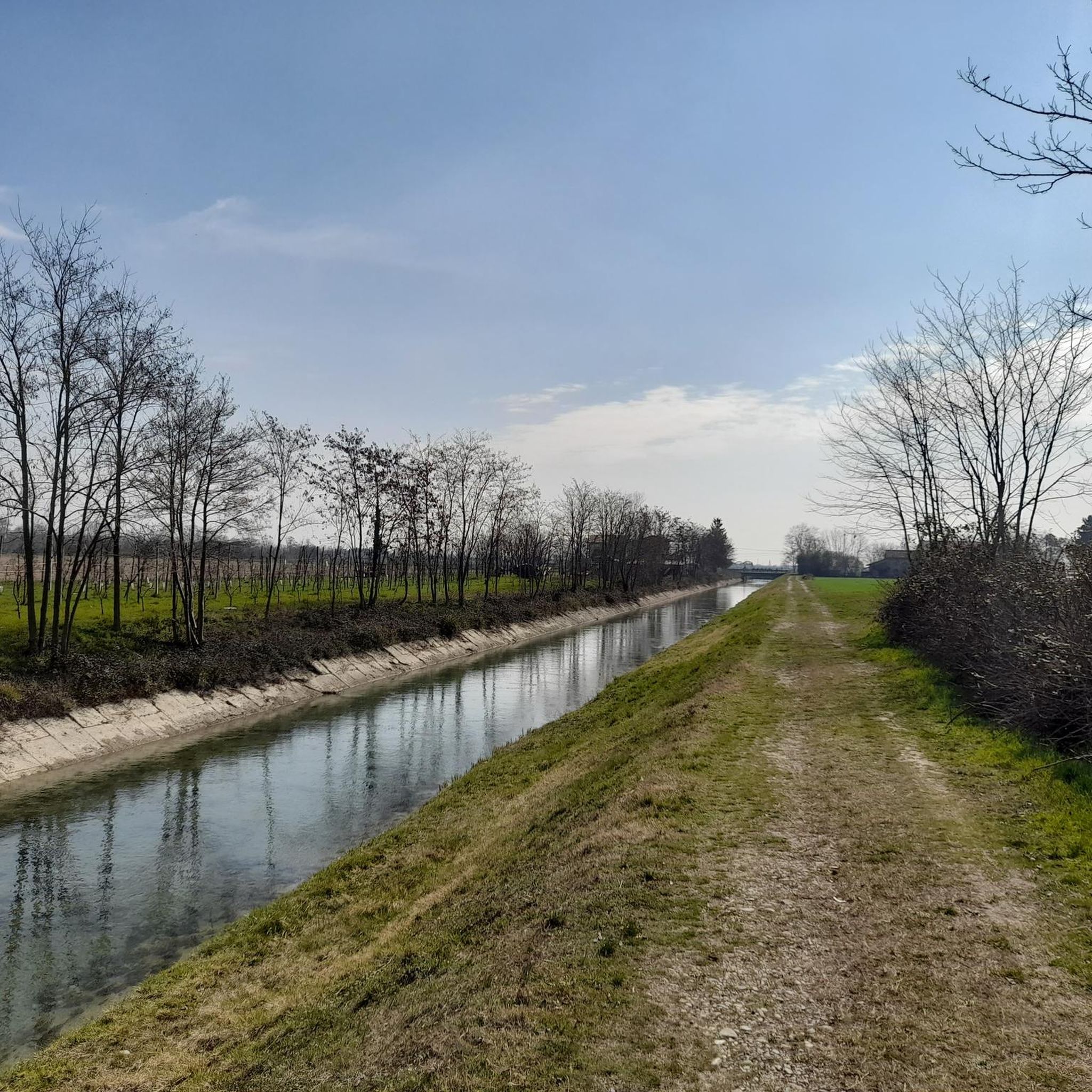
The Botteniga is a resurgence river in the Veneto-Friuli plain. It rises a few kilometers north of the city of Treviso (San Pelaio); shortly after it receives the waters of the La Cerca canal, the Pegorile and the Piavesella di Nervesa and then divides into several branches at the gates of the walls of Treviso, near the Ponte de Pria: • The Cagnan Grande or della Pescheria; • The Cagnan Medio or canale dei Buranelli (0.743 km); • The Cagnan della Roggia or Siletto (1.117 km); • The Convertite or Santa Sofia canal (0.882 km, mostly buried); • the canal that laps the outside of the walls on the eastern side (the western one has been buried). This system is actually part of a notable work of hydraulic engineering designed in the sixteenth century by Giovanni Giocondo for the defense of the walls. All the branches finally flow into the hydrographic left of the Sile river. The waters of the Botteniga also feed the spring from which the Cantarane canal flows (0.447 km, now mostly filled in).
0
0

Place where a very tough battle took place between 15 and 23 June 1918.
17
0

The table well illustrates the history of the Falzè pontoon bridge on the Piave
1
0
in Falzè, along the route, a stop at the rebuilt raft in the recreational area is recommended, where there are comprehensive illustrative tables
1
0

The old name of the Meolo river is Pero. This is why, in these parts, river and place names blend together
0
0
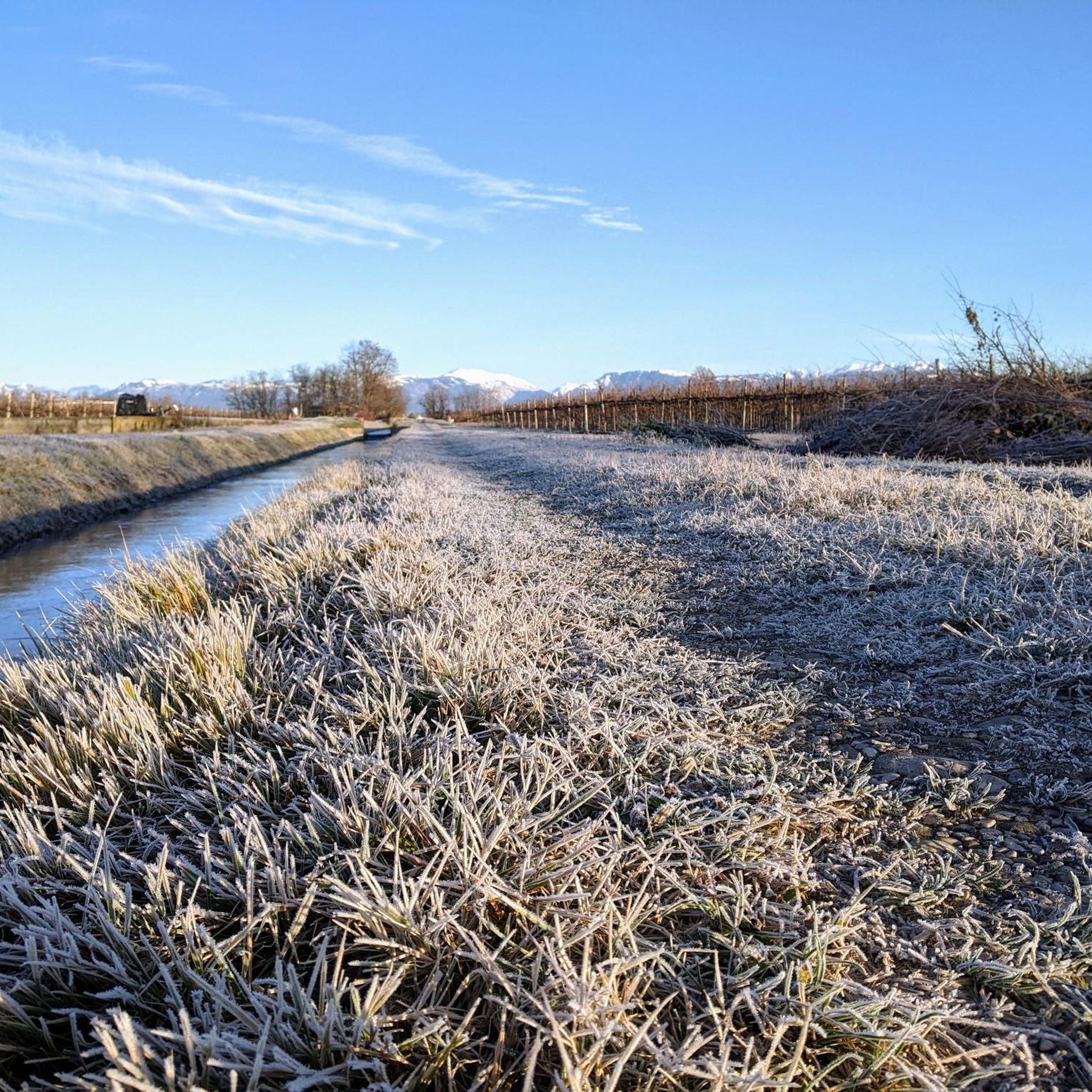
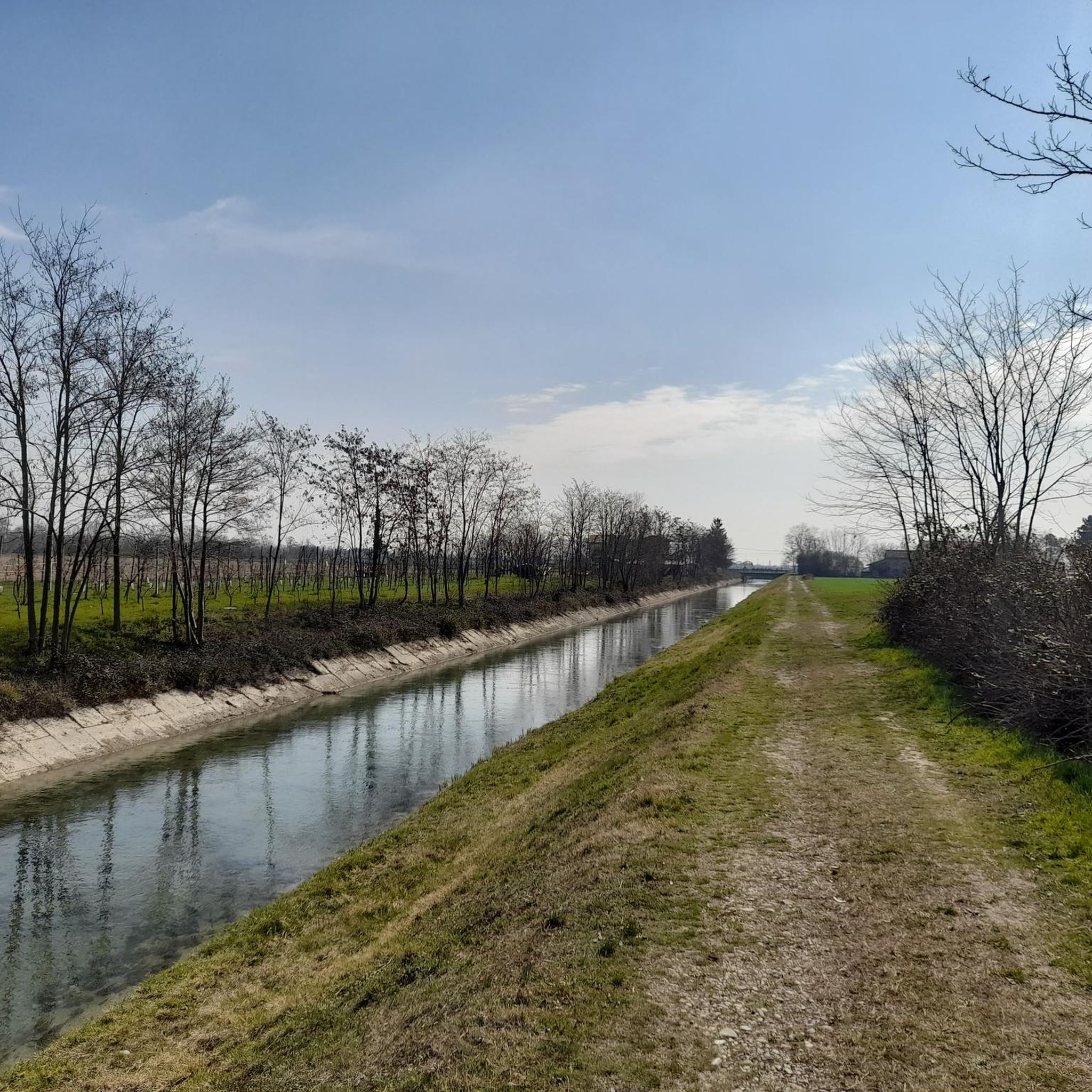
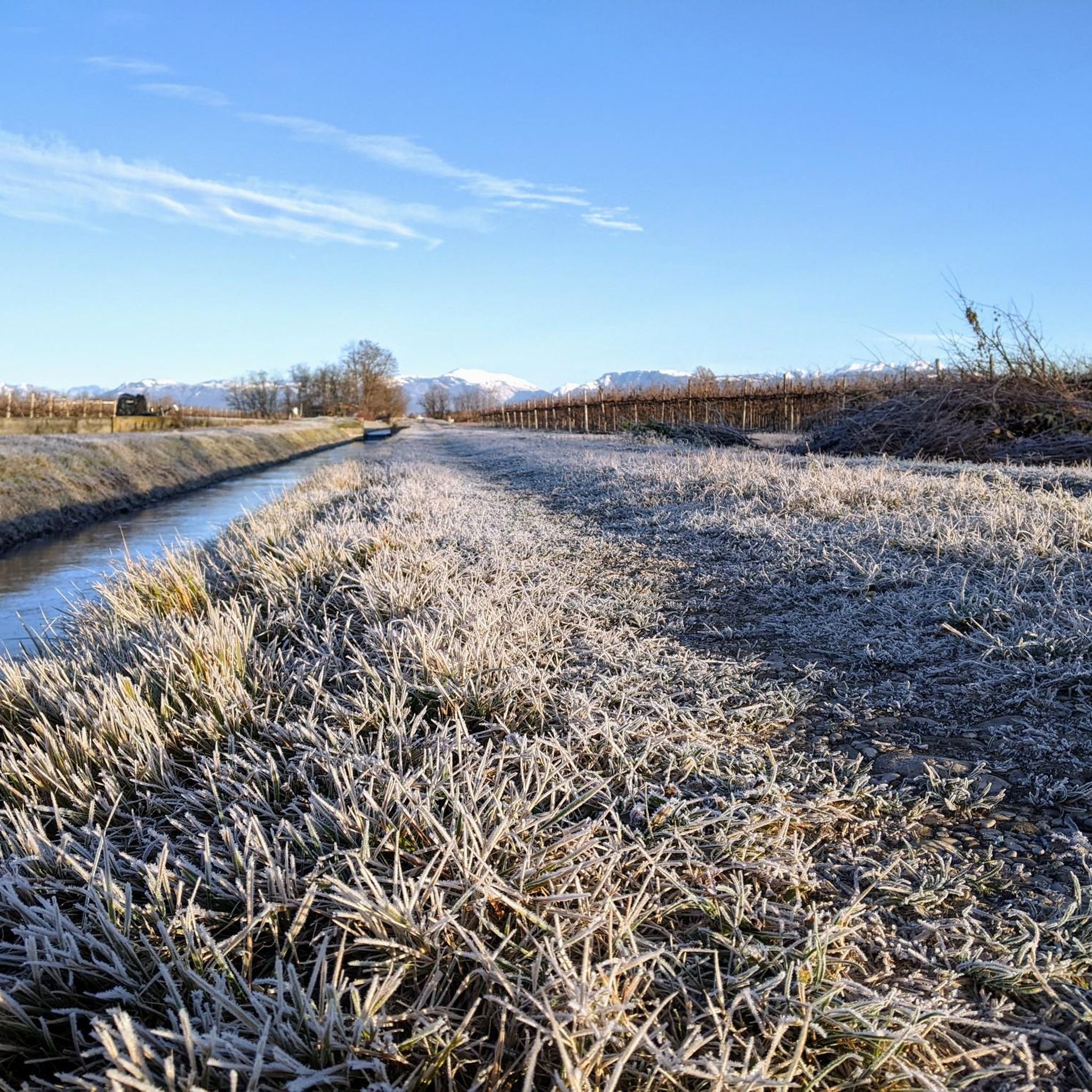
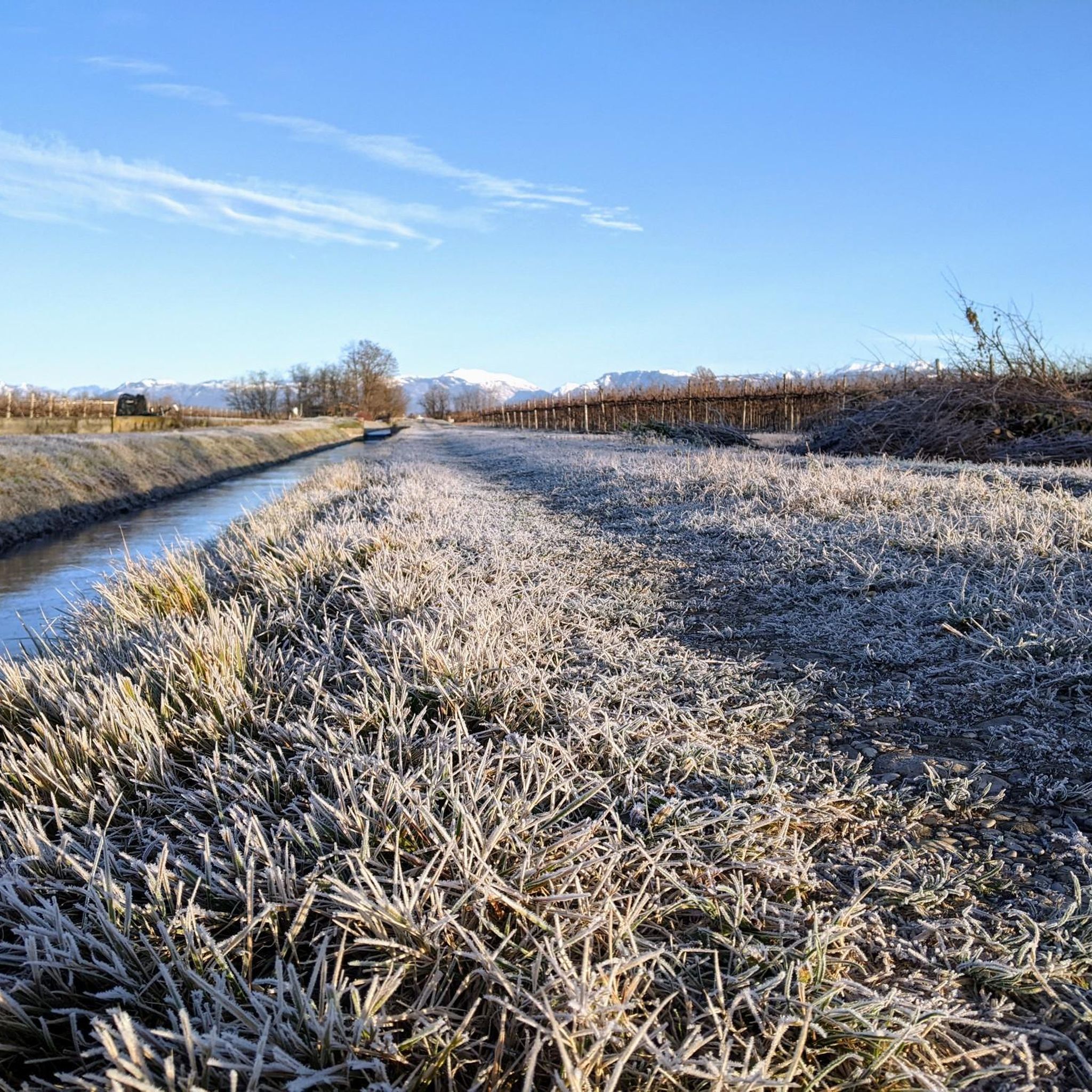
The sources of the Meolo river are about 200 m away. from the bridge, unfortunately it was not possible to approach them because they were fenced off. It originates east of Breda di Piave, in the Campagne area, and flows for about twenty kilometers in the provinces of Treviso and Venice, crossing, among others, San Biagio di Callalta and Monastery of Treviso. At the town of the same name, the river bifurcates: the new main axis, maintaining the name of the Meolo river, heads south and flows shortly afterwards into the Vallio; the historic course, called the Meolo flowway, moves towards the south-east and its waters flow partly into the Colatore Principale reclamation canal and partly, by means of a structure that bypasses the previous watercourse, into the Fossetta canal. This situation is the result of the reclamation that affected the Lower Piave and was completed in the 1930s. Along its course there are country residences built by Venetian families between the 15th and the 19th centuries as well as the former Abbey of Santa Maria di Pero
11
0

Nice climb, excellent road surface
2
0
The Valley of the Dead is so named due to the large amount of remains that emerged after the conclusion of the Battle of the Solstice.
18
0
Frequently Asked Questions
What are some of the most popular natural monuments to visit around Spresiano?
Visitors frequently enjoy the unique karst formations and historical significance of the area. A highly rated spot is the Tavaran Grando Cave, a 400-meter-long karst cave easily accessible from Nervesa della Battaglia. Another significant site is the Monument to General Giuseppe Pennella and Valley of the Dead, which combines a deep sinkhole with a poignant historical monument.
Are there natural monuments around Spresiano that are suitable for families with children?
Yes, several natural monuments are family-friendly. The Botteniga River, which flows near Treviso, offers a peaceful environment for walks. The Tavaran Grando Cave is also considered accessible for families, providing an interesting natural exploration. Additionally, the Source of the Meolo River is a tranquil spot suitable for a family outing.
What kind of natural features can I expect to see in the Spresiano area?
The Spresiano area is rich in diverse natural features. You'll find significant riverine environments, such as the Botteniga River and the Source of the Meolo River. The region also features impressive karst formations, exemplified by the Tavaran Grando Cave. Beyond specific highlights, the broader landscape includes meadows, vineyards, and historical embankments along the Piave River, offering varied natural scenery.
Are there historical sites integrated with the natural monuments around Spresiano?
Absolutely. The Monument to General Giuseppe Pennella and Valley of the Dead is a prime example, combining a natural sinkhole with a significant World War I memorial. The Le Volpere Nature Trail also holds historical value, with evidence of Mesolithic settlements and historical river crossing points like the 'Passo Barca' and 'Porto delle Zattere'.
What outdoor activities can I do near the natural monuments in Spresiano?
The area around Spresiano offers excellent opportunities for various outdoor activities. You can explore numerous cycling routes, including road cycling, mountain biking, and touring bicycle options. For example, there are many road cycling routes that take you through scenic landscapes, and MTB trails for more adventurous rides. The paths along the Piave River, such as those near the Murazzi, are also popular for walking and cycling.
Are there hiking trails near these natural monuments?
Yes, the region provides several trails for hiking. The Le Volpere Nature Trail is a notable path winding along the Piave River, offering insights into local geology and history. The broader area, including the Parco delle Grave di Spresiano e i Murazzi, features picturesque routes through meadows and vineyards, ideal for trekking. You can find more options for cycling and walking routes in the vicinity.
What is the best time of year to visit the natural monuments around Spresiano?
While many natural monuments are accessible year-round, spring and autumn are often considered ideal. During these seasons, the weather is generally mild, making outdoor activities like hiking and cycling more comfortable. Autumn also offers beautiful foliage, especially in areas with forests and vineyards, enhancing the scenic beauty of the natural sites.
Are there any hidden natural gems or less-known spots worth exploring?
Beyond the more prominent sites, the broader natural areas like the Parco delle Grave di Spresiano e i Murazzi offer tranquil escapes. These areas, with their winding paths through meadows and vineyards, provide opportunities to discover peaceful spots along the Piave River and observe local flora and fauna away from larger crowds.
What do visitors enjoy most about the natural monuments in Spresiano?
Visitors particularly appreciate the blend of natural beauty and historical significance. The unique karst formations, like the Tavaran Grando Cave, offer a sense of geological wonder. The serene riverine landscapes, such as those along the Botteniga River, provide peaceful settings for relaxation. The historical context, especially at sites like the Monument to General Giuseppe Pennella, adds a deeper layer of appreciation for the region's past.
Is it possible to find cafes or refreshment spots near the natural monuments?
While specific cafes might not be directly adjacent to every natural monument, the Spresiano municipality and nearby towns offer various options. After exploring natural sites, you can typically find cafes and restaurants in the main village centers or along popular routes, especially in areas like Treviso, which is close to the Botteniga River.
Are the natural monuments around Spresiano accessible by public transport?
Access to natural monuments by public transport can vary. While Spresiano itself has public transport connections, reaching some of the more secluded natural sites might require a combination of public transport and walking, or personal vehicle. It's advisable to check local bus schedules and routes for specific destinations like the Parco delle Grave or starting points for trails.
Can I bring my dog to the natural monuments and trails in the Spresiano area?
Many natural areas and trails around Spresiano are generally dog-friendly, especially those in open spaces like the paths along the Piave River and within the Parco delle Grave. However, it's always recommended to keep dogs on a leash and to check for any specific local regulations or signage at individual sites, particularly for protected areas or caves.
Most popular routes around Spresiano
Most popular attractions around Spresiano

Get inspired with the komoot mobile app


Explore more
Extend your search for the best caves by checking out these guides of the top ones around Spresiano:
