Top 20 Natural Monuments around Vallada Agordina
Best natural monuments around Vallada Agordina are found within the Dolomites UNESCO World Natural Heritage Site, a region known for its unique geological formations and dramatic peaks. Vallada Agordina is situated amidst the Marmolada and Pala Groups, offering access to a landscape characterized by towering cliffs and verdant valleys. The area's geological history, spanning over 250 million years, has created distinctive dolomite rock features. This location provides direct access to extraordinary natural heritage and untouched mountain environments.
Best natural monuments around Vallada Agordina
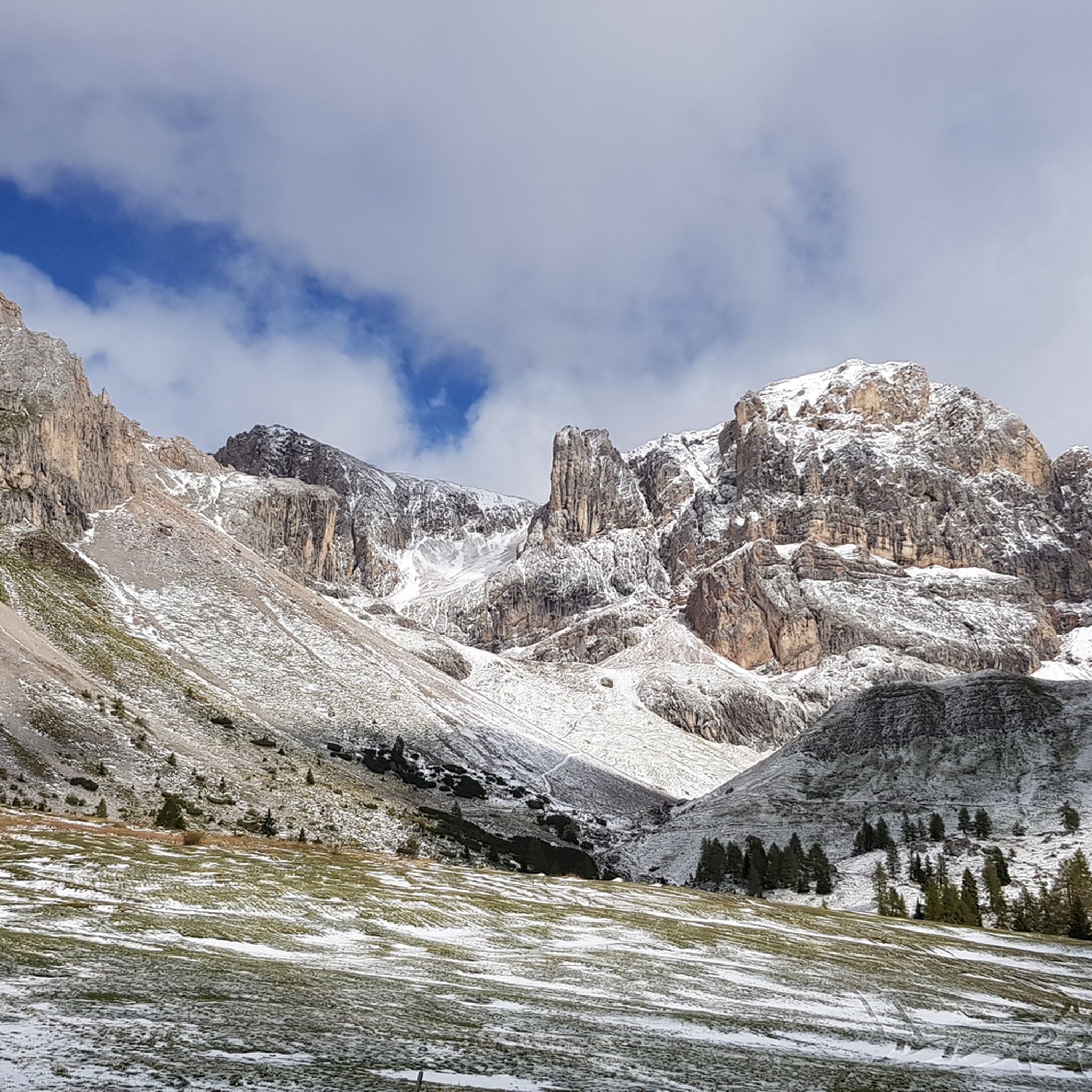
- The most popular natural monuments is Lake Coldai, a lake of glacial origin. Located at 2,143 meters, it is known for its green color from mineral mixtures and is surrounded by rock walls and flower-filled meadows.
- Another must-see spot is Lake Fedaia, an artificial lake located at 2,057 meters on the Fedaia pass. This basin is situated at the base of the Marmolada, offering views of the surrounding mountains.
- Visitors also love Monte Civetta Summit, one of the highest peaks in the Dolomites. This summit offers panoramic views for experienced climbers.
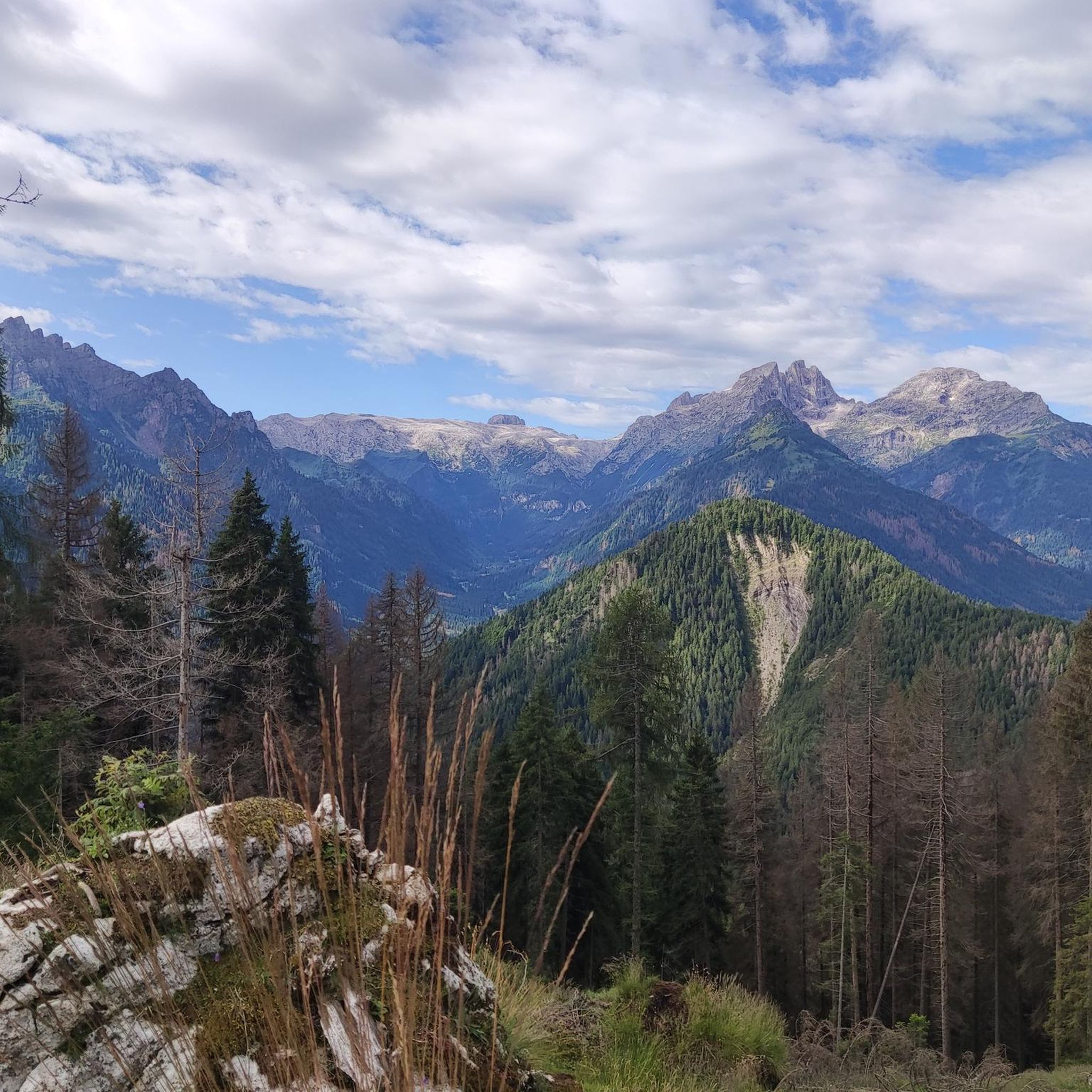
- Vallada Agordina is known for its diverse natural monuments, including alpine lakes, high mountain summits, and extensive mountain ranges. The region offers a variety of natural features to explore, from glacial formations to dramatic rock walls.
- The natural monuments around Vallada Agordina are appreciated by the komoot community, with 45 upvotes and 38 photos contributing to the guide.
Last updated: July 12, 2026
Monte Civetta Summit
Highlight • Summit
Tip by

Punta Penia (Marmolada Summit)
Highlight • Summit
Translated by Google •
Tip by

Sign up now to discover places like this
Get recommendations on the best single tracks, peaks, & plenty of other exciting outdoor places.
Sign up for free
Lake Coldai
Highlight • Lake
The unique color, the wonderful mountain landscapes, the imposing walls of Mount Civetta make the lake a unique and very fascinating place, a popular excursion destination for thousands of visitors every year.
OUT OF RESPECT FOR THE ENVIRONMENT, SWIMMING IS PROHIBITED.
Translated by Google •
Tip by

Lake Fedaia
Highlight • Lake
Translated by Google •
Tip by

Lake Fedaia
Highlight • Lake
Translated by Google •
Tip by

Sign up for free to discover even more natural monuments around Vallada Agordina.
Sign up for free
Already have an account?
Start today with a free account
Your next adventure awaits.
Login or Signup

Tips from the Community

Lake Fedaia is an artificial lake at the foot of the Marmolada
1
0

The reservoir lies between the northern slope of the Marmolada and the Padon ridge running north of the lake. The SS 641 "del Passo Fedaia" state road runs along the northern shore of the lake from Canazei to Rocca Pietore. The Avisio River, which originates in the glacial area of the Marmolada and flows further through the Fassa Valley, is dammed, as are several smaller streams, such as the Torrente Vernel and the Torrente Ombretta. The water from the Torrente Obretta, which lies below the reservoir, is collected and pumped into the lake.[3]
0
0

Very worth seeing, you have to see it
1
0

The ascent from the west (Canazei) is quite comfortable and rewards with a view of the Marmolada. The descent to the east is tough. Longer sections with a 15% gradient (or ascent, depending on the direction of travel) require full concentration.
1
2

With its 3,343 meters of altitude, Punta Penia is the highest peak of the Marmolada and of all the Dolomites. Climbed for the first time in 1864 by the Viennese Paul Grohmann, pioneer of mountaineering, with the Ampezzo guides Angelo and Fulgenzio Dimai. On the summit there is a small refuge, perfect for those who want to find refreshment and a roof over their heads: the Capanna Punta Penia, managed for years by Carlo Budel.
1
0


Artificial basin at the foot of the Marmolada with a road route that follows its perimeter
1
0
Frequently Asked Questions
What are some of the most remarkable natural monuments to visit around Vallada Agordina?
The area around Vallada Agordina, nestled within the Dolomites UNESCO World Natural Heritage Site, offers several stunning natural monuments. Highly recommended are Lake Coldai, an alpine lake known for its striking green color, and Lake Fedaia, an artificial lake at the base of the Marmolada. For experienced climbers, the Monte Civetta Summit offers breathtaking panoramic views.
What kind of unique natural features can I expect to see in the Vallada Agordina region?
Vallada Agordina is part of the Dolomites UNESCO World Natural Heritage Site, renowned for its unique geological formations. You'll encounter dramatic peaks, towering vertical cliffs, and the distinctive light-colored dolomite rock that gives the mountains their characteristic appearance. The region's geological history, spanning over 250 million years, has created a landscape of ancient seas, tectonic movements, and volcanic activity, resulting in a truly extraordinary natural heritage.
Are there any family-friendly natural monuments or walks around Vallada Agordina?
Yes, the area offers options suitable for families. Lake Fedaia is considered family-friendly, offering accessible views of the surrounding mountains. While many trails in the Dolomites can be challenging, there are also numerous well-marked paths through lush forests that provide easier walks for families to enjoy the tranquility of nature and spot local wildlife.
What outdoor activities can I do near the natural monuments around Vallada Agordina?
The region is a prime location for various outdoor activities. You can enjoy extensive hiking and mountaineering, with routes like the challenging 'Lake Fedaia – Via Ferrata delle Trincee loop' or the 'Lake Coldai – Attilio Tissi Hut loop'. Road cycling is also popular, with routes such as the 'Passo Valles (2032 m) – Passo Rolle loop'. For more details on these and other routes, explore the Mountain Hikes, Road Cycling Routes, and Hiking guides around Vallada Agordina.
What is the best time of year to visit the natural monuments in Vallada Agordina?
The best time to visit Vallada Agordina for hiking and exploring its natural monuments is typically during the warmer months, from late spring to early autumn (June to September). During this period, trails are generally clear of snow, and the weather is more favorable for outdoor activities. The meadows are full of flowers, and the mountain landscapes are at their most vibrant. Winter offers opportunities for snow-related activities, but access to some higher-altitude natural monuments may be restricted due to snow and ice.
Are there any challenging climbs or trails for experienced adventurers?
Absolutely. The Dolomites are renowned for their challenging terrain. The Monte Civetta Summit, one of the highest peaks, is recommended for experienced climbers. Similarly, Punta Penia (Marmolada Summit), the highest point of the Dolomites, requires proper alpine equipment and experience, often involving via ferratas. Many hiking and mountaineering routes in the area are rated as difficult, such as the 'Lake Fedaia – Via Ferrata delle Trincee loop'.
Can I bring my dog on trails to the natural monuments?
Many trails in the Dolomites are dog-friendly, allowing you to explore the natural beauty with your canine companion. However, it's always advisable to check specific trail regulations or local signage, especially in protected areas or near sensitive wildlife habitats. Always keep your dog on a leash and ensure you clean up after them to preserve the pristine environment.
What are the typical difficulties of hiking trails around Vallada Agordina's natural monuments?
Hiking trails around Vallada Agordina vary in difficulty. While some paths through the valleys and lower forests are moderate, many routes leading to the prominent natural monuments, such as those around Lake Coldai or the summits, are rated as difficult. These often involve significant elevation gain, rocky terrain, and can be long. It's crucial to assess your fitness level and choose routes accordingly, bringing appropriate gear and checking weather conditions.
Is public transport available to reach natural monuments near Vallada Agordina?
While Vallada Agordina itself is a charming mountain village, public transport options directly to specific natural monuments can be limited. Access to many trailheads and higher-altitude attractions often requires a car. However, local bus services connect villages within the Val Biois, which might get you closer to certain starting points. It's best to research specific routes and schedules in advance if relying on public transport.
Are there any hidden natural gems or less-known spots worth exploring?
While the major highlights like Lake Coldai and the Marmolada are well-known, the broader Dolomite region surrounding Vallada Agordina is rich with untouched natural beauty. Exploring the dense network of well-marked trails through the lush and wild forests can lead you to serene viewpoints and quiet spots away from the main crowds. The Alta Via dei Pastori, for instance, offers a multi-day trek showcasing representative mountain locations of the Val Biois, providing a genuine and authentic experience of the untouched mountain environment.
What kind of wildlife might I spot near the natural monuments?
The natural environment around Vallada Agordina is largely untouched, offering opportunities to spot local wildlife. As you explore the lush forests and mountain trails, you might encounter deer, foxes, and roe deer. Birdwatching is also rewarding, with various alpine species inhabiting the area. Maintaining a quiet presence and observing from a distance increases your chances of a wildlife sighting.
What do visitors enjoy most about the natural monuments in this region?
Visitors consistently praise the breathtaking natural beauty and the unique geological formations of the Dolomites. The striking contrast between gentle fields and towering vertical cliffs, the vibrant green of Lake Coldai, and the panoramic views from summits like Monte Civetta are frequently highlighted. The tranquility of nature, the opportunity for diverse outdoor activities, and the feeling of being immersed in a UNESCO World Heritage Site also contribute to a highly valued experience.
Most popular routes around Vallada Agordina
Most popular attractions around Vallada Agordina

Get inspired with the komoot mobile app


Explore more
Extend your search for the best caves by checking out these guides of the top ones around Vallada Agordina:
