Top 7 Natural Monuments around Cordenons
Best natural monuments around Cordenons include unique steppe environments, significant river systems, and protected natural areas. Cordenons is situated within the Province of Pordenone, offering access to diverse natural attractions that showcase unique ecosystems and geological formations. The region is characterized by its flat morphology, influenced by the Cellina and Meduna rivers, which contribute to its distinctive landscapes like the Magredi. These areas provide opportunities for outdoor activities such as walking, cycling, and birdwatching.
Best natural monuments around Cordenons
- The…
Last updated: June 28, 2026
Cellina River Levee in Magredi del Cellina
Highlight • River
Translated by Google •
Tip by

Ford on the Meduna River
Highlight • River
Translated by Google •
Tip by

Sign up now to discover places like this
Get recommendations on the best single tracks, peaks, & plenty of other exciting outdoor places.
Sign up for free
Magredi Biotope of San Quirino
Highlight • Natural Monument
Translated by Google •
Tip by
Magredi del Cellina Nature Reserve
Highlight • Natural Monument
Translated by Google •
Tip by

Laghetti di Coscena and Tafjord
Highlight • Lake
They were originally pools of water surrounded by a marshy environment; they …
Translated by Google •
Tip by

Sign up for free to discover even more natural monuments around Cordenons.
Sign up for free
Already have an account?
Start today with a free account
Your next adventure awaits.
Login or Signup
Tips from the Community

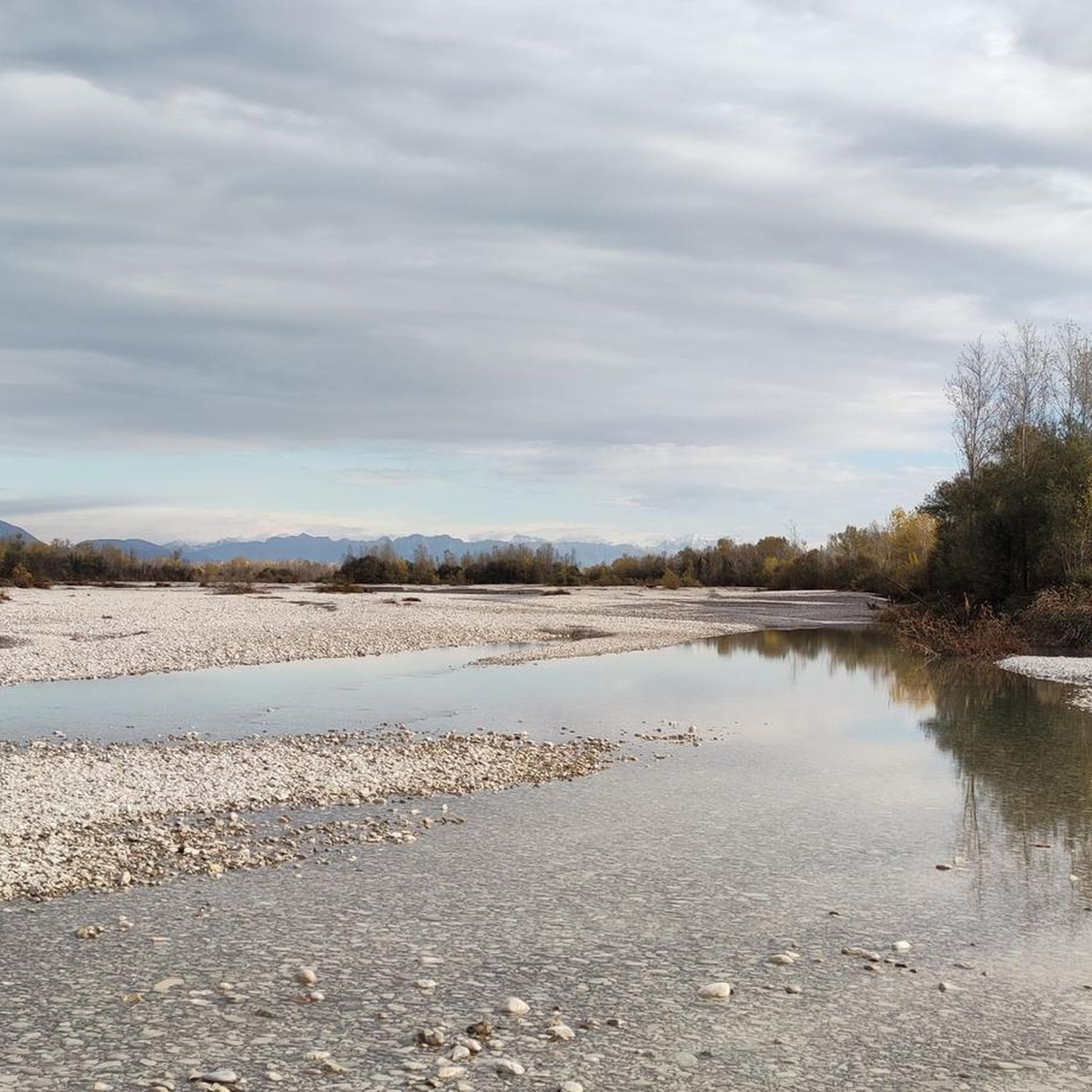
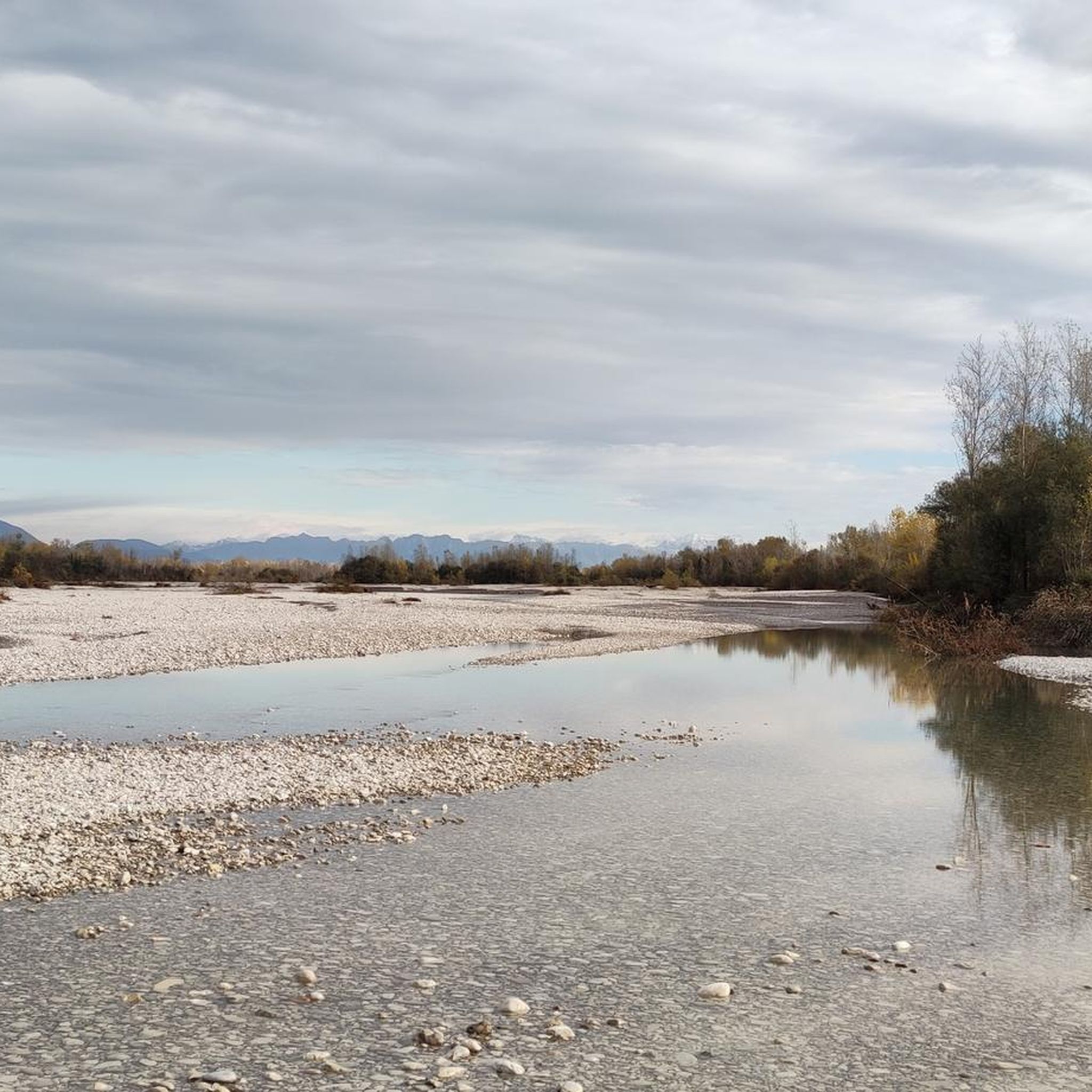
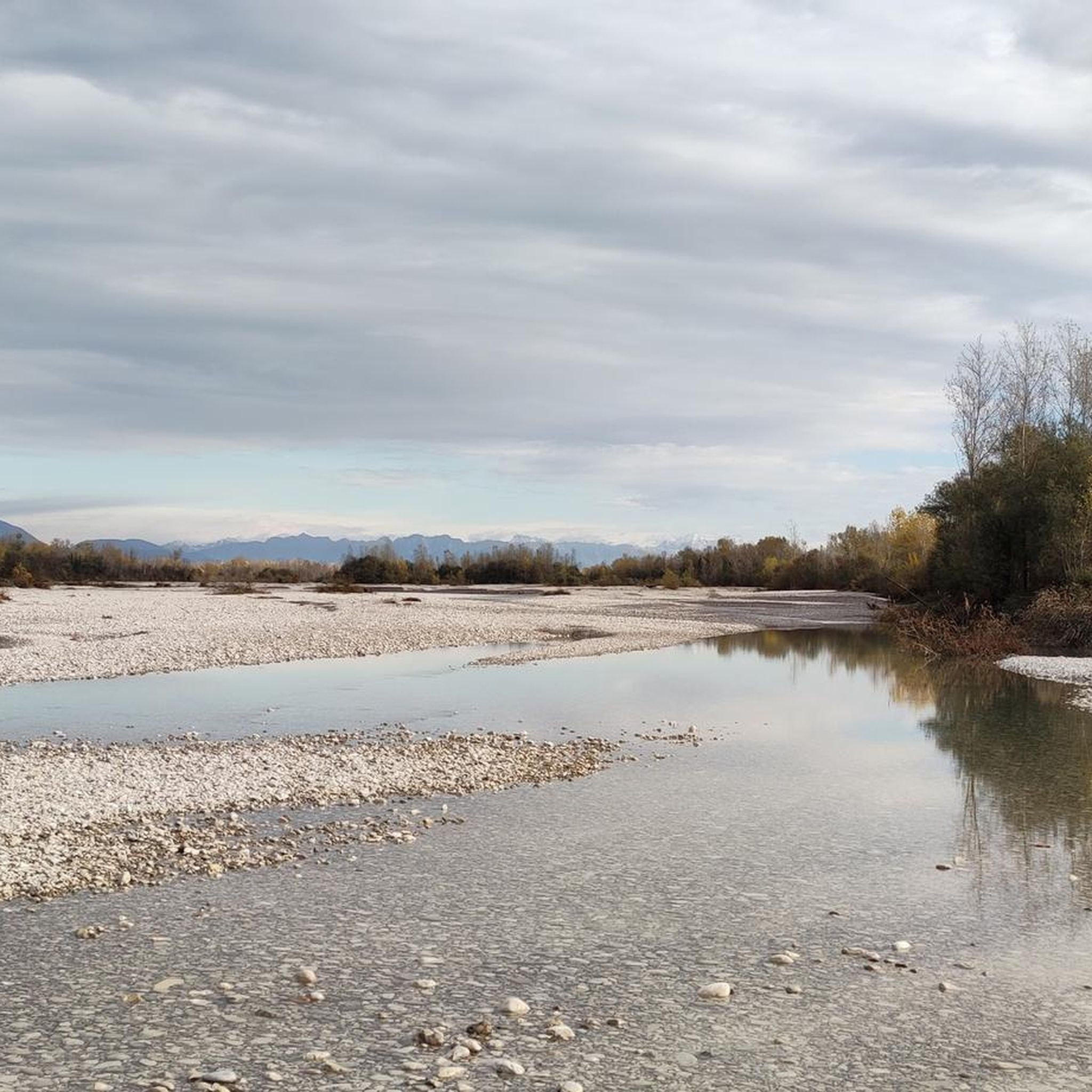
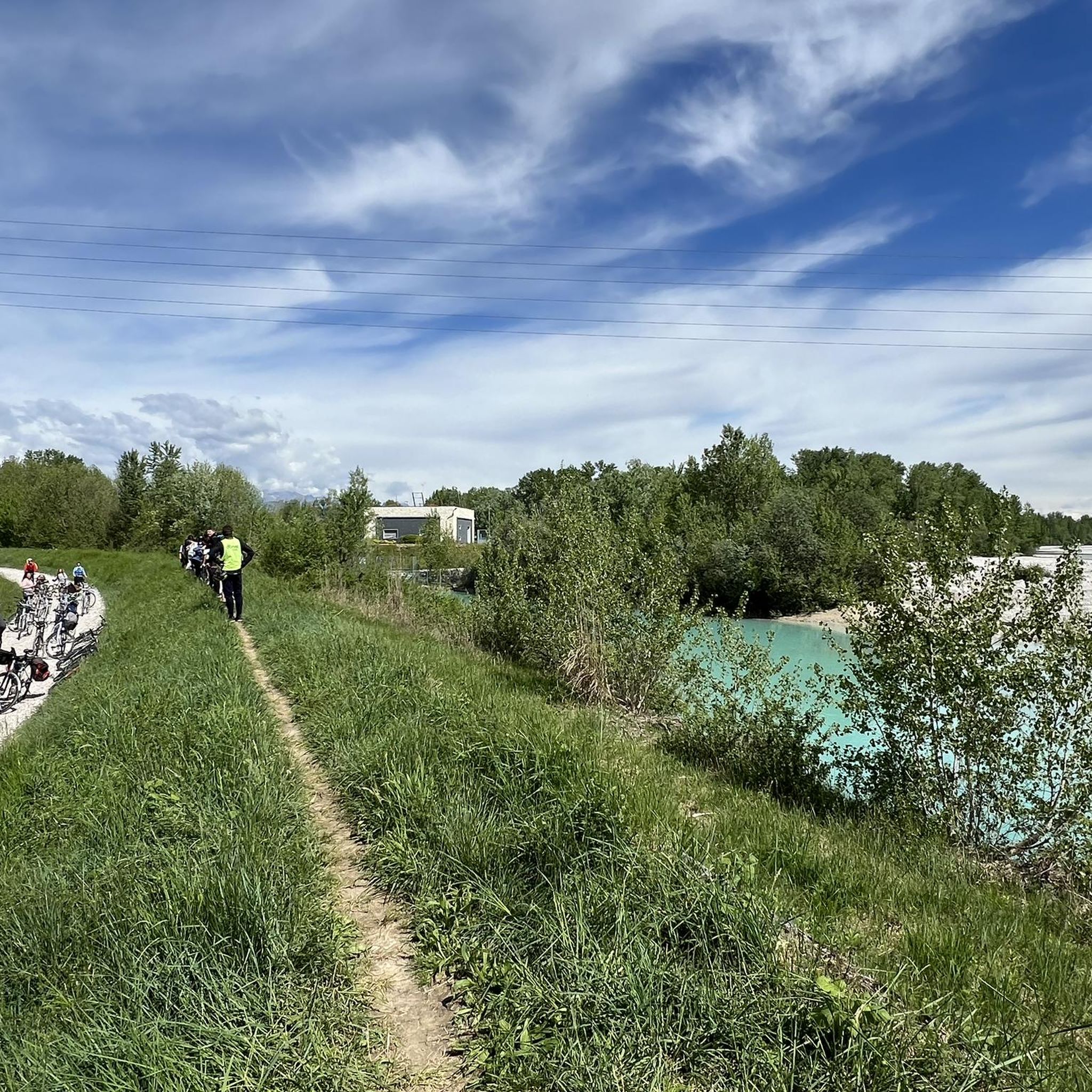
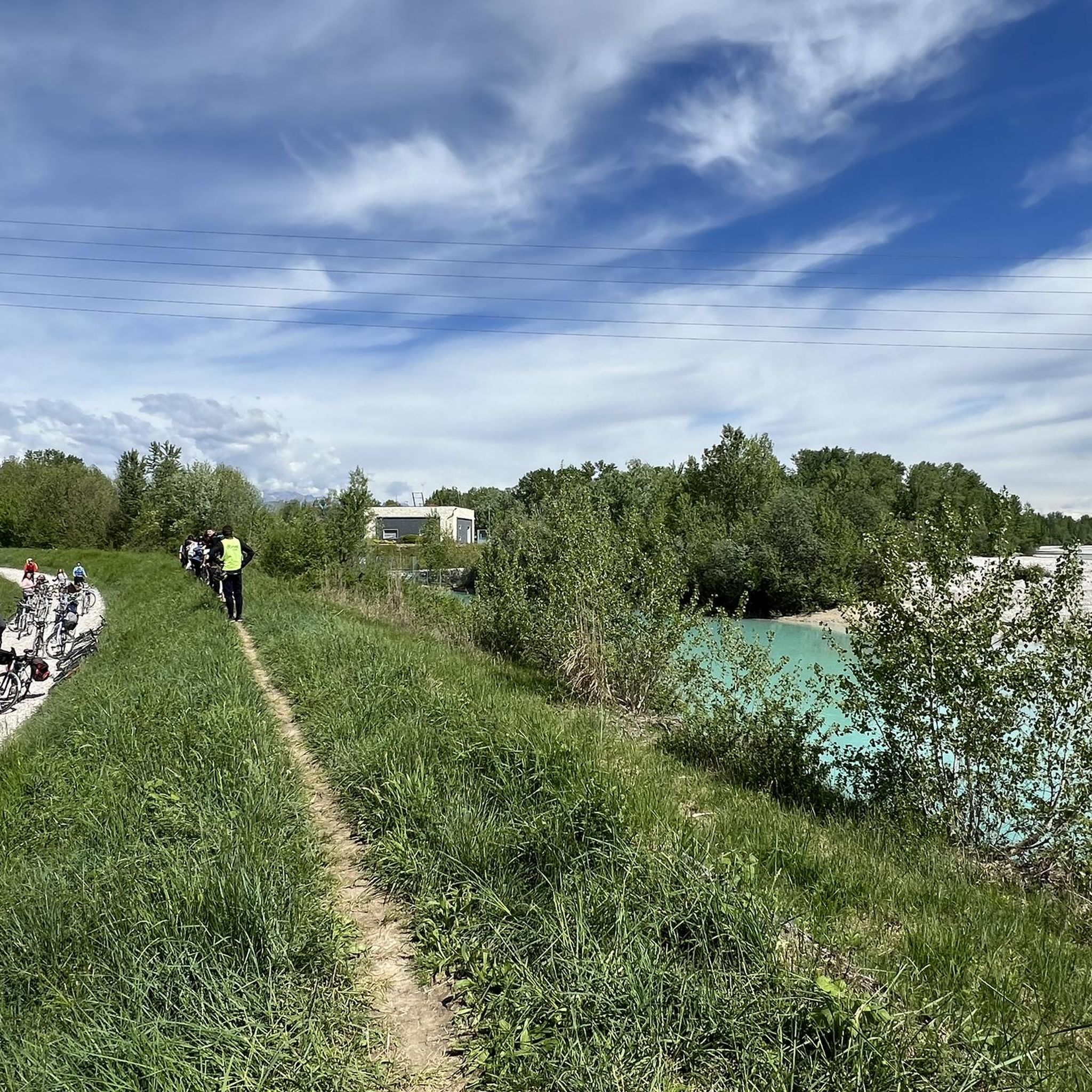
At this point, "dam cycling" is the order of the day. The dam regulates any flooding of the Cellina River and is approximately 5 meters high. The width at the dam is about that of a car and has one or two rutted tracks. Cycling side by side is not recommended due to the risk of slipping, so for me it's an easy, flat single trail. From the dam, there are views to the right and left of the expansive Magredi.
0
0

The Taiedo lakes are ten stretches of water surrounded by vegetation and frequented by fishermen and nature lovers. They were originally pools of water surrounded by a marshy environment; they became as we see them today following the construction of the A28 motorway; in fact, the materials for the construction of the road were obtained from the area of the lakes and then the natural area was completely redeveloped; the last step was the mural that decorates the underpass of the A28 that leads to the lakes in the municipality of Chions, created by Arianna Garlatti, of the Galvani State Institute of Art in Cordenons. https://www.ilgazzettino.it/pay/udine_pay/azzano_valorizzare_i_laghetti_di_taiedo_e_cesena_e_uno_degli_obiettivi_primari-3528587.html
1
0

The Magredi del Cellina area is located in a flat area just south of the Carnic Alps and Prealps, which constitute a barrier against the cold winds coming from the north and cause a sudden cooling of the mild air that blows from the south. The abundant rainwater permeates inside a gravelly mattress made up of manure from the two streams Cellina and Meduna, which determines the peculiar superficial dryness of the soil.
2
0

The Cellina stream originates in Margons, a town in the municipality of Claut, at an altitude of about 650 m asl. It runs through the Valcellina for about thirty kilometers and at the exit from the valley its waters infiltrate a large crosses another, the one that has swallowed the river Meduna. The waters of the two streams will reappear on the surface in the resurgence area, in the territory of Cordenons, and then descend until they flow into the Livenza river.
4
0

Valvasone, one of the most beautiful villages in Italy !!! During the month of September the town evokes the Middle Ages, a must see !!!
1
0

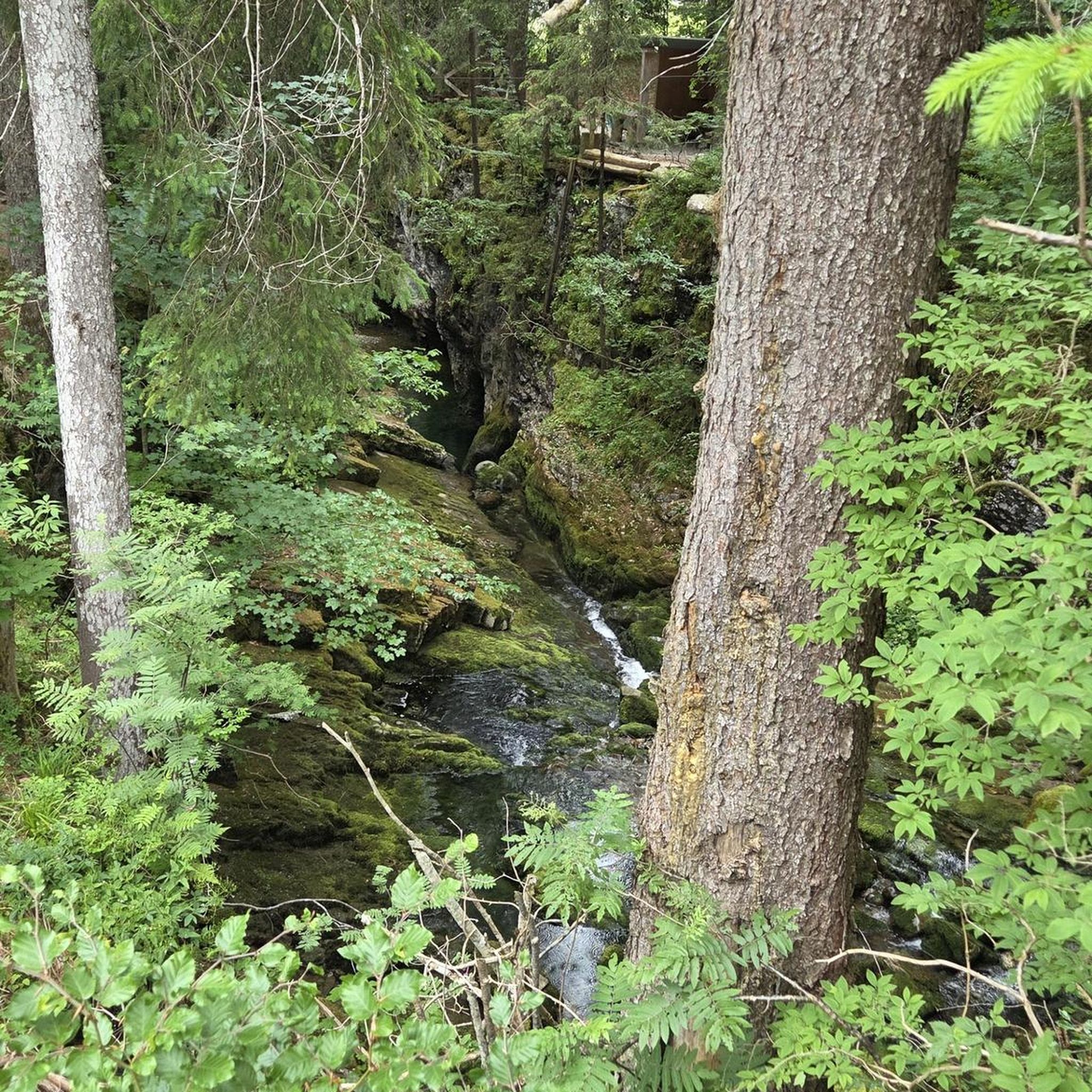
The magredi biotope of San Quirino is a protected natural area of Friuli-Venezia Giulia established in 1997. It occupies an area of about 20 ha in the province of Pordenone. It is an area mainly made up of arid meadows and groves. Spontaneous flowers abound in the meadows; flora and fauna express themselves in a wild and enchanting way.
1
0
The ford on the Meduna river precedes, coming from the east, the ford on the Cellina river. The flat morphology, the typology of the stony ground and the almost absent vegetation characterize the bed of the two rivers.
2
0
Frequently Asked Questions
What are some of the most unique natural monuments near Cordenons?
The region around Cordenons offers diverse natural monuments. You can explore the unique steppe-like environment of the Magredi del Cellina Nature Reserve, characterized by its gravelly soil and rare ecosystem. Another significant feature is the Cellina River Levee, offering expansive views of the Magredi. Further afield, the stunning emerald waters of the Gorgazzo Spring near Polcenigo are a captivating sight, and the vast Friulian Dolomites Natural Park provides majestic mountain landscapes.
Can you tell me more about the Magredi area near Cordenons?
The Magredi, also known as the Friulian Steppe, is a unique natural environment extending across the Province of Pordenone, including areas near Cordenons. It's characterized by arid plains formed by river deposits, supporting a rare ecosystem with specific vegetation resembling Hungarian steppes. This area is vital for nesting bird species like the European Stone-curlew and offers a tranquil setting for walking, cycling, and birdwatching. Highlights include the Magredi Biotope of San Quirino and the Magredi del Cellina Nature Reserve.
Are there any lakes or water features to visit near Cordenons?
Yes, you can visit the Laghetti di Coscena and Tafjord. These are ten stretches of water surrounded by vegetation, popular with fishermen and nature lovers. Additionally, the region is defined by its river systems, such as the Meduna and Cellina rivers, with notable spots like the Ford on the Meduna River.
What outdoor activities can I do near these natural monuments?
The natural monuments around Cordenons are excellent starting points for various outdoor activities. You can enjoy hiking, running, and gravel biking. For example, there are numerous hiking routes, running trails, and gravel biking tours that explore the unique landscapes, including the Magredi and riverbeds.
Are there family-friendly natural monuments around Cordenons?
Yes, several natural monuments are suitable for families. The Magredi Biotope of San Quirino is categorized as family-friendly, offering easy trails to explore its unique flora and fauna. The Laghetti di Coscena and Tafjord are also considered family-friendly, providing a pleasant setting for a relaxed outing by the water.
What is the best time to visit the natural monuments around Cordenons?
The best time to visit largely depends on the activity. Spring and autumn generally offer pleasant temperatures for hiking, cycling, and birdwatching in the Magredi, with blooming wildflowers in spring and vibrant colors in autumn. Summer can be warm, but is ideal for exploring water features like the Gorgazzo Spring or the Laghetti di Coscena. Winter offers a different, quieter perspective, though some areas might be less accessible.
What kind of geological features can I observe?
The region is rich in unique geological features. The Magredi are a prime example, characterized by vast gravelly plains formed by the Cellina and Meduna rivers. These riverbeds, such as the Ford on the Meduna River, showcase the flat morphology and stony ground. The Gorgazzo Spring is a significant karstic siphon spring, known for its deep underwater cave and striking water colors, highlighting the area's karst topography.
Is birdwatching a popular activity in the area?
Absolutely. The Magredi (Friulian Steppe) is recognized as an important site within the Natura 2000 network, making it an excellent location for birdwatching. It's crucial for the nesting of various bird species, including the European Stone-curlew, skylarks, woodlarks, and corn buntings. Birds of prey are also present, attracted by the local wildlife.
Are there any protected natural areas near Cordenons?
Yes, the region boasts several protected natural areas. The Magredi del Cellina Nature Reserve and the Magredi Biotope of San Quirino are both protected areas established to preserve the unique steppe ecosystem. Additionally, the broader Friulian Dolomites Natural Park, a UNESCO World Heritage Site, is a vast protected area offering pristine wilderness and rich biodiversity.
What do visitors enjoy most about the natural monuments near Cordenons?
Visitors particularly appreciate the unique and expansive landscapes, especially the Magredi, which offer a sense of grandeur and silence. The clear, emerald waters of the Gorgazzo Spring are often cited for their stunning visual appeal. The opportunity for tranquil walks, cycling, and birdwatching in unspoiled natural settings is also highly valued by those exploring the area.
Can I find hiking trails of varying difficulty near Cordenons?
Yes, the area around Cordenons offers a range of hiking trails suitable for different skill levels. You can find easy walks, such as some sections within the Magredi, as well as moderate and more difficult routes, particularly if you venture towards the foothills of the Friulian Dolomites. Komoot offers various hiking guides for the region, detailing distances and difficulty grades.
Is the Gorgazzo Spring worth visiting, and what makes it special?
The Gorgazzo Spring, located near Polcenigo, is definitely worth visiting. It's renowned for its extraordinary emerald and turquoise waters, creating a 'liquid sky' effect. It's one of the deepest explored underwater caves globally and the second deepest karstic siphon spring in Europe. Its exceptional clarity allows you to see a statue of Christ placed at a depth of 9 meters near the entrance, adding to its mystique.
Most popular routes around Cordenons
Most popular attractions around Cordenons

Get inspired with the komoot mobile app


Explore more
Extend your search for the best caves by checking out these guides of the top ones around Cordenons:
