Top 20 Natural Monuments around San Leo
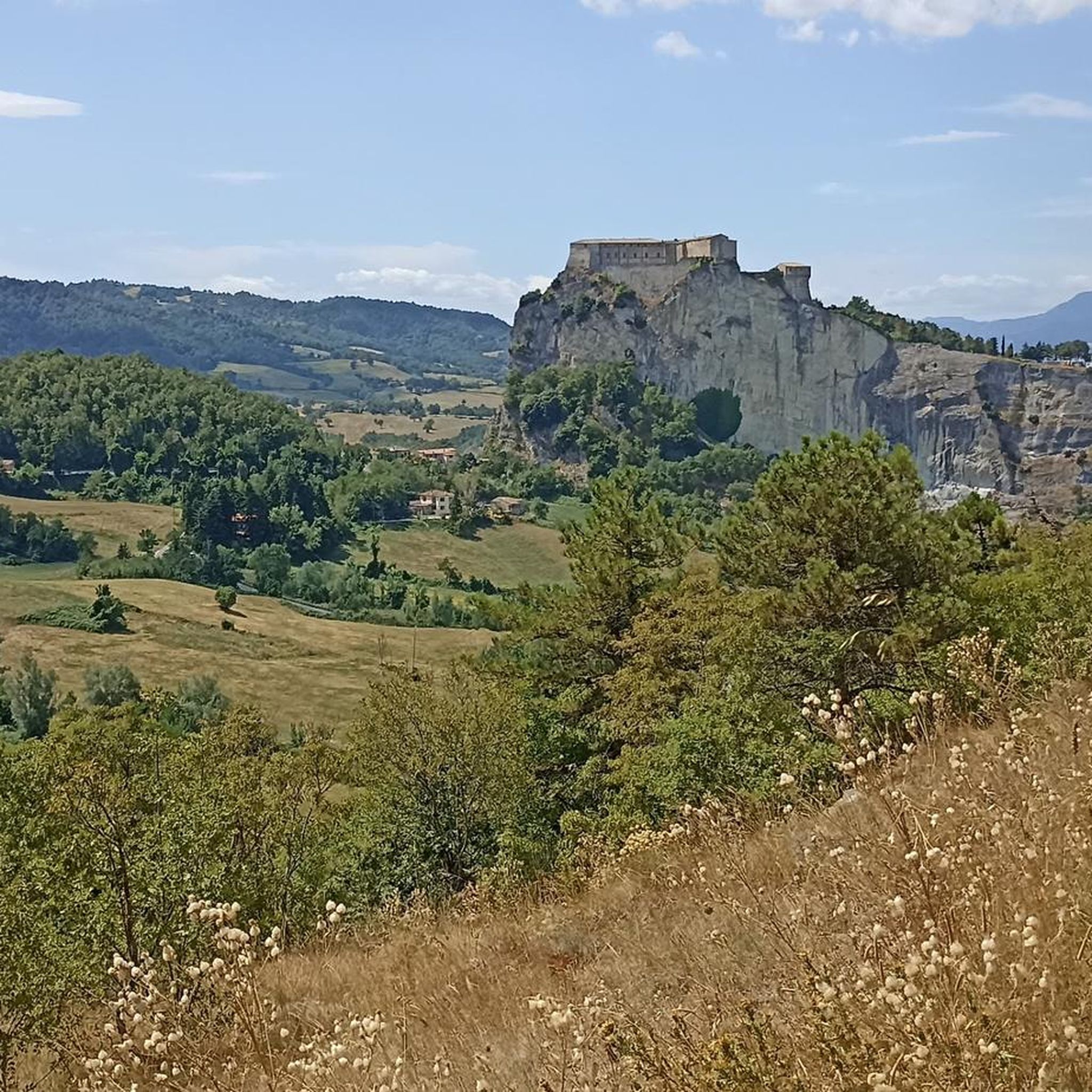
Best natural monuments around San Leo are defined by the town's unique geological configuration. San Leo is situated on a tectonized limestone plateau, featuring subvertical and overhanging cliffs that can reach up to 100 meters high. This imposing rocky mass creates a natural fortress, historically significant for its defensive capabilities. The surrounding Marecchia Valley offers diverse natural features for exploration.
Best natural monuments around San Leo
- The most popular natural monuments is Summit of Monte Carpegna, a summit that…
Last updated: October 1, 2026
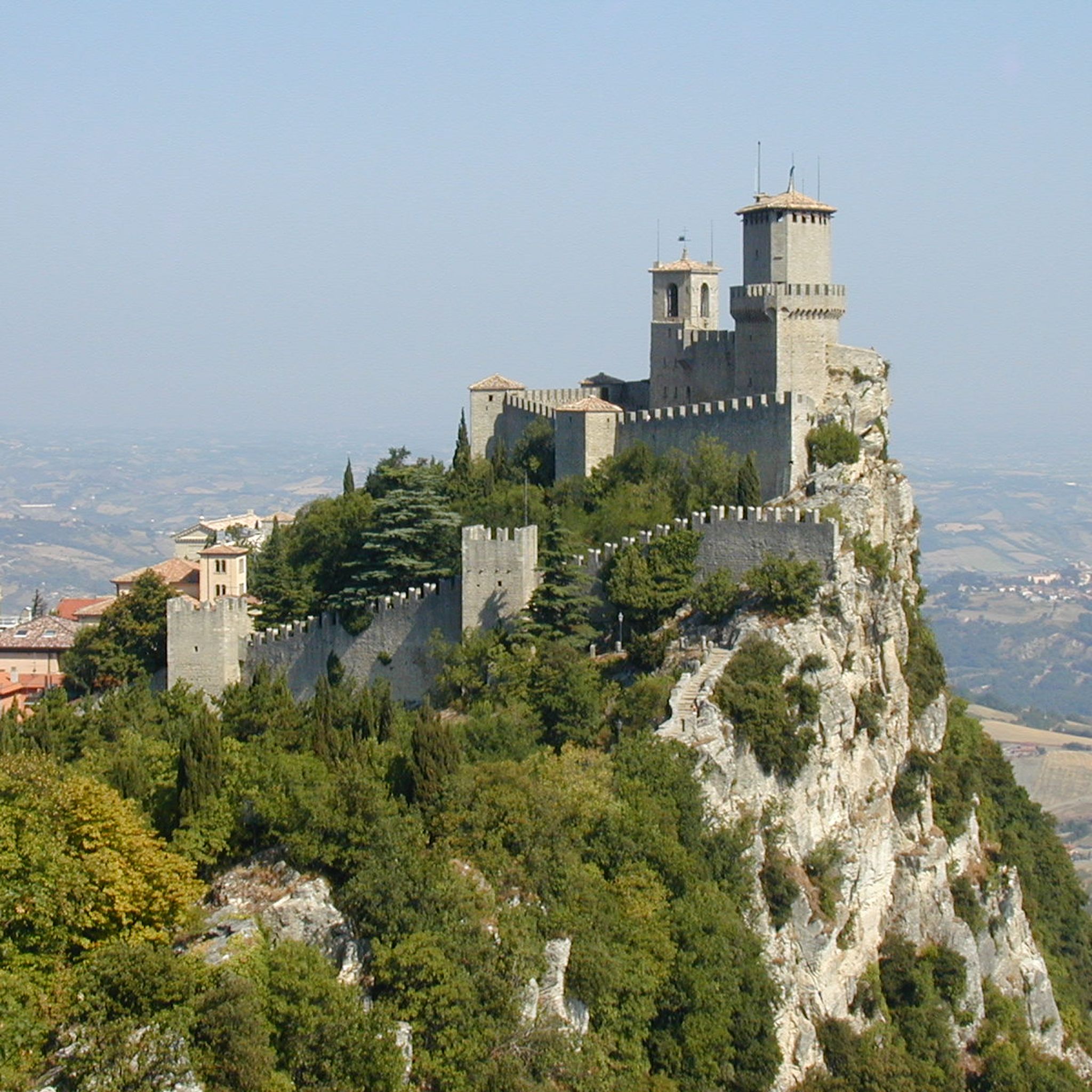
View of San Leo Fortress
Highlight • Castle
Translated by Google •
Tip by

Onferno Caves
Highlight • Cave
Translated by Google •
Tip by

Sign up now to discover places like this
Get recommendations on the best single tracks, peaks, & plenty of other exciting outdoor places.
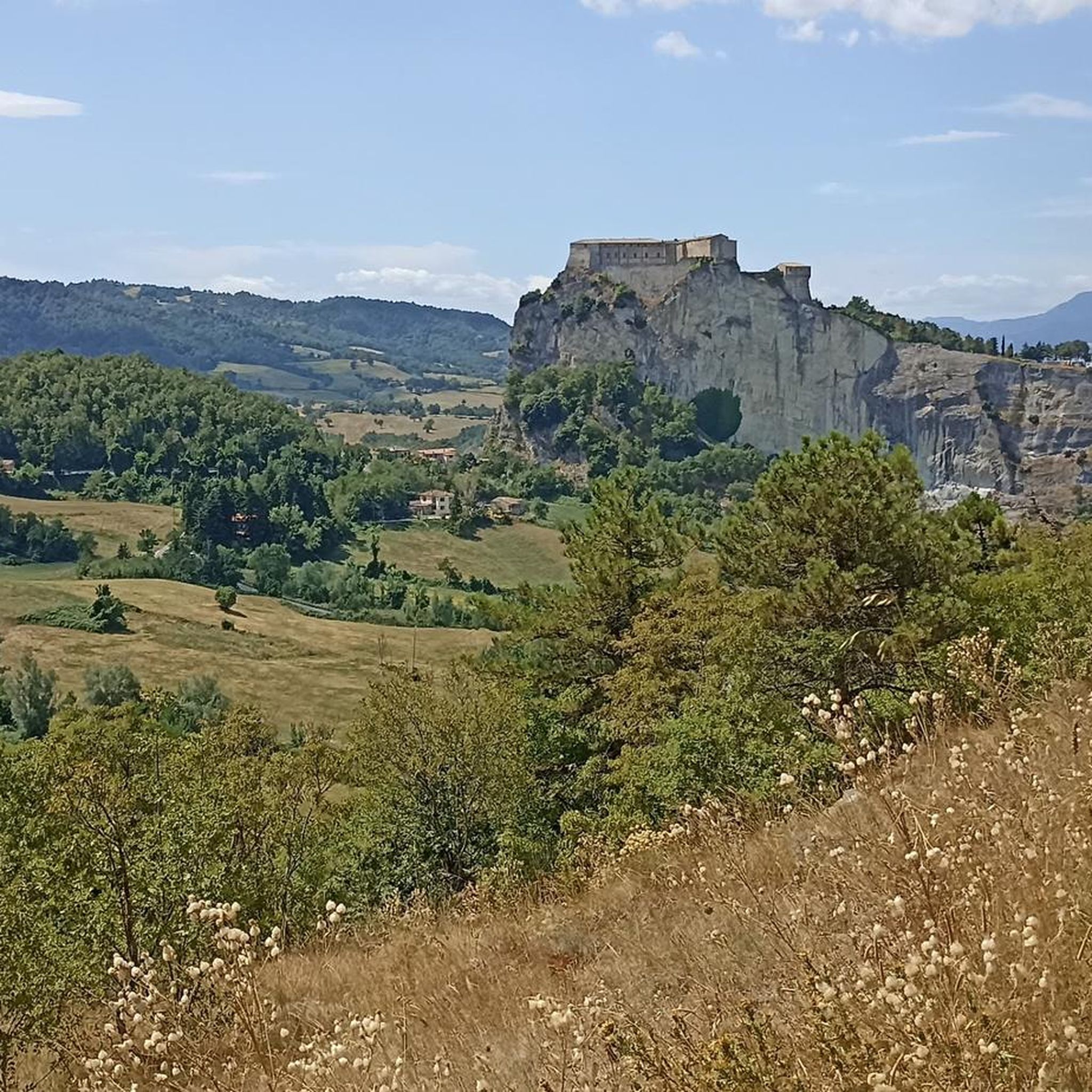
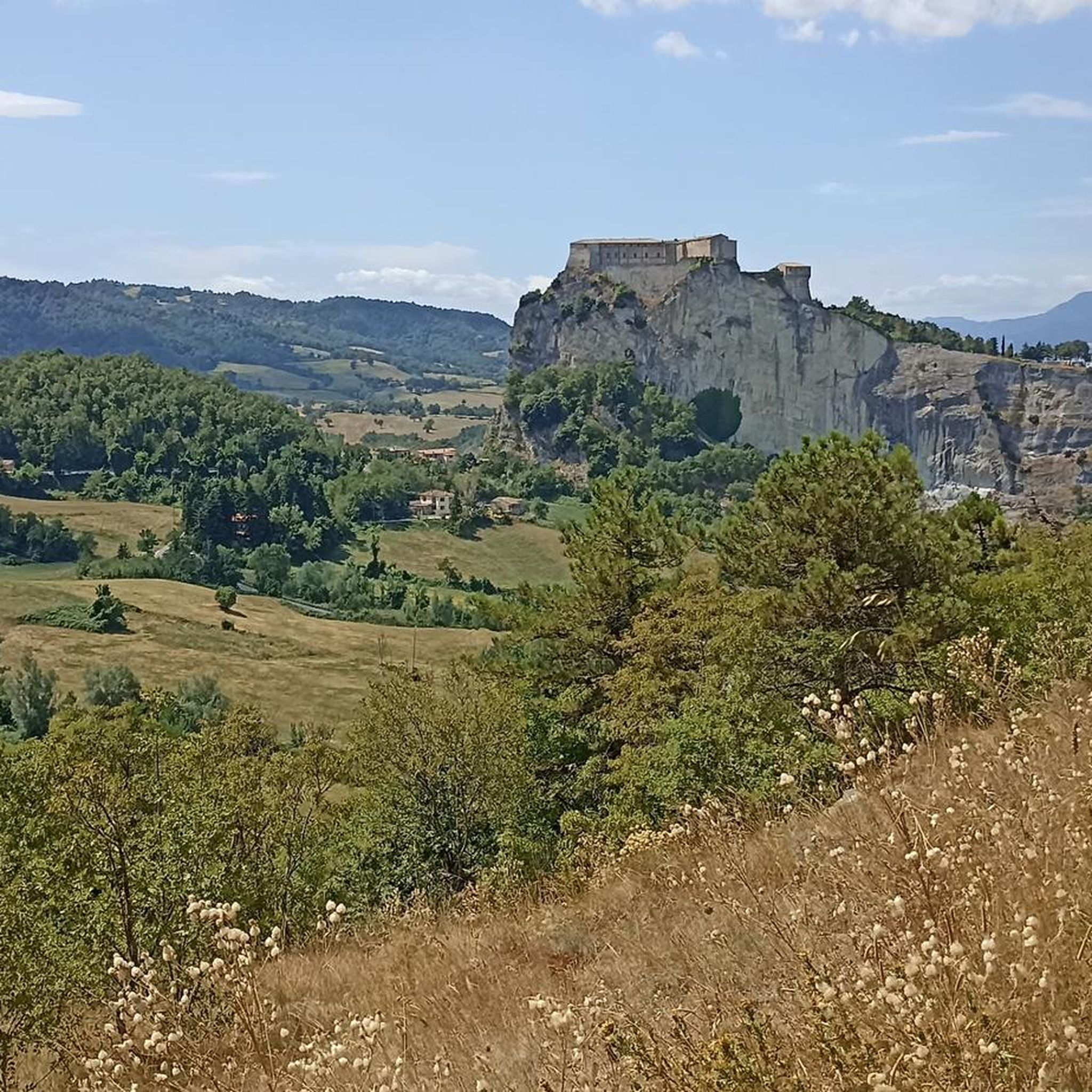
Rocca di Maioletto
Highlight • Castle
═════════════════
👇 here the video in 4K 👇
Translated by Google •
Tip by

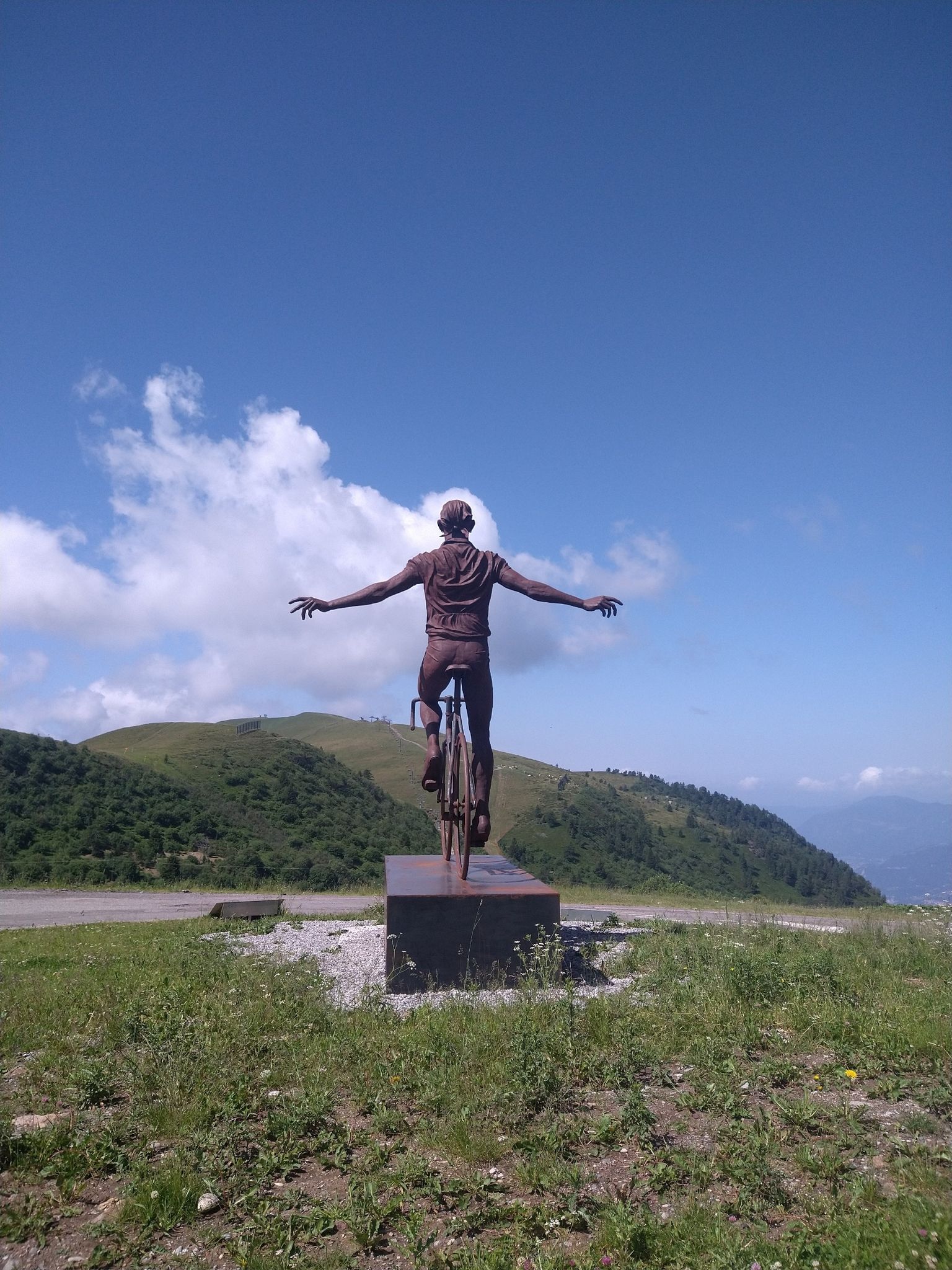
Summit of Monte Carpegna
Highlight • Summit
Translated by Google •
Tip by

Romanesque Bridge of Montetiffi
Highlight • Bridge
Translated by Google •
Tip by
Sign up for free to discover even more natural monuments around San Leo.
Already have an account?
Start today with a free account
Your next adventure awaits.

Other adventures around San Leo

Tips from the Community

La Rocca di Maioletto stands on the remains of the ancient village destroyed by the landslide of the 1700s, one of the most serious geological events in the area. Of medieval origin, the fortress played an important defensive role thanks to its strategic position. From here you can enjoy an excellent panorama. The path is very steep and slippery in places, suitable shoes are required, however, you can also use a rope.
1
0
San Leo is one of the most fascinating medieval villages in Italy, perched on a spur of limestone rock overlooking the Valmarecchia. Ancient capital of Montefeltro, it boasts a thousand-year history and a rich artistic and architectural heritage. Its historic center and famous fortress make it one of the most representative destinations in the Romagna hinterland.
1
0


The Marmitte and the Mill of the Romanesque Bridge of Montetiffi
1
0

Mount Carpegna is a mountain massif of the Tuscan-Romagna Apennines, located on the border between the provinces of Pesaro and Urbino, Rimini and Forlì-Cesena. The highest peak is Monte Carpegna, which reaches 1,415 meters above sea level. The massif is characterized by beech, oak and chestnut woods, and by meadows and pastures.
0
0
The Rocca di Maioletto is an ancient fortress located in Maiolo, in the province of Rimini, Emilia Romagna, Italy. The fortress was built on a gigantic mass of sand and clay and dominates the valley.
0
0
The Rocca di Maioletto is an ancient fortress located in Maiolo, in the province of Rimini, Emilia Romagna, Italy. The Rocca di Maioletto was built on a gigantic boulder of sand and clay and the few restored ruins are the remains of one of the most difficult fortresses to conquer in the entire Valmarecchia and Montefeltro. Legend has it that the fortress of Maioletto and the village below were destroyed by a landslide, which tradition indicates occurred between 29 and 30 May 1700 as divine punishment for an "angelic dance held within the castle walls".
1
0
The Onferno Caves are a karst complex of caves located in the chalk.
2
0
Frequently Asked Questions
What unique geological features define the natural monuments around San Leo?
San Leo is dramatically situated on a tectonized limestone plateau, featuring subvertical and overhanging cliffs that can reach up to 100 meters high. This impressive rocky mass creates a natural fortress, offering breathtaking panoramic views of the surrounding Marecchia Valley. The underlying foundation consists of gentle clay slopes, creating a striking contrast with the rugged rock face above.
Are there any notable cave systems to explore near San Leo?
Yes, the Onferno Caves are a significant karst complex located in chalk. Visitors can explore 700 meters of passages and admire unique alabastrine formations. Guided tours are available, and the caves are home to the region's most important bat colony.
What is the highest natural monument in the San Leo area?
The highest natural monument is the Summit of Monte Carpegna, which reaches 1,415 meters above sea level. This massif is characterized by lush beech, oak, and chestnut woods, offering expansive panoramic views.
Are there historical natural monuments or structures near San Leo?
Yes, the Romanesque Bridge of Montetiffi, built around the 11th century in sandstone blocks, connects the Uso Valley with the Marecchia Valley. It represents an ancient crossroads and holds significant historical and artistic value.
What kind of wildlife can be spotted around Monte Carpegna?
The Monte Carpegna massif is home to diverse local fauna, including birds of prey and mammals such as foxes, roe deer, and wolves, making it a great spot for wildlife observation.
What outdoor activities can I do near the natural monuments around San Leo?
The area around San Leo offers various outdoor activities. You can find numerous cycling routes, including gravel biking and road cycling. For example, there are challenging gravel routes like the Monte Grimano Terme to Montecerignone Loop, and road cycling tours such as the Ascent to Monte Carpegna – Marco Pantani Pass loop. You can explore more options in the Gravel biking around San Leo, Cycling around San Leo, and Road Cycling Routes around San Leo guides.
Are there any dog-friendly trails among the natural monuments?
Yes, the Rupe Trail is noted as dog-friendly. This hiking route winds along the top of Monte Titano, offering breathtaking views and a chance to immerse yourself in the woods.
What should I wear when visiting the Onferno Caves?
When visiting the Onferno Caves, it's advisable to wear clothing that you don't mind getting dirty. The passages can be narrow, and you might need to navigate rocks, but the experience is highly recommended and very suggestive.
How long does it take to visit the Onferno Caves?
The guided tours of the Onferno Caves allow visitors to explore 700 meters of passages. While the exact duration isn't specified, guided tours typically last an hour or more, depending on the group and the specific route taken.
Can I find viewpoints offering panoramic vistas of the San Leo area?
Absolutely. The dramatic cliffs of San Leo itself provide stunning panoramic views of the Marecchia Valley. Additionally, the Summit of Monte Carpegna and the Rupe Trail are excellent spots for breathtaking vistas.
What is the historical significance of San Leo's natural setting?
San Leo's unique geological setting, perched on a massive limestone plateau with sheer cliffs, has historically provided a natural defense. This made it a formidable military stronghold throughout centuries, even earning a mention from Dante Alighieri in the Divine Comedy. The single road carved into the rock to access the town further highlights the interaction between human ingenuity and the natural landscape.
Are there any challenging natural monuments to explore for experienced hikers?
While not exclusively a natural monument, the Rocca di Maioletto, built on a gigantic boulder, involves some physical effort to reach. The terrain can be sandy, and a rope might be needed, suggesting a more challenging experience for those seeking adventure.
Most popular routes around San Leo
Most popular attractions around San Leo

Get inspired with the komoot mobile app


Explore more
Extend your search for the best caves by checking out these guides of the top ones around San Leo:
