Top 8 Natural Monuments around Tronzano Vercellese
Best natural monuments near Tronzano Vercellese showcase the region's unique geological history and ecological significance. The landscape, shaped by ancient glacial activity, features intermorainic lakes and distinctive rock formations. These natural features often possess historical and archaeological importance, offering a blend of natural beauty and cultural heritage. The vicinity provides opportunities to explore protected zones and ancient sites.
Best natural monuments around Tronzano Vercellese
- The most popular natural monument is Lake Bertignano, a lake formed by the retreat of…
Last updated: June 28, 2026
Lake Bertignano
Highlight • Lake
Translated by Google •
Tip by

Ancient Oak 'Rolassa'
Highlight • Natural Monument
Translated by Google •
Tip by

Sign up now to discover places like this
Get recommendations on the best single tracks, peaks, & plenty of other exciting outdoor places.
Sign up for free
Roman Sepulchral Roc della Regina
Highlight • Historical Site
Translated by Google •
Tip by

Monte Orsetto Boulder
Highlight • Natural Monument
Translated by Google •
Tip by

Megalithic circle
Highlight • Historical Site
Translated by Google •
Tip by

Sign up for free to discover even more natural monuments around Tronzano Vercellese.
Sign up for free
Already have an account?
Start today with a free account
Your next adventure awaits.
Login or Signup
Tips from the Community

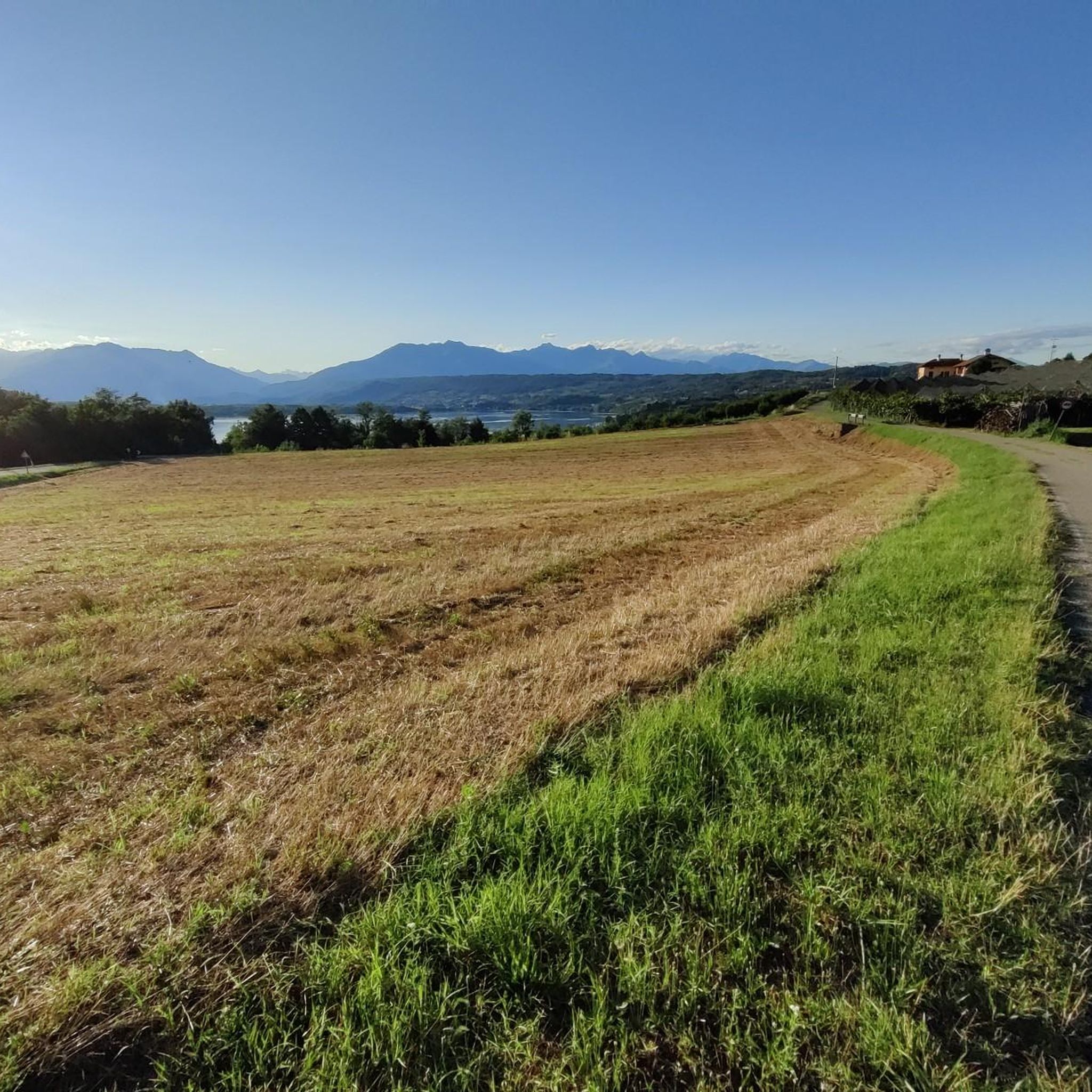
This wooded peak with a cute name can be reached via a path in the woods and with little difference in altitude.
0
0
Large erratic boulder with a large cavity in its center, easily accessible by dirt roads.
0
0

At the entrance to the town of Cavaglià, on the provincial road to Biella, there is probably the largest archaeological site of menhirs in Piedmont. It was only recently (2005) identified and improved at the suggestion of a scholar from Turin. The current circular arrangement of the stones, which form a grouping called "Cromlech", probably repeats their original arrangement. It has been established that the menhirs date back at least to the Iron Age. Like other prehistoric monuments, they still pose interpretative problems that are not easy to resolve regarding their existence and meaning. What is certain is that they are the tangible sign of a new desire of Western man to erect monuments that are destined to last through time.
7
0

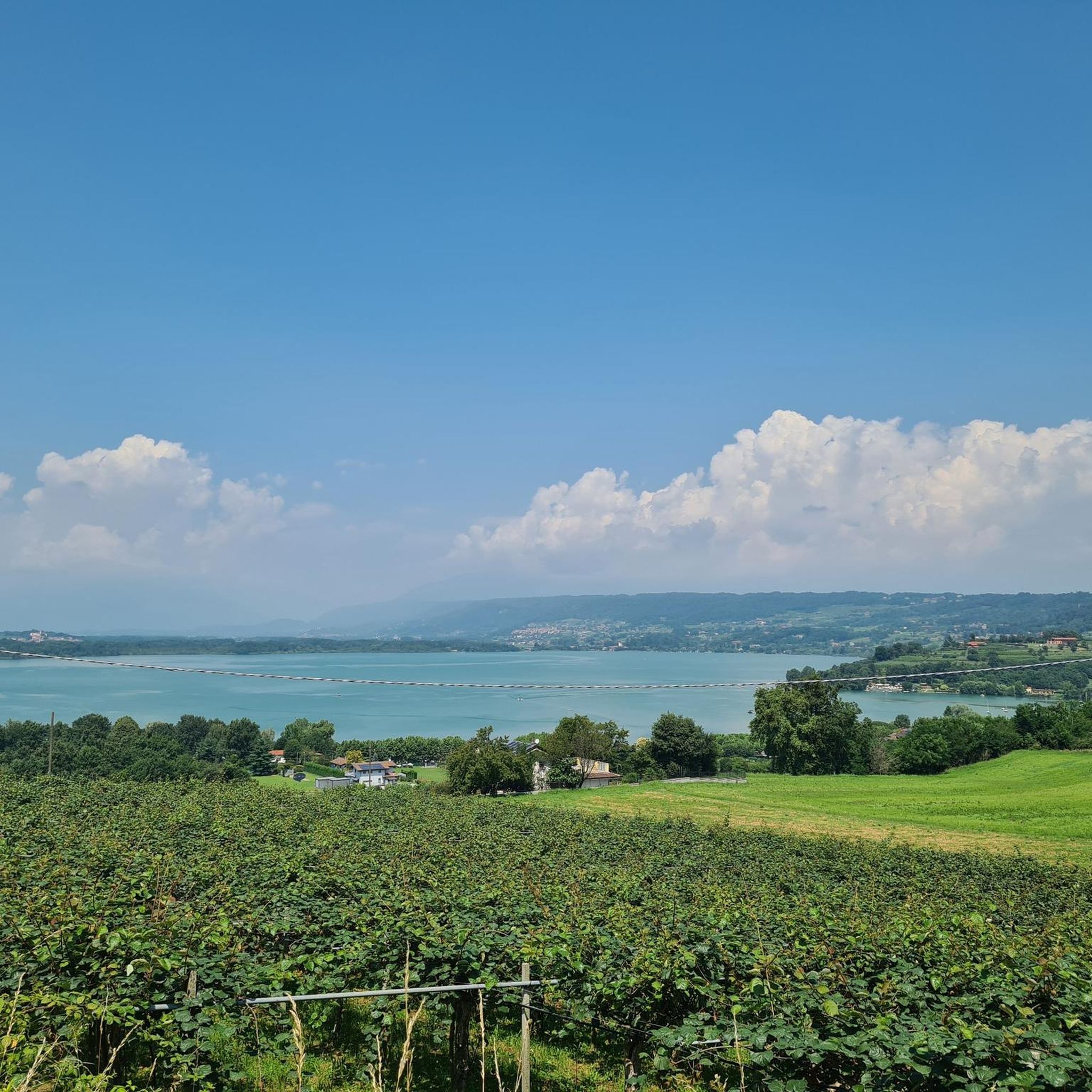
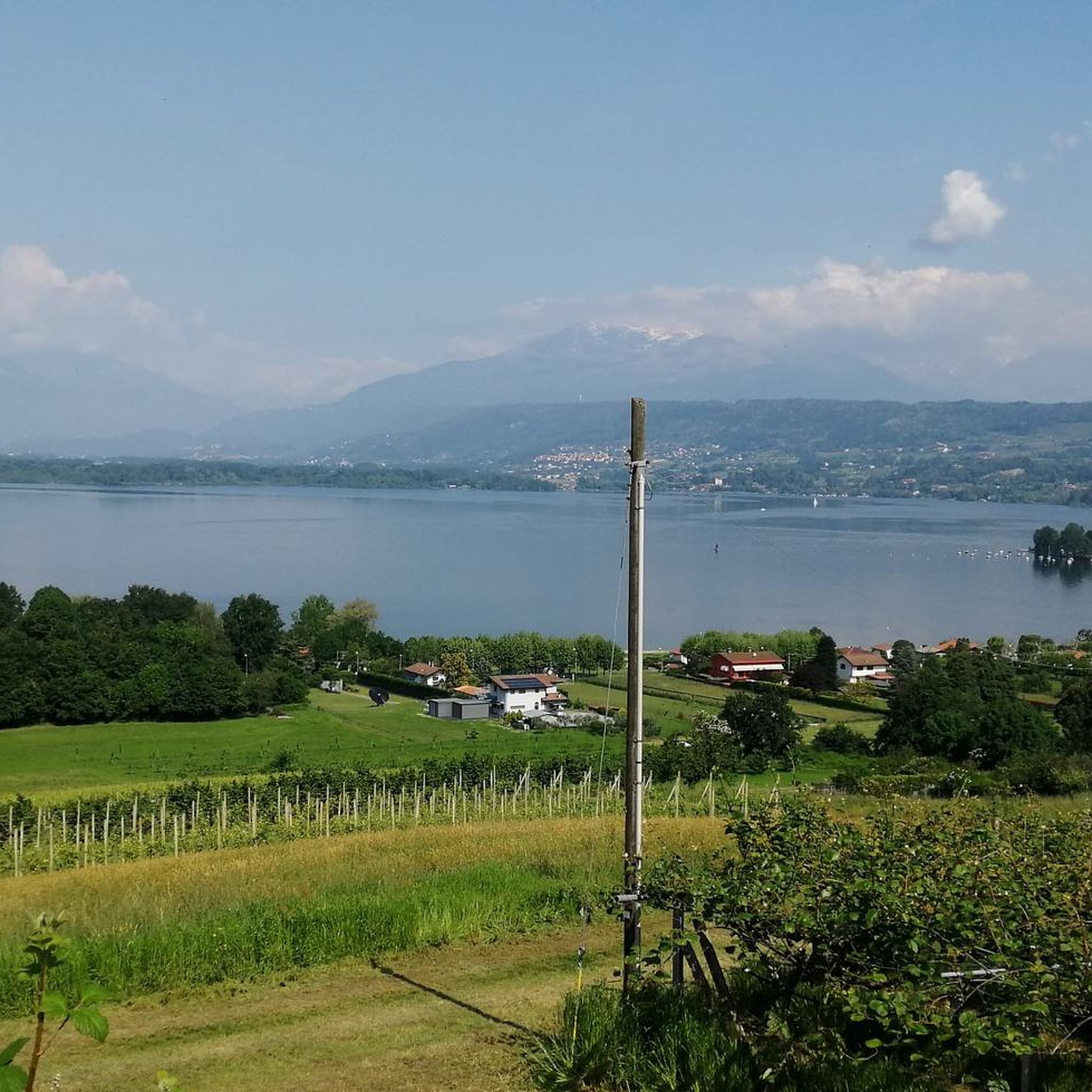
Small and quiet lake where you can take 4 steps
0
1

I recommend it because there are some nice paths in the area, unfortunately the lake itself and the scenery are a bit ruined by large electric pylons.
1
0

an intermorainic lake like that of Viverone which is located nearby, has no tributary. Not suitable for swimming, there is a simulacrum of a high voltage line which is also disconnected from the grid and used only for training Terna (Enel) personnel which gives it a sinister appearance.
0
1

One of the two pirogues 4 meters long is exhibited in the museum of the Biella area
2
0

It is a smaller basin than that of Viverone but is of significant archaeological importance. In fact, two pirogues were recovered from the seabed, one which dates back to the year 250 AD. and another even traced back to 1450 BC. and remains of a stilt village dating back to the Bronze Age have been found in the area around the lake.
2
0
Frequently Asked Questions
What are the most popular natural monuments around Tronzano Vercellese?
Visitors frequently highlight Lake Bertignano, known for its glacial origins and rich biodiversity. Another popular spot is the Roman Sepulchral Roc della Regina, an erratic boulder with historical significance. The Ancient Oak 'Rolassa' also draws visitors seeking a peaceful resting place under a centuries-old tree.
What makes Lago di Bertignano a significant natural monument?
Lake Bertignano is an intermorainic lake, formed by the ancient Balteo glacier, making it a unique geological feature. It's designated as a Special Conservation Zone due to its diverse aquatic and marsh vegetation, including rare species, and is home to the Italian spadefoot toad. The lake also holds significant archaeological importance, with ancient dugout canoes and remains of a Bronze Age pile-dwelling village discovered there.
Are there family-friendly natural monuments in the area?
Yes, several natural monuments are suitable for families. Lake Bertignano offers a quiet rural atmosphere for walks. The Roman Sepulchral Roc della Regina is easily accessible by dirt roads, and the Ancient Oak 'Rolassa' provides a green space with a stone table for rest. The Megalithic circle near Cavaglià is also considered family-friendly and offers a glimpse into prehistoric history.
What historical and archaeological sites can be found among the natural monuments?
The region is rich in historical connections. Lake Bertignano is notable for the discovery of ancient dugout canoes and the remains of a late Bronze Age pile-dwelling village. The Roman Sepulchral Roc della Regina is an erratic boulder with a sepulchral pit dug during Roman times. Additionally, the Megalithic circle near Cavaglià features menhirs dating back to at least the Iron Age.
What outdoor activities can I do near these natural monuments?
The area around Tronzano Vercellese offers various outdoor activities. You can find numerous hiking trails, including easy and moderate options like the Santhià - Via Francigena Loop. For cyclists, there are several road cycling routes, such as the Serra d'Ivrea – Lake Viverone loop. Running trails are also available, with options like the Running loop from Crova.
Are there easy walks or beginner-friendly trails near the natural monuments?
Yes, for those seeking easier routes, the Santhià - Via Francigena Loop is an easy hiking option. Around Lake Bertignano, the terrain is generally suitable for leisurely walks. The path to the Monte Orsetto Boulder is also described as having little difference in altitude, making it accessible.
What kind of natural features can I expect to see?
The landscape around Tronzano Vercellese is shaped by ancient glacial activity. You'll encounter intermorainic lakes like Lake Bertignano, significant erratic boulders such as the Roman Sepulchral Roc della Regina and Monte Orsetto Boulder, and ancient trees like the Ancient Oak 'Rolassa'. The area also features protected wetlands and diverse aquatic vegetation.
What wildlife might I encounter near these natural monuments?
The Special Conservation Zone around Lake Bertignano is particularly rich in biodiversity. You might observe various aquatic and marsh vegetation, some of which are rare. The area is also known for populations of the Italian spadefoot toad (*Pelobate fosco*). The lakes are home to fish species like carp, pike, and tench.
What do visitors enjoy most about the natural monuments in Tronzano Vercellese?
Visitors appreciate the unique blend of natural beauty and historical significance. Many enjoy the peaceful atmosphere of places like Lake Bertignano and the opportunity to rest under the shade of the Ancient Oak 'Rolassa'. The historical context of sites like the Roman Sepulchral Roc della Regina and the Megalithic circle also adds a fascinating dimension to their experience.
When is the best time to visit the natural monuments around Tronzano Vercellese?
The natural monuments can be enjoyed throughout much of the year. Spring and autumn offer pleasant temperatures for hiking and cycling, with vibrant foliage or blooming flora. Summer is ideal for enjoying the lakes, though it can be warmer. Even in winter, some trails remain accessible, offering a different, quieter perspective of the landscape.
Are there any viewpoints or scenic spots among the natural monuments?
Yes, several natural monuments offer scenic views. Lake Bertignano provides picturesque lake views. The Roman Sepulchral Roc della Regina and the Monte Orsetto Boulder are also noted as viewpoints, offering perspectives of the surrounding wooded landscape.
Can I find circular walks around the natural monuments?
While specific circular walks directly around each natural monument are not detailed, the region offers numerous hiking and cycling routes that form loops, allowing you to explore the natural beauty and monuments as part of a longer circuit. For example, the Grande Traversata del Biellese (GtB) passes along the eastern shore of Lake Bertignano, offering opportunities for circular exploration.
Most popular routes around Tronzano Vercellese
Most popular attractions around Tronzano Vercellese

Get inspired with the komoot mobile app


Explore more
Extend your search for the best caves by checking out these guides of the top ones around Tronzano Vercellese:
