Top 5 Natural Monuments around San Cesario Di Lecce
Best natural monuments around San Cesario Di Lecce include a unique urban forest within the town and numerous natural attractions in the wider Salento region. San Cesario di Lecce serves as a base for exploring diverse natural landscapes, from rehabilitated quarries to extensive coastlines and protected reserves. The area features a mix of geological formations, ancient trees, and significant ecological sites. These natural monuments offer opportunities for nature walks, wildlife observation, and exploring the region's natural heritage.
Best natural monuments…
Last updated: July 12, 2026
The Brigands' Clearing
Highlight • Natural Monument
Translated by Google •
Tip by

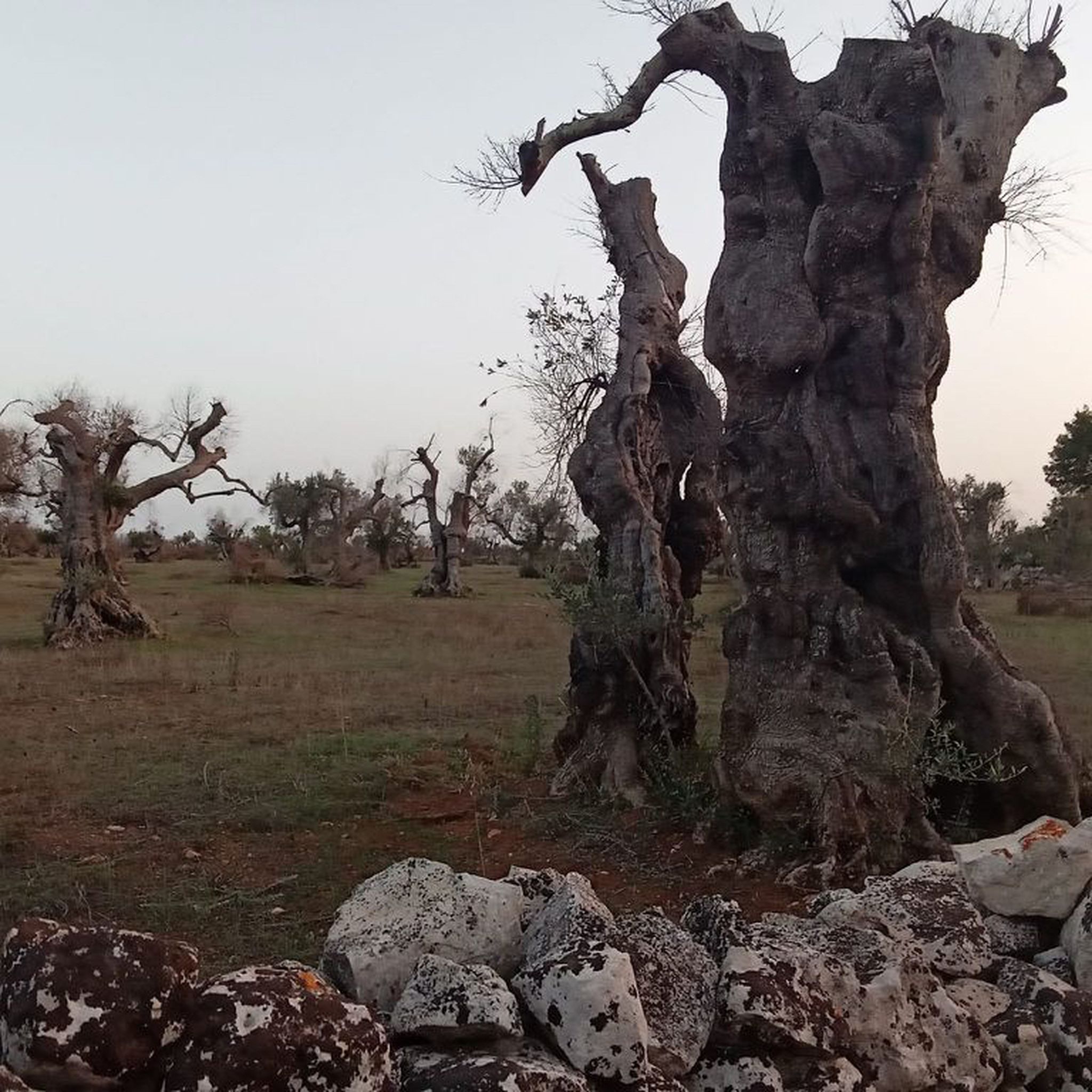
Ancient Olive Trees of Salento
Highlight • Natural Monument
Translated by Google •
Tip by

Sign up now to discover places like this
Get recommendations on the best single tracks, peaks, & plenty of other exciting outdoor places.
Sign up for free
Ussano Menhir, San Donato di Lecce
Highlight • Monument
Not immediately visible because it is partially hidden by brambles on the edge of a secondary road near Masseria Ussano.
Translated by Google •
Tip by

Laccu de lu Craparu
Highlight • Lake
Translated by Google •
Tip by
Start today with a free account
Your next adventure awaits.
Login or Signup

Tips from the Community

Unfortunately, to enter you have to go through a barrier. It is located on private property. Enchanting.
0
0
It is about 300 years old. It seems that during the Bourbon domination the bandits used to meet under its branches. It is 23 meters high with a circumference of 41 meters
0
0
along the sheep tracks on the border between Soleto and Sternatia, and a natural depression in a rocky area called Laccu de lu craparu, which translated from Griko means “shepherd’s pond”, during the rainy season allows the collection of water, transforming into a temporary lake. This stagnation allowed shepherds to bring their flock of sheep to drink.
0
0

The monolith is located in a context of a certain historical and archaeological value. The presence of a mirror and an underground crypt in the vicinity is also noted.
0
0

Inserted in the collection https://www.komoot.com/it-it/collection/2431081/-pietre-del-salento - Not immediately visible because it is partially hidden by brambles on the edge of a secondary road near Masseria Ussano.
0
0

Centuries-old holm oak which, according to legend, was used as a refuge from local brigandage
0
0
there is a gate that is always open. entering 200 meters on the left
0
0

Salento is the name of a 100 km long and 40 km wide peninsula in the extreme southeast of Italy and is often referred to as the heel of the Italian boot. From prehistoric times cave finds (Grinz Zinzulusa) were made and dolmens and menhirs were preserved as remnants of the early peasant culture. In antiquity, the area was inhabited by the Messapi, an Illyrian tribe that had to defend its independence in wars against the Greek settlement of Taras (Taranto). Herodotus reports a war around the year 474 BC. Between Taras and the Lega Peuceta (an alliance from the area around Bari) supported by the Lega Messapica (from Salento). In this conflict, the Messapier could still retain the upper hand after several years of war, from about 280 BC. However, the Roman Republic gained supremacy throughout Lower Italy.
1
0
Frequently Asked Questions
What unique natural monuments can I discover around San Cesario di Lecce?
Beyond the well-known spots, you can explore the fascinating The Brigands' Clearing, home to a centuries-old holm oak with local legends. Another unique site is Laccu de lu Craparu, a natural depression that transforms into a temporary lake during the rainy season, historically used by shepherds.
Are there any natural monuments with historical significance near San Cesario di Lecce?
Yes, the Ussano Menhir, San Donato di Lecce, is a monolith situated in an area rich in historical and archaeological value, with a nearby mirror and underground crypt. Additionally, the ancient olive trees of Salento, such as those found at Ancient Olive Trees of Salento, are living natural sculptures deeply rooted in the region's history and culture.
What kind of natural features can I expect to see in the Salento region around San Cesario di Lecce?
The Salento region offers a diverse range of natural features. You can find stunning sea caves along the coastline, such as Grotta della Poesia and Grotta della Zinzulusa. There are also significant nature reserves like Le Cesine and Porto Selvaggio, featuring marshy areas, pine forests, and clear waters. The landscape is also dotted with ancient olive trees, some thousands of years old.
Are there family-friendly natural monuments or areas suitable for children?
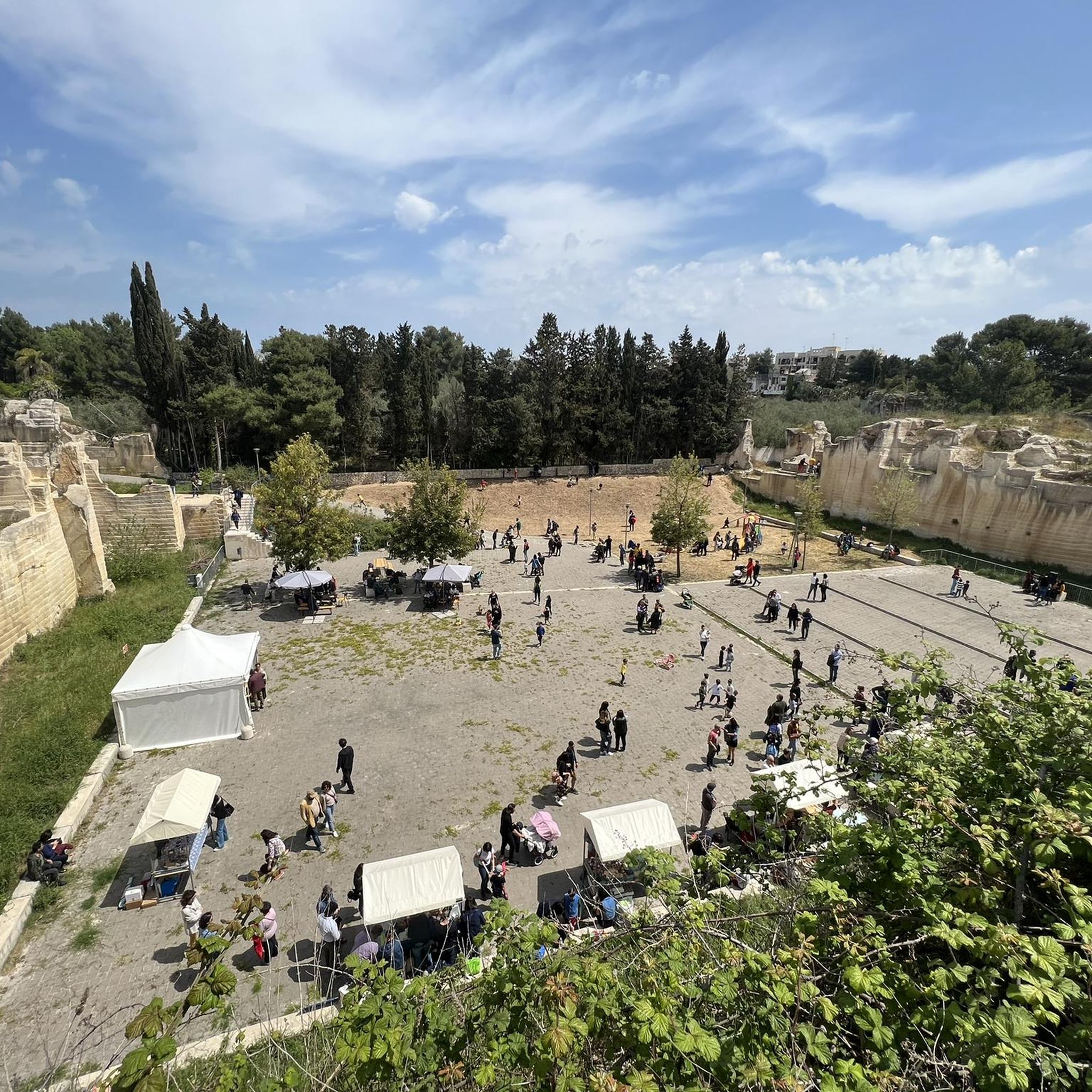
Many natural sites in the region are suitable for families. The The Brigands' Clearing and the Ancient Olive Trees of Salento are generally family-friendly. The Parco delle Cave di Via San Cesario in Lecce, a rehabilitated quarry turned urban forest, offers peaceful nature walks and wildlife observation, making it a great educational and recreational spot for families.
What outdoor activities can I do near the natural monuments around San Cesario di Lecce?
The area offers various outdoor activities. You can find numerous hiking opportunities, including routes like 'The historic center of Lecce' or 'Roman Amphitheatre in Lecce' which are part of the Hiking around San Cesario Di Lecce guide. For cycling enthusiasts, there are MTB trails such as 'Specchia Ruggeri Tower – Acaya Castle loop' in the MTB Trails around San Cesario Di Lecce guide, and road cycling routes like 'Narrow Streets of Carmiano' from the Road Cycling Routes around San Cesario Di Lecce guide.
Where can I go for birdwatching or wildlife observation?
The Le Cesine Nature Reserve, managed by WWF, is an important marshy area and a paradise for birdwatchers, with species like flamingos and herons. The Parco delle Cave di Via San Cesario in Lecce also provides a habitat for various animals, including numerous bird species, owls, kestrels, and even mammals like foxes and badgers, offering opportunities for urban wildlife observation.
Are there any coastal natural monuments or sea caves worth visiting?
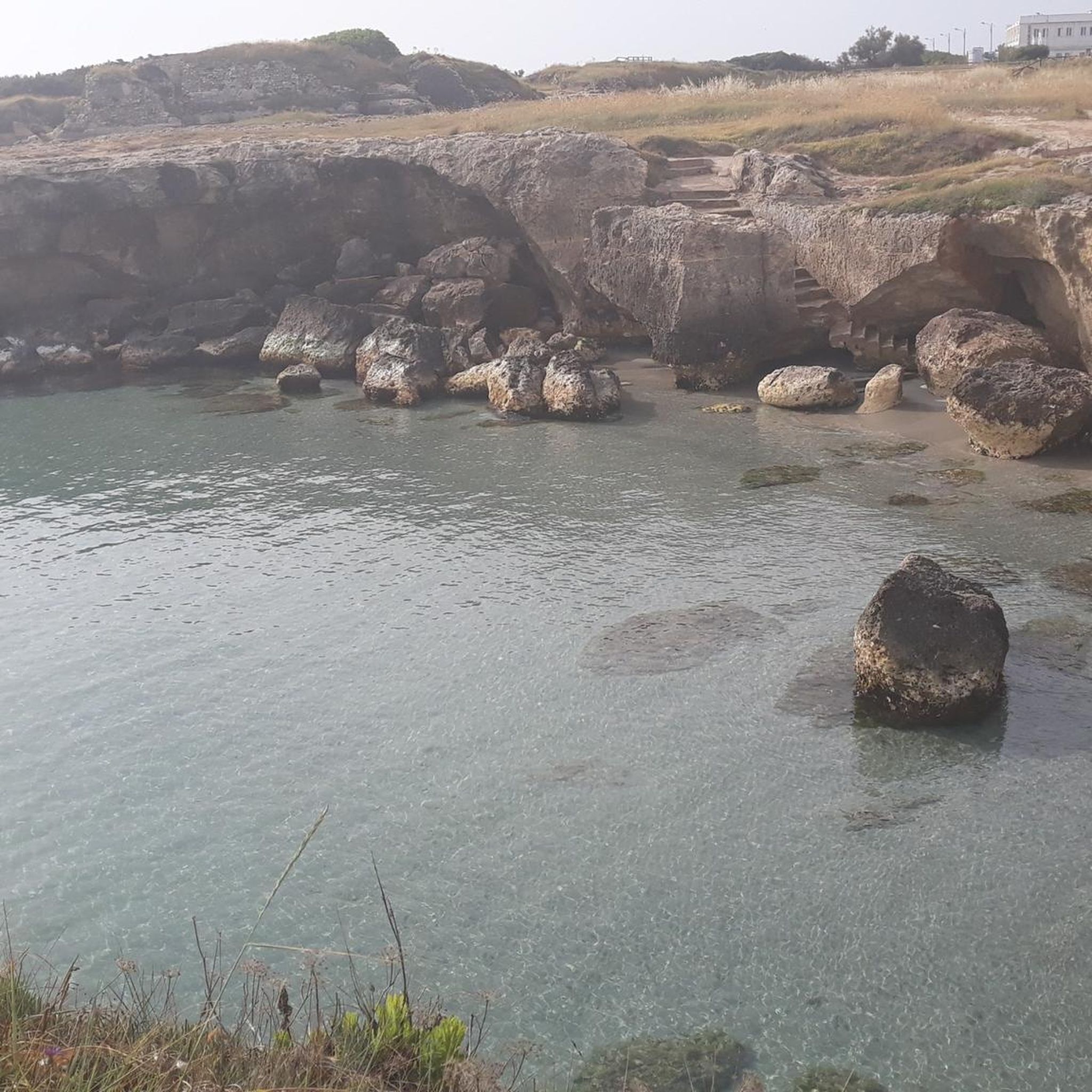
Absolutely. The Salento coastline, especially on the Adriatic side, is famous for its sea caves. Notable examples include Grotta della Poesia, a natural, roofless cave forming a stunning swimming pool, and Grotta della Zinzulusa, known for its unique rock formations. These caves offer opportunities for boat tours and exploring incredible natural artistry.
What is the best time of year to visit the natural monuments in Salento?
The spring (April-May) and autumn (September-October) months are generally ideal. During these periods, the weather is pleasant for outdoor activities like hiking and cycling, and the natural landscapes are vibrant. Summer can be very hot, especially inland, but it's perfect for enjoying the coastal natural monuments and sea caves.
Are there any protected nature reserves near San Cesario di Lecce?
Yes, the Salento region boasts several important protected areas. These include the Le Cesine Nature Reserve, a crucial marshy area for birdlife, and the Porto Selvaggio and Palude del Capitano State Nature Reserve, known for its pine forests, cliffs, and clear bays. The Regional Natural Park Costa Otranto – Santa Maria di Leuca also offers extraordinary biodiversity and spectacular coastal landscapes.
Can I find natural monuments that are suitable for dog walking?
While specific dog policies vary by reserve, many natural areas and trails in the wider Salento region are generally dog-friendly, especially if dogs are kept on a leash. The Parco delle Cave di Via San Cesario in Lecce is a local urban park where leashed dogs are often welcome for walks. Always check local signage or official websites for specific rules before visiting protected reserves.
What makes the Parco delle Cave di Via San Cesario a unique natural monument?
The Parco delle Cave di Via San Cesario is unique because it's an urban forest created from a former quarry for Lecce stone. It's a testament to environmental rehabilitation, managed by WWF Salento, showcasing how industrial sites can be reclaimed by nature. It serves as a vital natural habitat within the city, offering a peaceful escape and a 'laboratory' of urban sustainability.
Most popular routes around San Cesario Di Lecce
Most popular attractions around San Cesario Di Lecce

Get inspired with the komoot mobile app


Explore more
Extend your search for the best caves by checking out these guides of the top ones around San Cesario Di Lecce:
