Top 7 Natural Monuments around Lequile
Best natural monuments around Lequile are found within the Salento peninsula, offering access to diverse natural attractions in the wider Province of Lecce. This region features protected coastal areas, unique geological formations, and rich biodiversity. Lequile serves as a central point for exploring these natural features and landmarks. The area provides various routes and viewpoints for nature enthusiasts.
Best natural monuments around Lequile
- The most popular natural monument is The Brigands' Clearing, a forest clearing featuring a centuries-old holm…
Last updated: June 28, 2026
The Brigands' Clearing
Highlight • Natural Monument
Translated by Google •
Tip by

Pozzelle of Martignano
Highlight • Structure
Translated by Google •
Tip by

Sign up now to discover places like this
Get recommendations on the best single tracks, peaks, & plenty of other exciting outdoor places.
Sign up for free
Ancient Olive Trees of Salento
Highlight • Natural Monument
Translated by Google •
Tip by

Ussano Menhir, San Donato di Lecce
Highlight • Monument
Not immediately visible because it is partially hidden by brambles on the edge of a secondary road near Masseria Ussano.
Translated by Google •
Tip by
Laccu de lu Craparu
Highlight • Lake
Translated by Google •
Tip by
Sign up for free to discover even more natural monuments around Lequile.
Sign up for free
Already have an account?
Start today with a free account
Your next adventure awaits.
Login or Signup

Tips from the Community

Unfortunately, to enter you have to go through a barrier. It is located on private property. Enchanting.
0
0
It is about 300 years old. It seems that during the Bourbon domination the bandits used to meet under its branches. It is 23 meters high with a circumference of 41 meters
0
0
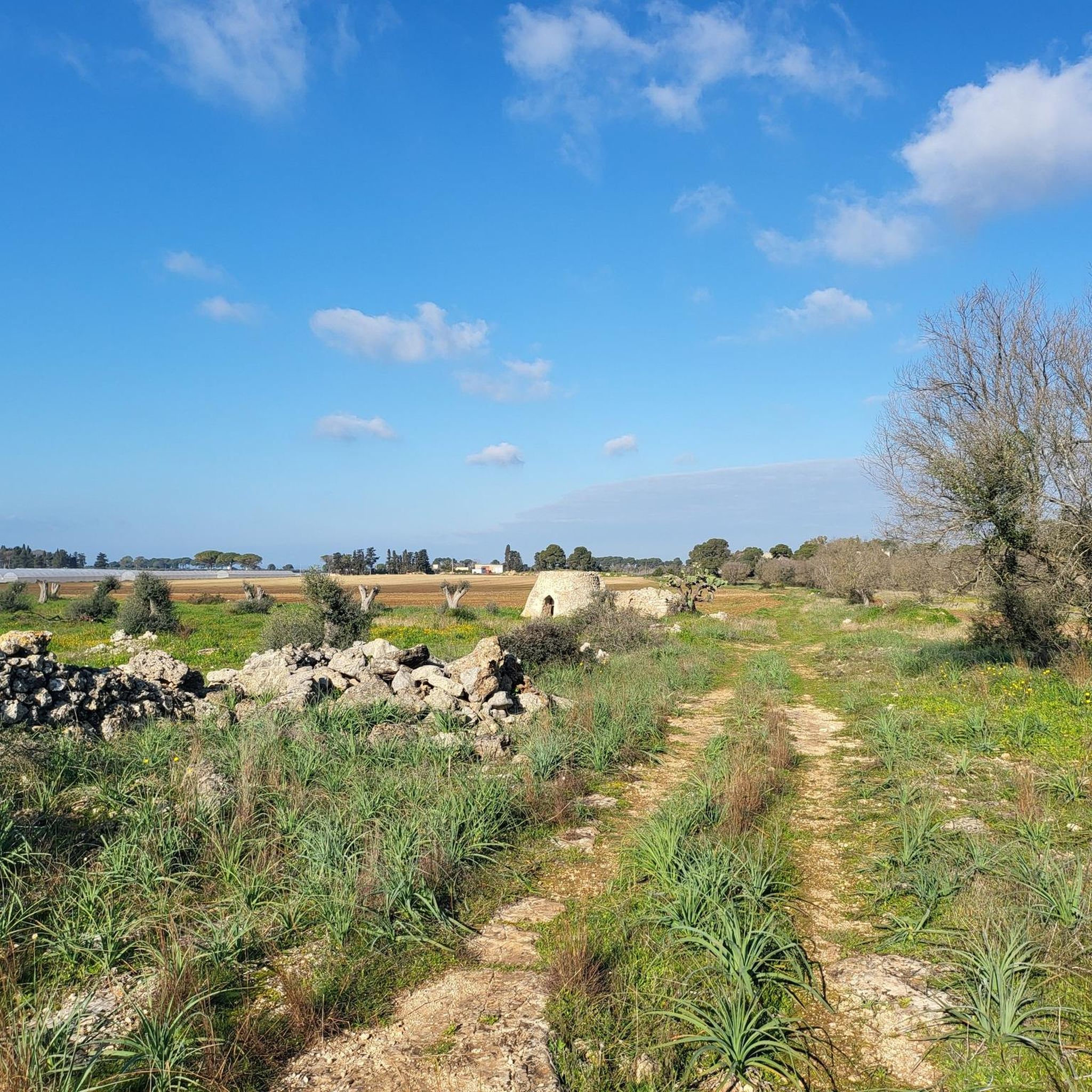
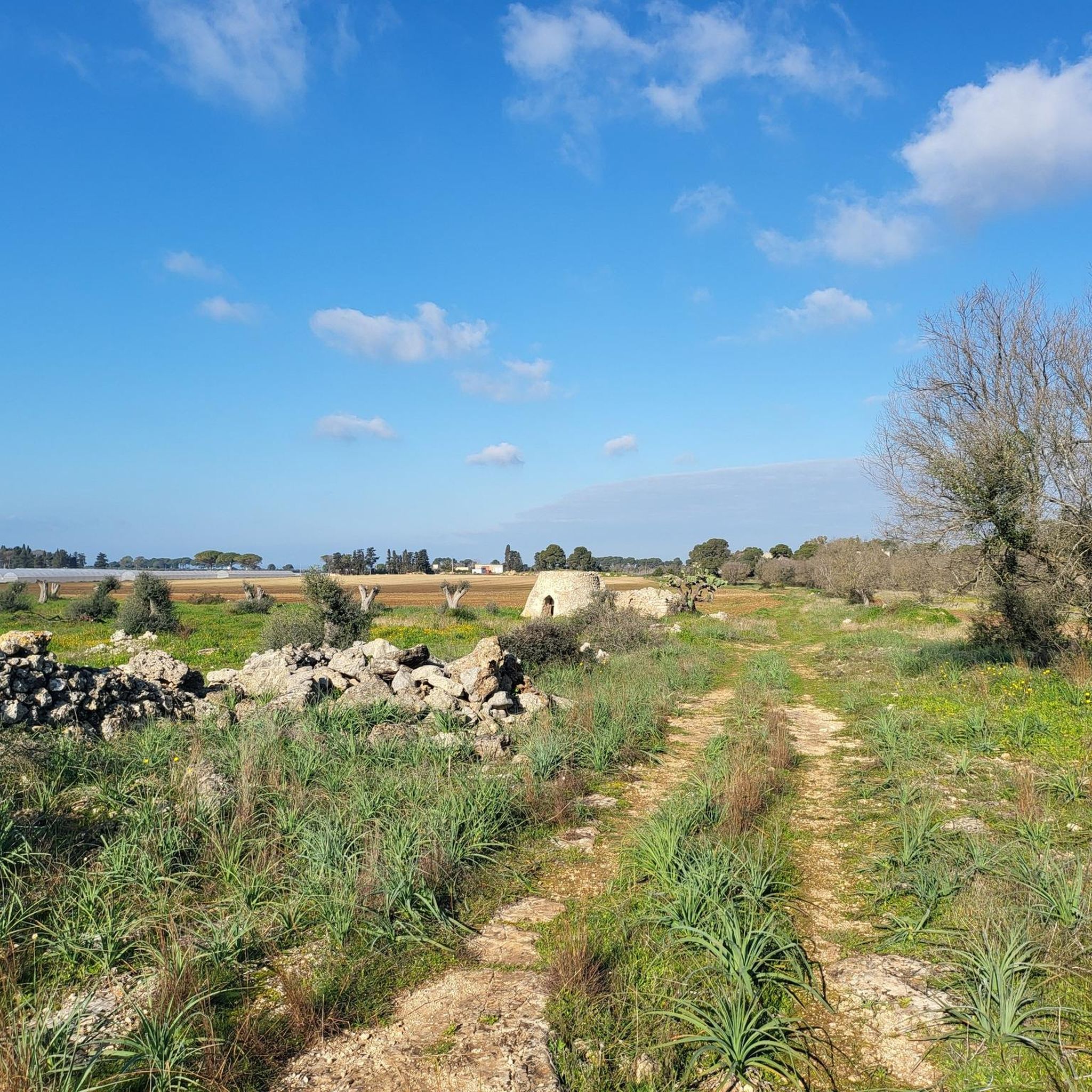
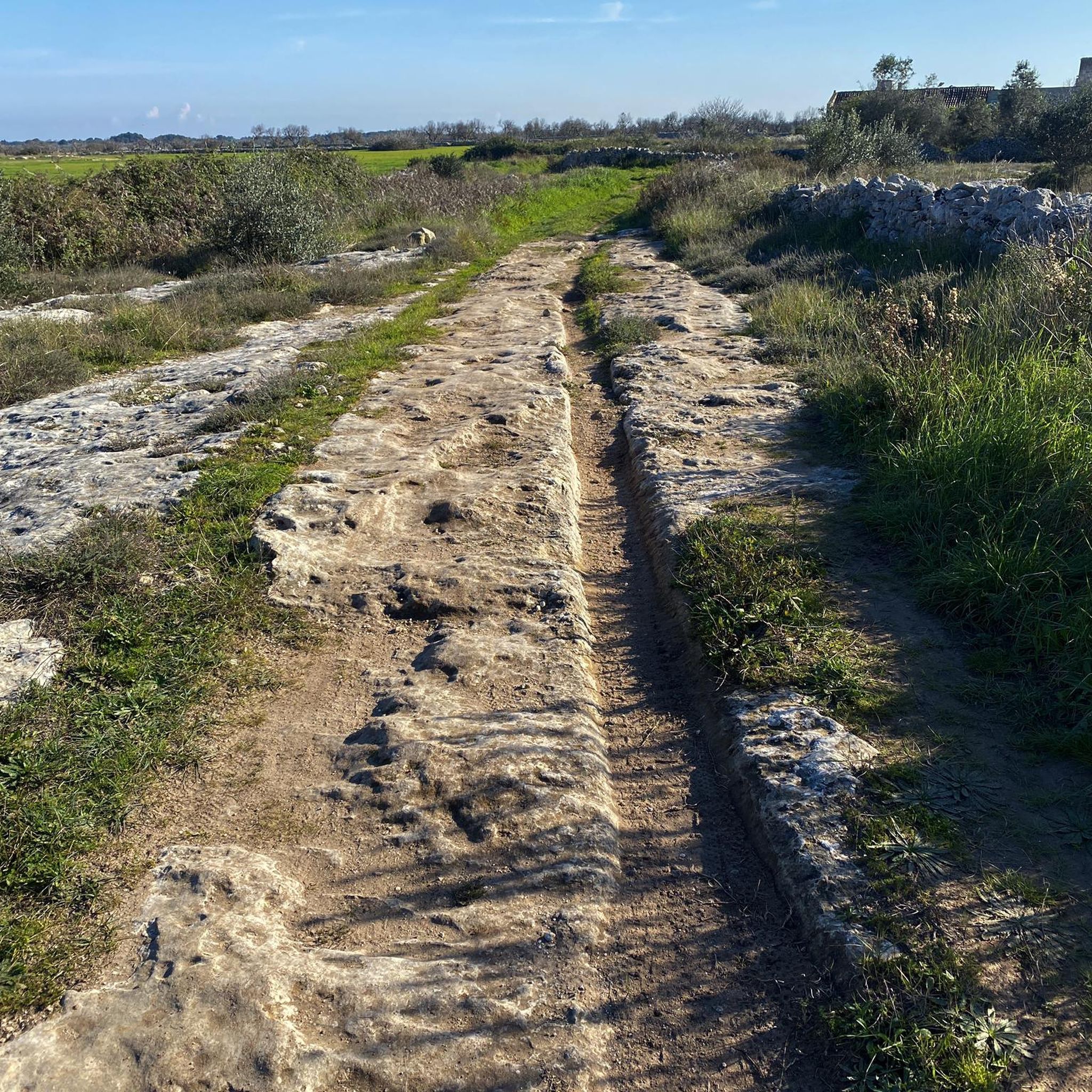
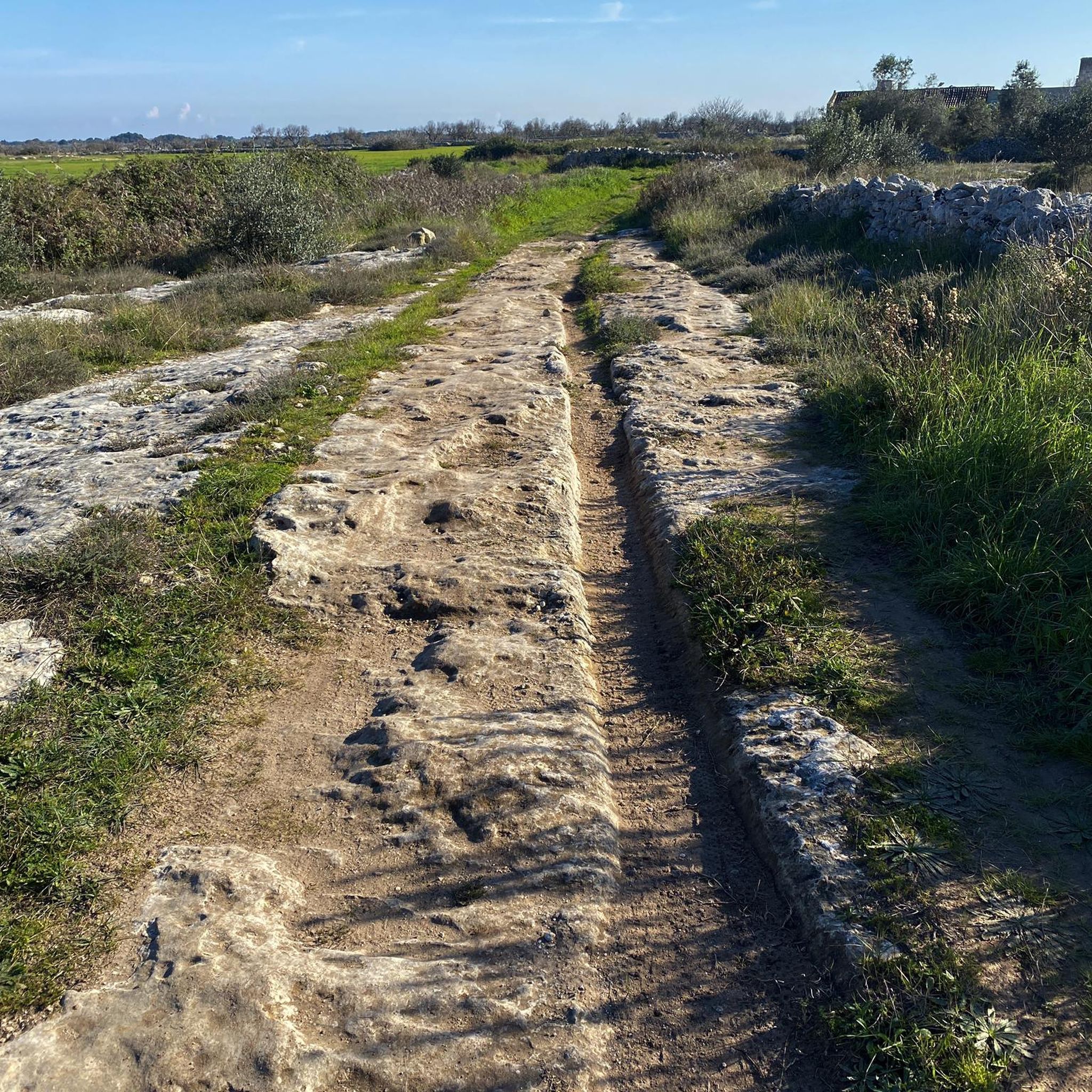
along the sheep tracks on the border between Soleto and Sternatia, and a natural depression in a rocky area called Laccu de lu craparu, which translated from Griko means “shepherd’s pond”, during the rainy season allows the collection of water, transforming into a temporary lake. This stagnation allowed shepherds to bring their flock of sheep to drink.
0
0

The monolith is located in a context of a certain historical and archaeological value. The presence of a mirror and an underground crypt in the vicinity is also noted.
0
0

Inserted in the collection https://www.komoot.com/it-it/collection/2431081/-pietre-del-salento - Not immediately visible because it is partially hidden by brambles on the edge of a secondary road near Masseria Ussano.
0
0

Centuries-old holm oak which, according to legend, was used as a refuge from local brigandage
0
0
there is a gate that is always open. entering 200 meters on the left
0
0
Characteristic Martignano wells that served as cisterns for collecting rainwater. They could be owned or public and in part still perform their function today
1
0
Frequently Asked Questions
What are some unique natural monuments to visit around Lequile?
Around Lequile, you can discover several unique natural monuments. One notable site is The Brigands' Clearing, home to a centuries-old holm oak, approximately 300 years old with a circumference of 41 meters. Local legend suggests it was a refuge for brigands during the Bourbon domination. Another interesting spot is Pozzelle of Martignano, a series of characteristic wells designed to collect rainwater, some of which still function today.
Are there any natural parks or reserves near Lequile worth exploring?
Yes, Lequile's central location in Salento provides easy access to several significant natural parks and reserves. On the Ionian coast, you'll find the Porto Selvaggio and Palude del Capitano Regional Natural Park, known for its rocky coastline, pine forests, and hiking trails. Along the Adriatic coast, the Le Cesine Nature Reserve, managed by WWF, is a crucial marshy area for birdwatching, offering cycling paths and picnic spots.
What kind of geological formations can I see in the Salento region near Lequile?
The Salento peninsula boasts a rich geological heritage. You can explore coastal stretches like Otranto-Castro, which features Late Cretaceous Rudist reefs, Ammonites, and boulder accumulations from a historical tsunami. The Gallipoli-Porto Selvaggio area is notable for abundant fossil remains. These areas highlight the significant geological and geomorphological features of the region.
Are there family-friendly natural sites around Lequile?
Many natural monuments around Lequile are suitable for families. The Brigands' Clearing with its ancient holm oak and legendary history, and the Pozzelle of Martignano, with its unique historical wells, are both considered family-friendly. The Ancient Olive Trees of Salento also offer a peaceful and educational experience for all ages.
Where can I find ancient trees or historical natural features near Lequile?
Lequile is known for its ancient trees and historical natural features. The most prominent is the centuries-old holm oak at The Brigands' Clearing. Additionally, the Ancient Olive Trees of Salento are scattered throughout the peninsula, offering a glimpse into the region's long agricultural history. The Pozzelle of Martignano also represent a historical solution to water supply in the area.
What kind of outdoor activities can I do near the natural monuments around Lequile?
The area around Lequile offers various outdoor activities. You can find numerous running trails, including routes like 'Lecce Cathedral at Night – Porta Napoli loop' or 'Running loop from San Cesario di Lecce'. For hiking enthusiasts, there are options such as the 'Lecce Historic Center Loop' or 'Lecce Cathedral – Basilica of Santa Croce loop'. Cycling is also popular, with routes like 'Church of St. Matthew – Roman Amphitheater in Lecce loop'. You can explore more options on the Running Trails around Lequile, Hiking around Lequile, and Cycling around Lequile guide pages.
Are there any natural swimming spots or coastal wonders accessible from Lequile?
Yes, the Salento region, easily accessible from Lequile, features stunning coastal wonders. The famous Grotta della Poesia (Cave of Poetry) is a beautiful sea cave known for its natural swimming pool formation. Further south, the Piscina Naturale di Marina Serra offers another unique opportunity for swimming in a naturally formed basin along the coast.
Can I find any archaeological or man-made monuments with natural significance near Lequile?
Yes, near Lequile, you can visit Ussano Menhir, San Donato di Lecce. This monolith is a man-made monument set within a historical and archaeological context, with a mirror and an underground crypt nearby. It is partially hidden by vegetation on the edge of a secondary road near Masseria Ussano.
What is the best time of year to visit the natural monuments around Lequile?
The best time to visit the natural monuments around Lequile and the wider Salento region is typically during the spring (April-June) and autumn (September-October) months. During these periods, the weather is pleasant for outdoor activities like hiking and cycling, and the natural landscapes are vibrant. Summer can be very hot, especially for exploring inland sites, but it's ideal for coastal attractions and swimming.
Are there any temporary natural features or unique water bodies to see?
Yes, you can discover unique temporary water bodies. For example, Laccu de lu Craparu, which translates from Griko as 'shepherd’s pond', is a natural depression in a rocky area. During the rainy season, it collects water, transforming into a temporary lake that historically served as a drinking spot for sheep.
What do visitors appreciate most about the natural monuments in this area?
Visitors appreciate the blend of natural beauty and historical intrigue found in the natural monuments around Lequile. The ancient trees, like the holm oak at The Brigands' Clearing, and the historical wells of Pozzelle of Martignano, offer a unique glimpse into the region's past and its natural adaptations. The diverse landscapes, from coastal parks to marshy reserves, also provide varied experiences for nature enthusiasts.
Most popular routes around Lequile
Most popular attractions around Lequile

Get inspired with the komoot mobile app


Explore more
Extend your search for the best caves by checking out these guides of the top ones around Lequile:
