Top 5 Natural Monuments around Copertino
Natural monuments around Copertino offer diverse natural beauty and unique ecological features within the Salento region of Puglia, Italy. The area is characterized by its coastal landscapes, karst formations, and ancient agricultural heritage. These sites provide insights into the region's geology, flora, and historical human interaction with the environment. Visitors can explore a range of natural attractions, from coastal marshes to ancient olive groves.
Best natural monuments around Copertino
- The most popular natural monuments is Palude del Capitano, a…
Last updated: June 28, 2026
Palude del Capitano
Highlight • Natural
Without a doubt one of the most …
Translated by Google •
Tip by

Ancient Olive Trees of Salento
Highlight • Natural Monument
Translated by Google •
Tip by

Sign up now to discover places like this
Get recommendations on the best single tracks, peaks, & plenty of other exciting outdoor places.
Sign up for free
Ussano Menhir, San Donato di Lecce
Highlight • Monument
Not immediately visible because it is partially hidden by brambles on the edge of a secondary road near Masseria Ussano.
Translated by Google •
Tip by

Laccu de lu Craparu
Highlight • Lake
Translated by Google •
Tip by

The Spunnulate of Porto Selvaggio
Highlight • Natural Monument
Translated by Google •
Tip by
Start today with a free account
Your next adventure awaits.
Login or Signup
Tips from the Community

One of the most representative Spunnulate of the marsh. Example of how the water emerging from the subsoil indicates the presence of abundant fresh water in the Salento subsoil but also the difficulty of accessing it. Destination of migratory avifauna. Wonderful. It is a protected place and (for obvious reasons) bathing is absolutely prohibited.
0
0

The spunnulates result from the collapse of the vaults of pre-existing underground karst cavities. In many cases they host a body of groundwater which, given the proximity to the sea, is brackish and with variable salinity.
0
0
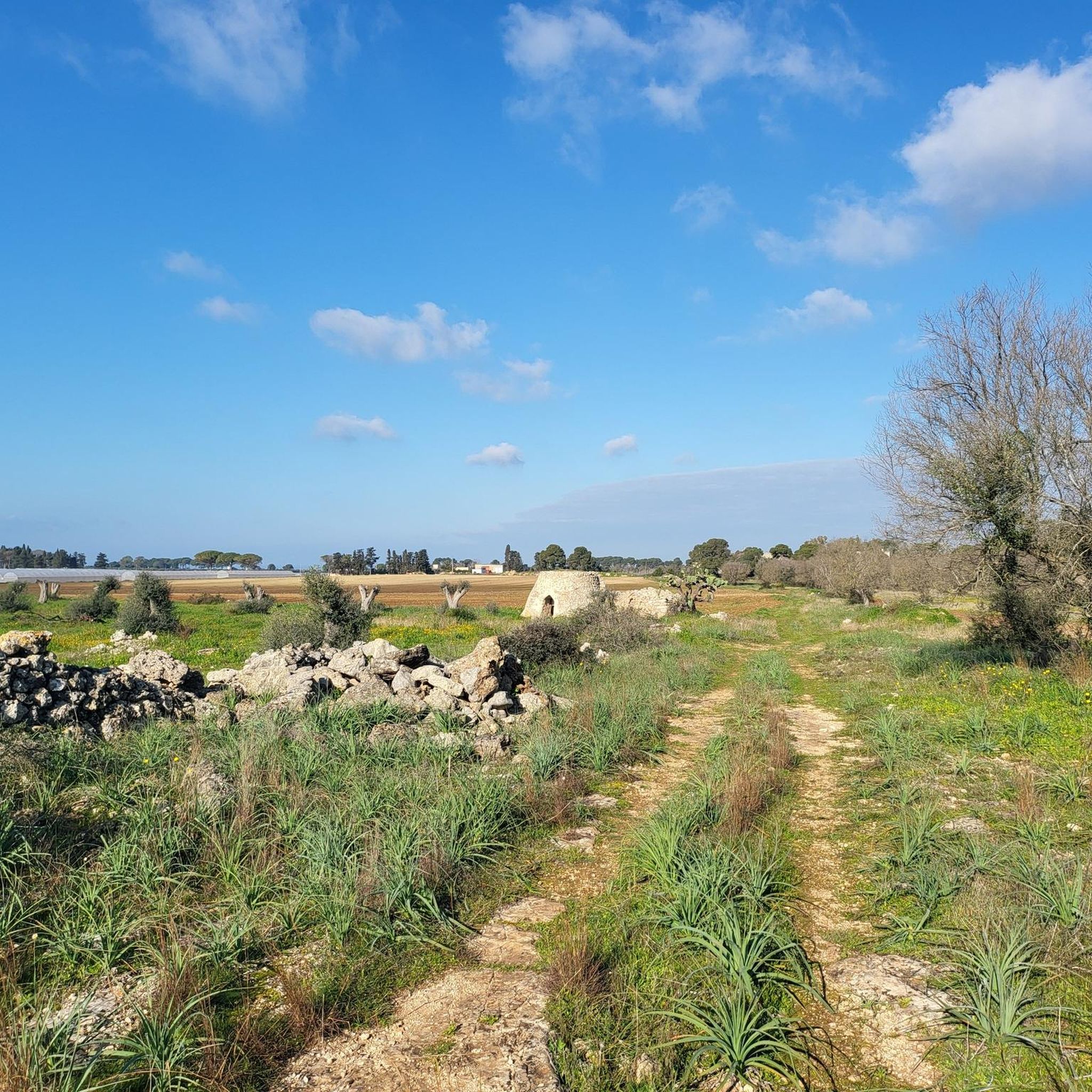
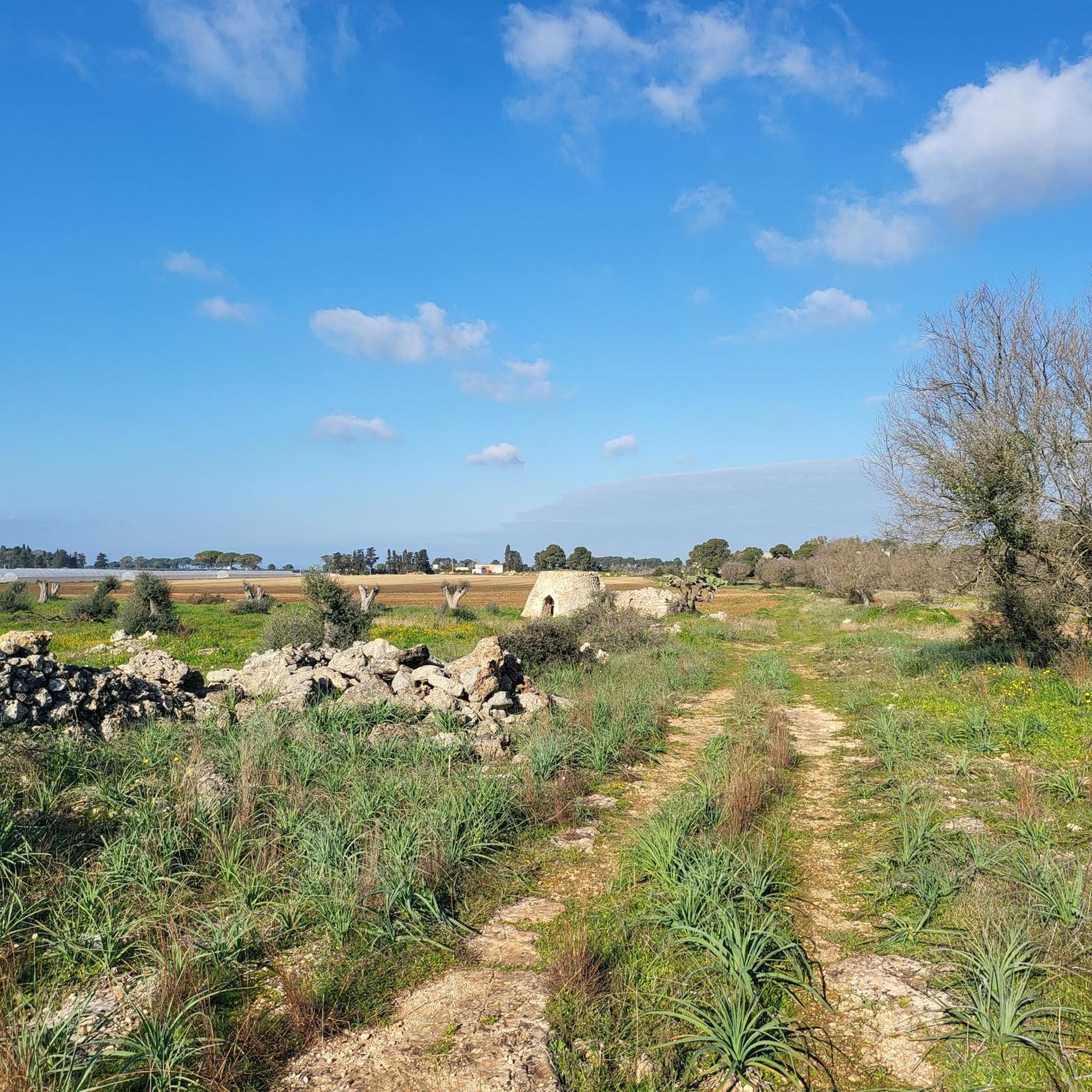
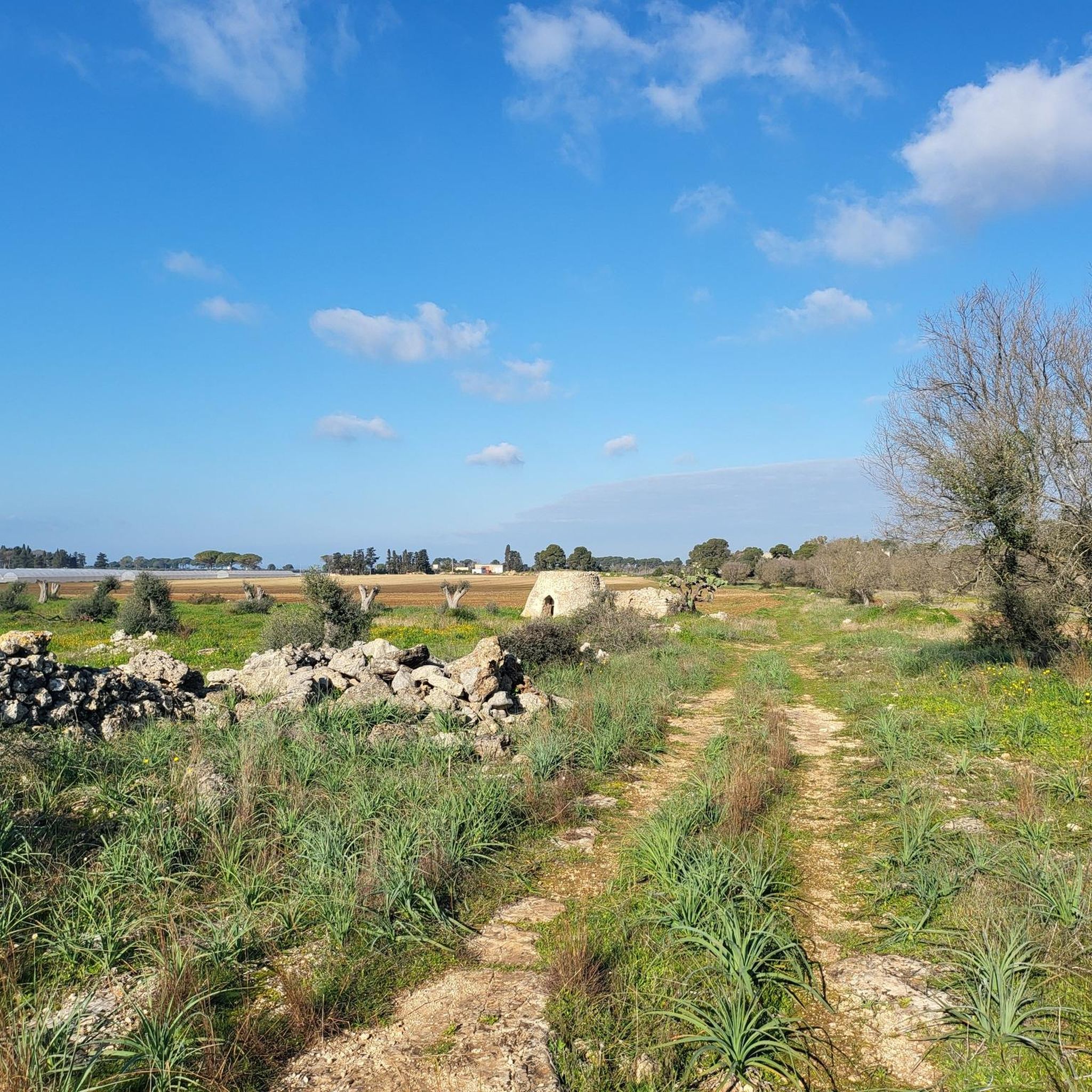
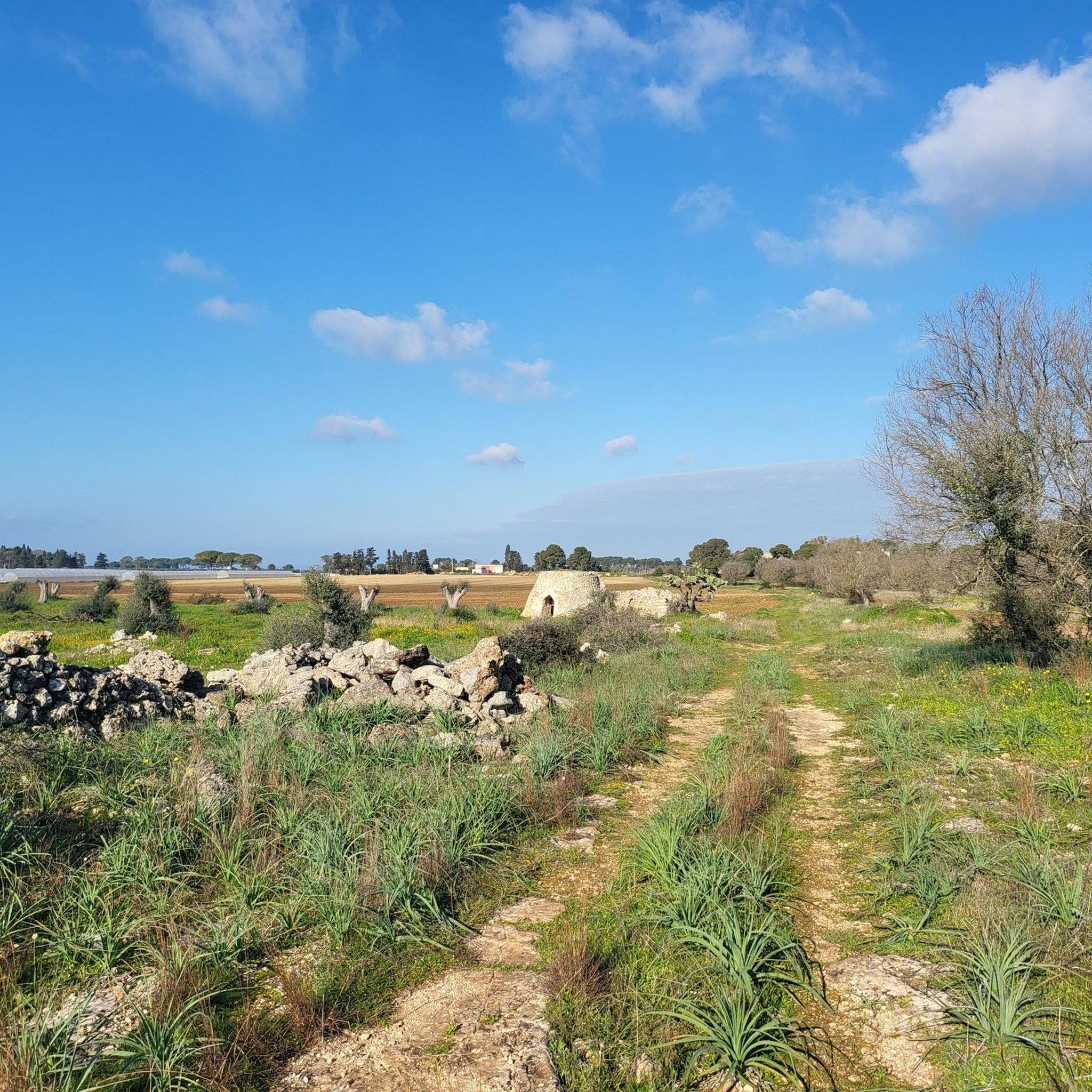
along the sheep tracks on the border between Soleto and Sternatia, and a natural depression in a rocky area called Laccu de lu craparu, which translated from Griko means “shepherd’s pond”, during the rainy season allows the collection of water, transforming into a temporary lake. This stagnation allowed shepherds to bring their flock of sheep to drink.
0
0

The monolith is located in a context of a certain historical and archaeological value. The presence of a mirror and an underground crypt in the vicinity is also noted.
0
0
Inserted in the collection https://www.komoot.com/it-it/collection/2431081/-pietre-del-salento - Not immediately visible because it is partially hidden by brambles on the edge of a secondary road near Masseria Ussano.
0
0

The swamp develops along the coast of Nereto and has a high value and naturalistic interest. One of the many beauties of this place are the "spunnulate", a very rare geological phenomenon in which a karst sinking creates a "lake" of fresh and salt water. These areas have given rise to a unique habitat rich in very interesting botanical and faunal species. In addition to this, among the paths of the Captain's Marsh you can come across beautiful Orchids, wild flowers and expanses of Salicornia, also called sea asparagus. The small bays that can be encountered along the way, enclose the beauty of this place to be discovered. https://www.18meridianoescursioni.it/la-palude-del-capitano-e-le-spunnulate/
0
1
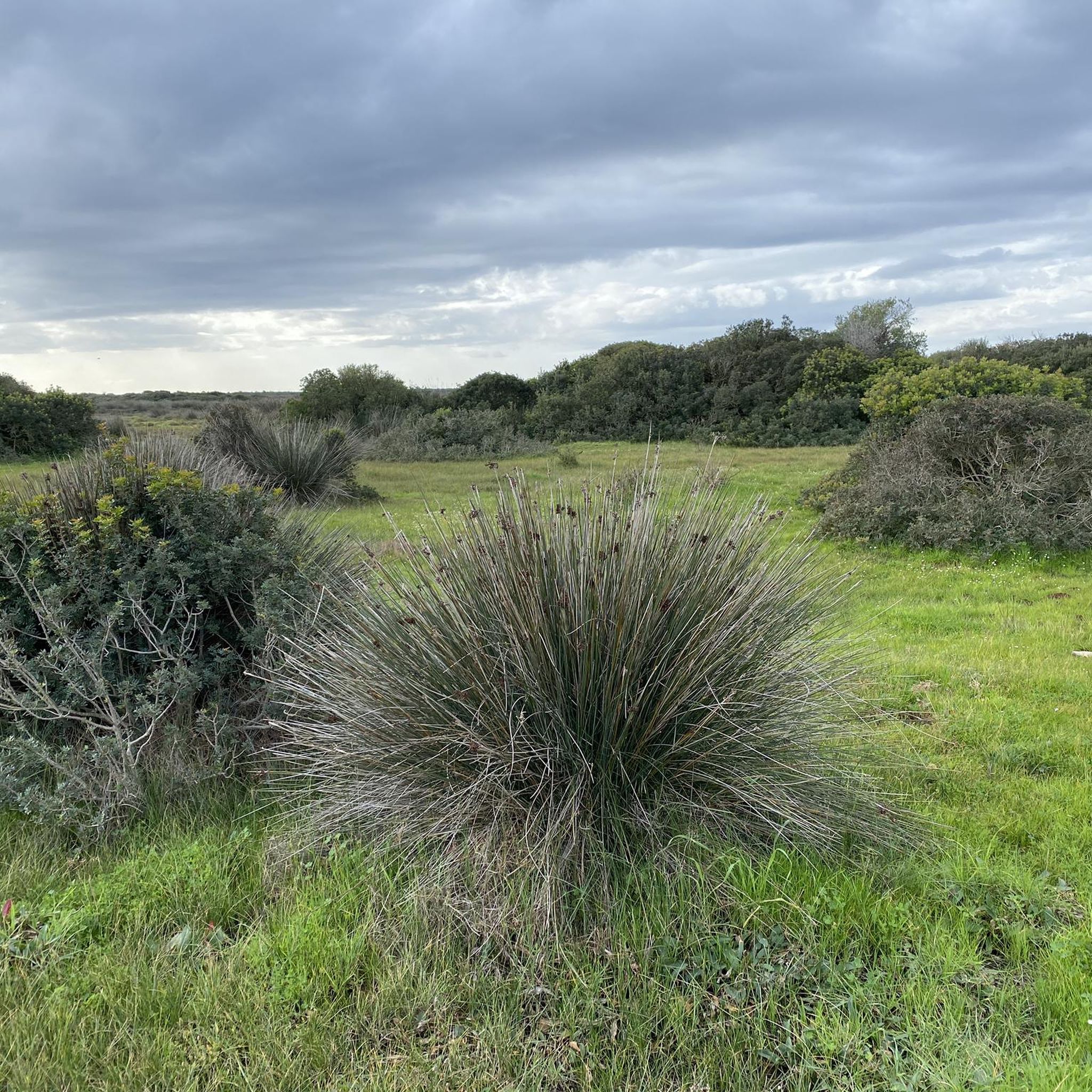
The pristine landscape captures the gaze and soothes the soul of visitors who find here an environment where peace and nature reign supreme. Without a doubt one of the most evocative places in Salento, the so-called Palude del Capitano located in the area of the Porto Selvaggio Regional Natural Park (in S. Isidoro di Nardò), offers visitors an enchanting scenery. Inside, lush vegetation with various plants now rare as well as evidence of prehistoric man. In recent years, following archaeological excavations, the remains of a Roman villa have been brought to light and an ancient ointment filled with silver coins was also found. In this site of Community interest there are several bodies of fresh water (due to the karst phenomenon of the collapse sinkholes, called spundulate in the local dialect) that gushes from the cold springs from the rock and mixes with the salty waters coming from small underground channels that from the nearby sea they join up to the swamp. https://www.solosalento.it/palude-del-capitano/
0
0

Salento is the name of a 100 km long and 40 km wide peninsula in the extreme southeast of Italy and is often referred to as the heel of the Italian boot. From prehistoric times cave finds (Grinz Zinzulusa) were made and dolmens and menhirs were preserved as remnants of the early peasant culture. In antiquity, the area was inhabited by the Messapi, an Illyrian tribe that had to defend its independence in wars against the Greek settlement of Taras (Taranto). Herodotus reports a war around the year 474 BC. Between Taras and the Lega Peuceta (an alliance from the area around Bari) supported by the Lega Messapica (from Salento). In this conflict, the Messapier could still retain the upper hand after several years of war, from about 280 BC. However, the Roman Republic gained supremacy throughout Lower Italy.
1
0
Frequently Asked Questions
What are the most popular natural monuments to visit around Copertino?
Among the most appreciated natural monuments are Palude del Capitano, known for its pristine landscape and unique freshwater springs, and The Spunnulate of Porto Selvaggio, distinctive formations from collapsed karst cavities. Visitors also value the historical significance of Ussano Menhir, San Donato di Lecce.
What unique natural features can I expect to see in the natural monuments near Copertino?
The region is rich in diverse natural features. You'll find fascinating karst formations, such as the 'spundulate' at Palude del Capitano where freshwater springs mix with salty underground channels. The Spunnulate of Porto Selvaggio showcase collapsed karst cavities often containing brackish groundwater. Additionally, the area features lush vegetation, including rare plant species, and ancient olive groves that define the Salento landscape.
Are there family-friendly natural monuments around Copertino?
Yes, the natural monuments around Copertino offer options for families. The Ancient Olive Trees of Salento provide a serene and accessible environment for all ages to appreciate the region's agricultural heritage. Exploring the broader Porto Selvaggio Regional Natural Park, which includes sites like Palude del Capitano, can also be a rewarding family experience, though some paths might be more rugged.
What is the best time to visit the natural monuments around Copertino?
The best time to visit is generally during the spring (April-May) and autumn (September-October) when the weather is mild and pleasant for exploration. During these seasons, the vegetation is vibrant, and the temperatures are ideal for hiking and enjoying the outdoor landscapes without the intense summer heat. Summer can be very hot, while winter might bring more rain, especially affecting sites like Laccu de lu Craparu which transforms into a temporary lake during the rainy season.
What kind of historical or archaeological significance do these natural monuments hold?
Many natural monuments in the region are intertwined with history. Palude del Capitano, for instance, has revealed evidence of prehistoric human presence and remains of a Roman villa, including ancient artifacts. Ussano Menhir, San Donato di Lecce, is a monolith with significant historical and archaeological value, situated near a mirror and an underground crypt. The Ancient Olive Trees of Salento also represent centuries of agricultural heritage.
Are there hiking trails near the natural monuments around Copertino?
Yes, there are several hiking opportunities. For example, within the Porto Selvaggio Regional Natural Park, you can find trails like the 'Palude del Capitano – Captain's Marsh loop from Sant'Isidoro,' which is an easy 7.1 km route. Other options include the 'Torre di Sant'Isidoro – Uluzzo Tower loop from Torre Squillace.' You can find more details and routes on the Hiking around Copertino guide.
What other outdoor activities can I do near these natural monuments?
Beyond hiking, the area around Copertino offers various outdoor activities. You can explore cycling routes, such as the 'Santa Maria al Bagno Beach – Masseria Torre Nova loop from Copertino' (64.2 km, moderate) or the 'Copertino Castle – Porto Cesareo loop from Copertino' (47.7 km, moderate). Gravel biking is also popular, with routes like the 'Porto Selvaggio Bay – Porto Selvaggio Bay loop from Nardò Città' (50.9 km, moderate). For more options, check the Cycling around Copertino and Gravel biking around Copertino guides.
What is the 'Laccu de lu Craparu' and when is it best to see it?
Laccu de lu Craparu, which translates to 'shepherd's pond' from Griko, is a natural depression in a rocky area between Soleto and Sternatia. It transforms into a temporary lake during the rainy season, historically serving as a watering hole for shepherds. To see it as a lake, it's best to visit after periods of significant rainfall, typically in late autumn or winter.
What do visitors enjoy most about the natural monuments around Copertino?
Visitors frequently highlight the sense of peace and natural beauty found in these areas. The pristine landscapes, lush vegetation, and unique geological formations like the 'spundulate' are often praised. The blend of natural wonders with historical elements, such as the Roman villa remains at Palude del Capitano, also adds to the appeal, offering a captivating experience for those seeking both nature and history.
Are there any specific considerations for visiting the Spunnulate of Porto Selvaggio?
The Spunnulate of Porto Selvaggio are distinctive natural formations resulting from collapsed underground karst cavities, many containing brackish groundwater. While fascinating to observe, it's important to respect the natural environment. These areas are often protected, and bathing or disturbing the delicate ecosystems is prohibited. Always stay on marked paths and follow local guidelines to preserve these unique geological features.
Can I find cafes or restaurants near the natural monuments?
While the natural monuments themselves are often in more secluded, natural settings, you can find cafes and restaurants in nearby towns and coastal areas. For instance, if you're visiting sites within the Porto Selvaggio Regional Natural Park, the towns of Sant'Isidoro or Nardò Città offer dining options. It's advisable to check local listings for specific establishments and their operating hours.
What should I wear or bring for a visit to these natural areas?
For exploring the natural monuments, especially if you plan to hike, comfortable walking shoes are essential. Depending on the season, light layers are recommended, along with sun protection (hat, sunscreen) during warmer months. Bringing water is always a good idea, as amenities might not be directly available at every site. If visiting during the rainy season, waterproof gear might be useful, particularly for areas like Laccu de lu Craparu.
Most popular routes around Copertino
Most popular attractions around Copertino

Get inspired with the komoot mobile app


Explore more
Extend your search for the best caves by checking out these guides of the top ones around Copertino:
