Top 5 Natural Monuments around Corno Giovine
Best natural monuments around Corno Giovine are concentrated in a region characterized by its proximity to the Po River and its ancient paleochannels. This area, located in the province of Lodi, Italy, features a landscape shaped by alluvial terraces and underground water resurgence. It is recognized for its diverse ecosystems, including significant wetland environments and woodland areas. The natural features provide habitats for various plant and animal species, making it a notable destination for nature observation.
Best natural monuments around…
Last updated: July 12, 2026
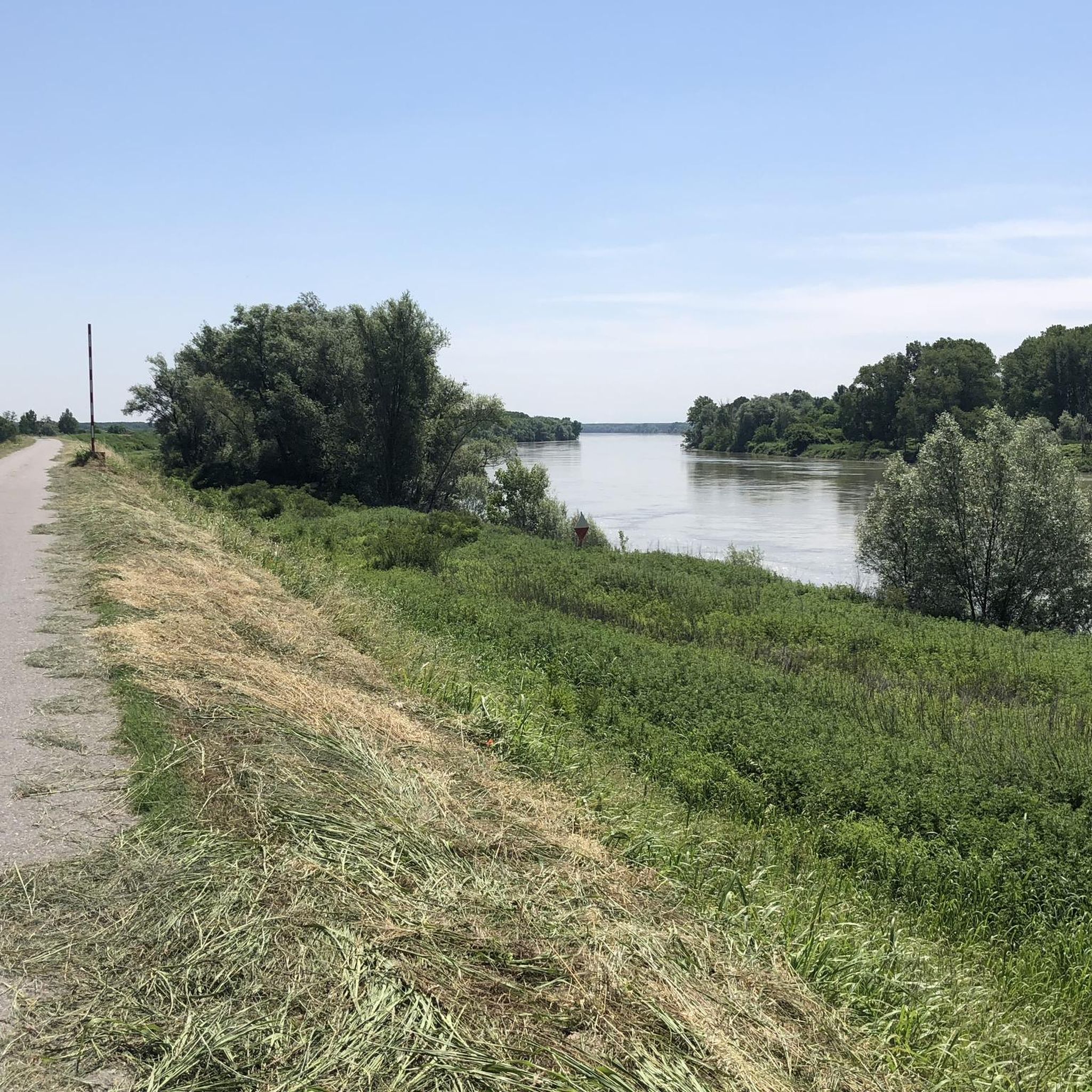
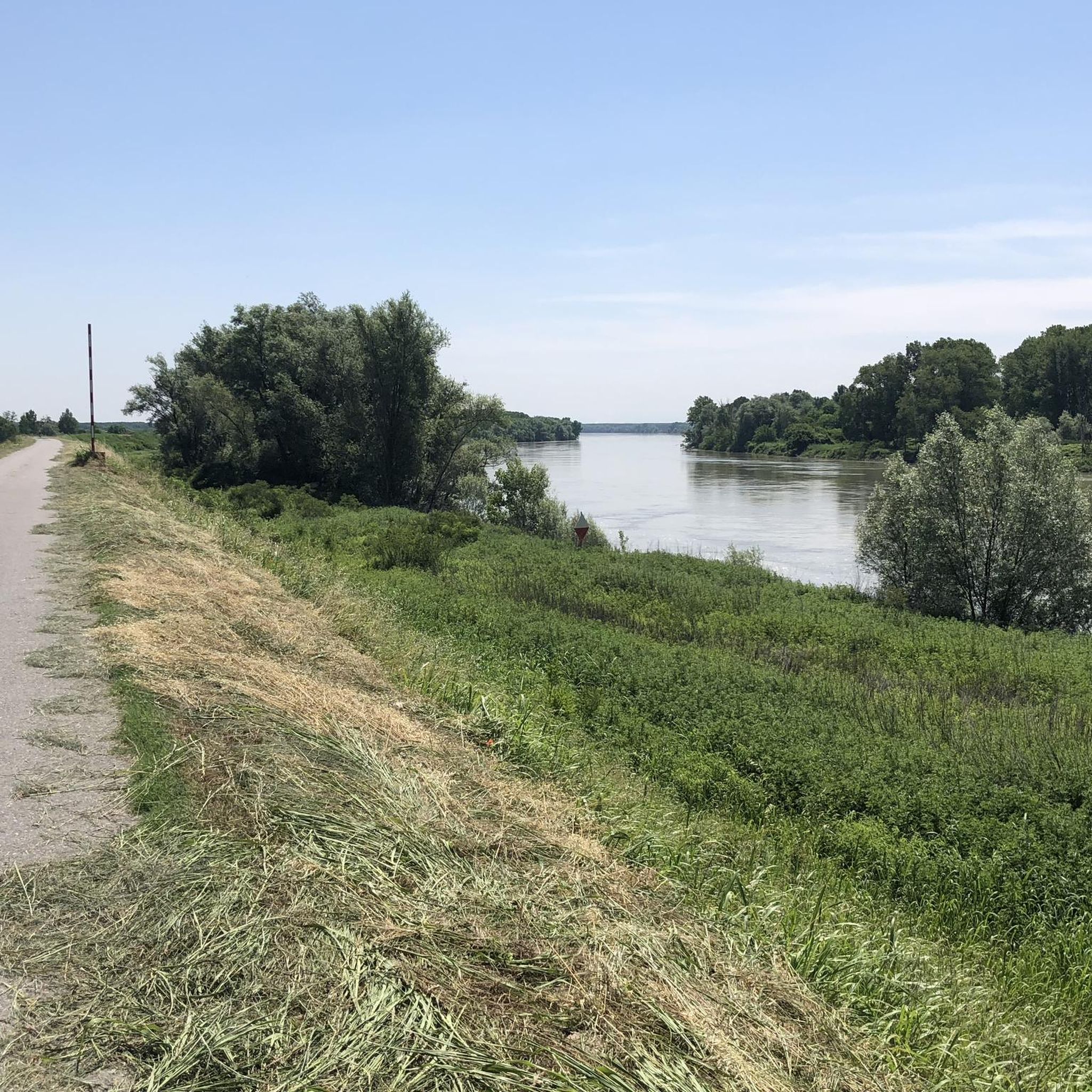
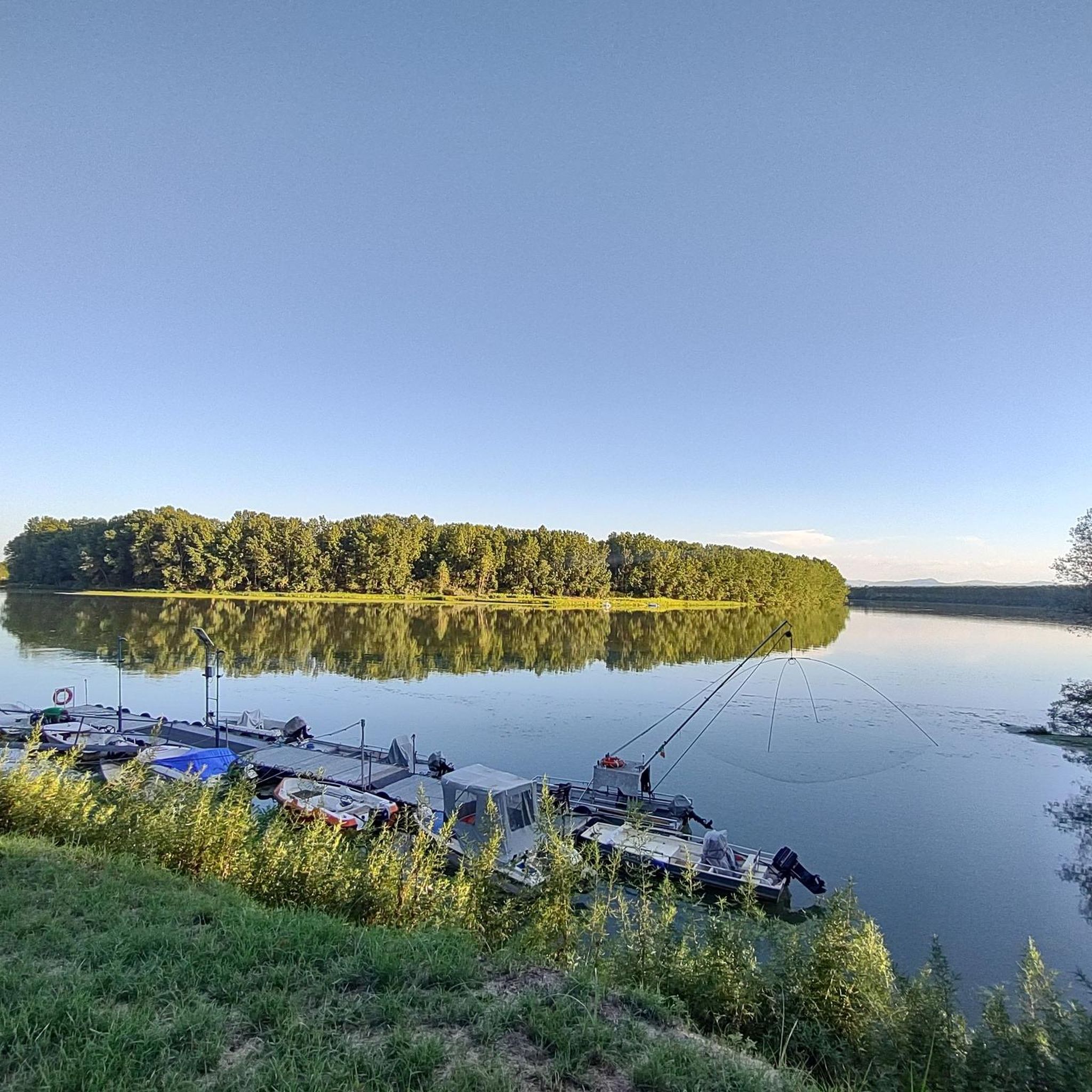
Confluence of the Adda and Po rivers
Highlight • River
Translated by Google •
Tip by

Stork Visitor Center of the Adda Sud Park
Highlight • Natural
parcoaddasud.it/nel-territorio/centri-parco/centro-visite-di-castiglione-dadda
Translated by Google •
Tip by

Sign up now to discover places like this
Get recommendations on the best single tracks, peaks, & plenty of other exciting outdoor places.
Sign up for free
Adda Morta - Lanca della Rotta Oriented Nature Reserve
Highlight • Natural
Translated by Google •
Tip by

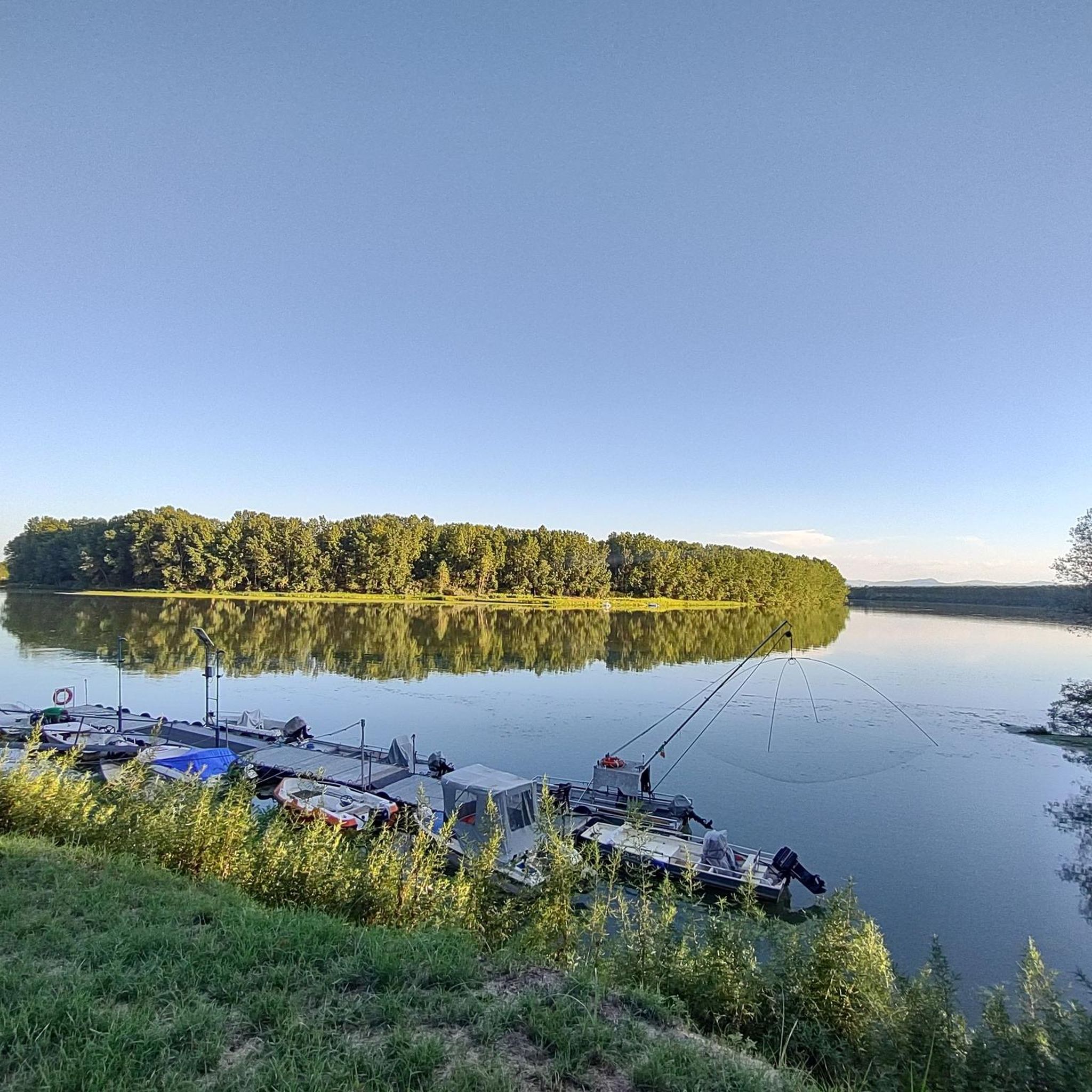
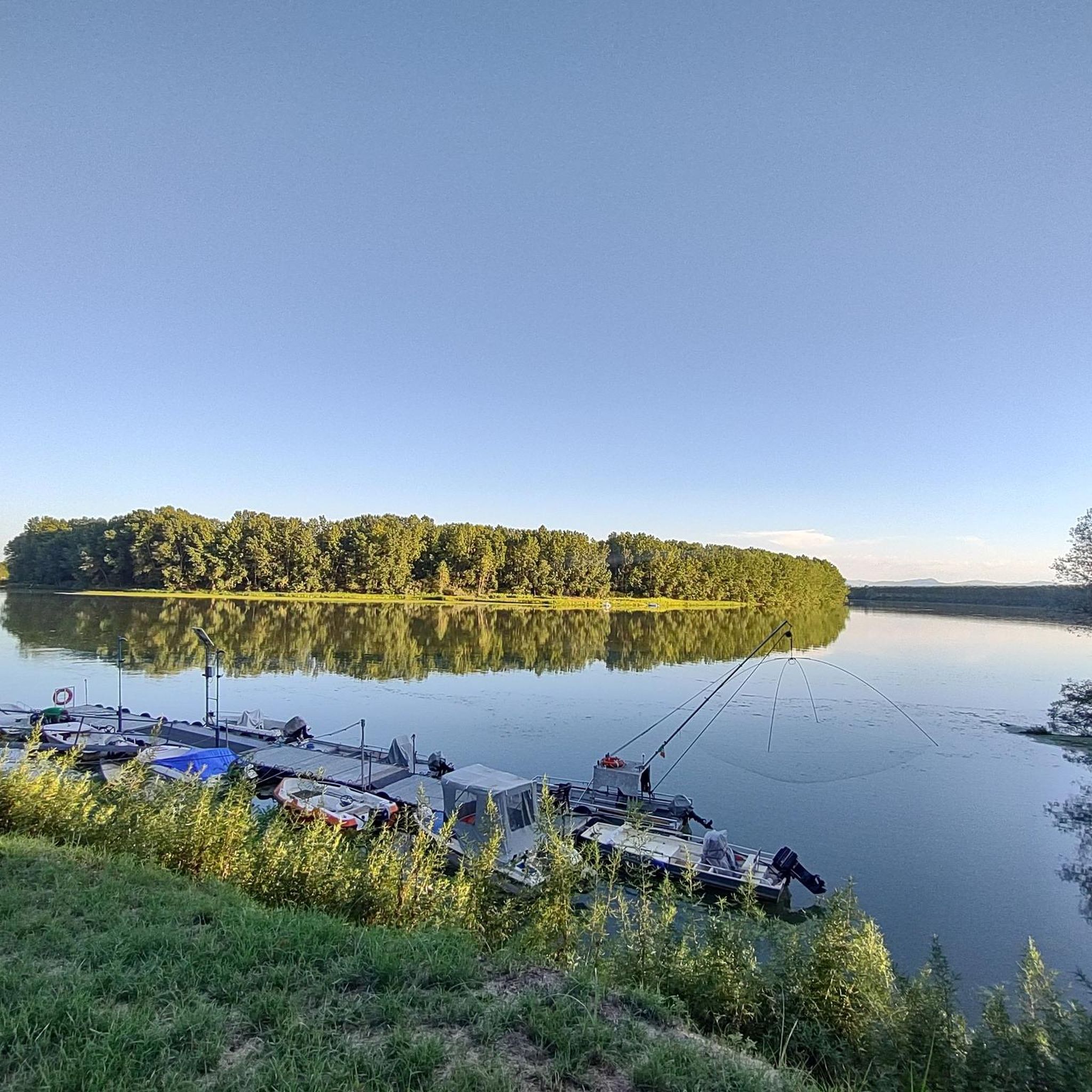
Lanca Adda Morta
Highlight • Natural Monument
Translated by Google •
Tip by
Monticchie Nature Reserve - Somaglia Lodi
Highlight • Natural Monument
Translated by Google •
Tip by

Start today with a free account
Your next adventure awaits.
Login or Signup

Tips from the Community

On trails immersed in greenery, very shaded
0
0

Where the Adda River joins the great Po
0
0
A small but suggestive regional reserve, there is a pedestrian/horse trail and a short but fun MTB trail
0
0

Many pairs of storks have been nesting at the Centre for many years now.
0
0
Moticchie Nature Reserve in Somaglia..a wild place in the cultivated countryside
0
0

It is suggestive to think that the Adda crossed the whole of Lombardy before flowing into the Po
1
0

Where two of Italy's longest rivers meet
2
0

The enormous amount of water is impressive
4
0
Frequently Asked Questions
What are the most notable natural monuments to visit around Corno Giovine?
The region around Corno Giovine is rich in natural beauty, primarily centered around the Po and Adda rivers. Key natural monuments include the Confluence of the Adda and Po rivers, where two of Italy's longest rivers meet, and the Stork Visitor Center of the Adda Sud Park, known for its nesting storks. Additionally, the Adda Morta - Lanca della Rotta Oriented Nature Reserve offers a unique wetland environment.
Are there any natural reserves near Corno Giovine that are worth exploring?
Yes, the most significant natural reserve in the vicinity is the Monticchie Regional Natural Reserve, located near Somaglia. This reserve is a crucial habitat for various plant and animal species, particularly wetland birds and amphibians. It features hygrophilous woodland, reed beds, and underground water resurgence, creating a unique wetland environment. You can find a highlight for it as Monticchie Nature Reserve - Somaglia Lodi.
What kind of wildlife can I expect to see in the natural monuments around Corno Giovine?
The Monticchie Regional Natural Reserve is particularly renowned for its significant heronry, a nesting colony of approximately 600 ardeid couples, including Grey Herons, Night Herons, Little Egrets, and Cattle Egrets. The humid environment also supports rare amphibian species like Lataste's Frog, crested newts, and crayfish. Other reported species include the collared snake, green lizard, and Italian slow worm. The Stork Visitor Center of the Adda Sud Park is also an excellent spot to observe storks.
Are the natural monuments around Corno Giovine suitable for families with children?
Many of the natural monuments are family-friendly. The Stork Visitor Center of the Adda Sud Park offers an engaging experience for observing storks. The Confluence of the Adda and Po rivers provides an impressive natural spectacle. The Monticchie Nature Reserve also offers educational opportunities, with a nearby Amphibian Center and teaching classrooms used during guided tours.
What kind of trails or paths are available for walking or cycling in these natural areas?
The Monticchie Nature Reserve features pedestrian and horse trails, as well as a short but fun MTB trail. The Lanca Adda Morta, an oxbow lake, is easily accessible by a path that can be traveled by mountain bike. For more extensive cycling options, you can explore various routes in the area, such as those found in the Cycling around Corno Giovine guide or the Gravel biking around Corno Giovine guide.
What is the best time of year to visit the natural monuments in Corno Giovine?
While specific seasonal tips are not available for all sites, the spring is an excellent time to visit the Stork Visitor Center of the Adda Sud Park, as several families of storks nest there during this period. Generally, spring and autumn offer pleasant weather for exploring the outdoor natural reserves and trails.
Are there any specific viewpoints or scenic spots within the natural monuments?
Yes, the Confluence of the Adda and Po rivers is a significant viewpoint, offering an impressive sight of the two rivers merging. The Stork Visitor Center of the Adda Sud Park also provides excellent viewing opportunities for observing storks in their natural habitat.
What makes the Monticchie Regional Natural Reserve unique?
The Monticchie Regional Natural Reserve is unique due to its location on an ancient paleochannel of the Po River, resulting in a 'terraced' landscape with alluvial terraces. Its diverse ecosystem is sustained by underground water resurgence, known as 'Sorgenti di Terrazzo and Fontanili,' which creates a rare wetland environment. This makes it a biodiversity hotspot, especially for wetland birds and amphibians, and a Site of Community Importance.
Can I find any historical or cultural context related to the natural monuments?
While primarily natural sites, the Monticchie Regional Natural Reserve has a history of conservation, being designated a wildlife restocking and capture area in 1969 and a Regional Natural Reserve in 1988. The nearby Castello Cavazzi Somaglia in Corno Giovine houses an Amphibian Center, which provides educational context during guided tours of the reserve, linking the natural environment with local educational initiatives.
What kind of cycling routes are available near the natural monuments?
The area around Corno Giovine offers a variety of cycling routes. You can find options for touring bicycles in the Cycling around Corno Giovine guide, including routes like the 'Shrine at Villa Trecchi loop' and 'On the Adda embankment – Embankment of the Po River loop'. For road cycling, the Road Cycling Routes around Corno Giovine guide features routes such as the 'Po Cycle Route – Torre del Guado loop'. Gravel biking enthusiasts can explore options in the Gravel biking around Corno Giovine guide, including routes like the 'PO RIVER EMBANKMENT – Scenic Countryside Cycle Trail loop'.
How accessible are the natural monuments by public transport or car?
The Monticchie Regional Natural Reserve is noted for its accessibility by train and bicycle from larger cities like Milan or Piacenza, making it a convenient natural escape. For other sites, access typically involves local roads, and parking availability would depend on the specific location. It's advisable to check local information for detailed transport options to individual sites.
What do visitors enjoy most about the natural monuments in this region?
Visitors appreciate the diverse ecosystems and the tranquility offered by these natural spaces. The impressive volume of water at the Confluence of the Adda and Po rivers is often highlighted. The opportunity to observe storks nesting at the Stork Visitor Center of the Adda Sud Park is also a popular draw. Many enjoy the peaceful paths and the sense of being in a 'wild place in the cultivated countryside' as described for the Monticchie Nature Reserve.
Most popular routes around Corno Giovine
Most popular attractions around Corno Giovine

Get inspired with the komoot mobile app


Explore more
Extend your search for the best caves by checking out these guides of the top ones around Corno Giovine:
