Top 20 Natural Monuments around Brenta
Best natural monuments around Brenta are found within a region characterized by dramatic rocky peaks, pristine lakes, and diverse ecosystems. This area, part of the Adamello Brenta Natural Park, offers a blend of geological marvels and opportunities for outdoor exploration. The landscape features iconic mountains, deep green lakes, and impressive waterfalls. Visitors can experience a rich variety of natural elements, from dense forests to expansive alpine meadows.
Best natural monuments around Brenta
- The most popular natural monuments is Cascata della…
Last updated: July 12, 2026
Sacro Monte of Ghiffa
Highlight • Religious Site
Translated by Google •
Tip by

Cascata della Froda
Highlight • Waterfall
Translated by Google •
Tip by

Sign up now to discover places like this
Get recommendations on the best single tracks, peaks, & plenty of other exciting outdoor places.
Sign up for free
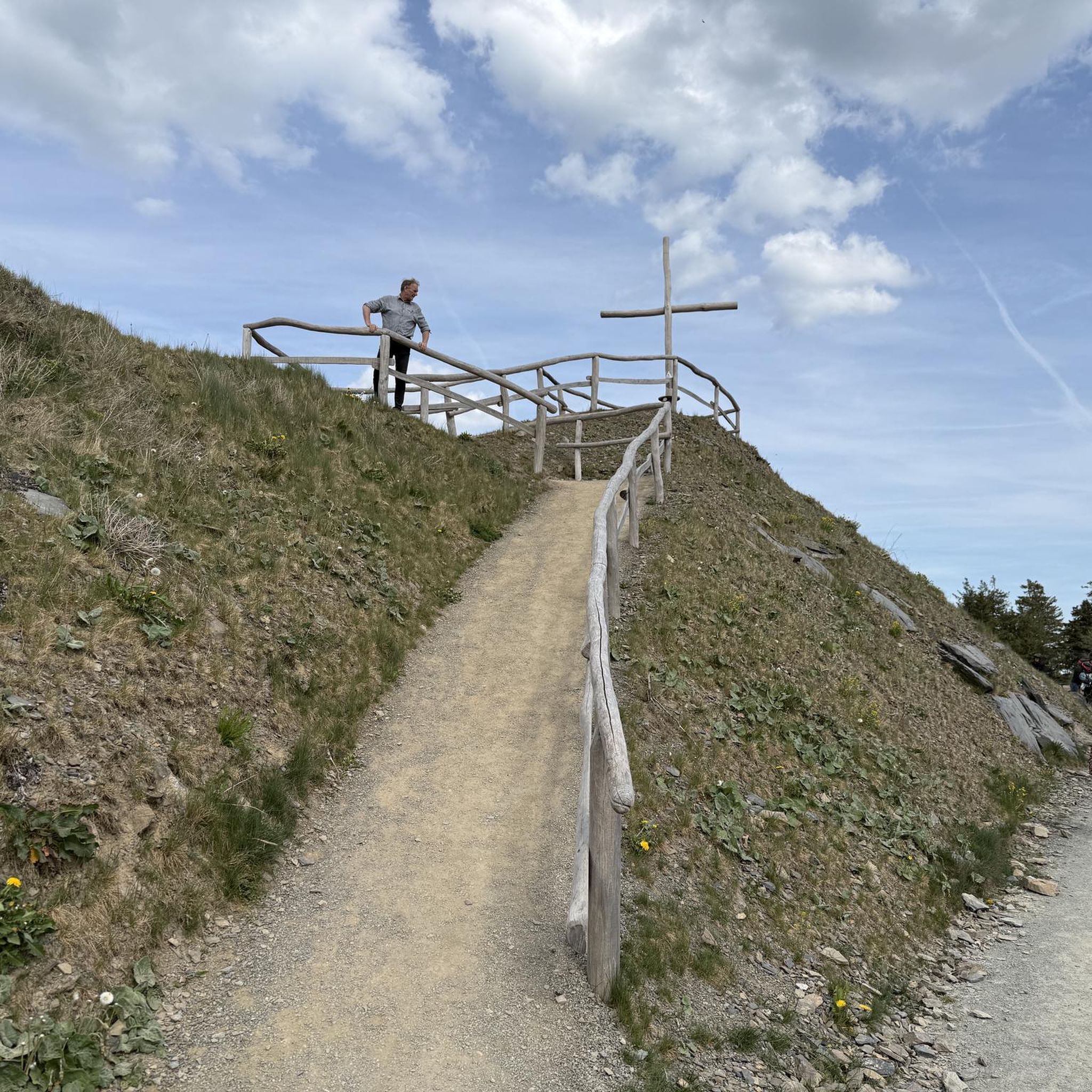
Cross at Pizzoni di Laveno
Highlight • Summit
Translated by Google •
Tip by

Monte Chiusarella — Summit and Summit Cross
Highlight • Summit
Translated by Google •
Tip by

Villa Taranto Botanical Gardens
Highlight • Natural Monument
Translated by Google •
Tip by

Sign up for free to discover even more natural monuments around Brenta.
Sign up for free
Already have an account?
Start today with a free account
Your next adventure awaits.
Login or Signup
Tips from the Community

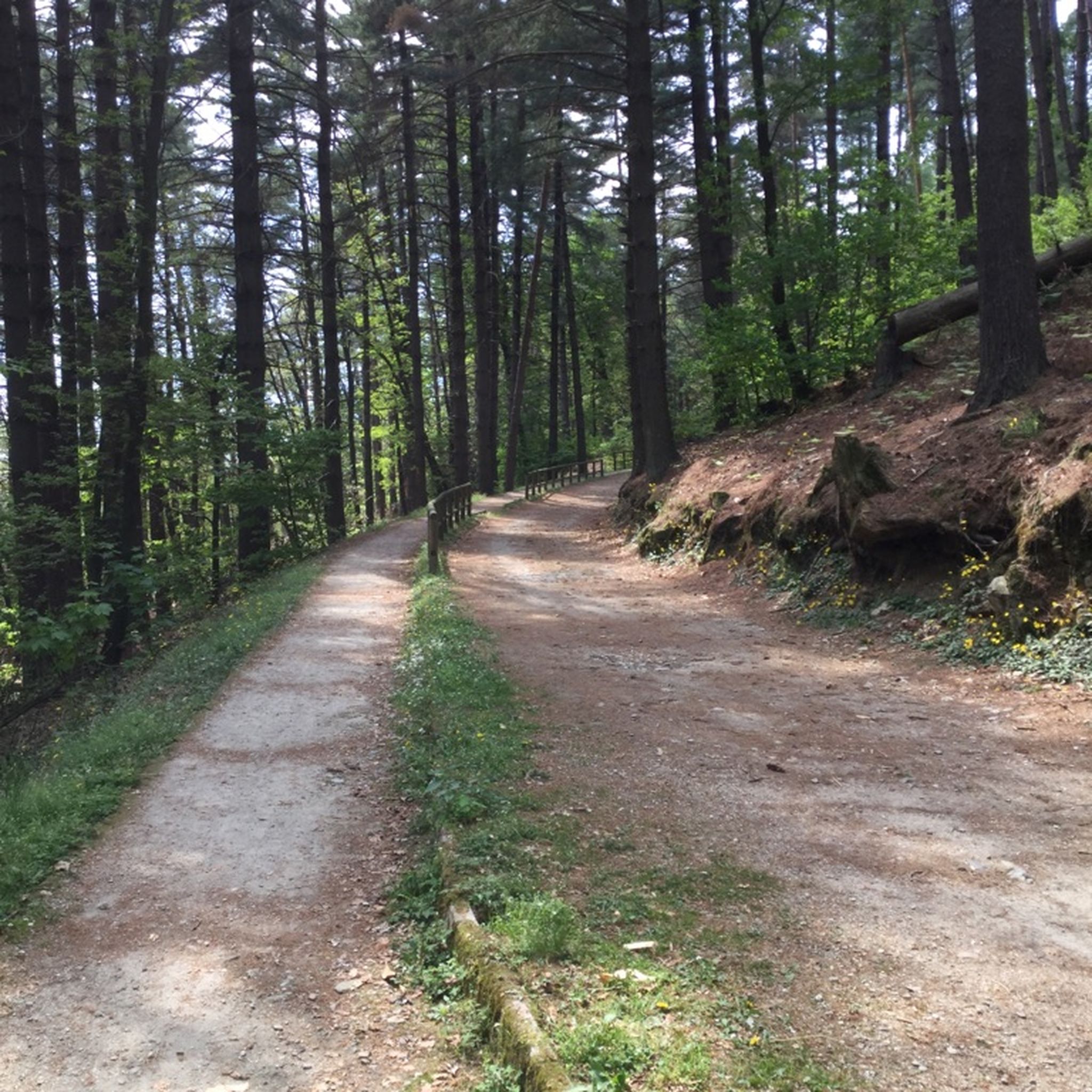
The Cascata della Froda waterfall, in Castelveccana, is a cascade of water about 100 meters high originating from Mount Cuvignone. It can be reached by a walk through the woods starting from the hamlet of Nasca. This pleasant trail, also suitable for families, passes streams, ancient trout ponds, and old mills.
2
0

You can park your car at the end of the trail. There's room for 4-5 cars.
0
0

Pleasant. Be very careful when cutting through the woods or taking the short route. The gentlest route, starting from Rasa keeping to the right, is suitable for practically everyone.
0
0

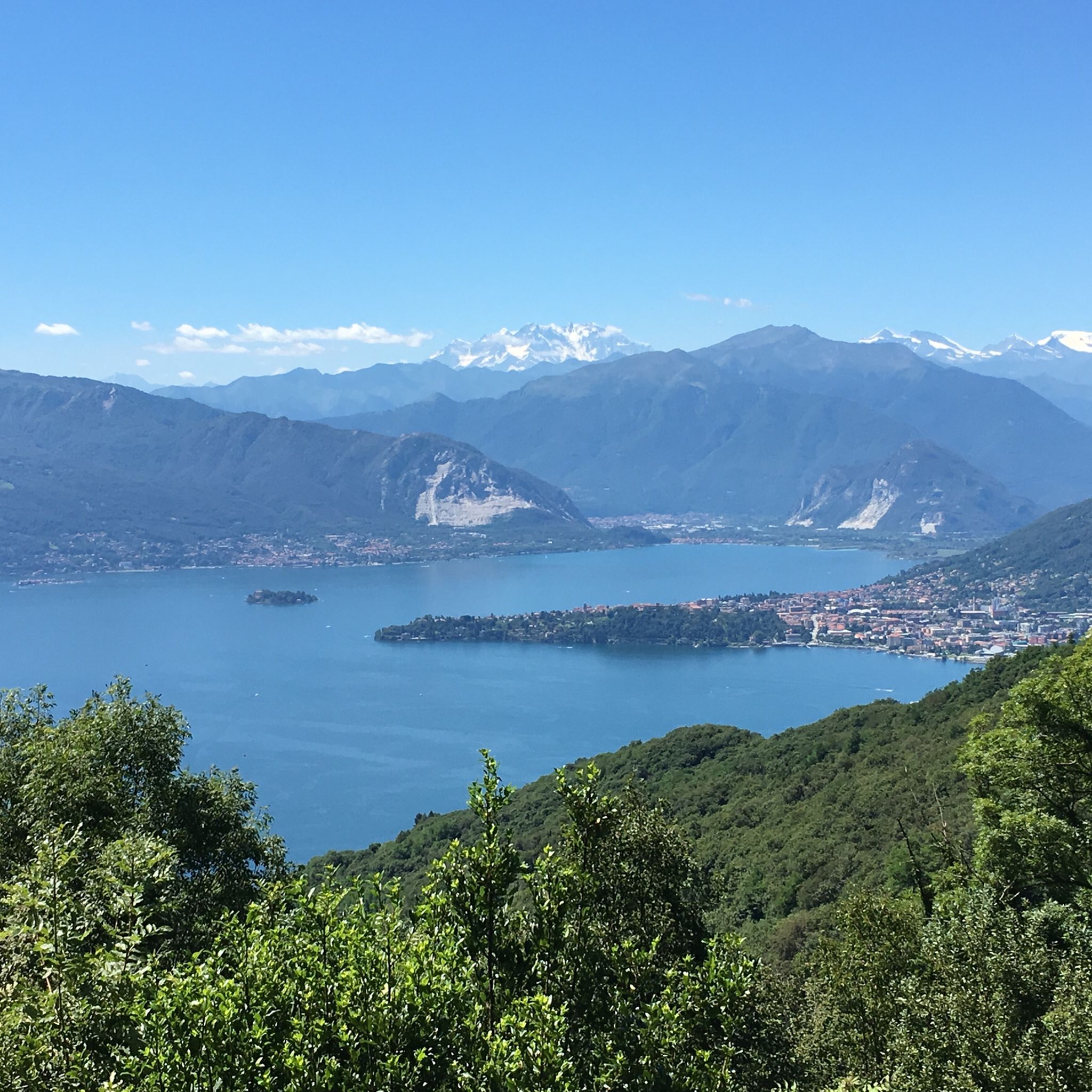
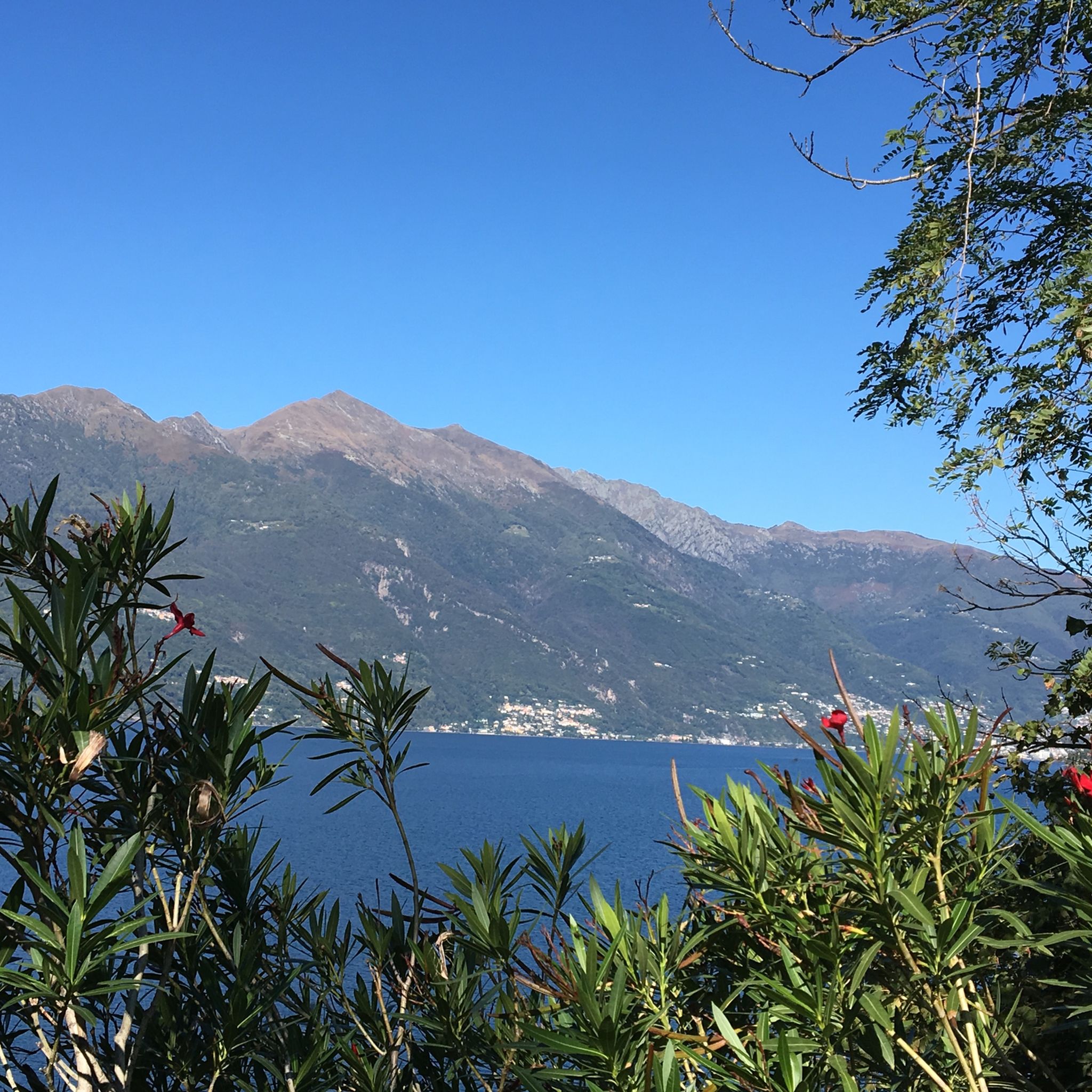
Perched on one of the most evocative panoramas of Lake Maggiore, the smallest of the sacred mountains of Piedmont offers a breathtaking view of the Lombard pre-Alps. Among chestnut woods and an ancient archaeological path, there are the sanctuary, three chapels dedicated to the Incoronata, to San Giovanni Battista and to Abraham, and the eighteenth-century portico of the Via Crucis. The unique atmosphere, the mild climate and the beauty of the lake make it an enchanting and fascinating destination.
4
0

Really impressive. The path of the crucifixion is very elaborately designed. Up here there is also a restaurant with a great outdoor area and some hiking trails. Unfortunately we didn't get a view of the lake because everything disappeared in a murky soup.
0
0


Cascata de la Froda Nasca,(Castelveccana) Castelveccana: Froda Waterfall The Froda waterfall is one of the hidden beauties of the province of Varese. Although it offers a truly spectacular show, in reality it is not as well known and reported as it deserves. But this makes it even more special for those who decide to discover it. After taking the path on the edge of the SP7, you will immediately immerse yourself in a very fascinating natural setting. The route is suitable for everyone and the children will certainly enjoy feeling like little explorers. It is advisable to wear mountain boots: along the path you will have to pass a short ford. In winter, special attention must be paid to ice. Once you arrive under the waterfall, you will be amazed: with its height of about 100 meters, it is a real wonder not to be missed, especially after heavy rains. But even with a slender jet it will amaze you ... An iron rope allows you to approach the waterfall without slipping. Text / Source: cascatetrekking.com https://www.cascatetrekking.com/cascate/italia/lombardia/varese/castelveccana-cascata-della-froda/
10
0

Can recommend this great hike to everyone. Hiking along the promenade from Verbania to Vills Taranto and then visiting this wonderful park is simply very nice.
0
0
Frequently Asked Questions
What are some of the most impressive natural monuments to visit around Brenta?
The Brenta region, part of the Adamello Brenta Natural Park, offers a diverse range of natural monuments. You can explore the dramatic peaks of the Brenta Dolomites, such as Cima Tosa and Cima Brenta, known for their unique calcareous-sedimentary rock formations. Don't miss the stunning Cascata della Froda, a 100-meter high waterfall accessible via a pleasant walk through the woods. Another notable site is Cross at Pizzoni di Laveno, a summit offering panoramic views over Lake Maggiore after a challenging ascent.
Are there family-friendly natural monuments suitable for all ages?
Yes, several natural monuments in the Brenta region are great for families. The walk to Cascata della Froda is considered suitable for families, passing streams and old mills. Lake Tovel offers tranquil walks around its turquoise waters, and Lake Molveno provides easy walks at the foot of the Dolomites. The Monte Chiusarella — Summit and Summit Cross is also listed as family-friendly, offering a 360° panorama.
What kind of geological features can I expect to see in the Brenta region?
The Brenta Dolomites are a UNESCO World Heritage site, famous for their unique geological formations. You'll encounter sharp towers, spires, and pinnacles made of calcareous-sedimentary rocks, contrasting with the crystalline intrusive magmatic rocks of the Adamello-Presanella group. The region also features numerous valleys with diverse elements, from dense forests to alpine meadows, and impressive waterfalls like the Nardis Waterfalls, showcasing the area's glacial history and abundant water resources.
What outdoor activities can I do near these natural monuments?
The Brenta region is a paradise for outdoor enthusiasts. You can find extensive networks of hiking and trekking paths throughout the valleys, suitable for various difficulty levels. For cycling, there are numerous MTB and gravel biking trails. For example, you can explore MTB Trails around Brenta or enjoy Gravel biking around Brenta. Running enthusiasts can also find suitable routes, such as those listed in Running Trails around Brenta.
Are there any historical or cultural sites among the natural monuments?
Yes, the region blends natural beauty with historical and cultural significance. The Sacro Monte of Ghiffa is a religious building and natural monument perched on a panorama of Lake Maggiore. It features a sanctuary, chapels, and an 18th-century portico, offering both spiritual and scenic experiences. The valleys also contain historical sites from World War I, adding another layer of interest to your exploration.
What is the best time to visit the natural monuments in Brenta?
The best time to visit largely depends on the activities you plan. Summer (June to September) is ideal for hiking, climbing, and exploring the high mountain areas, as trails are generally clear of snow. Spring and autumn offer milder temperatures and beautiful scenery, with fewer crowds, though some higher routes might still have snow in spring or experience early snowfalls in late autumn. Winter provides opportunities for snow-based activities, but many trails to natural monuments may be inaccessible.
What are some notable lakes in the Brenta region?
The Brenta region is home to several pristine lakes. Lake Tovel is famous for its striking turquoise-blue waters and was historically known for occasionally turning red due to a rare algae. Lake Molveno, situated at the foot of the Brenta Dolomites, is a deep green lake and a popular starting point for excursions into the mountains. The Adamello Brenta Natural Park itself boasts 48 lakes, contributing to the region's diverse aquatic ecosystems.
Can I find good viewpoints to admire the Brenta Dolomites?
Absolutely. The Brenta Dolomites offer numerous breathtaking viewpoints. Summits like Cross at Pizzoni di Laveno and Monte Chiusarella — Summit and Summit Cross provide magnificent panoramic views over Lake Maggiore and the surrounding Alpine and pre-Alpine belt. The Sacro Monte of Ghiffa also offers an evocative panorama of Lake Maggiore. Many trails throughout the valleys and higher elevations will lead you to stunning vistas of the dramatic peaks and valleys.
What kind of wildlife can I encounter in the Adamello Brenta Natural Park?
The Adamello Brenta Natural Park is known for its rich biodiversity. It is home to diverse fauna, including brown bears, which have been successfully reintroduced and are a symbol of the park. You might also spot chamois, roe deer, and golden eagles. The valleys feature dense forests of fir, beech, and larch trees, as well as expansive alpine meadows, supporting a wide variety of plant life, including rare species like the yellow Alpine Poppy and Edelweiss.
Are there any botanical gardens or unique natural parks to visit?
Yes, the region offers unique natural spaces beyond the wild mountains. The Villa Taranto Botanical Gardens provide a magnificent cultivated natural monument with beautiful water features and diverse plant collections. Additionally, the entire Adamello Brenta Natural Park, as a UNESCO Global Geopark, is a natural park of immense ecological and geological significance, offering a wide array of natural elements to explore.
What should I wear when visiting the natural monuments in Brenta?
Given the varied terrain and weather conditions, it's advisable to wear layers. Sturdy hiking boots are essential, especially for trails that involve climbing or crossing streams, as mentioned for the Cascata della Froda. Waterproof and windproof outer layers are recommended, particularly in higher elevations, as weather can change quickly. Don't forget sun protection, a hat, and plenty of water.
Most popular attractions around Brenta

Get inspired with the komoot mobile app


Explore more
Extend your search for the best caves by checking out these guides of the top ones around Brenta:
