Top 18 Natural Monuments around Castronno
Best natural monuments around Castronno are situated within the Province of Varese, an area known for its varied natural landscapes. The region features 18 natural monuments, encompassing significant geological formations and protected natural areas. Castronno's location near the Campo dei Fiori Regional Park provides access to extensive natural beauty, including karstic phenomena and ancient forests. This area offers diverse opportunities for exploring natural heritage.
Best natural monuments around Castronno
- The most popular natural monuments is Lake Comabbio, a lake…
Last updated: June 28, 2026
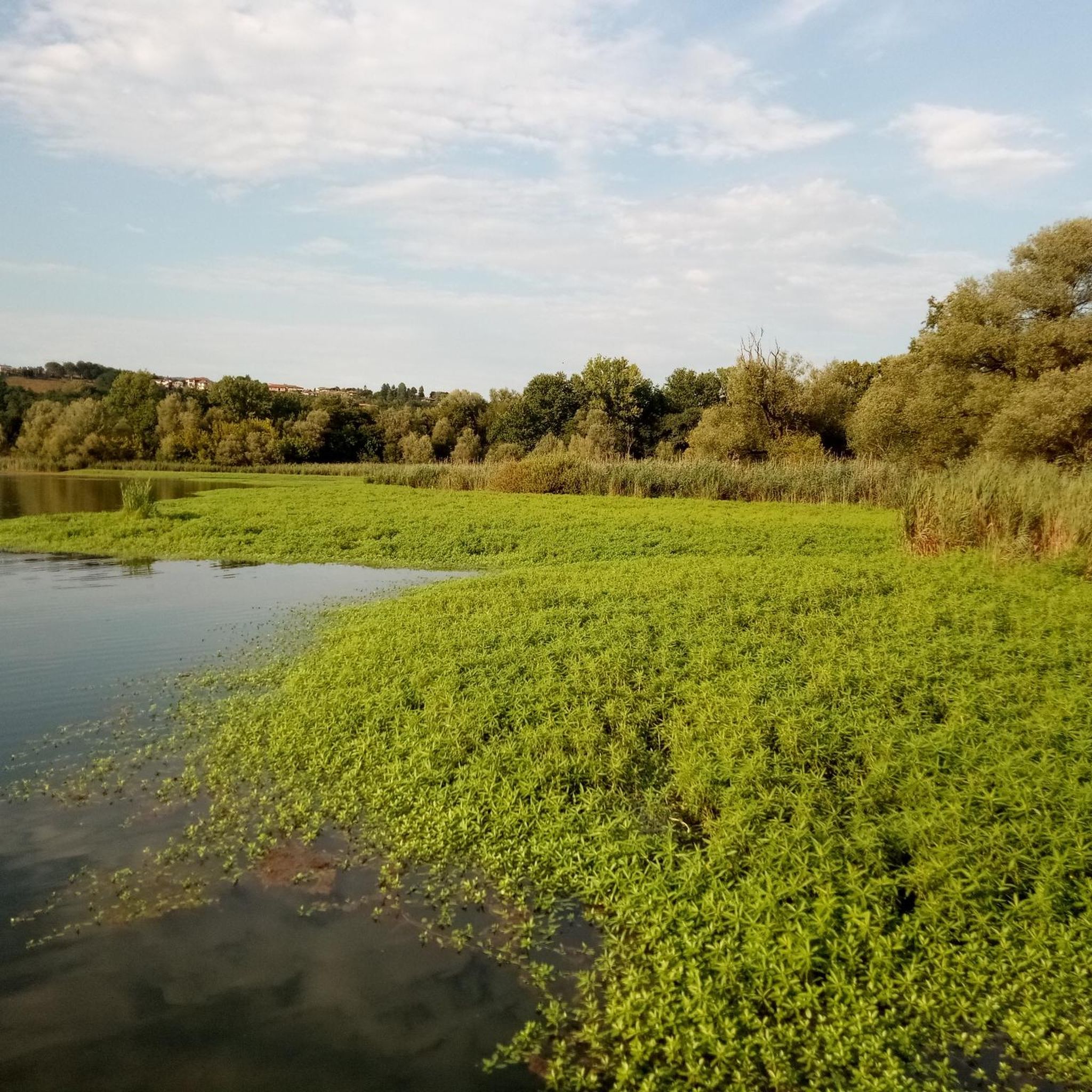
Lake Comabbio
Highlight • Lake
Translated by Google •
Tip by

Castelseprio Archaeological Park
Highlight • Historical Site
Translated by Google •
Tip by
Sign up now to discover places like this
Get recommendations on the best single tracks, peaks, & plenty of other exciting outdoor places.
Sign up for free
Sandstone Caves of the Molera Gorges
Highlight • Cave
Translated by Google •
Tip by

Estensi Gardens
Highlight • Natural Monument
The Estensi Gardens and the Palazzo Comunale are located in the center of Varese. THE PALACE In 1766, the Duke of Modena, …
Translated by Google •
Tip by

Lake Comabbio Lotus and Water Lily Trail
Highlight (Segment) • Lake
Translated by Google •
Tip by

Sign up for free to discover even more natural monuments around Castronno.
Sign up for free
Already have an account?
Start today with a free account
Your next adventure awaits.
Login or Signup

Tips from the Community

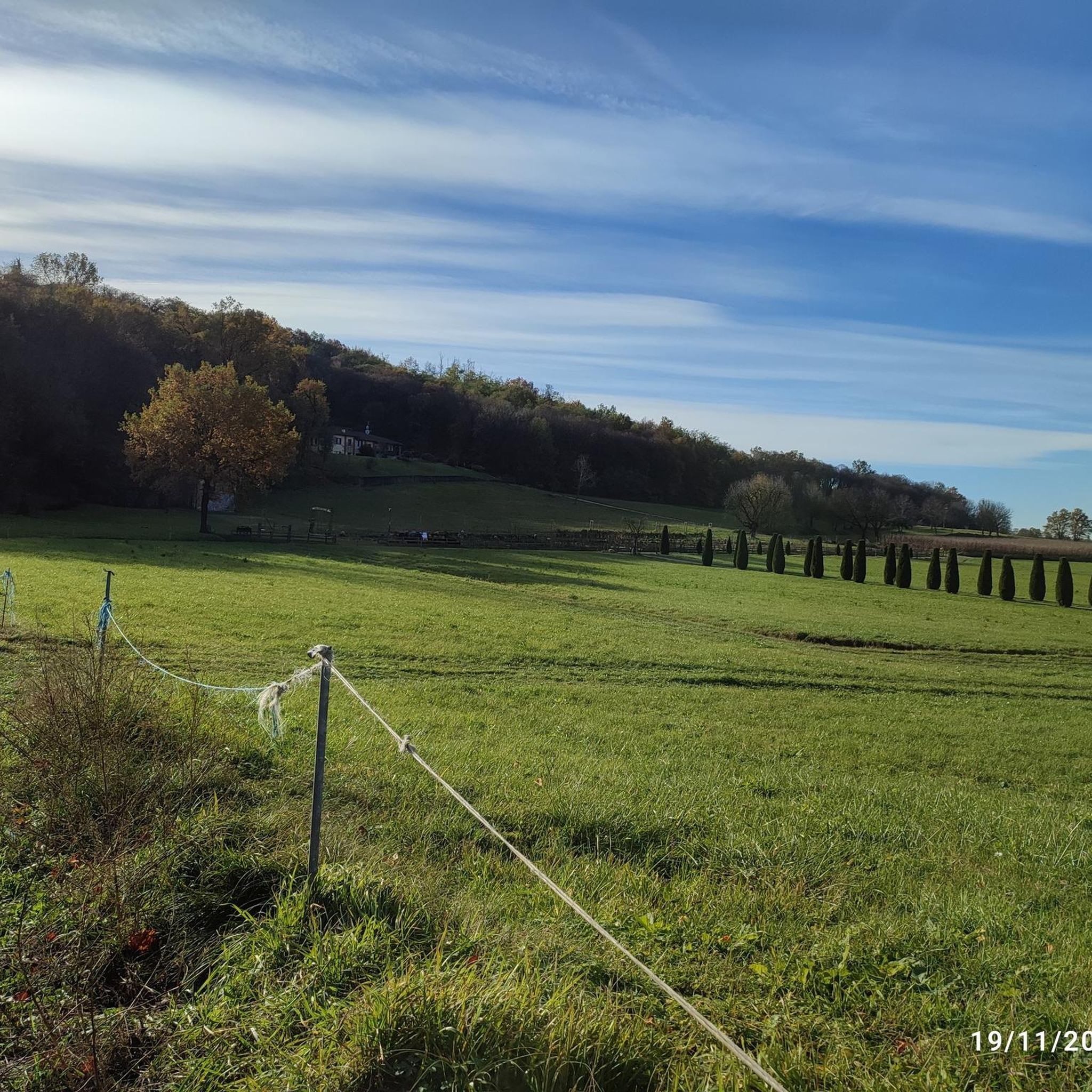
must visit for hikers and bikers
0
0

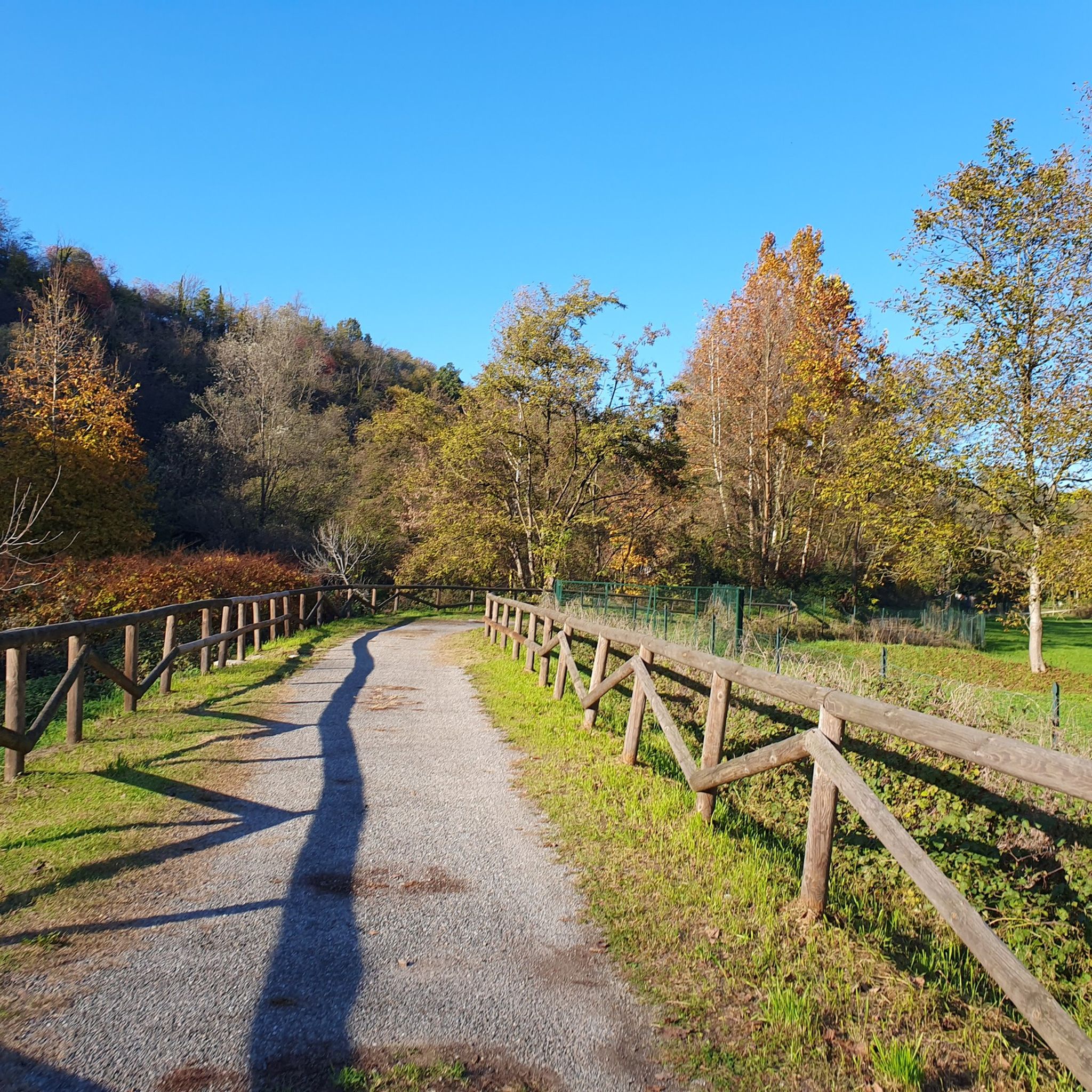
a nice relaxing route
0
0

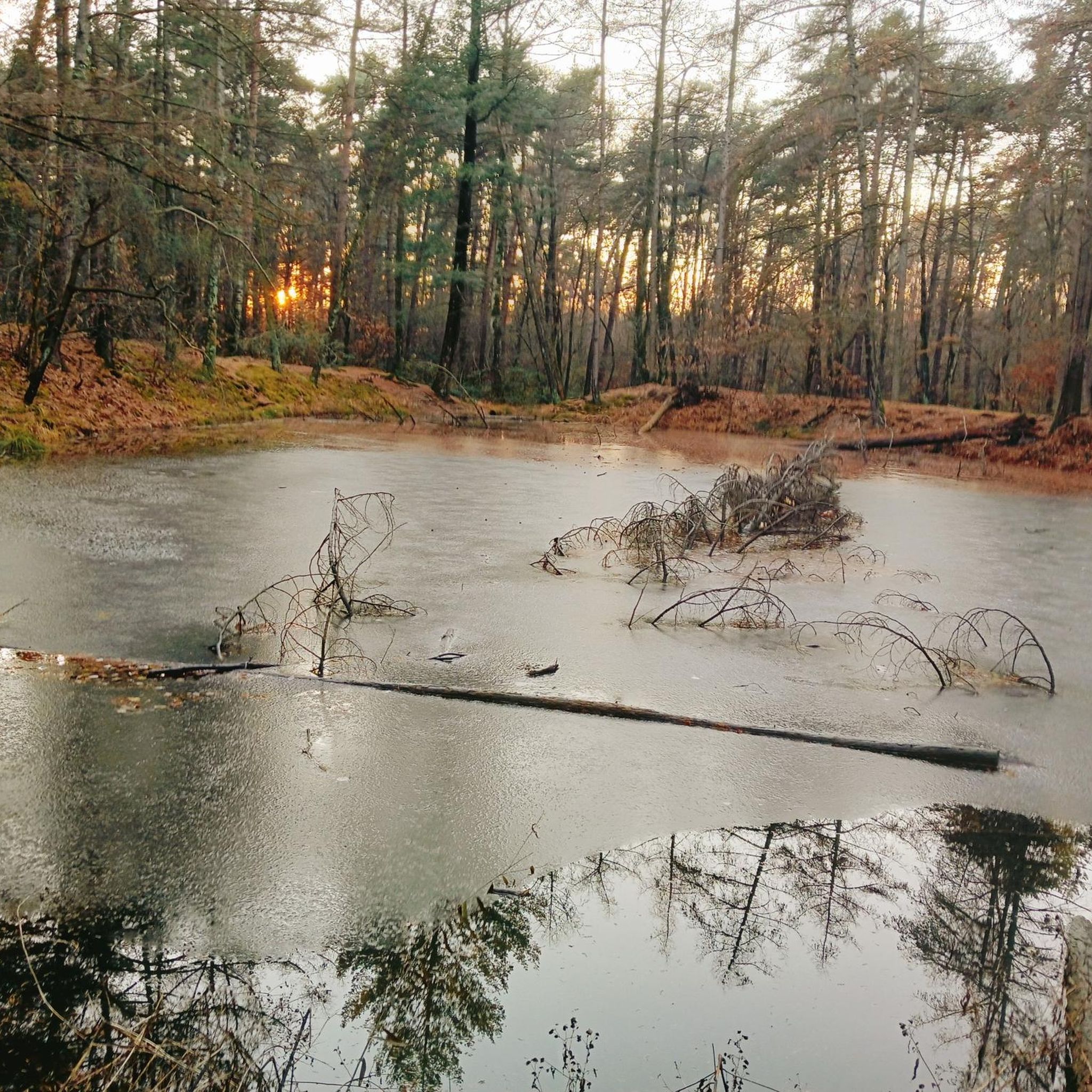
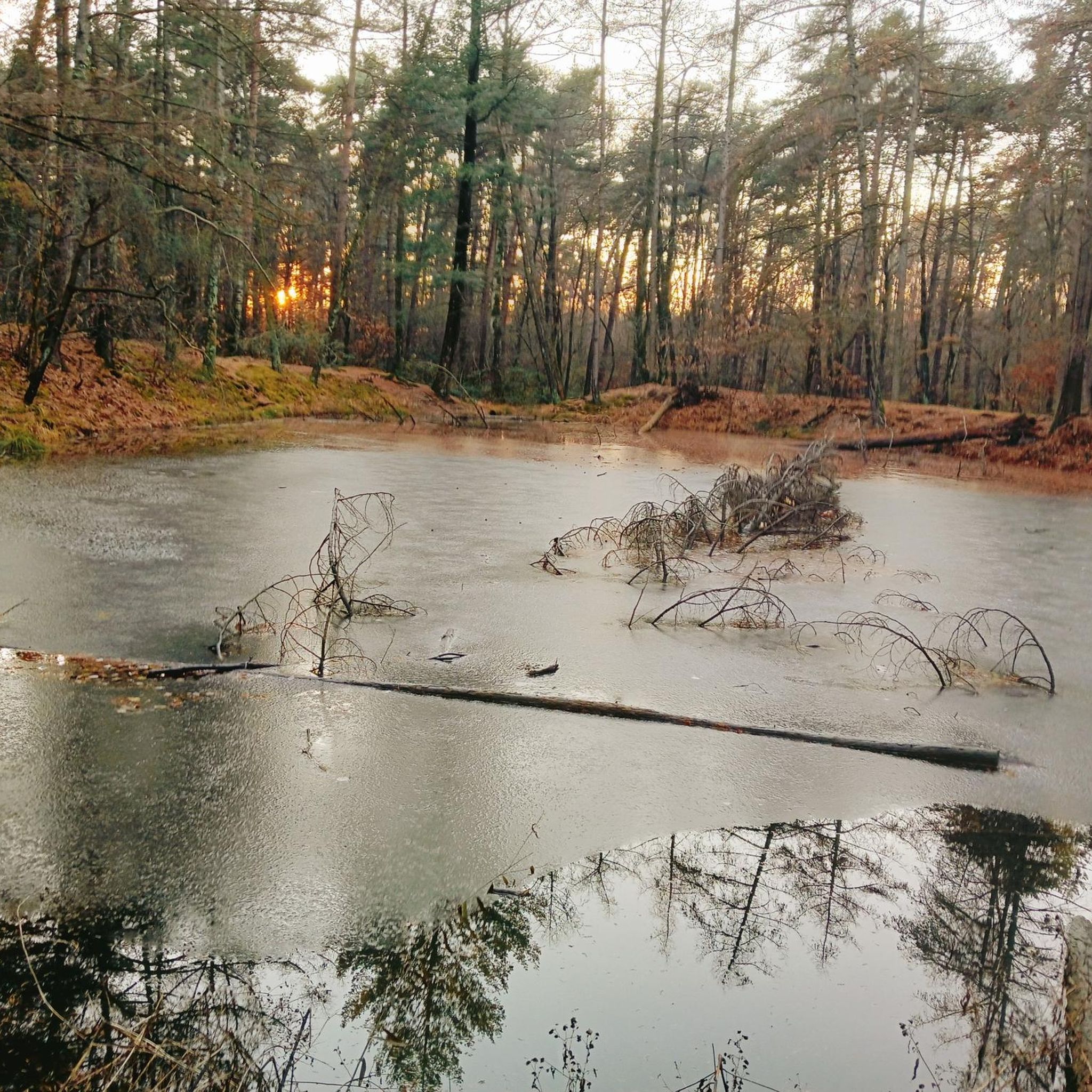
BRRRRR SO COLD... BUT WHAT A SHOW 💥
0
1

park to visit on foot
0
0

Estensi Gardens and the Palazzo Comunale in Varese The Estensi Gardens and the Palazzo Comunale are located in the center of Varese. THE PALACE In 1766, the Duke of Modena, Francesco III d'Este, Captain General and Governor of Austrian Lombardy, decided to buy the residence located on the outskirts of the village for his holidays. Varese had been enfeoffed to him in a personal capacity with civil and judicial powers by Maria Theresa of Austria on 23 June 1765. Immediately after the acquisition, Francesco III began to expand the property by annexing the neighboring property. The renovation and construction lasted from 1766 to 1773, while the garden was completed in 1771. The architect Giuseppe Antonio Bianchi was in charge of the project and directed the works, including the design of the hill that became known as Castellazzo Flat to create the gardens. The palace consists of a central nucleus with two side wings connected by the underlying portico, which houses a stone cutter. The long façade on Via Sacco is equipped with three stone portals and balconies. Entering through the main portal, which leads into the central portico and the courtyard of honor, you pass from the austerity of the external façade to the internal façade, which is lively and overlooks the picturesque garden. The interior of the palace is an example of the so-called Teresian Baroque. The Hall of Honor (or Salone Estense) is full of precious elements such as the illusionistic frescoes by Lodovico Bosellini and the central medallion by Giovan Battista Ronchelli. Going up to the first floor, along the staircase of honor, there are four niches with eighteenth-century copies of female busts and putti with stucco lamps. ……….. Text / Source: FAI - FONDO PER L'AMBIENTE ITALIANO ETS - Via Carlo Foldi, 2 - 20135 Milan https://fondoambiente.it/luoghi/giardini-estensi?ldc
14
0
Laghetto dei cigni / Swan Pond in the Giardini e Palazzo Estensi in Varese The history of Palazzo Estense and its beautiful gardens was born thanks to a real love at first sight. It is said, in fact, that Francesco III d'Este, Duke of Modena and governor of Austrian Lombardy, fell so much in love with the beauty of Varese that he requested it as a fief from Maria Theresa of Austria. From then on it is history: the Duke bought the villa, now known as Palazzo Estense, and entrusted its restoration to the architect Bianchi, making it his summer residence. The garden behind the building was laid out in Italian and French style, inspired by the park of the residence at Schönbrunn. The main feature of the garden is the parterre, punctuated by flowerbeds and low-stemmed plants, which houses the large central fountain. Today the area is a public park, directly connected to the gardens of Villa Mirabello, which attracts hundreds of visitors every day who crowd the paths to fully enjoy this beauty. Text / Source: Turismo-in-Lombardia https://www.in-lombardia.it/it/ https://www.in-lombardia.it/it/turismo-in-lombardia/varese-turismo/giardini-di-palazzo-estense
13
0

very fun route, some technical passages but nothing difficult, in many places lots of mud and paths full of brambles, I arrived home covered in mud and scratches but it was worth it 💪 in one point I ended up in quicksand and my bike drowned 🤣 but I had a lot of fun
0
1

The cycle path that surrounds the lake makes it an absolutely must-follow cycling destination. The cycle path was recently rebuilt and is constantly up and down.
1
0
Frequently Asked Questions
What types of natural monuments can I explore around Castronno?
Around Castronno, you can explore a diverse range of natural monuments, including serene lakes like Lake Comabbio, fascinating geological formations such as the Sandstone Caves of the Molera Gorges, and even historical sites recognized for their natural heritage like the Castelseprio Archaeological Park. The region is rich in protected natural areas, offering a variety of landscapes.
Are there any significant natural parks near Castronno?
Yes, Castronno is located near the expansive Campo dei Fiori Regional Park. This park is a treasure trove of natural beauty, featuring unique geological formations, extensive karstic phenomena, and a rich diversity of flora and fauna. It's an excellent destination for immersing yourself in nature.
What unique geological features can be found in the natural monuments near Castronno?
The region boasts several unique geological features. Within the Campo dei Fiori Regional Park, you can discover the Fonte del Ceppo, a karstic spring, and the fascinating Marmitte dei Giganti (Giants' Kettles), which are rock formations sculpted by the River Vellone. Additionally, the park is known for over 130 underground caves, showcasing extensive karstic activity. The Sandstone Caves of the Molera Gorges and Malnate Caves are ancient sandstone quarries, formed from ancient sea beds, now recognized as natural and cultural heritage.
Are there family-friendly natural monuments around Castronno?
Absolutely. Several natural monuments are suitable for families. Lake Comabbio offers scenic views and direct access to a bike path, perfect for a leisurely family outing. The Castelseprio Archaeological Park combines history with natural surroundings, and the
What kind of wildlife can I expect to see in the natural areas near Castronno?
The natural areas around Castronno, particularly within the Campo dei Fiori Regional Park, are home to rich biodiversity. You might spot various birds of prey, such as black kites and peregrine falcons, as well as red deer, roe deer, and bats. The park's diverse environments, including forests and peat bogs, support a wide array of plant and animal life.
What outdoor activities can I do near these natural monuments?
The area around Castronno offers numerous outdoor activities. You can enjoy gravel biking, cycling, and mountain biking on various trails. For instance, there are routes like 'Regional parks across the Piane Viscontee' for gravel biking, 'Fontanino Carlotta – First Arch of the Rosary loop' for cycling, and 'Pian Valdes – First Arch of the Rosary loop' for MTB. You can find more details on these activities in the Gravel biking around Castronno, Cycling around Castronno, and MTB Trails around Castronno guides.
Are there hiking trails available to explore the natural monuments?
Yes, the Campo dei Fiori Regional Park, which is easily accessible from Castronno, offers numerous marked hiking paths catering to various fitness levels. These trails allow you to immerse yourself in the natural surroundings and enjoy stunning panoramic views, including from the highest point, Punta Paradiso (1,226 meters). The MTB Trails around Castronno guide also lists routes that can be explored on foot.
What is the best time to visit the natural monuments around Castronno?
The natural monuments around Castronno, especially those within the Campo dei Fiori Regional Park, are beautiful throughout the year. Spring and autumn offer pleasant temperatures for hiking and cycling, with vibrant flora in spring and colorful foliage in autumn. Summer is ideal for enjoying lakes and outdoor activities, while winter can provide unique snowy landscapes, particularly in higher elevations.
Can I visit historical sites that are also recognized as natural monuments?
Yes, the region uniquely blends history with nature. The Castelseprio Archaeological Park is a prime example, recognized as both a historical site and a natural monument due to its ancient structures within a natural setting. The Sandstone Caves of the Molera Gorges and Malnate Caves are also ancient quarries with historical significance, now protected as natural and cultural heritage.
What do visitors enjoy most about the natural monuments around Castronno?
Visitors frequently appreciate the serene beauty and peaceful atmosphere, particularly at places like Lake Comabbio, which is described as an 'oasis of beauty and peace.' The historical and geological significance of sites like the Castelseprio Archaeological Park and the Sandstone Caves of the Molera Gorges are also highly recommended for their unique insights into the region's past and natural formations.
Are there any 'green monuments' or notable trees in the area?
Yes, within the Campo dei Fiori Regional Park, there are fifteen trees that have been designated as 'green monuments.' These trees are recognized for their impressive size and age, highlighting the park's rich arboreal heritage and offering another unique natural feature to discover.
Most popular routes around Castronno
Most popular attractions around Castronno

Get inspired with the komoot mobile app


Explore more
Extend your search for the best caves by checking out these guides of the top ones around Castronno:
