Top 9 Natural Monuments around Orgiano
Natural monuments around Orgiano are primarily found within the nearby Berici Hills, a region in the province of Vicenza, Veneto, Italy. This area is characterized by diverse geological formations, including woods, valleys, and karst caves. The landscape provides a setting for outdoor activities and offers several points of interest for nature enthusiasts. These natural features collectively represent the significant natural attractions near Orgiano.
Best natural monuments around Orgiano
- The most popular natural monument is Caves of the Hermitage of San Donato, a cave and natural monument that offers wide views of the plain and the Euganean Hills. It is a panoramic location with historical significance, featuring natural cavities and remains of an ancient convent.
- Another must-see spot is View of the Euganean Hills from Monte della Cengia, a challenging viewpoint. Visitors can expect a panoramic point with views of the plain and the Euganean Hills from a karst rock pulpit.
- Visitors also love San Bernardino Cave, a cave and historical site. This medieval hermitage is nestled at the base of a limestone pinnacle and contains a karst cavity, known for its historical and paleontological significance.
- Orgiano is known for its caves, viewpoints, and unique rock formations. The region offers a variety of natural monuments to see and explore, showcasing diverse geological features.
- The natural monuments around Orgiano are appreciated by the komoot community, with 179 upvotes and 118 photos shared by visitors.
Last updated: November 26, 2026
Caves of the Hermitage of San Donato
Highlight • Cave
I would like to point out that in the second part of the descent from Monte Tondo the path is very damaged. Therefore, once you reach San Donato, it is best to head towards the church and go down the route you have already taken uphill.
Translated by Google •
Tip by

San Bernardino Cave
Highlight • Cave
According to tradition, the name derives from the shelter it provided to Saint Bernardino of Siena, who preached in these areas in the 15th century. In the early 16th century, this cave, like others in the Berici Hills, was adapted as a temporary refuge for the local populations, while the Venetian plain was subjected to enemy raids. The oldest prehistoric remains in the Vicenza area (tools and animal bones dating back 200,000 years) were found inside the cave: it was likely used by Neanderthals as a hunting base.
Interesting fact: the abundance of animal bones was the main cause of soil removal and the resulting significant impoverishment of San Bernardino's paleontological heritage. In fact, in 1890, the Camerini family, owners of the site, had the rich phosphate material excavated from the cave. It was transported downstream by cableway and used as fertilizer for the fields!
The cave is occasionally open to the public, with guided tours organized by the Mossano Tourist Board (Pro Loco), which you can contact for details.
tuttoberici.it/arte/S-Bernardino-Grotta-Mossano.htm
archeoveneto.it/portale/wp-content/filemaker/stampa_scheda_estesa.php?recid=189
Translated by Google •
Tip by

Sign up now to discover places like this
Get recommendations on the best single tracks, peaks, & plenty of other exciting outdoor places.
Covoli Trail
Highlight (Segment) • Cave
In the area, as in all the Berici Hills, there are numerous and particular similar karst phenomena (ledges, cliffs, roofs and caves), the result of differentiated erosion between rocks of different compactness because they were formed in different geological eras; they were used as shelter and dwelling since prehistoric times.
P.S.: the 'cèngia' is a horizontal passage that 'cuts' a vertical wall; the 'còvolo' (Venetian dialect) is a ravine in the rock.
Translated by Google •
Tip by
Covolo della Catibalda
Highlight • Cave
The covolo is slightly hidden and raised compared to Via Colombara: the street takes its name from the well-preserved dovecote tower of the ancient rural farm that is located at the top of the dead-end road.
P.S.: the 'cèngia' is a horizontal passage that 'cuts' a vertical wall; the 'còvolo' (Venetian dialect) is a ravine in the rock.
Translated by Google •
Tip by
San Giovanni Ledge
Highlight • Natural Monument
P.S.: A 'cèngia' is a horizontal passage that cuts through a vertical wall; a 'còvolo' (Venetian dialect) is a ravine in the rock.
Translated by Google •
Tip by
Sign up for free to discover even more natural monuments around Orgiano.
Already have an account?
Start today with a free account
Your next adventure awaits.
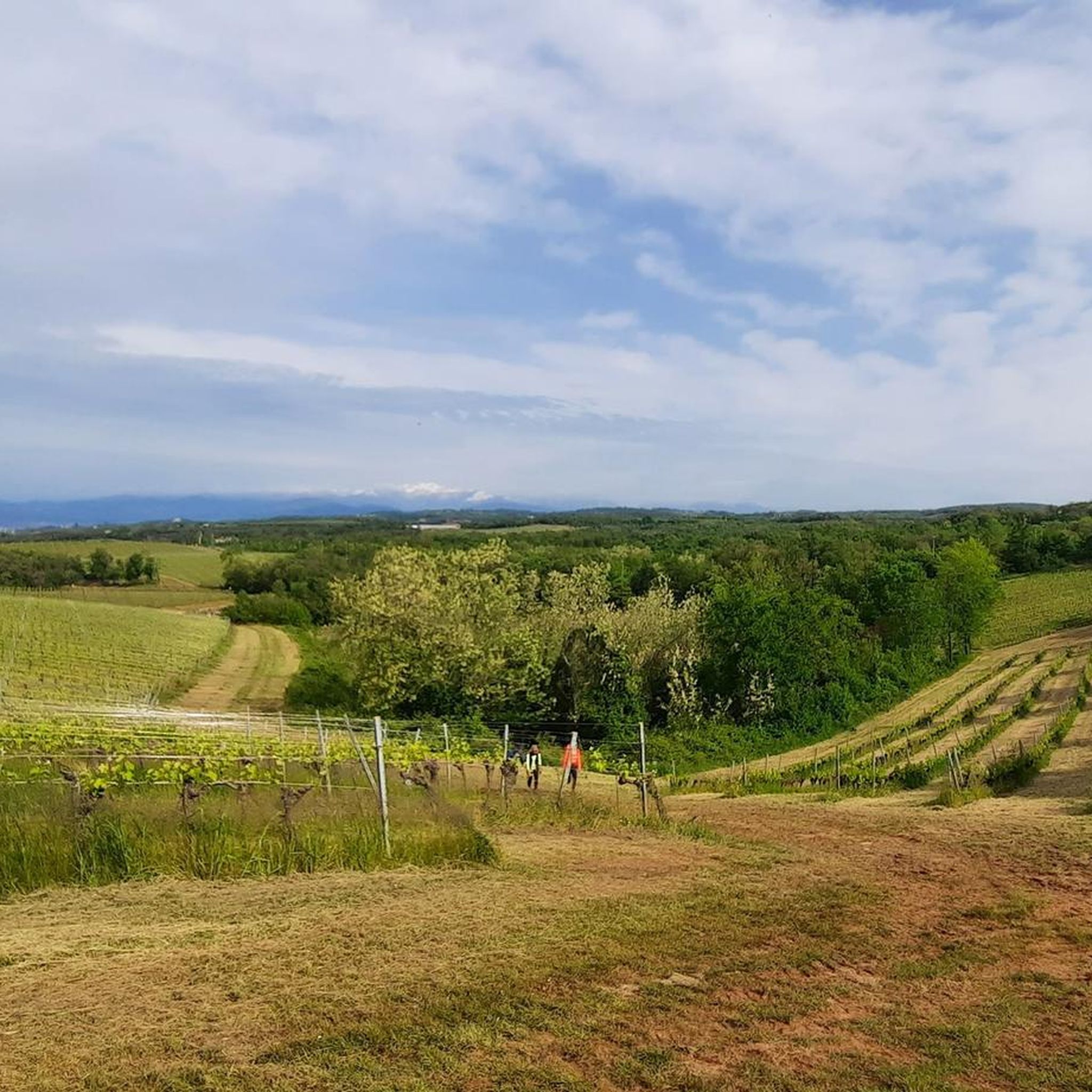

Tips from the Community

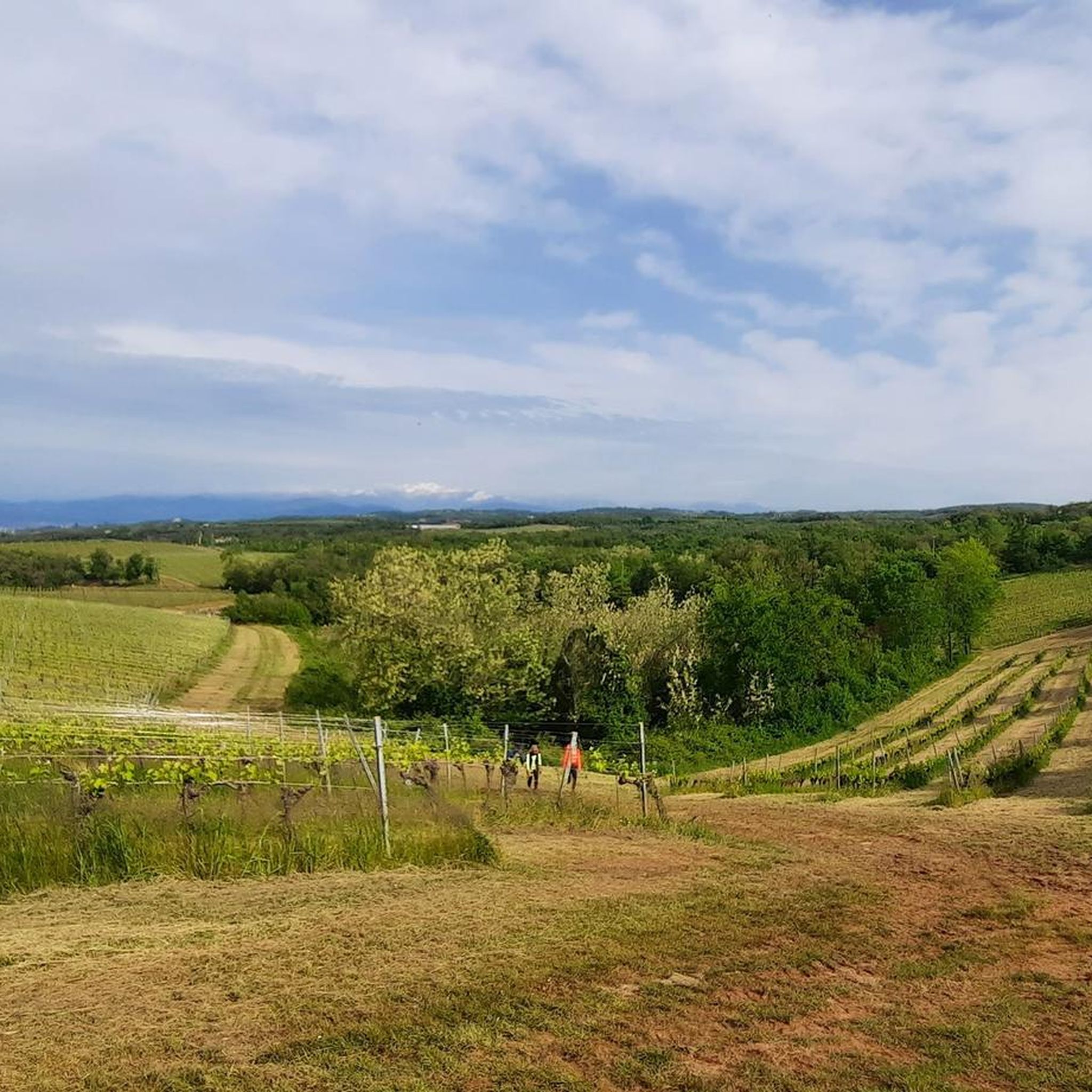
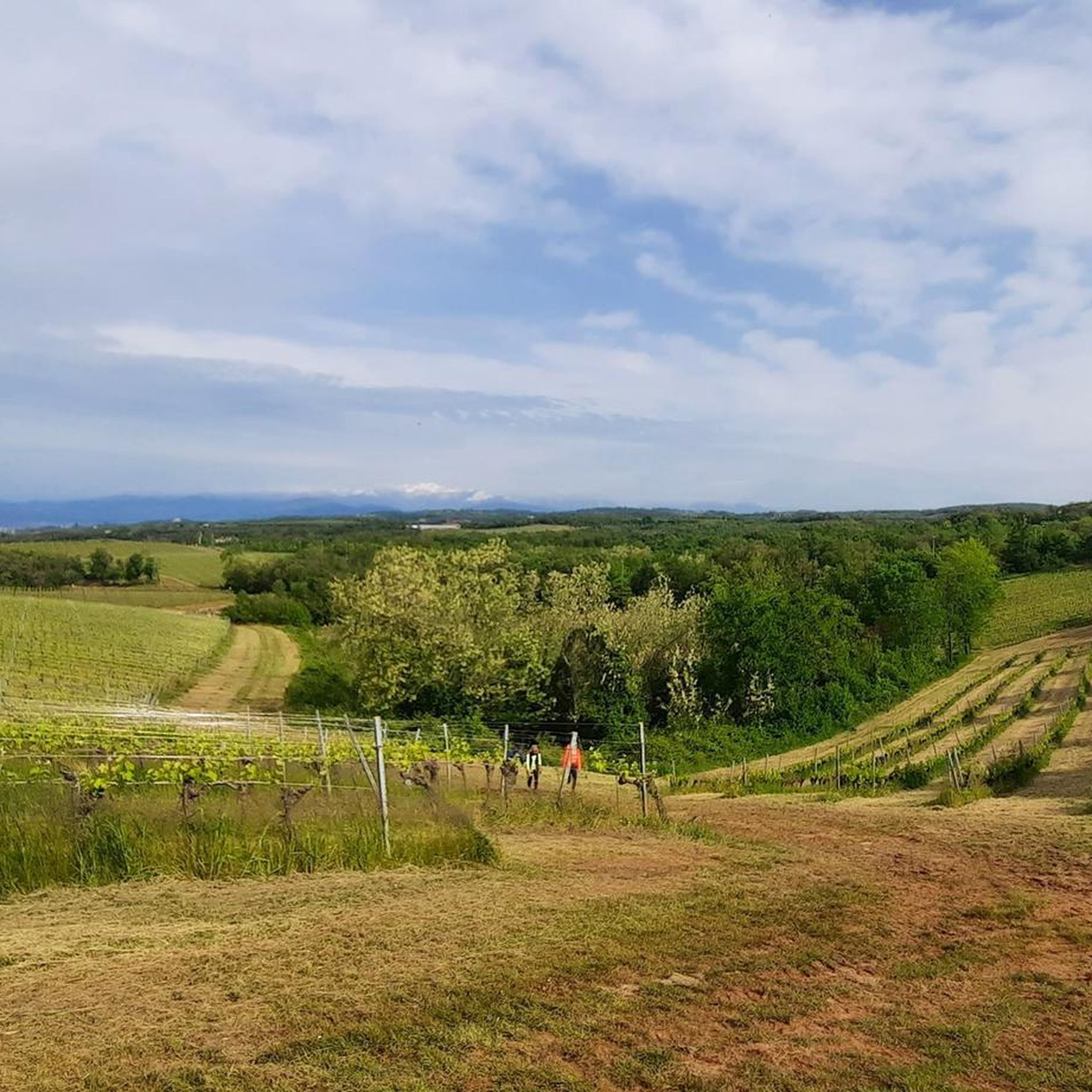
Some passages have been closed by the owners and it becomes difficult to resume the original track. Some sections to be walked
0
0

A suggestive ledge that flanks a series of covoli, natural caves that open along the karst rock face, partially hidden by vegetation. Among these, the Covolo delle Tette stands out, so called for the rounded stalactites that decorate its vault (speleologically called, precisely, 'mammal concretions'). In the area, as in all the Berici Hills, there are numerous and particular similar karst phenomena (ledges, cliffs, roofs and caves), the result of differentiated erosion between rocks of different compactness because they were formed in different geological eras; they were used as shelter and dwelling since prehistoric times. P.S.: the 'cèngia' is a horizontal passage that 'cuts' a vertical wall; the 'còvolo' (Venetian dialect) is a ravine in the rock.
0
0
The Covolo della Catibalda is a natural cavity at the base of a suggestive rock face. In the area, as in all the Berici Hills, there are numerous and particular similar karst phenomena (ledges, cliffs, roofs and caves), the result of differentiated erosion between rocks of different compactness because they were formed in different geological eras; they were used as a shelter and home since prehistoric times. The covolo is slightly hidden and raised compared to Via Colombara: the street takes its name from the well-preserved dovecote tower of the ancient rural farm that is located at the top of the dead-end road. P.S.: the 'cèngia' is a horizontal passage that 'cuts' a vertical wall; the 'còvolo' (Venetian dialect) is a ravine in the rock.
0
0
The Grotta di San Bernardino is a small and fascinating medieval hermitage, nestled at the base of a ten-meter-high limestone pinnacle (the only rock tower in the entire Berici Hills). The building's façade encloses a karst cavity about thirty meters long and ten meters wide. An evocative and mysterious setting. According to tradition, the name derives from the shelter it provided to Saint Bernardino of Siena, who preached in these areas in the 15th century. In the early 16th century, this cave, like others in the Berici Hills, was adapted as a temporary refuge for the local populations, while the Venetian plain was subjected to enemy raids. The oldest prehistoric remains in the Vicenza area (tools and animal bones dating back 200,000 years) were found inside the cave: it was likely used by Neanderthals as a hunting base. Interesting fact: the abundance of animal bones was the main cause of soil removal and the resulting significant impoverishment of San Bernardino's paleontological heritage. In fact, in 1890, the Camerini family, owners of the site, had the rich phosphate material excavated from the cave. It was transported downstream by cableway and used as fertilizer for the fields! The cave is occasionally open to the public, with guided tours organized by the Mossano Tourist Board (Pro Loco), which you can contact for details. http://www.tuttoberici.it/arte/S-Bernardino-Grotta-Mossano.htm https://www.archeoveneto.it/portale/wp-content/filemaker/stampa_scheda_estesa.php?recid=189
1
0

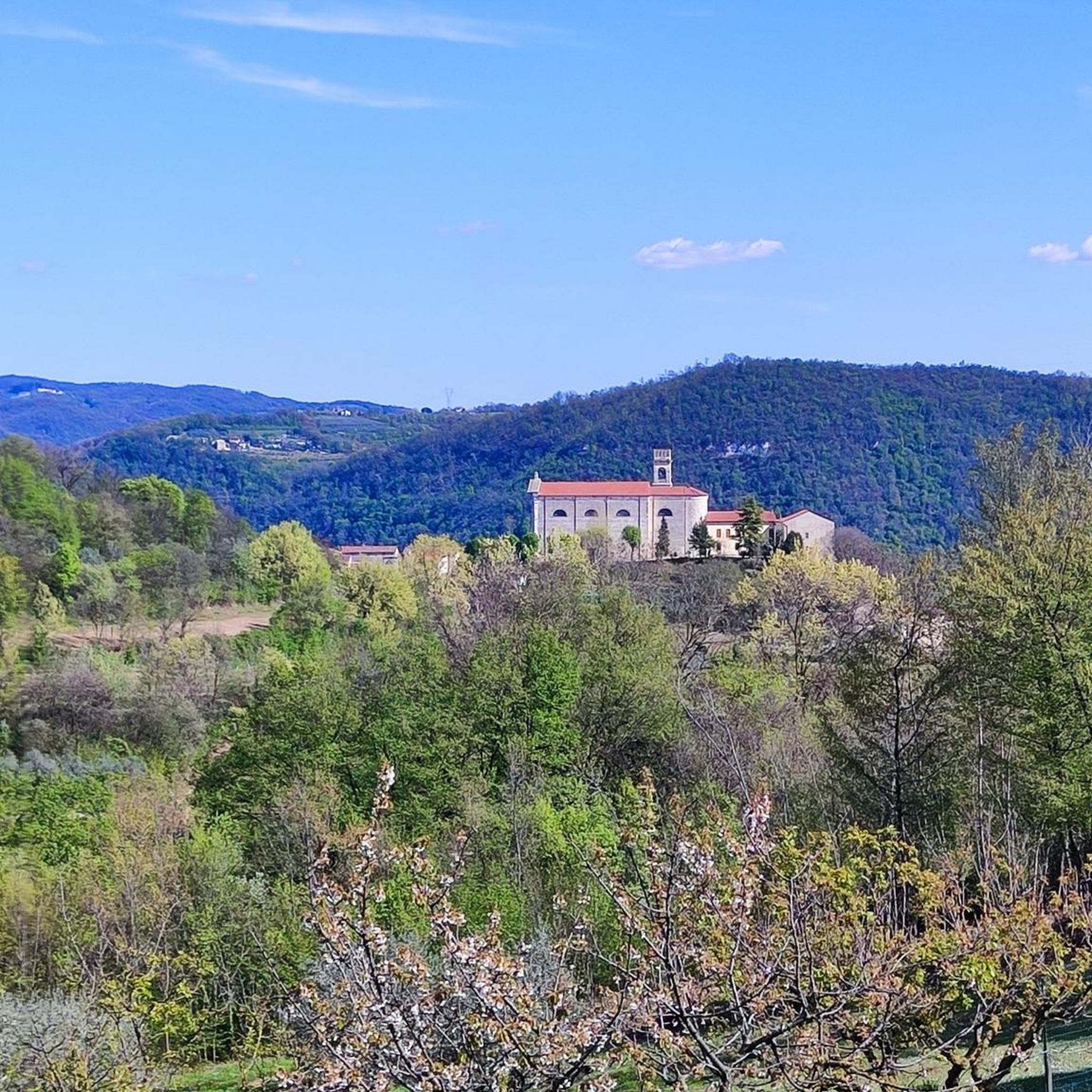
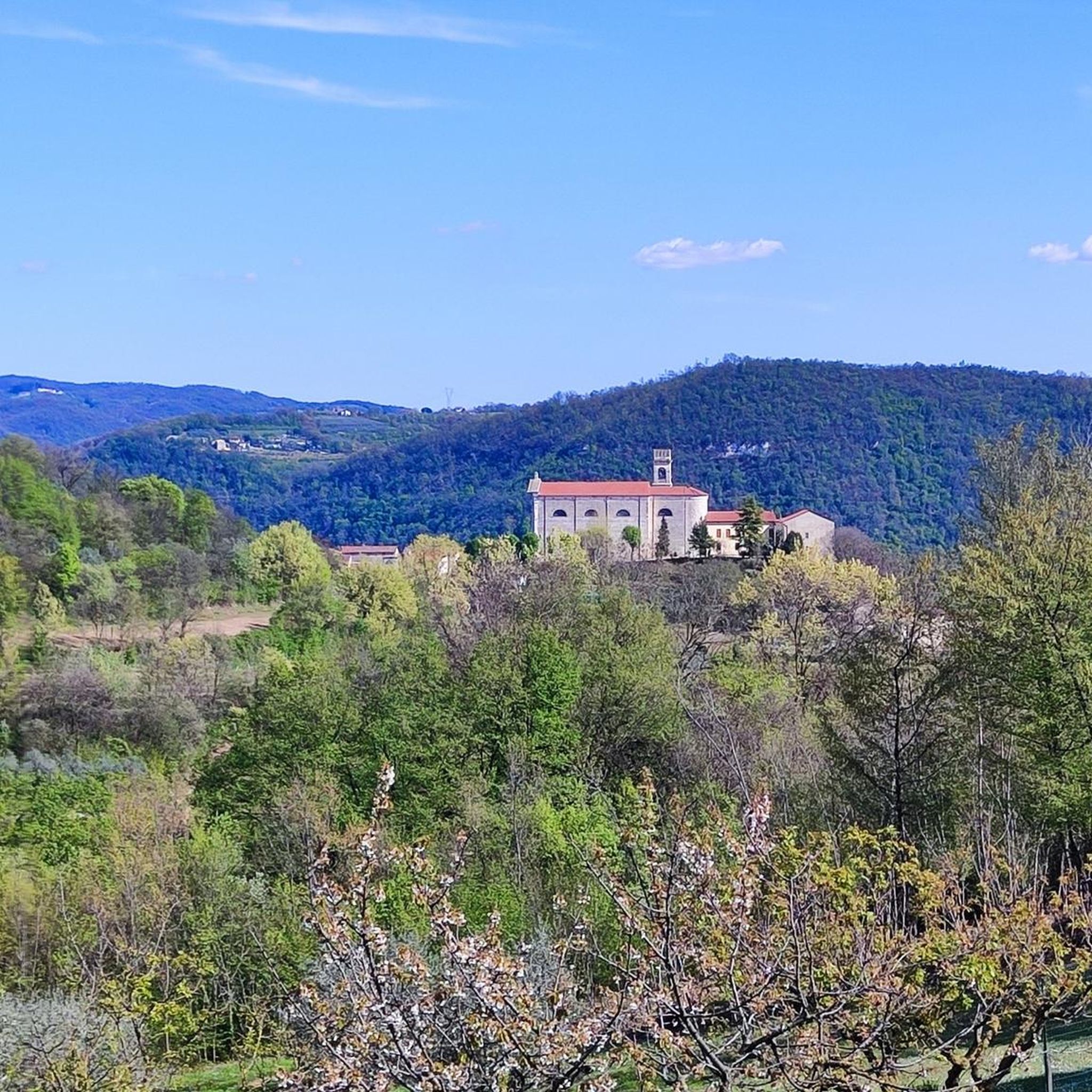
Natural caves near the church of San Donato. Beautiful view of the plain and the Euganei.
0
0

Reachable by following path 72 starting from Villaga Fantastic view of the plain, as well as a place of historical interest
3
0
A passage beneath a striking rock roof, at the foot of a cliff that cuts through a steep forest. In the area, as throughout the Berici Hills, there are numerous unique karst features (ledges, cliffs, roofs, and caves), the result of differential erosion between rocks of varying compactness, formed in different geological eras. They have been used as shelter and dwellings since prehistoric times. P.S.: A 'cèngia' is a horizontal passage that cuts through a vertical wall; a 'còvolo' (Venetian dialect) is a ravine in the rock.
2
0

The covoli di San Donato are wonderful, panoramic. It is a place where an ancient church once stood close to the covoli; later it became a female Benedictine monastery. Now stands a church dating back to the nineteenth century. The walls also have some climbing routes.
0
0
Frequently Asked Questions
What unique natural features can I explore near Orgiano?
The area around Orgiano, particularly within the Berici Hills, offers diverse natural features. You can discover numerous caves and rock formations, such as the historic Sengia dei Meoni, and enjoy the tranquil beauty of Lake Fimon, known for its ecological significance and ancient origins. The hills also provide many scenic viewpoints with expansive vistas.
Are there any significant caves or rock formations to visit in the Berici Hills near Orgiano?
Yes, the Berici Hills are rich in caves and unique rock formations. Notable sites include the Caves of the Hermitage of San Donato, which offer wide views and historical context, and the San Bernardino Cave, a medieval hermitage with paleontological significance. Another interesting feature is the San Giovanni Ledge, a striking rock roof used as shelter since prehistoric times.
What kind of historical or archaeological significance do the natural monuments around Orgiano hold?
Many natural sites in the region have deep historical roots. The San Bernardino Cave, for instance, has yielded some of the oldest prehistoric remains in the Vicenza area, suggesting Neanderthal use, and later served as a medieval hermitage. The Caves of the Hermitage of San Donato contain remains of an ancient convent documented since 1240. Lake Fimon is notable for the discovery of Neolithic stilt houses, highlighting its ancient human presence.
What outdoor activities can I do near the natural monuments around Orgiano?
The Berici Hills offer a variety of outdoor activities. You can find numerous trails for hiking, such as the moderate 'Donor's Trail' or routes leading to panoramic views. There are also options for mountain biking, including challenging loops like the 'Santa Tecla Climb', and running trails through scenic landscapes.
Are there family-friendly natural monuments or trails suitable for children near Orgiano?
Lake Fimon is an excellent choice for families, offering relaxing walks around its shores and opportunities to enjoy nature. While specific 'family-friendly' designations for all natural monuments aren't always available, many of the less strenuous hiking trails in the Berici Hills, particularly those around Lake Fimon, are suitable for families looking for an easy outing.
What are some of the best viewpoints to experience the landscape around Orgiano?
For breathtaking vistas, visit the View of the Euganean Hills from Monte della Cengia, a panoramic karst rock pulpit offering spectacular views of the plain and the Euganean Hills. The Caves of the Hermitage of San Donato also provide wide views of the plain and the Euganean Hills.
What is the best time of year to visit the natural monuments around Orgiano?
The Berici Hills are generally pleasant to visit during spring and autumn when the weather is mild and the natural scenery is vibrant with blooming flowers or rich autumnal colors. Summer can also be enjoyable, especially in the mornings or late afternoons, though it can be warmer. Winter offers a different, quieter beauty, but some trails might be less accessible depending on conditions.
Are there any natural monuments near Orgiano that are also historical sites?
Absolutely. The San Bernardino Cave is a medieval hermitage and an important paleontological site. The Caves of the Hermitage of San Donato are associated with an ancient convent and have military history. Even the Sengia dei Meoni, a stone cave, is significant for its historical use as a source of Vicenza stone and for past dwellings.
Can I find any natural springs or water features near Orgiano?
Yes, the Fontana di Mossano is an ancient fountain built at a perennial spring flowing inside a cave. This spring feeds the stream of the suggestive Valle dei Mulini (Valley of the Mills), which historically powered numerous watermills.
What do visitors enjoy most about the natural monuments in the Berici Hills?
Visitors frequently appreciate the stunning panoramic views, especially those overlooking the plain and the Euganean Hills. The historical and geological uniqueness of the caves and rock formations, along with the tranquility and natural beauty of places like Lake Fimon, are also highly valued. The opportunity for diverse outdoor activities amidst picturesque scenery is a major draw.
Are there any specific regulations or permits required for hiking or visiting natural monuments in the Berici Hills?
Generally, most trails and natural areas in the Berici Hills are freely accessible for hiking. However, for specific sites like the San Bernardino Cave, guided tours might be organized by local groups (like the Mossano Tourist Board) for public access, so it's advisable to check locally for any specific opening times or tour requirements.
Most popular routes around Orgiano
Most popular attractions around Orgiano

Get inspired with the komoot mobile app


Explore more
Extend your search for the best caves by checking out these guides of the top ones around Orgiano:
