Top 8 Natural Monuments around Gioiosa Ionica
Natural monuments around Gioiosa Ionica offer a diverse landscape characterized by significant geological formations and rich natural environments. The region features unique rock formations, such as those resembling the Dolomites, and areas with notable biodiversity. These natural features contribute to a varied topography, providing opportunities for outdoor exploration. The area is part of a broader landscape that includes dense forests and water sources.
Best natural monuments around Gioiosa Ionica
- The most popular natural monuments is Timpe di Mutolo (Southern Dolomites)…
Last updated: May 16, 2026
Timpe di Mutolo (Southern Dolomites)
Highlight • Natural Monument
Tip by

Laghetto del Passo dell'Abate
Highlight • Lake
Translated by Google •
Tip by

Sign up now to discover places like this
Get recommendations on the best single tracks, peaks, & plenty of other exciting outdoor places.
Sign up for free
Megaliths of Nardodipace – Site A
Highlight • Historical Site
Translated by Google •
Tip by

Canolo Vecchia and Monte Mutolo Cliffs
Highlight • Natural Monument
Translated by Google •
Tip by
Monte Mutolo
Highlight (Segment) • Natural Monument
Translated by Google •
Tip by

Sign up for free to discover even more natural monuments around Gioiosa Ionica.
Sign up for free
Already have an account?
Start today with a free account
Your next adventure awaits.
Login or Signup
Tips from the Community

Located in a beautiful natural setting
1
0

Majestic and unexpected, it is possible to climb up via the quarry road, which is asphalted and all in all in good condition.
0
0
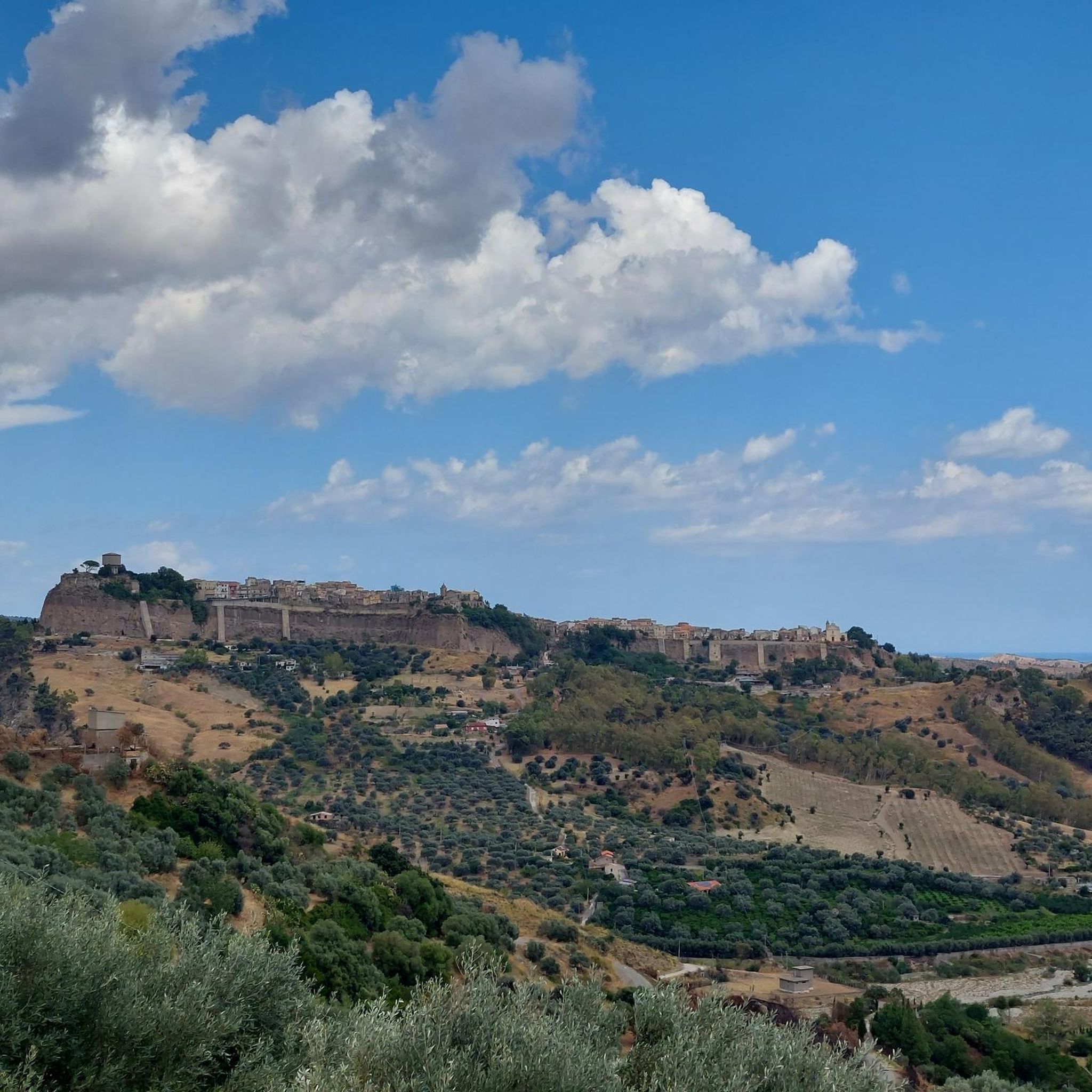
Both the old and new parts are worth visiting. Old Canolo is dominated by Mount Mutolo, the southern Dolomites.
0
0
Whatever their origin, the megaliths are worth a visit just to get an idea.
0
0
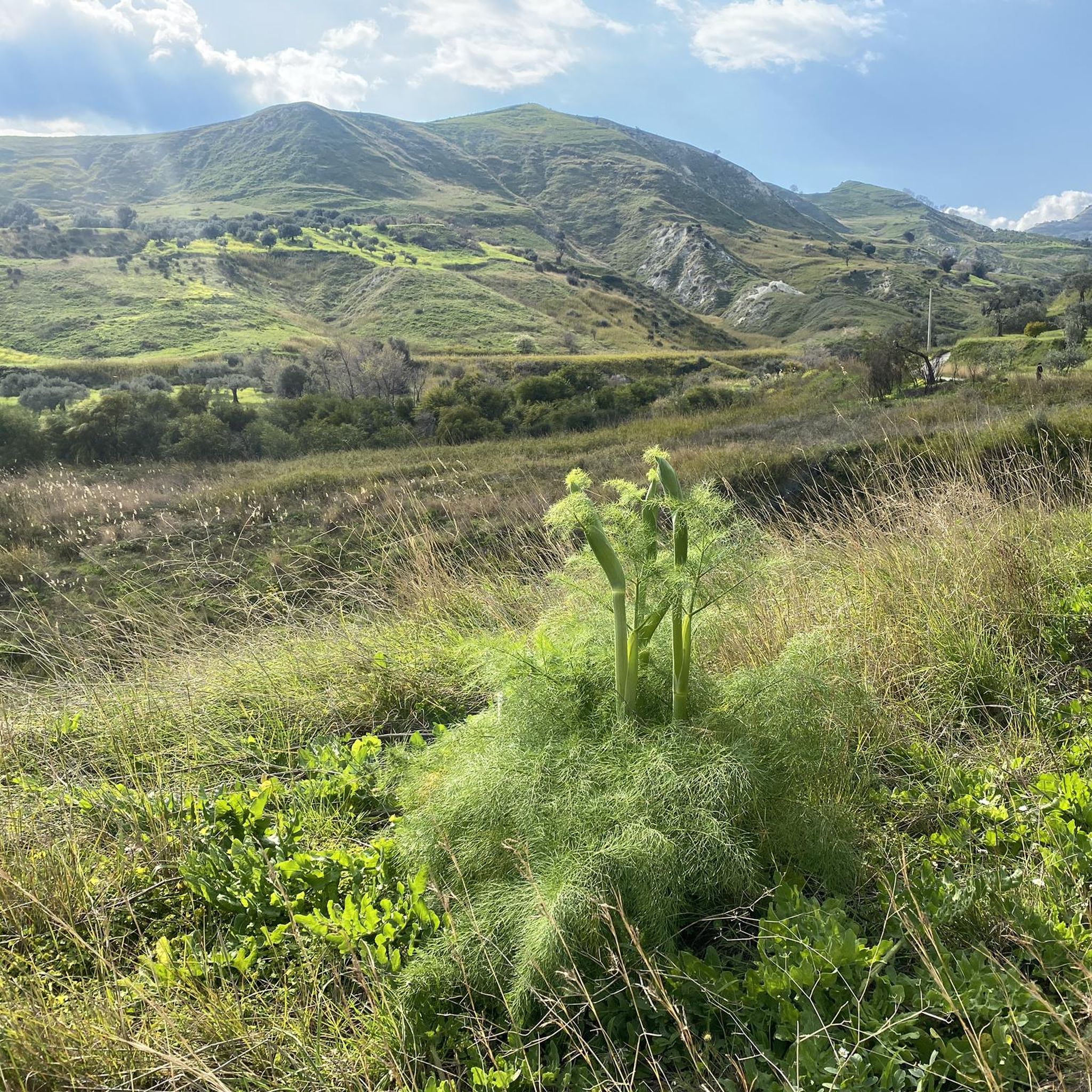
A sight to behold, the great resemblance to the Dolomites is due to the same geological formation.
0
0

Monte Mutolo, known for its rock formations and described as the "Southern Dolomites". Definitely worthy of a visit.
2
0

Megaliths of Nardodipace - site A. Experts place them between the fifth and second millennium BC. Huge complexes of merged stones found in 2002 following a fire. Many have come to the small Calabrian town to study the sites that go by the name of "Megaliths" but without providing any definite answer. Pending the start of verification works as well as suitable excavations in order to verify and formalize the nature of these complexes, the question regarding the two geosites remains open. Site A stands on a hillock, has a more pyramidal shape than site B and archaeological and astronomical inspections have reported more significant evidence on this site than the complex in Ladi. https://goo.gl/maps/djm2AYsVMwy
0
0

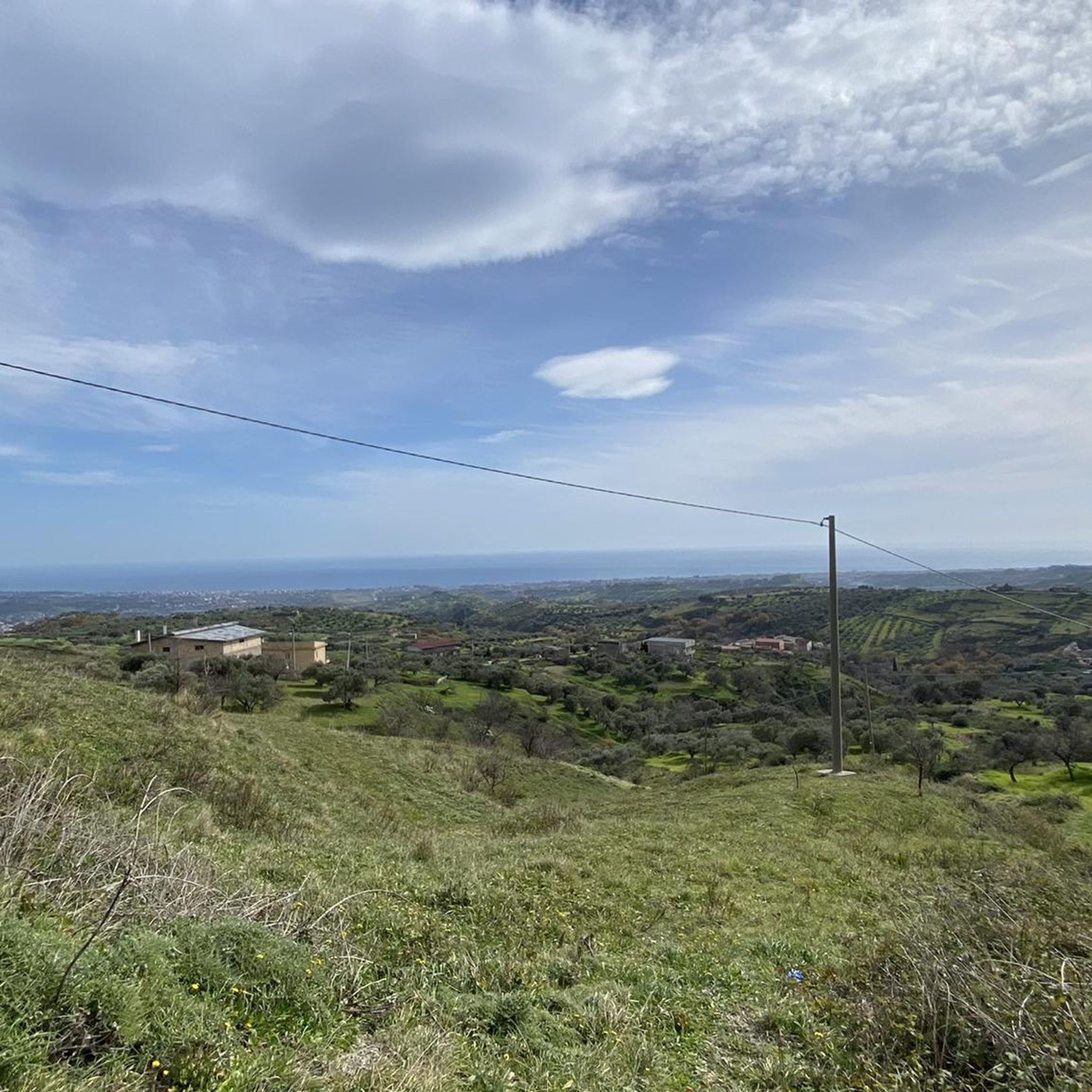
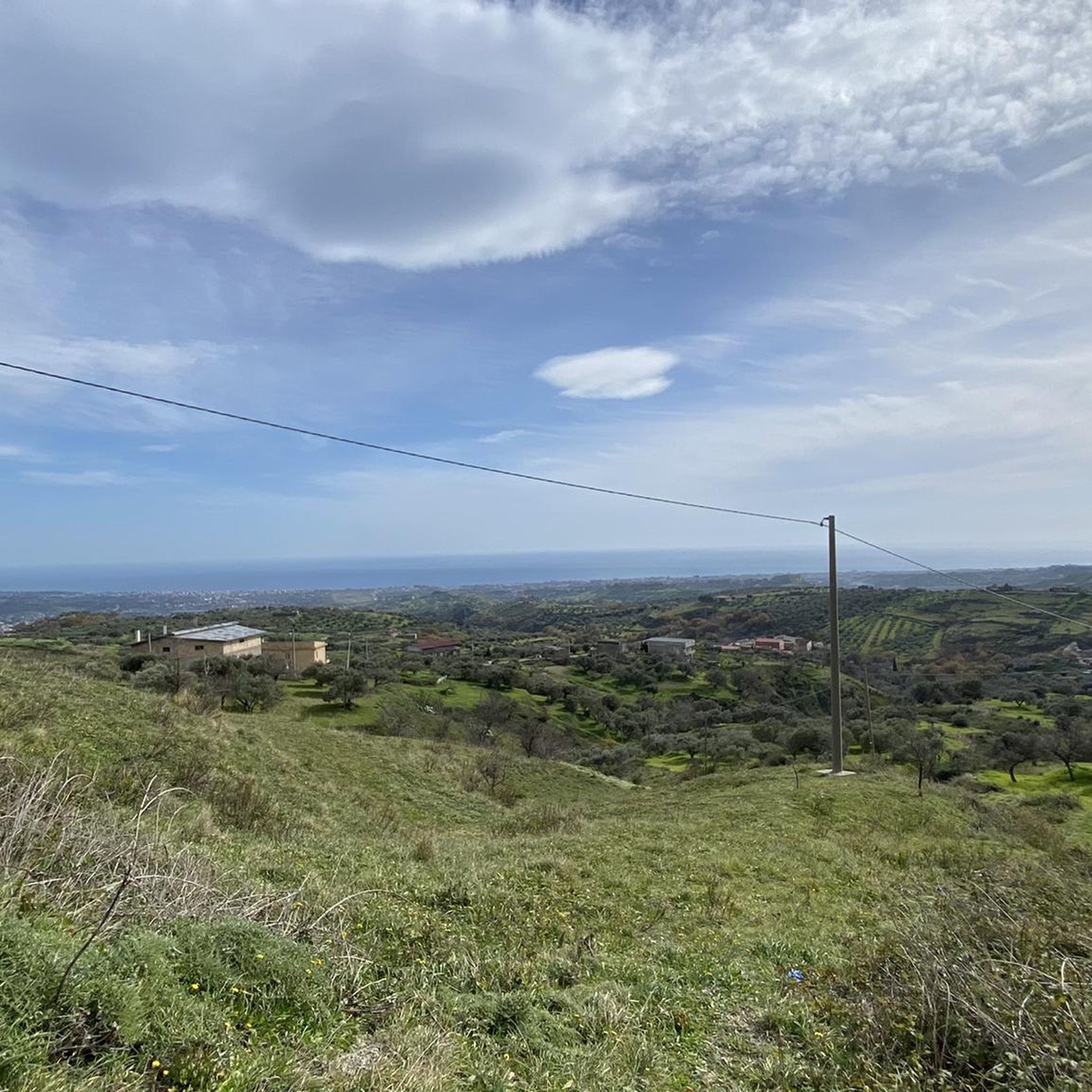
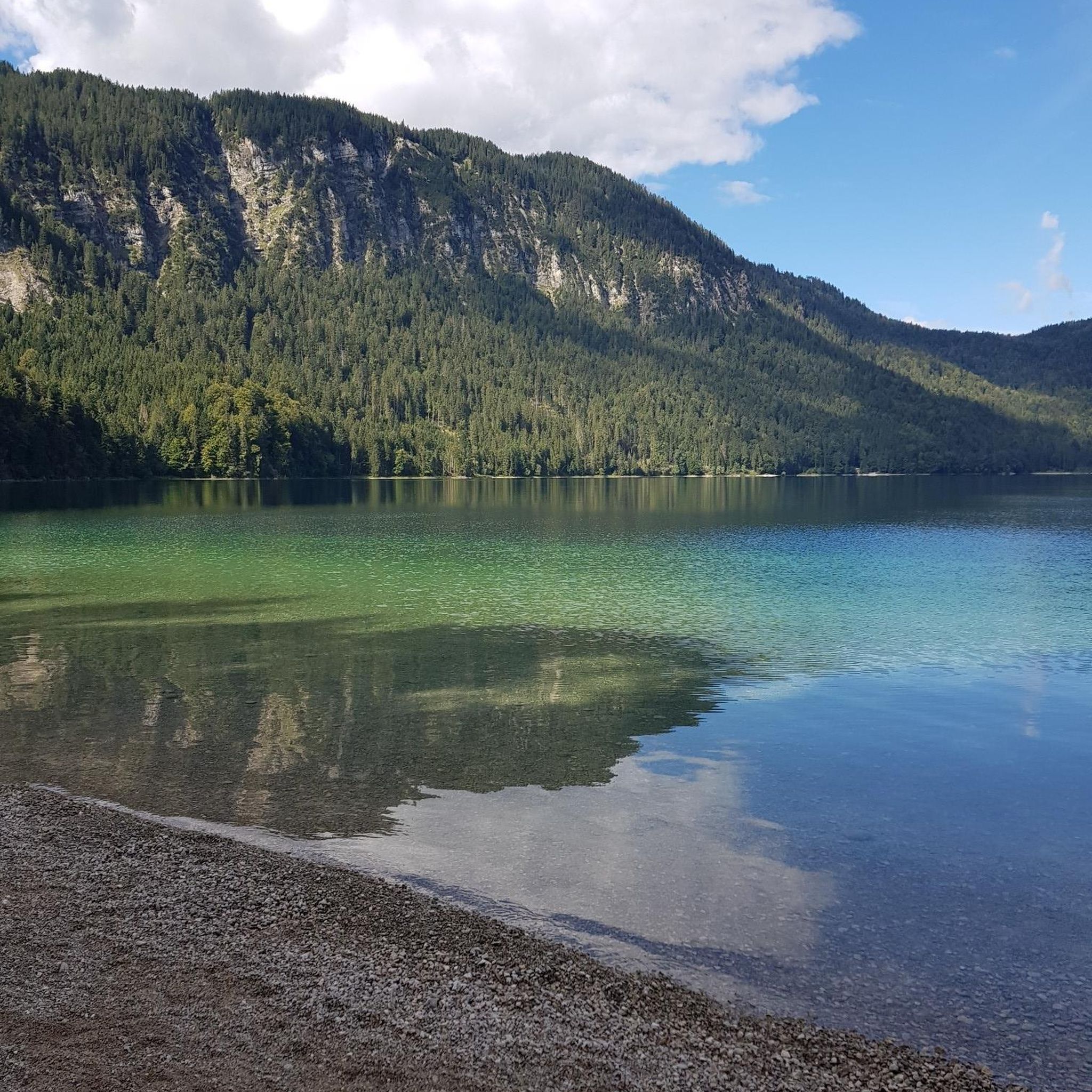
Well-kept picnic area, where you can stop and refresh yourself thanks to the alpine fountain that the area is equipped with. really well kept and spotless!
1
0
Frequently Asked Questions
What are the most notable natural monuments near Gioiosa Ionica?
The region offers several impressive natural monuments. Among them are the striking Timpe di Mutolo (Southern Dolomites), known for their over 100-meter-tall rock formations that attract climbing enthusiasts. Another significant site is the Laghetto del Passo dell'Abate, a serene lake with a well-maintained picnic area. Further afield, the Cascata del Marmarico, Calabria's tallest waterfall, is a spectacular natural wonder within the Parco Naturale Regionale delle Serre.
Are there unique geological formations to explore in the area?
Yes, the area is rich in unique geological features. The Timpe di Mutolo (Southern Dolomites) and Canolo Vecchia and Monte Mutolo Cliffs are prime examples, showcasing spectacular rock formations that resemble the Dolomites. Additionally, the Megaliths of Nardodipace – Site A present ancient stone complexes, with experts dating them between the fifth and second millennium BC, offering a blend of natural and historical intrigue.
What outdoor activities can I do near these natural monuments?
The natural monuments around Gioiosa Ionica are excellent starting points for various outdoor activities. You can find numerous hiking trails, including the 'Naturalistic Path of the Scialata – ring tour'. For cyclists, there are diverse road cycling routes, such as the 'Martone loop from Gioiosa Ionica'. If you enjoy running, explore running trails like the 'Marina di Gioiosa Ionica Beach loop'.
Are there family-friendly natural monuments in the area?
Absolutely. The Laghetto del Passo dell'Abate is a great option for families, featuring a beautiful natural setting and a well-kept picnic area with an alpine fountain for refreshment. The trails leading to many natural sites are also suitable for families, though some may require moderate effort.
When is the best time to visit the natural monuments around Gioiosa Ionica?
The best time to visit is generally during the spring (April-June) and autumn (September-October) months. During these periods, the weather is pleasant for hiking and exploring, and the natural landscapes are at their most vibrant. Summer can be hot, especially for strenuous activities, while winter might bring colder temperatures and potential snow at higher elevations, particularly in areas like the Parco Naturale Regionale delle Serre.
What kind of flora and fauna can I expect to see?
The region, especially within the nearby Parco Naturale Regionale delle Serre, is an oasis of biodiversity. You can expect to see diverse ecosystems, including typical fir forests (white fir), pine forests (Corsican pine), beech forests, chestnut groves, poplar groves, and oak forests. The area is home to a rich local fauna, though specific wildlife sightings can vary.
Are there any historical or cultural sites integrated with the natural monuments?
Yes, the region offers a blend of natural beauty and historical significance. The Megaliths of Nardodipace – Site A are ancient stone complexes found after a fire, offering a mysterious archaeological dimension. Additionally, the journey to the Cascata del Marmarico can include encounters with historical sites like the Byzantine-Norman monastery of San Giovanni Theristìs, adding a cultural layer to the natural experience.
How challenging are the trails to reach these natural monuments?
The difficulty varies. Many trails, such as those around Laghetto del Passo dell'Abate, are generally easy to moderate. However, reaching sites like the Cascata del Marmarico can be more challenging, involving rugged terrain, stream crossings, and rocky paths. Some visitors opt for 4x4 shuttle services for part of the journey to make it more accessible.
What do visitors enjoy most about the natural monuments around Gioiosa Ionica?
Visitors consistently praise the wild beauty and spectacular scenery. The unique geological formations, such as the 'Southern Dolomites' at Timpe di Mutolo and Canolo Vecchia and Monte Mutolo Cliffs, are often highlighted for their unexpected grandeur. The tranquility of places like Laghetto del Passo dell'Abate and the invigorating experience of reaching the powerful Cascata del Marmarico are also frequently mentioned as highlights.
Is parking available near the natural monuments?
Parking availability varies by location. For many trailheads leading to natural monuments, you can typically find designated parking areas. For more remote sites like the Cascata del Marmarico, access might involve parking in a nearby town like Bivongi and then proceeding with a shuttle or hike. It's advisable to check specific access points for each monument.
How long should I plan for a visit to these natural monuments?
The duration of your visit depends on the specific monument and your activity. A short stop at a viewpoint like Monte Mutolo might take an hour, while a hike to the Cascata del Marmarico could be a half-day or full-day excursion, including travel and trekking. For a comprehensive experience of multiple sites, plan for several days.
Most popular routes around Gioiosa Ionica
Most popular attractions around Gioiosa Ionica

Get inspired with the komoot mobile app


Explore more
Extend your search for the best caves by checking out these guides of the top ones around Gioiosa Ionica:
