Top 8 Natural Monuments around Figline E Incisa Valdarno
Natural monuments around Figline E Incisa Valdarno showcase a landscape characterized by dramatic geological formations and diverse natural environments. The region features eroded sand and clay cliffs, known as the Balze del Valdarno, which were shaped by millennia of natural forces. The broader Valdarno area offers lush vegetation, rolling hills adorned with vineyards and olive groves, and small forests. This setting, nestled between the Pratomagno massif and Chianti hills, provides a blend of geological history and natural beauty.
Best natural monuments around Figline E Incisa Valdarno
- The most popular natural monuments is View of the Valdarno crags from above, a natural monument and viewpoint that offers panoramic views over the Balze del Valdarno. From this location, visitors can observe spires of clay and sand sculpted by time.
- Another must-see spot is Twin Sequoias of Sammezzano, a natural monument within a forest. These majestic trees, including one nearly 54 meters tall with a circumference exceeding 8 meters, are among Italy's monumental trees.
- Visitors also love The Balze of the Valdarno, a canyon and natural monument. These characteristic geotopes consist of stratified sands, clays, and gravels, reaching up to a hundred meters high with diversified shapes and deep gorges.
- Figline E Incisa Valdarno is known for its geological features, including dramatic canyons and unique viewpoints. The area offers a variety of natural monuments to see and explore, from ancient geological formations to significant tree specimens.
- The natural monuments around Figline E Incisa Valdarno are appreciated by the komoot community, with more than 60 upvotes and 30 photos contributed by visitors.
Last updated: July 12, 2026
Panorama of the Balze near La Castellina
Highlight • Viewpoint
Translated by Google •
Tip by

Twin Sequoias of Sammezzano
Highlight • Natural Monument
Translated by Google •
Tip by

Sign up now to discover places like this
Get recommendations on the best single tracks, peaks, & plenty of other exciting outdoor places.
Sign up for free
The Balze of the Valdarno
Highlight • Canyon
In addition to my photo, in order to give an idea of what I am, I am attaching one of Marco Faccioli.
Translated by Google •
Tip by

Piantravigne
Highlight • Settlement
A Pazzi castle once stood here, destroyed in 1302 after a siege during the battles between the Whites and the Blacks. This episode is also recalled by Dante in the Inferno (Canto XXXII).
Translated by Google •
Tip by

View of the Valdarno crags from above
Highlight • Natural Monument
A panorama so evocative that it inspired Leonardo da Vinci, who depicted these forms in the background of works such as the Mona Lisa and the Madonna of the Yarnwinder.
Translated by Google •
Tip by
Sign up for free to discover even more natural monuments around Figline E Incisa Valdarno.
Sign up for free
Already have an account?
Start today with a free account
Your next adventure awaits.
Login or Signup
Popular around Figline E Incisa Valdarno
Tips from the Community

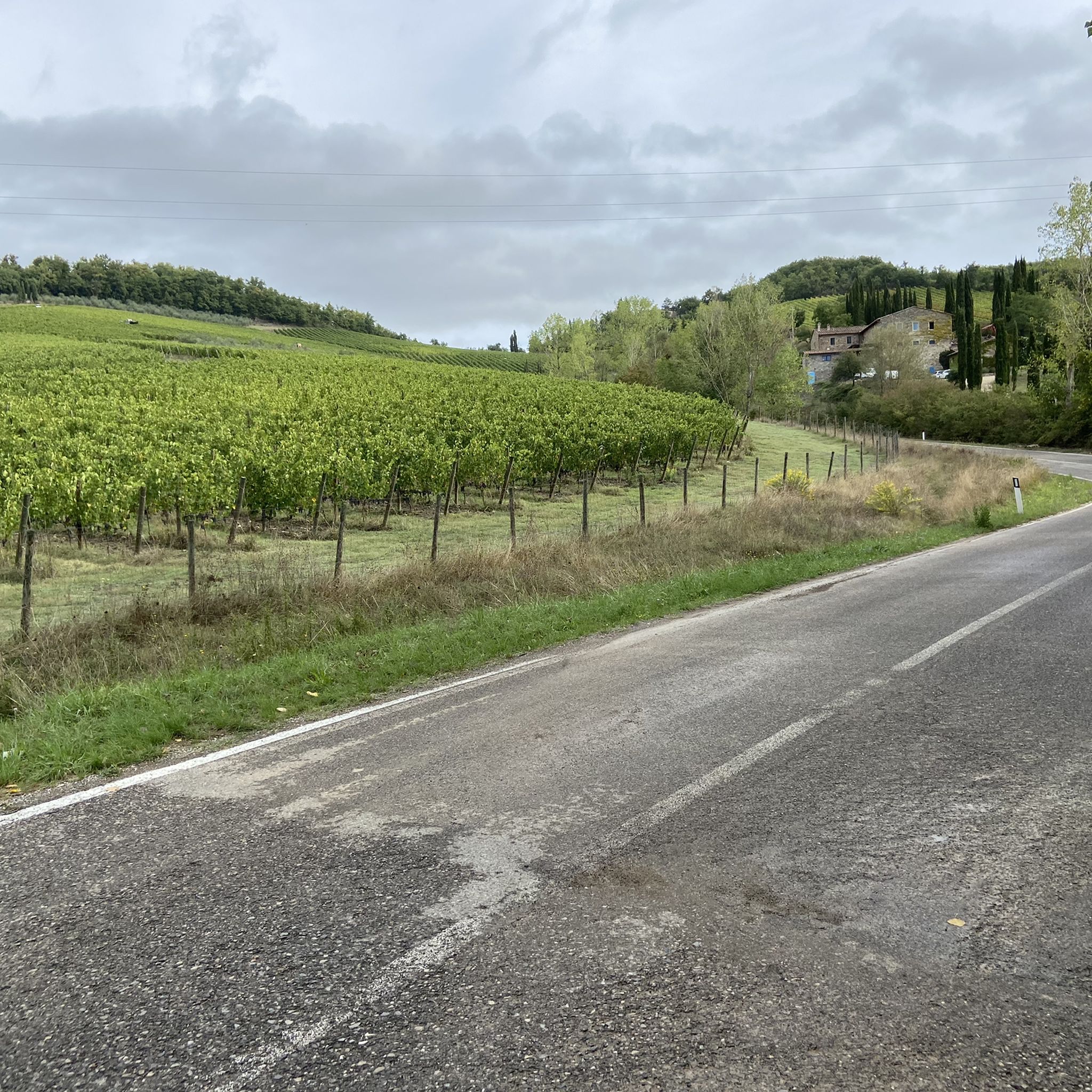
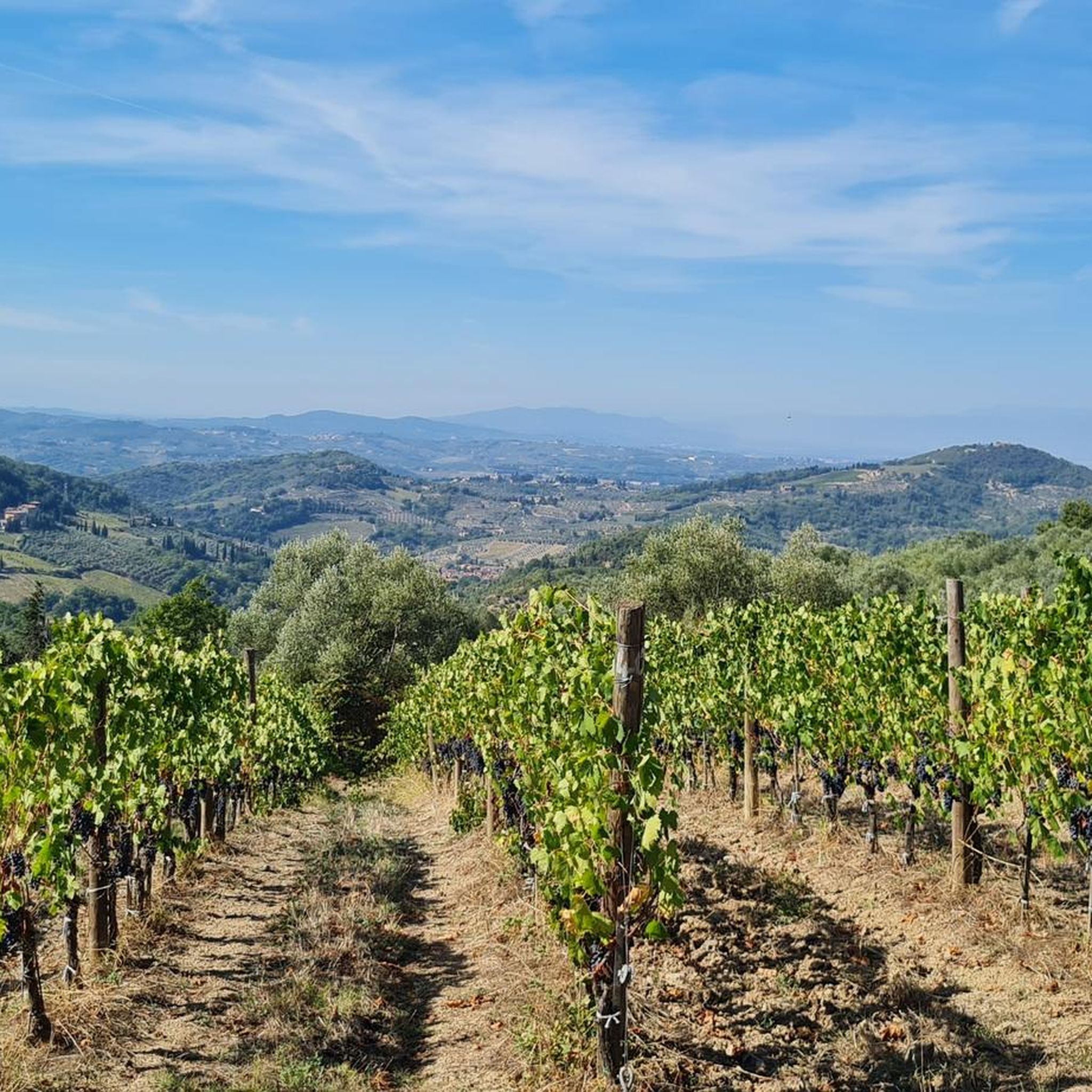
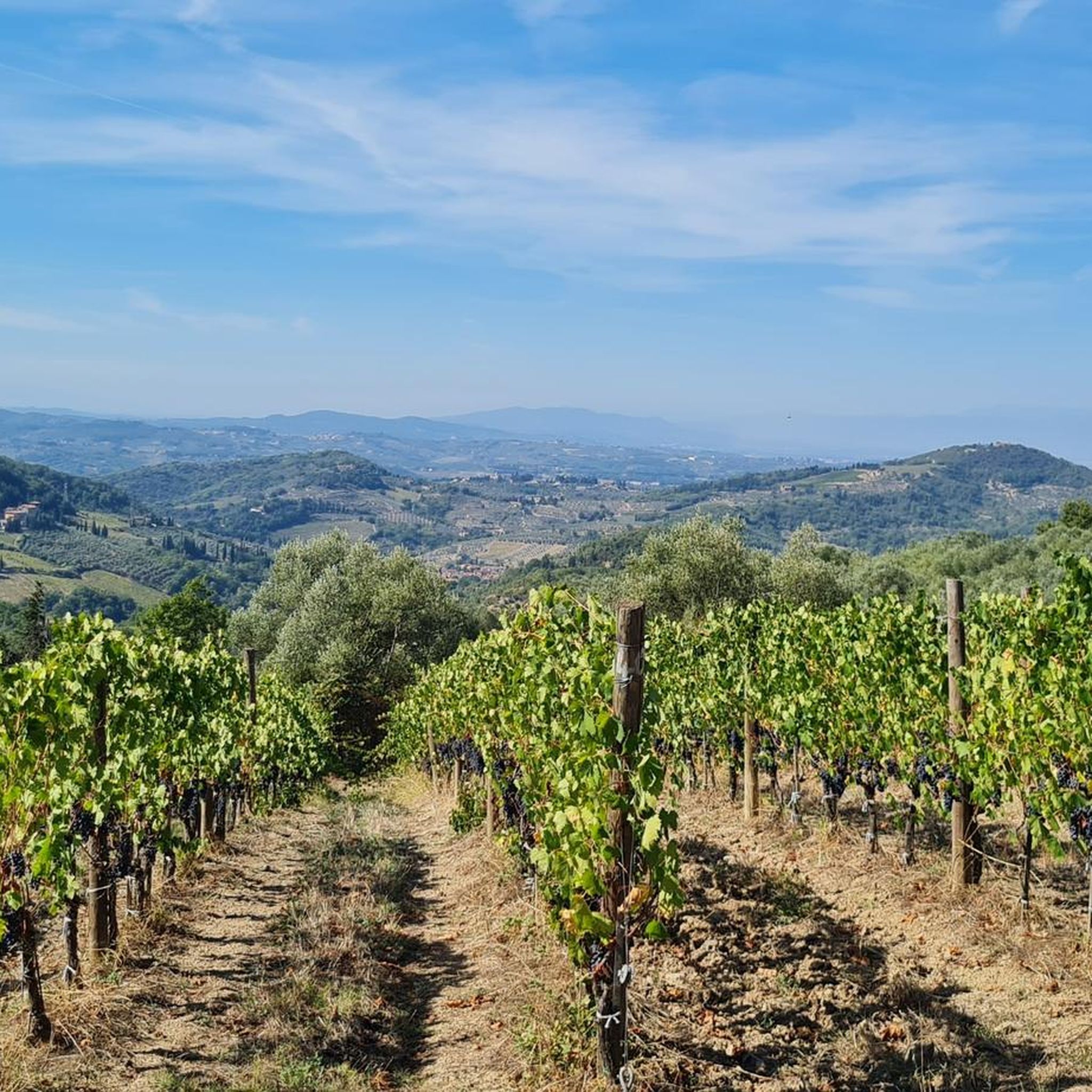
From here, the view sweeps down over the spectacular Balze del Valdarno, spires of clay and sand sculpted by time after an ancient prehistoric lake dried up. Their striking shapes create a unique landscape, contrasting with the surrounding vineyards and green hills. A panorama so evocative that it inspired Leonardo da Vinci, who depicted these forms in the background of works such as the Mona Lisa and the Madonna of the Yarnwinder.
1
0
Piantravigne is a small medieval village overlooking the spectacular Balze del Valdarno, clay gullies created by the retreat of an ancient lake. The landscape here is striking, almost lunar, and makes this place truly unique. A Pazzi castle once stood here, destroyed in 1302 after a siege during the battles between the Whites and the Blacks. This episode is also recalled by Dante in the Inferno (Canto XXXII).
2
0

As a plant expert and botany enthusiast, Ferdinando Panciatichi Ximenes d’Aragona designed the large green area surrounding Sammezzano Castle, approximately 65 hectares, which constitutes the current Historic Park. Around the ancient "ragnaia" (woodland) formed by a high forest of holm oaks, Ferdinando decided to place numerous rare and exotic plants. Their purpose was to serve the dual purpose of beautifying the exterior and gradually introducing visitors and guests to the wonders of the "Moorish" style of the Villa-Castle of Sammezzano. Among the exotic species introduced by Ferdinando, the most well-known are undoubtedly the majestic sequoias (Sequoia sempervirens and Sequoia gigantea), which, as demonstrated by the remarkable size they reached in just 150 years, certainly found the geological, soil, and climatic conditions favorable to their growth. Among these, the so-called "twin sequoia" stands out, as its trunk forks into two enormous vertical branches a few meters from the base. It is almost 54 meters tall and, with a circumference of 837 centimeters, the tallest sequoia in Italy. It is not only one of Italy's monumental trees, but also one of the select group of "150 trees of exceptional environmental or monumental value."
0
0

Path impassable! We dared to make a path ourselves, whereby one of us was badly injured.
1
0

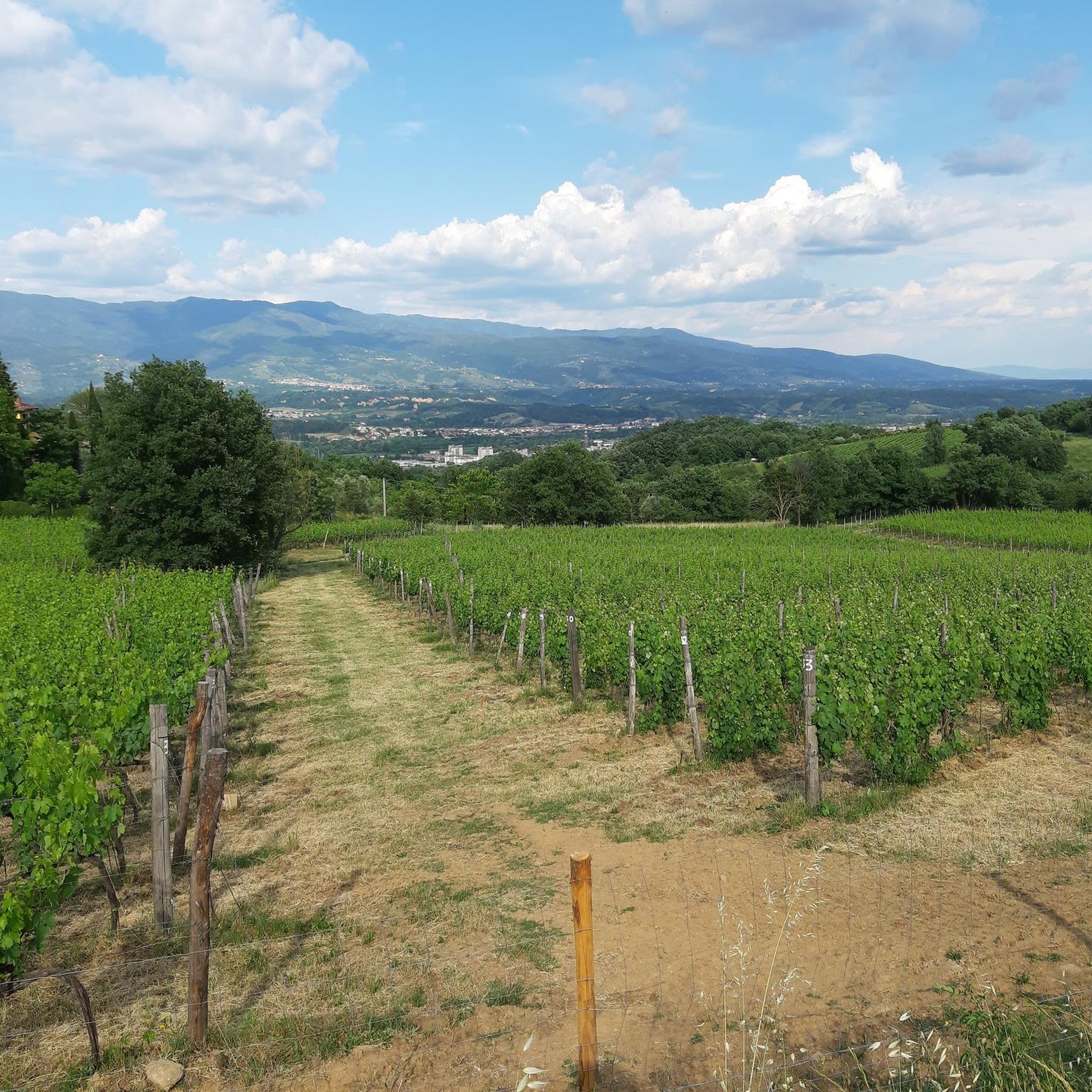
Borghetto overlooking the Balze del Valdarno. If you climb from the valley, a 1km climb with good gradients. I did it downhill from Setteponti.
1
0

The tour led to a very narrow, overgrown, thorny path just before the rocks. So it's better to look for another path in that section! Otherwise you'll end up on a farmer's private property and walk across his field. There's already a sign there saying you shouldn't go there. The route should be changed!
2
1

In some parts the path is difficult to pass (narrow, slippery, high vegetation) and you walk partly over private land of a farmer, with large barking dogs (fortunately they kept their distance this time, but still not very pleasant to walk). It is better to continue to follow the main path, which also has an official walking route (red and white striped). Otherwise a very nice walk!
3
0

The path is very narrow and runs over private property. The farmer yelled at us. There is no real path to be seen. It is better to follow the main path in the valley and go through the village.
5
0
Frequently Asked Questions
What unique natural features can I explore around Figline e Incisa Valdarno?
The region is renowned for the Balze del Valdarno, dramatic geological formations of eroded sand and clay cliffs that create a unique, almost lunar landscape. You can also visit the majestic Twin Sequoias of Sammezzano, among Italy's monumental trees, or enjoy panoramic views from View of the Valdarno crags from above.
What is the best time to visit the natural areas around Figline e Incisa Valdarno?
Spring and autumn are generally ideal for visiting the natural monuments. The weather is pleasant for hiking and outdoor activities, and the landscapes are particularly vibrant. Summer can be hot, but offers unique experiences like boat trips along the Arno in the Bandella Nature Reserve. Winter hiking is possible, but conditions can vary, especially in higher elevations.
Are there family-friendly natural monuments around Figline e Incisa Valdarno?
Yes, the area offers options for families. The Twin Sequoias of Sammezzano are located within a forest that can be explored, offering an engaging experience for children. The Bandella Nature Reserve also features various routes suitable for walks and wildlife observation, which can be enjoyable for families.
What geological features characterize the Balze del Valdarno?
The Balze del Valdarno are distinctive geotopes composed of stratified sands, clays, and gravels, reaching up to a hundred meters high. These formations, also known as Smotte, are the result of millennia of erosion by atmospheric agents and rivers on the Pliocene lake sediments of the Upper Valdarno, creating deep gorges and diversified shapes. This unique landscape inspired Leonardo da Vinci.
Are there any historical or cultural sites near these natural monuments?
Yes, the natural beauty often intertwines with history. For example, the small medieval village of Piantravigne overlooks the spectacular Balze del Valdarno. This village has historical significance, with a Pazzi castle once standing there, an episode even recalled by Dante in the Inferno.
What outdoor activities can I do near the natural monuments?
The region offers a variety of outdoor activities. You can find numerous cycling routes, including those for road cycling and gravel biking, which often pass through the scenic Valdarno area and near the Balze. For example, you can explore routes like the 'Chianti Hills and Valdarno Loop' or 'In the heart of the Balze del Valdarno'. You can find more details on these activities in the Cycling around Figline E Incisa Valdarno guide.
Are there hiking trails suitable for different difficulty levels?
Yes, the area provides hiking opportunities ranging from easy walks to more challenging routes. The Balze del Valdarno, for instance, offer trails with intermediate difficulty, providing stunning views. Some paths can be narrow or overgrown, so it's advisable to check specific route details. The Bandella Nature Reserve also has various paths suitable for different fitness levels.
Can I go cycling near the natural monuments?
Absolutely. The Valdarno area is popular for cycling, with routes for touring bikes, road bikes, and gravel bikes. You can find routes that take you through the Balze del Valdarno, the Chianti Hills, and along the Arno River. Guides like Road Cycling Routes around Figline E Incisa Valdarno and Gravel biking around Figline E Incisa Valdarno offer detailed options.
What do visitors say about the natural monuments in the area?
Visitors are often captivated by the dramatic landscapes of the Balze del Valdarno, comparing them to 'the grand canyon of Tuscany' and appreciating their unique, almost lunar appearance. The Twin Sequoias of Sammezzano are admired for their majestic size and beauty. The panoramic viewpoints are highly praised for offering breathtaking vistas over the sculpted terrain.
Are there dog-friendly trails or natural attractions?
While specific rules for every trail vary, many natural areas in Tuscany are generally dog-friendly, especially for leashed dogs. When exploring trails around the Balze del Valdarno or in the Bandella Nature Reserve, it's always best to keep your dog on a leash and ensure you carry water for them, especially during warmer months. Some private properties might have restrictions, so be mindful of signage.
Where can I find cafes or restaurants near the natural monuments?
Small villages and towns surrounding the natural monuments, such as Figline e Incisa Valdarno itself, and nearby Castelfranco di Sopra or Reggello, offer various dining options. You'll find local cafes and restaurants where you can enjoy Tuscan cuisine after your explorations. It's advisable to check opening hours, especially in smaller villages.
What should I bring for a day hike in the Balze del Valdarno?
For a day hike in the Balze del Valdarno, it's recommended to bring sturdy hiking shoes, sufficient water, sun protection (hat, sunscreen), and a map or GPS device. Some paths can be narrow or overgrown, so long pants might be beneficial. Snacks and a camera to capture the unique landscape are also good additions.
Most popular routes around Figline E Incisa Valdarno
Most popular attractions around Figline E Incisa Valdarno

Get inspired with the komoot mobile app


Explore more
Extend your search for the best caves by checking out these guides of the top ones around Figline E Incisa Valdarno:
