Top 11 Natural Monuments around Calci
Natural monuments around Calci are characterized by the diverse landscapes of the Monti Pisani and the Valgraziosa, which form a natural amphitheater around the town. This region features terraced olive groves, pine woods, and chestnut forests, offering varied terrain for exploration. The area provides panoramic views stretching across the Arno valley and Pisa, highlighting its geographic significance. Its natural features blend cultivated areas with wilder forests, showcasing the region's natural heritage.
Best natural monuments around Calci
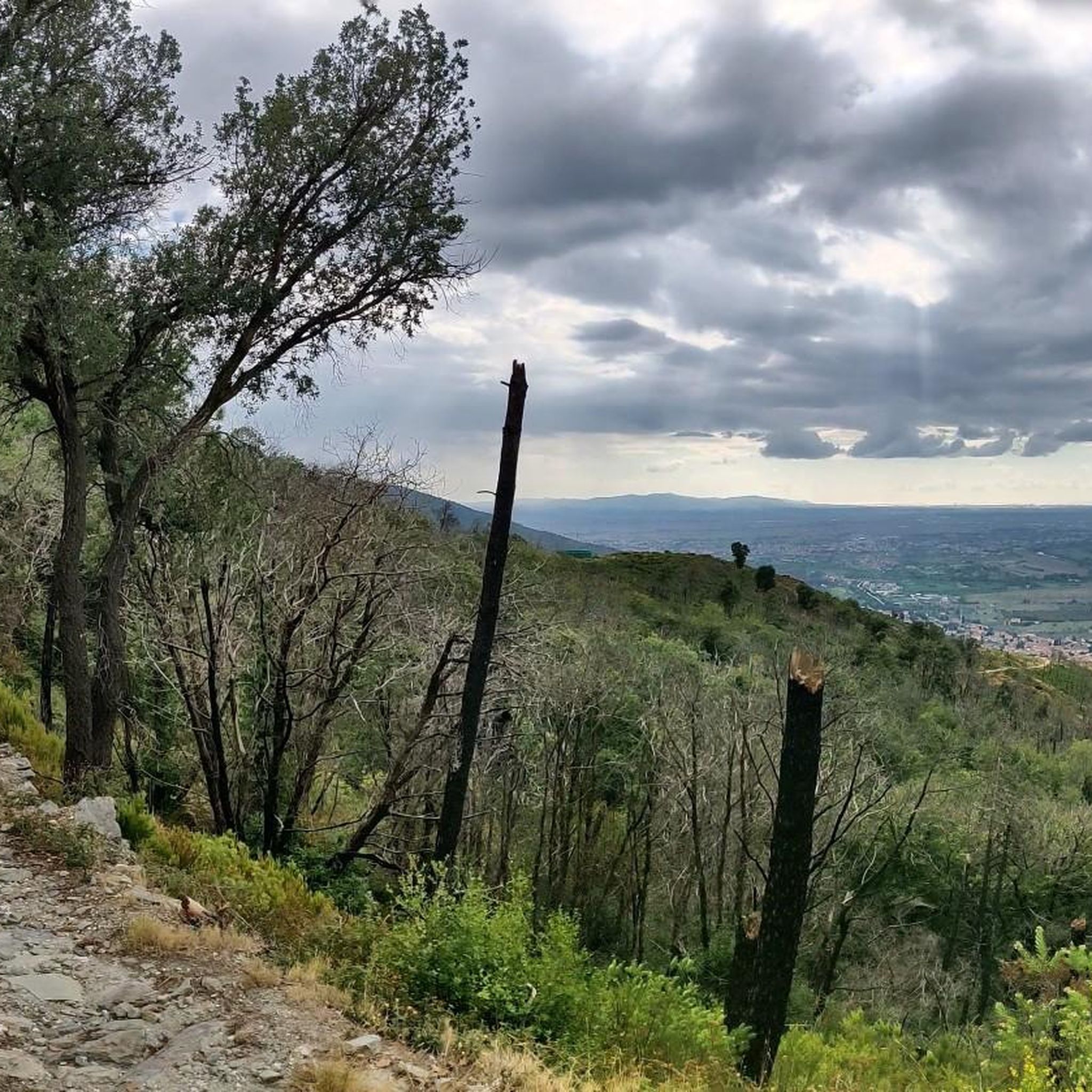
- The most popular natural monuments is Santallago Plateau, an other natural area located on the Pisan Mountains. It is an equipped area suitable for picnics and serves as a hub for mountain biking trails.
- Another must-see spot is Fountain of the Cherubs (Fontana dei Putti), a man-made monument. This eighteenth-century fountain in white Carrara marble is located in Pisa and offers a historical landmark.
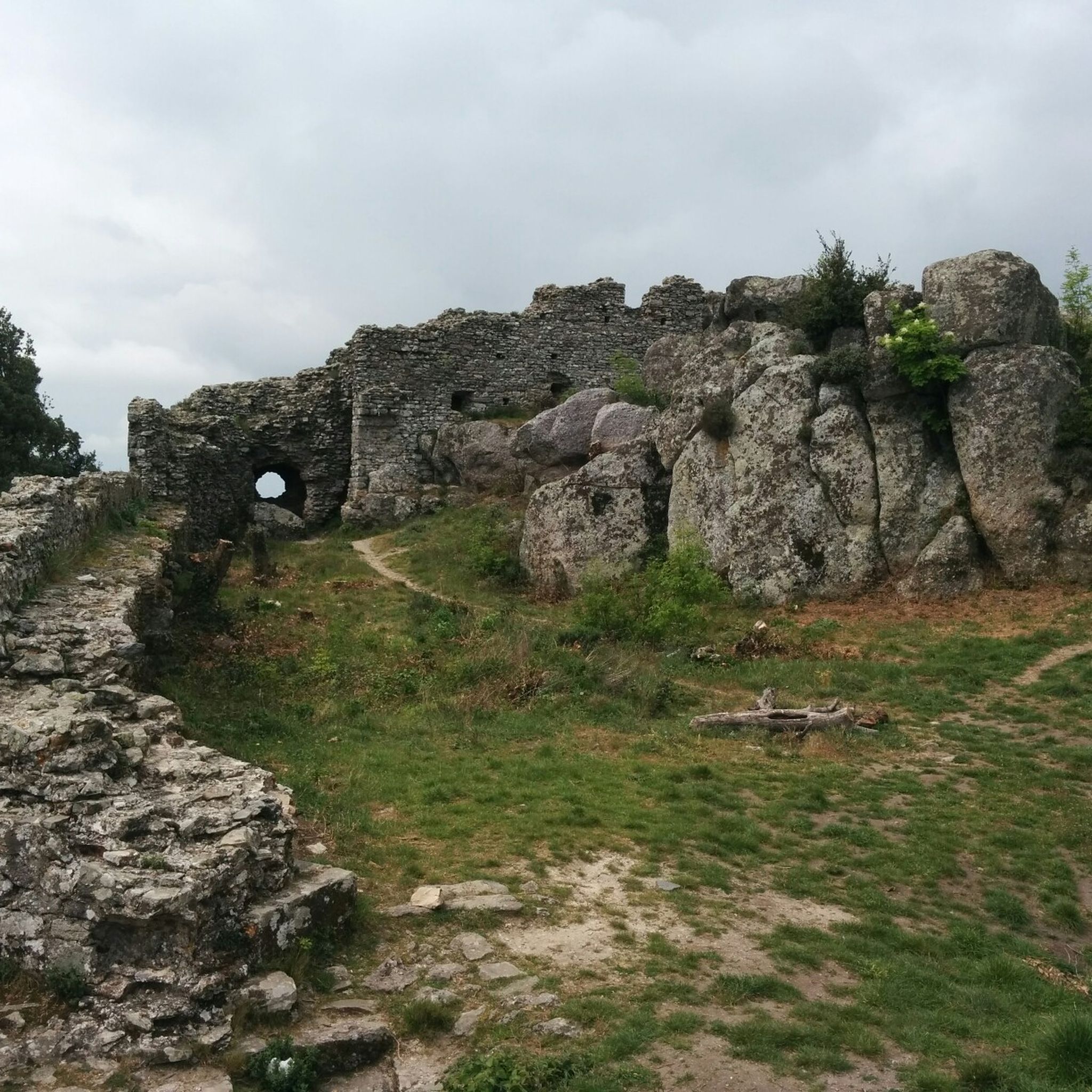
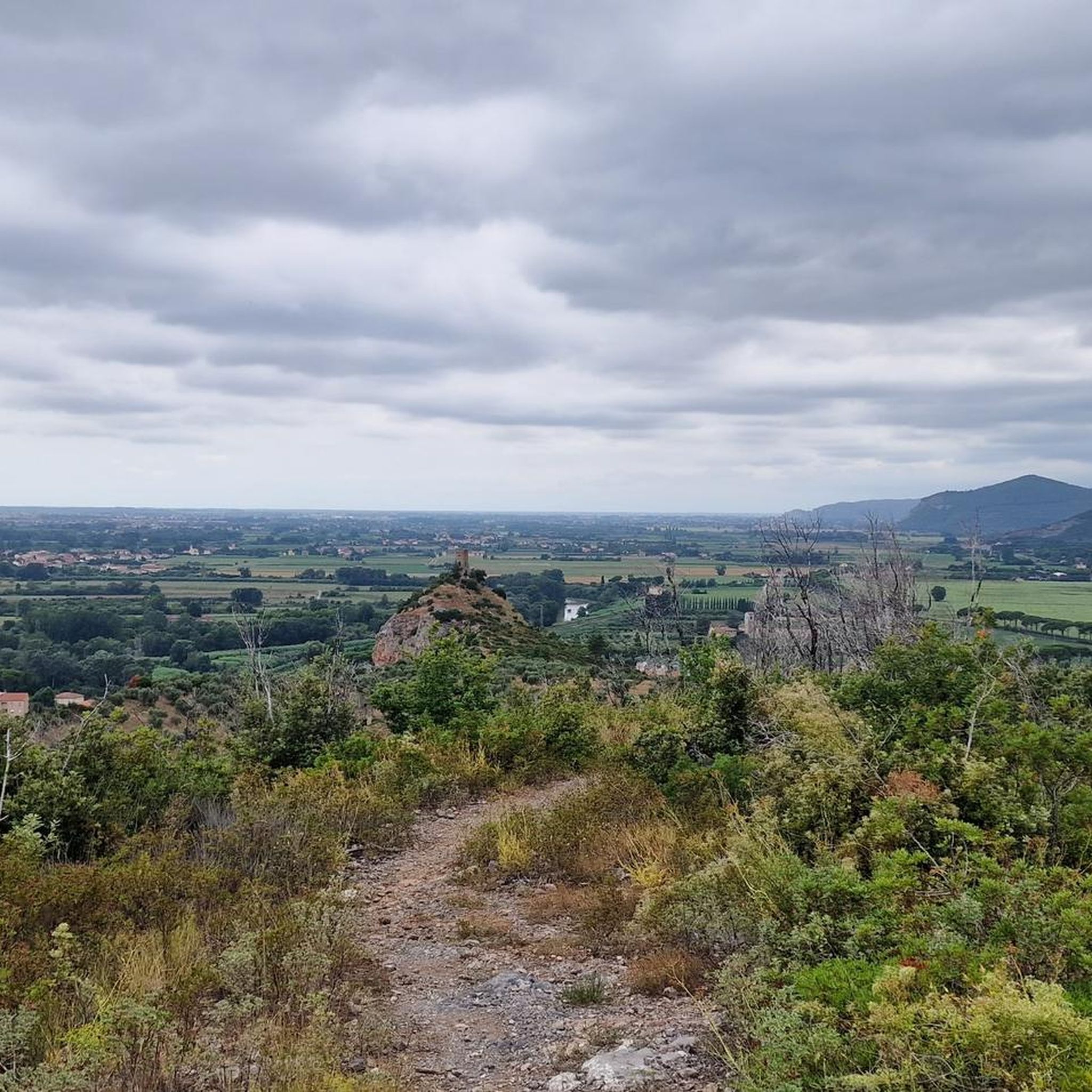
- Visitors also love Upezzinghi Tower (Caprona Tower), a castle. This historical site offers views of the Arno valley and is connected to other trails in the Pisan mountains.
- Calci is known for its natural plateaus, historical towers, and diverse landscapes including lakes and rocky slopes. These natural landmarks Monti Pisani offer a variety of natural monuments to see and explore.
- The natural monuments around Calci are appreciated by the komoot community, with 114 photos and 318 upvotes from visitors.
Last updated: April 30, 2026
Fountain of the Cherubs (Fontana dei Putti)
Highlight • Monument
Long despised by the public and critics, it now enjoys unexpected popularity.
The Fountain of the Putti is the work of Giuseppe Vaccà and Giovanni Antonio Cybei based on a design by Giovanni Battista Tempesti.
Compared to the aesthetic canons used until then, despite the initial appreciation, criticism was not long in arriving. The first written judgment that has come down to us dates back to 1767, when Filippo D'Angelo, author of a handwritten Memoria del Duomo, labeled the author as "a terrible statuary".
Translated by Google •
Tip by

Santallago Plateau
Highlight • Natural
Translated by Google •
Tip by

Sign up now to discover places like this
Get recommendations on the best single tracks, peaks, & plenty of other exciting outdoor places.
Sign up for free
Upezzinghi Tower (Caprona Tower)
Highlight • Castle
Translated by Google •
Tip by

Lake Gherardesca
Highlight • Lake
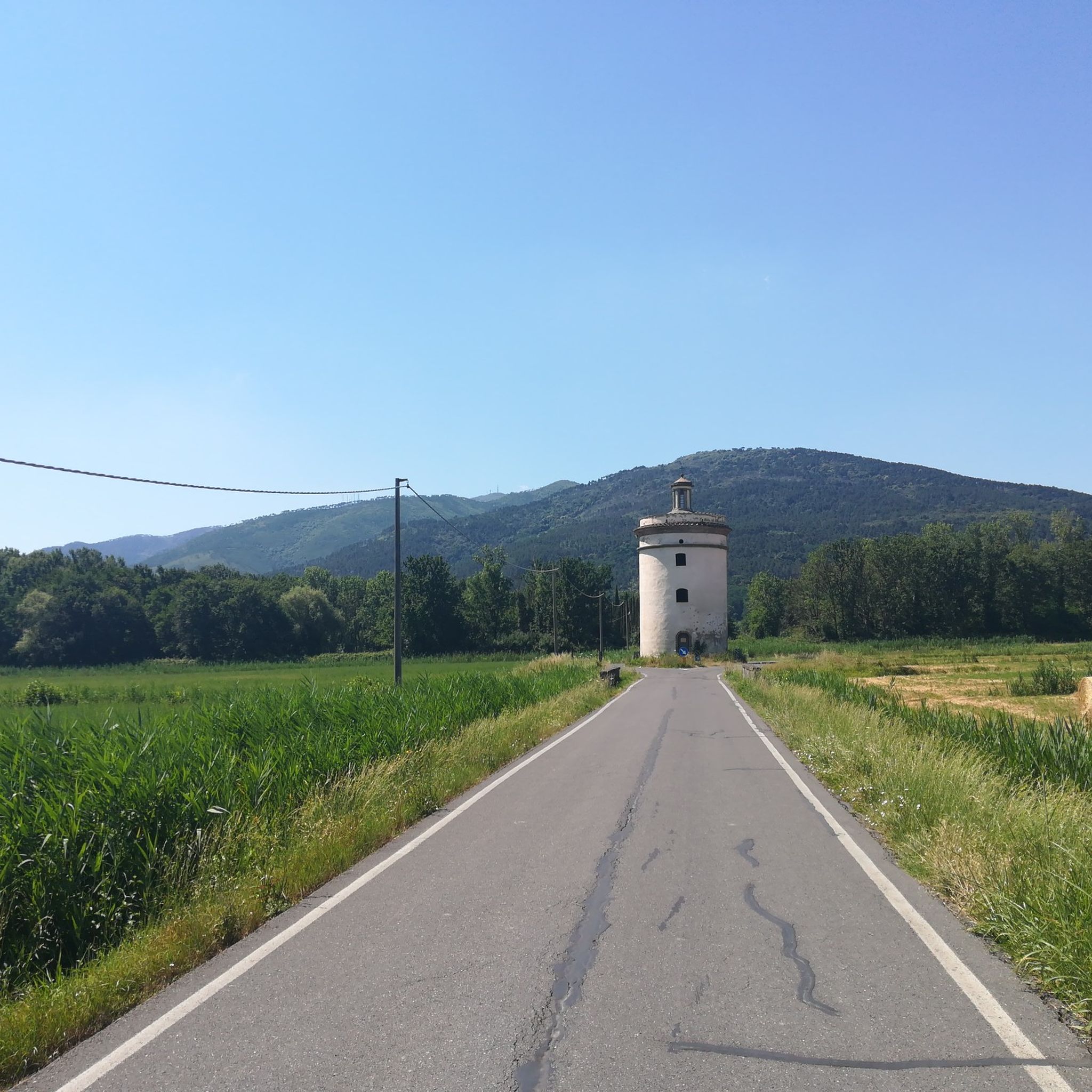
At the foot of Monte Pisano, one of the most important wetlands in Tuscany, about 30 hectares have become a special protection area for the protection of water birds.
Translated by Google •
Tip by
The Sassicaie (Rocky Slopes of Monte Pisano)
Highlight • Natural Monument
peculiar phenomenon at our latitudes and at the modest altitudes reached by Monte Pisano, as they are typical forms of periglacial environment.
These are mobile debris flows made up of angular blocks that are easily observable on the south-western side of the mountain and represent an ancient testimony of the last glacial (74,000-13,000 years ago).
In the past they were certainly more extensive than the current outcrop areas.
Their formation is linked to the type of rock that emerges, mainly green quartzites and white-pink quartzites, which tend to break into angular blocks and provide very little alteration material.
Climatic factors have played a fundamental role in the formation of the Sassaie, which represent a degradation product by cryoclasm.
Cryoclastism (from the Greek kryòs, ice and klastòs, broken) is the process of physical disintegration of a rock caused by the pressure caused by the increase in volume of water contained within the rock cracks when it freezes. The temperature range therefore favored the fracturing of quartzites, and the low humidity and low average temperature prevented a strong chemical alteration.
Cryoclastism is a phenomenon more pronounced in regions of high altitude and latitude, and is usually associated with alpine, periglacial, subpolar maritime and polar climates, but it occurs wherever freeze-thaw cycles are present.
Translated by Google •
Tip by

Sign up for free to discover even more natural monuments around Calci.
Sign up for free
Already have an account?
Start today with a free account
Your next adventure awaits.
Login or Signup
Tips from the Community

excellent place to spend Sundays and holidays, have barbecues and take walks in the surrounding area
0
0

The fountain is no longer in operation. It's a good landmark for meeting up with the group. The downside is that it prevents you from taking good photos of the fountain (it feels like there are 100 people in the photo). They say if you can see the three little noses at the same time, you're lucky.
2
0
In Pisa, there is an 18th-century fountain made of white Carrara marble, located on one side of the Piazza dei Miracoli. The fountain itself consists of a simple square base and is crowned by a sculptural group depicting three colossal putti holding the coats of arms of the primacy and the city. Most tourists stop to see it, mainly because fresh drinking water flows from the fountain, quenching thirst when visiting the square. Long despised by both public and critics, it is now enjoying unexpected popularity. The Putti Fountain is a work by Giuseppe Vaccà and Giovanni Antonio Cybei, based on a design by Giovanni Battista Tempesti. Despite initial appreciation, criticism was not long in coming compared to the aesthetic canons used up to that point. The first written judgment that has come down to us dates back to 1767, when Filippo D'Angelo, author of a handwritten
1
0

What a beautiful place. We only found one spot where you can pass through, but for bird protection reasons, you shouldn't walk along the embankment. You walk a lot around the lake on the shady paths. Unfortunately, you can't see anything from there because of the tall bushes. It's absolutely peaceful here. There's a little house with a lovely view of the lake.
1
0


by bike it's free. accessible by two paths: one short and steep and the other long and less steep. At the top there is also a bar!
0
0

Along the way you will come across some stony ground, also called Sassete, Pietraie or “Maoni” (local name), they are a peculiar phenomenon at our latitudes and at the modest altitudes reached by Monte Pisano, as they are typical forms of periglacial environment. These are mobile debris flows made up of angular blocks that are easily observable on the south-western side of the mountain and represent an ancient testimony of the last glacial (74,000-13,000 years ago). In the past they were certainly more extensive than the current outcrop areas. Their formation is linked to the type of rock that emerges, mainly green quartzites and white-pink quartzites, which tend to break into angular blocks and provide very little alteration material. Climatic factors have played a fundamental role in the formation of the Sassaie, which represent a degradation product by cryoclasm. Cryoclastism (from the Greek kryòs, ice and klastòs, broken) is the process of physical disintegration of a rock caused by the pressure caused by the increase in volume of water contained within the rock cracks when it freezes. The temperature range therefore favored the fracturing of quartzites, and the low humidity and low average temperature prevented a strong chemical alteration. Cryoclastism is a phenomenon more pronounced in regions of high altitude and latitude, and is usually associated with alpine, periglacial, subpolar maritime and polar climates, but it occurs wherever freeze-thaw cycles are present.
1
0

Exaggerated lawn for picnics or pleasant stops especially with a bit of sun
1
0
Frequently Asked Questions
What are the most popular natural features to explore around Calci?
The region around Calci is rich in diverse natural landscapes. Visitors particularly enjoy the Santallago Plateau, an equipped area perfect for picnics and a central hub for mountain biking trails. The Monti Pisani, including Monte Serra, offer panoramic views and numerous trekking routes through olive groves, pine, and chestnut forests. The Valgraziosa, a 'gracious valley' surrounding Calci, is also popular for nature walks and its serene environment.
Are there family-friendly natural monuments or activities near Calci?
Yes, several natural spots around Calci are suitable for families. The Santallago Plateau is an equipped area ideal for family picnics and easy walks. The Fountain of the Cherubs (Fontana dei Putti) in Pisa is also listed as family-friendly and offers a historical landmark. Additionally, the Lake Gherardesca, a special protection area for water birds, can be an interesting visit for families.
What kind of hiking trails can I find near Calci's natural monuments?
The Monti Pisani, which form the backdrop to Calci, offer a variety of hiking trails. You can find routes ranging from easy to moderate difficulty, such as those leading to the Upezzinghi Tower (Caprona Tower), which provides breathtaking views of the Arno valley. For more detailed options, explore the Hiking around Calci guide, which includes routes like the 'Verruca Fortress – Montemagno Village loop'.
What unique natural phenomena can be observed in the Monti Pisani?
A unique natural phenomenon in the Monti Pisani are The Sassicaie (Rocky Slopes of Monte Pisano). These are mobile debris flows made up of angular blocks, a peculiar sight at these latitudes and altitudes. They are an ancient testimony to the last glacial period, formed by cryoclastism, where water freezing in rock cracks causes physical disintegration. These can be easily observed on the south-western side of the mountain.
Are there opportunities for cycling or mountain biking near Calci's natural attractions?
Yes, the area around Calci is popular for cycling and mountain biking. The Santallago Plateau is a fundamental hub for mountain biking, with many trails passing through it. The slopes of Monte Serra also offer challenging gradients and rewarding scenery for cyclists. For specific routes, check out the Cycling around Calci guide, featuring routes like the 'Santallago Meadow – SANTALLAGO loop'.
What historical sites are integrated with the natural landscape around Calci?
The region beautifully blends natural beauty with historical significance. The Upezzinghi Tower (Caprona Tower) is a historical castle ruin offering panoramic views and is connected to hiking trails in the Pisan mountains. This site has a rich history, including its mention by Dante Alighieri. The Fountain of the Cherubs (Fontana dei Putti) in Pisa, though man-made, is an eighteenth-century historical landmark often visited alongside natural attractions.
What is the best time of year to visit the natural monuments around Calci?
The Monti Pisani and Valgraziosa region around Calci enjoys a mild climate year-round, making it suitable for visits in most seasons. Spring and autumn are particularly pleasant for hiking and outdoor activities, with comfortable temperatures and vibrant natural colors. Even in winter, the lower elevations offer opportunities for exploration, though higher peaks like Monte Serra might be cooler.
Can I spot wildlife or birds near the natural monuments in Calci?
Yes, the area around Calci, particularly wetlands, offers opportunities for wildlife and bird spotting. Lake Gherardesca is a significant wetland and a special protection area for water birds, making it an excellent spot for birdwatching. The diverse forests and natural environments of the Monti Pisani also support various local wildlife.
Are there any running trails available near Calci's natural attractions?
Yes, there are several running trails in the vicinity of Calci that allow you to enjoy the natural surroundings. You can find routes of varying difficulty, including moderate and difficult options. For detailed information on routes like the 'Panoramic Route Above Calci – War Memorial in Calci loop', refer to the Running Trails around Calci guide.
What are the general characteristics of the landscape in the Valgraziosa?
The Valgraziosa, meaning 'gracious valley,' forms a natural amphitheater around Calci. Its landscape is characterized by a harmonious blend of cultivated areas, such as historic terraced olive groves, and wilder forests, including pine and chestnut woods at higher elevations. This valley is known for its favorable climate and picturesque villages, offering a tranquil escape and insights into the region's agricultural heritage.
Is there a natural history museum nearby that complements a visit to Calci's natural sites?
While not a natural monument itself, the Natural History Museum of the University of Pisa, housed within the monumental Certosa di Calci, serves as a significant natural attraction. It boasts extensive collections, including fossils, minerals, and a renowned Cetacean Gallery, offering a deep dive into the natural world from prehistoric times to contemporary biodiversity. It's an educational and fascinating visit for all ages within a stunning historical setting.
Most popular attractions around Calci

Get inspired with the komoot mobile app


Explore more
Extend your search for the best caves by checking out these guides of the top ones around Calci:
