Top 20 Natural Monuments around Muggia
Best natural monuments around Muggia offer a diverse landscape for exploration, situated in Italy's Friuli-Venezia Giulia region. The area is characterized by its coastal charm and proximity to the dramatic geomorphology of the Karst plateau. Visitors can experience unique geological features, rich biodiversity, and historical elements within this natural setting. This region provides opportunities to connect with nature and history through various outdoor activities.
Best natural monuments around Muggia
- The most popular natural monument is Giordano Cottur Cycle and Pedestrian…
Last updated: August 22, 2026
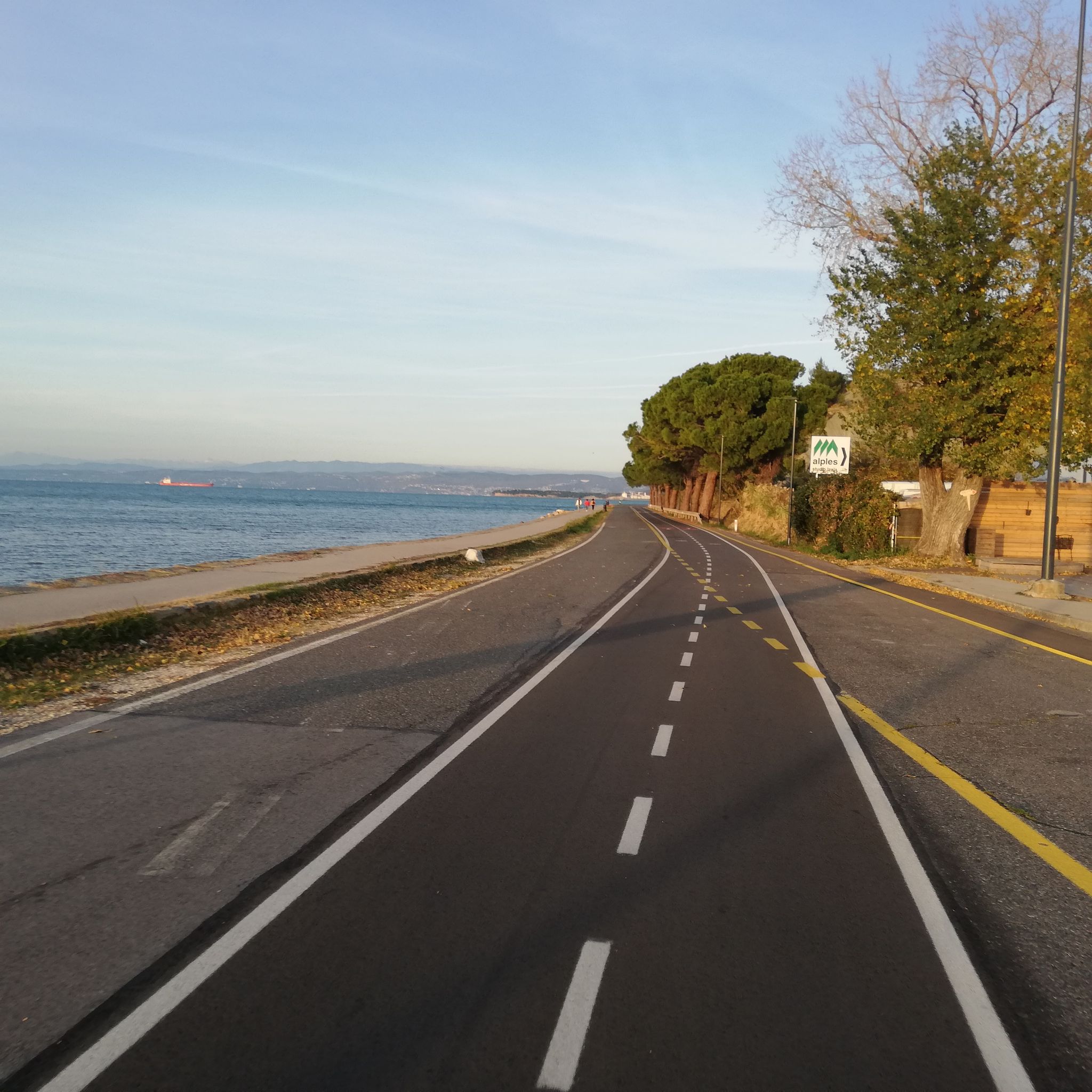
Giordano Cottur Cycle and Pedestrian Path
Highlight • Cycleway
Translated by Google •
Tip by

Rosandra Valley
Highlight • Gorge
Translated by Google •
Tip by

Sign up now to discover places like this
Get recommendations on the best single tracks, peaks, & plenty of other exciting outdoor places.
Sign up for free
Napoleon Oak
Highlight • Natural Monument
According …
Translated by Google •
Tip by
Grotta Nera
Highlight • Cave
Translated by Google •
Tip by

Salt Marsh Boardwalk of Sveti Nikolaj
Highlight • Trail
Translated by Google •
Tip by

Sign up for free to discover even more natural monuments around Muggia.
Sign up for free
Already have an account?
Start today with a free account
Your next adventure awaits.
Login or Signup

Other adventures around Muggia

Tips from the Community

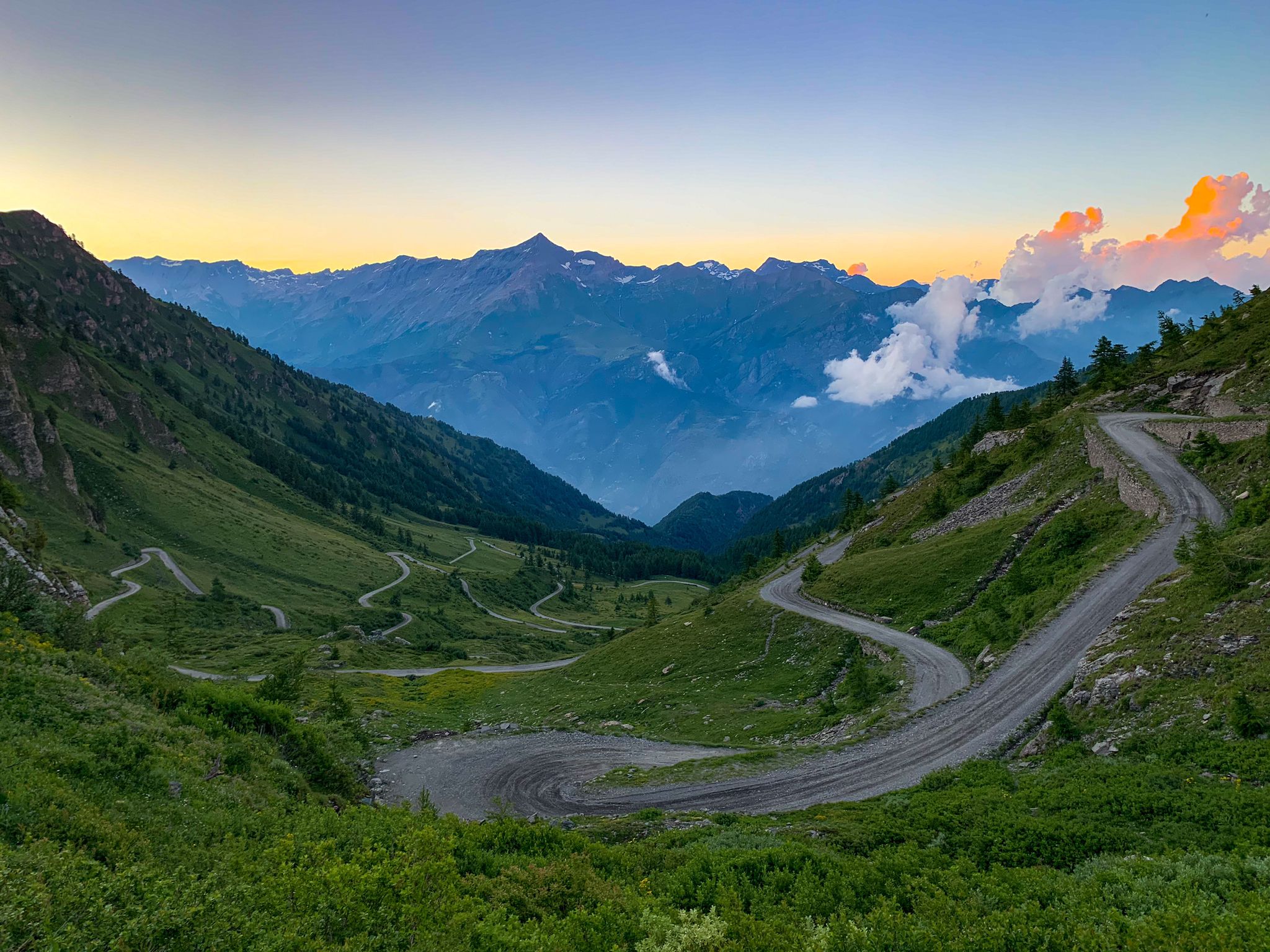
Located behind Trieste, Val Rosandra is a unique nature reserve where the homonymous stream has carved the only deeply incised valley of the Trieste Karst. The landscape is dominated by rugged limestone cliffs, white scree slopes, and vegetation that blends Mediterranean and continental species. Famous for its 36-meter-high waterfall, the valley is a sanctuary of biodiversity and history: it hosts the remains of a 1st-century AD Roman aqueduct and the ancient church of Santa Maria in Siaris. A prime location for Trieste's mountaineering, its cliffs were the school of Emilio Comici. Between arduous trails and views of the Gulf, Val Rosandra represents a concentration of wild nature and millennia-old testimonies, suspended between the Karst plateau and the Adriatic Sea.
0
0


Nice beach, next to the small harbor
0
0

The cave is closed indefinitely due to major damage. Nevertheless, it's worth a visit because of the surrounding forest botanical garden, which offers a good overview of the tree species planted in the forest and the (natural) vegetation on the ground.
2
0

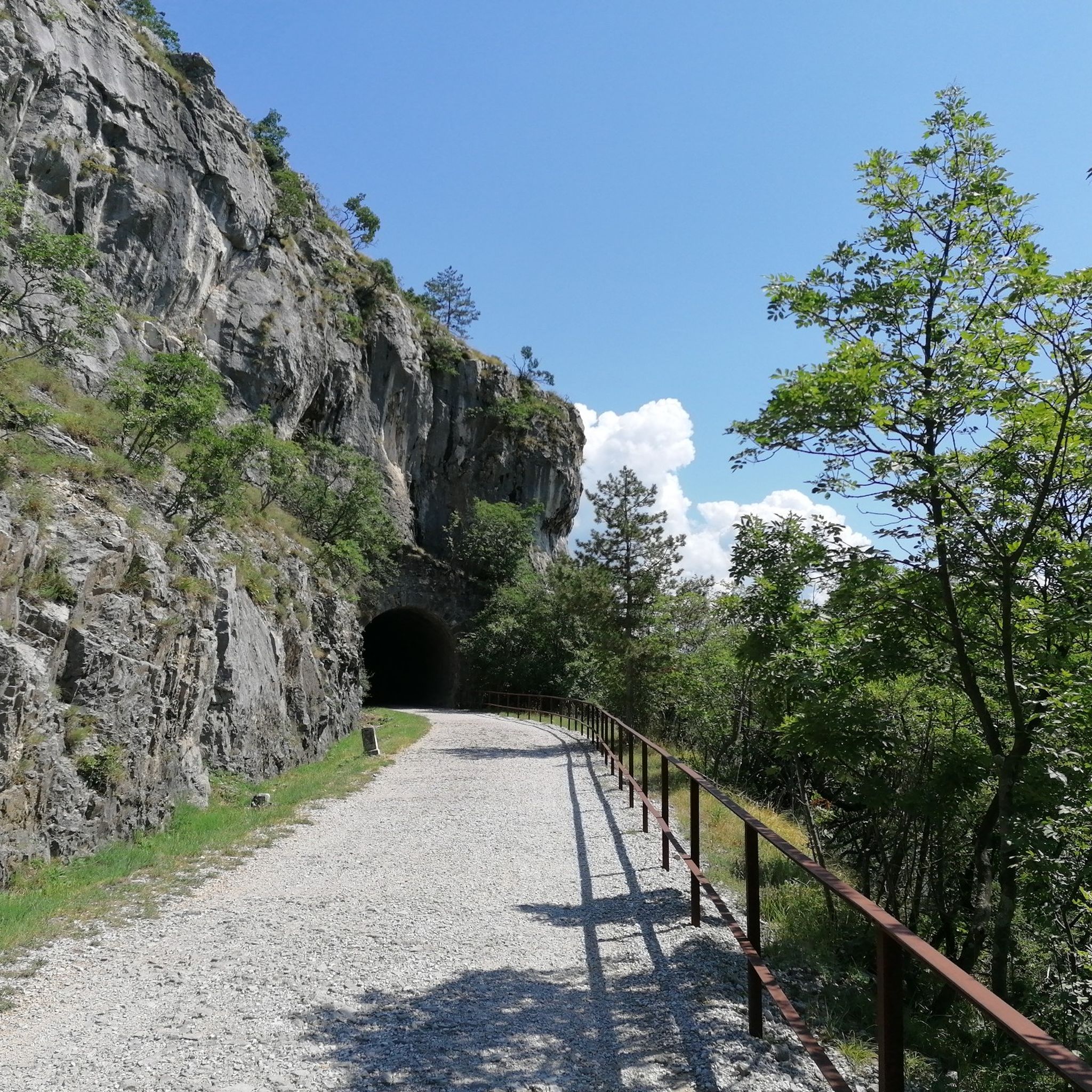
Not reachable by road bike, you need a gravel, trekking or MTB bike
0
0

Napoleon's Oak. The name seems to derive from the fact that it was used by French soldiers to tie their horses to (which is at least plausible, considering that the tree is certainly centuries old). According to another legend, less plausible, Napoleon Bonaparte himself stopped to rest in its shade (but in the last century throughout Europe there was an inflation of houses, hotels, castles and convents in which it was claimed that Napoleon would have stopped to sleep... a number so high as to be unlikely, and probably the result above all only of popular rumours).
0
0
The name seems to derive from the fact that it was used by French soldiers to tie their horses to (which is at least plausible, considering that the tree is certainly centuries old). According to another legend, less plausible, Napoleon Bonaparte himself stopped to rest in its shade (but in the last century throughout Europe there was an inflation of houses, hotels, castles and convents in which it was claimed that Napoleon would have stopped to sleep... a number so high as to be unlikely, and probably the result above all only of popular rumours).
0
0
Frequently Asked Questions
What unique natural features can I explore around Muggia?
The Muggia area, situated in Italy's Friuli-Venezia Giulia region, offers a diverse landscape. You can explore dramatic geomorphology, including deep gorges and the unique Karst plateau. Highlights include the deep gorge and 35-meter waterfall in Rosandra Valley, and the rare Mediterranean salt marsh at the Salt Marsh Boardwalk of Sveti Nikolaj.
Are there opportunities for hiking and walking among the natural monuments near Muggia?
Yes, the region is excellent for hiking and walking. The Rosandra Valley, for instance, offers diverse hiking trails for all skill levels. You can also find trails like the Salt Marsh Boardwalk of Sveti Nikolaj, which provides a unique walking experience through a protected ecosystem. For more hiking options, explore the Mountain Hikes around Muggia guide.
Can I go cycling to or around the natural monuments in the Muggia area?
Absolutely. The area is known for its cycle paths. A prominent example is the Giordano Cottur Cycle and Pedestrian Path, which follows an old Austro-Hungarian railway route, offering an easy ride with scenic sections, bridges, and tunnels. For more cycling routes, check out the Cycling around Muggia guide.
What makes the Val Rosandra Nature Reserve a significant natural monument near Muggia?
The Val Rosandra Nature Reserve, though a few kilometers from Trieste, is a key natural monument accessible from Muggia. It's defined by a deep gorge carved by the Rosandra Stream, cutting through the Karst plateau. It features limestone cliffs, a 35-meter waterfall, and is the only place in the Trieste Karst where a surface stream flows. It also boasts rich biodiversity and historical elements like an ancient Roman aqueduct and the Church of S. Maria di Siaris.
Is the Grotta Gigante considered a natural monument accessible from Muggia?
While not directly in Muggia, the Grotta Gigante (Giant Cave) is a world-renowned natural wonder located north of Trieste and is a significant attraction in the broader area. It's recognized as the world's largest single-chamber tourist cave, featuring colossal stalactites and stalagmites. It's a popular day trip for those staying in the Muggia region.
Are there family-friendly natural monuments around Muggia?
Yes, several natural monuments are suitable for families. The Napoleon Oak is a monumental, centuries-old tree that's easy to visit. The Salt Marsh Boardwalk of Sveti Nikolaj offers an educational and gentle walk on a wooden path, perfect for families to observe unique flora and fauna.
What historical elements can be found within the natural monuments near Muggia?
The region's natural monuments often intertwine with history. In the Rosandra Valley, you can find remnants of an ancient Roman aqueduct from the 2nd century B.C. and the ancient Church of S. Maria di Siaris. The Giordano Cottur Cycle and Pedestrian Path follows the route of an old Austro-Hungarian railway, offering a glimpse into the area's past transport links. The Napoleon Oak also carries historical legends.
What is the best time to visit the natural monuments around Muggia?
The Muggia region experiences a Mediterranean climate, making spring (April-June) and autumn (September-October) ideal for visiting, with pleasant temperatures for outdoor activities like hiking and cycling. Summer can be warm, but places like the Grotta Gigante offer a refreshing escape with a constant temperature of around 11°C (52°F) year-round.
Are there any natural monuments near Muggia that offer panoramic views?
Yes, several spots provide stunning vistas. The Rosandra Valley is known for its wonderful panoramic views of the Adriatic Sea and the surrounding Karst region. The Napoleon Oak is also situated in an area that offers scenic viewpoints.
What do visitors enjoy most about the natural monuments around Muggia?
Visitors frequently appreciate the diverse natural beauty and the opportunities for outdoor activities. The Giordano Cottur Cycle and Pedestrian Path is loved for its easy, scenic sections. The Rosandra Valley is a favorite for its wild aspect, cliffs, waterfall, and panoramic views. The sheer size and grandeur of the nearby Grotta Gigante also leave a lasting impression.
Can I find caves or unique geological formations among Muggia's natural monuments?
Yes, the region is rich in geological wonders. The Rosandra Valley is a prime example, featuring a deep gorge carved through the Karst plateau, with numerous caves and a dramatic waterfall. The Grotta Nera is another cave highlight, set within a forest botanical garden. The nearby Grotta Gigante is world-renowned for its colossal single chamber and spectacular formations.
Are the natural monuments around Muggia suitable for dog walking?
Many natural areas and trails around Muggia are dog-friendly, especially those in the Rosandra Valley. However, specific rules may apply in protected areas. For example, on the Salt Marsh Boardwalk of Sveti Nikolaj, dogs must be kept on a leash to protect the delicate ecosystem. Always check local signage or guidelines for specific natural monuments.
Most popular attractions around Muggia

Get inspired with the komoot mobile app


Explore more
Extend your search for the best caves by checking out these guides of the top ones around Muggia:
