Top 16 Natural Monuments around Vajont
Best natural monuments around Vajont are found within the Friulian Dolomites, a region characterized by impressive mountainous scenery and deep valleys. The area is profoundly marked by the Vajont Dam disaster, intertwining human impact with powerful natural forces. These sites offer a blend of natural beauty, geological significance, and historical memory. The landscape features dramatic canyons, mountain summits, and resilient natural features that have adapted to significant events.
Best natural monuments around Vajont
- The most popular natural monuments is Sentiero…
Last updated: October 2, 2026
Summit cross on Monte Jouf
Highlight • Summit
Translated by Google •
Tip by

Sentiero del Dint
Highlight (Segment) • Trail
Translated by Google •
Tip by

Sign up now to discover places like this
Get recommendations on the best single tracks, peaks, & plenty of other exciting outdoor places.
Navarons Village Fountain
Highlight • Rest Area
Translated by Google •
Tip by

Second viewpoint
Highlight • Viewpoint
From here you dominate the Forra del Cellina and you can see the old Valcellina road.
Translated by Google •
Tip by

Adriano Bruna Botanical Trail and Caves
Highlight (Segment) • Cave
Translated by Google •
Tip by

Sign up for free to discover even more natural monuments around Vajont.
Already have an account?
Start today with a free account
Your next adventure awaits.
Tips from the Community

Special and relaxing place.
0
0

An important, well-maintained water fountain for refilling water containers before the climb to Poffabro. When I was there, a watermelon was stored in the fountain, protected by goldfish.
0
0

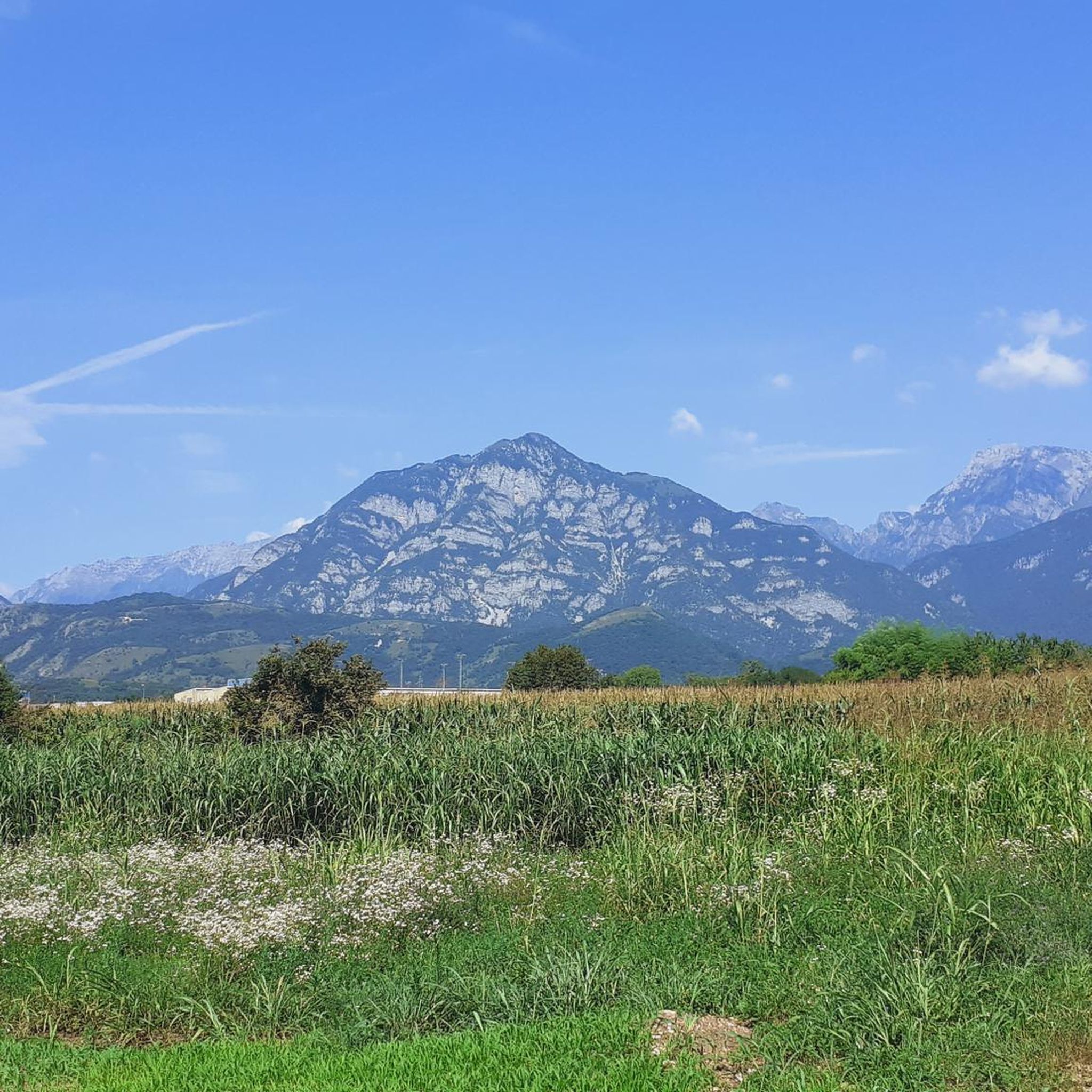
Mount Jôuf is a peak in the Carnic Prealps that rises behind the city of Maniago. This name, quite common in the mountain environment, literally translates to "yoke" (long and rounded mountain summit). The name appears for the first time in 1286, in the Municipal Archives of Maniago, and today it is written in various ways including: Iouf, Jouf, Jôf, Iof and Jof. Its main peak, an enchanting grassy clearing at 1,224 m, in a panoramic position on the Friulian plain, is recognizable by a modest flag with a rudimentary bench. In reality there is also a lower peak, traditionally recognized, located at 1,203 m and reachable from the saddle below. Here there is a large cross with a summit book. Nearby there is a meteorological station that reduces the view.
0
0

Beautiful place to fill your water bottle. the view is beautiful
0
0
Beautiful view to see while filling your water bottle!
0
0

Many times the cold and the water element create ephemeral works, in this case the glacial work was formed on the fountain of Navarons.
0
0

Beautiful place in nature
0
0

A day of photography between nature, grazing light and small unexpected events. I'll tell you about my approach, the techniques used and how to transform a difficult context into an opportunity for extraordinary shots. Follow the path and get inspired!
0
0
Frequently Asked Questions
What unique natural features around Vajont are connected to its history?
The Vajont area is profoundly marked by the 1963 dam disaster. Key natural features include the visible landslide scar on Mount Toc, a stark reminder of the geological event. The Vajont Valley itself, with its remaining, much smaller reservoir, visually demonstrates how the landscape was dramatically altered. Additionally, a remarkable "Living Monument" Spruce Tree, uprooted during the landslide but regrown with seven new vertical branches, symbolizes nature's resilience.
Are there significant viewpoints to appreciate the Vajont area's landscape?
Yes, the region offers several impressive viewpoints. The Second viewpoint features a small protruding walkway from which you can dominate the entire Cellina Gorge and see the old Valcellina road. Another excellent spot is the Summit cross on Monte Jouf, which provides panoramic views of the surrounding mountains and valleys.
What kind of hiking trails can I find near the natural monuments in Vajont?
The Vajont area, nestled in the Friulian Dolomites, offers a variety of hiking experiences. You can find trails like Sentiero del Dint, which is immersed in a beech forest and features several panoramic points. For more options, explore the numerous routes available for hiking around Vajont, ranging from moderate to difficult, such as the Par Crous historic trail to Forcella Crous.
Are there family-friendly natural monuments or trails in the Vajont area?
Yes, there are options suitable for families. The Adriano Bruna Botanical Trail and Caves is a great choice, with a compact dirt path suitable for strollers with high wheels and a small 'ford' that children often enjoy. The Navarons Village Fountain is also listed as family-friendly and wheelchair accessible, offering a pleasant stop in a small village.
What is the best time of year to visit the natural monuments around Vajont?
The Friulian Dolomites, where Vajont is located, are beautiful throughout the year. However, for hiking and fully enjoying the natural scenery, spring (late April to June) and autumn (September to October) generally offer pleasant temperatures and vibrant landscapes. Summer can also be excellent, though it might be busier. Winter provides a different, often snow-covered, experience for those prepared for colder conditions.
Where can I find water or refreshments near the natural monuments?
In the small village of Navarons, you can find the Navarons Village Fountain, which provides cold and delicious drinking water. While specific cafes directly at every natural monument might be limited, the nearby villages of Erto, Casso, and Longarone offer various accommodation, cafes, and pubs where you can find refreshments.
What other natural attractions are near Vajont beyond the immediate dam area?
Beyond the immediate Vajont Dam area, the broader Friulian Dolomites Natural Park offers stunning attractions. The Cellina Gorge Nature Reserve (Forra del Torrente Cellina) is a must-see, featuring a spectacular canyon with steep rocks and crystal-clear waters. Lake Barcis, an emerald-colored artificial lake in Valcellina, is also a popular destination for water sports and excursions.
Can I explore the Vajont Valley and the remaining reservoir?
Yes, the Vajont Valley is accessible, and you can observe what remains of the artificial lake. The reduced size of the reservoir, coupled with the visible landslide debris that now fills much of the valley, serves as a powerful visual reminder of the disaster's aftermath. The natural setting, combined with the historical context, makes for a deeply moving experience. Guided tours often trace paths at the foot of Mount Toc, allowing for closer inspection.
Are there any easy hikes suitable for beginners near Vajont's natural monuments?
For beginners, the Adriano Bruna Botanical Trail and Caves offers a compact dirt path that is generally easy to navigate. While many trails in the Dolomites can be intermediate, looking for routes specifically marked as 'easy' or 'family-friendly' within the hiking guide for Vajont will help you find suitable options.
What do visitors particularly enjoy about the natural monuments in this region?
Visitors appreciate the profound blend of natural beauty and historical significance. The sheer scale of the landslide scar on Mount Toc and the resilience symbolized by the "Living Monument" Spruce Tree leave a lasting impression. The panoramic views from spots like the Second viewpoint and the serene beauty of trails like Sentiero del Dint are also highly praised, often described as 'wonderful' and 'a show!'
Is there parking available near the natural monuments in Vajont?
Yes, for some natural monuments, parking is available. For instance, the Adriano Bruna Botanical Trail and Caves starts from a small car park located immediately after the second tunnel coming from Maniago. It's advisable to check specific highlight details or local signage for parking options at other locations.
What should I bring for a hike around the Vajont natural monuments?
When hiking in the Vajont area, it's recommended to wear appropriate footwear, such as trekking shoes or sturdy sneakers. Depending on the trail, you might encounter various terrains. Always carry enough water, especially if you plan to be out for an extended period, though some spots like the Navarons Village Fountain offer opportunities to refill. Layers of clothing are also advisable due to changing mountain weather.
Most popular attractions around Vajont

Get inspired with the komoot mobile app


Explore more
Extend your search for the best caves by checking out these guides of the top ones around Vajont:
