Top 4 Natural Monuments around Meldola
Best natural monuments around Meldola are found within the Emilia-Romagna region of Italy, offering diverse natural features. The area includes significant natural reserves and unique geological formations. Visitors can explore a landscape characterized by historical sites and natural beauty. These features provide opportunities for outdoor activities and connecting with the local environment.
Best natural monuments around Meldola
- The most popular natural monument is Marco Pantani Memorial Rock, Montevecchio, a man-made monument and natural monument that marks a climb frequented…
Last updated: August 22, 2026
Ladino Weir
Highlight • Monument
Translated by Google •
Tip by

Francesca's Cypress in Polenta
Highlight (Segment) • Natural Monument
Translated by Google •
Tip by

Sign up now to discover places like this
Get recommendations on the best single tracks, peaks, & plenty of other exciting outdoor places.
Sign up for free
Marco Pantani Memorial Rock, Montevecchio
Highlight • Monument
Translated by Google •
Tip by

Rupe dei Cozzi
Highlight • Climb
The boulder was indicated by the C.A.I. of Forlì as a climbing wall.
(Source: romagnatoscanaturismo.it/itinerari/rupe-dei-cozzi/)
Translated by Google •
Tip by

Ruins of Castelnuovo Castle
Highlight • Castle
Castle documented since 900, which belonged to the Calboli and known by the name of Castrum novi.
It then passed into the ownership …
Translated by Google •
Tip by

Sign up for free to discover even more natural monuments around Meldola.
Sign up for free
Already have an account?
Start today with a free account
Your next adventure awaits.
Login or Signup
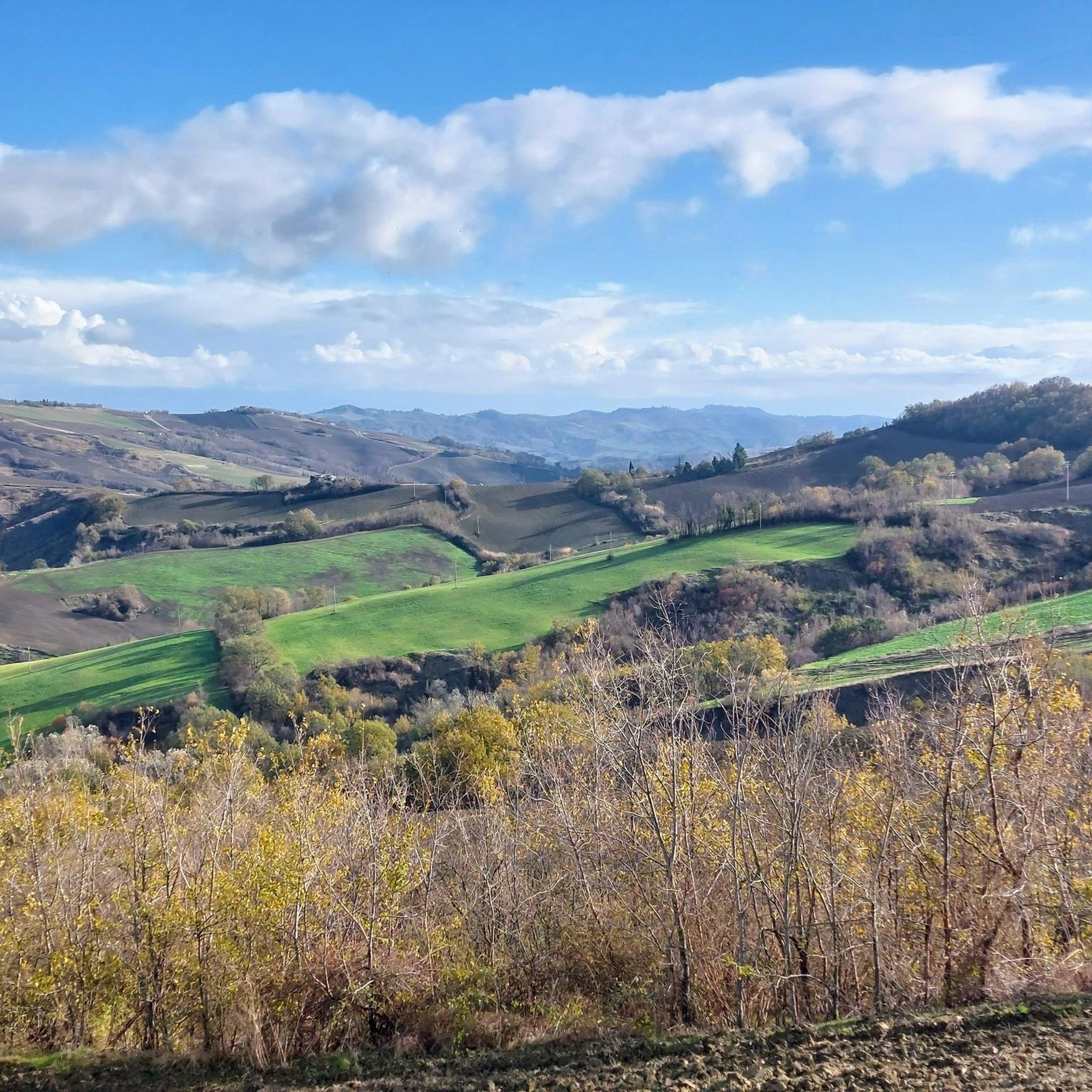
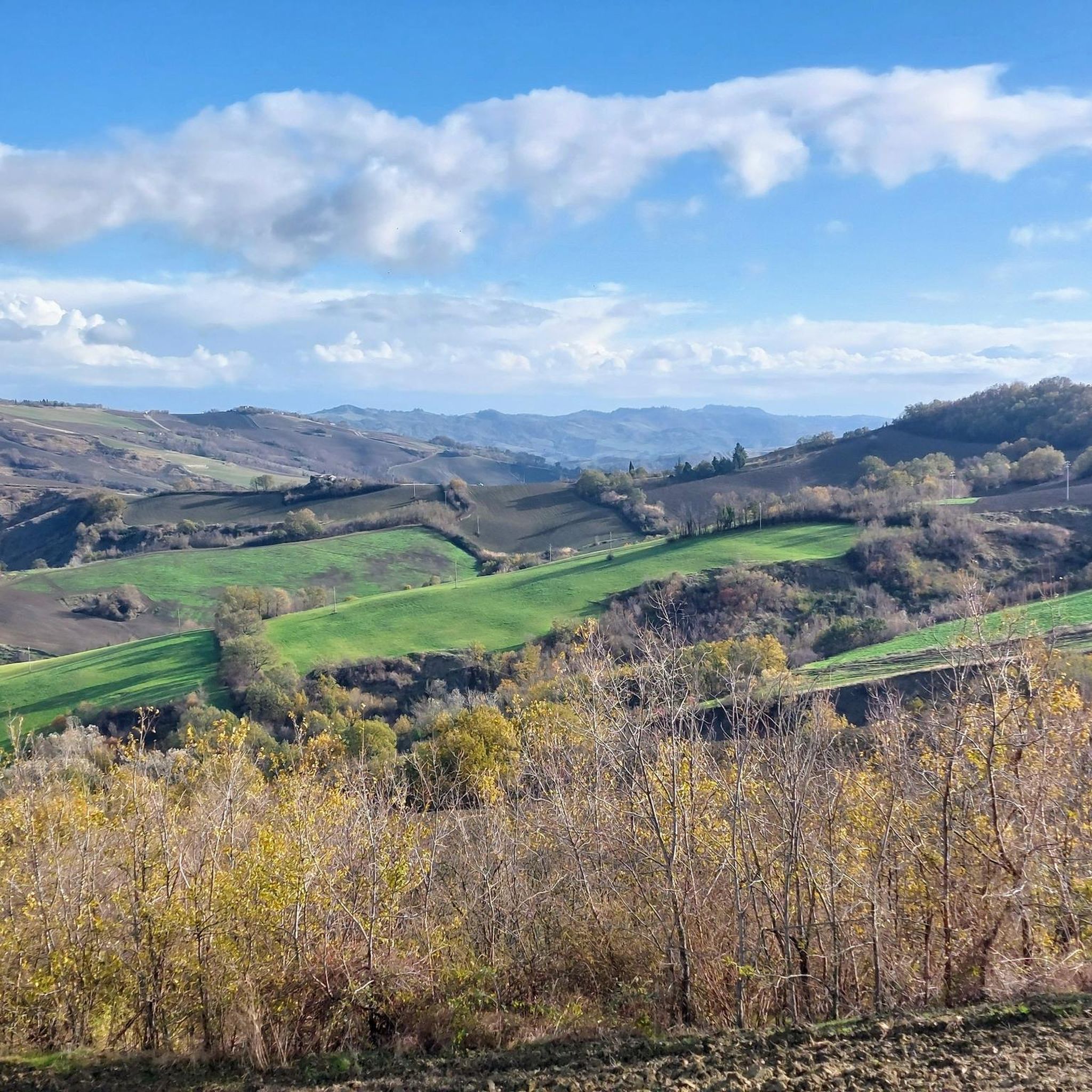
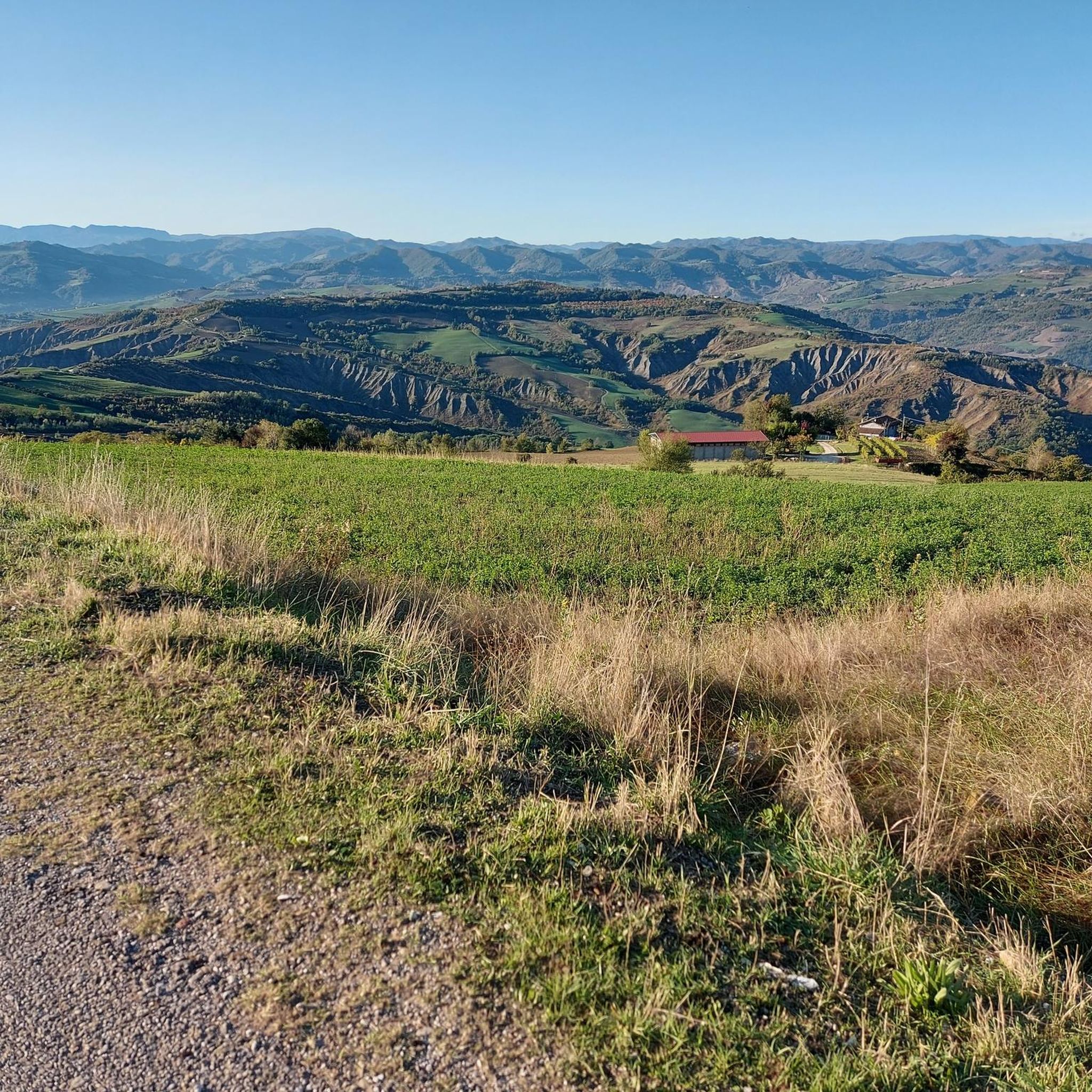
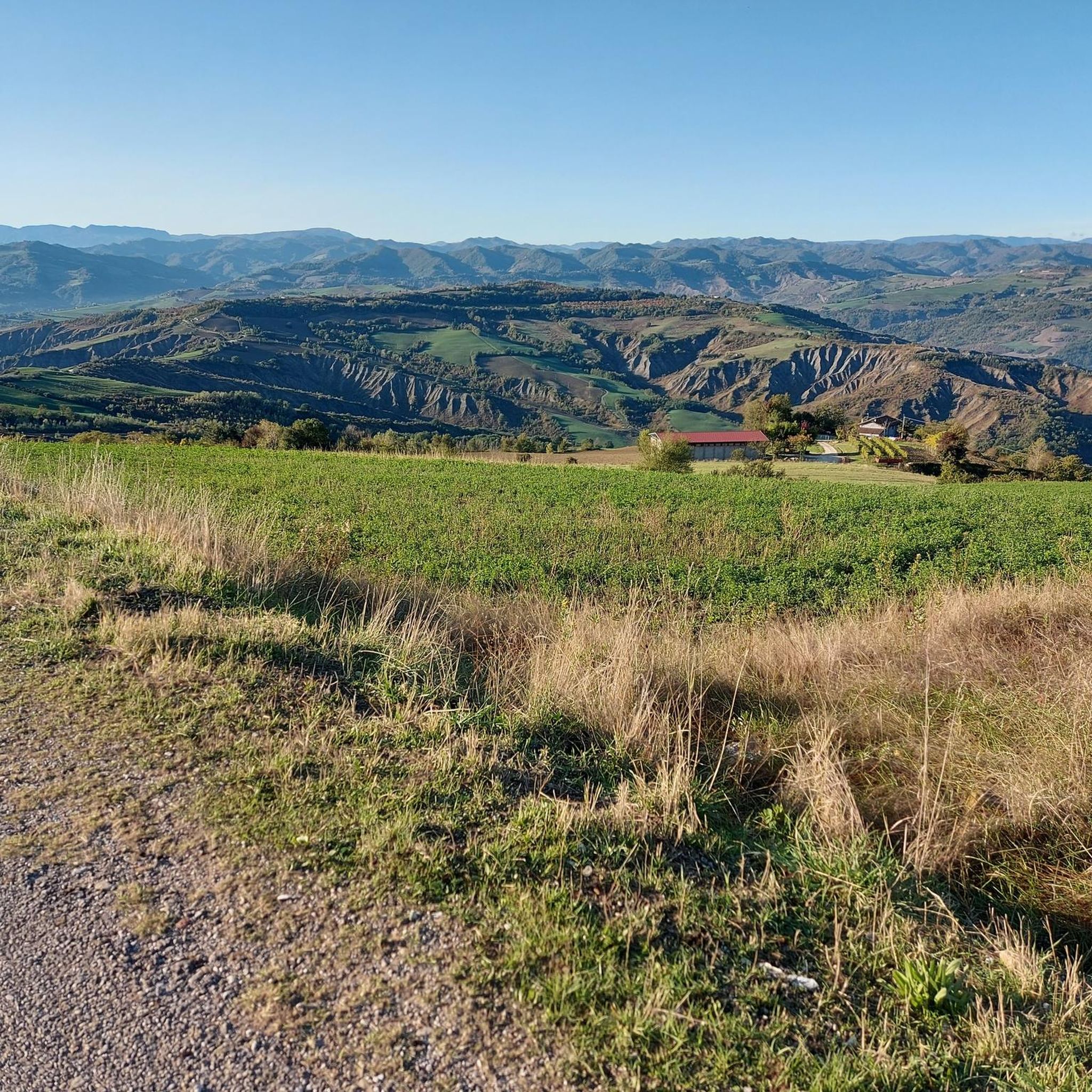

Tips from the Community

Legends never die.
1
0

At the top of Montevecchio one of the pirate's favorite climbs, 20 km from Cesenatico
1
0

The Chiusa di Ladino is an artificial dam that creates a waterfall with several pools of water. These pools are suitable for swimming in the summer, provided there is no extreme drought. The Chiusa di Ladino plays an important role in serving the Romiti canal.
0
0

Unfortunately, following the flood of May 2023, much of the pedestrian cycle along the river, between Forlì (Urban Park) and Castrocaro (Park), is not accessible by bicycle or, with difficulty, on foot. The unusable section also includes the one facing the Ladino lock
0
0

Ruins of the castle of Castelnuovo (Meldola). Castle documented since 900, which belonged to the Calboli and known by the name of Castrum novi. It then passed into the ownership of the lords of Castrocaro and in 1141 to the Church of Ravenna, before returning after various vicissitudes to the De Calboli in 1264. Repurchased by the church of Ravenna in 1234 it then passed to the Ordelaffi family in 1350 who fortified the site and had the tower built there. The church managed to repossess the castle in 1362 by Cardinal Egidio Albornoz. The following centuries saw the domination of the Malatesta, the Manfredi, the Iseo, Caterina Sforza and the Venetians who held it until 1509. Returning to the Holy See, it was finally granted as a fief to the Iseo, the Aldrobandini and lastly the Doria Pamphilj. Of the ancient castle there remain imposing ruins of the tower, located in a dominant position at the top of the hill, a cluster of houses which probably included the town hall and the hospital of Sant'Antonio, and about a hundred meters towards the valley the remains of the bell tower of the parish church dating back to the 15th century. Fortress built between the Bidente and Voltre valleys, from the top of the hill on which the tower stands it is possible to control both valleys with a view that extends as far as the sea. The nearby castles of Teodorano, Meldola and Rocca Caminate are clearly visible
0
0

Giosuè Carducci in his Ode to the church of Polenta writes these verses in honor of Francesca, considered by the writer as a mythical figure, a new virtuous and courageous heroine, muse and symbol of the triumph of beauty and, at the same time, of the victory of freedom against injustices and oppressions. A mythical cypress still stands today on one of the hills near Polenta (the Conzano hill), where tradition has it that Francesca often went up there in romantic contemplation. The original tree, destroyed by lightning on July 21, 1898, was replaced by a new cypress that Carducci replanted in October of the same year. In the large pit prepared for planting, a small ark was also built in which a metal tube was placed containing a parchment bearing the following words: "October 26, 1898. Replanted the ancient cypress of the Ode to Polenta". In 1944 the cypress was blown up by German troops out of contempt, during the retreat from the Gothic Line. For this reason Aldo Spallicci, intellectual and anti-fascist, wanted to replant the cypress as a sign of the rebirth of republican Italy after twenty years of fascist dictatorship. The current cypress was planted by Prof. Roversi Monaco in 1994, while he was Magnificent Rector of the University of Bologna, on the occasion of the start of university activities in Romagna.
2
0

La Rupe is a high wall formed by a characteristic rock that takes the name of "Sasso Spungone". The boulder was indicated by the C.A.I. of Forlì as a climbing wall. (Source: https://www.romagnatoscanaturismo.it/itinerari/rupe-dei-cozzi/)
1
0

Well ... strange, on the way out, around 2 pm, the lock was closed, on the way back completely open, a lot of water came down, beautiful ..
1
0
Frequently Asked Questions
What unique natural features can I explore around Meldola?
Meldola offers a variety of natural features. You can discover the Ladino Weir, an artificial dam creating picturesque waterfalls and pools. The area also features the Francesca's Cypress in Polenta, a historically significant tree and viewpoint. For geological formations, visit the Rupe dei Cozzi, a high wall of 'Sasso Spungone' rock. Beyond these, the region boasts the Riserva Naturale Orientata Bosco di Scardavilla, the intriguing Grotta delle Fate (Fairy's Cave), and scenic views from Mount Castellaccio and Mount Sassone.
Are there opportunities for hiking near Meldola's natural monuments?
Yes, Meldola provides several hiking opportunities. The Grotta delle Fate is accessible along the 'Path of the Saint,' which also offers views of Mount Castellaccio and Mount Sassone. For structured routes, you can explore trails like the 'Teodorano Castle loop from Teodorano' (7.7 km, moderate) or the 'Monte Vescovo loop from Meldola' (10.7 km, moderate). More options are available in the Hiking around Meldola guide.
What historical or cultural sites are integrated with the natural monuments in Meldola?
Several natural monuments in Meldola have historical or cultural significance. The Francesca's Cypress in Polenta is deeply rooted in literary and historical events, having been replanted multiple times. The Ladino Weir, while a natural feature, historically powered local mills. Additionally, the Marco Pantani Memorial Rock, Montevecchio, is a man-made monument within a natural setting, honoring the famous cyclist. The 'Path of the Saint' near Grotta delle Fate also leads to the Hermitage of Montepaolo, where St. Anthony of Padua once resided.
Are there any family-friendly natural monuments or activities in the Meldola area?
The Ladino Weir is considered family-friendly and offers picturesque views and pools that were historically used for swimming in summer. The Riserva Naturale Orientata Bosco di Scardavilla, which can be visited by booking a tour, provides an immersive nature experience suitable for families interested in local flora and fauna. For an easy hike, consider the 'Castelnuovo Castle loop from Montevescovo' (5.6 km, easy) mentioned in the Hiking around Meldola guide.
What is the best time of year to visit the natural monuments around Meldola?
The natural monuments around Meldola are generally best visited during the spring, summer, and early autumn months. During these seasons, the weather is more favorable for outdoor activities like hiking and exploring. The pools at Chiusa di Ladino are particularly inviting for swimming in the summer, provided there isn't extreme drought. Always check local weather conditions before your visit.
Can I go cycling near the natural monuments in Meldola?
Yes, the Meldola area is popular for cycling. You can find various routes, including the 'Ascent to Bertinoro – Historic center of Bertinoro loop from Meldola' (25.5 km, moderate) or the 'Rabbi Bridge – Castrocaro Fortress loop from Meldola' (49.3 km, moderate). The Cycling around Meldola guide and Road Cycling Routes around Meldola guide offer more options for different skill levels.
Are there any viewpoints among the natural monuments in Meldola?
Yes, the Francesca's Cypress in Polenta is a notable viewpoint, offering scenic vistas from its hilltop location. Additionally, the 'Path of the Saint' provides opportunities to admire Mount Castellaccio and Mount Sassone, which offer beautiful natural views. The ruins of Castelnuovo Castle also provide a dominant position with extensive views.
What do visitors enjoy most about the natural monuments around Meldola?
Visitors appreciate the diverse natural beauty and the blend of natural and historical elements. The Ladino Weir is enjoyed for its picturesque waterfall and historical context. The Marco Pantani Memorial Rock, Montevecchio, is a significant landmark for cycling enthusiasts. The overall appeal lies in the opportunities for outdoor activities, connecting with nature, and exploring unique geological formations and culturally rich sites.
Are there any hidden gems or less-known natural monuments worth exploring near Meldola?
While not widely publicized, the Grotta delle Fate (Fairy's Cave) offers an intriguing natural feature along the 'Path of the Saint,' suggesting a sense of wonder and local folklore. The Riserva Naturale Orientata Bosco di Scardavilla is also a significant natural reserve that provides a deeper immersion into local flora and fauna, often requiring a booked tour for access, making it a more exclusive experience.
Is there accommodation or dining options near the natural monuments in Meldola?
While specific cafes or accommodation directly adjacent to every natural monument are not detailed, Meldola itself, as a town in the Emilia-Romagna region, offers various options for dining and lodging. Visitors can find local restaurants and places to stay within Meldola and its surrounding villages, providing convenient access to the natural attractions.
What is the 'Sasso Spungone' rock formation, and where can I see it?
The 'Sasso Spungone' is a characteristic type of rock formation found in the Meldola area. You can see a prominent example at the Rupe dei Cozzi, which is a high wall formed by this unique rock. The C.A.I. of Forlì has even designated it as a climbing wall, highlighting its distinctive geological features.
Most popular routes around Meldola
Most popular attractions around Meldola

Get inspired with the komoot mobile app


Explore more
Extend your search for the best caves by checking out these guides of the top ones around Meldola:
