Top 20 Natural Monuments around Sorrento
Best natural monuments around Sorrento are found in a region characterized by its dramatic cliffs overlooking the Bay of Naples. This area features a diverse natural landscape, from ancient Roman ruins nestled by the sea to deep gorges reclaimed by nature. The Sorrento Peninsula offers a variety of natural features, including protected marine areas, unique rock formations, and elevated viewpoints. These sites provide insights into the region's natural and historical value.
Best natural monuments around Sorrento
- The most popular natural…
Last updated: May 16, 2026
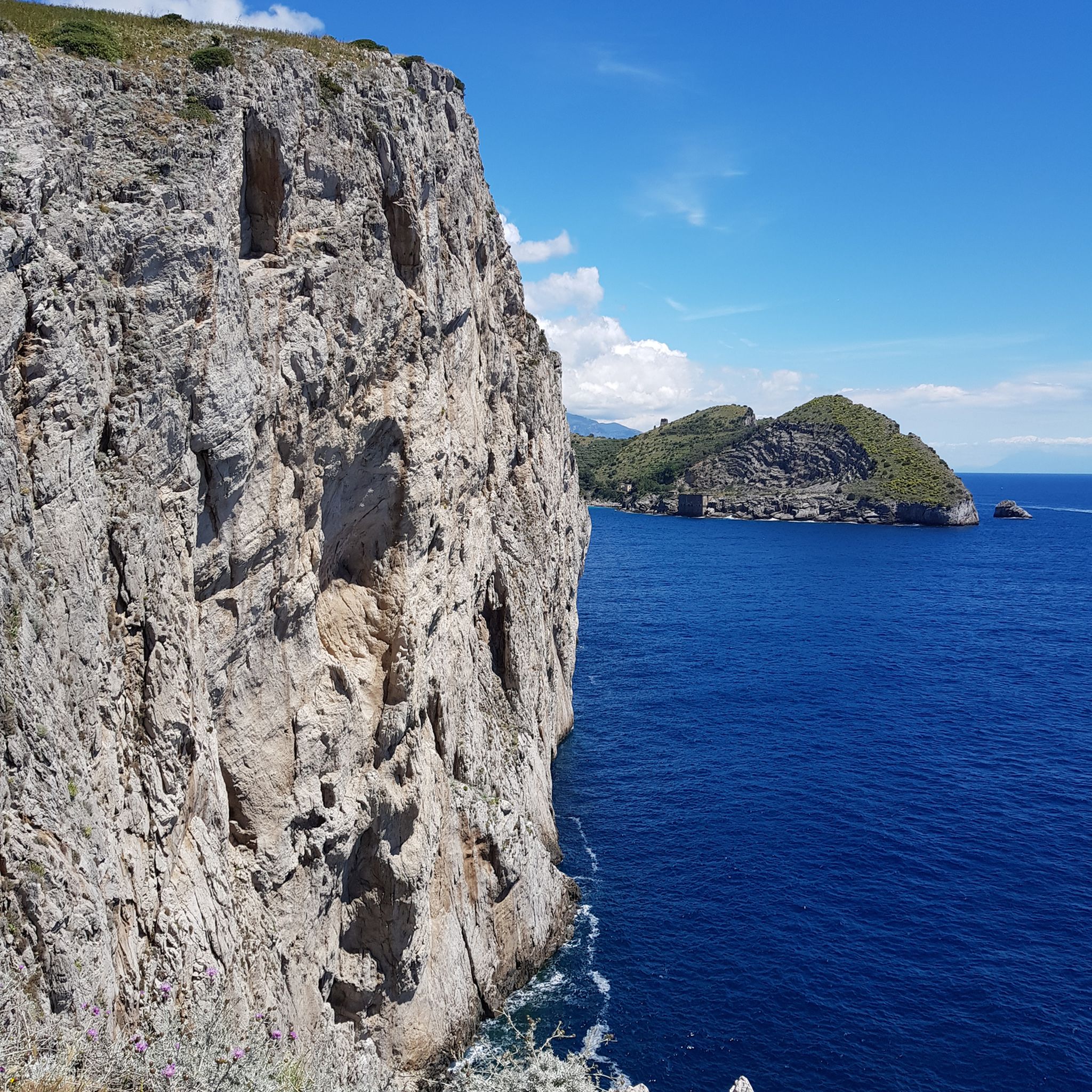
Ieranto Bay
Highlight • Beach
Translated by Google •
Tip by

Montepertuso Rock Arch
Highlight • Natural Monument
According to popular mythology, centuries ago, people who came …
Translated by Google •
Tip by
Sign up now to discover places like this
Get recommendations on the best single tracks, peaks, & plenty of other exciting outdoor places.
Sign up for free
View across the valley to Nocelle
Highlight • Viewpoint
Translated by Google •
Tip by

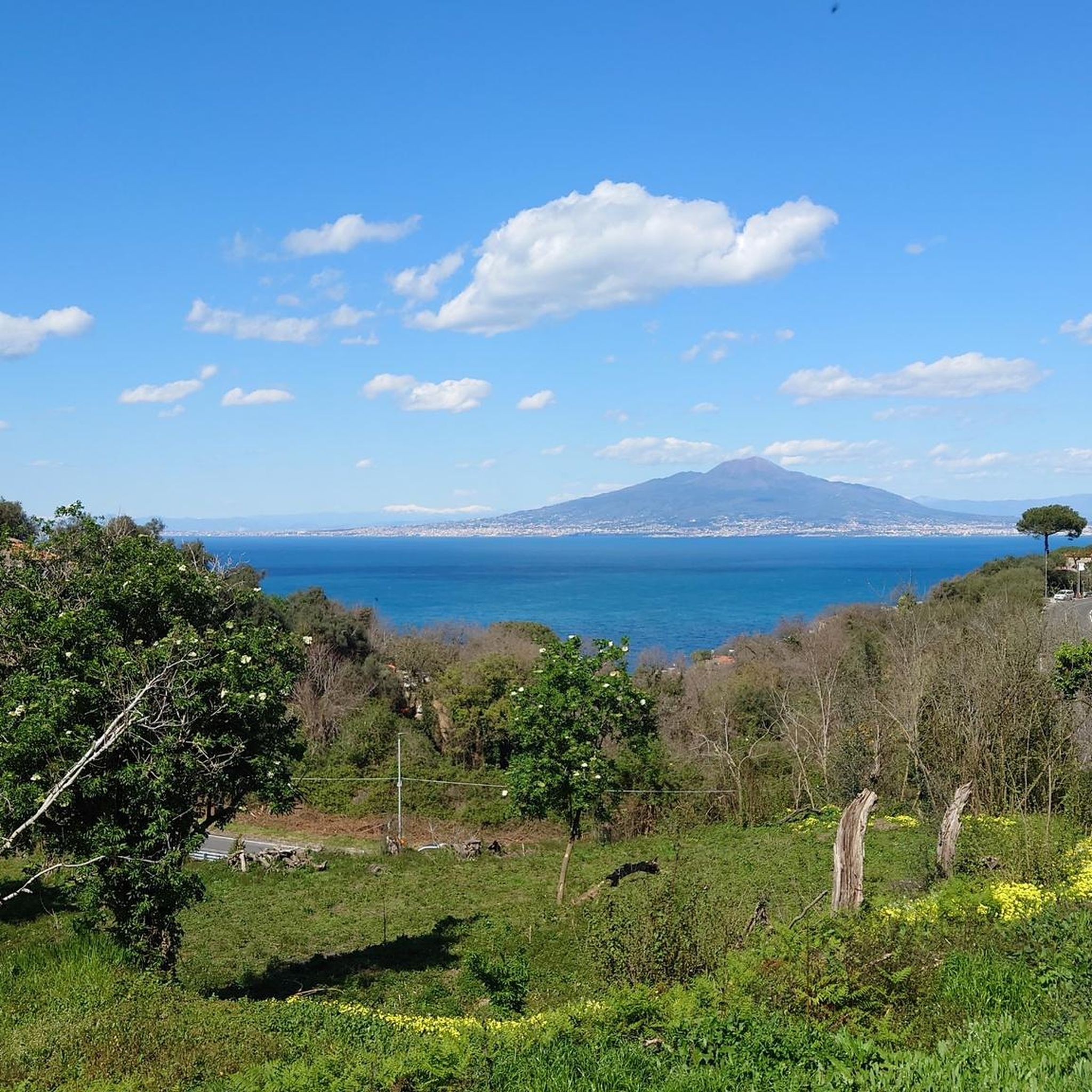
Mount San Costanzo
Highlight • Summit
On I due Golfi
That of Salerno and Naples
A breathtaking sight
Translated by Google •
Tip by

Crapolla Fjord
Highlight • Gorge
Translated by Google •
Tip by
Sign up for free to discover even more natural monuments around Sorrento.
Sign up for free
Already have an account?
Start today with a free account
Your next adventure awaits.
Login or Signup
Tips from the Community

Beautiful view of the mountain with a hole, precisely the "pretuso"
0
0

Beautiful views from the panoramic point of Monte San Costanzo.
1
0

Montepertuso or the pierced mountain
1
1

The hike on the Sentiero degli Dei from Bomerano to Positano is a highlight on the Amalfi Coast. Breathtaking views accompany the path, which does not require a guide, but does require good shoes and plenty of water. After about 30 minutes, the path splits into a higher and a lower route, which later merge again. The destination is Nocelle, where you can fortify yourself with a refreshing lemon slush. From there, two paths lead down to Positano, either via Montepertuso or directly over hundreds of steps. Setting off early in the morning is recommended.
2
1

It is a fascinating place located on the Amalfi Coast, precisely in the hamlet of Montepertuso, which is part of Positano. According to popular mythology, centuries ago, people who came from the deep east lived inside some natural caves in the heart of the mountain. The Devil, wishing to demonstrate his power and ability to Our Lady, attempted to create a hole right inside the mountain, using only his hands. However, despite his efforts, the Demon failed in his attempt. Moved by pity for his failure, the Madonna raised her hand and touched the mountain: the rock suddenly crumbled and the Devil fell down the precipice, ending up on the stones below. Montepertuso is also a starting point for the famous Path of the Gods, which connects Agerola to Nocelle
2
0
The Crapolla Fjord can only be reached on foot starting from the small square of Torca, following a well-marked blue path. It is a path of high difficulty (and therefore not recommended for those who do not like long and tiring walks). It is grafted onto an old mule track surrounded by Mediterranean flora which, at a certain point, includes a branch (this time traced with the white-red band), which includes a path made up of 700 steps leading to the fjord. After passing the chapel of San Pietro you reach the longed-for place! The Crapolla fjord in Massa Lubrense looks like a deep fissure in the rock that insinuates itself into a high cliff for a length of about 150 meters which gradually extends downwards, ending in the small beach. To the west of the inlet it is possible to see the remains of a Roman villa where portions of the walls in opus reticolatum can be recognized. .... ... Here is the complete information: https://www.aboutsorrento.com/cosa-fare/il-fiordo-di-crapolla-a-massa-lubrense/
1
1
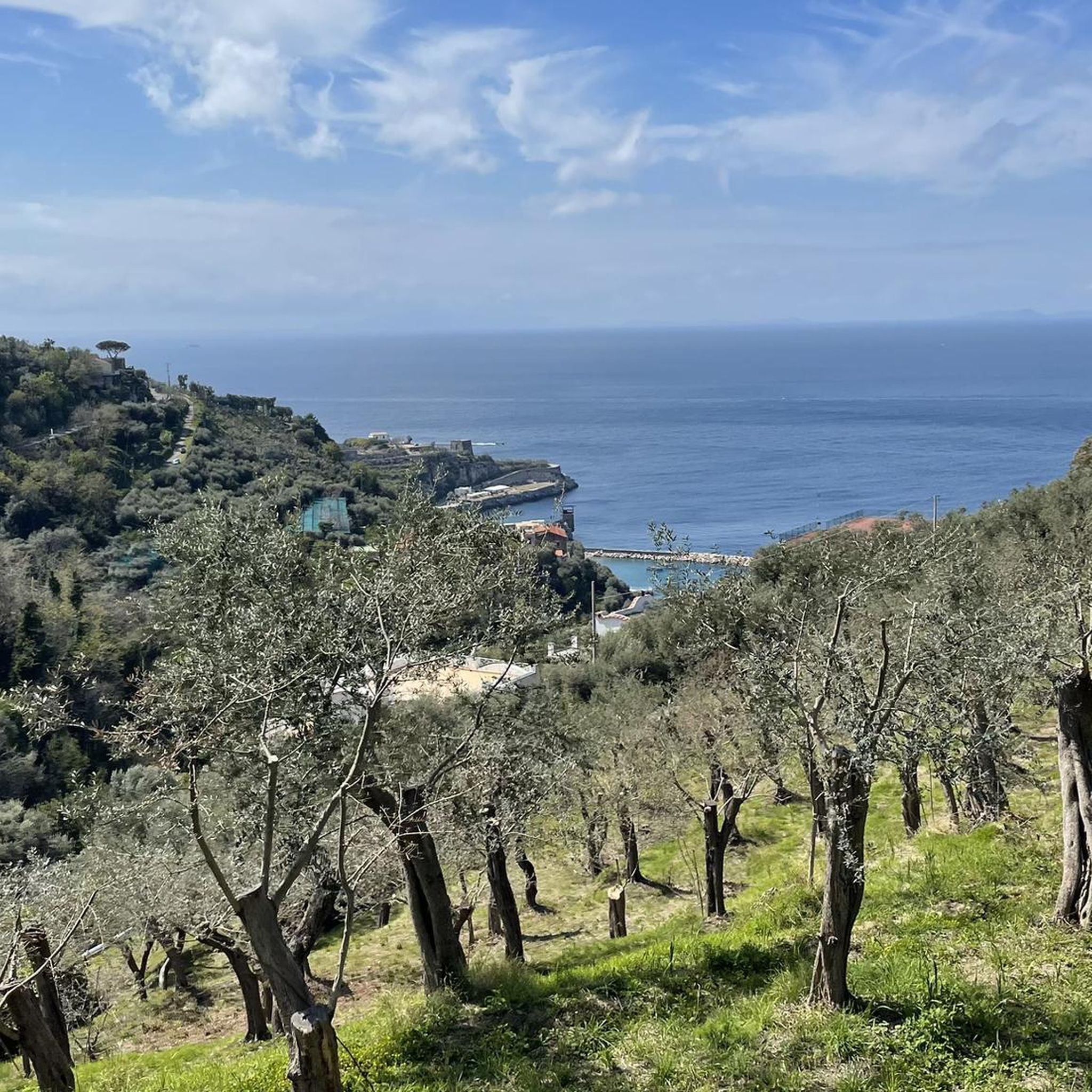
I have took a hiking trip to Bay of Ieranto. You have be early in the morning to get there to avoid the heat of the sun. Got to be in shape to do the trail. There two ways to go there the easy trail on your left and hard steep down to the right. Look in YouTube for a YouTuber name WRHaE he video the trail going to the Bay and going back. All around review it’s a nice place to visit but you have to work for it. ;)
1
0
The path of the gods is spectacular! You have to face it with trekking clothing and above all with sturdy shoes.
4
0
Frequently Asked Questions
What kind of natural features can I expect to see around Sorrento?
The Sorrento region is rich in diverse natural features, from dramatic cliffs overlooking the Bay of Naples to ancient Roman ruins nestled by the sea. You'll find protected marine areas, unique rock formations, deep gorges, and elevated viewpoints offering stunning panoramas. Highlights include the clear turquoise waters of Ieranto Bay and the impressive Montepertuso Rock Arch.
Are there any natural monuments with historical significance in Sorrento?
Yes, several natural monuments in Sorrento offer a fascinating blend of nature and history. The Regina Giovanna Baths, for instance, are not only a beautiful swimming spot but also home to the significant ruins of a Roman villa dating back to the 1st century BC. Similarly, the Valley of the Mills showcases overgrown ruins of ancient flour mills, a sawmill, and a public wash house, all reclaimed by lush vegetation.
What are some of the best spots for swimming and snorkeling near Sorrento's natural monuments?
Sorrento offers several excellent locations for swimming and snorkeling. Ieranto Bay is renowned for its crystal-clear turquoise waters and pebble beach, making it ideal for water activities. Cala di Mitigliano also features vibrant turquoise waters and is popular for swimming, snorkeling, and diving. The Regina Giovanna Baths provide a unique experience with their emerald lagoon carved into the rocks.
Are there challenging hikes to reach some of the natural monuments?
Yes, some natural monuments require more challenging hikes. The Crapolla Fjord, for example, can only be reached on foot via a path of high difficulty, including about 700 steps. This route is recommended for those who enjoy long and strenuous walks. Always wear appropriate trekking shoes and carry water, especially during warmer hours.
Which natural monuments offer the best panoramic views?
For breathtaking panoramic views, consider visiting Mount San Costanzo, which offers a 360° vista of both the Gulf of Naples and the Gulf of Salerno. The Marine Protected Area Punta Campanella also boasts elevated points with magnificent views of the surrounding islands. Additionally, Villa Comunale Park, while a public park, provides enchanting views of the Bay of Naples and Mount Vesuvius from its elevated position.
What outdoor activities can I do near Sorrento's natural monuments?
Beyond visiting the monuments themselves, the region around Sorrento offers various outdoor activities. You can explore numerous hiking trails, such as those found in the Hiking around Sorrento guide, which includes routes like the Lubrensi Trails Loop. Cycling is also popular, with options ranging from moderate to difficult, as detailed in the Cycling around Sorrento guide.
Are there any family-friendly natural monuments or activities in Sorrento?
While specific 'family-friendly' categories aren't always explicit, many natural monuments can be enjoyed by families depending on accessibility. The Villa Comunale Park offers an easy, pleasant stroll with beautiful views, suitable for all ages. Beaches like Ieranto Bay (though the hike down can be challenging) and Cala di Mitigliano are great for swimming and relaxing. For easier walks, consider routes like 'Itinerary 13: Capo di Sorrento Loop' from the Hiking around Sorrento guide.
What is the accessibility like for natural monuments in Sorrento?
Accessibility varies significantly among Sorrento's natural monuments. Some, like the Valley of the Mills, are centrally located and easily accessible within the urban area. Others, such as the Regina Giovanna Baths, can be reached via a scenic walk or private boat. More remote sites like the Crapolla Fjord require challenging hikes with many steps, making them less accessible for those with mobility concerns.
What do visitors enjoy most about the natural monuments around Sorrento?
Visitors frequently praise the spectacular views and the unique blend of natural beauty and historical intrigue. Many highlight the crystal-clear waters for swimming and snorkeling, the dramatic coastal landscapes, and the sense of tranquility found away from more crowded areas. The challenging yet rewarding hikes to places like Crapolla Fjord are also a favorite for adventurous visitors.
What is the best time of year to visit the natural monuments in Sorrento?
The best time to visit Sorrento's natural monuments is generally during the spring (April-May) and early autumn (September-October). During these periods, the weather is pleasant for hiking and exploring, and the crowds are typically smaller than in the peak summer months. Summer (June-August) offers warm temperatures ideal for swimming, but trails can be hot, and popular spots may be very busy.
Are there any natural monuments that are part of a protected area?
Yes, the Marine Protected Area Punta Campanella is a designated reserve safeguarding one of Italy's most exquisite coastlines. This area is important for its natural, cultural, and historical value. Ieranto Bay also forms part of a protected marine area, ensuring the preservation of its stunning turquoise waters and diverse marine life.
Can I find natural monuments that are less crowded or more 'hidden'?
For a tranquil escape, Ieranto Bay is often cited as a peaceful alternative to more crowded tourist spots, especially given the scenic hike required to reach it. The Crapolla Fjord, due to its challenging accessibility, also tends to be less frequented, offering a more secluded experience for those willing to make the effort.
Most popular attractions around Sorrento

Get inspired with the komoot mobile app


Explore more
Extend your search for the best caves by checking out these guides of the top ones around Sorrento:
