Top 20 Natural Monuments around Napoli
Natural monuments around Napoli showcase a region shaped by volcanic activity and a diverse coastline. This area features a variety of geological formations, from active volcanoes to ancient craters and serene coastal reserves. The landscape offers unique insights into natural processes and provides varied environments for exploration. These sites are significant for their ecological value and offer opportunities to experience the region's natural heritage.
Best natural monuments around Napoli
- The most popular natural monuments is Crater of Mount Vesuvius,…
Last updated: June 28, 2026
Crater of Mount Vesuvius
Highlight • Volcano
Translated by Google •
Tip by

Lake Avernus
Highlight • Lake
It is possible to walk around its perimeter with a pleasant walk.
Translated by Google •
Tip by
Sign up now to discover places like this
Get recommendations on the best single tracks, peaks, & plenty of other exciting outdoor places.
Sign up for free
Lake Avernus
Highlight • Lake
Translated by Google •
Tip by

Cognoli Summit and Valle dell'Inferno
Highlight • Summit
Translated by Google •
Tip by

Grotta Fissure
Highlight (Segment) • Cave
Translated by Google •
Tip by

Sign up for free to discover even more natural monuments around Napoli.
Sign up for free
Already have an account?
Start today with a free account
Your next adventure awaits.
Login or Signup

Other adventures around Napoli

Tips from the Community

I recommend parking the car in the space outside the Monte Nuovo oasis, crossing the oasis and then going down towards Lake Averno, along this lake there are farmhouses and restaurants
1
0

A walk among nature and wild animals, between dirt roads and cobblestone pavements, not to be missed in any season.
1
0

The very panoramic itinerary allows you to enjoy the most suggestive and wild scenery of Somma-Vesuvius, crossing forest environments, scrubland up to bare lava rock. The starting point is located along the road that from the Medici Palace of Ottaviano continues towards the volcanic complex. A barrier prohibiting vehicular traffic marks the beginning of the route, the first stretch of the path, common with path no. 1, winds along asphalted hairpin bends, and then turns into a dirt path. The plant landscape consists initially of a thick pine forest of stone pine and then in a mesophilous forest, with essences such as chestnut, Neapolitan alder, Neapolitan maple, holm oak, black locust. Among the nesting birds, the minute lesser spotted woodpecker, rare and localized in Campania, has only recently colonized the Vesuvius Park. After more than 1 km of walking on a steep climb you reach Largo Angelo Prisco dedicated to the young financier murdered by poachers in 1995 which represents the closest destination. From the Largo, path no. 1 branches off to the left, while the itinerary continues on the right on a slight climb, entering, between twists and turns, into a shady chestnut grove where the numerous species of mushrooms present give off an intense and pleasant fragrance.
0
0

Beautiful volcanic lake with a very simple and comfortable circular tour, during which it is possible to admire local fauna and flora. I recommend it together with the circular tour of Monte Nuovo to have a view of the volcanic panorama of the Campi Flegrei area.
1
0
Tranquility and beauty of the landscape in contact with nature.
2
0

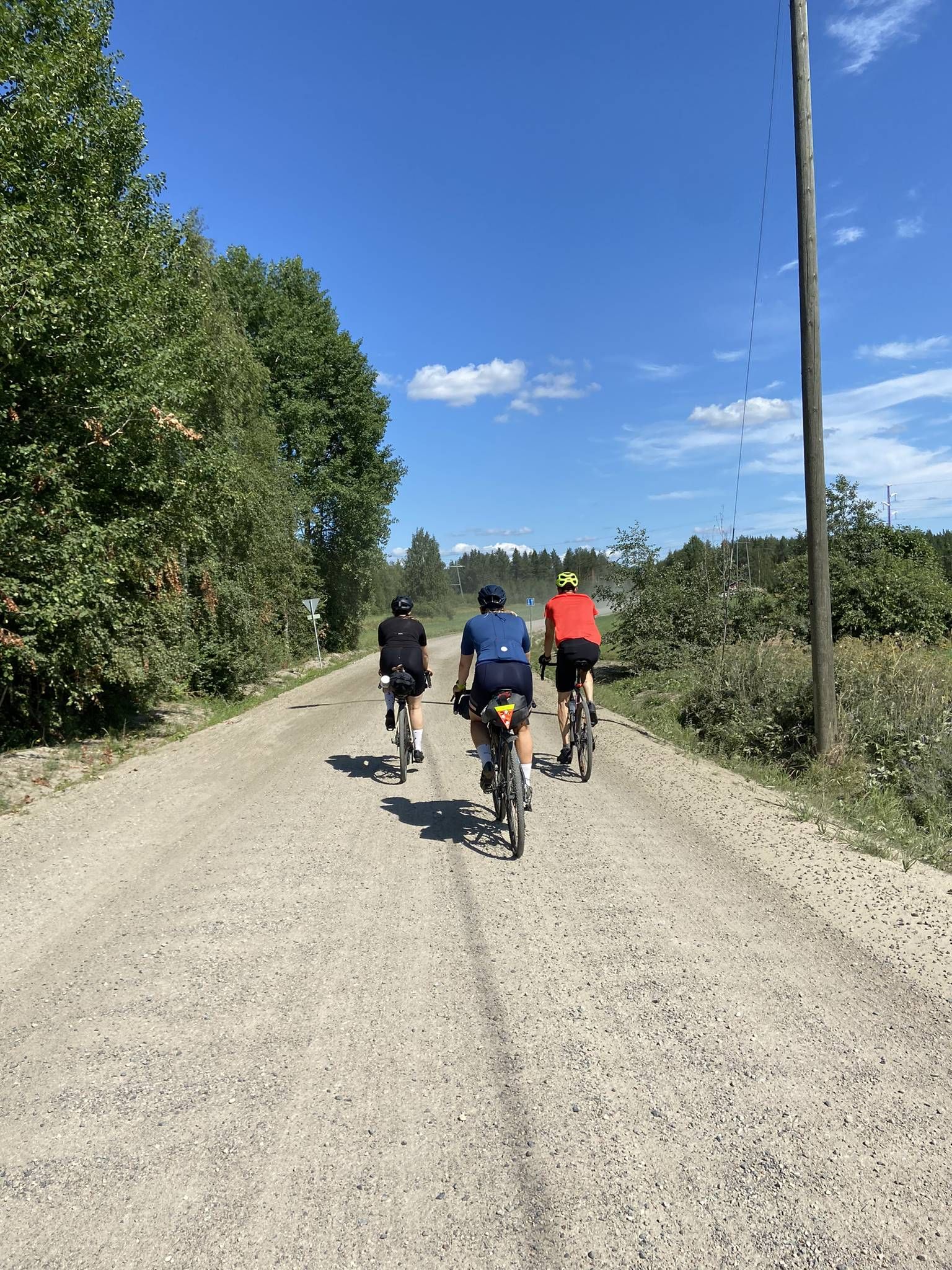
Lago d'Averno is an easy biking destination on usually quiet rural roads. The volcanic lake in the Avernus crater is around 4 kilometres west of Pozzuoli. Along the way you can pass the volcanic field known as the Phlegraean Fields (Campi Flegrei) and see part of the wider Campanian volcanic arc. The road around the lake is roughly circular: the lake measures two kilometres in circumference and is up to 60 metres deep.
2
0

The volcano symbol of the city of Naples, is still active, its last eruption dates back to 79 years ago.
0
0
This lake is located in the municipality of Pozzuoli, it is a lake of volcanic origin.. It is possible to walk around its perimeter with a pleasant walk.
4
1
Frequently Asked Questions
What are some natural monuments around Naples that offer panoramic views?
For breathtaking vistas, consider visiting the Crater of Mount Vesuvius, where you can hike to the rim for panoramic views of the Bay of Naples. Another excellent spot is Parco Virgiliano, located southwest of the city center, which features multiple terraces offering spectacular views of the Gulf of Naples, Mount Vesuvius, Gaiola Bay, and even the distant Amalfi Coast. Additionally, Grotta Fissure provides a unique perspective with a great view of the 'Hell's valley'.
Are there any family-friendly natural monuments near Naples?
Yes, several natural monuments are suitable for families. Lake Avernus is a great option, offering pleasant walks or bike rides around its perimeter. Parco Virgiliano is also ideal for families, with expansive green spaces, walking trails, and playgrounds. The Vesuvius National Park offers trails that can be enjoyed by families, though some sections may be more challenging.
What kind of natural features can I expect to see around Naples?
The region around Naples is rich in diverse natural features, largely shaped by volcanic activity. You can explore active volcanoes like Mount Vesuvius, ancient volcanic craters such as those in the Phlegrean Fields and the Riserva Naturale Cratere degli Astroni, and volcanic lakes like Lake Avernus. The coastline offers dramatic formations like the Natural Arch on Capri, marine protected areas such as Punta Campanella and Parco Sommerso di Gaiola, and natural hot springs at Baia di Sorgeto on Ischia.
What outdoor activities can I do near these natural monuments?
The area provides numerous opportunities for outdoor activities. You can hike to the crater of Mount Vesuvius or explore the trails within Vesuvius National Park. The Phlegrean Fields offer fascinating geological exploration. For cycling enthusiasts, there are gravel biking routes around Naples, including challenging options like the 'Singletrack to Strada Matrone' or the 'Largo Angelo Prisco Memorial – Spartacus Trail' loop. You can find more details on these routes in the Gravel biking around Napoli guide. Marine protected areas like Punta Campanella and Parco Sommerso di Gaiola are excellent for snorkeling and diving.
What is the best season to visit the natural monuments around Naples?
The best time to visit is generally during the spring (April to June) and autumn (September to October). During these months, the weather is pleasant for hiking and outdoor activities, and the temperatures are milder than the hot summer months. Winter can also be an option, but some higher elevation trails might be affected by colder weather, and coastal activities might be less appealing.
Are there any natural hot springs or wellness-focused natural sites?
Yes, Baia di Sorgeto on the volcanic island of Ischia is famous for its natural hot thermal springs that flow directly into the sea. Visitors can soak in these mineral-rich waters while enjoying the volcanic beaches. It's a popular wellness destination, though reaching the inlet requires descending approximately 300 steps.
Can I explore ancient Roman ruins or historical sites within these natural monuments?
Absolutely. The Vesuvius National Park is historically significant due to the eruption that buried Pompeii. The Phlegrean Fields, an expansive volcanic area, has a history dating back to Roman times, with sites known for therapeutic baths. The Parco Sommerso di Gaiola, a unique marine protected area, features submerged Roman ruins intertwined with vibrant marine life, offering an extraordinary experience of underwater history and biodiversity.
What are the characteristics of the Phlegrean Fields?
The Campi Flegrei, or Phlegrean Fields, is an expansive volcanic area west of Naples known for its intense geothermal activity. It features numerous extinct craters, phenomena like bradyseism (ground uplift and subsidence), and sites such as Monte Nuovo, which famously appeared in a single week in the 16th century. This area offers a fascinating glimpse into active geology, with opportunities to witness fumaroles and thermal springs.
Are there any natural monuments suitable for challenging hikes?
For those seeking a challenge, the hike to the Crater of Mount Vesuvius is an intermediate climb offering impressive views. The Cognoli Summit and Valle dell'Inferno trail also involves a steep climb and offers very panoramic and wild scenery, crossing diverse environments up to bare lava rock. Some sections of this trail can be challenging and require caution.
What makes the Natural Arch on Capri unique?
The Natural Arch (Arco Naturale) on Capri is an iconic natural limestone bridge. This striking geological formation stands nearly 18 meters high and stretches 12 meters long, resembling a man-made architectural arch. Its unique formation and dramatic coastal setting make it a captivating sight for photographers and nature lovers, offering picturesque views of the surrounding seascape.
What do visitors appreciate most about the natural monuments around Naples?
Visitors frequently highlight the impressive and mystical experience of hiking to the Crater of Mount Vesuvius, noting the panoramic views. The pleasant walks and easy biking opportunities around Lake Avernus are also highly appreciated, especially its quiet rural roads and the chance to see ducks. The unique perspectives, such as the view of the 'Hell's valley' from Grotta Fissure, also receive positive feedback.
Most popular attractions around Napoli

Get inspired with the komoot mobile app


Explore more
Extend your search for the best caves by checking out these guides of the top ones around Napoli:
