Top 10 Natural Monuments around Zelzate
Best natural monuments around Zelzate feature a landscape shaped by historical waterways and preserved natural areas. The region provides access to significant natural spaces, including remnants of extensive forests and unique wetland environments. Visitors can explore a variety of natural monuments, from historical defense structures now serving as nature reserves to creek systems and forests. The area around Zelzate is characterized by its low-lying terrain, offering opportunities to observe local wildlife and diverse ecosystems.
Best natural monuments around Zelzate
- The…
Last updated: May 1, 2026
Fort Sint-Jacob
Highlight • Historical Site
Translated by Google •
Tip by

Groote Gat
Highlight • Lake
Translated by Google •
Tip by
Sign up now to discover places like this
Get recommendations on the best single tracks, peaks, & plenty of other exciting outdoor places.
Sign up for free
Heidebos
Highlight • Forest
Translated by Google •
Tip by
The Gezusterkreken
Highlight • Lake
The Gezusterskreeks consist of the Grote Kil and …
Translated by Google •
Tip by

Bottomless Pit - 1808
Highlight • Natural Monument
Translated by Google •
Tip by
Sign up for free to discover even more natural monuments around Zelzate.
Sign up for free
Already have an account?
Start today with a free account
Your next adventure awaits.
Login or Signup

Tips from the Community

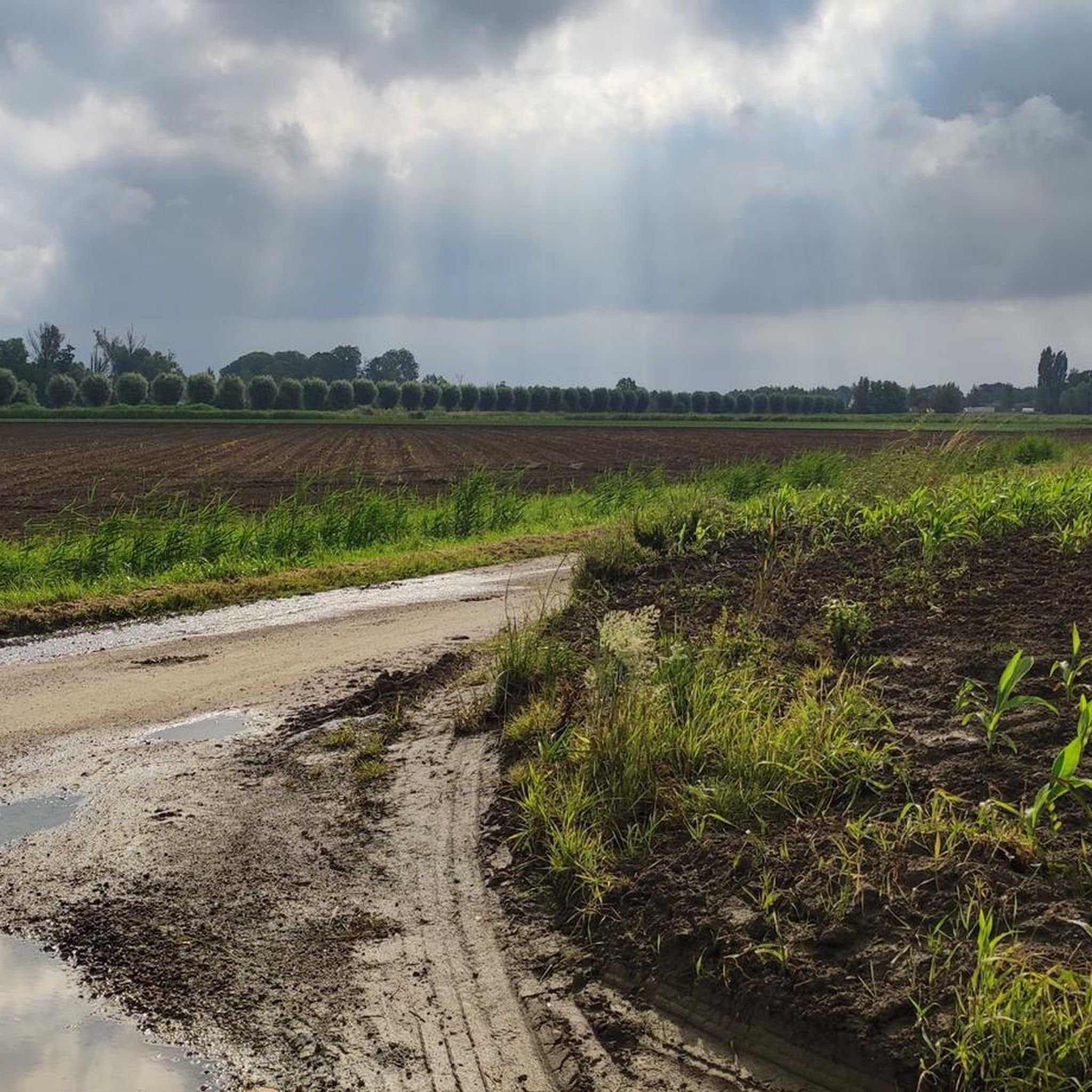
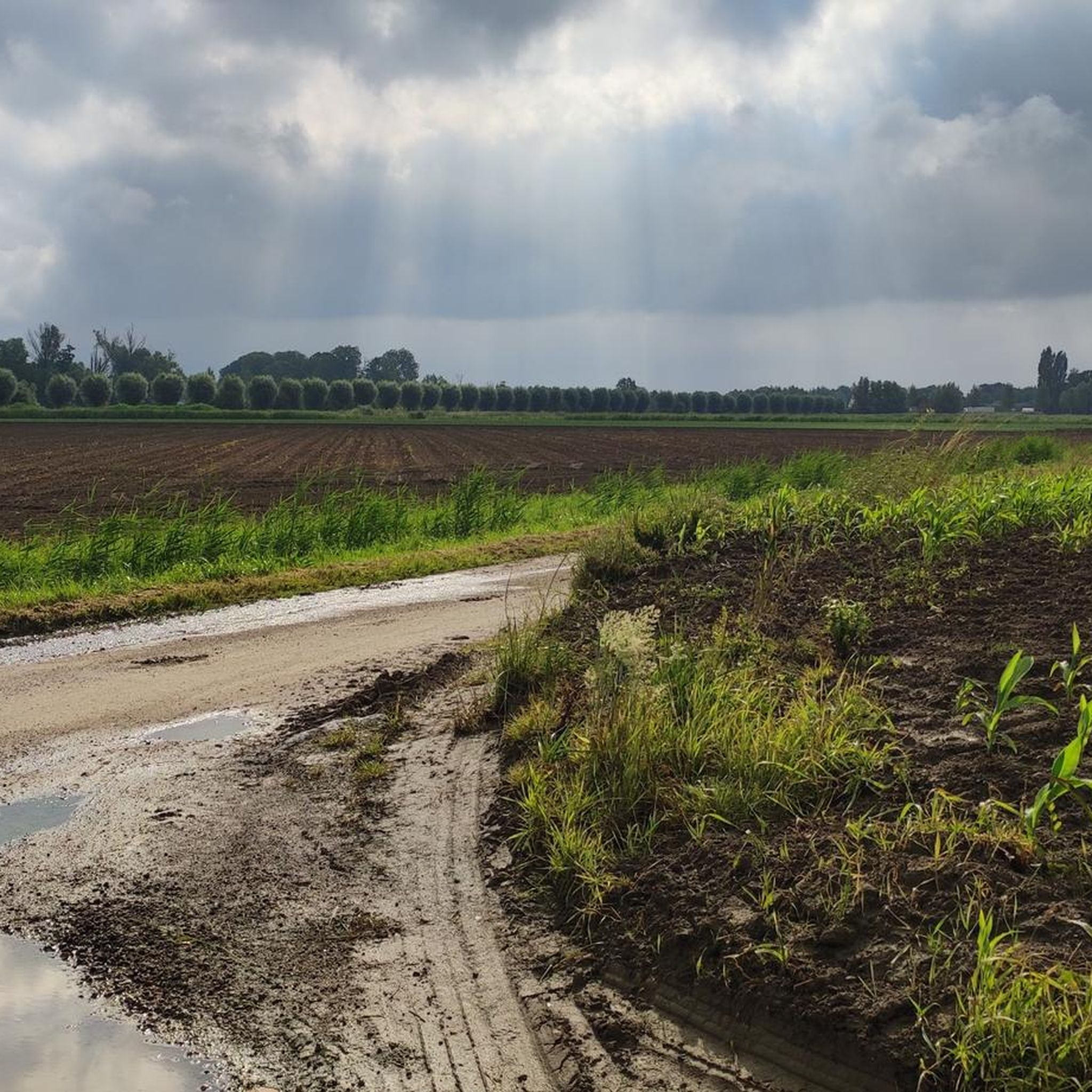
This open water (creek) is a remnant of a military inundation in the fight against the French in the War of the Spanish Succession - period 1701–1713. By breaching this dike, the polders behind it around Koewacht were flooded. When restoring the dike, they went around the deepest part of the stream channel.
5
0
An ideal stopping point on your cycling or hiking experience: Step back in time and discover a hidden piece of history: Fort Sint-Jacob. This fascinating remnant from the Eighty Years' War takes you back to a period when borders were still fought over and waterways made the difference between safety and danger. Located on the Passageule, this fort once formed a crucial link between the Spanish Netherlands and the States' territories. As part of the impressive States-Spanish Lines, Fort Sint-Jacob guarded the border and held back enemy infiltrations from the north. After the Peace of Münster, the fort lost its military function and slowly faded into obscurity. Nature took over, until around 2010 it was restored with care and respect for the past. Today, you can once again experience the contours of the past, including a replica of a cannon that symbolises the struggle that was once waged here. But Fort Sint-Jacob is more than just history. It is a place where peace and nature meet. The ramparts and moats now form a unique landscape where special plants and animals feel at home, typical of the brackish Zeeland area. Whether you are walking or cycling, this is an ideal place to pause, enjoy, and let yourself be carried away by the past. Let yourself be surprised and experience Fort Sint-Jacob for yourself.
3
0

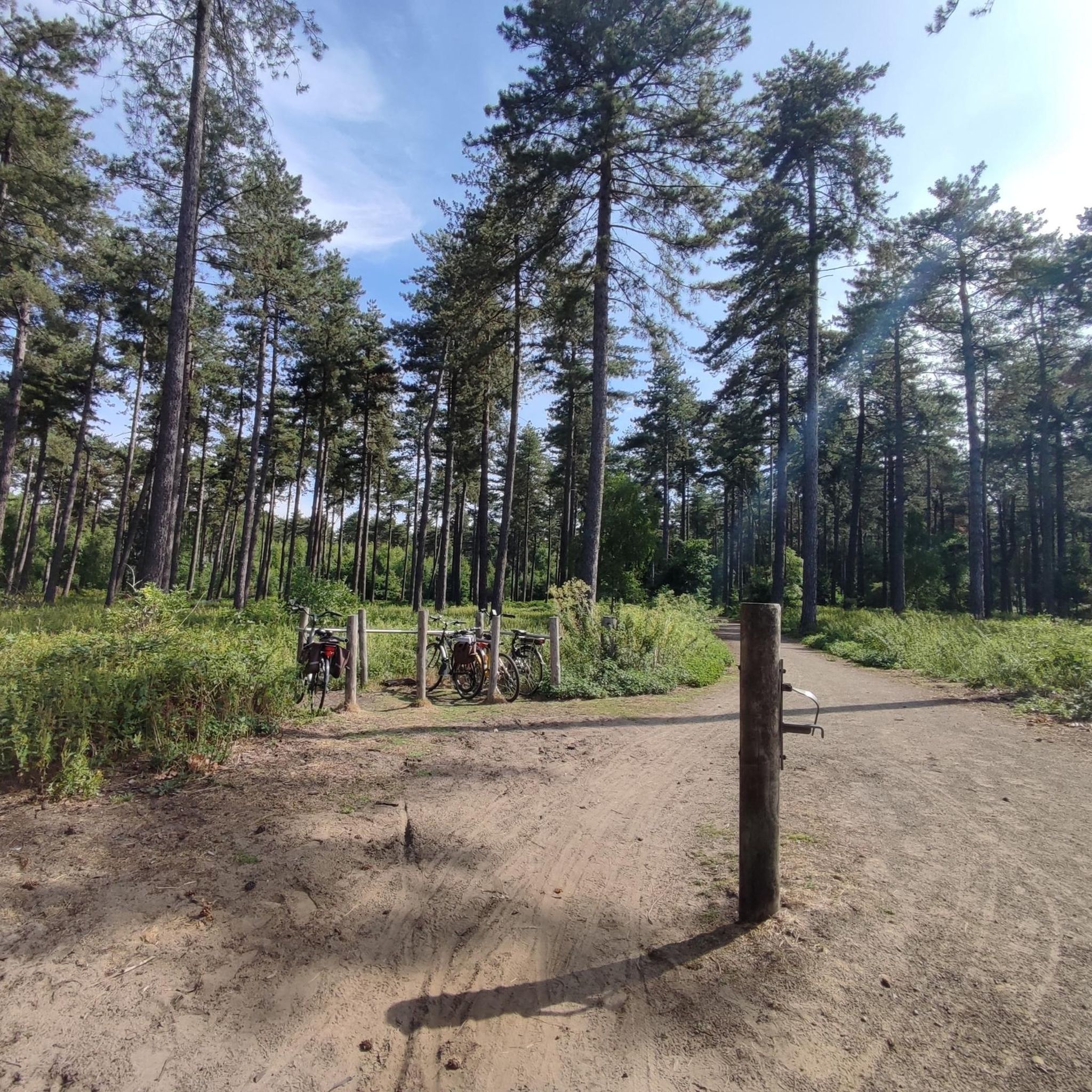
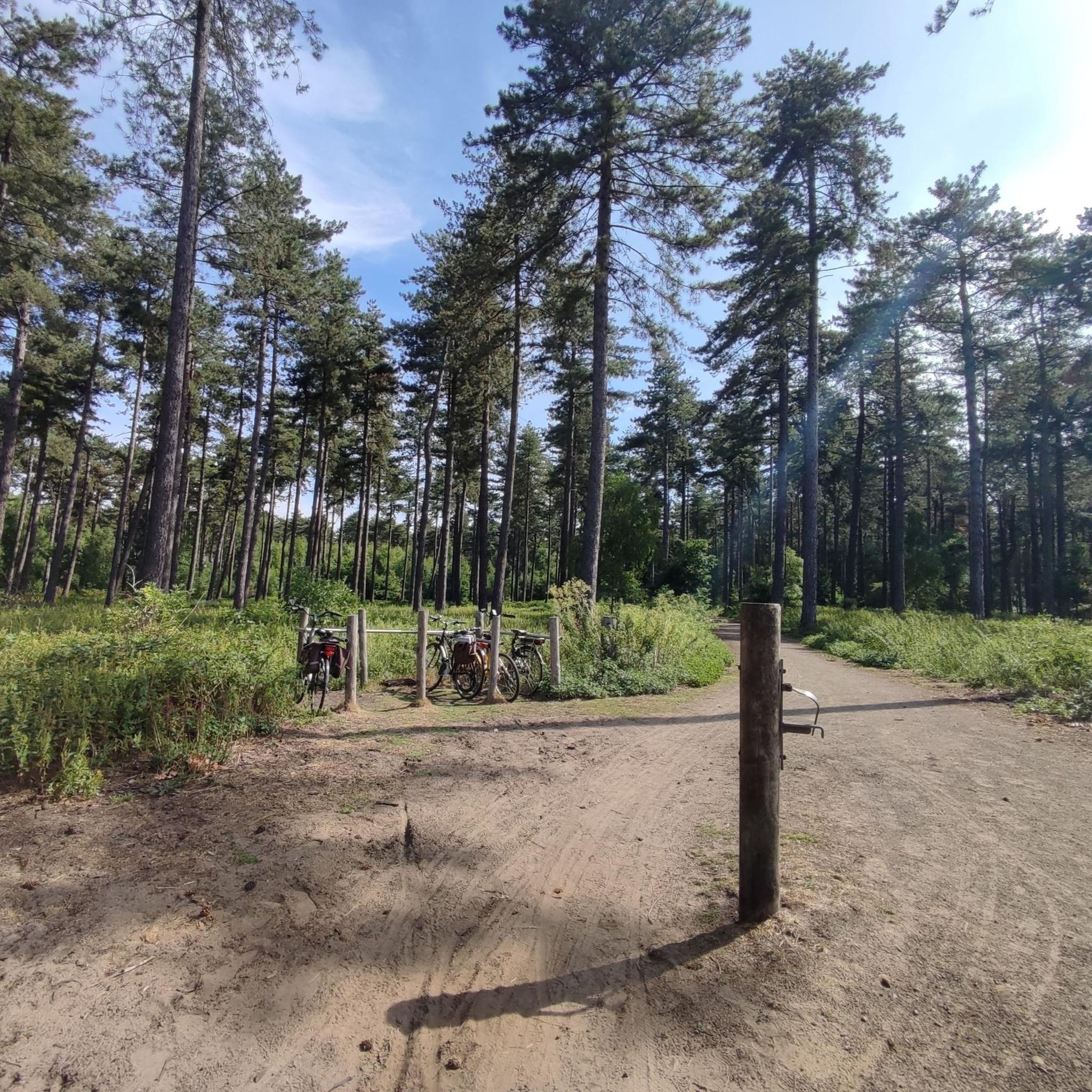
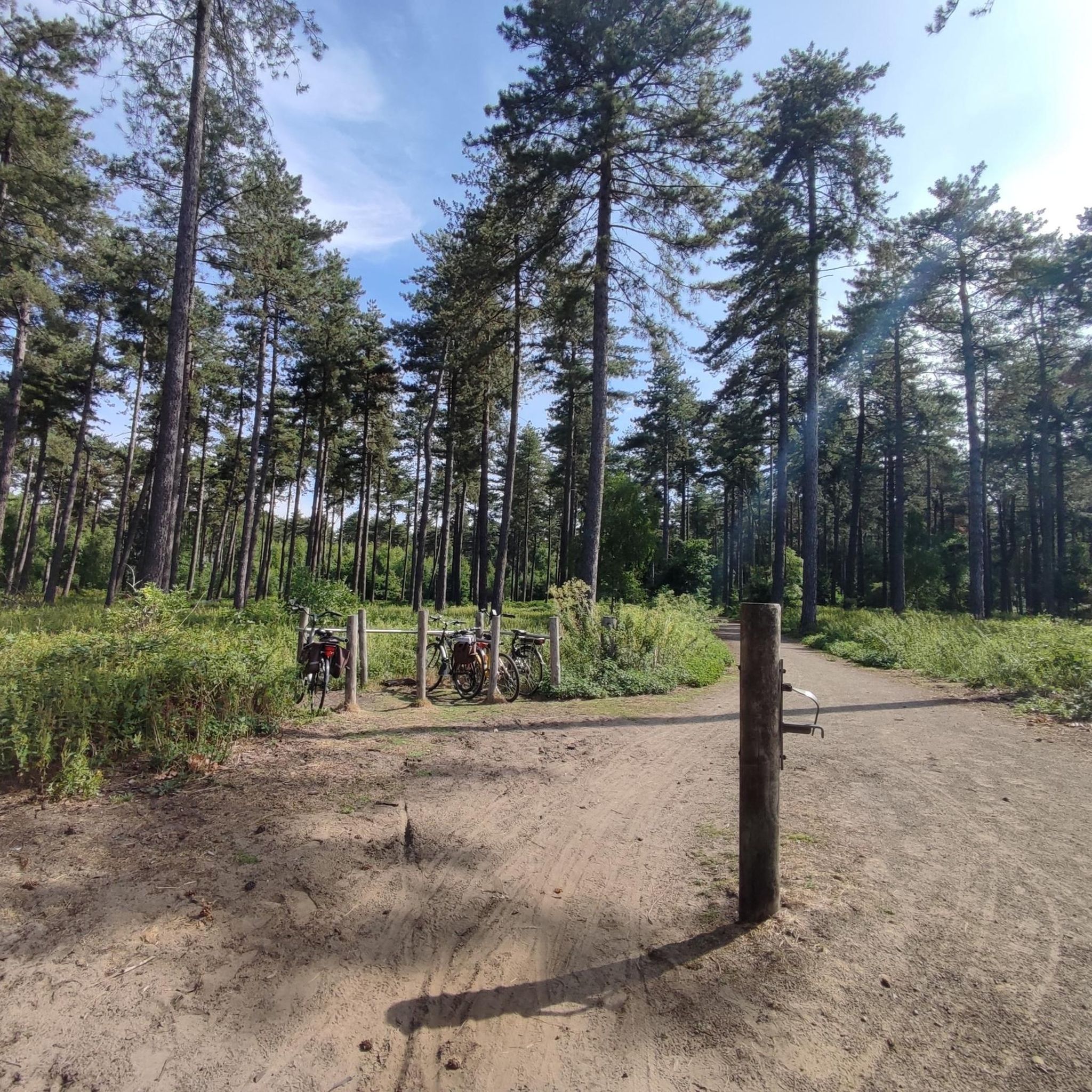
The Heidebos is a solid piece of nature on the border of the Meetjesland and the Waasland. The nature reserve offers a surprising range of biotopes from pine forests, birch-oak forests, poor grasslands to - as the name suggests - areas with heather, all of this interspersed with mighty avenues of beech and American oak. However peaceful the forest now looks, the Eighty Years' War raged there in all its fury in the 16th century. Relics in the landscape such as the ramparts of the fort Francipanie and the Parmavaart are reminders of this turbulent period.
1
0

Worth it for the name alone
0
0

The Heidebos is a sturdy chunk of nature on the border of the Meetjesland and the Waasland. The nature reserve offers a surprising range of biotopes from pine forests, birch-oak forests, barren grasslands to - as the name suggests - areas of scrub heath, all interspersed with mighty avenues of beech and American oak.
6
0
The fort and the line dike are still clearly recognizable in the landscape. Restoration work was carried out in 2009, which also included the construction of a new drawbridge and the reconstruction of the courtyard. The fort is now a nature reserve, managed by Staatsbosbeheer. It is freely accessible and there are hiking trails.
8
0
The Groote Gat near Koewacht is a remnant of a creek that reminds of a dike breach in the distant past. The water in the creek is fresh, unlike most creeks in Zeeland that have brackish or even salt water.
9
0
The Gezusterskreken form a creek system in the north of the East Flemish municipality of Assenede in the Meetjesland (Meetjeslands creek area). The Gezusterskreeks consist of the Grote Kil and the Kleine Kil, which are in line with each other but are separated by a dam, over which the Gezustersstraat runs. The creeks are located in the Sint-Albertpolder, which was diked in 1612, during which the Scheurhoekdijk was constructed. In 1663 and again in 1690, the Sint-Pieterspolder was diked, causing the Scheurhoekdijk to lose its function as a primary sea defense. The current Belgian-Dutch border here follows the route of the Scheurhoekdijk. The area is European protected as part of the Natura 2000 area 'Polders' Source Wikipedia
1
0
Frequently Asked Questions
What are some of the most popular natural monuments to visit around Zelzate?
Among the most appreciated natural monuments are Fort Sint-Jacob, a historical site now serving as a nature reserve with hiking trails, and Groote Gat, a unique freshwater lake formed by a dike breach. Visitors also highly recommend The Gezusterkreken, a beautiful creek system that is part of a European protected Natura 2000 area.
What kind of natural features can I expect to see in the Zelzate area?
The region offers a diverse landscape. You can explore extensive forests like the Kloosterbos and Heidebos, which feature native trees, heathland, and varied biotopes. There are also unique water features such as the freshwater Groote Gat, the historical Bottomless Pit, and the protected Gezusterkreken creek system. Puyenbroeck Provincial Park adds large ponds and wooded areas to the mix.
Are there good hiking opportunities near Zelzate's natural monuments?
Yes, there are excellent hiking opportunities. The Kloosterbos offers almost 8 kilometers of paths, including a specific 4.7 km walking route. Fort Sint-Jacob also has freely accessible hiking trails within its nature reserve. Puyenbroeck Provincial Park provides diverse landscapes for walking through its lawns, lakes, and woods. For more detailed routes, you can explore the Hiking around Zelzate guide.
Can I go cycling or gravel biking around these natural monuments?
Absolutely. The Kloosterbos is ideal for cycling, and Puyenbroeck Provincial Park offers extensive paths through its varied landscape. The Gezusterkreken are also well-suited for cyclists. For specific routes, check out the Cycling around Zelzate guide and the Gravel biking around Zelzate guide.
What kind of wildlife can I observe in the natural monuments around Zelzate?
The natural areas are rich in wildlife. In the Kloosterbos, you might spot deer, squirrels, foxes, and various bird species like the tree pipit, woodlark, goshawk, and even the European nightjar. Puyenbroeck Provincial Park is known for its bird breeding wall for sand martins and bee-eaters, an ice cellar for bats, and general wildlife such as bunnies and ducks. The Groote Gat is an excellent spot for observing waterfowl.
Are there family-friendly natural monuments suitable for children?
Yes, several natural monuments are great for families. The Kloosterbos features designated play zones. Puyenbroeck Provincial Park offers extensive recreational facilities alongside its natural beauty, making it enjoyable for all ages. Groote Gat, Fort Sint-Jacob, The Gezusterkreken, and the Bottomless Pit are all noted as family-friendly destinations.
Do any of the natural monuments around Zelzate have historical significance?
Many natural monuments in the area are intertwined with history. Fort Sint-Jacob, built in 1634, is a prime example of a historical defense structure now preserved as a nature reserve. The Groote Gat and Bottomless Pit are remnants of dike breaches from past conflicts and storms, showcasing the historical interaction between humans and the landscape. The Heidebos also holds relics from the Eighty Years' War, such as ramparts.
What is the best time of year to visit the natural monuments around Zelzate?
The natural monuments around Zelzate can be enjoyed year-round, with each season offering a different experience. Spring brings blooming flora and active wildlife, while summer is ideal for longer walks and cycling. Autumn showcases beautiful foliage, and even winter offers peaceful, crisp walks, especially in forests like the Kloosterbos and Heidebos.
Are there any natural monuments near Zelzate that are part of protected areas?
Yes, several areas are protected. The Gezusterkreken, for instance, are part of a European protected Natura 2000 area. The Kloosterbos has held the FSC label for sustainable forest management since 2010, with ongoing efforts to restore native species and re-establish heathland. Puyenbroeck Provincial Park also actively supports local wildlife through dedicated conservation efforts.
What makes the natural monuments around Zelzate unique?
The uniqueness stems from a blend of historical context and diverse ecosystems. Many sites, like Fort Sint-Jacob and the Bottomless Pit, are natural areas shaped by historical events like dike breaches and military defenses. The region also features rare freshwater creeks like Groote Gat, extensive forests with heathland restoration, and large provincial parks like Puyenbroeck that balance recreation with significant natural conservation efforts.
Can I find natural monuments that are suitable for horseback riding near Zelzate?
Yes, the Kloosterbos is an excellent location for horseback riding, offering dedicated paths alongside walking and cycling routes. Its extensive forest paths provide a great environment for equestrian activities.
Are there natural monuments where I can observe rare bird species?
The Kloosterbos is known for attracting rare bird species such as the tree pipit, woodlark, goshawk, black woodpecker, coal tit, common firecrest, and even the European nightjar, especially in its open sandy patches and evolving heathland. Puyenbroeck Provincial Park also features a permanent breeding wall for birds like sand martins and bee-eaters.
Most popular routes around Zelzate
Most popular attractions around Zelzate

Get inspired with the komoot mobile app


Explore more
Extend your search for the best caves by checking out these guides of the top ones around Zelzate:
