Top 20 Natural Monuments around Nazareth
Best natural monuments around Nazareth include a diverse range of natural sites, offering insights into the region's geography and historical significance. The area features prominent hills, winding streams, and unique oak forests. These natural landscapes provide opportunities for outdoor exploration and connect to the cultural heritage of the Lower Galilee.
Best natural monuments around Nazareth
- The most popular natural monuments is Aelmoeseneiebos Stream and Wooden Bridge, a forest that includes more than 60 tree species. It is freely accessible…
Last updated: June 28, 2026
Zwalm Valley Trail
Highlight (Segment) • Trail
Translated by Google •
Tip by

Aelmoeseneiebos Stream and Wooden Bridge
Highlight • Forest
It includes more than 60 tree species, including all native trees of Flanders, as well as a number of park trees.
It is currently …
Translated by Google •
Tip by

Sign up now to discover places like this
Get recommendations on the best single tracks, peaks, & plenty of other exciting outdoor places.
Sign up for free
Nature Reserve De Putten
Highlight • Natural
The history of its origins has an industrial past, as the area was used for …
Translated by Google •
Tip by
Keuzemeersen
Highlight • Natural
Translated by Google •
Tip by

Saint Christiana Chapel and Spring
Highlight • Religious Site
Showing Translation
Tip by

Sign up for free to discover even more natural monuments around Nazareth.
Sign up for free
Already have an account?
Start today with a free account
Your next adventure awaits.
Login or Signup
Tips from the Community

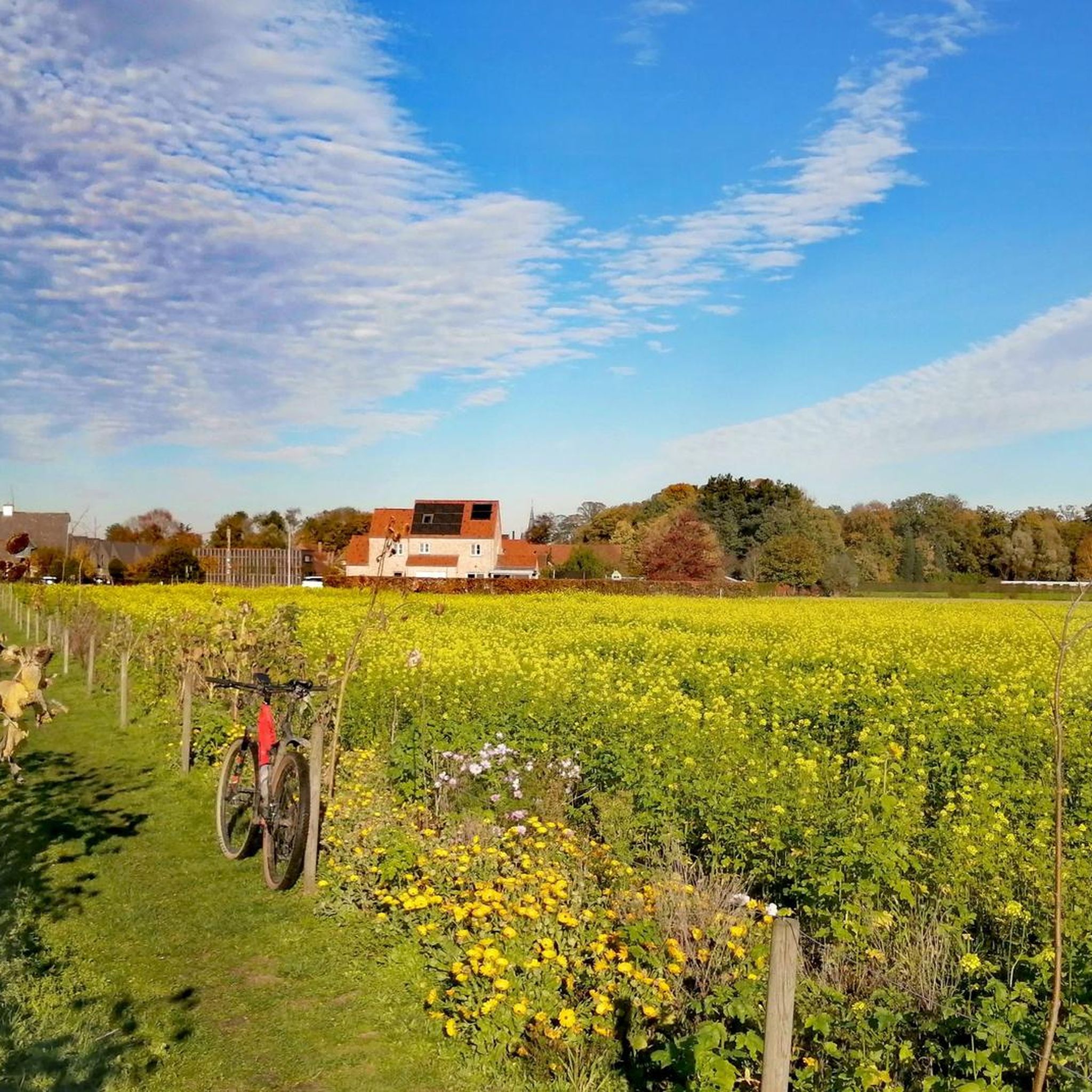
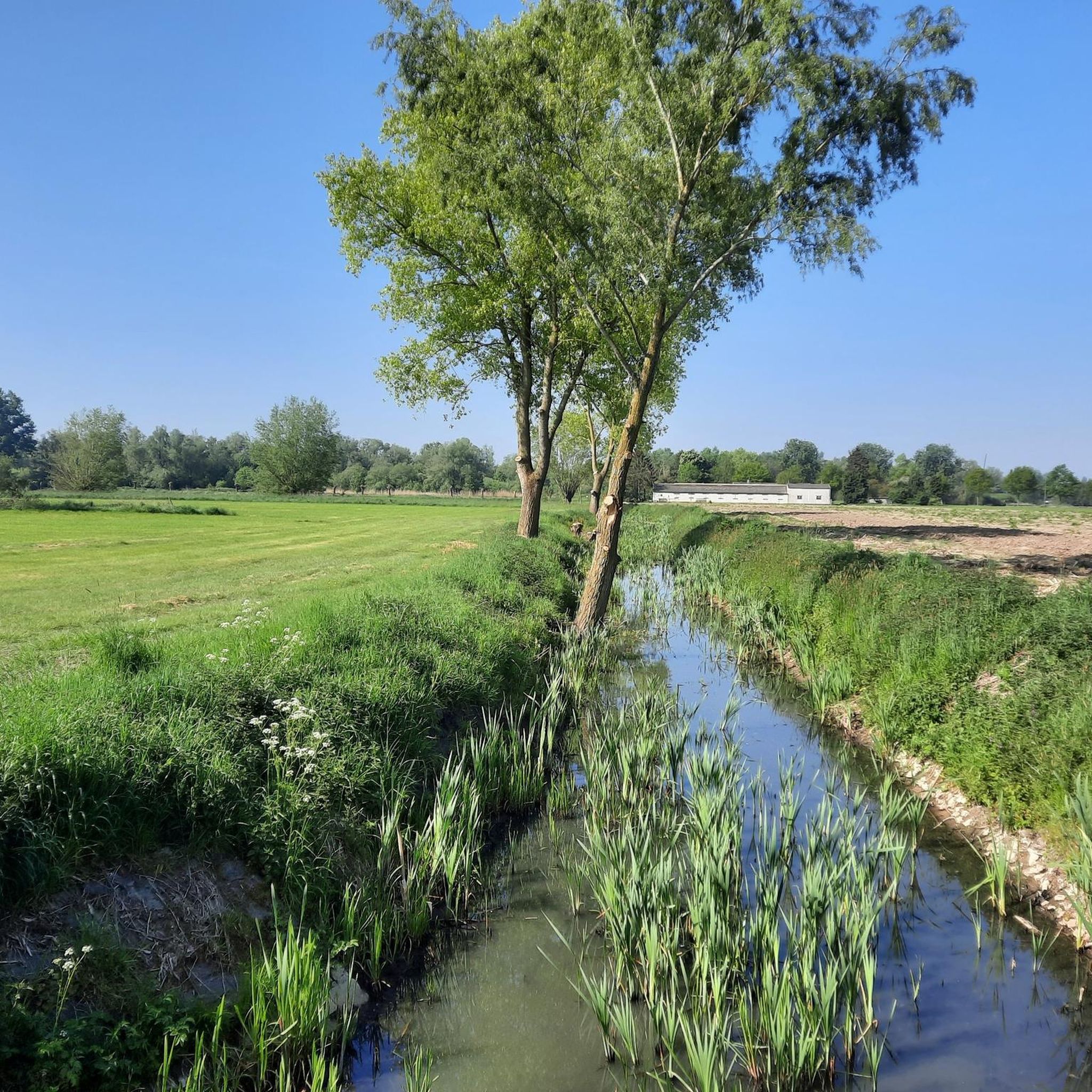
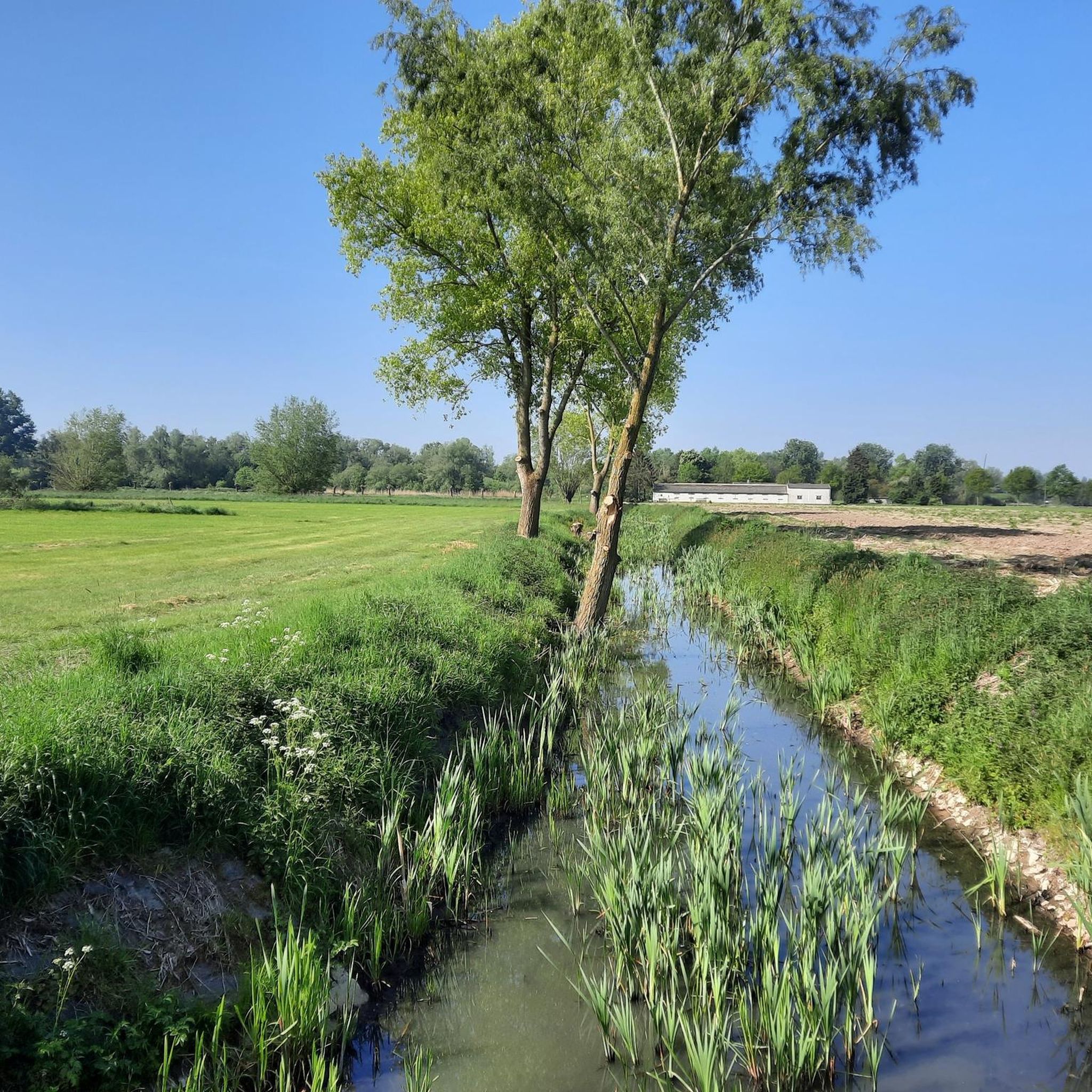
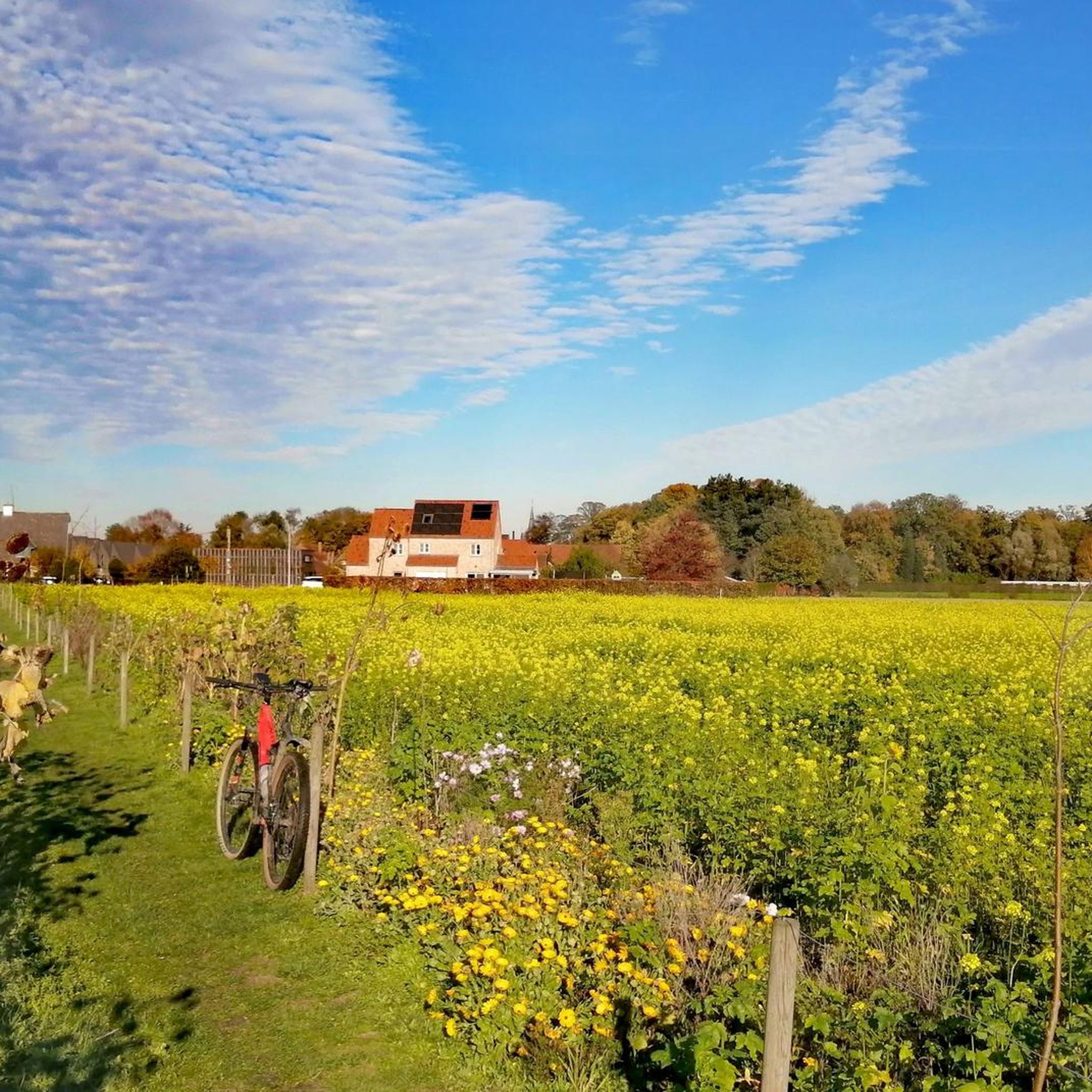
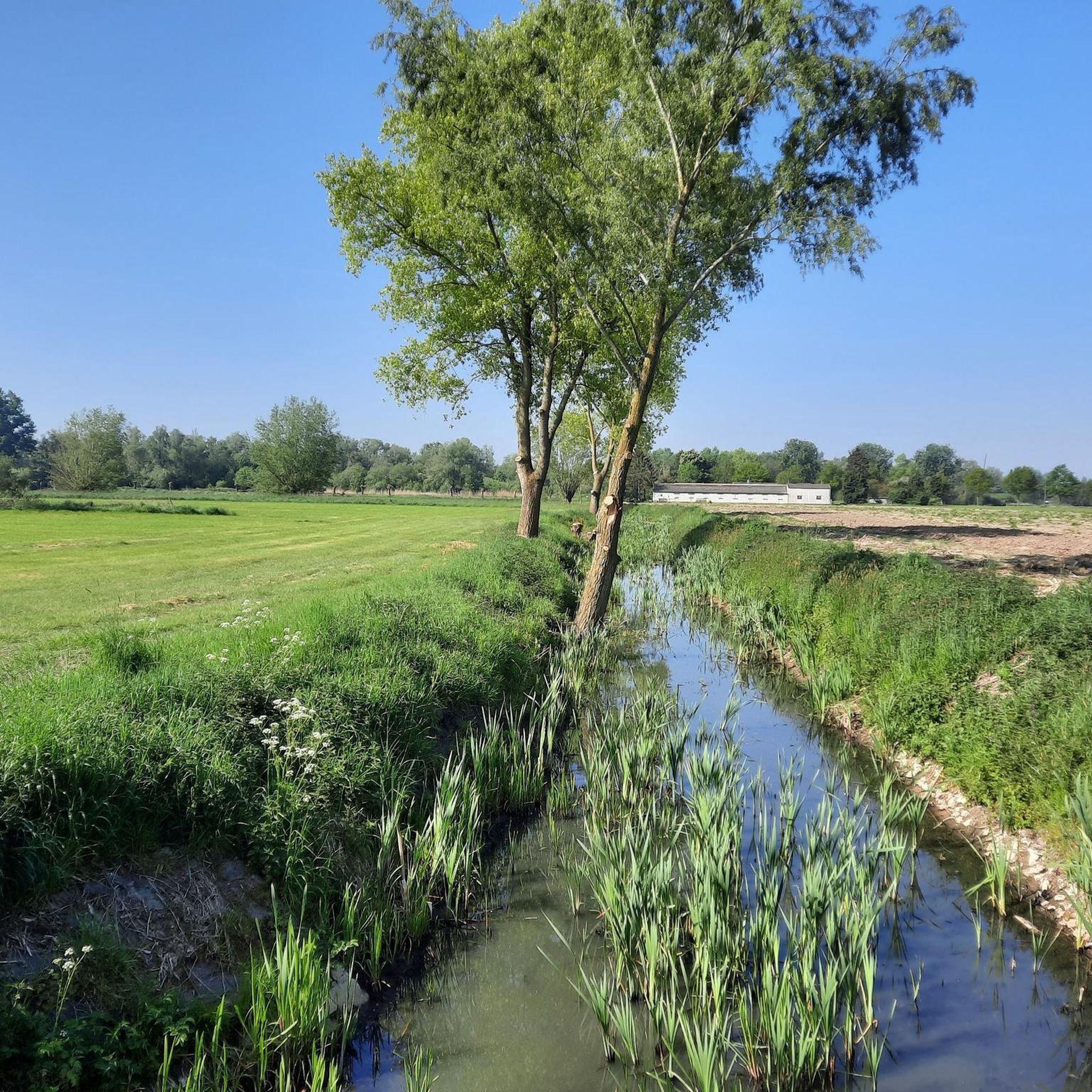
Historically, the Keuzemeersen are a deposit area of the old Leie that meandered in a former flat valley. The Keuzemeersen are therefore located in a bend of the Leie as well as further downstream on the left bank of the Leie, where the typical meadow landscape has been preserved: small meadow plots with pollard willows, a riverbank and a fine-meshed network of ditches with associated fauna and flora. An adjustable weir regulates the water level of the central meadows. The Keuzemeersen are located near a place that is historically described as Keuze. These meadows are part of a whole of connected areas that contain the word "meers" as a name, including the Latemse Meersen, the Beelaertmeersen, the Blaarmeersen and the Bourgoyen-Ossemeersen.
4
0

Beautiful place at the Bron with the chapel of Saint Christiana
1
1

The Christiana springs, from which waters and lemonades are still made, are also on your path, an authentic regional product and business. http://www.christiana.be/ Against the wall of the 'rock' you will find the spring above which the warehouse and house were built, and where spring water is still pumped up daily, purified and bottled.
2
0

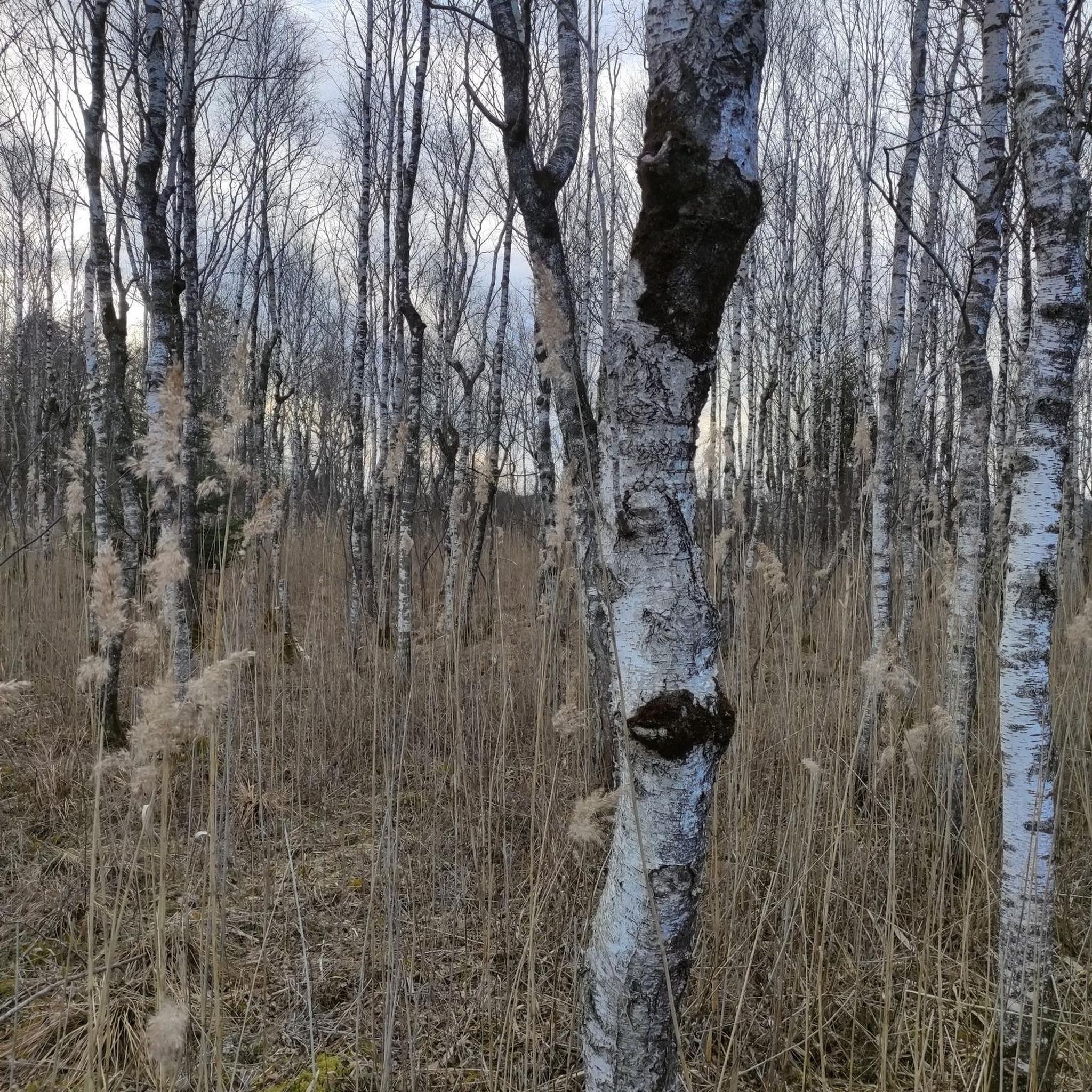
The Aelmoeseneiebos (or Aalmoezenijebos) is a nature reserve on the territory of the municipalities of Melle (Gontrode) and Oosterzele (Landskouter). The forest is 28.5 hectares in size and is owned by the University of Ghent. The forest area is now managed by the university Lab for Forest & Nature. The railway line Ghent-Geraardsbergen divides the forest in two. The Aelmoeseneiebos is an old forest area that already appeared on the Ferraris map in 1775. The forest was owned by the Saint Bavo's Abbey of Ghent for centuries. During the French period (1794-1815) it was transferred to the public poor relief of the city of Ghent. In 1967-1968 the Belgian State bought the forest so that the University of Ghent could use it as a test forest. The most important tree species are summer oak and beech, with ash and maple in the stream valleys. The Aelmoeseneiebos is known for its spring flora such as wood anemone, slender primrose, yellow dead-nettle and small periwinkle. During the First World War, the forest was largely cut down but replanted in 1920. Adjacent to the western part of the Aelmoeseneiebos, 10 hectares of plots of land belonging to Natuurpunt, Oosterzele department, are located in the valley of the Gondebeek. With the 'Rodeland landscape project' [1], the aim is to connect the Aelmoeseneiebos with the Makegemse forests through afforestation in the valleys of the Gondebeek, Kerkesbeek and Driesbeek[2][3]. In 2021, 5 amphibian tunnels were constructed in the Gondebeek valley[4]. Inventories and research in the Aelmoeseneiebos found 1329 different species: including 64 tree and shrub species and 599 species of invertebrates. The Aelmoeseneiebos is protected in Europe as part of the Natura 2000 area (habitat directive area) 'Forests of the south-east of the Zandleemstreek' (BE2300044). The forest is freely accessible on the footpaths.
1
0

This nature reserve is a remnant of an extensive forest area that gradually had to make way for agriculture in the 18th century. The surrounding land and the forest were owned for centuries by the Aalmoezenij, the poor relief of the Ghent Saint Bavo's Abbey. The production of wood was the main function at that time. The forest was purchased by the Belgian state in 1967-1968 so that the University of Ghent could use it as a test forest. In the early years, it was mainly used for studies on the growth and management of forests with a view to wood production. It also had a recreational and educational function. Railway line 122 Melle-Geraardsbergen divides the forest in two. In the western part (where we walked) an arboretum was created in 1973. With the 'Rodeland landscape project', the aim is to connect the Aelmoeseneiebos with the Makegemse forests through further afforestation of a number of stream valleys.
4
0

Beautiful, peaceful nature walk. A small part of the route was quite overgrown with nettles, but nothing insurmountable.
0
1

Lots of field paths, close to the stream, a few 'mills' and quite a bit of mud... so waterproof shoes are recommended!
4
0

What is exceptional for Flanders is that the Zwalm bridges a height difference of 60 m at a distance of barely 19 km. This means it has a lot of energy. It also has a basin of 155 km², which ensures a decent flow. This decline and this assured flow were used in the past by water mills. (Wikipedia)
11
0
Frequently Asked Questions
What are the most prominent natural monuments to visit near Nazareth?
The most prominent natural monuments near Nazareth include Mount Precipice, offering panoramic views and historical significance; Nahal Tzipori, a winding stream with natural beauty and historical echoes; and the extensive Tabor Oak Forests, known for their ecological importance and scenic trails.
Are there natural monuments near Nazareth with significant historical or religious importance?
Yes, Mount Precipice is highly significant, known in Christian tradition as the site where an angry mob attempted to throw Jesus off a cliff. It also features the Qafzeh Cave with archaeological findings of early Homo Sapiens. Nahal Tzipori has archaeological findings dating back to the Neolithic period and connections to the Bar Kochba revolt.
What kind of views can I expect from the natural monuments around Nazareth?
From Mount Precipice, you can enjoy dramatic panoramic views of the Jezreel Valley, Mount Tabor, and the Lower Galilee. The Tabor Oak Forests, particularly in areas like Beit Keshet, also offer beautiful views of the Lower Galilee and the Jezreel Valley.
Are there family-friendly natural monuments or activities near Nazareth?
Yes, several natural monuments offer family-friendly experiences. Sections of Nahal Tzipori feature flat, paved walkways suitable for strollers and wheelchairs, with grassy areas for picnicking. The Tabor Oak Forests, such as Beit Keshet, are popular for hiking and cycling and often have accessible trails and picnic areas.
What outdoor activities can I do near the natural monuments around Nazareth?
The natural monuments around Nazareth offer various outdoor activities. You can enjoy scenic hikes along Nahal Tzipori, explore the trails in the Tabor Oak Forests, or embark on the Gospel Trail which starts at Mount Precipice. For more structured outdoor adventures, you can find numerous cycling routes, running trails, and MTB trails in the wider Nazareth region.
What is the best time to visit the natural monuments near Nazareth?
The natural monuments near Nazareth can be visited year-round. However, spring (March-May) offers pleasant temperatures and blooming wildflowers, while autumn (September-November) provides cooler weather ideal for hiking. Summers can be hot, but the flowing water in Nahal Tzipori offers some respite. Winters are generally mild.
How accessible are the natural monuments around Nazareth?
Mount Precipice is easily accessible by car year-round, with the summit free of charge. Some sections of Nahal Tzipori have flat, paved walkways suitable for wheelchairs and strollers. The Tabor Oak Forests also feature accessible trails in many areas, making them suitable for a range of visitors.
Can I find ancient structures or archaeological sites within the natural monuments?
Yes, the Qafzeh Cave beneath Mount Precipice contains significant archaeological findings of early Homo Sapiens. Along Nahal Tzipori, you can find ancient flour mills, such as the Monks' Mill, adding to the historical interest. The nearby Tzippori National Park also encompasses the archaeological site of ancient Sepphoris.
What kind of unique flora and fauna can I observe in these natural areas?
The Tabor Oak Forests are characterized by their magnificent Tabor Oak trees, which are a significant component of the Mediterranean woodland. Along Nahal Tzipori, you can observe diverse aquatic vegetation, including weeping willows and silver poplars, and various bird species.
Are there any specific trails or routes associated with these natural monuments?
The Gospel Trail, a hiking route connecting several biblical locations, starts at the top of Mount Precipice. The Tabor Oak Forests offer numerous scenic routes for hiking and cycling. For detailed routes, you can explore the running, cycling, and MTB guides for the Nazareth region.
What makes the Tabor Oak Forests unique in the Nazareth area?
The Tabor Oak Forests, found in areas like Beit Keshet, are unique due to the presence of the distinctive Tabor Oak (Quercus ithaburensis) trees. These forests create an open parkland environment and are ecologically important to the Lower Galilee. They also hold historical and cultural value, with some ancient oaks, like 'the Old Oak' in Beit Keshet, being centuries old.
Most popular routes around Nazareth
Most popular attractions around Nazareth

Get inspired with the komoot mobile app


Explore more
Extend your search for the best caves by checking out these guides of the top ones around Nazareth:
