Top 20 Natural Monuments around Messancy
Best natural monuments around Messancy offer diverse natural spaces for exploration. Messancy, a municipality with a rich history, features picturesque countryside and natural attractions. The area provides opportunities for recreation and appreciation of local ecosystems, blending natural beauty with historical significance. These natural sites include regenerated landscapes and serene water features, making them ideal for easy walking trails and nature walks.
Best natural monuments around Messancy
- The most popular natural monument is Giele Botter Nature Reserve, an other natural…
Last updated: June 28, 2026
Giele Botter Nature Reserve
Highlight • Natural
Translated by Google •
Tip by

Härebësch Forest
Highlight • Forest
Translated by Google •
Tip by

Sign up now to discover places like this
Get recommendations on the best single tracks, peaks, & plenty of other exciting outdoor places.
Sign up for free
Tattert-Thiaumont Pond
Highlight • Lake
Road signs also indicate to slow down so as not to run over amphibians. It's funny.
Translated by Google •
Tip by

Tranchée des Portes Oppidum
Highlight • Historical Site
Translated by Google •
Tip by

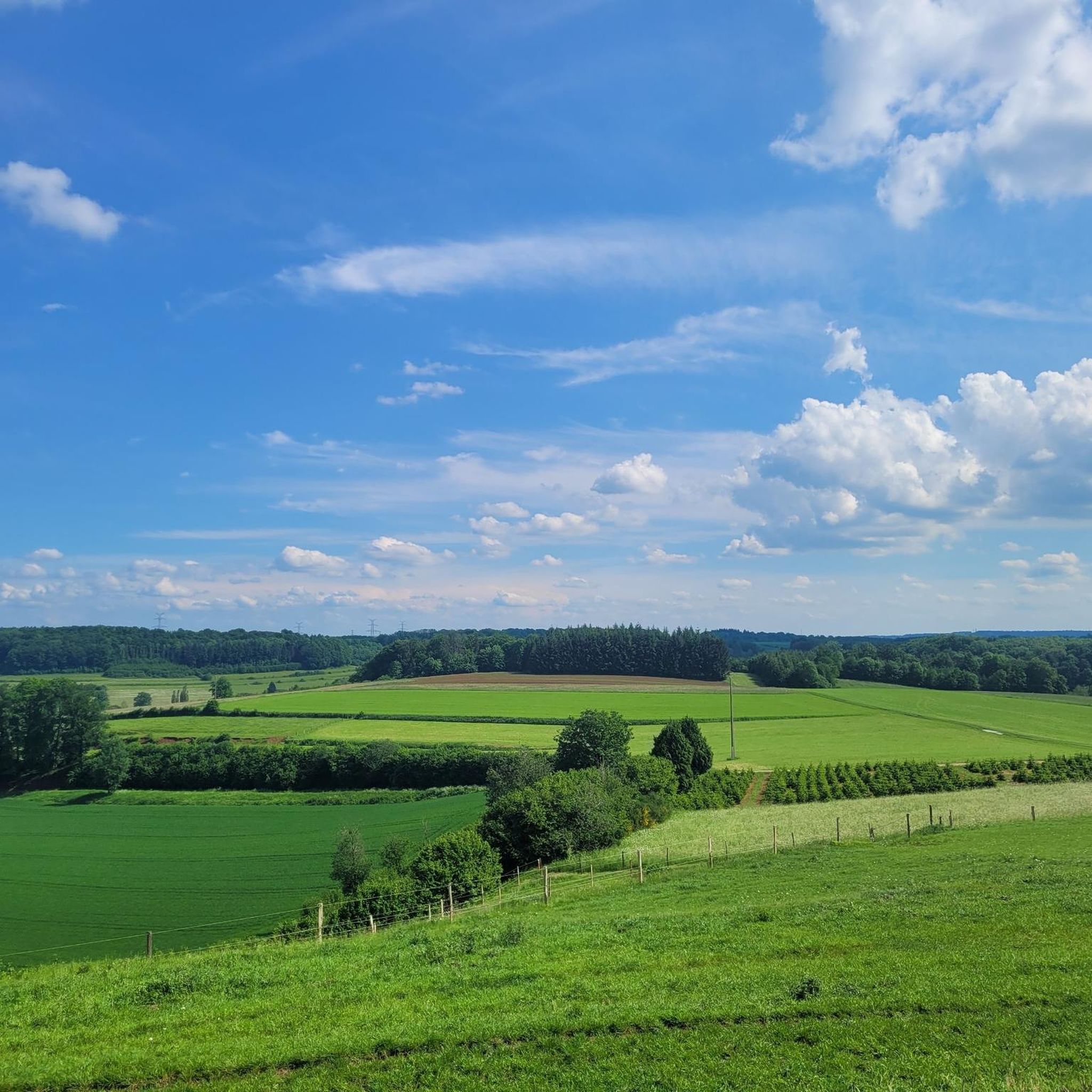
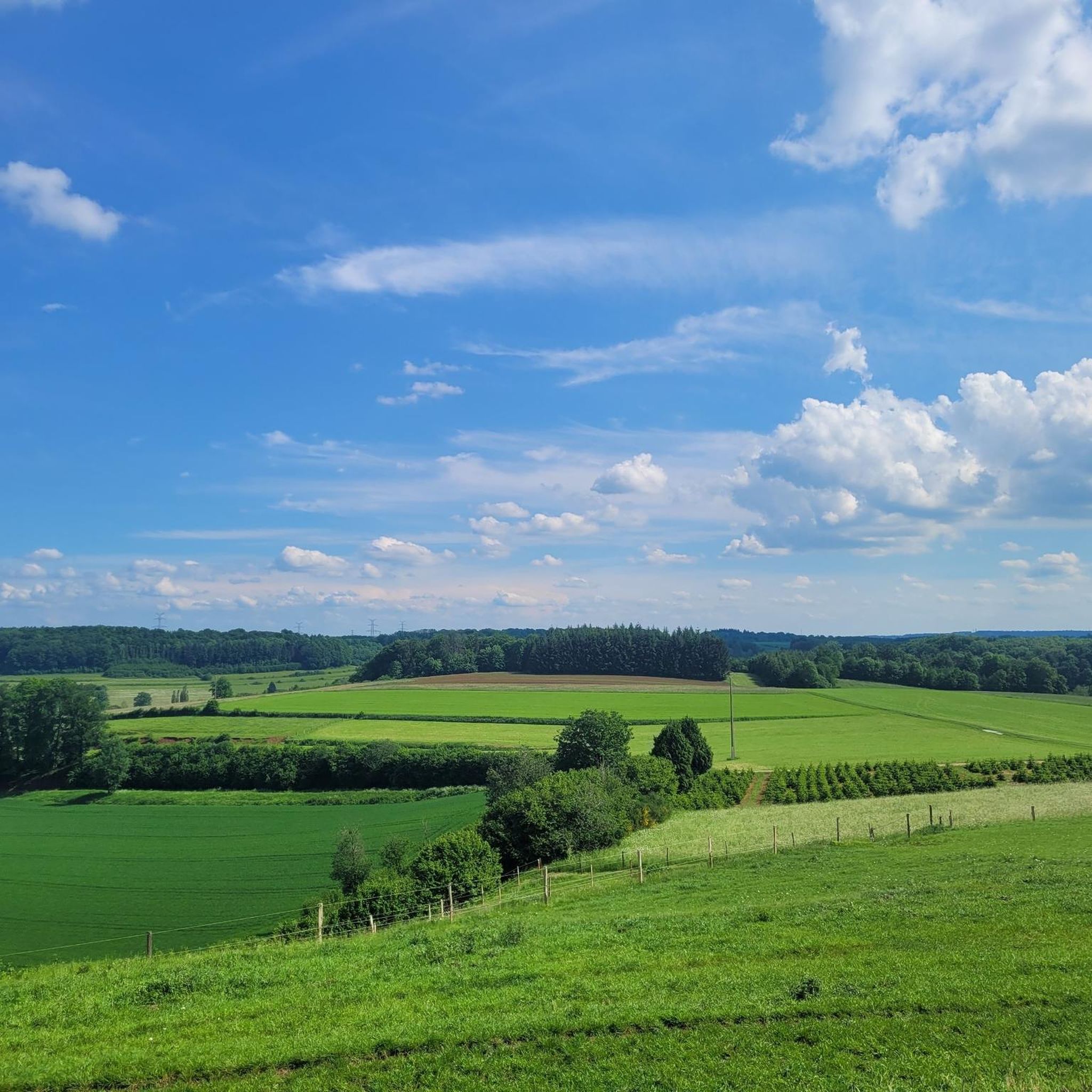
Éperons Barrés Viewpoint
Highlight • Viewpoint
Translated by Google •
Tip by
Sign up for free to discover even more natural monuments around Messancy.
Sign up for free
Already have an account?
Start today with a free account
Your next adventure awaits.
Login or Signup
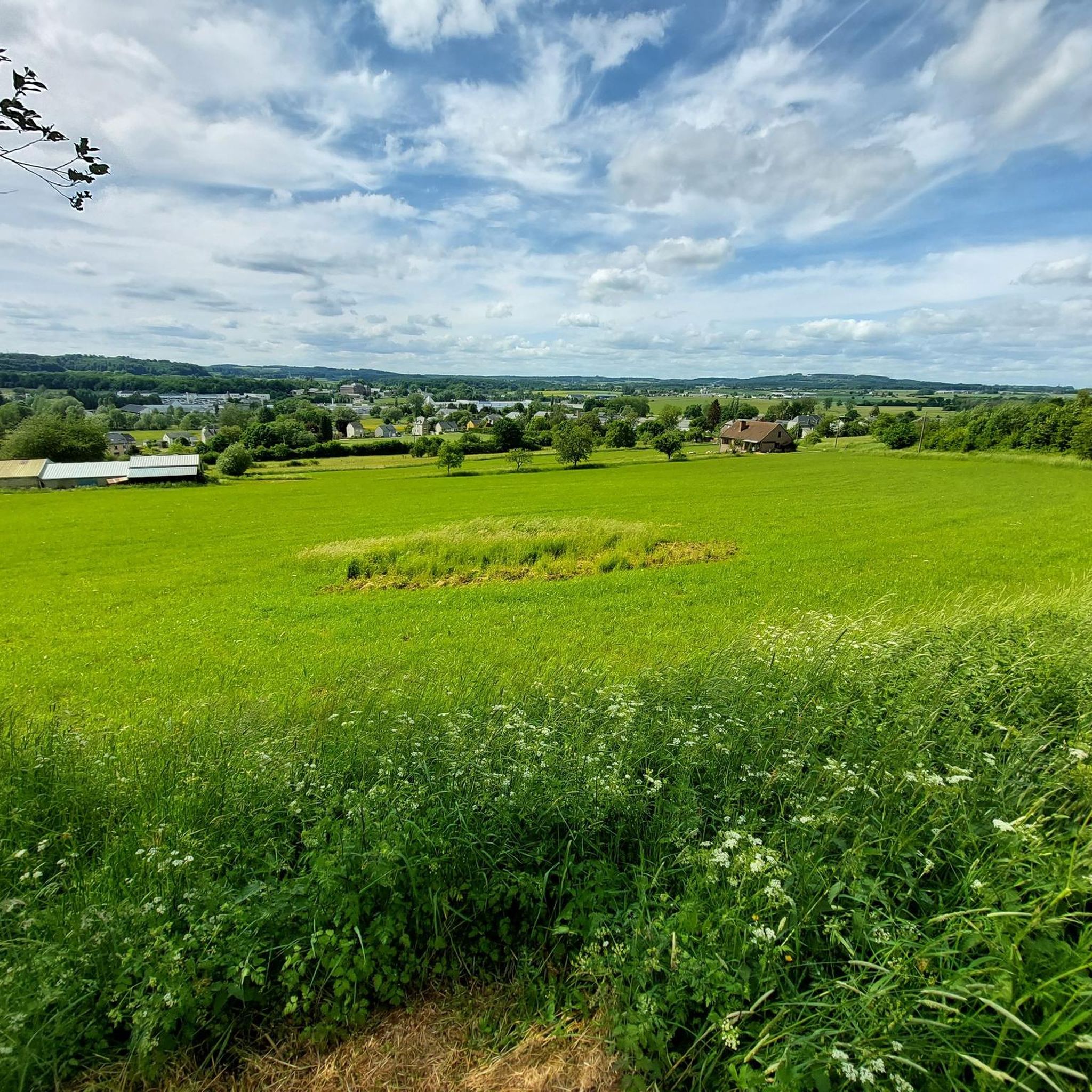
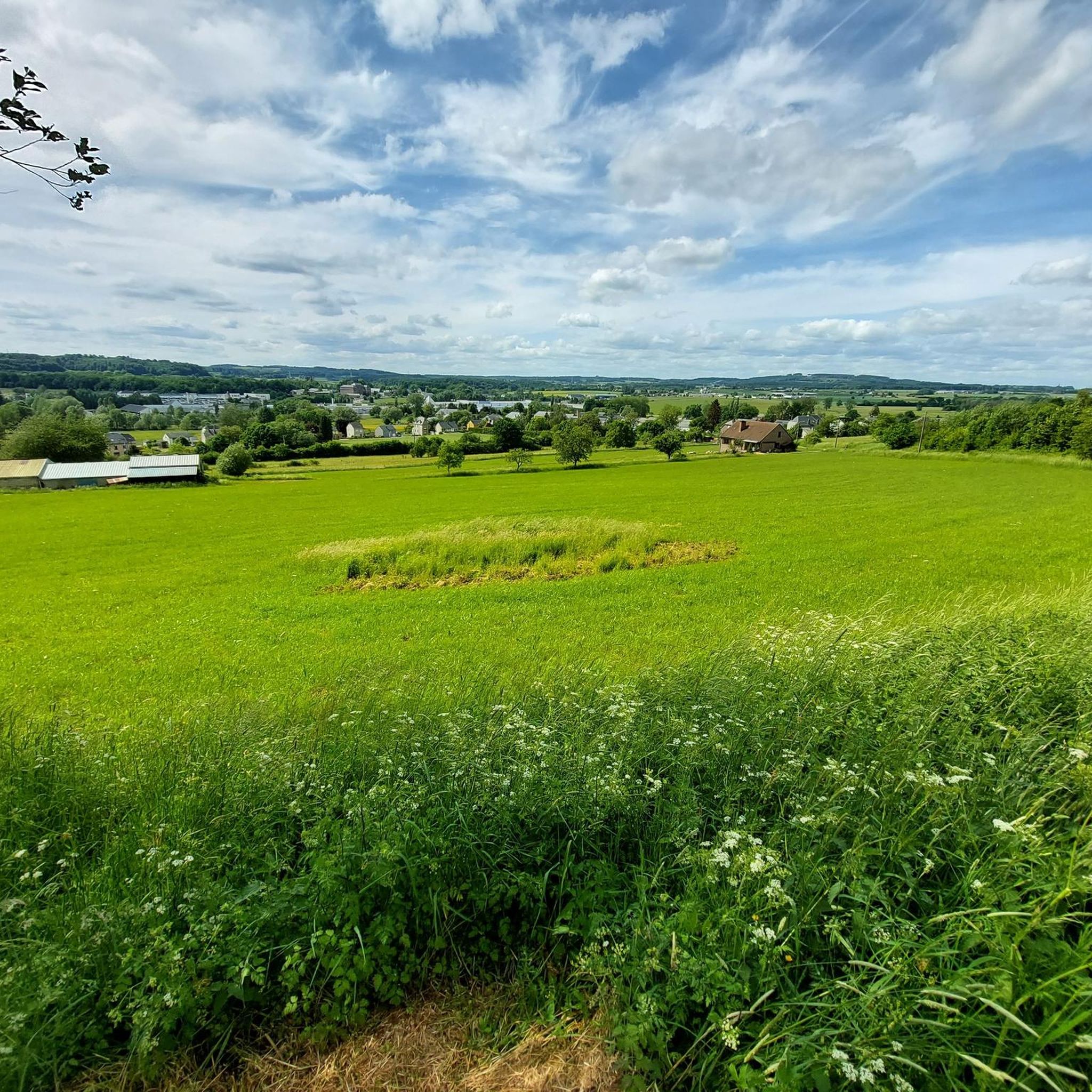
Tips from the Community


The Trench of Gates: Gateway to Gaume, Gateway to Legends 1. What is it? Physical Description The Trench of Gates is a deep and spectacular rocky gorge, naturally carved by the Vire River (a tributary of the Semois) into the sandstone plateau of the Gaume forest. Located in the village of Dampicourt (commune of Rouvroy), on the French border, it forms a narrow and winding notch, framed by high sandstone walls and strangely shaped rocks. Its name comes from its topography: the site gives the impression of crossing several successive natural "gates." 2. A Strategic Position: Military History The true fame of the Trench of Gates comes from its historical role as a natural fortress and strategic border post. A Gallic Stronghold? : Its easily defensible configuration suggests that it was used as a refuge since the Gallic era. The Roman Fort: Its strategic role became evident during the Roman era. The Romans established a castellum (a fortified camp) there to control the passage between Belgic Gaul and Imperial Trier, and to protect the nearby Roman road. Remains of these fortifications were still visible several centuries ago. A Millennial Challenge: Due to its position on the border, the site has been contested and fortified throughout history, from the Middle Ages to modern wars. It offered an ideal control point over one of the few passable passages through the region's wooded terrain.
1
0

The trail from this viewpoint is a real balancing challenge towards the end, very rocky with large gravel. It seems to me that a few years ago the trail was not so perilous. It is part of the official permanent route "La Croix Renson en Gaume" which advises to do it clockwise, so this uphill trail is impossible! Except for a trialist with Hulk legs and a motorcycle traction. 🙄
0
0


It depends which way... 😀😇
0
0

It stings a little 😂
1
0

The Tranchée des Portes covers an area of 100 hectares. It is the largest Iron Age stronghold in Belgium. This development required an abundant workforce. The construction and maintenance of the rampart suggest a well-organized social entity. Unlike Montauban, which was occupied occasionally, the Tranchée des Portes is not a refuge but an oppidum, that is to say, a fortified site where people settled for the long term with their livestock and crops. It is a fortification that owes its name to the deep ditch (5 m) that precedes its rampart. Consisting of an earthwork over 3 m high, formerly surmounted by a palisade, this barrier, pierced by 3 gates, extends over 1 km. This type of defensive site is called a barred spur. It was often used in the protohistoric period (Iron Age). We chose a place with 2 or 3 steep and almost impassable sides and we blocked access by building a wall on the vulnerable side with what we found on the site (stones, trees, earth)
2
0
Very beautiful course & very pleasant paths for running!
0
0
Frequently Asked Questions
What are some of the most popular natural monuments to visit around Messancy?
Visitors frequently enjoy the Giele Botter Nature Reserve, a magnificent natural space on the site of an old open-cast mine. Other favorites include Härebësch Forest with its beautiful paths, and the peaceful Tattert-Thiaumont Pond, known for its wildlife observation opportunities.
Are there family-friendly natural monuments in the Messancy area?
Yes, several natural monuments are suitable for families. The Giele Botter Nature Reserve, Härebësch Forest, and Tattert-Thiaumont Pond are all considered family-friendly. Additionally, Mathelin Park in Messancy offers green space perfect for family fun.
What kind of natural features can I expect to see around Messancy?
The region offers diverse natural features, including regenerated landscapes from former industrial sites like the Giele Botter Nature Reserve. You'll also find serene water bodies such as Tattert-Thiaumont Pond and Messancy Lake, as well as extensive forests like Härebësch Forest and scenic viewpoints like Éperons Barrés Viewpoint.
Are there any natural monuments around Messancy with historical significance?
Yes, the area features sites where natural landscapes blend with ancient history. The Tranchée des Portes Oppidum is an ancient fortified site dating from the Neolithic period, later occupied by Celts and Romans. The Éperons Barrés Viewpoint also offers views of Iron Age fortifications, providing insight into the region's protohistoric defense systems.
What outdoor activities can I do near the natural monuments in Messancy?
You can enjoy a variety of outdoor activities. Hiking is popular, with routes like the easy 'Tesch Castle – Water Lily Pond loop from Messancy' or the moderate 'Jongebësch Trail'. For cycling, there are options for gravel biking and mountain biking, including routes that pass through natural areas. You can find more details on these activities in the hiking guide, gravel biking guide, and MTB trails guide for Messancy.
Are there easy walking trails near Messancy's natural monuments?
Yes, there are several easy walking trails. For example, the 'Tesch Castle – Water Lily Pond loop from Messancy' and the 'Lake Messancy – Tit loop from Messancy' are both rated as easy. The Tattert-Thiaumont Pond also offers a peaceful walk around its perimeter, ideal for observing fauna and flora.
What do visitors enjoy most about the natural monuments around Messancy?
Visitors appreciate the tranquility and natural beauty. Many highlight the unique landscape of Giele Botter Nature Reserve, especially on sunny days. The peaceful atmosphere and wildlife observation opportunities at Tattert-Thiaumont Pond are also frequently praised. The blend of natural regeneration and historical sites like the Tranchée des Portes Oppidum also adds to the appeal.
Can I spot wildlife at the natural monuments in Messancy?
Yes, several locations are excellent for wildlife spotting. Tattert-Thiaumont Pond is dedicated to fauna and flora, with a wooden bridge for undisturbed observation of water inhabitants, woodland birds, and even beavers. The Giele Botter Nature Reserve and Härebësch Forest also provide habitats for various species.
Are there any scenic viewpoints among Messancy's natural monuments?
Yes, the Éperons Barrés Viewpoint offers an exceptional panorama of the Neuve Forge valley, where you can see ancient Iron Age fortifications. The Giele Botter Nature Reserve also features elevated areas like Prinzenberg, providing good views of the unique regenerated landscape.
What is the best time to visit the natural monuments around Messancy?
The natural monuments around Messancy can be enjoyed throughout the year. Spring and summer are ideal for lush greenery and wildlife observation, especially at places like Giele Botter Nature Reserve and Tattert-Thiaumont Pond. Autumn offers beautiful foliage in areas like Härebësch Forest. Even in winter, the landscapes offer a serene experience, though some paths might be muddy.
Are the natural monuments around Messancy suitable for dog walking?
Many natural areas and trails around Messancy are dog-friendly, allowing you to explore with your canine companion. It's always recommended to keep dogs on a leash, especially in nature reserves and areas with wildlife, and to follow local regulations. The 'Tit – Excellent Dog Park loop from Messancy' is a specific route designed with dogs in mind.
Most popular routes around Messancy
Most popular attractions around Messancy

Get inspired with the komoot mobile app


Explore more
Extend your search for the best caves by checking out these guides of the top ones around Messancy:
